Industry News
Curation by industry experts
Hot Articles
- Thermodynamic Tech TrendsHow to Size Heat Exchange Systems for Refrigeration Plants at Peak Load
- Parallel Compressor RacksHow to Size Reciprocating Compressors for Cold Storage Load and Temperature Range
- Flake Ice MachinesHow to Size a Commercial Ice Dispenser for Peak Demand in Foodservice Operations
Popular Tags
Commercial Freezers: Is Lower Temperature Always Better?
For buyers and operators of commercial freezers, lower temperature is not always the smarter choice. The real question is how temperature settings affect food safety, energy costs, equipment lifespan, and product quality. This article explores when colder storage adds value, when it creates waste, and how businesses can choose the right balance for performance, compliance, and long-term return.
Why lower temperature in commercial freezers is not always the best decision
Many procurement teams assume that commercial freezers should run as cold as possible. On paper, this seems safer. In practice, the right setpoint depends on product type, door-opening frequency, pull-down load, humidity control, and the design efficiency of the refrigeration system.
A freezer storing packaged meat in a distribution hub faces different risks than a glass-door cabinet in fresh retail or an ultra-low temperature unit for biomedical materials. When decision-makers ignore this difference, they often pay more for electricity, shorten compressor life, and create avoidable frost or dehydration issues.
From the perspective of CCRS, commercial freezers should be evaluated as part of a broader cold-chain system. Thermodynamic efficiency, refrigerant choice, defrost strategy, compressor loading, and compliance pressure all matter. Temperature is critical, but temperature alone does not define freezer performance.
- Food safety requires stable control within an appropriate range, not blind overcooling.
- Energy consumption usually rises as setpoints drop, especially in high-traffic applications.
- Excessively low temperature can damage texture, increase freezer burn, or create packaging stress.
- Poorly matched freezer settings often lead to more defrost cycles and maintenance interruptions.
How commercial freezers perform across different business scenarios
The right temperature strategy for commercial freezers changes by industry. A central kitchen, seafood processor, supermarket, pharmaceutical logistics site, and industrial cooling facility do not share the same thermal priorities. Buyers should map storage conditions to actual product and workflow demands.
Retail frozen display
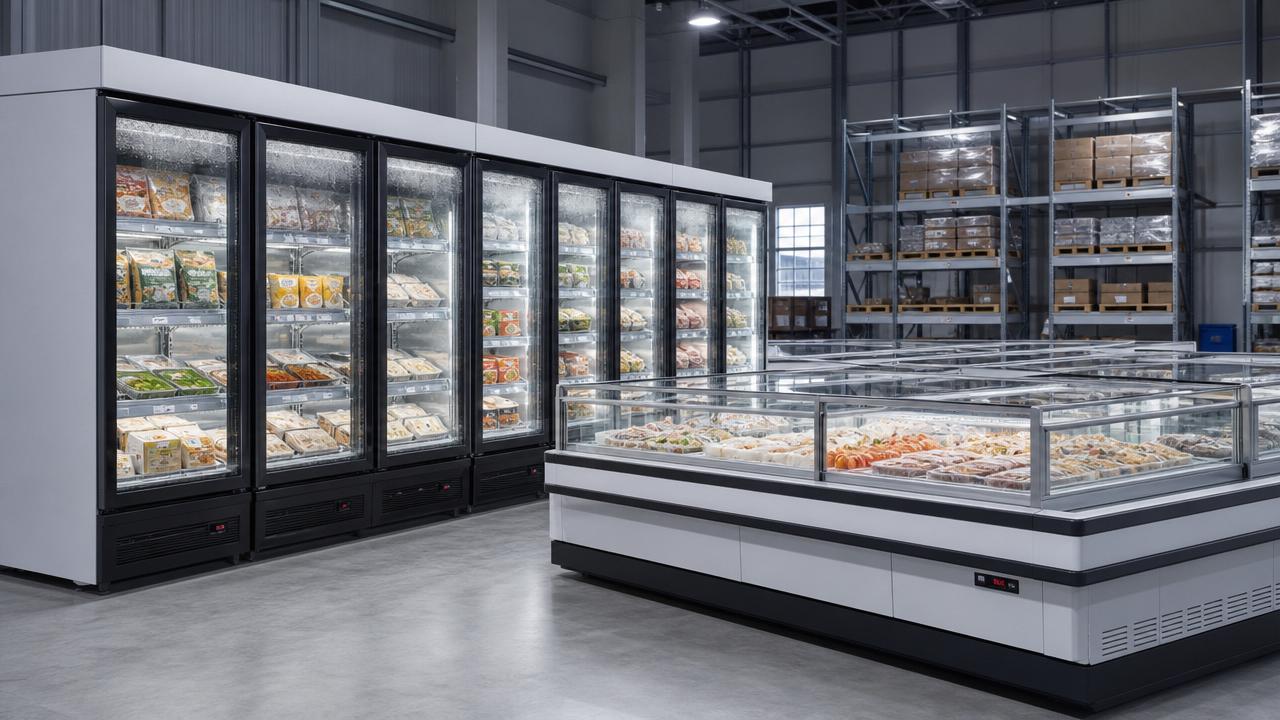
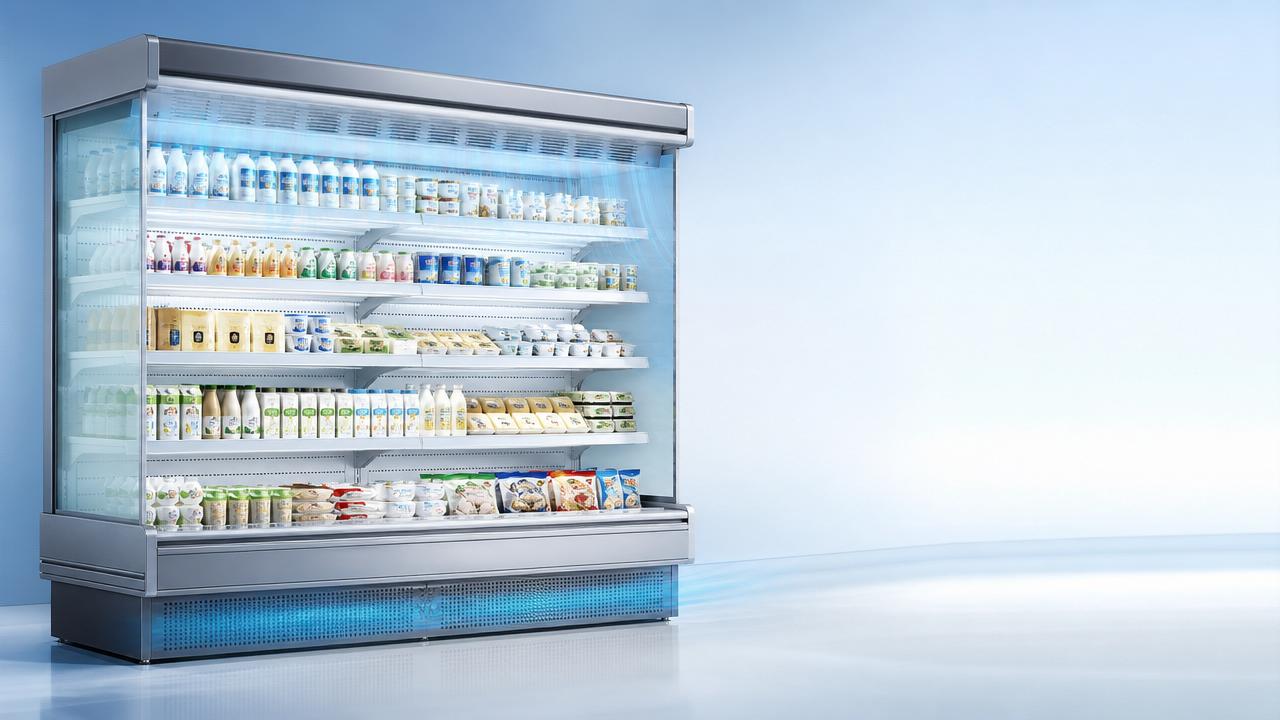
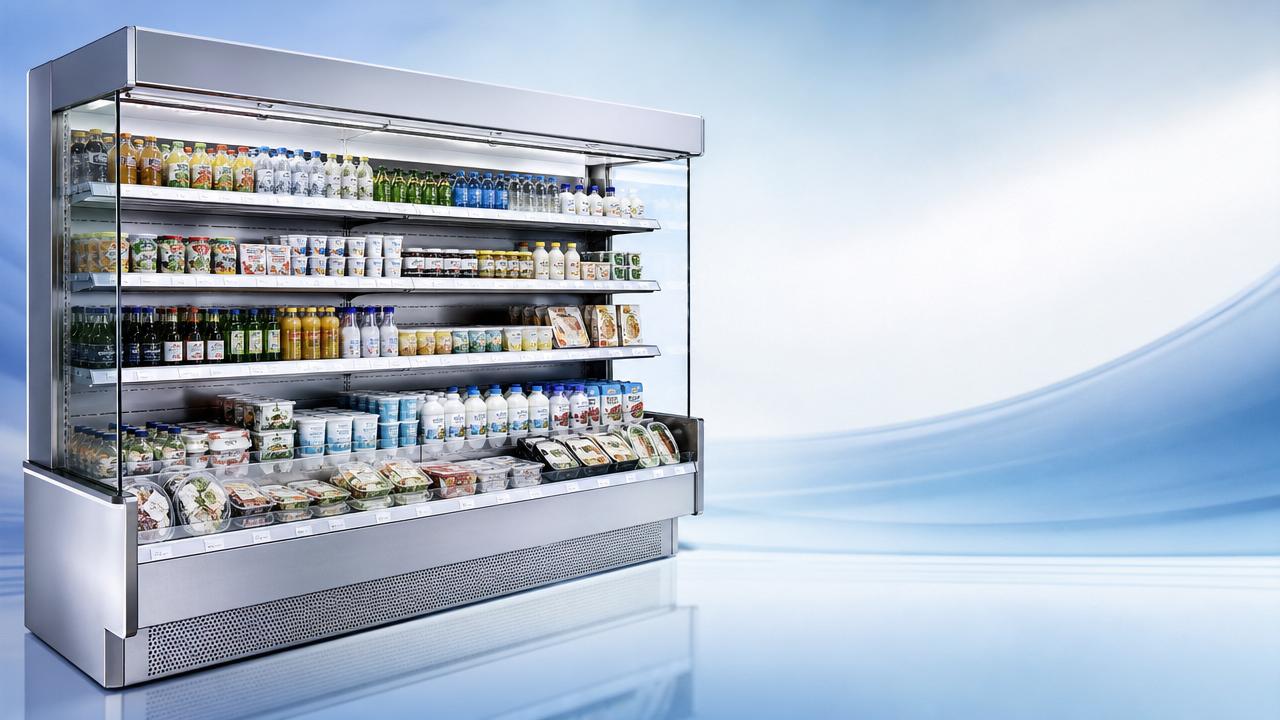
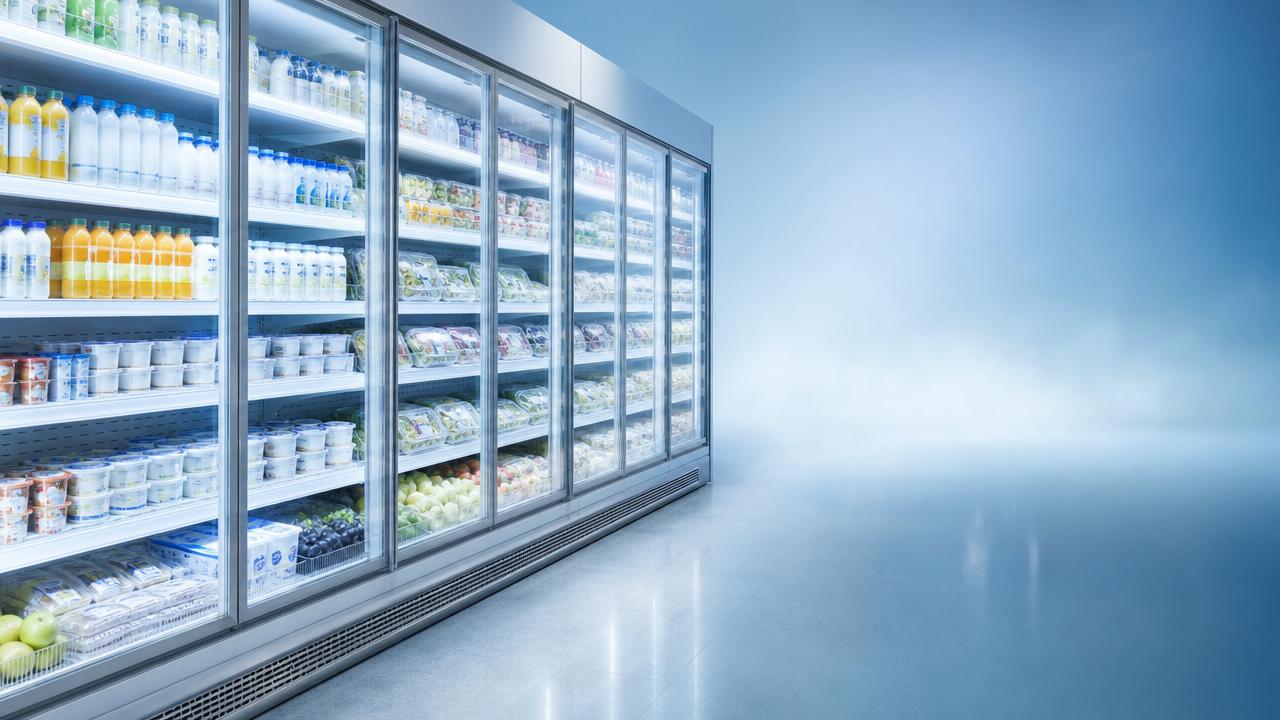
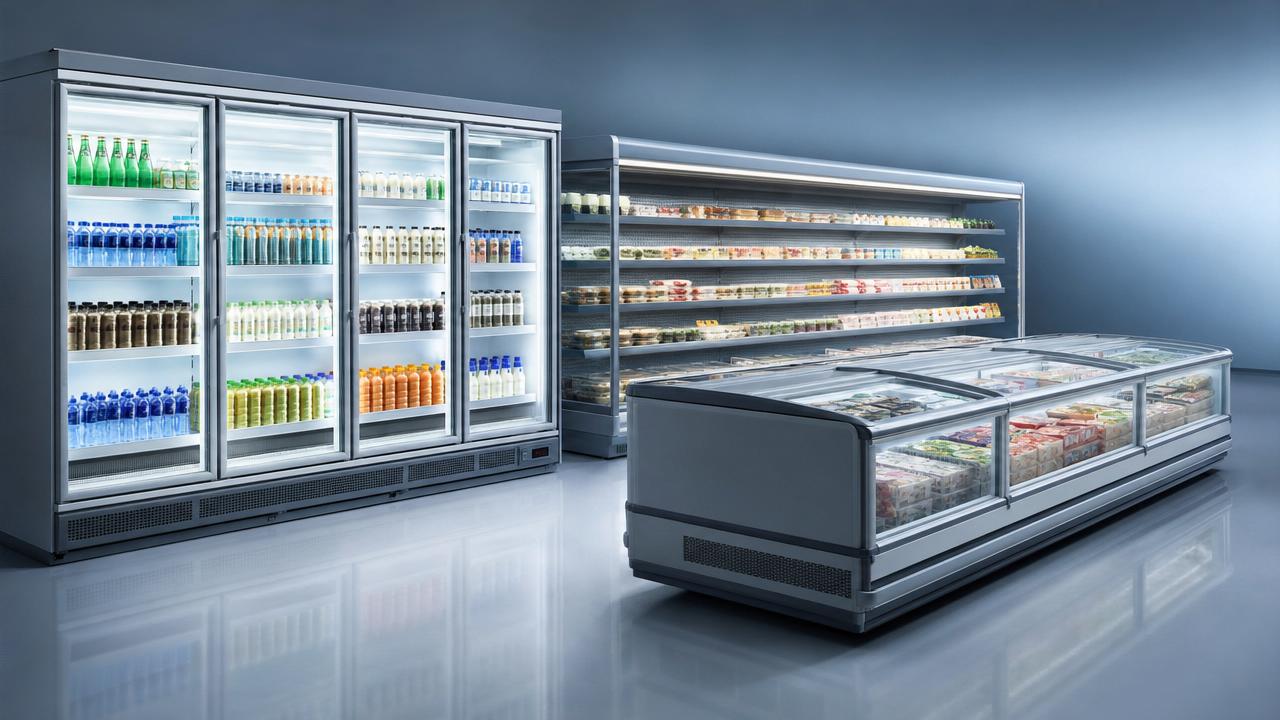
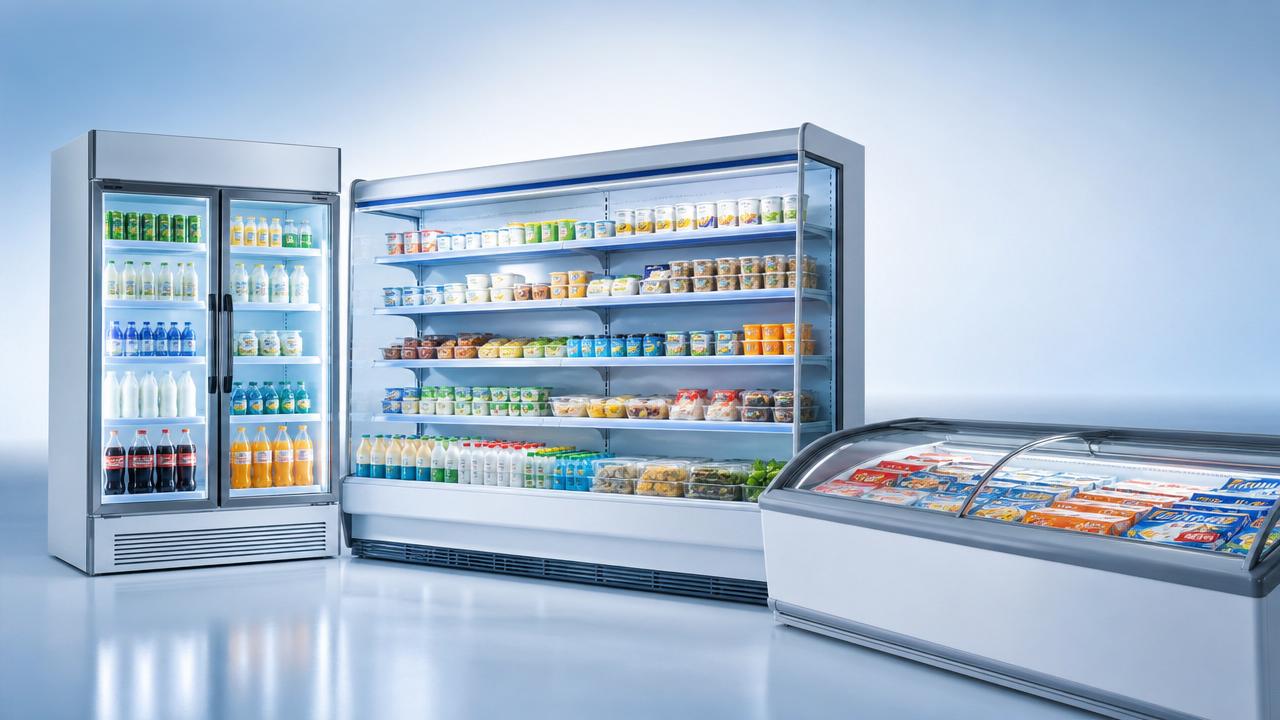
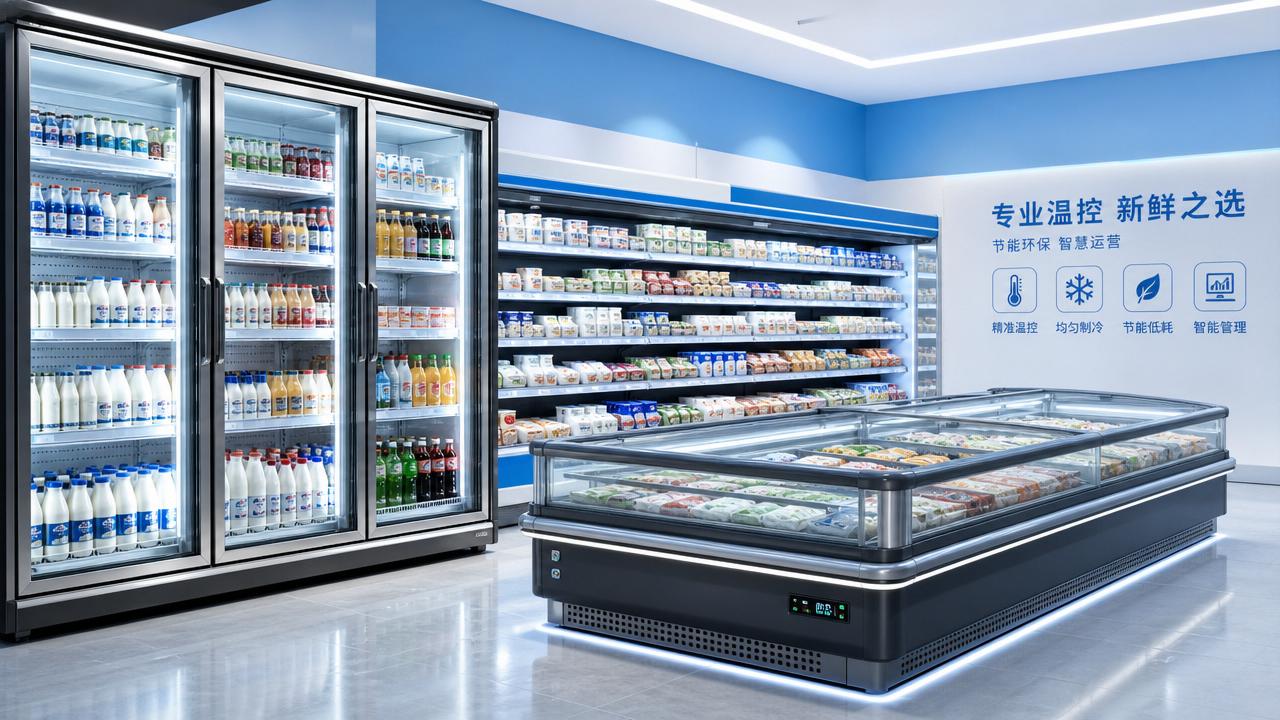
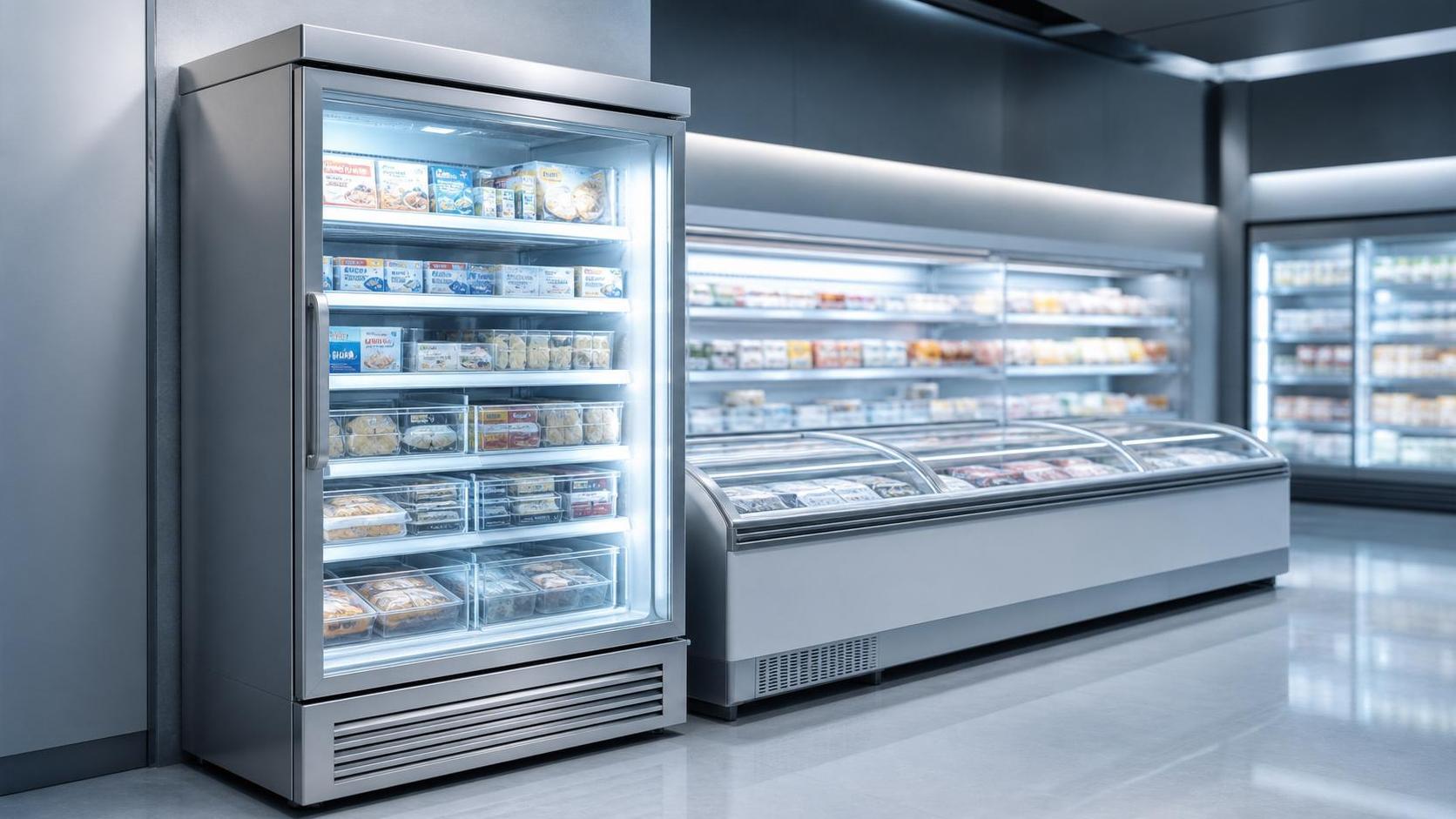
In retail, temperature stability and display performance matter as much as low temperature. Frequent door openings or customer access disturb the air curtain. If the cabinet is set too low, energy draw rises sharply while anti-fog, lighting, and airflow coordination may still become the real operational bottleneck.
Cold storage hubs and food distribution
In larger cold storage environments, commercial freezers must balance product safety with compressor staging, evaporator frost management, and loading cycles. Lowering room temperature below what the product requires may deliver little value if inbound product temperature and handling discipline remain inconsistent.
Biomedicine and ultra-low storage
This is the exception that proves the rule. Some materials genuinely require deep-cryogenic protection. But even here, setpoints should follow validated storage protocols. Ultra-low temperature freezers use cascade systems and specialized controls because standard commercial freezers are not built for that mission.
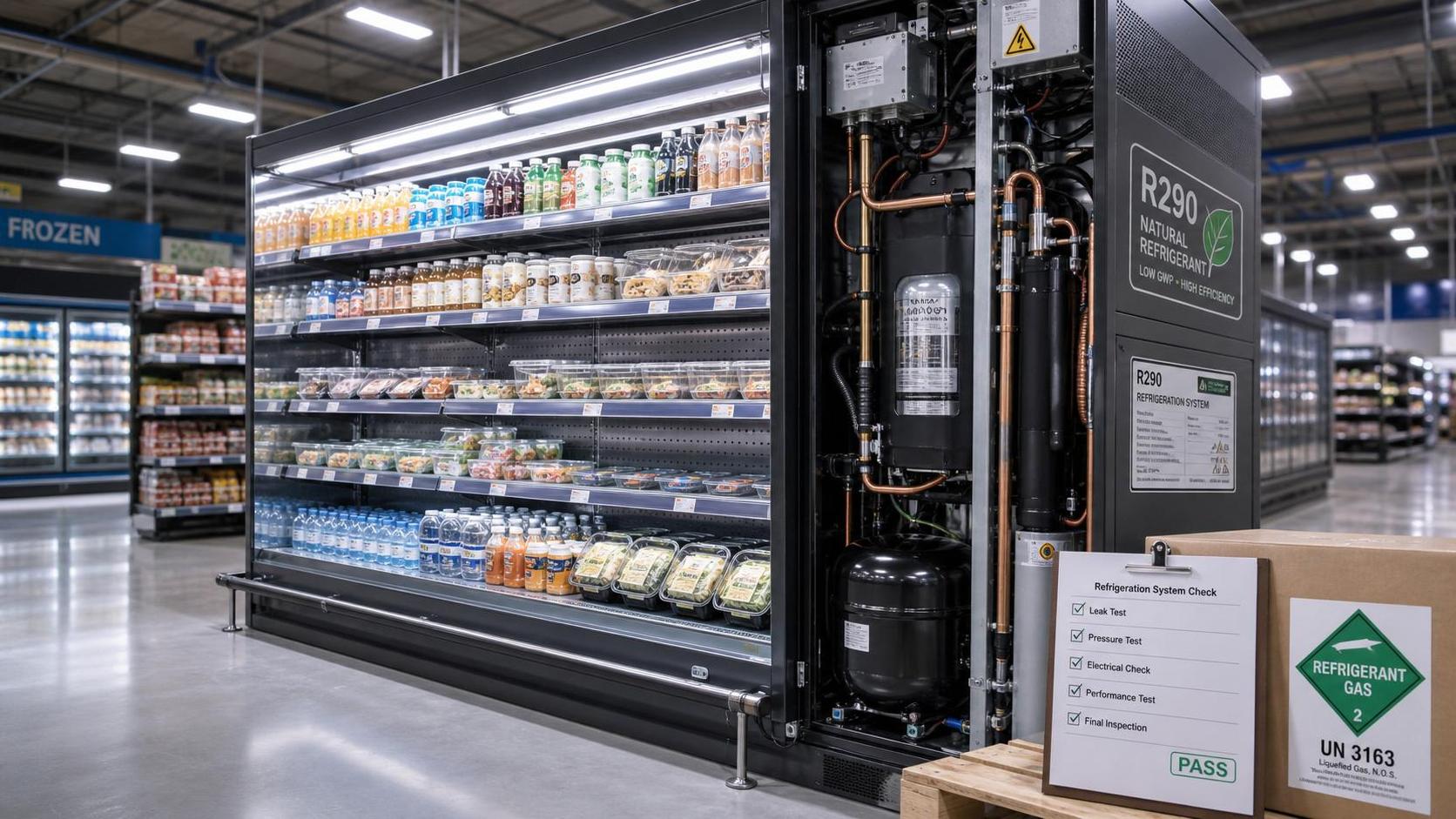
The table below shows how commercial freezers should be judged by scenario rather than by the simplistic idea that colder always means better.
The key takeaway is simple: commercial freezers must match the thermal sensitivity of the product and the operating rhythm of the site. A lower number on the controller does not automatically create a better business result.
What happens when commercial freezers are set too cold
Overcooling has direct and hidden costs. The obvious one is electricity. As evaporating temperature drops, the refrigeration system typically works harder to move heat across a larger temperature lift. In facilities with unstable loading patterns, this penalty becomes even more significant.
The hidden costs can be more damaging. Compressors may cycle more aggressively. Frost may build up faster on evaporators. Defrost intervals may increase. In display environments, excessive cold can also worsen condensation risks around doors, frames, and seals.
Product quality is another concern. Some foods suffer from moisture loss or surface damage when storage conditions are colder than necessary. Decision-makers should not separate freezer settings from packaging, dwell time, and inventory turnover.
- Higher energy cost without proportional product protection.
- Greater mechanical stress on compressors and fans.
- More frost accumulation and potential airflow restriction.
- Possible texture loss, freezer burn, or packaging brittleness.
Key technical factors buyers should review before choosing commercial freezers
Temperature setpoint is only one specification. Enterprise buyers should examine how commercial freezers achieve and maintain that setpoint under real operating conditions. This is where many tenders become incomplete and later create performance disputes.
Compressor and refrigeration architecture
Variable-speed systems, screw technology, and well-matched compressor staging often improve part-load performance. In larger systems, refrigerant strategy also matters because regulatory pressure is pushing more projects toward lower-GWP and natural refrigerant pathways such as CO2 in suitable applications.
Airflow and evaporator design
A freezer that reaches a low temperature in an empty test condition may still perform poorly if airflow is uneven after loading. Air curtain design, fan placement, evaporator face area, and rack layout influence recovery time and temperature uniformity.
Controls, alarms, and defrost logic
Digital controls, logging, and defrost strategy have direct financial value. Smarter control can reduce unnecessary compressor runtime, improve traceability, and help operators maintain compliance with internal quality protocols and customer audit expectations.
The following table highlights evaluation points that go beyond the headline temperature rating when comparing commercial freezers.
For enterprise procurement, these questions reduce risk far better than simply demanding the coldest possible unit. CCRS consistently sees that lifecycle performance depends on system matching, not one-dimensional specification chasing.
How to choose the right temperature range for commercial freezers
A disciplined selection process helps businesses avoid both underperformance and unnecessary overspending. Buyers should define the product requirement first, then translate it into equipment and control requirements.
- Identify the product category, target shelf life, packaging type, and acceptable quality tolerance.
- Map the operating pattern, including loading frequency, ambient conditions, and door-opening intensity.
- Review the refrigeration architecture, especially compressor control, evaporator sizing, and defrost logic.
- Calculate total cost of ownership, not just purchase price or nameplate temperature capability.
- Check regulatory exposure related to refrigerants, electrical requirements, and market-specific compliance expectations.
For businesses expanding across regions, this process becomes even more important. A freezer platform that works in one country may face refrigerant restrictions, energy-label expectations, or service limitations in another market. CCRS places strong emphasis on this strategic layer because procurement today is also a compliance decision.
Cost, compliance, and long-term return: what enterprise buyers often miss
The purchase of commercial freezers is rarely just an equipment transaction. It is a long-term operating commitment. Decision-makers should compare capital expenditure with energy consumption, maintenance burden, expected duty cycle, and replacement risk driven by environmental regulations.
For example, a lower initial-cost unit may become expensive if it has weaker insulation, less effective controls, or a refrigerant pathway that becomes harder to support. Conversely, a higher-spec system may deliver better payback if it reduces power draw and stabilizes inventory quality over years of use.
In cross-border projects, buyers should also watch for common standards and expectations such as electrical safety compliance, food-contact suitability where relevant, temperature logging capability, and refrigerant alignment with local or export-market rules. The exact certifications vary by market, but the decision framework should always include them early.
Common procurement mistakes
- Specifying only the lowest temperature instead of defining the real operating envelope.
- Ignoring door-opening frequency and warm-load recovery in retail or distribution settings.
- Overlooking defrost efficiency and how it affects uptime and product stability.
- Failing to review refrigerant compliance risks for future service and export plans.
FAQ about commercial freezers and temperature strategy
Should commercial freezers always be set to the lowest possible temperature?
No. Commercial freezers should be set according to product needs, operating conditions, and system design. If the setpoint is unnecessarily low, businesses often face higher energy bills and more mechanical stress without gaining meaningful protection.
Which businesses benefit most from lower-temperature commercial freezers?
Applications with validated deep-cold requirements benefit most, such as certain biomedical materials or specialty high-value products. Standard frozen food retail and distribution usually require stability and recovery performance more than extreme low-temperature capability.
What should buyers focus on besides temperature?
Focus on temperature uniformity, recovery after door openings, energy consumption, defrost method, refrigerant pathway, alarm and logging features, and serviceability. These factors often determine real operating success more than the controller's minimum setting.
How do commercial freezers affect lifecycle cost?
Lifecycle cost includes electricity, maintenance, downtime risk, product loss, and possible compliance-driven retrofit pressure. A freezer that appears inexpensive at purchase can become costly if it runs inefficiently or cannot align with future regulatory expectations.
Why work with a specialist partner when evaluating commercial freezers
Commercial freezers sit at the intersection of food safety, thermodynamics, energy economics, and compliance. That is why enterprise buyers increasingly need more than a catalog comparison. They need structured decision support covering application fit, refrigeration architecture, refrigerant strategy, and long-term operational risk.
CCRS brings that wider view. By connecting industrial chillers, cold storage compressors, commercial refrigeration cabinets, large-scale ice systems, and ultra-low temperature technologies, CCRS helps buyers understand how freezer decisions affect the broader cold-chain ecosystem. This is especially valuable when projects span fresh retail, food logistics, industrial cooling, or medical storage requirements.
If your team is reviewing commercial freezers, you can consult on concrete issues such as target temperature confirmation, product-based setpoint planning, compressor and refrigerant selection, defrost strategy, estimated delivery cycle, export compliance concerns, and quotation alignment for custom scenarios. That makes procurement faster, clearer, and less exposed to costly specification errors.
Recommended News
 Multideck Display CabinetsCommercial Freezers: Is Lower Temperature Always Better?Analyst :Retail Refrigeration Strategist
 Multideck Display CabinetsWhy Refrigeration Cabinets Lose Efficiency Faster Than ExpectedAnalyst :Retail Refrigeration Strategist
 Multideck Display CabinetsMIIT Launches 2026 Industrial Energy Conservation InspectionAnalyst :Retail Refrigeration Strategist
 Multideck Display CabinetsCan air curtain refrigeration really reduce display losses?Analyst :Retail Refrigeration Strategist
 Multideck Display CabinetsColombia Launches Anti-Dumping Sunset Review on Chinese Acrylic SheetsAnalyst :Retail Refrigeration Strategist
 Multideck Display CabinetsUA Team Solves 3D Vision Glare Recognition for Cold Chain RobotsAnalyst :Retail Refrigeration Strategist
 Multideck Display CabinetsUK-GCC FTA to Phase Out Tariffs on Commercial Cold CabinetsAnalyst :Retail Refrigeration Strategist
 Multideck Display CabinetsCommercial freezers often fail for these avoidable reasonsAnalyst :Retail Refrigeration Strategist
![]() Multideck Display CabinetsDOE Updates ENERGY STAR Commercial Refrigeration StandardsAnalyst :Retail Refrigeration Strategist
Multideck Display CabinetsDOE Updates ENERGY STAR Commercial Refrigeration StandardsAnalyst :Retail Refrigeration Strategist Multideck Display CabinetsIs air curtain refrigeration enough for open displays?Analyst :Retail Refrigeration Strategist
 Multideck Display CabinetsWhy anti-fog technology matters in open display cabinetsAnalyst :Retail Refrigeration Strategist
 Multideck Display CabinetsWhy Anti-Fog Technology Matters in Display CasesAnalyst :Retail Refrigeration Strategist
 Multideck Display CabinetsDoes anti-fog technology really improve display sales?Analyst :Retail Refrigeration Strategist
 Multideck Display CabinetsDoes anti-fog technology really improve display sales?Analyst :Retail Refrigeration Strategist
![]() Multideck Display CabinetsAir Curtain Refrigeration in Open Display Cases: Energy Loss and Setup TipsAnalyst :Retail Refrigeration Strategist
Multideck Display CabinetsAir Curtain Refrigeration in Open Display Cases: Energy Loss and Setup TipsAnalyst :Retail Refrigeration Strategist![]() Multideck Display CabinetsHow to Choose Refrigeration Cabinets for Retail: Size, Temperature Range, and LayoutAnalyst :Retail Refrigeration Strategist
Multideck Display CabinetsHow to Choose Refrigeration Cabinets for Retail: Size, Temperature Range, and LayoutAnalyst :Retail Refrigeration Strategist Multideck Display CabinetsHow to Choose Refrigeration Cabinets for Retail: Display Type, Temperature, and Energy UseAnalyst :Retail Refrigeration Strategist
 Multideck Display CabinetsRefrigeration Cabinets Explained: Types, Temperature Ranges, and Best Use CasesAnalyst :Retail Refrigeration Strategist
 Multideck Display CabinetsRCEP Green Cabinet Scheme Speeds Display Cabinet ExportsAnalyst :Retail Refrigeration Strategist
 Multideck Display CabinetsRCEP Green Cabinet Plan Eases Clearance for Multideck UnitsAnalyst :Retail Refrigeration Strategist
 Multideck Display CabinetsRCEP Green Cabinet Plan Speeds Multideck Cabinet TradeAnalyst :Retail Refrigeration Strategist
 Multideck Display CabinetsEU Launches Green Cabinet Scheme, Speeds Clearance 30%Analyst :Retail Refrigeration Strategist
 Multideck Display CabinetsHow to Choose Refrigeration Cabinets for Supermarkets: Temperature, Layout, and Energy UseAnalyst :Retail Refrigeration Strategist
 Multideck Display CabinetsRefrigeration Cabinets Explained: Types, Use Cases, and Key Energy-Saving FeaturesAnalyst :Retail Refrigeration Strategist
 Multideck Display CabinetsAir Curtain Refrigeration Explained: When It Works Best in Open Display CabinetsAnalyst :Retail Refrigeration Strategist
 Multideck Display CabinetsRACC 2026 to Spotlight EU REACH PFAS Seal RulesAnalyst :Retail Refrigeration Strategist
 Multideck Display CabinetsUpright Display Freezers: Key Features to Compare Before Buying for Retail UseAnalyst :Retail Refrigeration Strategist
 Multideck Display CabinetsRACC 2026 Highlights EU REACH PFAS Shift for Cold-Chain SealsAnalyst :Retail Refrigeration Strategist
 Multideck Display CabinetsCommercial Freezers vs Upright Freezers: Which Format Fits Your Store?Analyst :Retail Refrigeration Strategist
 Multideck Display CabinetsEPA Halts New SNAP Filings for A2L Refrigeration EquipmentAnalyst :Retail Refrigeration Strategist
 Multideck Display CabinetsAir Curtain Refrigeration Cabinets vs Open Display Cases: Which Fits Your Store Layout?Analyst :Retail Refrigeration Strategist
 Multideck Display CabinetsEPA Suspends New SNAP Reviews for A2L SystemsAnalyst :Retail Refrigeration Strategist
 Multideck Display CabinetsEPA Halts New SNAP Filings for A2L Refrigerant UnitsAnalyst :Retail Refrigeration Strategist
 Multideck Display CabinetsMultideck Display Refrigerators in Latin America: Which Store Formats Fit Best?Analyst :Retail Refrigeration Strategist
 Multideck Display CabinetsMETI Sets OTA Update Rule for Multideck CabinetsAnalyst :Retail Refrigeration Strategist
 Multideck Display CabinetsJapan METI to Mandate OTA Support for Multideck CabinetsAnalyst :Retail Refrigeration Strategist
 Multideck Display CabinetsThailand TISI Eyes New Energy Labels for Multideck CabinetsAnalyst :Retail Refrigeration Strategist
 Multideck Display CabinetsCommercial Refrigeration Bakery Display Buying Guide: Capacity, Humidity, and MerchandisingAnalyst :Retail Refrigeration Strategist
 Multideck Display CabinetsJapan Raises JIS Efficiency Bar for Multideck CabinetsAnalyst :Retail Refrigeration Strategist
 Multideck Display CabinetsEPA Clears R290 for Multideck Display CabinetsAnalyst :Retail Refrigeration Strategist