Industry News
Curation by industry experts
Hot Articles
- Thermodynamic Tech TrendsHow to Size Heat Exchange Systems for Refrigeration Plants at Peak Load
- Parallel Compressor RacksHow to Size Reciprocating Compressors for Cold Storage Load and Temperature Range
- Flake Ice MachinesHow to Size a Commercial Ice Dispenser for Peak Demand in Foodservice Operations
Popular Tags
Why Refrigeration Cabinets Lose Efficiency Faster Than Expected
Why Refrigeration Cabinets Lose Efficiency Faster Than Expected
Many businesses assume refrigeration cabinets will deliver stable performance for years, yet efficiency often declines much faster than expected.
That drop is not just a technical inconvenience. It raises operating costs, weakens temperature consistency, and shortens equipment return on investment.
For any cold-chain environment, understanding why refrigeration cabinets lose efficiency is essential to protect freshness, energy performance, and long-term reliability.
Why a Structured Review Matters
Efficiency loss rarely comes from one dramatic failure. More often, refrigeration cabinets decline through small, overlapping problems that go unnoticed for months.
A structured review helps identify hidden thermal leaks, airflow restrictions, control drift, and maintenance gaps before they become expensive system-wide issues.
This matters across retail, foodservice, medical storage, and industrial support spaces, where refrigeration cabinets must balance cooling accuracy with energy discipline.
Core Reasons Refrigeration Cabinets Lose Efficiency
Use the following points to evaluate why refrigeration cabinets may be consuming more power while delivering less stable cooling performance.
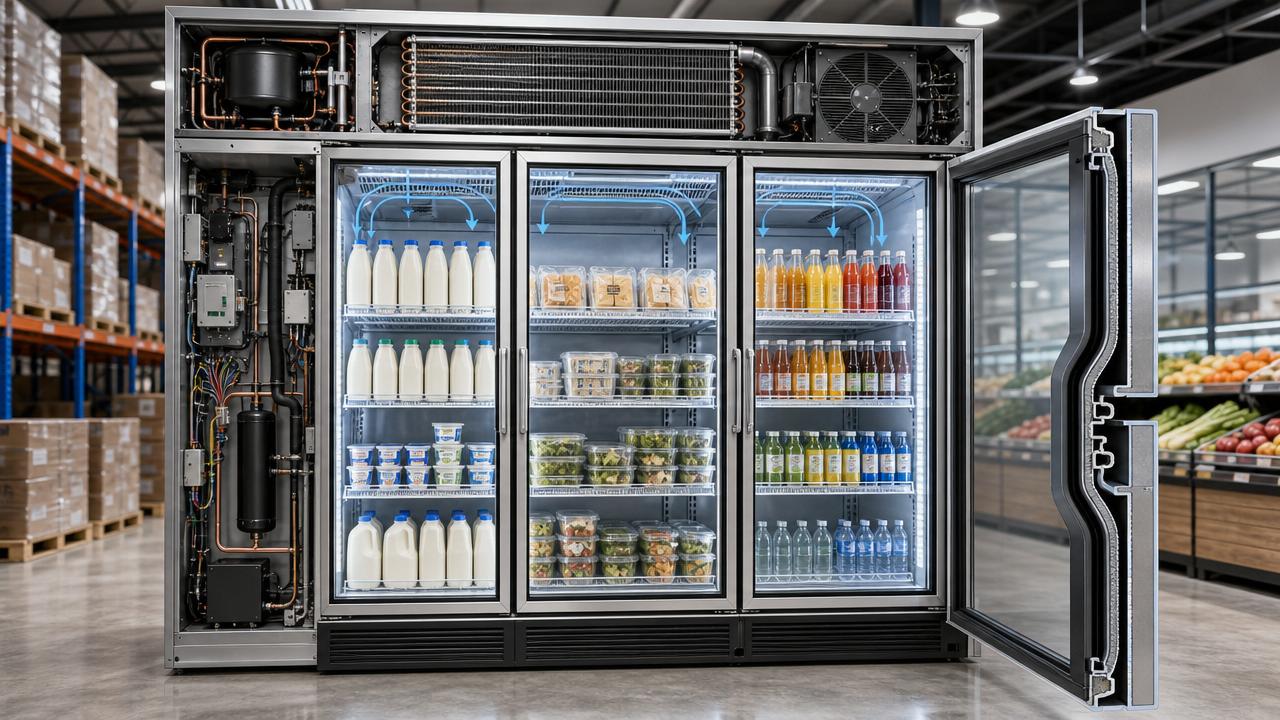
- Dirty condenser coils force the system to reject heat less effectively, increasing compressor workload, extending run time, and causing refrigeration cabinets to lose energy efficiency quickly.
- Evaporator frost buildup blocks air movement, reduces heat transfer capacity, and creates uneven cabinet temperatures that can silently damage product quality over time.
- Door gasket wear allows warm ambient air infiltration, making refrigeration cabinets fight continuous heat gain and moisture intrusion during normal operation.
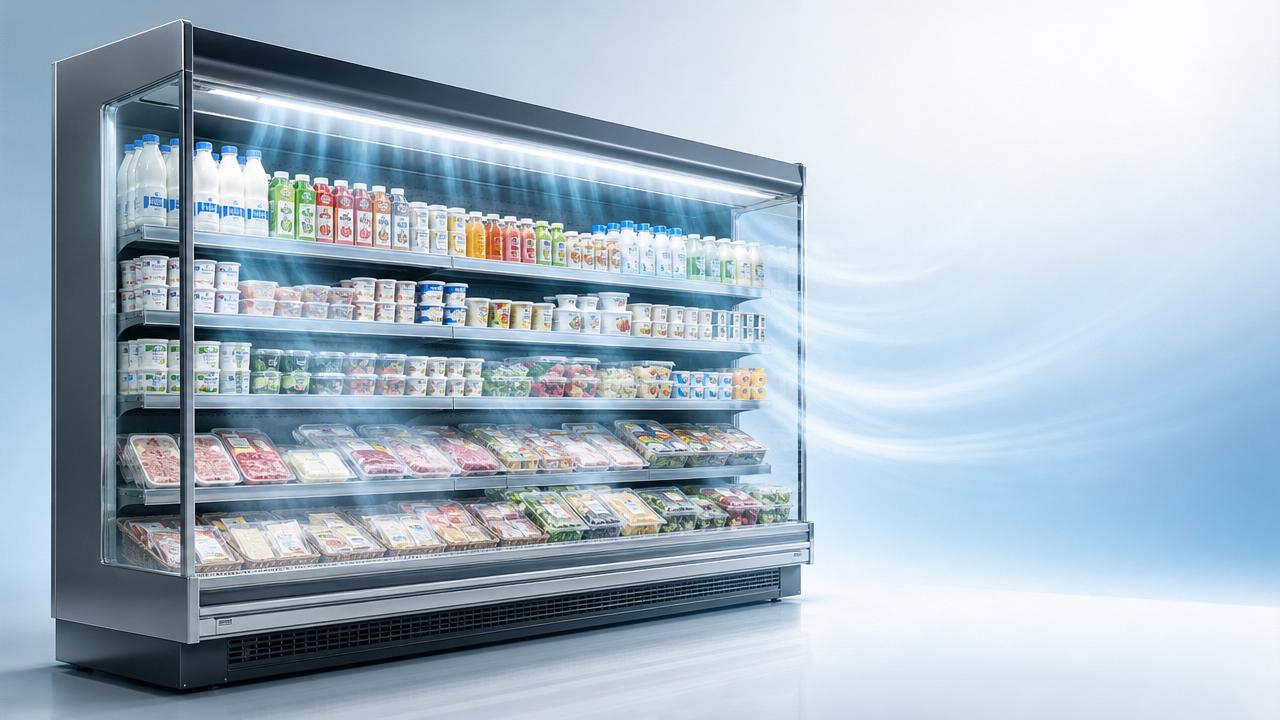
- Improper product loading disrupts internal circulation, weakens the air curtain, and creates hot spots that trigger longer compressor cycles and unstable holding temperatures.
- Frequent door openings increase sensible and latent heat loads, especially in busy environments where cabinet recovery time is already limited.
- Poor installation clearance around the unit restricts ventilation, causing high condensing temperatures that accelerate wear and reduce overall refrigeration cabinet efficiency.
- Control sensor drift leads to inaccurate temperature readings, resulting in overcooling, unnecessary defrost cycles, or delayed compressor response.
- Low refrigerant charge or micro leaks reduce cooling capacity, impair heat exchange balance, and often remain undetected until energy bills noticeably rise.
- Aging fan motors and worn blades reduce airflow volume, making refrigeration cabinets less capable of maintaining uniform temperature across shelves.
- Defrost settings that are too frequent or too long waste energy, while insufficient defrosting creates ice accumulation and airflow resistance.
- High ambient humidity promotes condensation and frost formation, forcing refrigeration cabinets to spend more energy managing moisture rather than cooling products.
- Outdated lighting and anti-fog systems may add unnecessary heat load, especially in display refrigeration cabinets designed for constant consumer visibility.
How to Check Refrigeration Cabinets in Different Applications
Fresh Retail Display
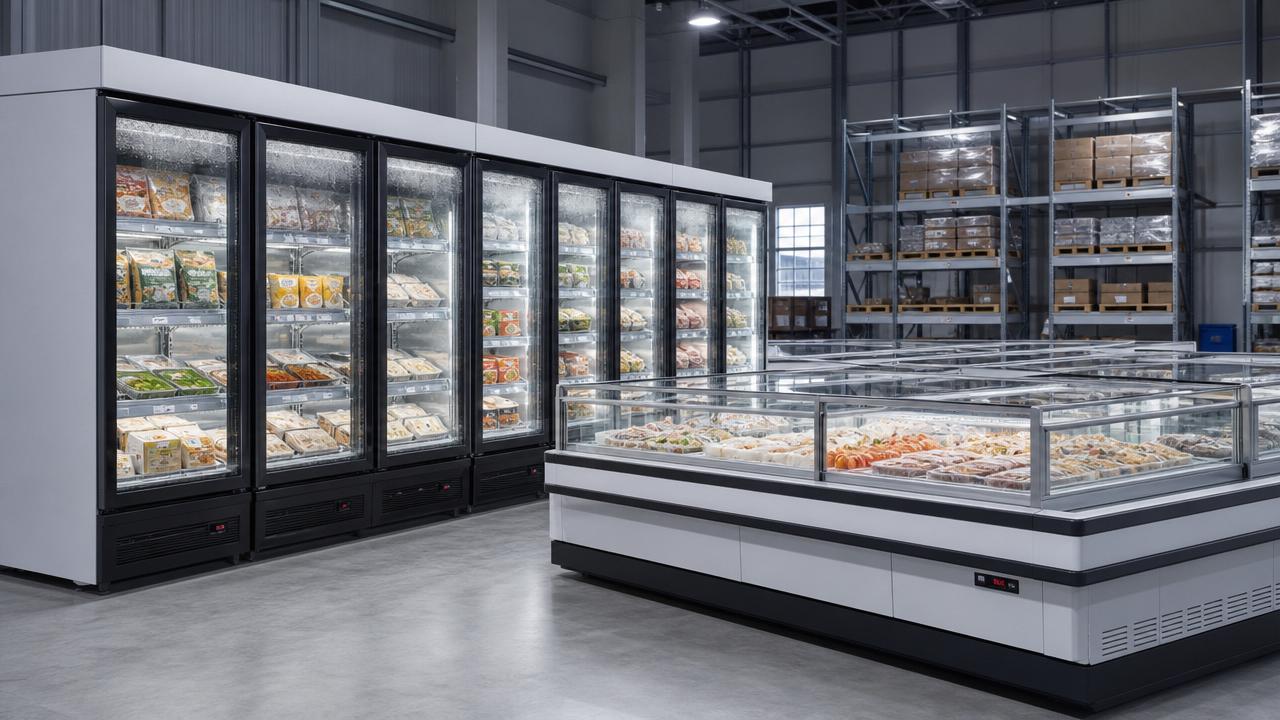
In open or glass-door merchandising, airflow integrity is critical. Product overstacking often blocks supply air and weakens temperature uniformity across display zones.
Also check lighting heat, door seal condition, and anti-fog performance. These details strongly affect the efficiency of refrigeration cabinets in customer-facing environments.
Foodservice Back-of-House
In kitchens, refrigeration cabinets face high ambient temperatures, grease exposure, and repeated door openings. Condenser fouling happens much faster in this setting.
Inspect coil cleanliness, ventilation clearance, and compressor cycling frequency. If run times are increasing, thermal rejection may already be compromised.
Medical and Laboratory Support
Here, temperature precision matters more than visible frost or noise. Small sensor errors can create unacceptable storage deviations long before obvious breakdown occurs.
Check calibration records, alarm response accuracy, and data logging consistency. Efficient refrigeration cabinets in healthcare settings depend on reliable controls as much as hardware.
Industrial Auxiliary Cooling Areas
When refrigeration cabinets support industrial workflows, dust, heat, and unstable power quality can accelerate component stress and energy drift.
Review electrical stability, condenser exposure, and maintenance intervals. Cabinets near process heat sources often lose efficiency far earlier than expected design life.
Commonly Overlooked Issues That Speed Up Efficiency Loss
Ignoring Small Air Leaks
Minor gasket damage often looks harmless. In reality, continuous infiltration adds moisture, increases frosting, and forces refrigeration cabinets into constant compensation mode.
Using Fixed Maintenance Intervals Only
Time-based maintenance misses real operating stress. Refrigeration cabinets in harsh environments need condition-based inspections, not generic calendar routines.
Overlooking Ambient Conditions
Room temperature, humidity, and nearby heat sources directly affect system load. Even efficient refrigeration cabinets underperform if the surrounding environment is poorly managed.
Focusing Only on Compressor Health
The compressor is critical, but airflow, controls, and heat exchange surfaces often explain the earliest efficiency losses in refrigeration cabinets.
Missing Defrost Optimization Opportunities
Many units still run conservative defrost schedules. Smarter tuning can cut energy waste while protecting evaporator performance and product stability.
Practical Actions to Extend Refrigeration Cabinet Efficiency
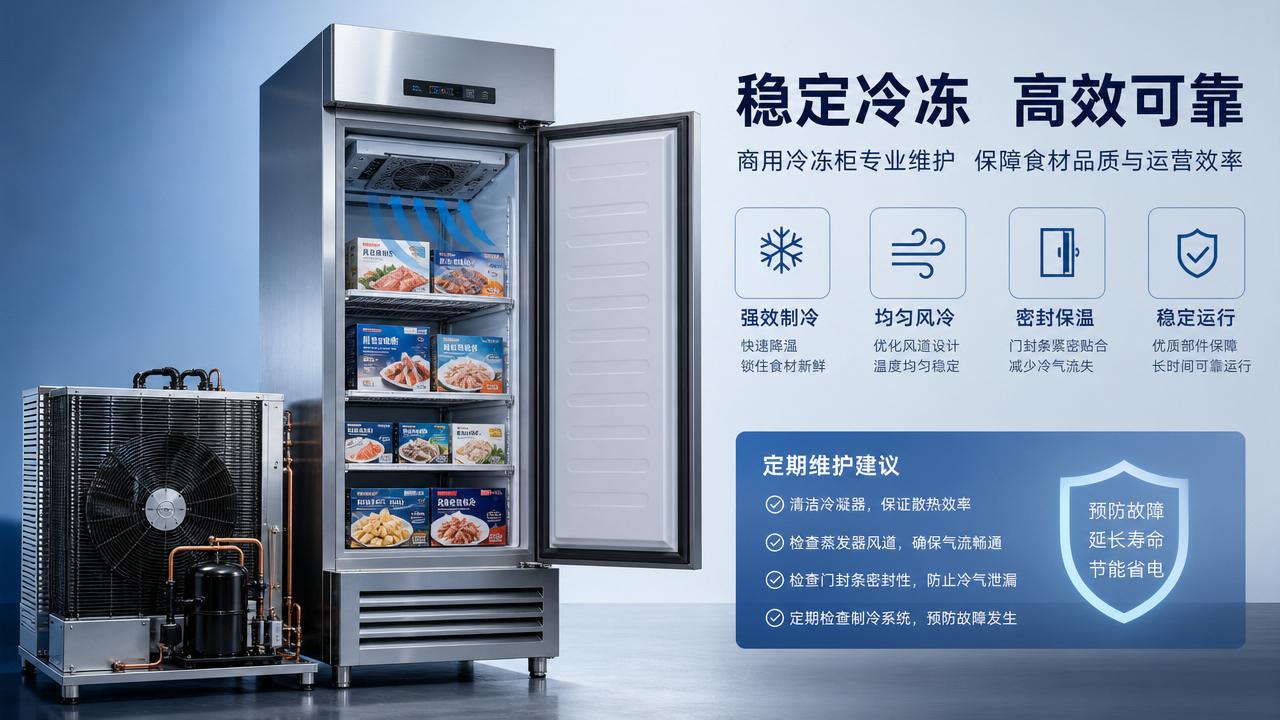
- Clean condenser coils based on actual dirt exposure, not only monthly or quarterly schedules.
- Inspect door gaskets regularly and replace them before visible damage becomes major thermal leakage.
- Verify shelf loading rules so stored products do not block supply or return airflow paths.
- Track temperature recovery time after door openings to detect performance decline early.
- Calibrate sensors and controllers to prevent overcooling, undercooling, and unnecessary compressor stress.
- Review defrost settings using real frost patterns, humidity levels, and product loading conditions.
- Check refrigerant circuit integrity during service visits, especially when power use rises without obvious cause.
- Maintain proper installation clearance so refrigeration cabinets can reject heat efficiently and consistently.
- Upgrade fans, lighting, or controls when lifecycle data shows old components are creating avoidable energy losses.
A Simple Performance Review Framework
A useful review framework combines thermal, mechanical, and operational indicators instead of relying on a single temperature reading.
- Thermal check: cabinet temperature stability, recovery speed, frost pattern, and air distribution.
- Mechanical check: fan condition, gasket wear, coil cleanliness, and compressor cycling behavior.
- Control check: sensor calibration, alarm logic, defrost timing, and controller accuracy.
- Energy check: rising consumption trends, longer run hours, and seasonal performance shifts.
When these factors are reviewed together, refrigeration cabinets can be corrected earlier, before losses spread into product waste or major component failure.
Conclusion and Next Steps
Refrigeration cabinets lose efficiency faster than expected because real-world operating stress is often underestimated during daily use and maintenance planning.
The biggest causes are usually preventable: dirty coils, airflow disruption, poor seals, incorrect defrosting, sensor drift, and overlooked ambient heat load.
Start with a cabinet-by-cabinet review of airflow, sealing, controls, coil condition, and energy trends. Then prioritize corrective actions by impact and urgency.
For organizations managing broader cold-chain assets, this disciplined approach helps refrigeration cabinets stay aligned with freshness targets, sustainability goals, and lifecycle cost control.
Recommended News
 Multideck Display CabinetsCommercial Freezers: Is Lower Temperature Always Better?Analyst :Retail Refrigeration Strategist
 Multideck Display CabinetsWhy Refrigeration Cabinets Lose Efficiency Faster Than ExpectedAnalyst :Retail Refrigeration Strategist
 Multideck Display CabinetsMIIT Launches 2026 Industrial Energy Conservation InspectionAnalyst :Retail Refrigeration Strategist
 Multideck Display CabinetsCan air curtain refrigeration really reduce display losses?Analyst :Retail Refrigeration Strategist
 Multideck Display CabinetsColombia Launches Anti-Dumping Sunset Review on Chinese Acrylic SheetsAnalyst :Retail Refrigeration Strategist
 Multideck Display CabinetsUA Team Solves 3D Vision Glare Recognition for Cold Chain RobotsAnalyst :Retail Refrigeration Strategist
 Multideck Display CabinetsUK-GCC FTA to Phase Out Tariffs on Commercial Cold CabinetsAnalyst :Retail Refrigeration Strategist
 Multideck Display CabinetsCommercial freezers often fail for these avoidable reasonsAnalyst :Retail Refrigeration Strategist
![]() Multideck Display CabinetsDOE Updates ENERGY STAR Commercial Refrigeration StandardsAnalyst :Retail Refrigeration Strategist
Multideck Display CabinetsDOE Updates ENERGY STAR Commercial Refrigeration StandardsAnalyst :Retail Refrigeration Strategist Multideck Display CabinetsIs air curtain refrigeration enough for open displays?Analyst :Retail Refrigeration Strategist
 Multideck Display CabinetsWhy anti-fog technology matters in open display cabinetsAnalyst :Retail Refrigeration Strategist
 Multideck Display CabinetsWhy Anti-Fog Technology Matters in Display CasesAnalyst :Retail Refrigeration Strategist
 Multideck Display CabinetsDoes anti-fog technology really improve display sales?Analyst :Retail Refrigeration Strategist
 Multideck Display CabinetsDoes anti-fog technology really improve display sales?Analyst :Retail Refrigeration Strategist
![]() Multideck Display CabinetsAir Curtain Refrigeration in Open Display Cases: Energy Loss and Setup TipsAnalyst :Retail Refrigeration Strategist
Multideck Display CabinetsAir Curtain Refrigeration in Open Display Cases: Energy Loss and Setup TipsAnalyst :Retail Refrigeration Strategist![]() Multideck Display CabinetsHow to Choose Refrigeration Cabinets for Retail: Size, Temperature Range, and LayoutAnalyst :Retail Refrigeration Strategist
Multideck Display CabinetsHow to Choose Refrigeration Cabinets for Retail: Size, Temperature Range, and LayoutAnalyst :Retail Refrigeration Strategist Multideck Display CabinetsHow to Choose Refrigeration Cabinets for Retail: Display Type, Temperature, and Energy UseAnalyst :Retail Refrigeration Strategist
 Multideck Display CabinetsRefrigeration Cabinets Explained: Types, Temperature Ranges, and Best Use CasesAnalyst :Retail Refrigeration Strategist
 Multideck Display CabinetsRCEP Green Cabinet Scheme Speeds Display Cabinet ExportsAnalyst :Retail Refrigeration Strategist
 Multideck Display CabinetsRCEP Green Cabinet Plan Eases Clearance for Multideck UnitsAnalyst :Retail Refrigeration Strategist
 Multideck Display CabinetsRCEP Green Cabinet Plan Speeds Multideck Cabinet TradeAnalyst :Retail Refrigeration Strategist
 Multideck Display CabinetsEU Launches Green Cabinet Scheme, Speeds Clearance 30%Analyst :Retail Refrigeration Strategist
 Multideck Display CabinetsHow to Choose Refrigeration Cabinets for Supermarkets: Temperature, Layout, and Energy UseAnalyst :Retail Refrigeration Strategist
 Multideck Display CabinetsRefrigeration Cabinets Explained: Types, Use Cases, and Key Energy-Saving FeaturesAnalyst :Retail Refrigeration Strategist
 Multideck Display CabinetsAir Curtain Refrigeration Explained: When It Works Best in Open Display CabinetsAnalyst :Retail Refrigeration Strategist
 Multideck Display CabinetsRACC 2026 to Spotlight EU REACH PFAS Seal RulesAnalyst :Retail Refrigeration Strategist
 Multideck Display CabinetsUpright Display Freezers: Key Features to Compare Before Buying for Retail UseAnalyst :Retail Refrigeration Strategist
 Multideck Display CabinetsRACC 2026 Highlights EU REACH PFAS Shift for Cold-Chain SealsAnalyst :Retail Refrigeration Strategist
 Multideck Display CabinetsCommercial Freezers vs Upright Freezers: Which Format Fits Your Store?Analyst :Retail Refrigeration Strategist
 Multideck Display CabinetsEPA Halts New SNAP Filings for A2L Refrigeration EquipmentAnalyst :Retail Refrigeration Strategist
 Multideck Display CabinetsAir Curtain Refrigeration Cabinets vs Open Display Cases: Which Fits Your Store Layout?Analyst :Retail Refrigeration Strategist
 Multideck Display CabinetsEPA Suspends New SNAP Reviews for A2L SystemsAnalyst :Retail Refrigeration Strategist
 Multideck Display CabinetsEPA Halts New SNAP Filings for A2L Refrigerant UnitsAnalyst :Retail Refrigeration Strategist
 Multideck Display CabinetsMultideck Display Refrigerators in Latin America: Which Store Formats Fit Best?Analyst :Retail Refrigeration Strategist
 Multideck Display CabinetsMETI Sets OTA Update Rule for Multideck CabinetsAnalyst :Retail Refrigeration Strategist
 Multideck Display CabinetsJapan METI to Mandate OTA Support for Multideck CabinetsAnalyst :Retail Refrigeration Strategist
 Multideck Display CabinetsThailand TISI Eyes New Energy Labels for Multideck CabinetsAnalyst :Retail Refrigeration Strategist
 Multideck Display CabinetsCommercial Refrigeration Bakery Display Buying Guide: Capacity, Humidity, and MerchandisingAnalyst :Retail Refrigeration Strategist
 Multideck Display CabinetsJapan Raises JIS Efficiency Bar for Multideck CabinetsAnalyst :Retail Refrigeration Strategist
 Multideck Display CabinetsEPA Clears R290 for Multideck Display CabinetsAnalyst :Retail Refrigeration Strategist