Industry News
Curation by industry experts
Hot Articles
- Cold Chain & Retail Energy InsightsHow North American Cold Facilities Can Benchmark Refrigeration System Efficiency
- -86℃ ULT FreezersHow to Select Medical Cryogenic Vials for Long-Term Sample Storage
- Cold Chain & Retail Energy InsightsFood-Grade Panel Requirements for Hygienic Meat Cold Storage Systems
Popular Tags
What to compare before buying energy efficient chillers
Before investing in energy efficient chillers, the smartest comparison starts after the quoted price. A lower purchase cost can hide higher power use, unstable part-load performance, refrigerant compliance risk, or expensive service requirements. Across industrial and commercial cooling, the right system improves efficiency, protects process stability, and reduces total ownership cost over many years.
Why a comparison checklist matters before buying energy efficient chillers
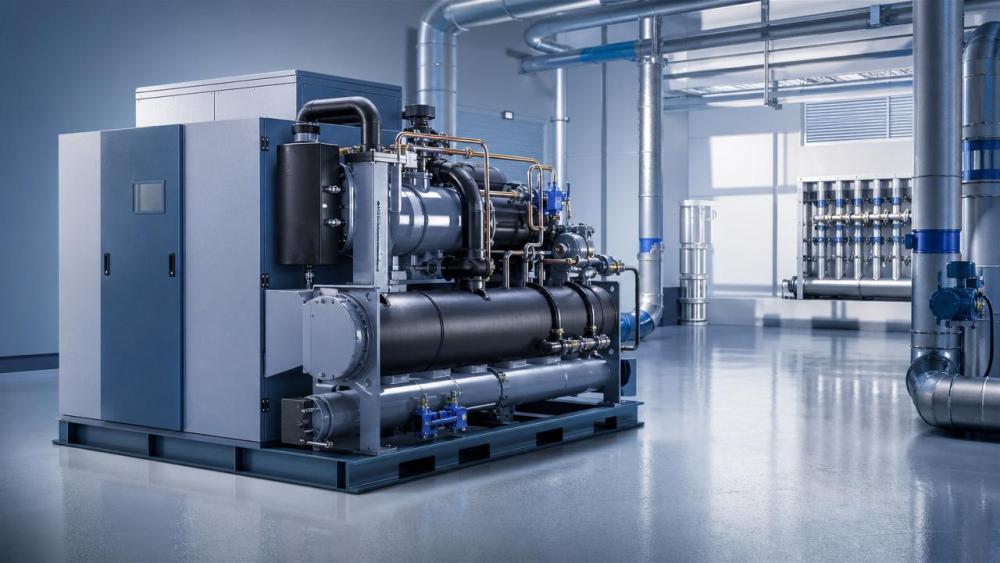
Chillers are long-life assets. Once installed, they shape utility bills, maintenance schedules, production uptime, and environmental reporting. That is why comparing energy efficient chillers with a checklist is more reliable than judging brochures or nameplate data alone.
A structured review also helps balance thermodynamic performance, controls, refrigerant pathway, and site conditions. This matters in mixed-use environments where process cooling loads change by hour, season, and expansion stage.
Core checklist: what to compare before buying energy efficient chillers
Use the points below to compare models on real operating value, not just headline efficiency claims.
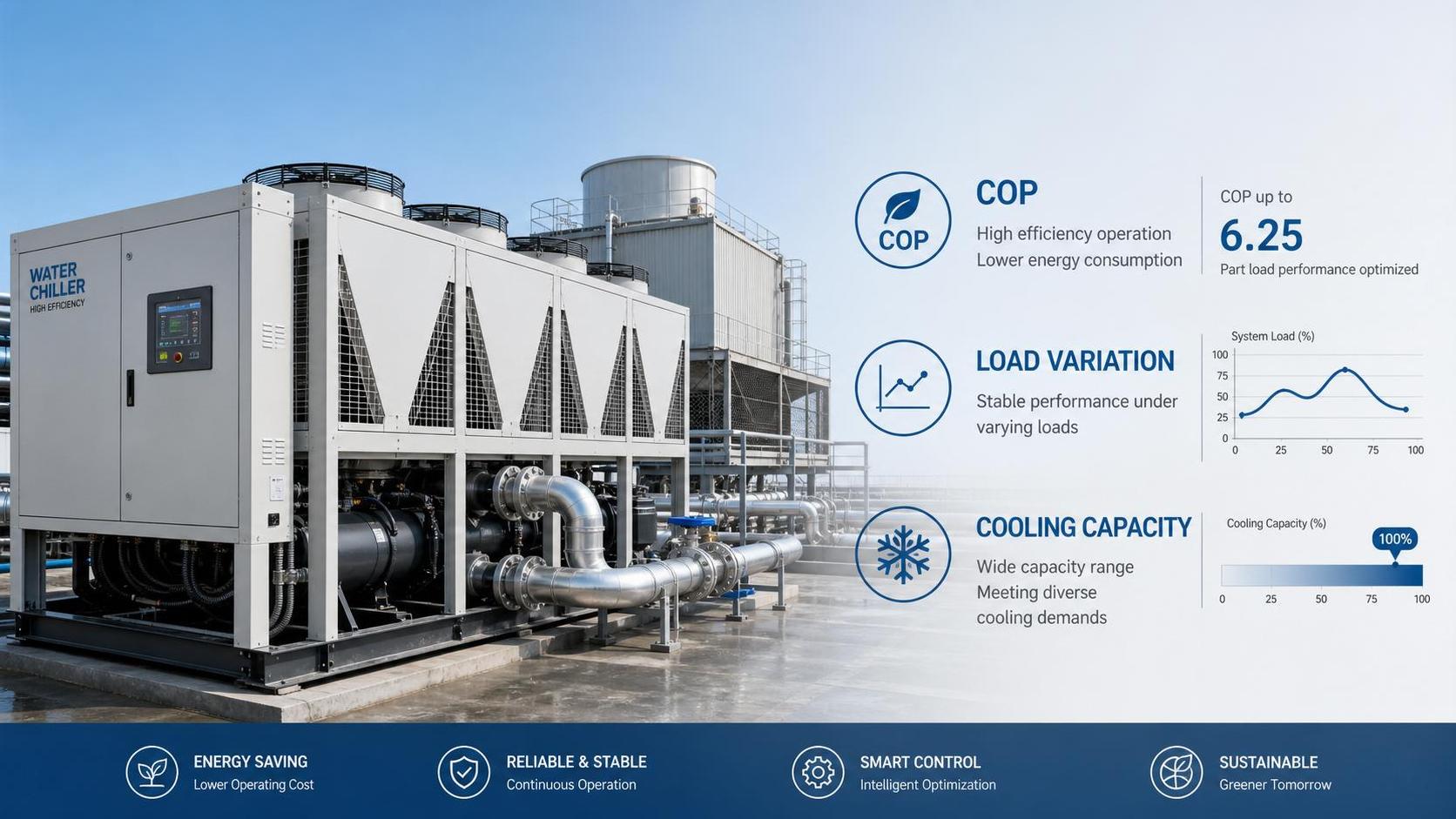
- Verify full-load and part-load efficiency using the same test standard, such as IPLV, NPLV, or seasonal metrics, because many energy efficient chillers operate most hours below peak demand.
- Compare real cooling capacity at your entering water temperature, ambient condition, and altitude, since catalog tonnage often changes when local design conditions differ from laboratory assumptions.
- Check compressor technology carefully, including screw, centrifugal, inverter-driven, or magnetic bearing options, and match the compression method to load profile, redundancy expectations, and maintenance tolerance.
- Review refrigerant type, GWP level, safety classification, and regional phase-down exposure to avoid buying equipment that may face service restrictions, retrofit pressure, or export compliance issues.
- Measure turndown capability and unloading stability, because poor low-load control leads to short cycling, wasted electricity, temperature drift, and accelerated wear in variable-demand applications.
- Examine heat exchanger design, approach temperature, fouling resistance, and water-side pressure drop, as these factors directly influence pumping energy, heat transfer consistency, and maintenance intervals.
- Assess control intelligence, including remote monitoring, alarm history, AI-supported optimization, and BMS integration, so energy efficient chillers can maintain performance after commissioning, not only on test day.
- Calculate total lifecycle cost with power, water treatment, consumables, planned service, spare parts, and downtime exposure, because capital cost alone rarely identifies the best long-term choice.
- Confirm sound level, footprint, ventilation needs, and service clearance, especially for retrofits where piping layout, roof loading, or plantroom access can limit practical installation choices.
- Request commissioning scope, factory testing records, and after-sales response commitments, since installation quality and service support strongly affect whether energy efficient chillers reach expected savings.
Compare performance data the right way
Do not compare one unit by COP and another by IPLV without normalization. Ask for the same rating basis, same leaving water temperature, and same ambient condition. This avoids false efficiency advantages created by inconsistent test points.
For many facilities, part-load behavior is the main cost driver. If the site runs at 40% to 70% load most of the year, seasonal efficiency matters more than peak brochure numbers.
Look beyond compressor efficiency alone
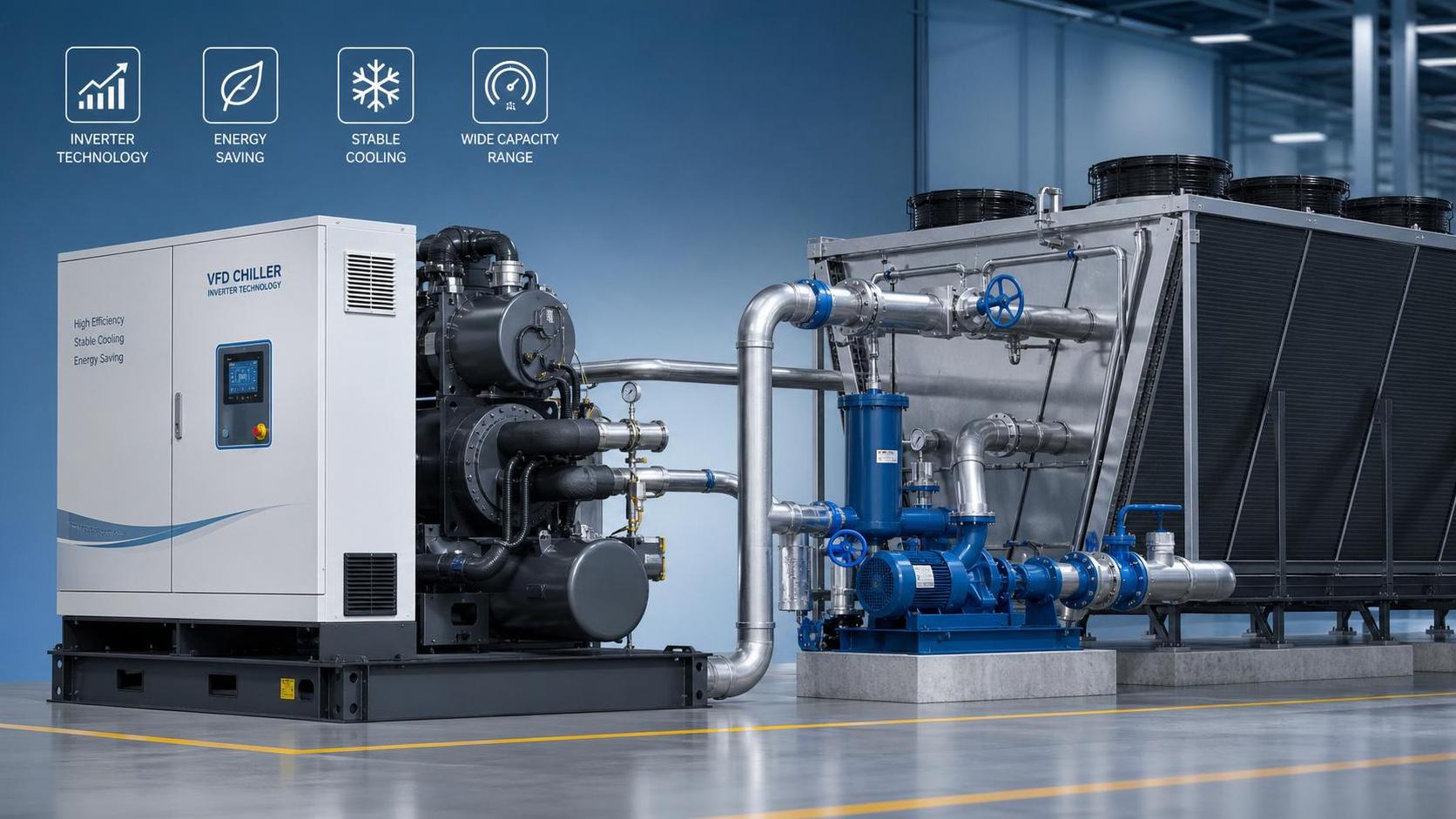
Compressor choice is important, but system design decides actual results. Variable-speed drives, condenser control logic, evaporator sizing, and oil management all affect how energy efficient chillers perform in daily operation.
A highly efficient compressor can still underperform if controls are weak or if the unit is oversized. Always examine the complete refrigeration system rather than a single component claim.
Application notes for different cooling scenarios
Industrial process cooling
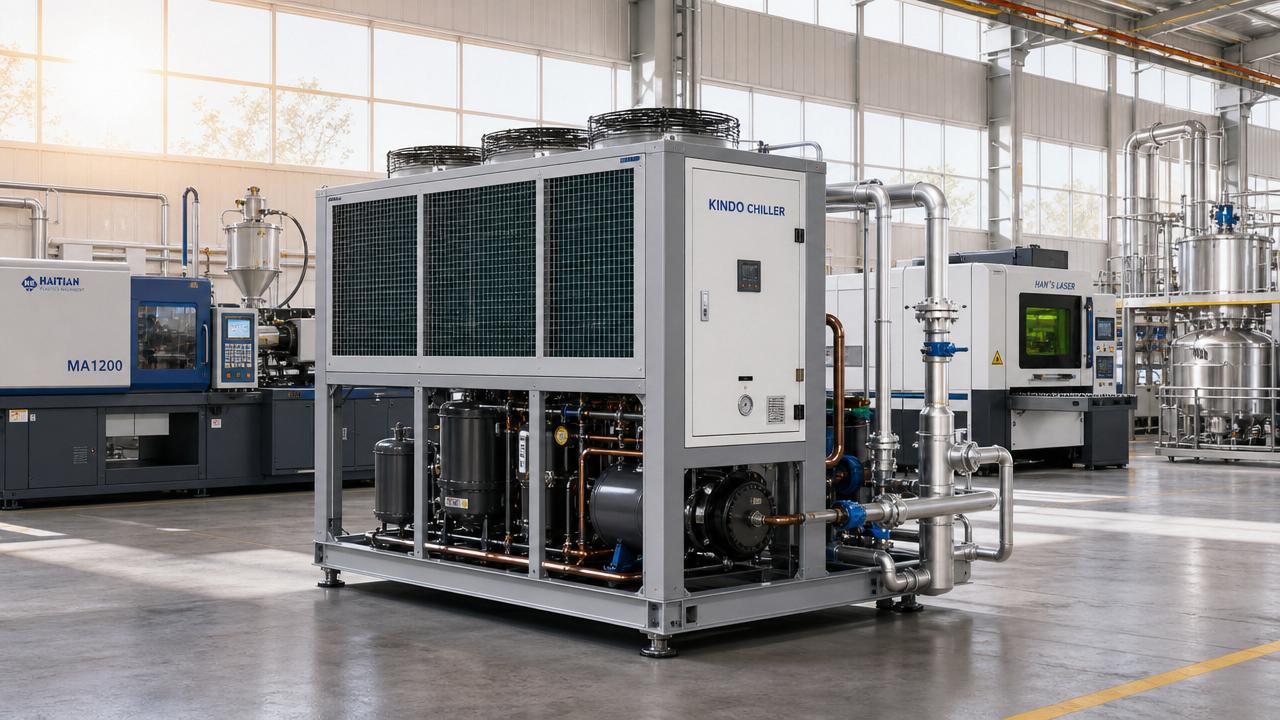
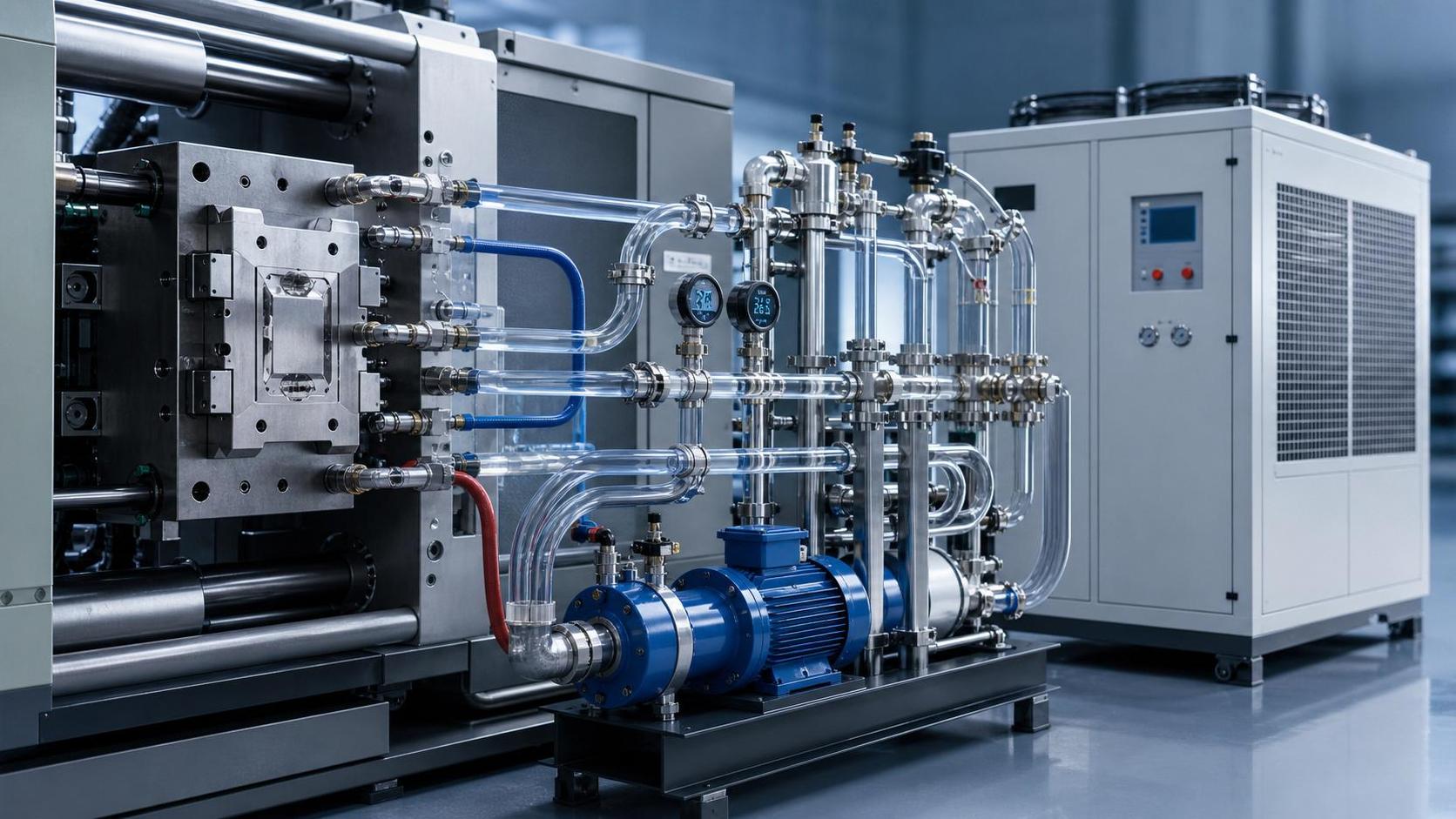
In plastics, laser cutting, food processing, and chemical lines, temperature stability can matter more than peak efficiency. Compare supply water precision, rapid pull-down ability, and fault recovery time before selecting energy efficient chillers.
Also review contamination risk. Process environments may require stronger filtration, corrosion protection, or isolated hydraulic loops to protect heat exchangers and preserve long-term performance.
Cold storage and refrigerated logistics
In cold-chain hubs, load changes can be sharp because of door openings, defrost cycles, and product turnover. Compare low-load stability, restart behavior, and control integration with warehouse management and defrost scheduling.
Refrigerant compliance is especially important here. Facilities planning export-oriented or multinational operations should prioritize systems aligned with future low-GWP requirements and service availability.
Commercial buildings and mixed-use sites
Comfort cooling applications often benefit from strong part-load efficiency and quiet operation. In these settings, compare acoustic performance, occupancy-driven control logic, and the ability of energy efficient chillers to coordinate with pumps and cooling towers.
Retrofit projects should also confirm electrical compatibility, crane access, piping tie-in windows, and control interoperability with older building management systems.
Medical and precision environments
Laboratories, pharmaceutical rooms, and critical storage spaces need redundancy and alarm visibility. Compare backup logic, sensor accuracy, data logging depth, and remote alert pathways, not only energy efficiency rankings.
If temperature excursions carry product or compliance risk, the safest choice may be the unit with the best monitoring architecture rather than the highest nominal efficiency.
Commonly overlooked risks when comparing energy efficient chillers
Oversizing the unit
Oversized chillers often cycle inefficiently and fail to stay in their best operating range. Accurate load profiling is essential before selecting energy efficient chillers for any site.
Ignoring water quality and fouling
Poor water treatment increases scale, corrosion, and thermal resistance. Even premium units lose efficiency quickly if condenser and evaporator surfaces are not protected by proper water management.
Missing the refrigerant roadmap
A chiller can appear efficient today yet become costly tomorrow if refrigerant restrictions tighten. Always compare service ecosystem, refill availability, and likely regulatory exposure over the planned equipment life.
Underestimating controls and commissioning
Many energy efficient chillers fail to deliver savings because setpoints, sequencing, and sensor calibration are wrong. Commissioning quality often determines whether promised efficiency becomes measurable reality.
Practical execution steps
- Build a bid sheet with identical design temperatures, load bands, sound limits, refrigerant rules, and control requirements.
- Request seasonal energy models using your local tariff, operating hours, and expected part-load distribution.
- Ask for reference installations with similar load variation, water quality, and climate conditions.
- Score each option across efficiency, compliance, serviceability, controls, footprint, and lifecycle cost.
- Include post-installation verification, trending, and optimization support in the purchase scope.
Conclusion and next action
The best energy efficient chillers are not simply the models with the highest advertised efficiency. They are the systems that match site load patterns, maintain stable cooling, fit the refrigerant future, and remain serviceable throughout their lifecycle.
Start with a structured comparison sheet, normalize all performance data, and validate lifecycle assumptions before approving any option. That approach delivers lower operating cost, stronger compliance confidence, and more dependable cooling performance over time.
Recommended News
 Precision ChillersIndustrial Chillers: What Causes Performance Gaps in Summer?Analyst :Industrial Cooling Architect
 Precision ChillersWhat to compare before buying energy efficient chillersAnalyst :Industrial Cooling Architect
 Precision Chillers2026 China Refrigeration Expo Concludes: Liquid Cooling for Data Centers Gains Global AttentionAnalyst :Industrial Cooling Architect
 Precision ChillersWhat defines energy efficient cooling in real projectsAnalyst :Industrial Cooling Architect
 Precision ChillersUS Court Rules Trump-Era Global Tariffs Lack Legal BasisAnalyst :Industrial Cooling Architect
 Precision ChillersHow to compare temperature control systems with confidenceAnalyst :Industrial Cooling Architect
 Precision ChillersWhy does temperature control fail in precision cooling?Analyst :Industrial Cooling Architect
 Precision ChillersTemperature Control Systems for Process Cooling: Key Specs to CompareAnalyst :Industrial Cooling Architect
![]() Precision ChillersIndustrial Cooling System Selection: Air-Cooled vs Water-Cooled vs EvaporativeAnalyst :Industrial Cooling Architect
Precision ChillersIndustrial Cooling System Selection: Air-Cooled vs Water-Cooled vs EvaporativeAnalyst :Industrial Cooling Architect Precision ChillersLiquid Cooling Parts Draw Middle East Interest at Shanghai ShowAnalyst :Industrial Cooling Architect
 Precision ChillersUS Probe Into Chinese CBS Raises Sealing Supply Chain ConcernsAnalyst :Industrial Cooling Architect
 Precision ChillersWhat Is Industrial Cooling? Main System Types and How to Choose by LoadAnalyst :Industrial Cooling Architect
 Precision ChillersEnergy Efficient Chillers vs Standard Chillers: What Buyers Should Compare Before PurchaseAnalyst :Industrial Cooling Architect
 Precision ChillersHow to Choose Industrial Chillers for Process Cooling: Capacity, Accuracy, and EfficiencyAnalyst :Industrial Cooling Architect
 Precision ChillersIndustrial Cooling Problems: 7 Common Causes of Unstable Temperature and Low CapacityAnalyst :Industrial Cooling Architect
 Precision ChillersHow to Size Industrial Chillers for Process Cooling: Load, Flow, and Temperature BasicsAnalyst :Industrial Cooling Architect
 Precision ChillersHow to Choose Industrial Chillers: Capacity, Temperature Range, and Cooling MethodAnalyst :Industrial Cooling Architect
 Precision ChillersHow to Choose Energy Efficient Chillers: COP, Load Profile, and Cooling Capacity ExplainedAnalyst :Industrial Cooling Architect
 Precision ChillersHow to Size Industrial Chillers for Process Cooling: Load, Flow Rate, and Temperature GuideAnalyst :Industrial Cooling Architect
 Precision ChillersIndustrial Process Cooling: How to Match Cooling Load to the Right SystemAnalyst :Industrial Cooling Architect
 Precision ChillersHow to Compare Commercial Energy Efficient Chiller Systems Price by Load and ROIAnalyst :Industrial Cooling Architect
 Precision ChillersHow to Compare Energy Efficient Chillers with Variable Speed for Process Cooling LoadsAnalyst :Industrial Cooling Architect
 Precision ChillersRed Sea Disruption Lifts Asia-Europe Freight 42%Analyst :Industrial Cooling Architect
 Precision ChillersHow to Choose Air Cooled Chillers with Variable Speed for Stable Load ControlAnalyst :Industrial Cooling Architect
 Precision ChillersRed Sea Disruption Pushes Asia-Europe Freight Up 42%Analyst :Industrial Cooling Architect
 Precision ChillersHow to Evaluate an Energy Efficient Chillers Supplier for Industrial ProjectsAnalyst :Industrial Cooling Architect
 Precision ChillersInjection Molding Cooling Systems ISO Requirements: What to Check Before ApprovalAnalyst :Industrial Cooling Architect
 Precision ChillersHow to Choose Low-Noise Laser Cooling Systems for Precision LabsAnalyst :Industrial Cooling Architect
![]() Precision ChillersInjection Molding Cooling Systems Variable Speed: Where Energy Savings Actually Come FromAnalyst :Industrial Cooling Architect
Precision ChillersInjection Molding Cooling Systems Variable Speed: Where Energy Savings Actually Come FromAnalyst :Industrial Cooling Architect Precision ChillersIndustrial Chillers for Glycol Systems: What Capacity, Temperature Range, and Flow Rate Matter Most?Analyst :Industrial Cooling Architect
 Precision ChillersEU Opens Subsidy Probe Into China Precision ChillersAnalyst :Industrial Cooling Architect
 Precision ChillersIndustrial Injection Molding Cooling Systems: How to Size Flow, Temperature, and LoadAnalyst :Industrial Cooling Architect
 Precision ChillersTemperature Control Units vs Temperature Control Devices: What’s the Difference in Industrial Use?Analyst :Industrial Cooling Architect
 Precision ChillersCopper Spike Extends Precision Chiller Lead Times to 14 WeeksAnalyst :Industrial Cooling Architect
 Precision ChillersHow Inverter Control Improves Industrial Chiller Efficiency and Load StabilityAnalyst :Industrial Cooling Architect
 Precision ChillersHow to Compare an Energy Efficient Chillers Exporter on COP, Controls, and Lifecycle CostAnalyst :Industrial Cooling Architect
 Precision ChillersHow to Evaluate a Laser Cooling Systems Factory: Key Capabilities, Quality Checks, and Lead TimesAnalyst :Industrial Cooling Architect
 Precision ChillersHow to Size Industrial Chiller Systems for Process Cooling Loads and Ambient ConditionsAnalyst :Industrial Cooling Architect
 Precision ChillersWhat Affects Heat Exchange Efficiency in Chillers and How to Improve It?Analyst :Industrial Cooling Architect
 Precision ChillersHow to Evaluate Secure Access Features in Stem Cell Cryogenic Storage Systems?Analyst :Industrial Cooling Architect