Industry News
Curation by industry experts
Hot Articles
- Cold Chain & Retail Energy InsightsHow North American Cold Facilities Can Benchmark Refrigeration System Efficiency
- -86℃ ULT FreezersHow to Select Medical Cryogenic Vials for Long-Term Sample Storage
- Cold Chain & Retail Energy InsightsFood-Grade Panel Requirements for Hygienic Meat Cold Storage Systems
Popular Tags
Low carbon cooling trends that could reshape investments
Low carbon cooling is no longer a niche sustainability discussion. For enterprise decision-makers, it is becoming a practical lens for capital allocation, operational resilience, compliance planning, and long-term asset competitiveness across refrigeration and cold-chain infrastructure.
The biggest shift is this: cooling technologies once evaluated mainly on upfront cost are now being judged by lifecycle efficiency, refrigerant compliance exposure, digital controllability, and their ability to protect margins under volatile energy and regulatory conditions.
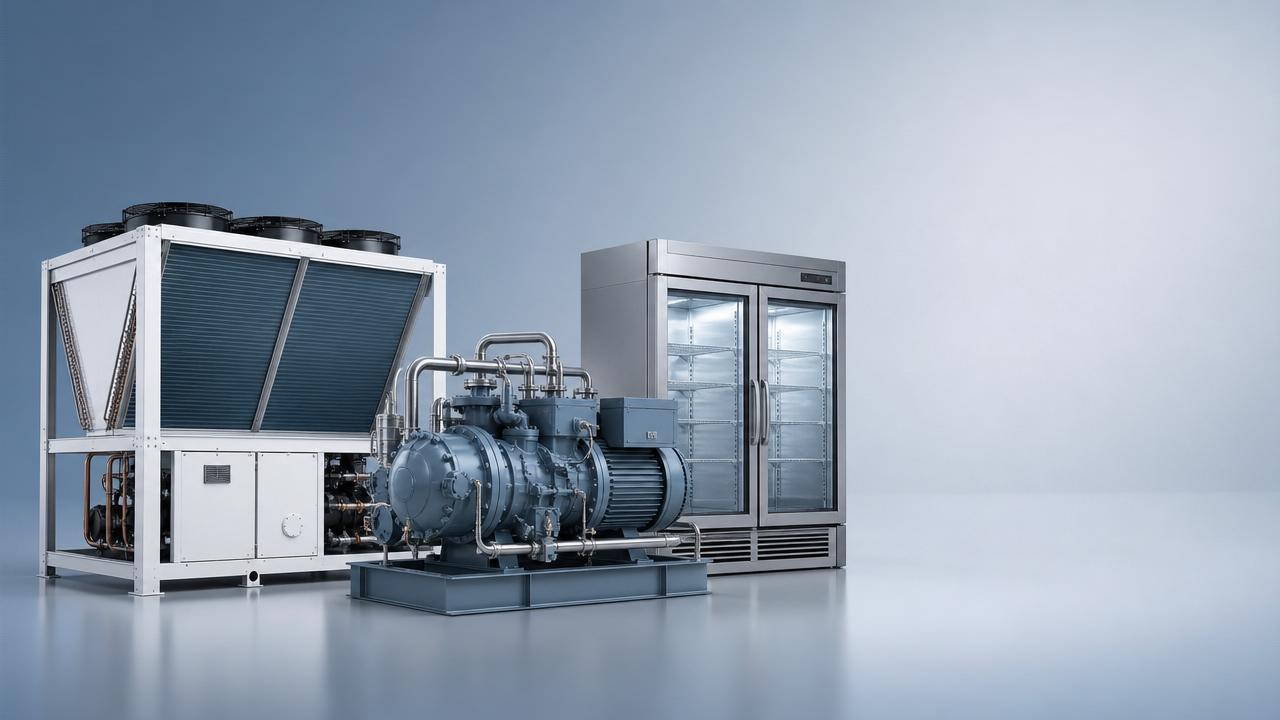
That matters because industrial chillers, cold storage compressors, commercial refrigeration cabinets, ice-making systems, and ultra-low temperature freezers are increasingly tied to business-critical outcomes. They affect not only electricity bills, but also uptime, export eligibility, product quality, ESG reporting, and investment attractiveness.
For investors and operators alike, the question is no longer whether low carbon cooling will influence markets. The more useful question is which cooling trends are strong enough to reshape procurement priorities, retrofit roadmaps, and portfolio-level investment decisions over the next decade.
What decision-makers are really searching for when they assess low carbon cooling
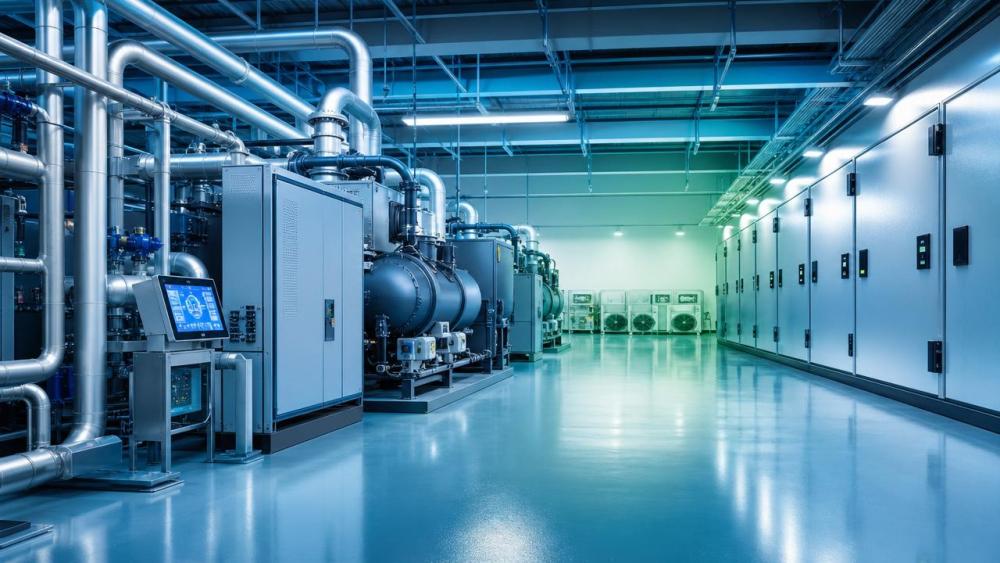
When business leaders search for low carbon cooling trends, they are rarely looking for a generic overview of green technology. They usually want to know where risk is rising, where returns are improving, and which technologies are moving from experimental to bankable.
In practice, their concerns are highly commercial. Will current systems become stranded by refrigerant policy? Which upgrades deliver measurable savings? How should teams compare CO2 systems, low-GWP alternatives, magnetic bearing chillers, and intelligent controls without overcommitting capital?
They also want clarity on timing. Some organizations need immediate retrofit action because of energy intensity or compliance pressure. Others are building multi-year investment plans and need to distinguish durable trends from temporary vendor narratives.
That is why the most useful discussion of low carbon cooling must go beyond sustainability messaging. It should help leaders judge economic value, operating risk, technology maturity, and fit by application, from retail cold chain to industrial process cooling and deep-cryogenic storage.
Why low carbon cooling is becoming an investment signal, not just an engineering upgrade
Three forces are pushing cooling into the investment spotlight: regulation, energy economics, and demand growth. Together, they are changing how boards, procurement teams, and infrastructure investors evaluate refrigeration assets.
First, refrigerant regulation is accelerating. In many markets, tighter F-gas rules, phasedown schedules, leak restrictions, and reporting obligations are reducing the strategic attractiveness of high-GWP systems. Even where bans are gradual, uncertainty alone can shorten planning horizons.
Second, energy costs remain structurally important. Cooling equipment often runs continuously or near continuously, especially in food logistics, pharmaceuticals, and manufacturing. Small efficiency gains can therefore produce meaningful annual savings, especially when multiplied across portfolios or large facilities.
Third, demand for temperature-controlled infrastructure is expanding. Fresh food distribution, vaccine logistics, biotech storage, high-performance manufacturing, and data-driven retail all rely on more precise cooling. As demand rises, inefficient assets become a larger drag on both cost and service performance.
For investors, this means cooling assets are no longer passive utility equipment. Their carbon profile, efficiency curve, and refrigerant pathway increasingly influence valuation, operating margin quality, and future retrofit obligations.
Trend one: natural refrigerants are moving from compliance choice to strategic advantage
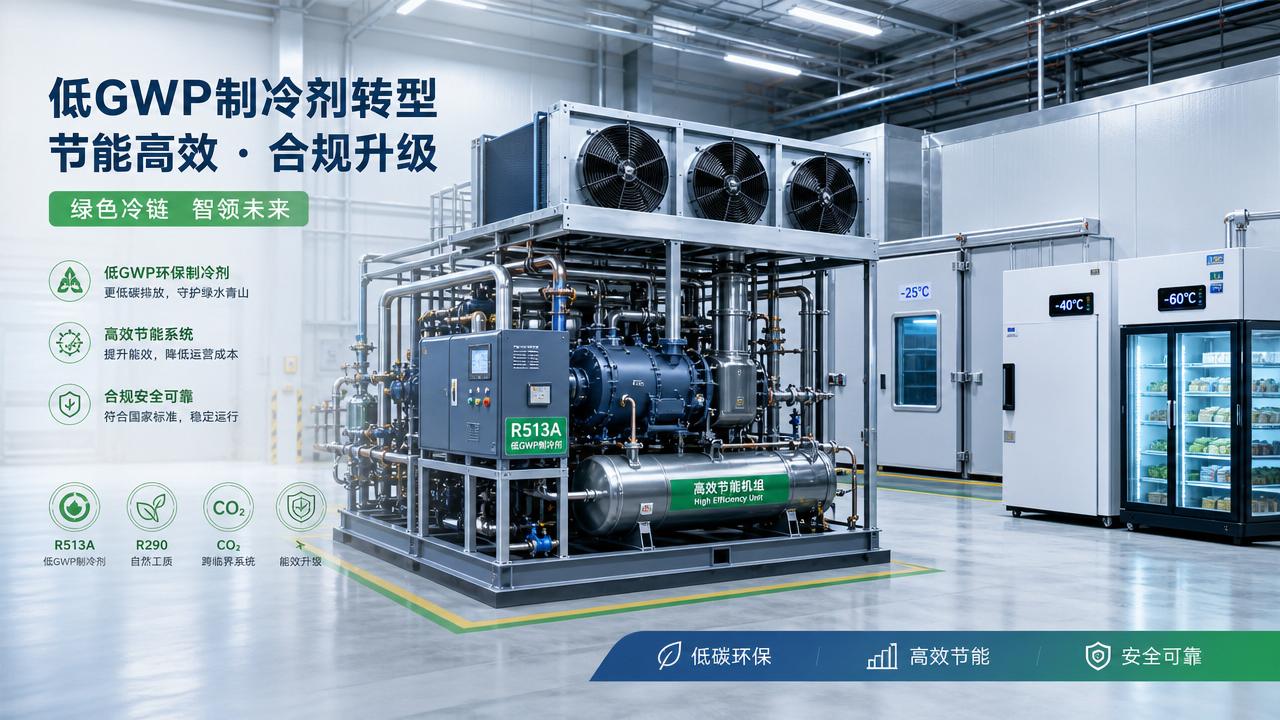
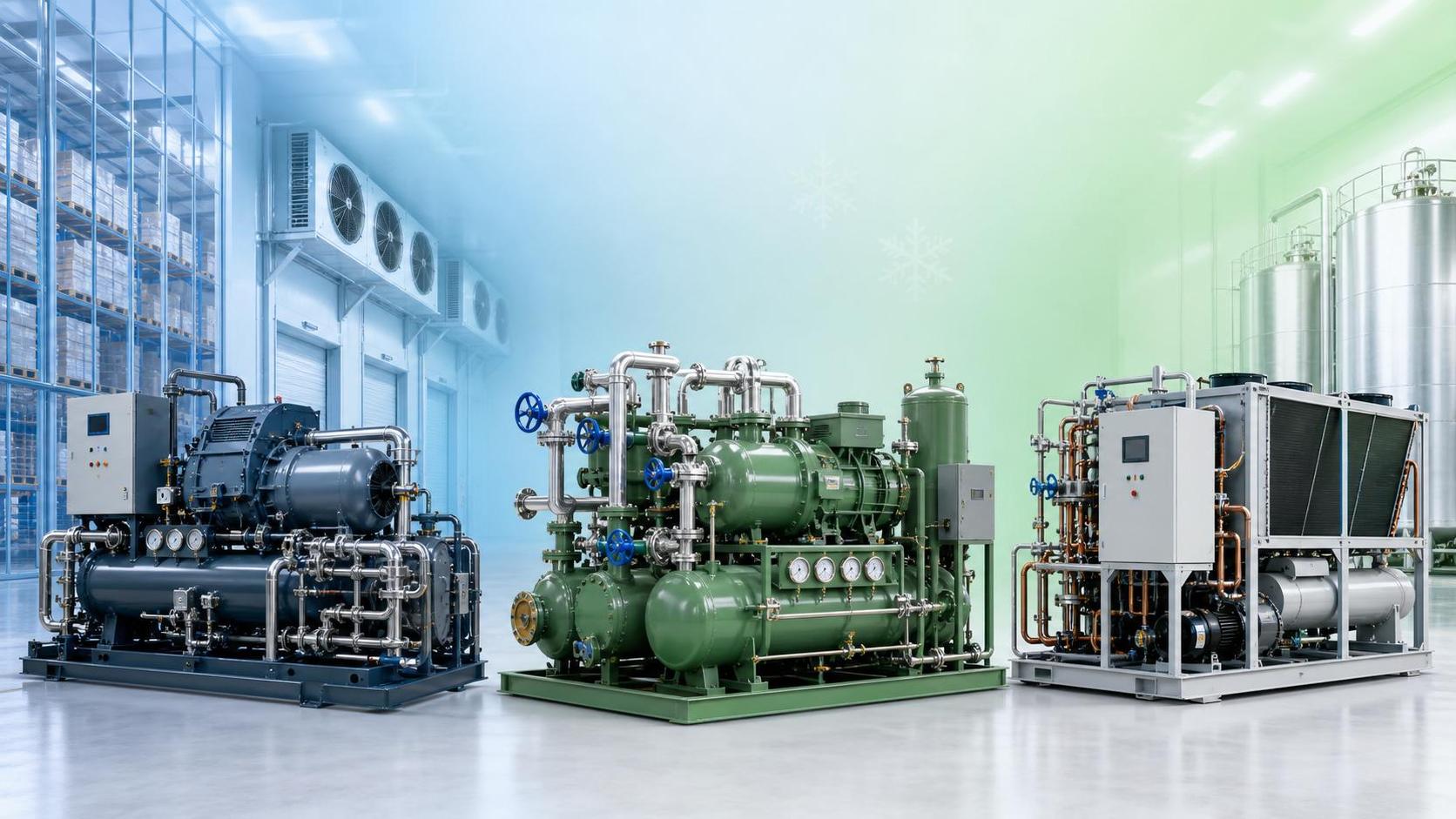
Among all low carbon cooling trends, the shift toward natural refrigerants is one of the most consequential. CO2, ammonia, and hydrocarbons are no longer discussed only as technical alternatives. They are becoming central to long-term asset strategy in many applications.
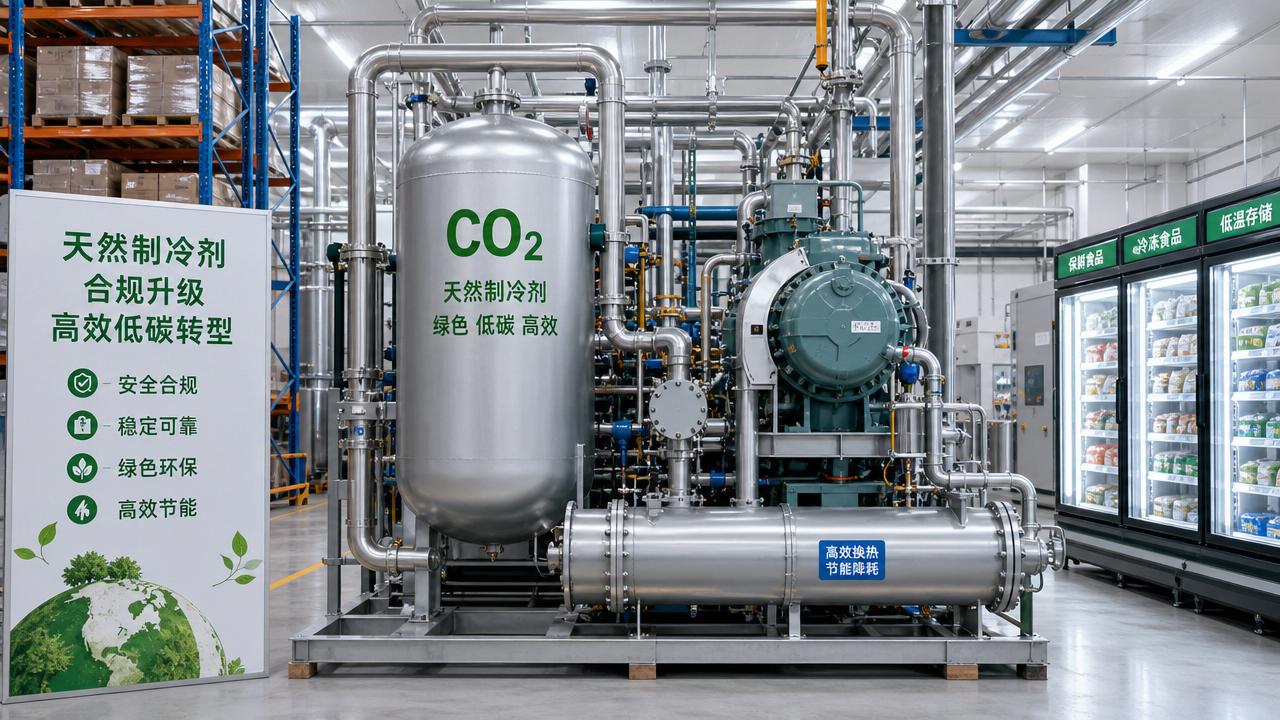
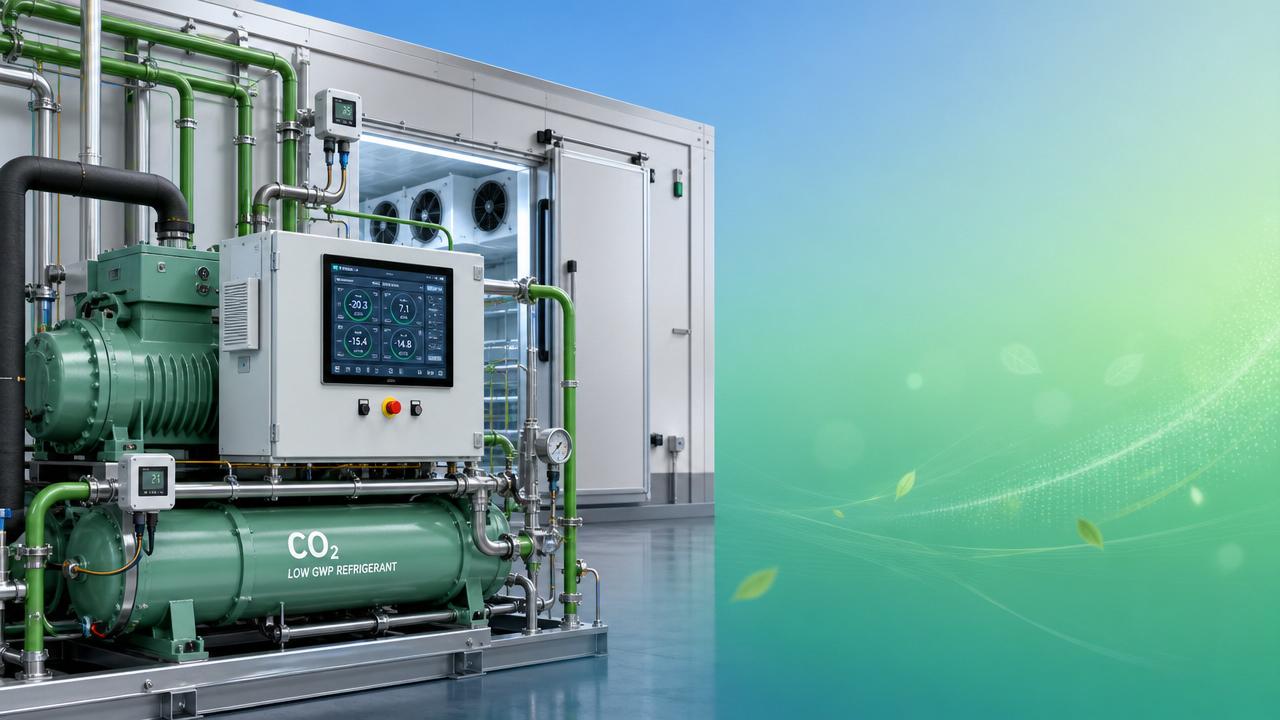
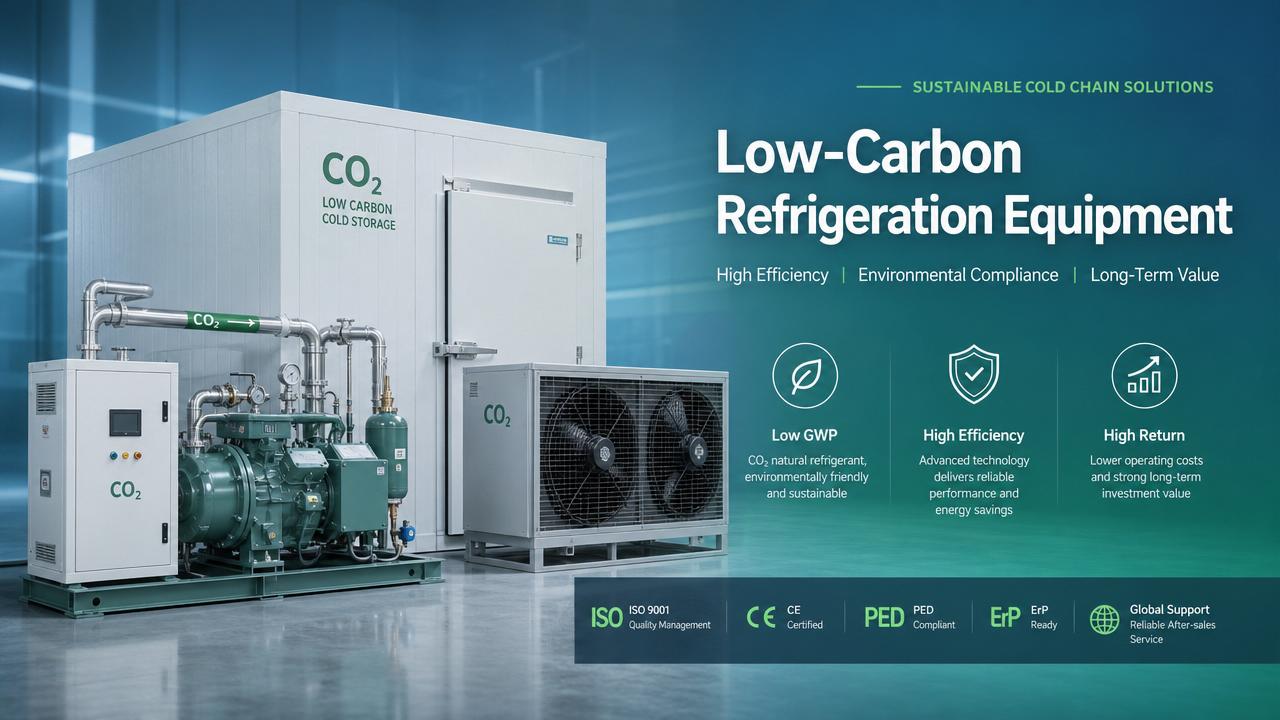
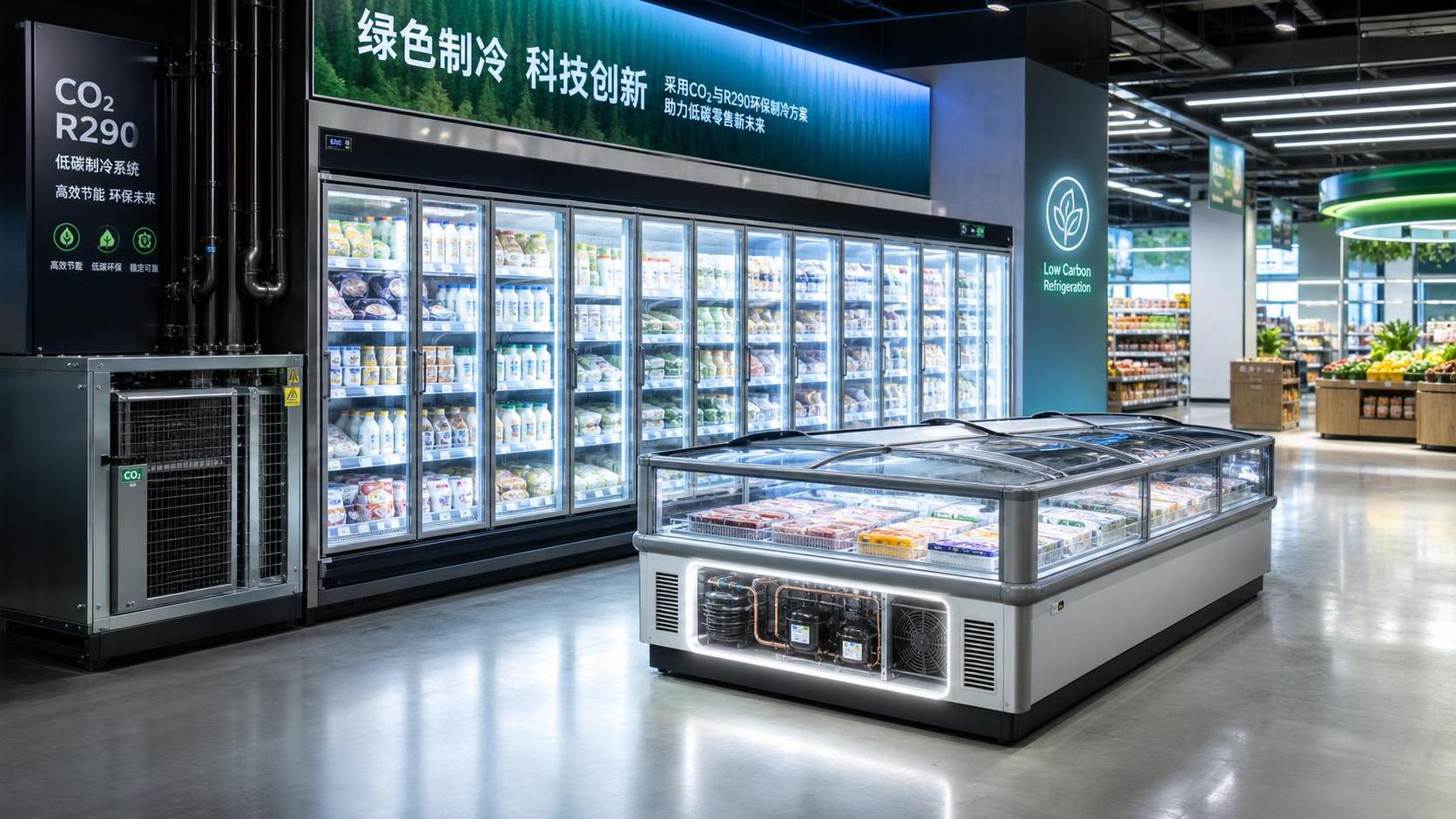
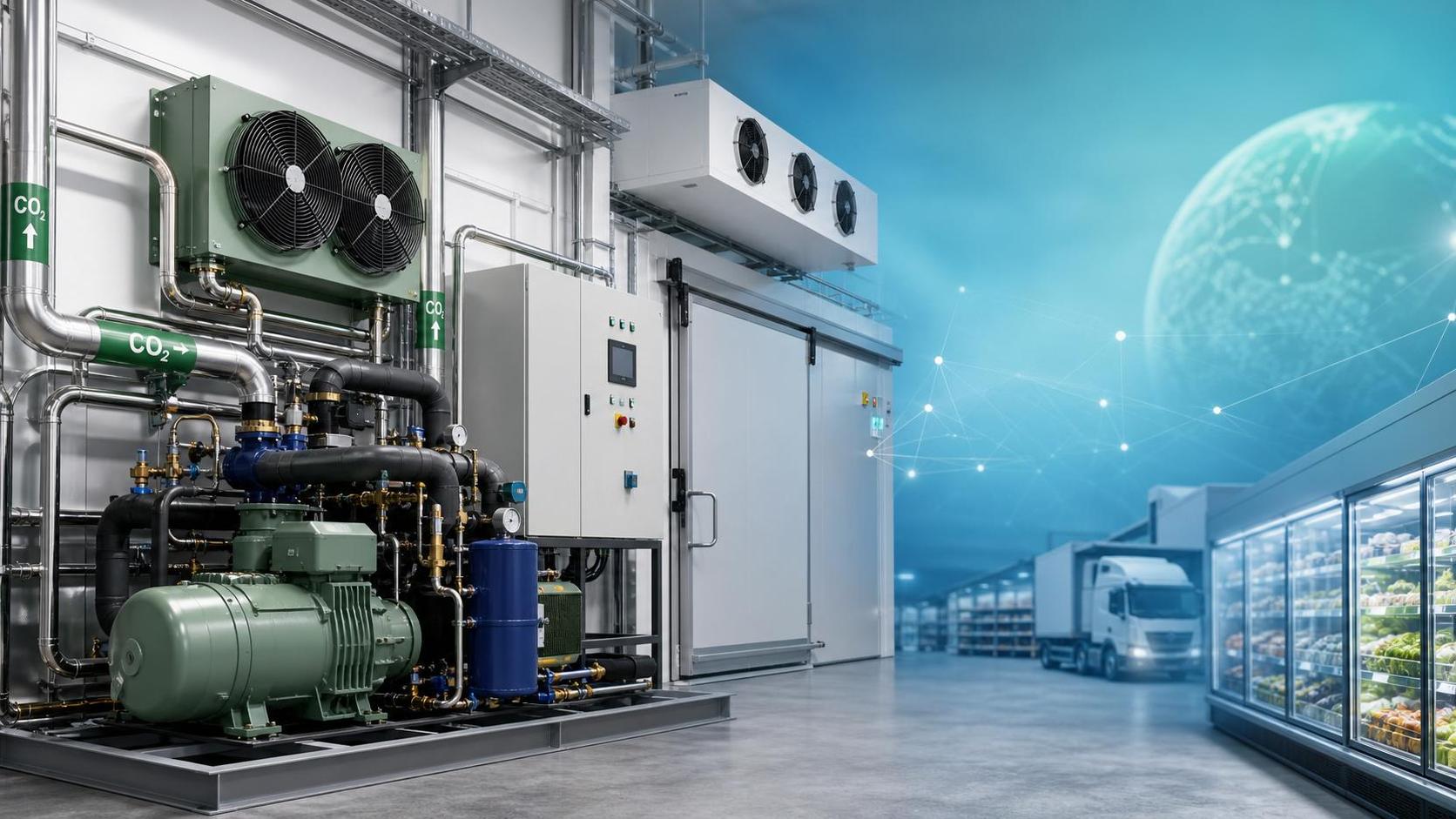
CO2 transcritical systems, in particular, are gaining traction in commercial refrigeration and cold storage because they offer a low-GWP route aligned with tightening environmental regulation. Their appeal is strongest where companies need future-proofing against refrigerant policy risk.
That said, decision-makers should avoid assuming that one refrigerant fits every use case. Climate conditions, system design expertise, heat recovery potential, maintenance capability, and site safety requirements all matter. A technically sound solution in one region may underperform in another.
For large cold-chain operators, the strategic value of natural refrigerants often comes from a combination of factors: lower regulatory exposure, stronger ESG positioning, greater customer confidence, and improved access to long-term export or institutional procurement opportunities.
The investment takeaway is simple. Refrigerant selection now affects more than environmental compliance. It can influence financing discussions, customer qualification, asset lifespan expectations, and the future cost of ownership.
Trend two: energy-efficient chillers are changing the economics of industrial cooling
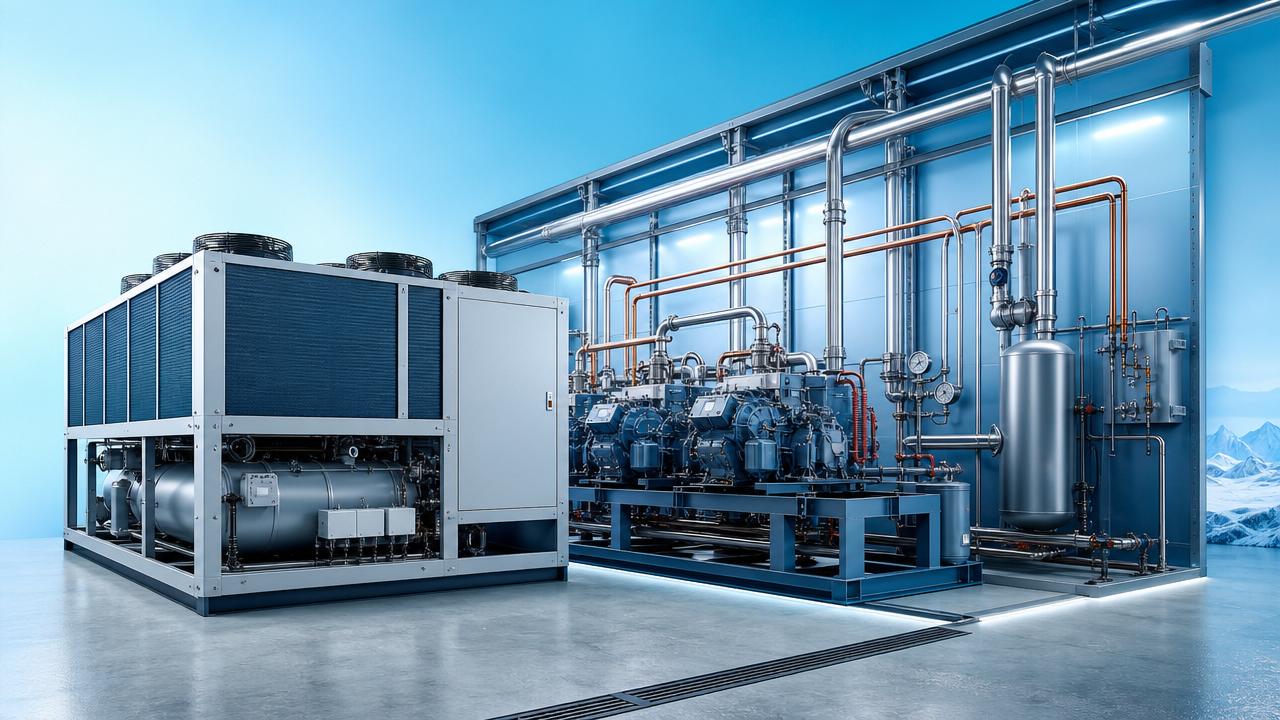
Industrial cooling is under growing pressure to reduce both power consumption and operating volatility. This is where high-efficiency chiller technologies, especially magnetic bearing systems and advanced variable-frequency designs, are reshaping investment logic.
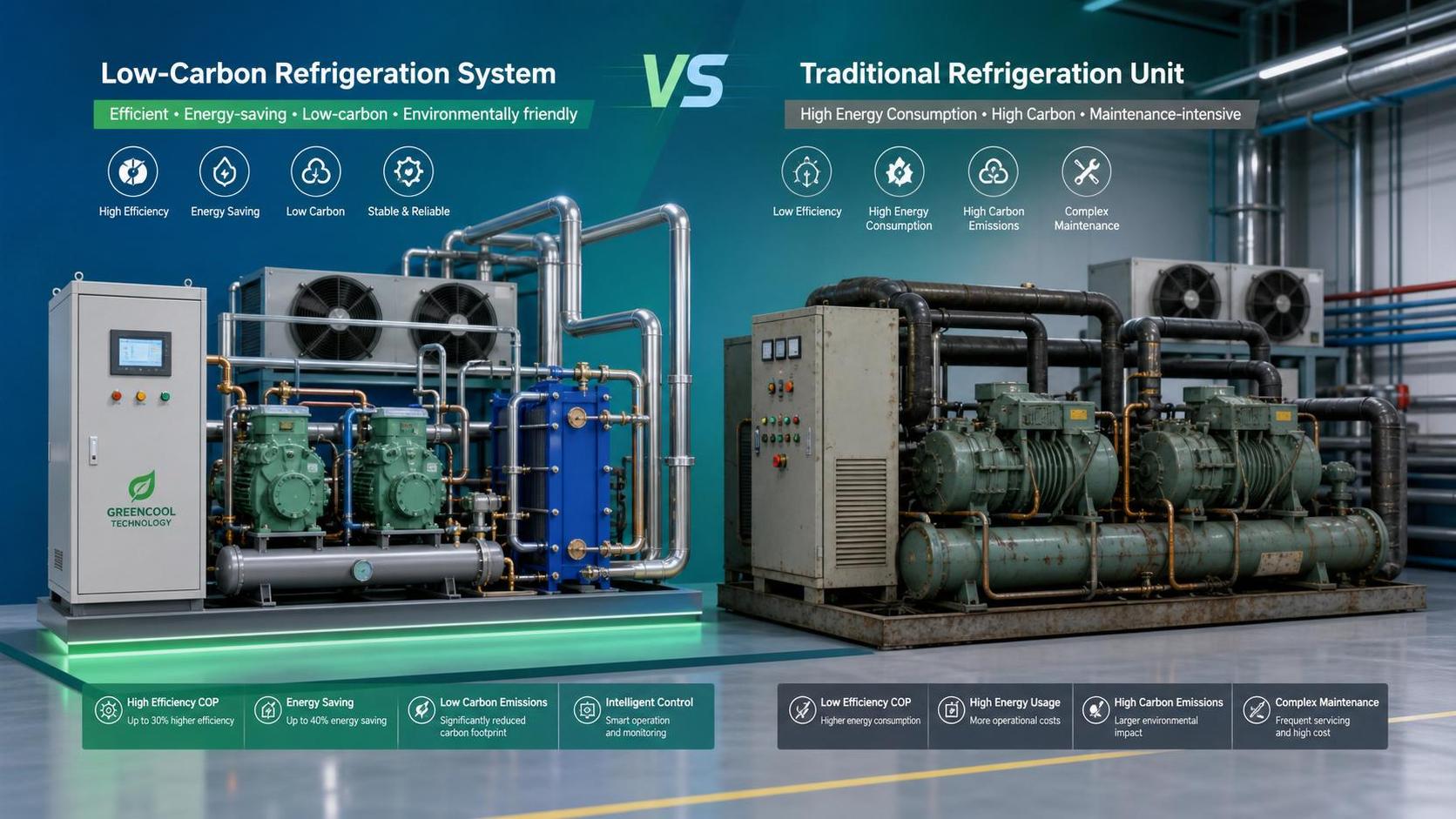
Traditional procurement often favored lower upfront equipment cost. But rising electricity prices and stricter energy targets are making total lifecycle performance more important. In many facilities, the cost of running a chiller over years can far exceed the initial purchase price.
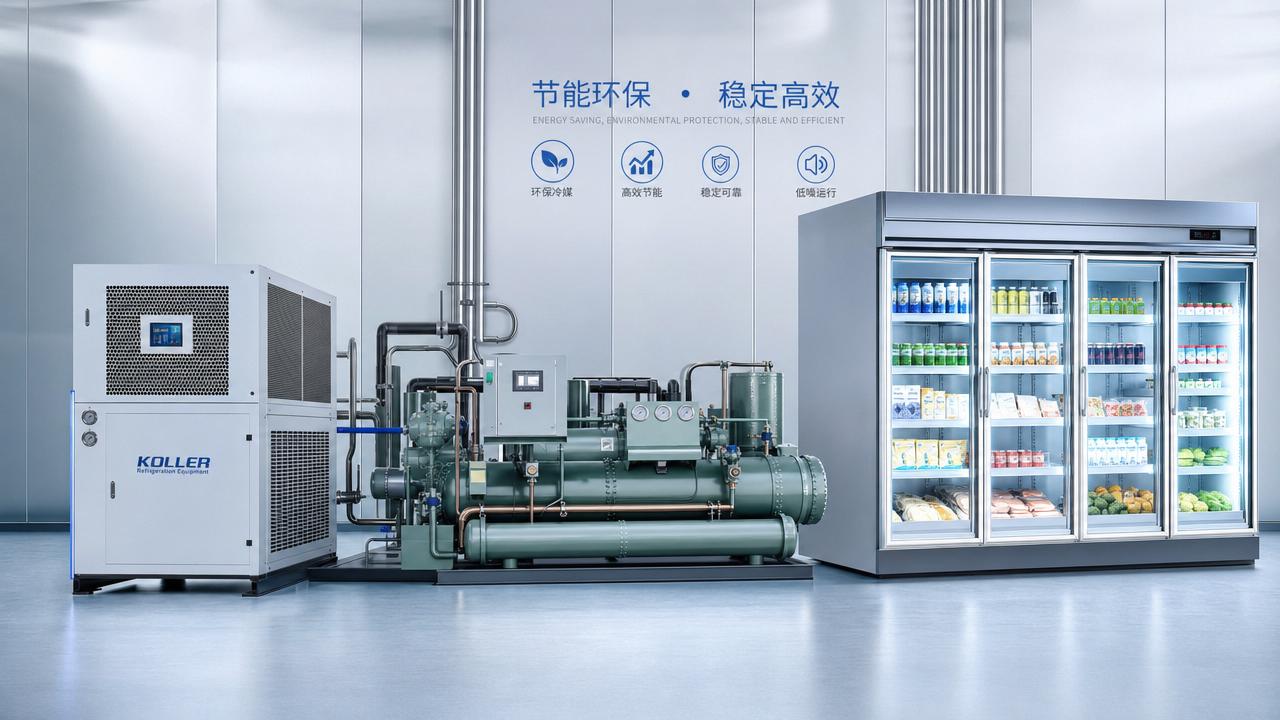
Magnetic bearing chillers are attracting attention because they reduce friction losses, support efficient part-load performance, and can lower maintenance needs compared with older mechanical designs. For operations with highly variable cooling loads, that part-load advantage can be especially valuable.
Decision-makers should pay close attention to load profile, operating hours, maintenance conditions, and redundancy requirements. A low carbon cooling investment creates value when the technology matches actual use patterns, not when it simply carries the newest efficiency label.
For factories, pharmaceutical plants, electronics production, and process-intensive industries, better chiller efficiency can improve more than utility metrics. It can also support production stability, heat-sensitive quality control, and capacity expansion without proportional energy growth.
Trend three: digital controls and AI are turning cooling systems into optimization assets
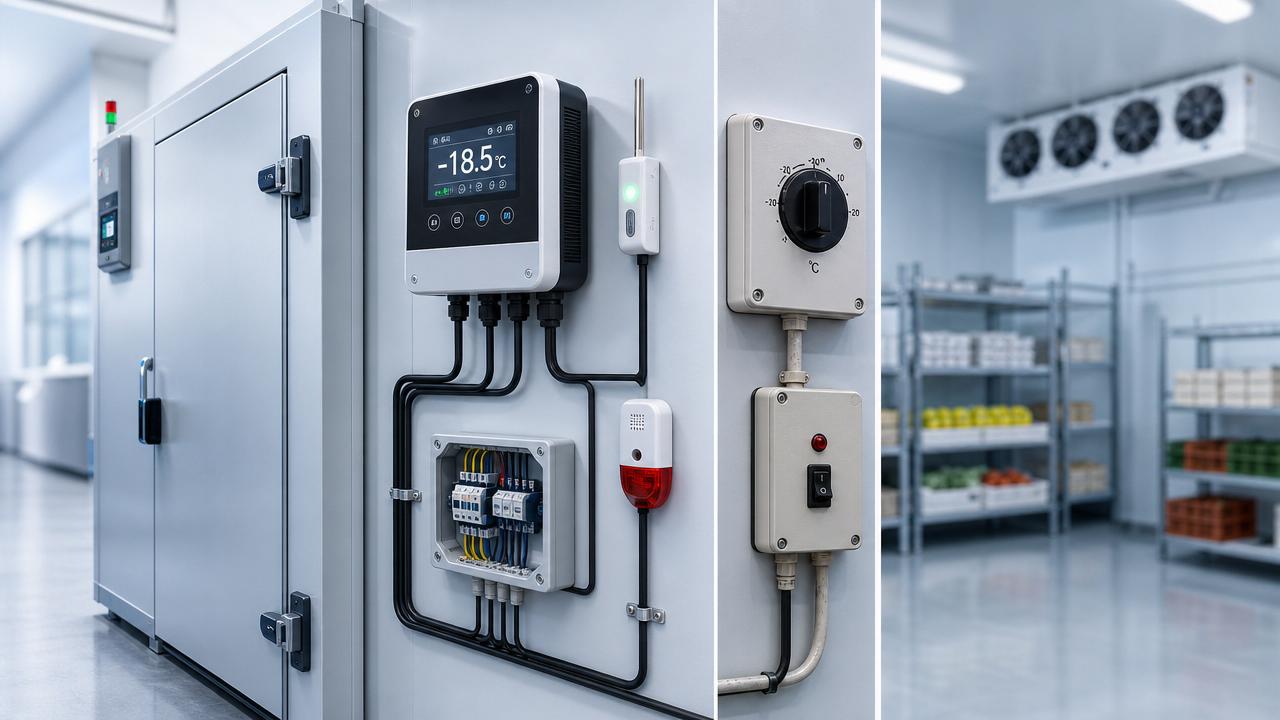
One of the most underestimated low carbon cooling trends is the rapid growth of digital control layers. Sensors, remote monitoring, predictive maintenance tools, AI-assisted defrosting, and adaptive temperature management are making refrigeration more measurable and more investable.
This matters because many facilities do not lose value mainly through outdated hardware. They lose value through poor control logic, inefficient setpoints, unplanned downtime, excessive defrost cycles, compressor cycling, airflow imbalance, and weak maintenance visibility.
Digital optimization can therefore unlock carbon and cost reductions faster than a full equipment replacement in some environments. For decision-makers with constrained capital budgets, this creates a practical pathway: improve intelligence first, then prioritize hardware retrofits based on measured performance gaps.
In retail refrigeration cabinets, digital controls can stabilize temperatures while reducing energy waste from door openings, lighting loads, and anti-fog operation. In cold storage hubs, they can optimize compressor staging, humidity balance, and alarm responsiveness.
For executive teams, the larger implication is that cooling systems are becoming data assets. The organizations that can measure energy intensity, thermal performance, leak risk, and maintenance trends will make better investment decisions than those relying on static specifications alone.
Trend four: cold-chain expansion is raising the premium on resilient, low-carbon system design
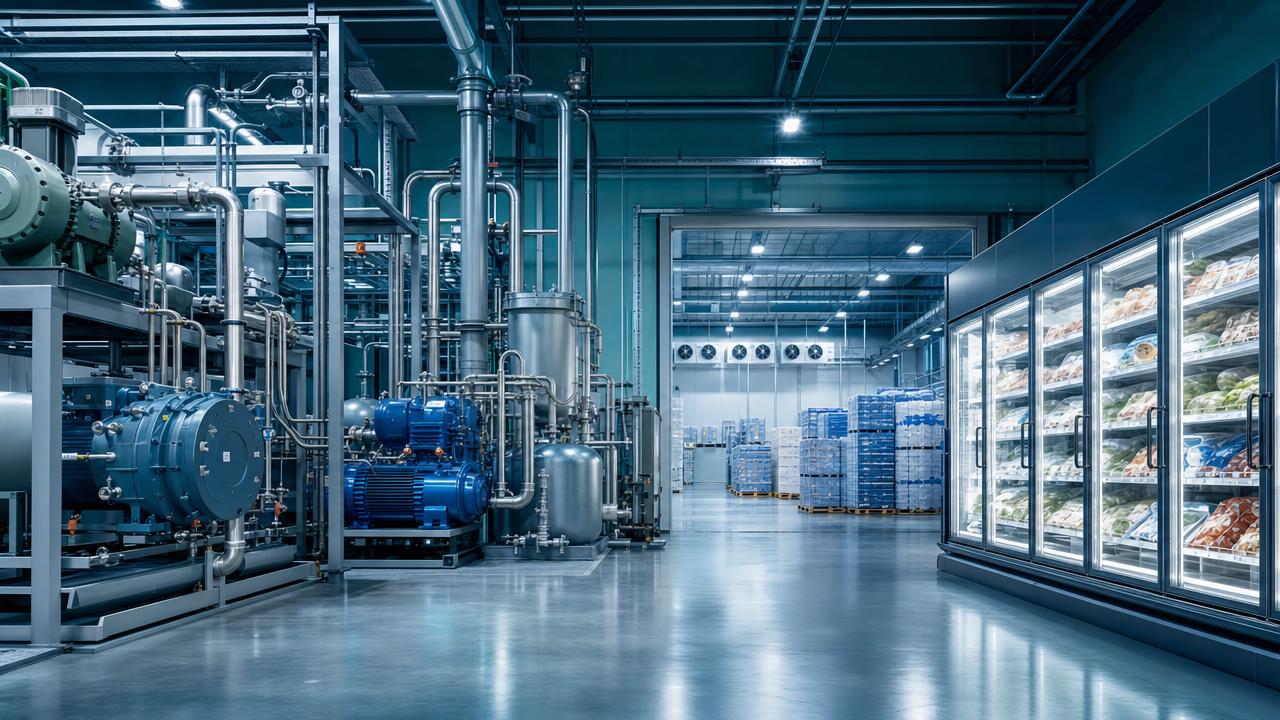
The growth of cold-chain infrastructure is not just increasing equipment demand. It is changing what counts as a high-quality cooling investment. In a market shaped by food safety, pharmaceutical integrity, and supply volatility, resilience now carries economic value.
Low carbon cooling supports resilience when it reduces dependence on vulnerable refrigerant pathways, improves energy efficiency during long operating cycles, and enables better temperature consistency across transport, storage, and point-of-sale environments.
For example, a modern cold storage project may be judged not only on cooling capacity, but also on backup architecture, leak detection, control visibility, heat recovery integration, and compatibility with future compliance standards. These are strategic design choices, not engineering footnotes.
Businesses expanding regionally or globally should also think about standardization. A fragmented equipment base creates maintenance complexity, inconsistent training requirements, and uneven performance. A more standardized low carbon cooling strategy can reduce operational friction at scale.
In investment terms, resilient design lowers the chance that a facility will need premature retrofits, emergency compliance fixes, or costly quality-loss events. That makes it highly relevant for long-term operators and infrastructure investors alike.
Trend five: ultra-low temperature innovation is redefining value in life sciences and specialty cold storage
Ultra-low temperature applications were once viewed as specialized segments with narrow impact. That is changing. Biopharma growth, vaccine distribution, advanced research, and premium food preservation are increasing the strategic importance of deep-cryogenic performance.
In this segment, low carbon cooling is especially complex because temperature demands are extreme. Decision-makers must balance energy intensity, cascade system performance, refrigerant choice, temperature stability, and risk of product loss.
That complexity means procurement cannot focus only on cabinet price or nominal temperature range. The more meaningful evaluation includes energy consumption over time, holdover performance, alarm systems, service support, and the consequences of deviation for high-value stored materials.
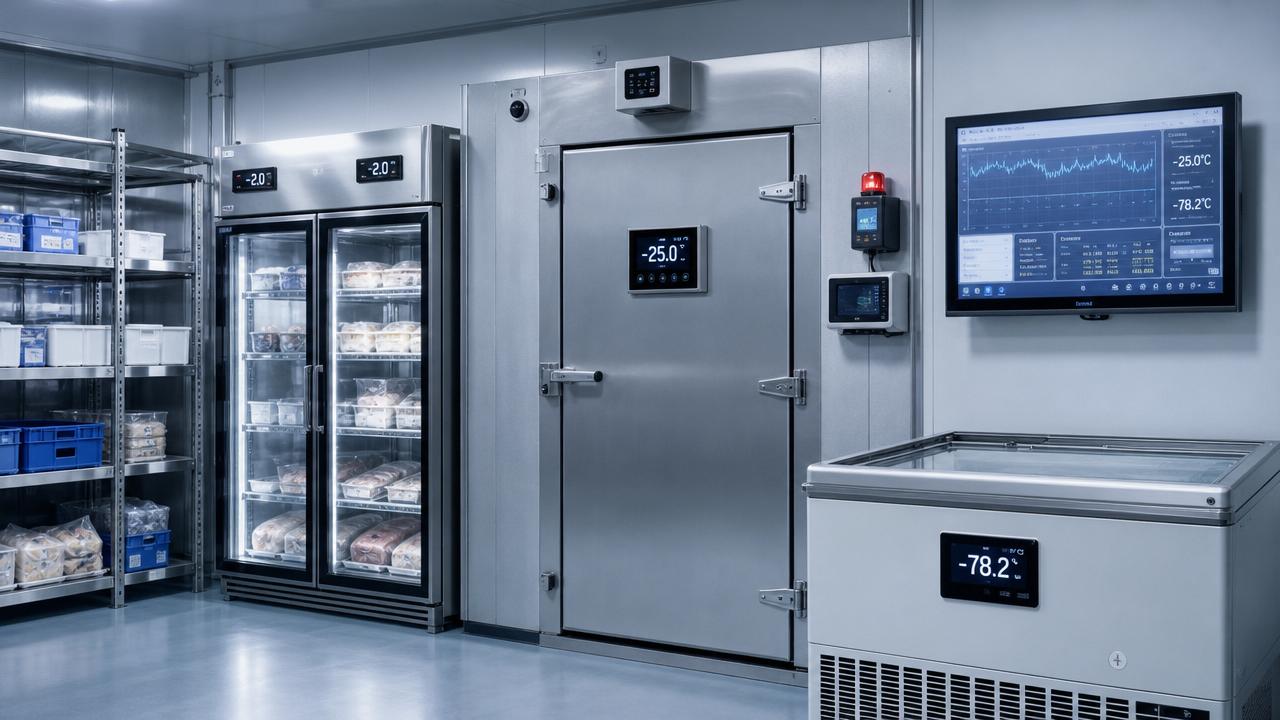
For organizations handling biologics, stem cells, mRNA products, or premium seafood, cooling failure can destroy inventory, research continuity, and customer trust. As a result, efficient and reliable ultra-low temperature systems can justify investment on risk mitigation as much as on energy reduction.
This is a good example of how low carbon cooling should be framed for the C-suite: not merely as emission reduction, but as a tool for protecting high-value operations while improving long-term efficiency.
How enterprise buyers should evaluate low carbon cooling opportunities
For most decision-makers, the challenge is not identifying interesting trends. It is converting those trends into a disciplined investment framework. The best starting point is to separate cooling opportunities into three categories: compliance-driven, efficiency-driven, and growth-driven.
Compliance-driven projects address refrigerant exposure, leak risk, and potential obsolescence. Efficiency-driven projects target energy savings, maintenance reduction, and digital optimization. Growth-driven projects support new capacity, new market access, or higher product integrity requirements.
Next, evaluate each asset through a lifecycle lens. Key questions include: What is the refrigerant pathway? How energy-intensive is the current system? What is the maintenance burden? Can controls extend value before replacement? What is the payback under realistic operating assumptions?
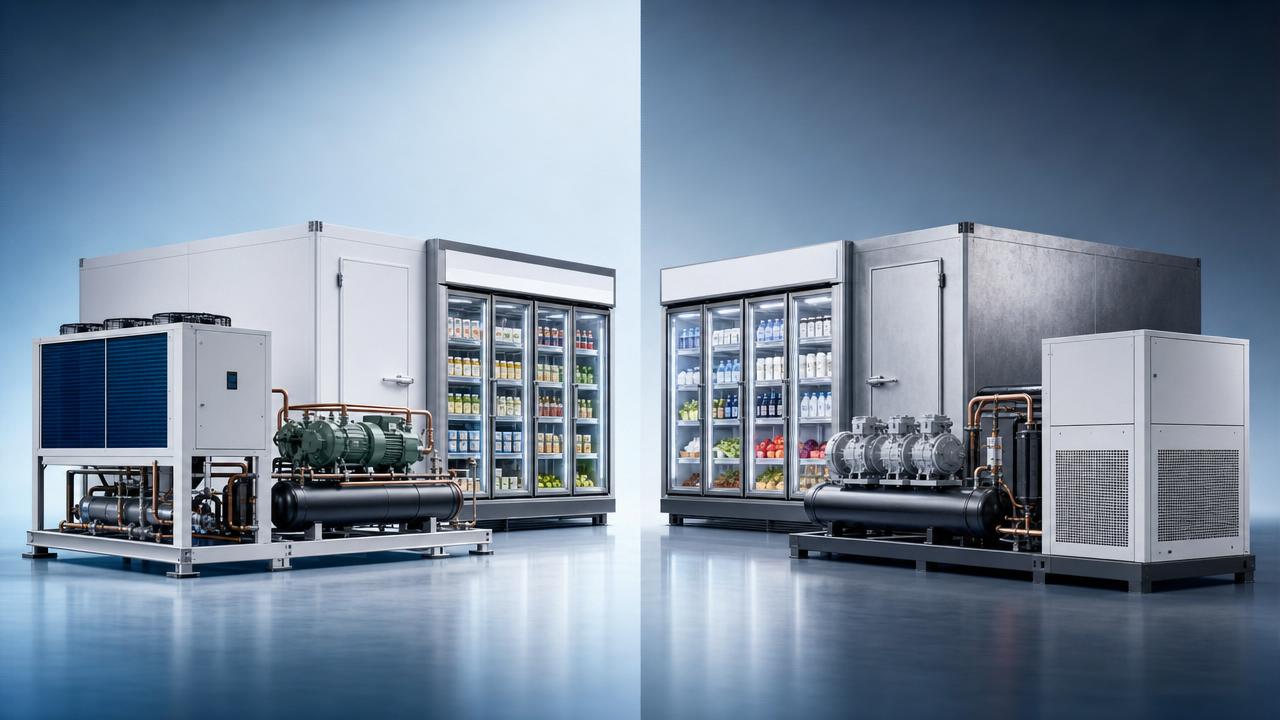
Leaders should also examine system interdependencies. A cabinet upgrade may underdeliver if compressor staging remains inefficient. A new chiller may miss expected savings if process loads are poorly managed. Good investment decisions come from whole-system thinking.
Finally, insist on measurable outcomes. Suppliers should be able to discuss annualized energy performance, service expectations, climate suitability, regulatory alignment, and digital monitoring capability. If the business case depends only on broad sustainability claims, it is not yet strong enough.
What could slow adoption and how smart investors should respond
Despite strong momentum, low carbon cooling adoption is not frictionless. The main barriers include higher upfront costs, regional shortages of technical expertise, uncertainty around technology selection, and concern about operating performance in demanding environments.
These concerns are valid, but they are manageable. The right response is phased implementation rather than inaction. Many organizations begin with audits, pilot projects, control upgrades, and site-specific feasibility studies before committing to full-scale replacement.
Workforce capability is another critical issue. Advanced refrigeration systems require proper commissioning, monitoring, and maintenance. Without the right support model, even efficient equipment can underperform. That makes training and service partnerships part of the investment case.
Decision-makers should also avoid treating low carbon cooling as a single procurement event. In most large organizations, it is better managed as a transition roadmap with milestones tied to compliance windows, energy strategy, asset age, and business expansion plans.
Those that take this structured approach are more likely to capture savings early, reduce risk gradually, and avoid reactive spending when regulation or energy pressure suddenly intensifies.
Conclusion: the winners will treat cooling strategy as capital strategy
Low carbon cooling is poised to reshape investments because it sits at the intersection of regulation, energy cost, operational resilience, and growth in temperature-sensitive industries. That combination gives it strategic importance well beyond engineering efficiency alone.
For enterprise decision-makers, the key insight is not that every low-carbon technology should be adopted immediately. It is that cooling decisions now have lasting consequences for asset value, compliance flexibility, customer trust, and competitive operating cost.
The most effective response is to evaluate cooling systems as long-term business infrastructure. Natural refrigerants, efficient chillers, digital controls, resilient cold-chain design, and ultra-low temperature innovation each create value when matched to the right use case and investment horizon.
Organizations that move early with disciplined analysis will be better positioned to reduce carbon, protect margins, and modernize critical refrigeration assets before market pressure turns strategic choice into forced reaction.
Recommended News
 Eco-Refrigerant & ComplianceF-Gas Regulations Are Changing Equipment Choices Faster Than ExpectedAnalyst :Dr. Henrik Weber
 Eco-Refrigerant & ComplianceEco-Friendly Refrigeration: What Looks Green but Performs Poorly?Analyst :Dr. Henrik Weber
 Eco-Refrigerant & ComplianceNatural Refrigerants: Are Compliance Benefits Worth the Transition Cost?Analyst :Dr. Henrik Weber
 Eco-Refrigerant & ComplianceWhat drives low carbon refrigeration adoption in 2026?Analyst :Dr. Henrik Weber
 Eco-Refrigerant & ComplianceEco-friendly cooling is changing compliance planning fastAnalyst :Dr. Henrik Weber
 Eco-Refrigerant & ComplianceLow carbon cooling trends that could reshape investmentsAnalyst :Dr. Henrik Weber
 Eco-Refrigerant & ComplianceHow F-Gas regulations are changing refrigerant decisionsAnalyst :Dr. Henrik Weber
 Eco-Refrigerant & ComplianceIs eco-friendly refrigeration worth the higher upfront costAnalyst :Dr. Henrik Weber
 Eco-Refrigerant & ComplianceWhy low carbon cooling is becoming a compliance priorityAnalyst :Dr. Henrik Weber
 Eco-Refrigerant & ComplianceLow carbon refrigeration options that cut long-term costsAnalyst :Dr. Henrik Weber
 Eco-Refrigerant & ComplianceWhat buyers miss when choosing eco-friendly refrigerationAnalyst :Dr. Henrik Weber
 Eco-Refrigerant & ComplianceWhy low carbon refrigeration is becoming a board issueAnalyst :Dr. Henrik Weber
 Eco-Refrigerant & ComplianceWhat F-Gas regulations mean for equipment choices in 2026Analyst :Dr. Henrik Weber
![]() Eco-Refrigerant & ComplianceIndonesia Launches Green Refrigeration Channel for R290 Cold CabinetsAnalyst :Dr. Henrik Weber
Eco-Refrigerant & ComplianceIndonesia Launches Green Refrigeration Channel for R290 Cold CabinetsAnalyst :Dr. Henrik Weber Eco-Refrigerant & ComplianceWhy low carbon cooling is becoming a safer long betAnalyst :Dr. Henrik Weber
 Eco-Refrigerant & ComplianceWhat makes eco-friendly cooling cheaper over time?Analyst :Dr. Henrik Weber
 Eco-Refrigerant & ComplianceF-Gas regulations are changing how cooling gets approvedAnalyst :Dr. Henrik Weber
 Eco-Refrigerant & ComplianceHow eco-friendly refrigeration cuts compliance riskAnalyst :Dr. Henrik Weber
 Eco-Refrigerant & ComplianceHow low carbon cooling cuts compliance risk in 2026Analyst :Dr. Henrik Weber
 Eco-Refrigerant & ComplianceLow Carbon Refrigeration: Compare Refrigerants, Energy Use, and ComplianceAnalyst :Dr. Henrik Weber
 Eco-Refrigerant & ComplianceEco-Friendly Cooling Options: Refrigerants, Efficiency, and Compliance ChecksAnalyst :Dr. Henrik Weber
![]() Eco-Refrigerant & ComplianceWhat Are Natural Refrigerants? Types, GWP Limits, and Where They Fit BestAnalyst :Dr. Henrik Weber
Eco-Refrigerant & ComplianceWhat Are Natural Refrigerants? Types, GWP Limits, and Where They Fit BestAnalyst :Dr. Henrik Weber Eco-Refrigerant & ComplianceEco-Friendly Cooling vs Conventional Systems: What Buyers Should Compare FirstAnalyst :Dr. Henrik Weber
 Eco-Refrigerant & ComplianceEco-Friendly Refrigeration vs Conventional Systems: Refrigerants, Energy Use, and ComplianceAnalyst :Dr. Henrik Weber
 Eco-Refrigerant & ComplianceLow Carbon Refrigeration: Key Standards, Refrigerant Options, and ROI FactorsAnalyst :Dr. Henrik Weber
 Eco-Refrigerant & ComplianceTemperature Control Standards for Food Storage: Critical Limits, Logging, and Audit ChecksAnalyst :Dr. Henrik Weber
 Eco-Refrigerant & ComplianceLow Carbon Cooling Options Explained: Refrigerants, Compliance, and System Trade-OffsAnalyst :Dr. Henrik Weber
 Eco-Refrigerant & ComplianceDigital Refrigeration vs Conventional Controls: What Improves Monitoring and Compliance?Analyst :Dr. Henrik Weber
 Eco-Refrigerant & ComplianceLow Carbon Cooling Options for Commercial Refrigeration: CO2, Ammonia, and Hybrid SystemsAnalyst :Dr. Henrik Weber
 Eco-Refrigerant & ComplianceLow Carbon Cooling Options Compared: CO2, Ammonia, and HFO Systems for ComplianceAnalyst :Dr. Henrik Weber
 Eco-Refrigerant & ComplianceIndustrial Refrigeration Systems Buying Guide: Lifecycle Cost, Efficiency, and ComplianceAnalyst :Dr. Henrik Weber
 Eco-Refrigerant & ComplianceEco-Friendly Cooling Options: Refrigerants, Energy Use, and Compliance Factors ComparedAnalyst :Dr. Henrik Weber
 Eco-Refrigerant & ComplianceNatural Refrigerants vs HFCs: How to Compare Compliance, Safety, and System DesignAnalyst :Dr. Henrik Weber
 Eco-Refrigerant & ComplianceHow to Read Specification-Oriented Product Guides for Refrigeration EquipmentAnalyst :Dr. Henrik Weber
 Eco-Refrigerant & ComplianceLow Carbon Refrigeration Options for Supermarkets: CAPEX, Energy Use, and Compliance ComparedAnalyst :Dr. Henrik Weber
 Eco-Refrigerant & ComplianceRACC 2026 to Host PFAS Compliance Briefing in HangzhouAnalyst :Dr. Henrik Weber
 Eco-Refrigerant & ComplianceEPA Rule Challenge Raises HFC Supply Chain ConcernsAnalyst :Dr. Henrik Weber
 Eco-Refrigerant & ComplianceLow Carbon Refrigeration Systems vs Conventional Setups: Which Delivers Lower Lifecycle Cost?Analyst :Dr. Henrik Weber
 Eco-Refrigerant & ComplianceLow GWP Refrigeration Explained: Refrigerants, Regulations, and System Trade-OffsAnalyst :Dr. Henrik Weber
 Eco-Refrigerant & ComplianceLow Carbon Refrigeration Systems Retrofit: When to Upgrade and Which Changes Matter MostAnalyst :Dr. Henrik Weber