Industry News
Curation by industry experts
Hot Articles
- Cold Chain & Retail Energy InsightsHow North American Cold Facilities Can Benchmark Refrigeration System Efficiency
- -86℃ ULT FreezersHow to Select Medical Cryogenic Vials for Long-Term Sample Storage
- Cold Chain & Retail Energy InsightsFood-Grade Panel Requirements for Hygienic Meat Cold Storage Systems
Popular Tags
How heat exchange technology shapes system reliability
For technical evaluators, heat exchange technology is more than a performance metric—it is a core factor shaping system reliability, energy stability, and lifecycle cost. Across industrial chillers, cold storage compressors, refrigeration cabinets, and ultra-low temperature freezers, optimized heat transfer determines whether equipment can sustain precision cooling under demanding operating conditions. This article explores how advanced heat exchange design directly supports dependable refrigeration and cold-chain performance.
In refrigeration and cold-chain systems, reliability rarely fails in a dramatic single moment. It usually degrades through temperature drift, frost accumulation, oil return instability, pressure imbalance, corrosion, or compressor overloading. In nearly every case, the root cause can be traced back to how effectively heat is absorbed, transferred, rejected, and controlled over time.
For evaluators working in industrial cooling, food logistics, retail refrigeration, or biomedical storage, heat exchange technology provides a practical lens for comparing equipment quality. It affects pull-down speed, condensing stability, defrost efficiency, refrigerant charge, maintenance intervals, and energy use across 24/7 duty cycles.
Why heat exchange technology is a first-order reliability variable
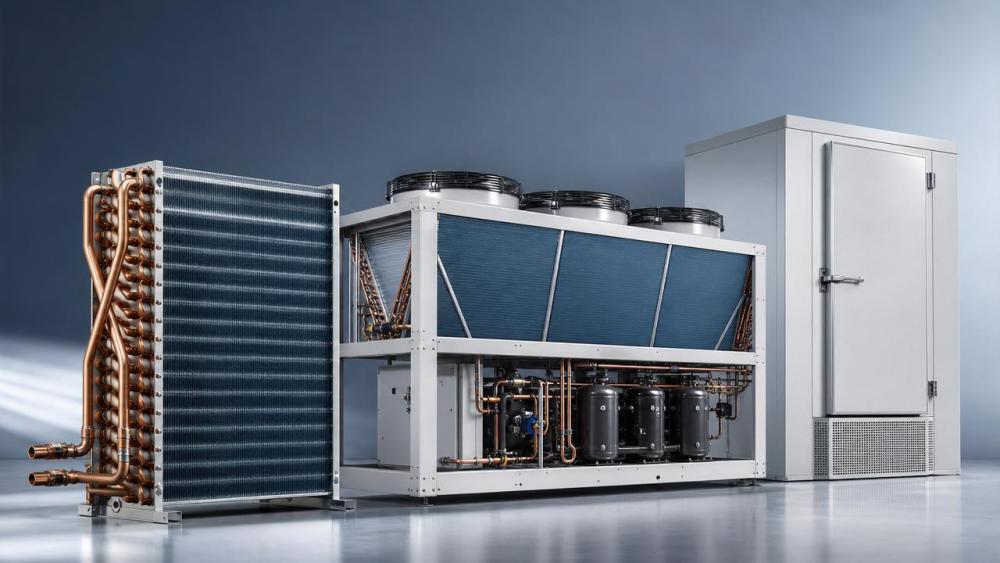
A refrigeration system may contain a highly efficient compressor, advanced controls, and a compliant refrigerant, yet still underperform if the evaporator or condenser cannot maintain stable thermal transfer. In practical terms, a 3%–8% drop in heat rejection efficiency can push condensing temperature upward, increase compressor lift, and shorten component life.
In industrial chillers, this issue often appears under fluctuating process loads. A laser cutting line, injection molding station, or fermentation process may move from 40% to 90% load within minutes. If the heat exchanger surface area, fin geometry, flow distribution, or fouling resistance is poorly matched, chilled fluid temperature stability can drift beyond ±0.5°C to ±1.5°C.
How thermal design influences failure patterns
Technical evaluators should assess heat exchange technology not only by nominal capacity in kW, but by its effect on real operating stress. Poor approach temperature, uneven refrigerant distribution, and insufficient air-side transfer can create hot spots, higher discharge temperatures, and more frequent cycling.
- Higher condensing temperature can increase compressor energy demand by roughly 2%–4% per 1°C rise in many operating ranges.
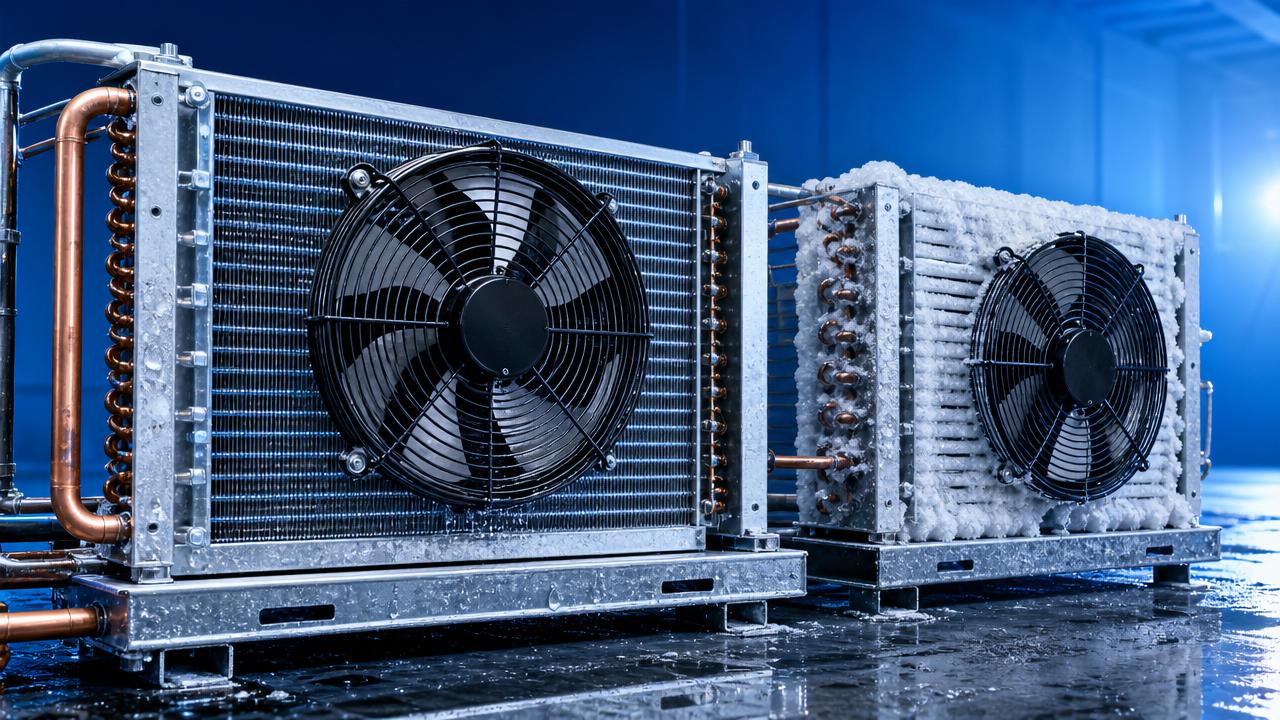
- Uneven evaporator feeding may reduce usable coil area and trigger localized frosting within 8–24 hours of heavy humidity exposure.
- Insufficient subcooling margin can increase flash gas risk at expansion devices, especially in long piping runs or warm ambient conditions.
- Fouling-sensitive designs often require cleaning intervals every 1–3 months instead of every 6 months.
Reliability signals hidden inside thermal performance
Heat exchange technology directly shapes several reliability indicators that technical teams already monitor: compressor discharge temperature, suction superheat consistency, condensing pressure spread, defrost duration, and product temperature uniformity. Systems that look similar on brochures can perform very differently after 2,000 to 4,000 operating hours.
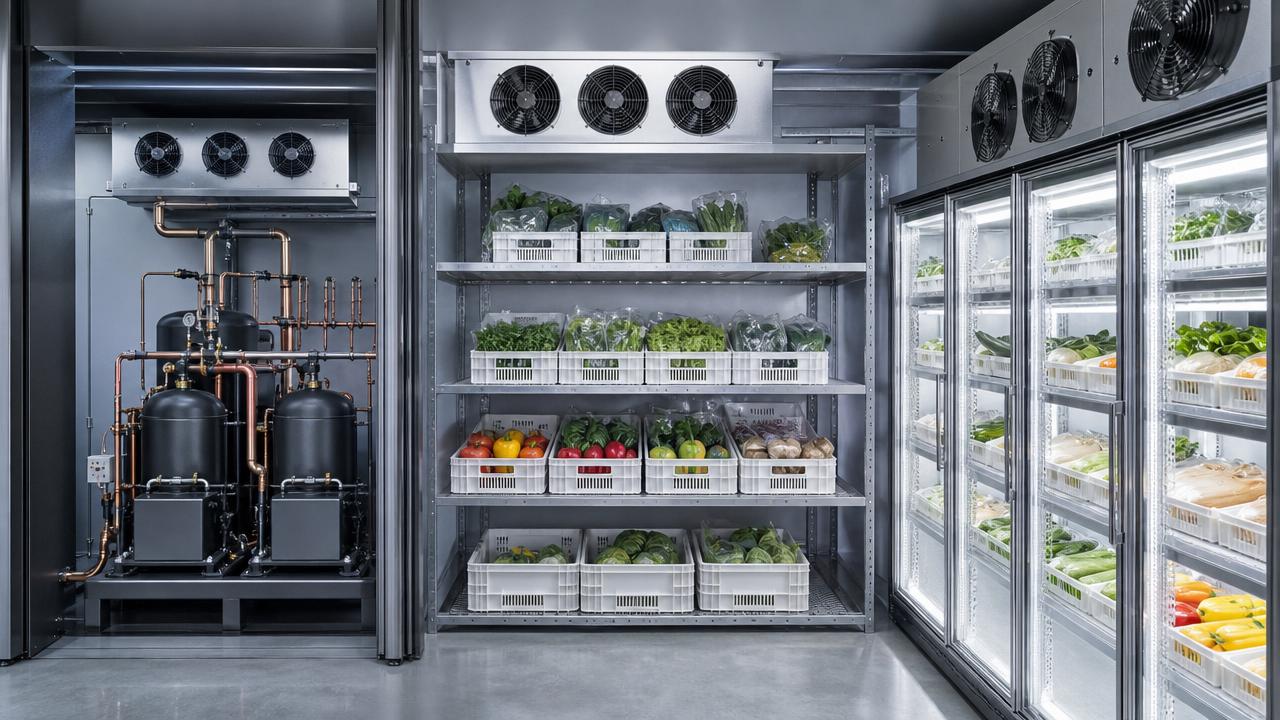
This is especially relevant in cold storage hubs and medical deep-cryogenic applications, where thermal instability is not merely an efficiency issue. In a frozen food warehouse, excess temperature fluctuation accelerates dehydration and frost formation. In an ultra-low temperature freezer, unstable cascade heat exchange can threaten sample integrity at -70°C to -86°C.
Common evaluation checkpoints by equipment type
The table below summarizes how heat exchange technology affects reliability priorities across major refrigeration and cold-chain assets covered by CCRS. These checkpoints help evaluators compare systems beyond headline cooling capacity.
The key takeaway is that heat exchange technology should be evaluated as a reliability architecture, not a single component feature. The same refrigeration duty can produce very different outcomes depending on airflow path, refrigerant circuit design, heat transfer surface treatment, and control coordination.
Where advanced heat exchange design delivers measurable value
In B2B refrigeration environments, advanced thermal design creates value when it reduces stress during real-world disturbances: ambient swings of 10°C–15°C, frequent door openings, high dust loads, partial load operation, or strict pull-down windows. The question is not whether a system performs at nameplate conditions, but whether it remains stable outside the laboratory.
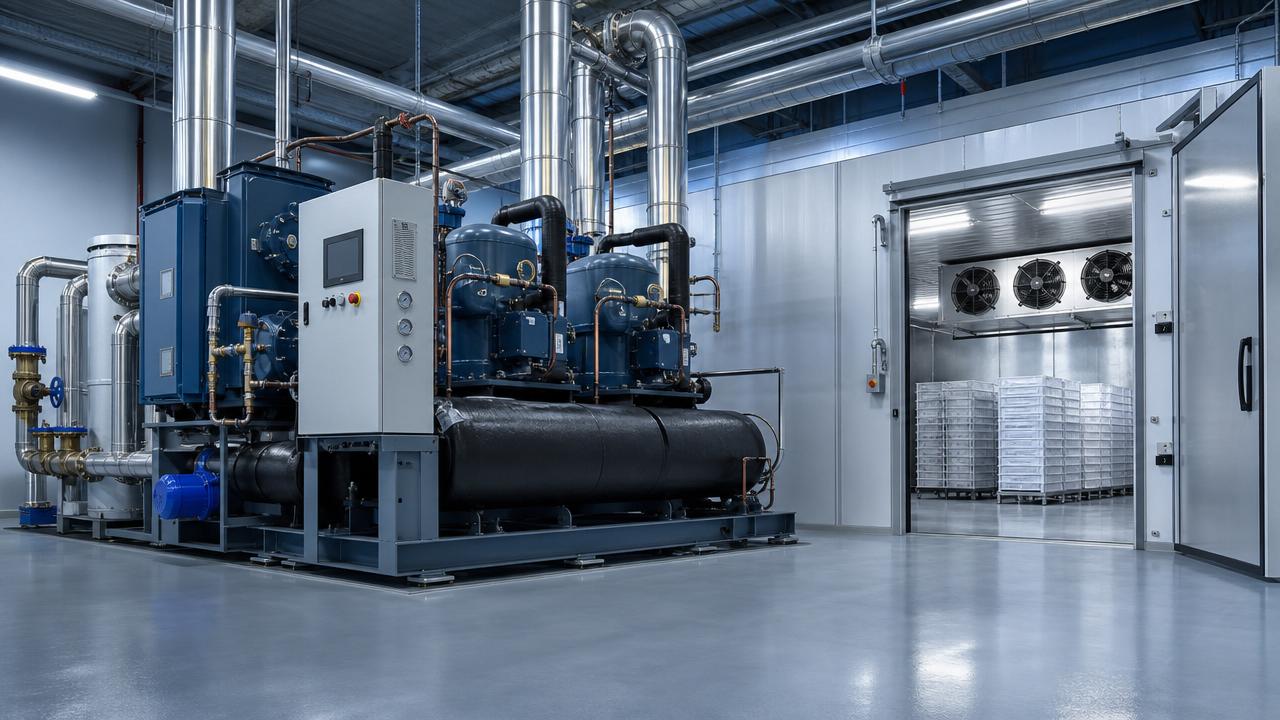
Industrial chillers and process cooling
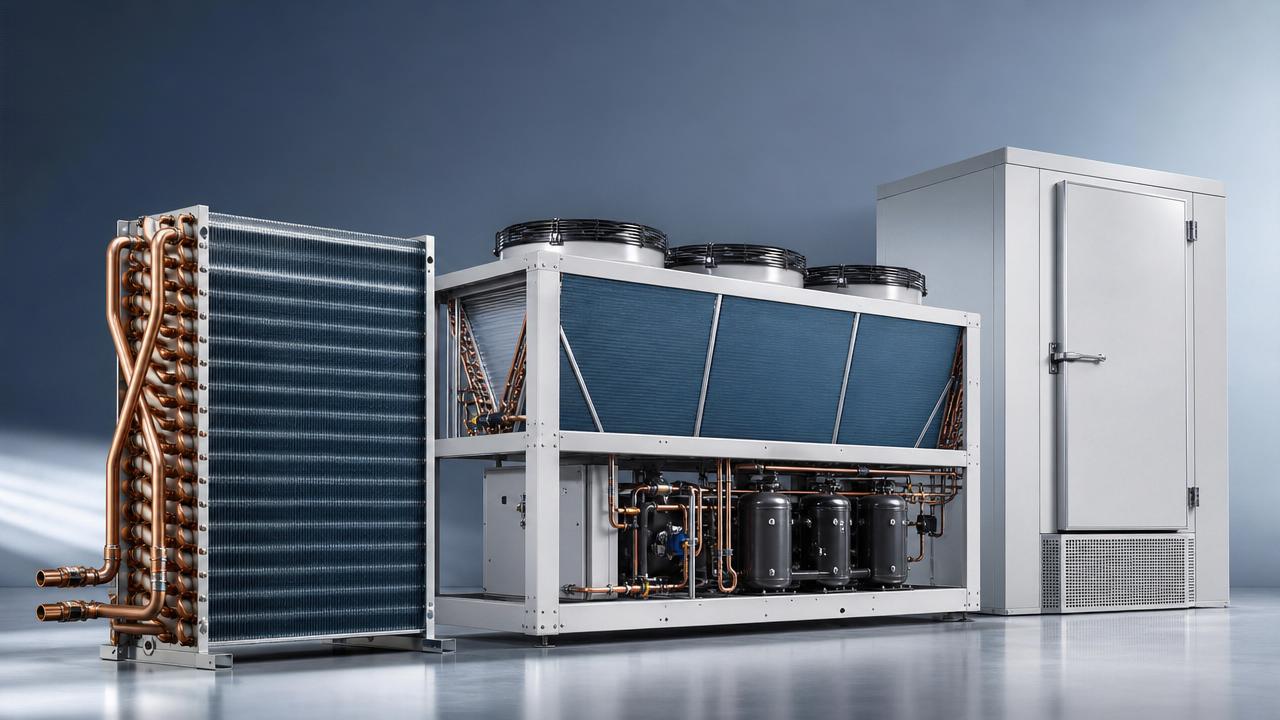
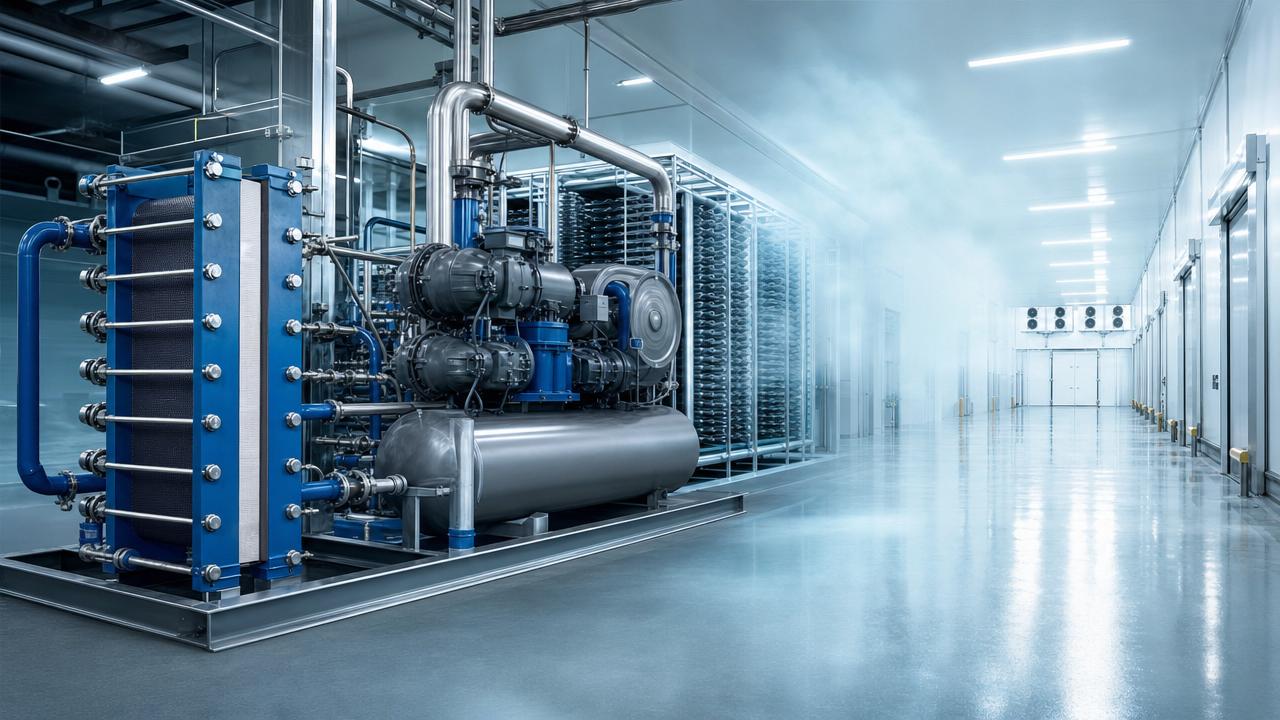
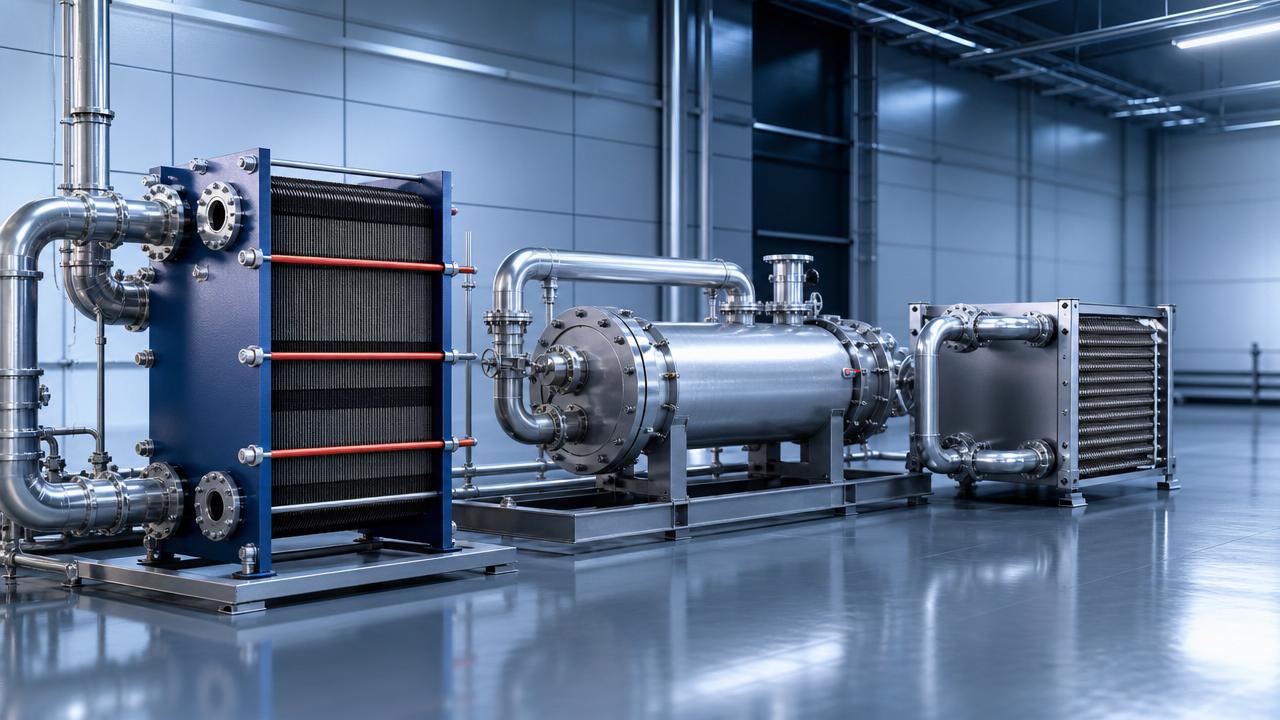
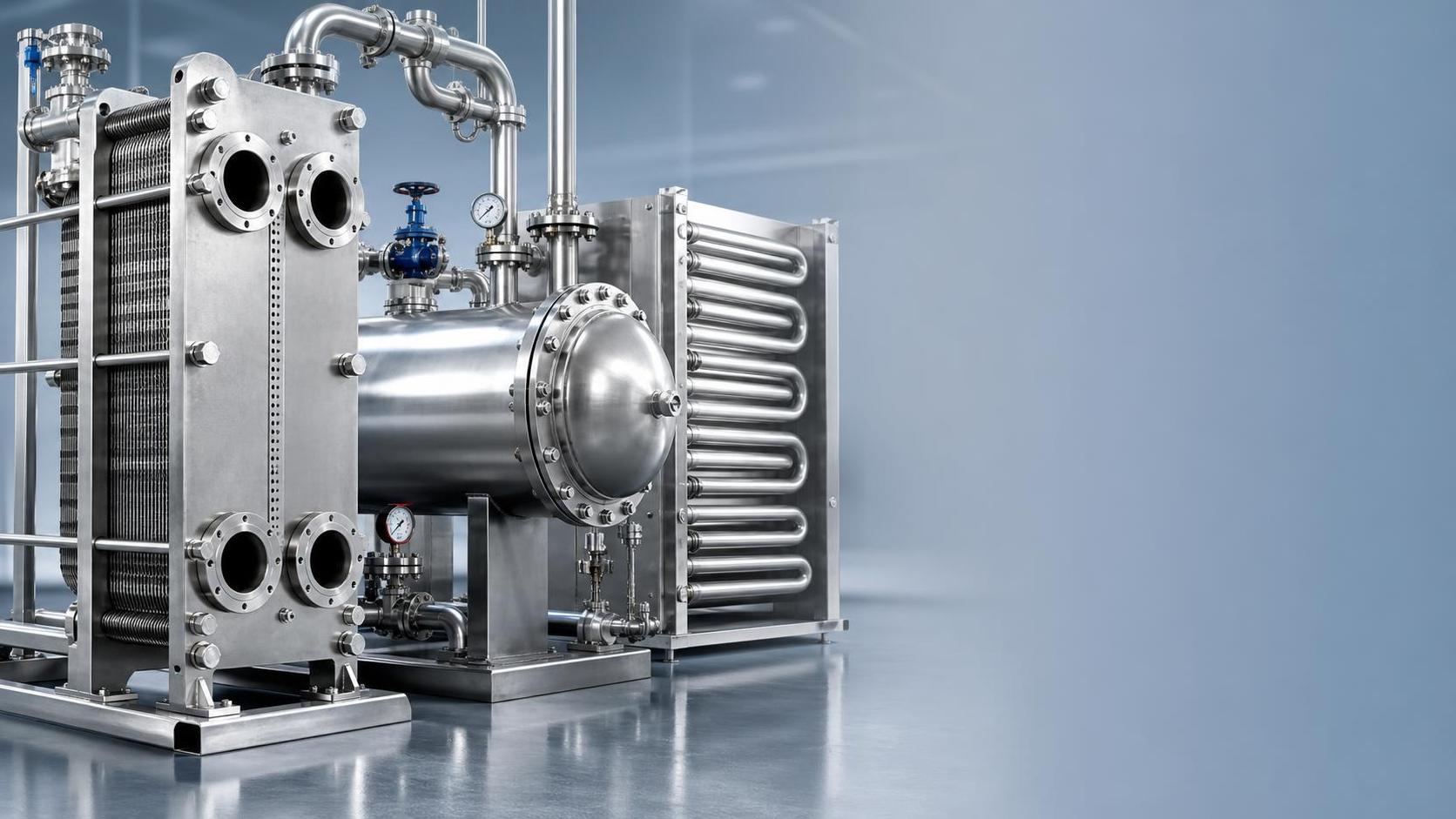
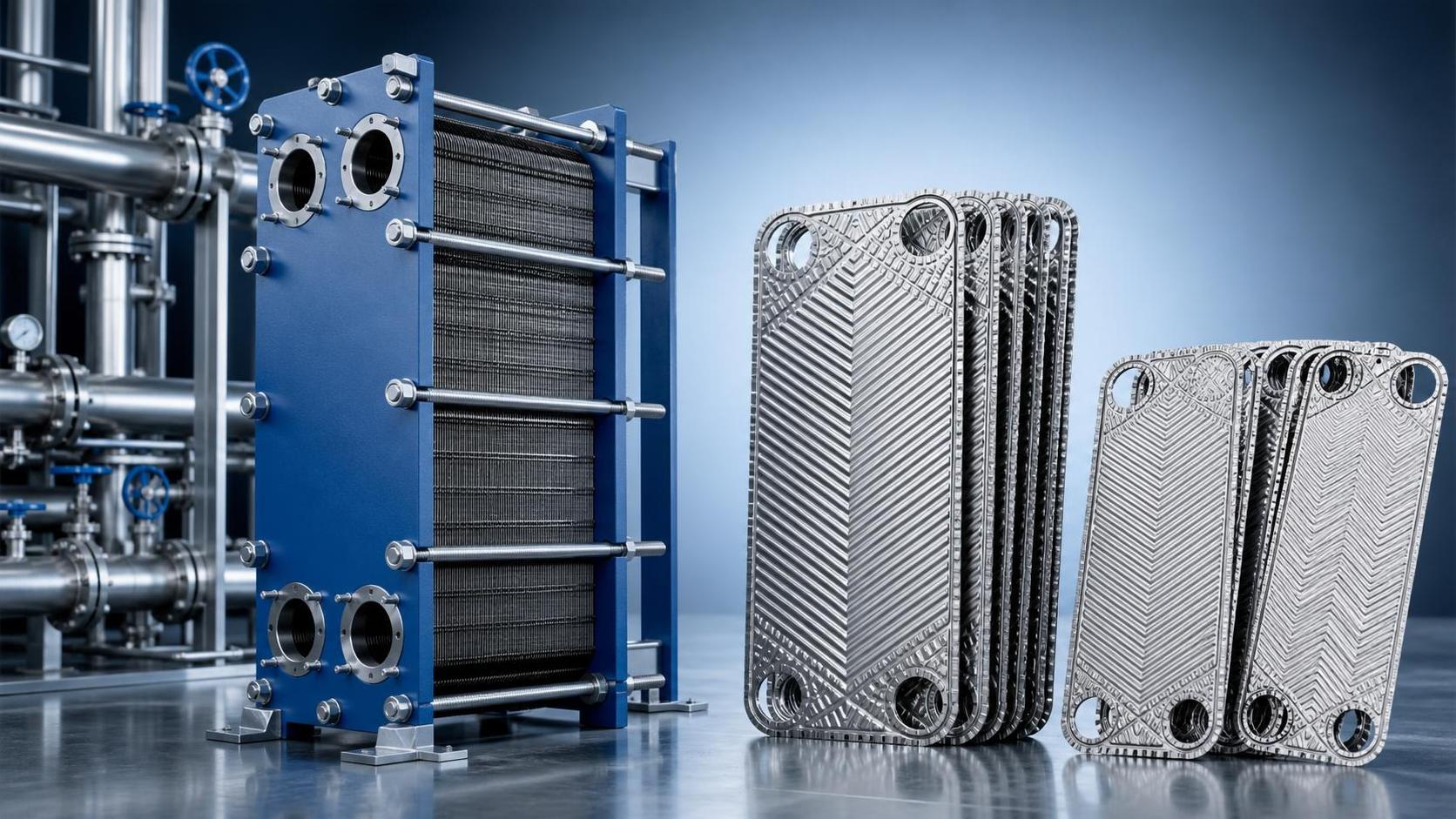
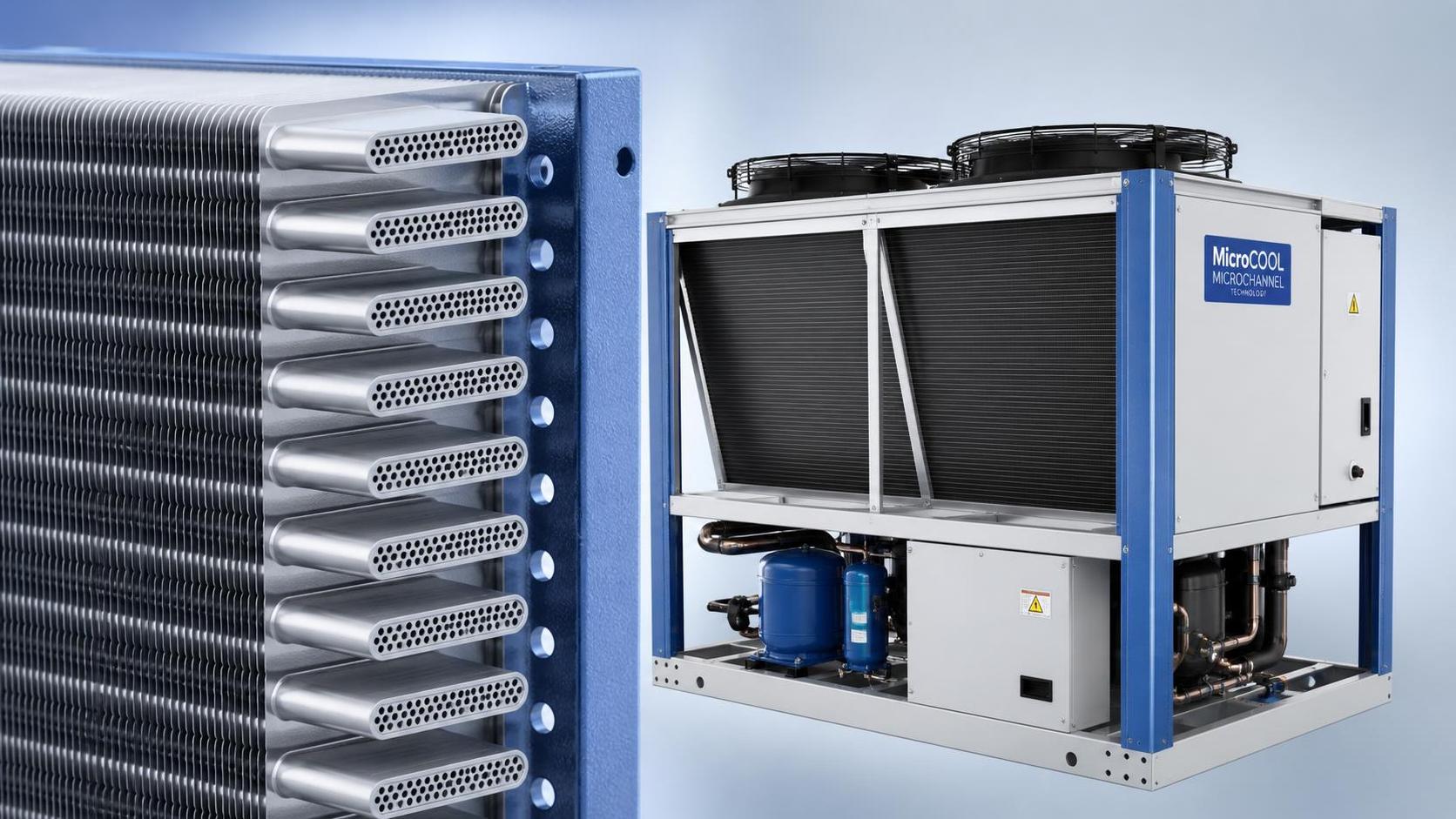
For process cooling, heat exchange technology governs both temperature precision and service continuity. Plate heat exchangers, shell-and-tube designs, and microchannel condensers each offer different tradeoffs. A technical evaluator should compare thermal approach, pressure drop, water quality tolerance, and cleaning accessibility before focusing on first cost.
For example, a low approach temperature can help maintain outlet fluid stability within ±0.3°C to ±0.8°C in precision applications. However, if the exchanger is highly sensitive to scaling or particulate contamination, maintenance frequency may rise sharply in regions with poor water treatment. Reliability depends on the full operating context.
Cold storage and CO2-based refrigeration
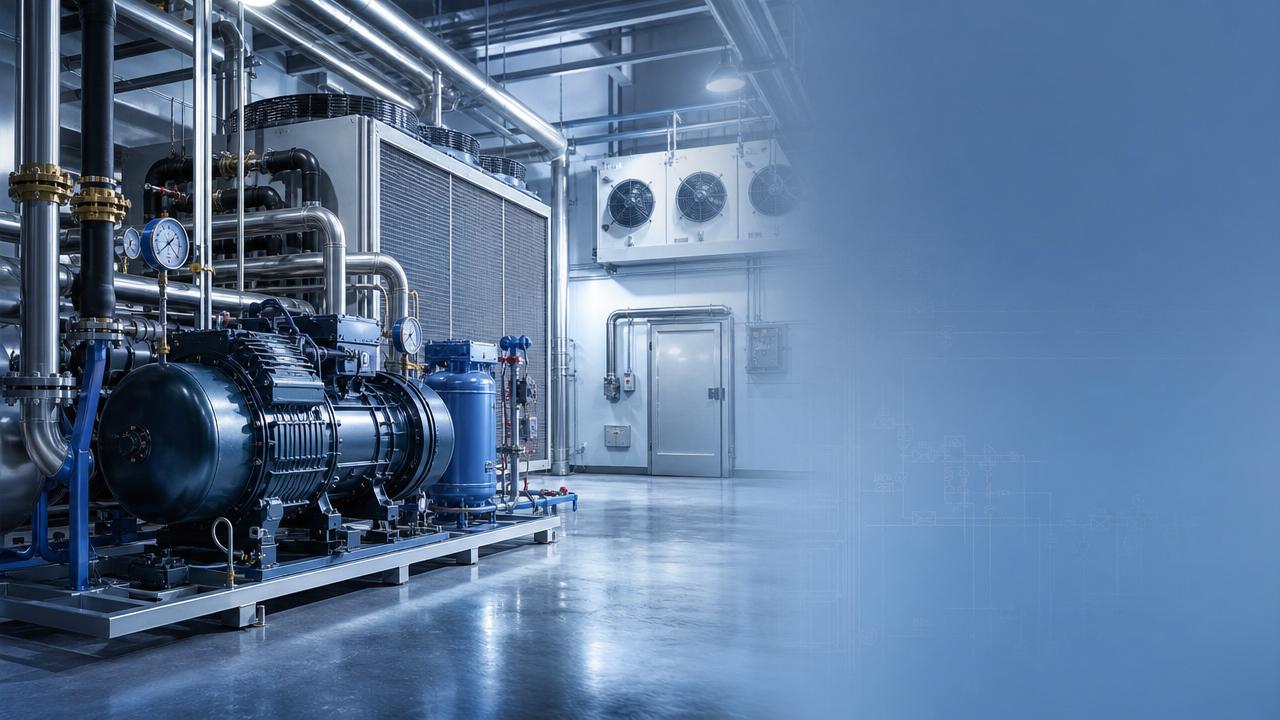
In cold storage compressors and transcritical CO2 systems, heat exchange technology becomes even more critical because operating windows can be narrower. Gas cooler effectiveness, flash gas management, intercooling strategy, and evaporator distribution all affect pressure stability and annual energy use.
When ambient temperature climbs above 32°C to 38°C, insufficient heat rejection can quickly erode system efficiency. Evaluators should study coil circuitry, fan staging, control logic, and frost management together. A stronger gas cooler design may offset higher climate stress and improve uptime in logistics hubs with 24-hour throughput.
Retail cabinets and ultra-low temperature freezers
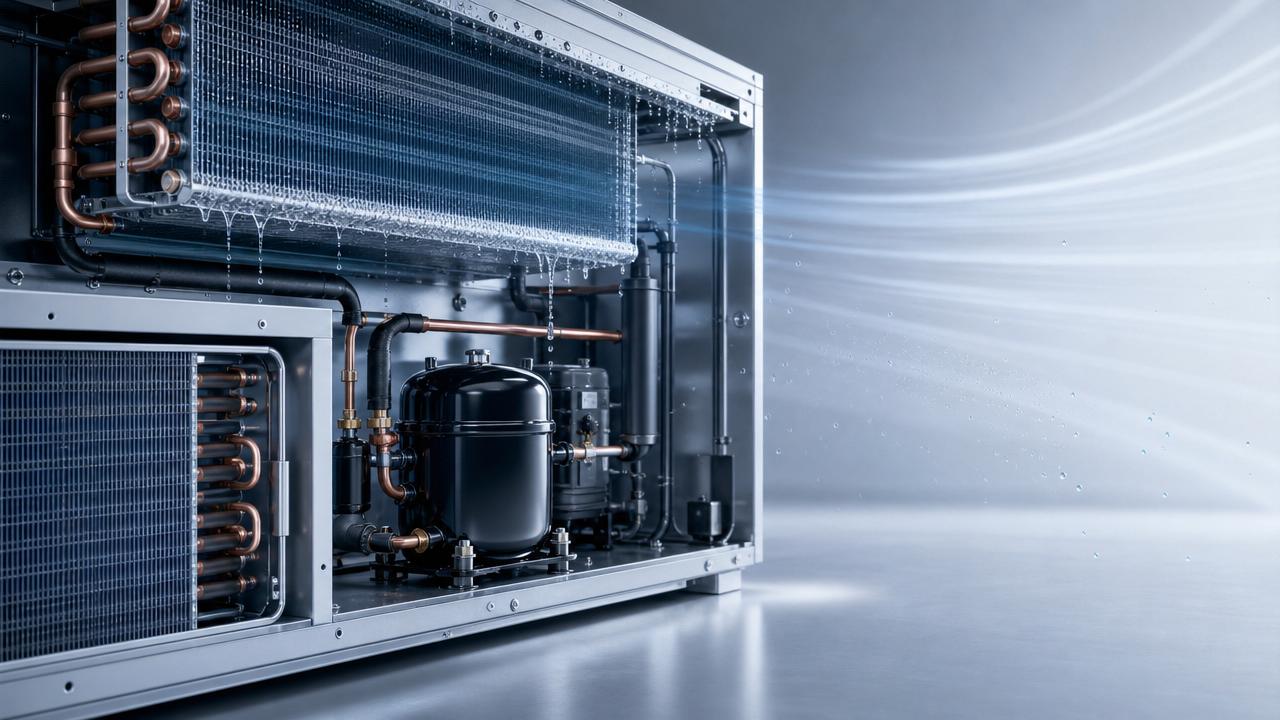
Commercial refrigeration cabinets rely on stable evaporator performance and balanced air movement. Even a 1°C–2°C unevenness across display zones can affect shelf life, appearance, and customer confidence. Efficient heat exchange also supports anti-fog glass performance, quieter fan operation, and shorter compressor runtimes.
In ultra-low temperature freezers, the design challenge is more complex. Cascade systems depend on carefully matched high-stage and low-stage heat exchangers. If thermal coupling is weak, pull-down time may extend by 20%–30%, and temperature recovery after a 30-second door opening can take several extra minutes, increasing biological storage risk.
How technical evaluators should compare heat exchange technology
A useful evaluation process combines design review, operating condition analysis, serviceability checks, and lifecycle cost modeling. Instead of asking whether a heat exchanger is “efficient,” technical teams should define what efficient means at the application level: lower head pressure, faster pull-down, less frosting, reduced water use, or easier cleaning.
Five practical criteria for screening suppliers
- Thermal performance under design and off-design conditions, including ambient and load variation.
- Pressure drop and flow distribution across refrigerant, air, or secondary fluid circuits.
- Material durability against corrosion, cleaning chemicals, saline environments, or low-temperature brittleness.
- Maintenance access, including coil cleaning, drain management, sensor replacement, and defrost service.
- Control integration, such as variable-speed fans, electronic expansion valves, and AI-assisted defrost optimization.
These five criteria help evaluators translate heat exchange technology into procurement language. They also prevent a common mistake: selecting a system with strong nominal COP but weak service resilience after 12–18 months of operation.
Questions that reveal design maturity
Ask suppliers for rated conditions, but also request performance at partial load, high ambient, and maintenance-degraded scenarios. A credible technical response should discuss coil geometry, refrigerant distribution, allowable fouling factors, and expected cleaning intervals. If these details are vague, the risk shifts to the operator.
It is also reasonable to ask how the design supports low-GWP refrigerants and future compliance changes. As refrigerant transitions continue, heat exchange technology must adapt to different pressure characteristics, discharge temperatures, and system architectures without sacrificing reliability.
The following comparison framework can support equipment reviews for chillers, cabinet systems, cold storage plants, and low-temperature freezers during technical tendering or retrofit planning.
This table highlights a practical reality: evaluating heat exchange technology requires both thermodynamic understanding and application context. A better exchanger on paper is not always the better exchanger in a fish processing plant, vaccine storage room, or high-traffic supermarket environment.
Implementation risks, maintenance strategy, and long-term performance
Even strong heat exchange technology can underdeliver if installation and service practices are weak. In field conditions, reliability is shaped by piping cleanliness, airflow clearance, sensor positioning, refrigerant charge accuracy, insulation quality, and commissioning logic. A thermal design must be supported by disciplined execution.
Frequent causes of avoidable reliability loss
- Condenser airflow recirculation caused by poor equipment spacing or hot-air trapping.
- Water-side fouling due to untreated make-up water or inadequate filtration below 50–100 microns where needed.
- Defrost settings based on fixed time rather than actual coil condition, leading to excess energy use or incomplete frost removal.
- Improper refrigerant charge that reduces effective heat transfer area and destabilizes expansion control.
- Neglected sensor calibration, which can distort thermal readings by 0.5°C or more and trigger poor control decisions.
A practical maintenance framework
For most commercial and industrial refrigeration assets, a 4-step maintenance framework is effective. First, inspect airflow or fluid flow restrictions monthly. Second, review condensing and evaporating trends quarterly. Third, clean heat transfer surfaces every 3–6 months based on environment. Fourth, verify defrost and control sequence performance before seasonal peaks.
This service rhythm is particularly important for systems in dusty factories, marine food environments, and high-humidity retail applications. In those settings, heat exchange technology degrades gradually rather than suddenly. Monitoring thermal indicators can reveal hidden reliability loss before product temperature or compressor alarms become visible.
The strategic role of intelligence-led evaluation
For organizations navigating industrial chillers, large-scale ice-making, CO2 cold storage, retail cabinets, and ultra-low temperature freezers, a technical review should connect thermal design to compliance, energy economics, and lifecycle resilience. That is where an intelligence platform such as CCRS adds value: by translating thermodynamic details into procurement-ready decision support.
Whether the priority is reducing energy intensity, improving export readiness under refrigerant regulations, or extending asset lifespan in mission-critical cold-chain operations, heat exchange technology remains central. It links the reversed Carnot cycle to commercial reality, where product freshness, temperature integrity, and operating continuity must all be protected at once.
Reliable refrigeration is built on stable thermal transfer, not on brochure claims alone. For technical evaluators, the most effective path is to assess heat exchange technology through application conditions, maintenance burden, refrigerant compatibility, and control coordination across the full lifecycle. That approach leads to better tender decisions, lower operational risk, and stronger cold-chain performance.
If you are reviewing industrial chillers, cold storage compressors, commercial refrigeration cabinets, ice-making systems, or ultra-low temperature freezers, CCRS can help you compare technical pathways with greater precision. Contact us to discuss project-specific requirements, get a tailored evaluation framework, or explore more refrigeration and cold-chain solutions.
Recommended News
 Thermodynamic Tech TrendsTemperature Control Problems That Quietly Ruin Product QualityAnalyst :Prof. Sarah Lin
 Thermodynamic Tech TrendsHow heat exchange technology shapes system reliabilityAnalyst :Prof. Sarah Lin
 Thermodynamic Tech TrendsAus Scientists Break Through Anhydrous Proton-Conducting MembraneAnalyst :Prof. Sarah Lin
 Thermodynamic Tech TrendsHow variable frequency cooling cuts peak energy costsAnalyst :Prof. Sarah Lin
 Thermodynamic Tech TrendsHeat exchange technology flaws that raise operating costsAnalyst :Prof. Sarah Lin
 Thermodynamic Tech TrendsWhat makes eco-friendly cooling practical in daily use?Analyst :Prof. Sarah Lin
 Thermodynamic Tech TrendsWhat heat exchange technology cuts cooling energy wasteAnalyst :Prof. Sarah Lin
 Thermodynamic Tech TrendsLow carbon refrigeration is changing project planningAnalyst :Prof. Sarah Lin
 Thermodynamic Tech TrendsHeat Exchange Technology Is Changing Cooling DesignAnalyst :Prof. Sarah Lin
 Thermodynamic Tech TrendsWhat limits heat exchange efficiency in real systems?Analyst :Prof. Sarah Lin
 Thermodynamic Tech TrendsIndustrial Refrigeration System Selection: Key Capacity, Refrigerant, and Load FactorsAnalyst :Prof. Sarah Lin
 Thermodynamic Tech TrendsVariable Frequency Cooling Selection Guide: How to Match Load Range, COP, and Control StrategyAnalyst :Prof. Sarah Lin
 Thermodynamic Tech TrendsHeat Exchange Technology in Refrigeration: Which Design Improves Capacity and Defrost Efficiency?Analyst :Prof. Sarah Lin
![]() Thermodynamic Tech TrendsMagnetic Bearing Technology Explained: How Oil-Free Compression Improves Chiller EfficiencyAnalyst :Prof. Sarah Lin
Thermodynamic Tech TrendsMagnetic Bearing Technology Explained: How Oil-Free Compression Improves Chiller EfficiencyAnalyst :Prof. Sarah Lin Thermodynamic Tech TrendsVariable Frequency Cooling Explained: How It Improves Refrigeration Efficiency and Load ControlAnalyst :Prof. Sarah Lin
 Thermodynamic Tech TrendsHeat Exchange Efficiency: Which Design Factors Matter Most in Industrial Cooling?Analyst :Prof. Sarah Lin
 Thermodynamic Tech TrendsHeat Exchange Technology Comparison: Plate, Shell-and-Tube, or Microchannel?Analyst :Prof. Sarah Lin
 Thermodynamic Tech TrendsIndustrial Cooling Systems Explained: Which Setup Fits Food, Pharma, and Process Plants?Analyst :Prof. Sarah Lin
 Thermodynamic Tech TrendsVariable Frequency Cooling vs Fixed-Speed Systems: Which Cuts Energy Costs Better?Analyst :Prof. Sarah Lin
 Thermodynamic Tech TrendsTemperature Control Systems Explained: Key Components, Control Logic, and Common UsesAnalyst :Prof. Sarah Lin
 Thermodynamic Tech TrendsHow Heat Exchange Efficiency Affects Compressor Load and System StabilityAnalyst :Prof. Sarah Lin
 Thermodynamic Tech TrendsEnergy Saving Low Carbon Cooling: Which Metrics Actually Matter in System Evaluation?Analyst :Prof. Sarah Lin
 Thermodynamic Tech TrendsHow to Compare a Heat Transfer Technology Manufacturer for Custom Process Cooling ProjectsAnalyst :Prof. Sarah Lin
 Thermodynamic Tech TrendsChoosing an Industrial Cooling Systems Supplier: 7 Evaluation Criteria Before RFQAnalyst :Prof. Sarah Lin
 Thermodynamic Tech TrendsHeat Transfer Technology Air Cooler: Key Design Factors for Stable Cooling PerformanceAnalyst :Prof. Sarah Lin
 Thermodynamic Tech TrendsEnergy Efficient Refrigeration Systems with Heat Recovery: Where the Savings Really Come FromAnalyst :Prof. Sarah Lin
 Thermodynamic Tech TrendsWhat Determines Heat Exchange Technology Price in Industrial Cooling Projects?Analyst :Prof. Sarah Lin
 Thermodynamic Tech TrendsHow to Select Heat Exchange Plates for Corrosion Resistance and Thermal EfficiencyAnalyst :Prof. Sarah Lin
 Thermodynamic Tech TrendsHow Microchannel Heat Exchangers Improve Refrigeration System EfficiencyAnalyst :Prof. Sarah Lin
 Thermodynamic Tech TrendsHeat Transfer Technology for Blast Freezers: Speed, Efficiency, and DesignAnalyst :Prof. Sarah Lin
 Thermodynamic Tech TrendsHow to Size Heat Exchange Systems for Refrigeration Plants at Peak LoadAnalyst :Prof. Sarah Lin