Industry News
Curation by industry experts
Hot Articles
- Cold Chain & Retail Energy InsightsHow to Compare Energy Ratings in Specification-Led Refrigeration Equipment Guides
- Cold Chain & Retail Energy InsightsCold Chain Technology: How Sensors and Automation Prevent Temperature Excursions
- Cold Chain & Retail Energy InsightsHow North American Cold Facilities Can Benchmark Refrigeration System Efficiency
Popular Tags
How anti-fog technology affects display clarity and sales
For commercial refrigeration buyers and evaluators, anti-fog technology is more than a visibility upgrade—it directly shapes display clarity, product appeal, and sales performance. In retail cabinets and cold-chain showcases, clearer glass helps shoppers trust what they see, while operators benefit from lower maintenance disruption and stronger merchandising impact. Understanding how anti-fog technology affects purchasing behavior is essential for making smarter equipment investment decisions.
Why anti-fog technology matters in visibility-driven display scenarios
In refrigerated displays, fogged glass blocks product color, texture, and freshness cues. That weakens shelf impact before a shopper even evaluates price or brand.
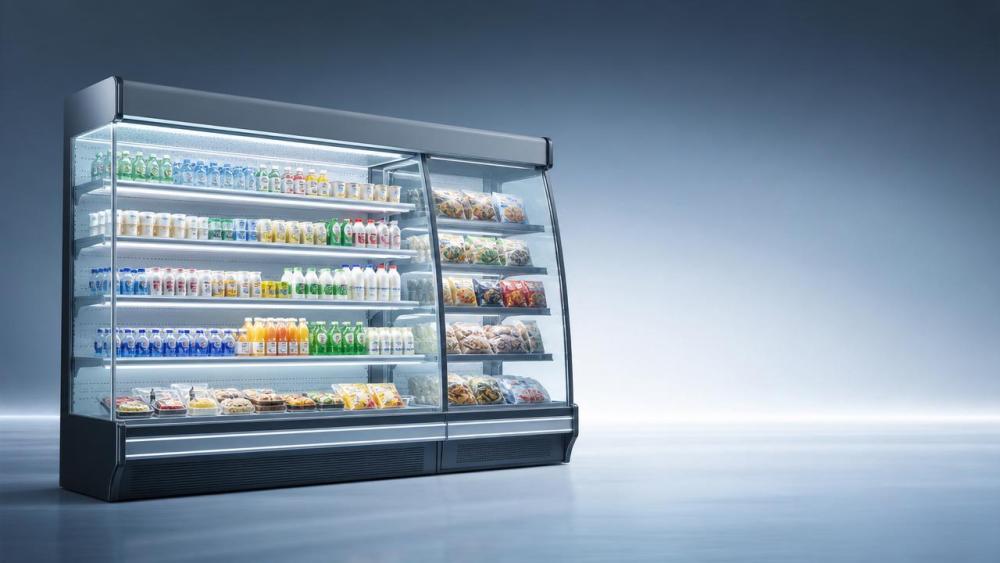
Anti-fog technology keeps the viewing surface clear under temperature and humidity stress. That makes display clarity a measurable commercial asset, not a cosmetic feature.
For CCRS-related sectors, this matters across fresh retail, cold-chain hubs, medical refrigeration, and industrial viewing panels. Different scenes create different anti-fog technology requirements.
The key question is not whether anti-fog technology works. The real question is where it creates the strongest return through cleaner presentation, lower intervention, and higher conversion.
How scene differences change the value of anti-fog technology
Not every refrigerated display faces the same condensation pressure. Door opening frequency, ambient humidity, lighting heat, and defrost cycles all change performance expectations.
A supermarket island freezer needs persistent visibility during rush hours. A medical cold cabinet needs stable viewing accuracy with minimal contamination risk from repeated manual wiping.
This is why anti-fog technology should be judged by scenario fit. Display clarity, maintenance needs, energy trade-offs, and sales influence vary sharply by use environment.
Core factors that shift scenario demand
- High customer traffic and frequent door openings
- Warm, humid store or warehouse conditions
- Need for strong product presentation under LED lighting
- Strict hygiene or inspection visibility requirements
- Pressure to balance clarity with energy efficiency
Typical application scenes where anti-fog technology affects results
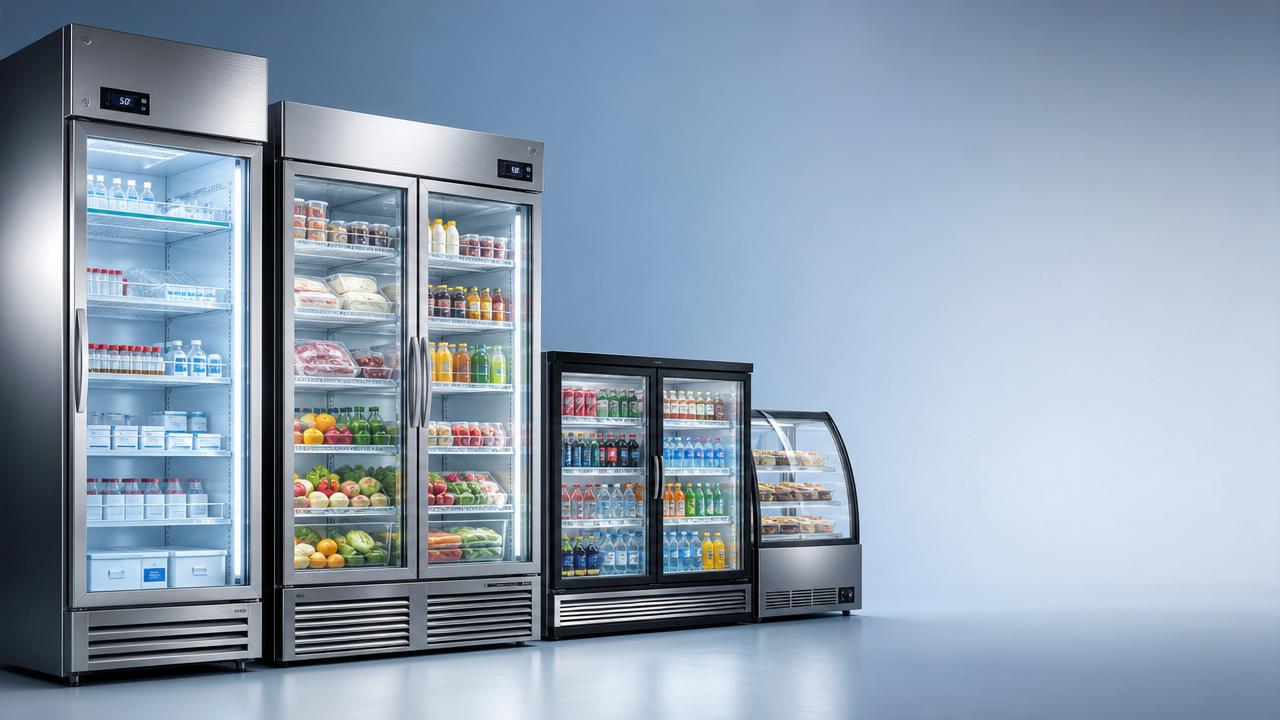
Fresh retail cabinets and open selling environments
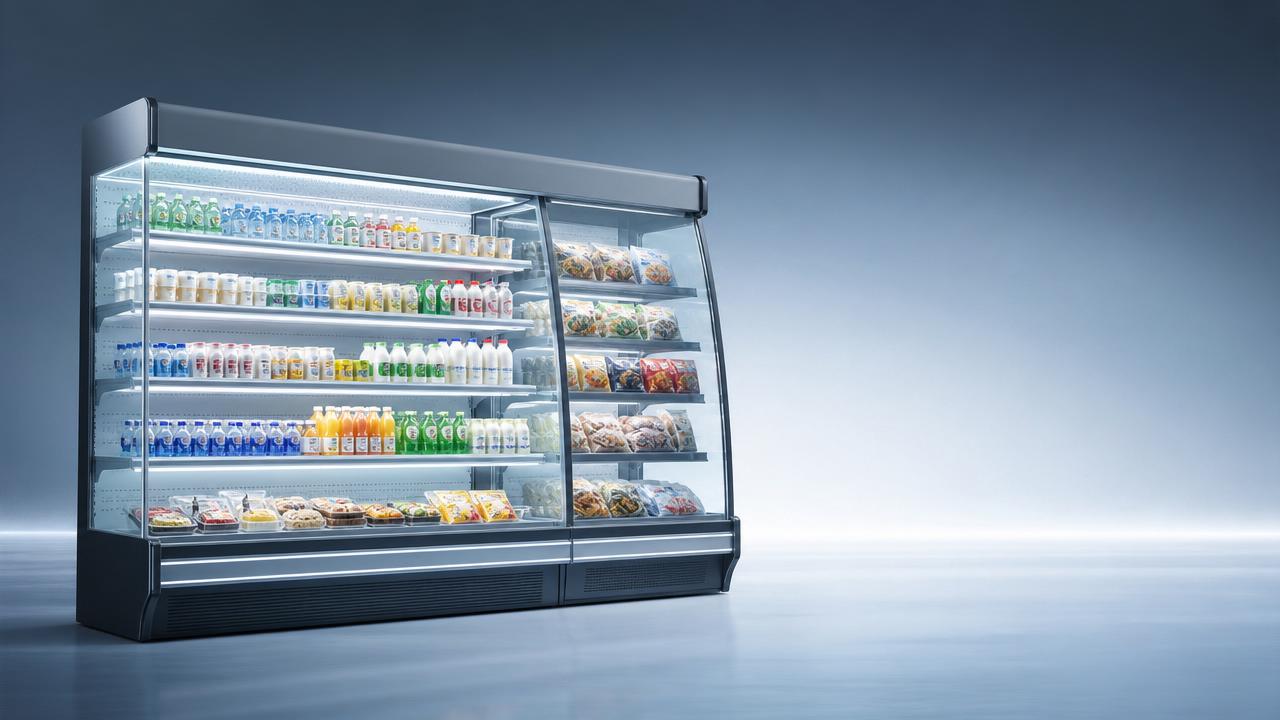
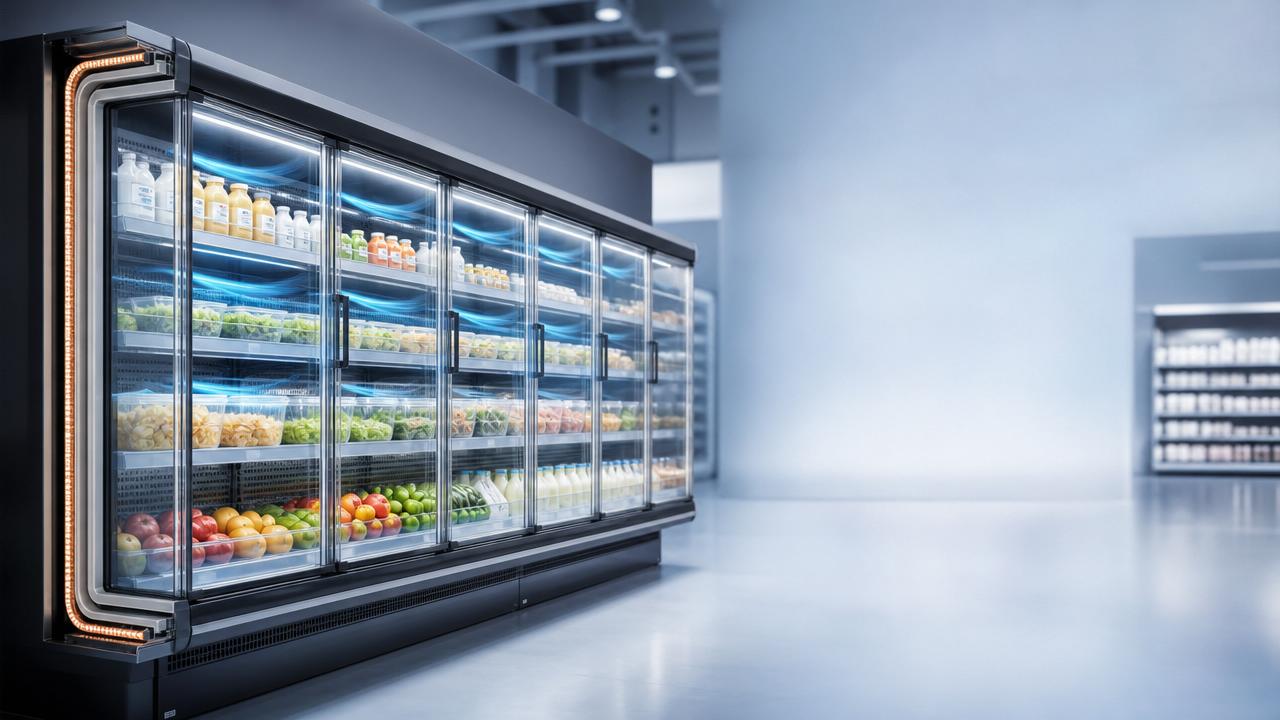
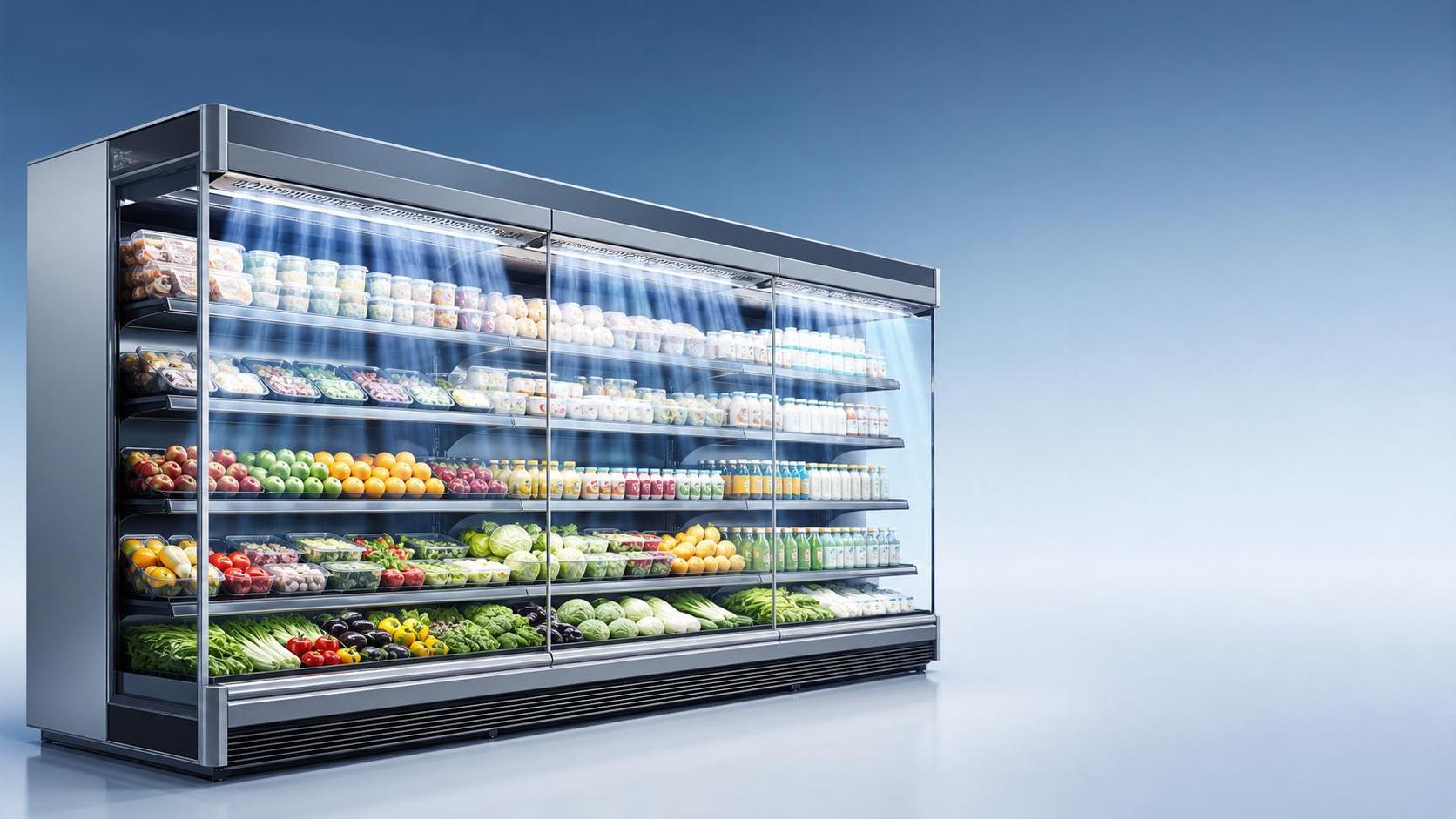
In grocery and convenience retail, shoppers buy with their eyes first. If glass fog hides packaging, labels, or food color, impulse interest drops fast.
Here, anti-fog technology supports clearer product storytelling. It improves trust in chilled meat, dairy, beverages, desserts, and ready-to-eat foods under constant browsing pressure.
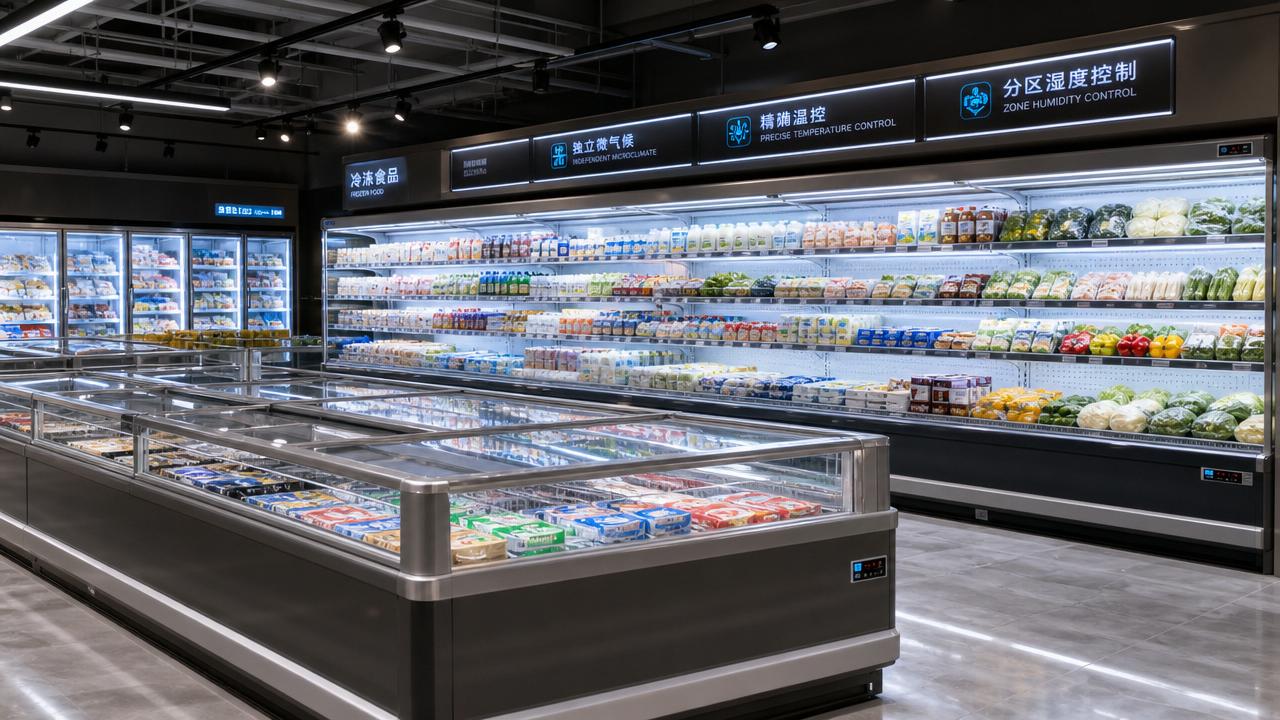
Cold-chain showcase units in premium food sales
Seafood, imported fruit, and specialty frozen products depend on visual quality. Condensation can make premium goods look old, wet, or poorly handled.
In this scene, anti-fog technology protects price perception. Better display clarity helps preserve premium positioning and reduces hesitation near higher-value items.
Medical and laboratory refrigeration viewing windows
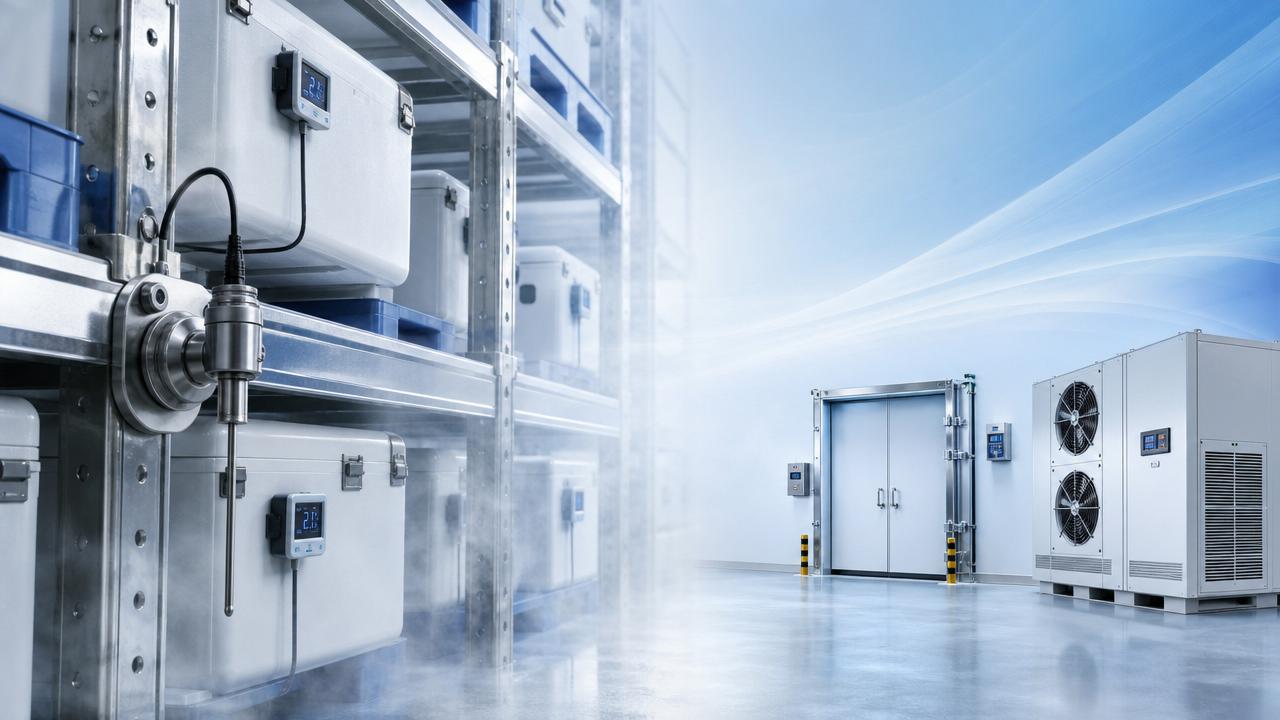
In vaccine, sample, and reagent storage, visibility is tied to operational accuracy. Staff need to confirm inventory quickly without prolonged door opening.
Anti-fog technology supports faster visual checks and fewer unnecessary access events. That can help temperature stability, workflow continuity, and contamination control.
Industrial cooled enclosures and process observation panels
Some industrial cooling systems use viewing panels for process monitoring. Fogging can delay judgment, especially where precision timing or material condition must be observed.
In these scenes, anti-fog technology affects operational confidence more than retail appeal. Clear surfaces reduce misreads and improve visual inspection efficiency.
What different scenes actually need from anti-fog technology
The same keyword can hide very different buying priorities. The table below shows how anti-fog technology should be evaluated across major use cases.
How anti-fog technology influences sales performance beyond appearance
Display clarity changes customer behavior in subtle but important ways. People approach visible products faster and spend less time decoding what is behind the glass.
That shorter recognition time matters in crowded aisles. Anti-fog technology supports smoother product scanning, which can lift interaction rates and basket additions.
Clear displays also support pricing integrity. When products look fresh and orderly, discount pressure may ease because value is communicated visually.
Sales impact is strongest when anti-fog technology works with good lighting, clean shelving, stable temperature control, and disciplined replenishment. Clarity alone cannot fix weak merchandising.
Commercial effects often linked to better display clarity
- Higher confidence in freshness and storage quality
- Improved visibility of labels, branding, and promotions
- Reduced need for staff wiping during trading hours
- More consistent presentation across humid periods
- Stronger premium impression in high-value categories
Scenario-based recommendations for choosing anti-fog technology
A useful selection process starts with the environment, not the brochure. Anti-fog technology should match the display task, cleaning rhythm, and thermal operating profile.
- Measure humidity exposure, traffic intensity, and door opening frequency.
- Check whether the priority is sales lift, inspection speed, or maintenance reduction.
- Review compatibility with cabinet lighting, glass type, and defrost strategy.
- Compare lifecycle cost, not only initial equipment price.
- Ask for performance evidence under real operating temperatures.
For comprehensive refrigeration systems, anti-fog technology should also be reviewed with compressor performance, air curtain behavior, and energy management targets.
This broader view aligns with the CCRS perspective: display clarity works best when refrigeration, visibility, and operational economics are considered together.
Common mistakes when judging anti-fog technology in real scenes
One common mistake is treating anti-fog technology as decorative. In many refrigerated environments, it directly affects sales efficiency, workflow speed, and product credibility.
Another mistake is testing only in low-humidity conditions. Performance must be judged during peak condensation periods, not ideal showroom moments.
Some evaluations ignore cleaning chemicals and maintenance routines. Certain solutions lose effectiveness if surface care and operating conditions are mismatched.
A final blind spot is separating anti-fog technology from total cabinet design. Poor airflow, weak sealing, or unstable temperature control can undermine otherwise strong visibility solutions.
Next steps for turning anti-fog technology into better display and sales outcomes
Start by identifying the display scenes where visibility most affects decisions. Usually, these are premium food displays, high-traffic cabinets, and sensitive inventory windows.
Then compare anti-fog technology options using scene-specific criteria: clarity duration, maintenance impact, energy implications, and influence on merchandising effectiveness.
When anti-fog technology is matched to the right refrigerated scene, the result is clearer display performance, stronger product trust, and more reliable sales support.
For organizations tracking refrigeration intelligence, the better decision is rarely about glass alone. It is about choosing visibility systems that strengthen freshness perception and commercial results together.
Recommended News
 Microclimate ModulesHow anti-fog technology changes cold display performanceAnalyst :Retail Refrigeration Strategist
 Microclimate ModulesHow anti-fog technology affects display clarity and salesAnalyst :Retail Refrigeration Strategist
 Microclimate ModulesHow tight should temperature control be in storage?Analyst :Retail Refrigeration Strategist
 Microclimate ModulesUAE Requires Microclimate Modules for Retail RefrigerationAnalyst :Retail Refrigeration Strategist
 Microclimate ModulesHow Anti-Fog Technology Works in Display Cooling and What Affects Its PerformanceAnalyst :Retail Refrigeration Strategist
 Microclimate ModulesTemperature Control Systems in Production Lines: Common Failures and FixesAnalyst :Retail Refrigeration Strategist
 Microclimate ModulesUNIDO launches R290 training hub in WuhanAnalyst :Retail Refrigeration Strategist
 Microclimate ModulesFDA Tightens Cold Chain Validation for Microclimate ModulesAnalyst :Retail Refrigeration Strategist
 Microclimate ModulesChile Tightens AI Module Rule for Fishery FreezersAnalyst :Retail Refrigeration Strategist
 Microclimate ModulesSenseair Launches NDIR Sensors for A2L Refrigerant Leak DetectionAnalyst :Retail Refrigeration Strategist
 Microclimate ModulesModular Cold Storage Solutions vs Traditional Cold Rooms: Which Fits Faster Expansion?Analyst :Retail Refrigeration Strategist
 Microclimate ModulesChile Freezer Rule Adds HACCP Microclimate ModuleAnalyst :Retail Refrigeration Strategist
 Microclimate ModulesDigital Refrigeration Control Module Explained: Key Inputs, Defrost Logic, and Alarm FunctionsAnalyst :Retail Refrigeration Strategist
 Microclimate ModulesTemperature Control Devices Explained: Key Types, Functions, and Where Each Fits BestAnalyst :Retail Refrigeration Strategist
 Microclimate ModulesDIN EN 1861:2026 Sets AI Humidity Loop for Microclimate ModulesAnalyst :Retail Refrigeration Strategist
 Microclimate ModulesHow Air Curtain Refrigeration Temperature Control Reduces Infiltration in Open CasesAnalyst :Retail Refrigeration Strategist
 Microclimate ModulesSASO Notice Raises Bar for Deep-sea Fishery FreezersAnalyst :Retail Refrigeration Strategist
 Microclimate ModulesHow Anti-Fog Technology Coating Works and Where It Delivers the Best PerformanceAnalyst :Retail Refrigeration Strategist