Industry News
Curation by industry experts
Hot Articles
- Cold Chain & Retail Energy InsightsHow North American Cold Facilities Can Benchmark Refrigeration System Efficiency
- -86℃ ULT FreezersHow to Select Medical Cryogenic Vials for Long-Term Sample Storage
- Cold Chain & Retail Energy InsightsFood-Grade Panel Requirements for Hygienic Meat Cold Storage Systems
Popular Tags
How anti-fog technology changes cold display performance
In cold display environments, anti-fog technology is no longer a cosmetic upgrade but a measurable performance factor. For technical evaluators, it directly affects product visibility, thermal stability, energy use, and maintenance cycles across commercial refrigeration systems. This article explains how anti-fog technology reshapes cold display performance, helping decision-makers assess its value in efficiency, user experience, and long-term equipment reliability.
Why cold display performance now depends on anti-fog technology
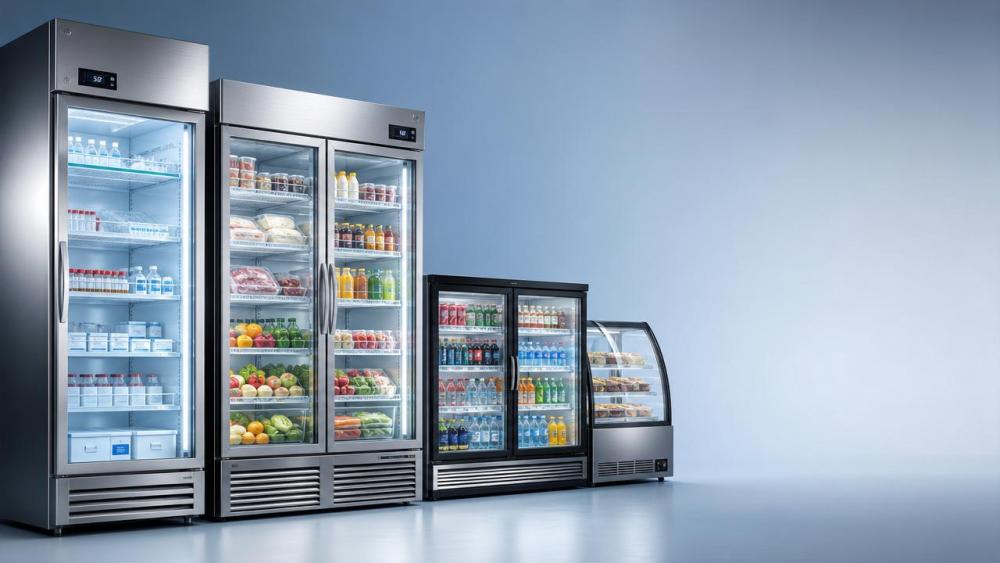
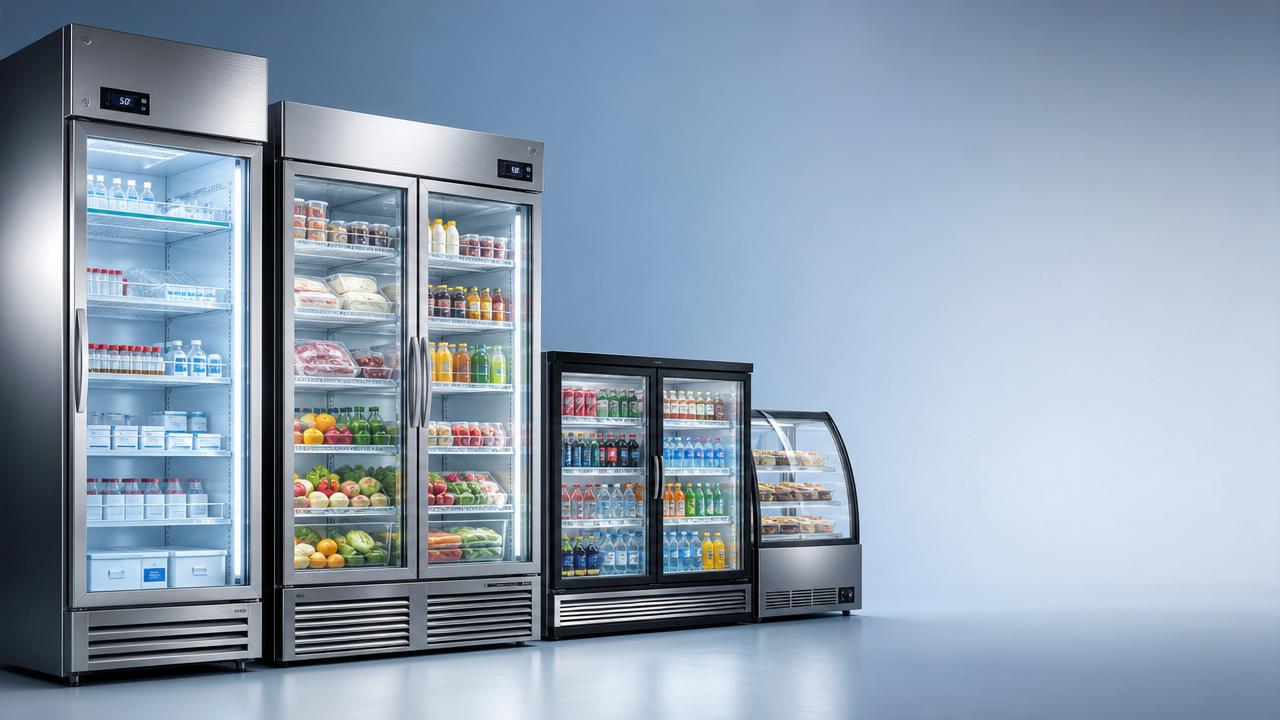
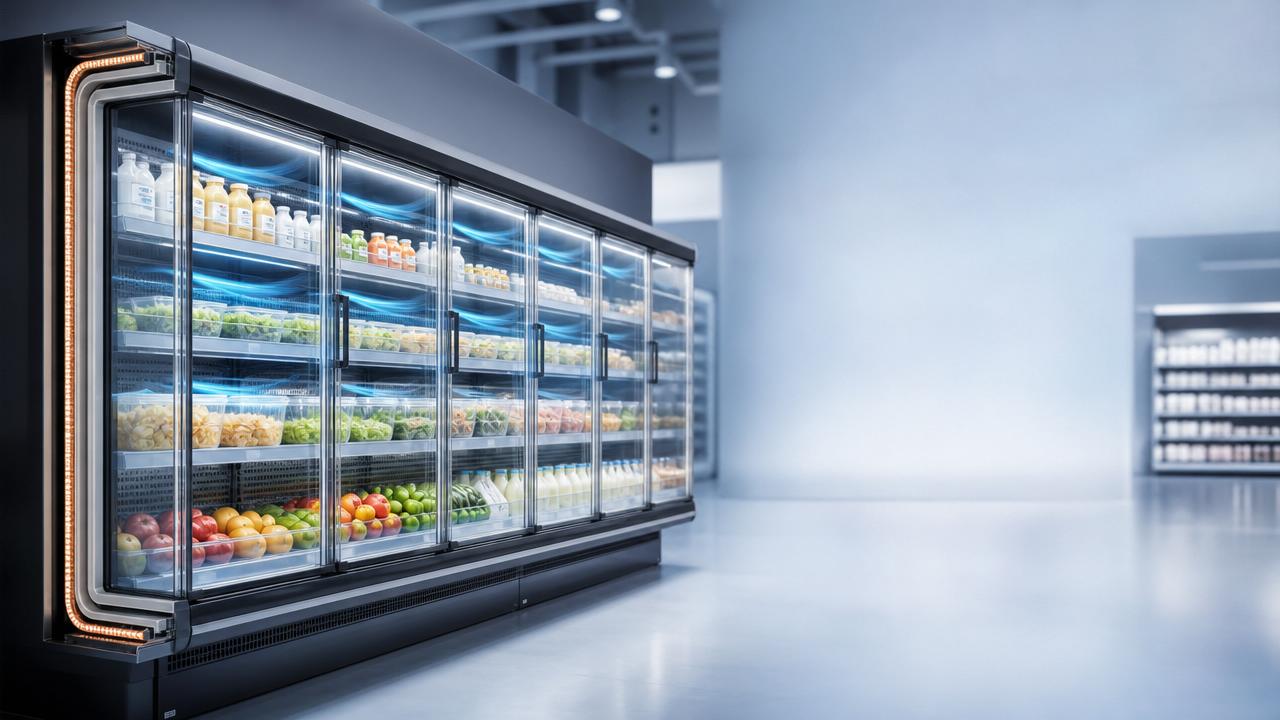
Cold display performance is judged first by what users can see. If glass fogs, the cabinet loses selling power before cooling capacity becomes the issue.
That is why anti-fog technology matters across food retail, medical storage, beverage merchandising, and frozen product presentation.
Fog forms when warm, humid air meets a cold transparent surface. Condensation scatters light, reduces product recognition, and weakens display clarity.
In commercial refrigeration cabinets, this also signals broader system interaction. Air curtain design, door openings, glass temperature, humidity load, and defrost behavior all matter.
Anti-fog technology changes this balance. It helps maintain visibility while supporting stable operation under real traffic, variable climate, and demanding product turnover.
For intelligence platforms such as CCRS, the value is clear. Display clarity must be analyzed together with thermodynamic efficiency, refrigerant strategy, and lifecycle reliability.
Different cold display scenes create very different anti-fog technology needs
Not every cabinet faces the same fog risk. Site humidity, door frequency, lighting heat, stocking pattern, and product sensitivity create very different priorities.
A frozen retail island may prioritize visibility during peak traffic. A medical refrigerator may prioritize stable observation without frequent door opening.
This is why anti-fog technology should be judged by use case, not by marketing claims alone. The best option depends on scene-specific thermal and operational stress.
Fresh retail cabinets with frequent door openings
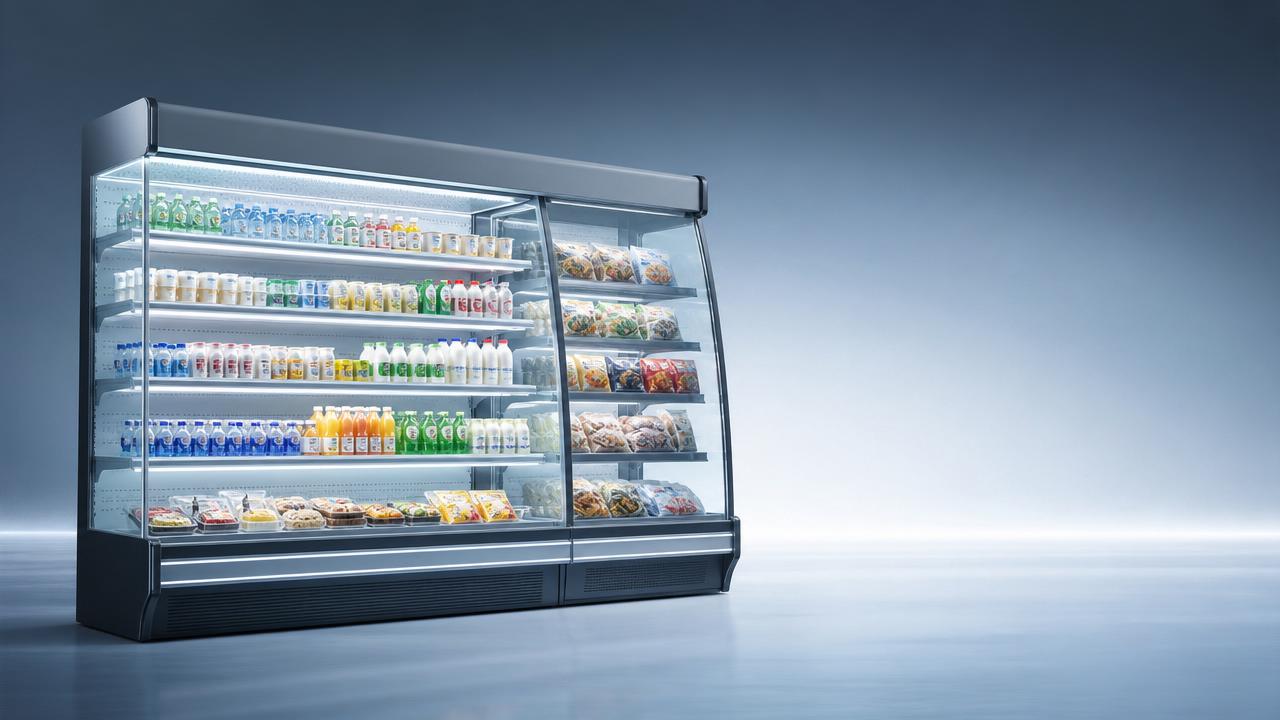
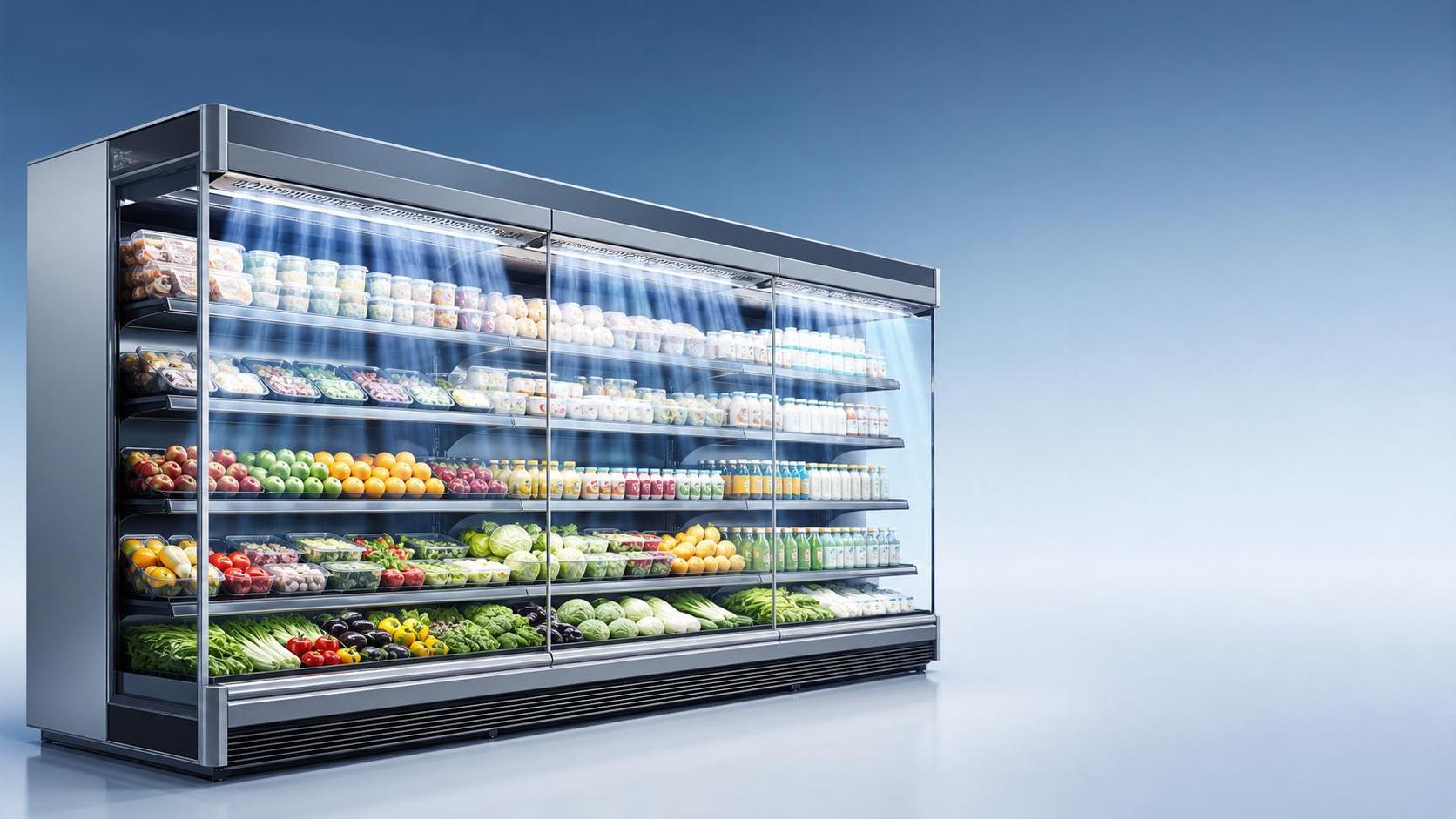
Supermarket multideck units and glass-door merchandisers experience repeated warm air infiltration. Each opening raises humidity near the display surface.
Here, anti-fog technology must respond fast. Surface heating, conductive coatings, and optimized airflow can keep product fronts visible during rush periods.
Frozen food display cases in humid climates
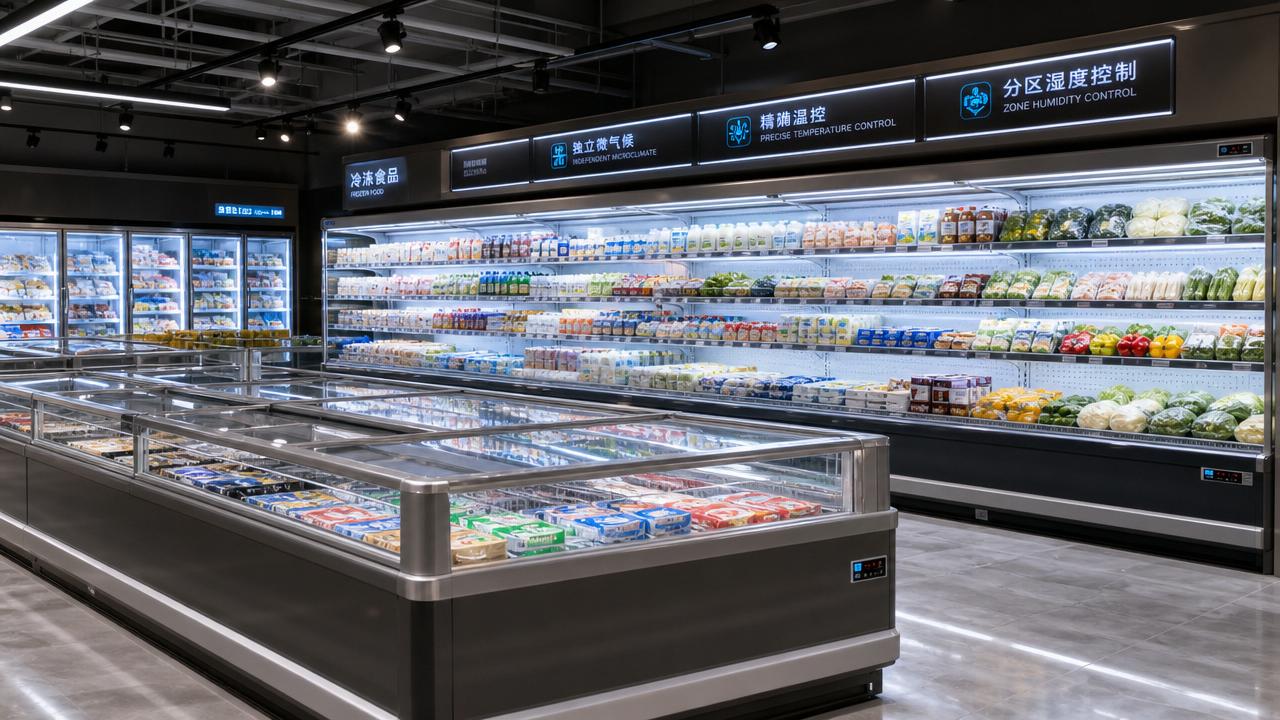
Frozen displays operate with stronger temperature differences. In humid regions, condensation and frost risks increase quickly on doors and viewing panels.
In this scene, anti-fog technology often works together with low-emissivity glass, heater control, and tighter door sealing to limit repeated visibility loss.
Medical and laboratory refrigeration requiring clear observation
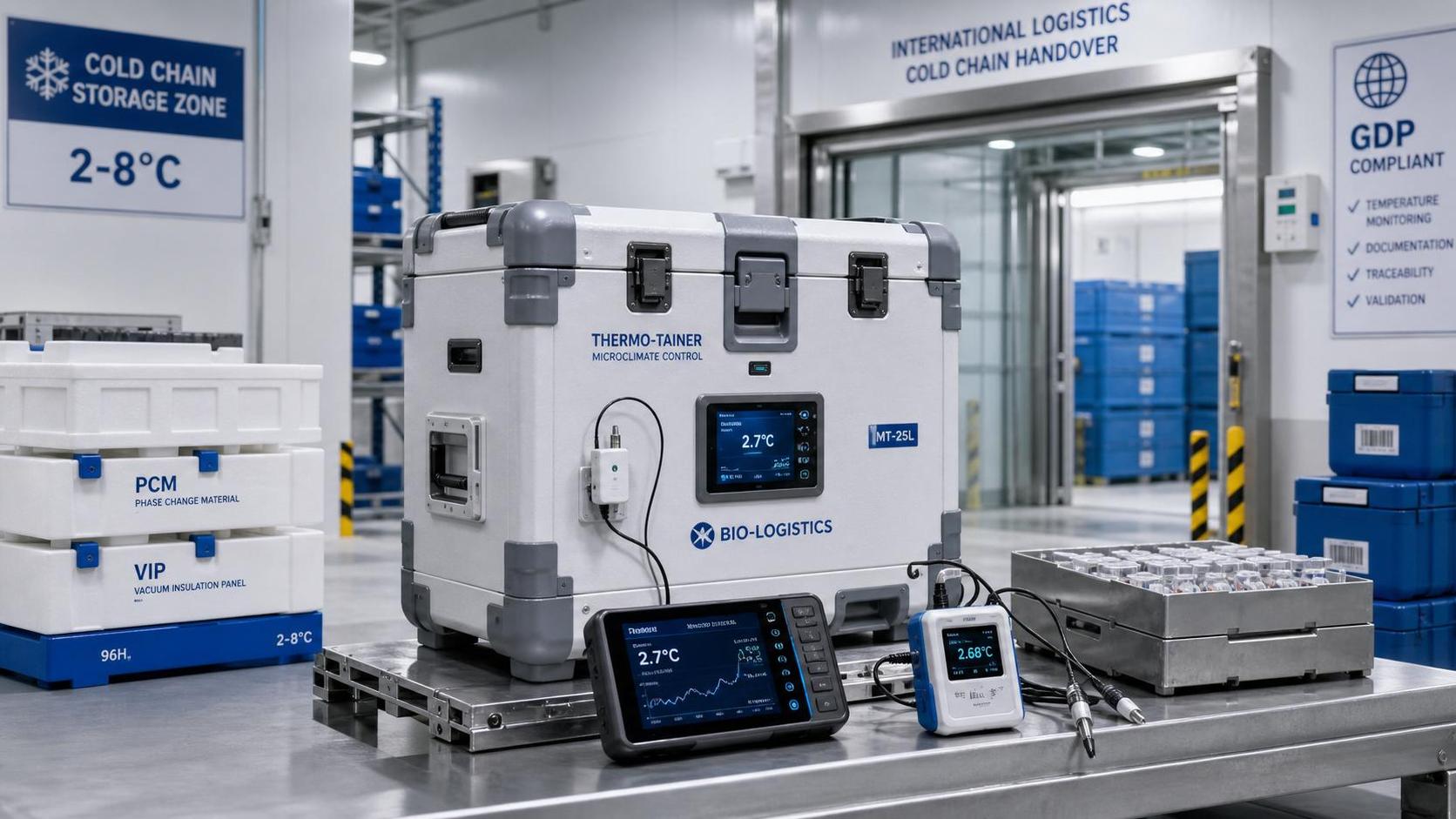
In pharmacy and laboratory environments, clear visibility reduces unnecessary door openings. That supports temperature stability for sensitive inventory.
Here, anti-fog technology contributes indirectly to compliance and sample protection. Clear doors support faster checks and lower handling disturbance.
Industrial cold rooms with observation panels
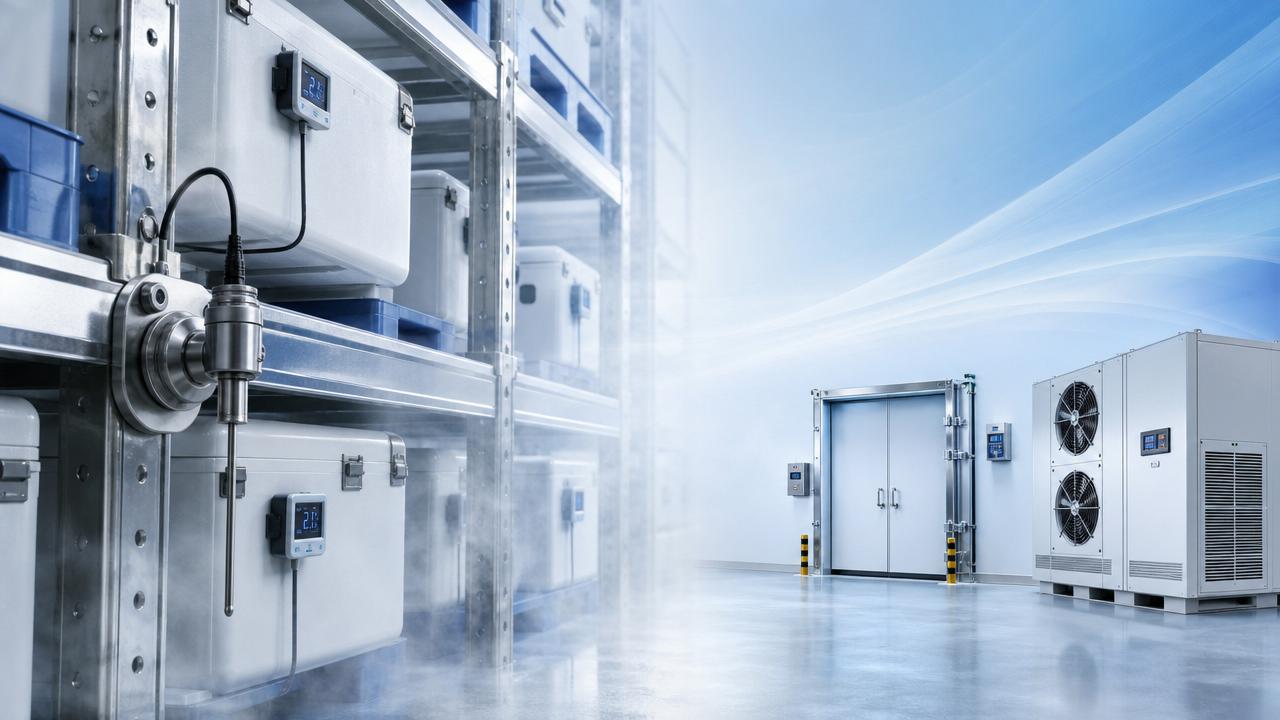
Cold rooms and processing spaces use windows or access panels for monitoring. Visibility matters for safety, movement coordination, and process control.
In these scenes, anti-fog technology should be rugged, easy to maintain, and compatible with washdown, high humidity, or fluctuating loading cycles.
How anti-fog technology changes performance beyond appearance
It is easy to think of anti-fog technology as a visual feature only. In reality, it affects several measurable performance indicators.
1. Product visibility and conversion quality
Clear glass improves label reading, color perception, and product confidence. That is especially important for premium food, beverages, and healthcare items.
When visibility stays stable, display value becomes consistent across the day, not only during low-humidity or low-traffic periods.
2. Thermal stability through fewer unnecessary openings
Fogged doors force people to open cabinets just to confirm stock. Each opening disturbs the cold zone and increases compressor workload.
Effective anti-fog technology reduces these avoidable openings. That supports tighter temperature control and lower product exposure to warm air.
3. Energy use and heater optimization
Some anti-fog technology uses electrically heated glass. If poorly controlled, the visibility gain may come with higher energy consumption.
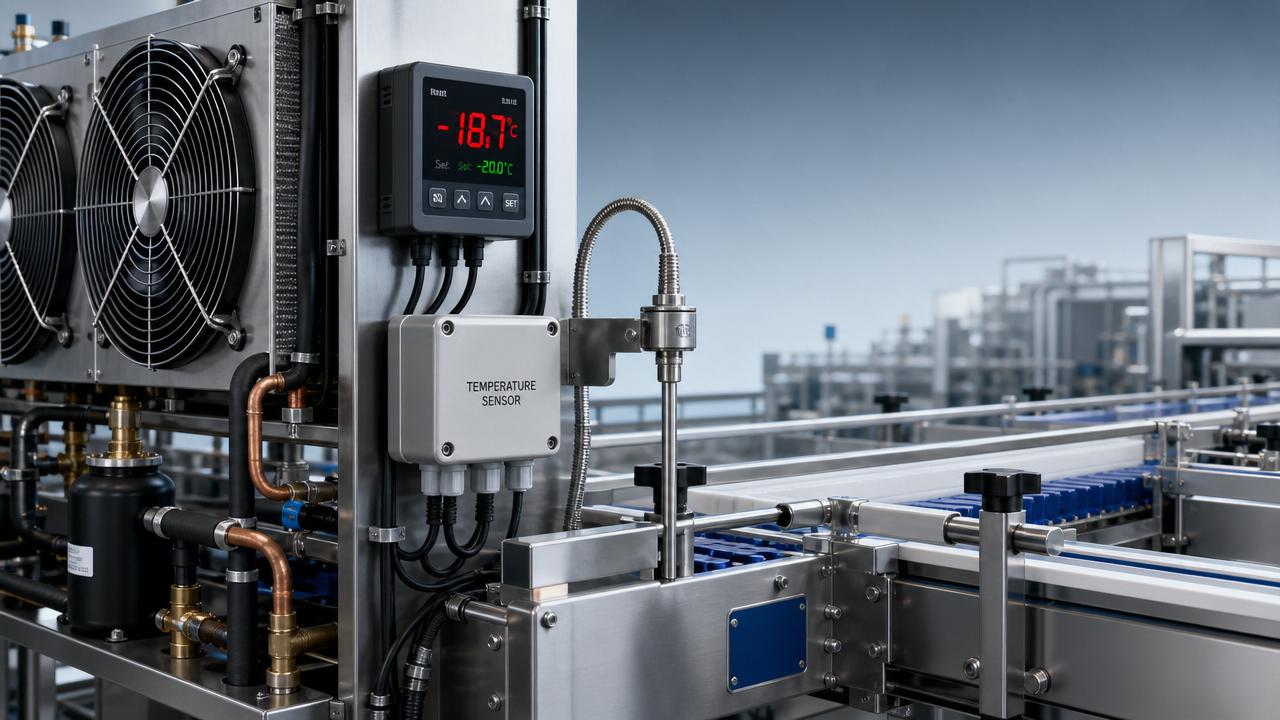
The better approach uses smart control. Sensors, duty cycling, and adaptive heating can maintain clarity while avoiding unnecessary power draw.
4. Cleaning frequency and maintenance cycles
Fog can leave mineral marks, streaks, and residue after repeated condensation. This increases cleaning labor and affects display perception.
Well-selected anti-fog technology lowers moisture accumulation and supports longer intervals between deep cleaning or panel replacement.
5. Reliability in the full refrigeration system
Visibility issues often indicate broader airflow or sealing weaknesses. Therefore, anti-fog technology should be assessed as part of cabinet engineering.
The strongest designs align anti-condensation strategy with defrost logic, fan control, insulation quality, and refrigerant-side efficiency.
Cold display scene comparison: where anti-fog technology creates the most value
How to match anti-fog technology to each application scene
The right choice starts with conditions, not with a default specification. A practical evaluation should include the following checkpoints.
- Measure ambient humidity, seasonal variation, and entry of warm air.
- Review door opening frequency and average open time.
- Check whether visibility problems appear as fog, frost, or water streaking.
- Compare energy impact between passive coatings and active heated solutions.
- Assess compatibility with defrost programs, lighting loads, and controller logic.
- Estimate maintenance access, replacement cost, and cleaning chemistry tolerance.
For high-traffic displays, responsive anti-fog technology usually delivers the strongest operational return. For controlled environments, low-energy passive solutions may be enough.
Where regulations and uptime matter, anti-fog technology should be included in lifecycle analysis, not treated as a visual accessory.
Common mistakes when judging anti-fog technology in cold display systems
One common mistake is focusing only on first cost. A lower-cost door can create higher cleaning, energy, and product disturbance costs later.
Another mistake is ignoring local climate. A cabinet that performs well in dry regions may struggle badly in tropical or coastal conditions.
A third mistake is separating anti-fog technology from whole-system design. Poor airflow or damaged gaskets can defeat even advanced glass treatments.
It is also risky to overlook control strategy. Continuous heating may solve fogging but reduce the net energy benefit of the refrigeration system.
Finally, short tests can mislead. Anti-fog technology should be evaluated across door cycles, humidity peaks, cleaning routines, and aging effects.
What to do next when evaluating anti-fog technology
Start by identifying the real scene: fresh retail, frozen merchandising, medical storage, or industrial observation. The fog mechanism is different in each case.
Then connect visibility targets with thermal data. Review door activity, humidity loads, heater use, temperature drift, and cleaning frequency together.
A sound anti-fog technology decision should improve display clarity without weakening energy performance or service life.
For broader cold-chain strategy, CCRS recommends treating anti-fog technology as part of intelligent refrigeration design. It links user experience, heat management, and equipment reliability.
When visibility stays clear, cold display systems work harder in the right way: lower disruption, stronger presentation, and better long-term performance.
Recommended News
 Microclimate ModulesHow anti-fog technology changes cold display performanceAnalyst :Retail Refrigeration Strategist
 Microclimate ModulesHow anti-fog technology affects display clarity and salesAnalyst :Retail Refrigeration Strategist
 Microclimate ModulesHow tight should temperature control be in storage?Analyst :Retail Refrigeration Strategist
 Microclimate ModulesUAE Requires Microclimate Modules for Retail RefrigerationAnalyst :Retail Refrigeration Strategist
 Microclimate ModulesHow Anti-Fog Technology Works in Display Cooling and What Affects Its PerformanceAnalyst :Retail Refrigeration Strategist
 Microclimate ModulesTemperature Control Systems in Production Lines: Common Failures and FixesAnalyst :Retail Refrigeration Strategist
 Microclimate ModulesUNIDO launches R290 training hub in WuhanAnalyst :Retail Refrigeration Strategist
 Microclimate ModulesFDA Tightens Cold Chain Validation for Microclimate ModulesAnalyst :Retail Refrigeration Strategist
 Microclimate ModulesChile Tightens AI Module Rule for Fishery FreezersAnalyst :Retail Refrigeration Strategist
 Microclimate ModulesSenseair Launches NDIR Sensors for A2L Refrigerant Leak DetectionAnalyst :Retail Refrigeration Strategist
 Microclimate ModulesModular Cold Storage Solutions vs Traditional Cold Rooms: Which Fits Faster Expansion?Analyst :Retail Refrigeration Strategist
 Microclimate ModulesChile Freezer Rule Adds HACCP Microclimate ModuleAnalyst :Retail Refrigeration Strategist
 Microclimate ModulesDigital Refrigeration Control Module Explained: Key Inputs, Defrost Logic, and Alarm FunctionsAnalyst :Retail Refrigeration Strategist
 Microclimate ModulesTemperature Control Devices Explained: Key Types, Functions, and Where Each Fits BestAnalyst :Retail Refrigeration Strategist
 Microclimate ModulesDIN EN 1861:2026 Sets AI Humidity Loop for Microclimate ModulesAnalyst :Retail Refrigeration Strategist
 Microclimate ModulesHow Air Curtain Refrigeration Temperature Control Reduces Infiltration in Open CasesAnalyst :Retail Refrigeration Strategist
 Microclimate ModulesSASO Notice Raises Bar for Deep-sea Fishery FreezersAnalyst :Retail Refrigeration Strategist
 Microclimate ModulesHow Anti-Fog Technology Coating Works and Where It Delivers the Best PerformanceAnalyst :Retail Refrigeration Strategist