Industry News
Curation by industry experts
Hot Articles
- Cold Chain & Retail Energy InsightsCold Chain Logistics Costs: Where Energy Loss Happens and How to Reduce It
- Eco-Refrigerant & ComplianceLow Carbon Cooling Options Compared: CO2, Ammonia, and HFO Systems for Compliance
- Smart Evaporator SystemsHeat Exchange Efficiency: 7 Factors That Raise Energy Use in Refrigeration Systems
Popular Tags
Taobao Flash Buy Adds Pharma Cold Chain in 12 Cities
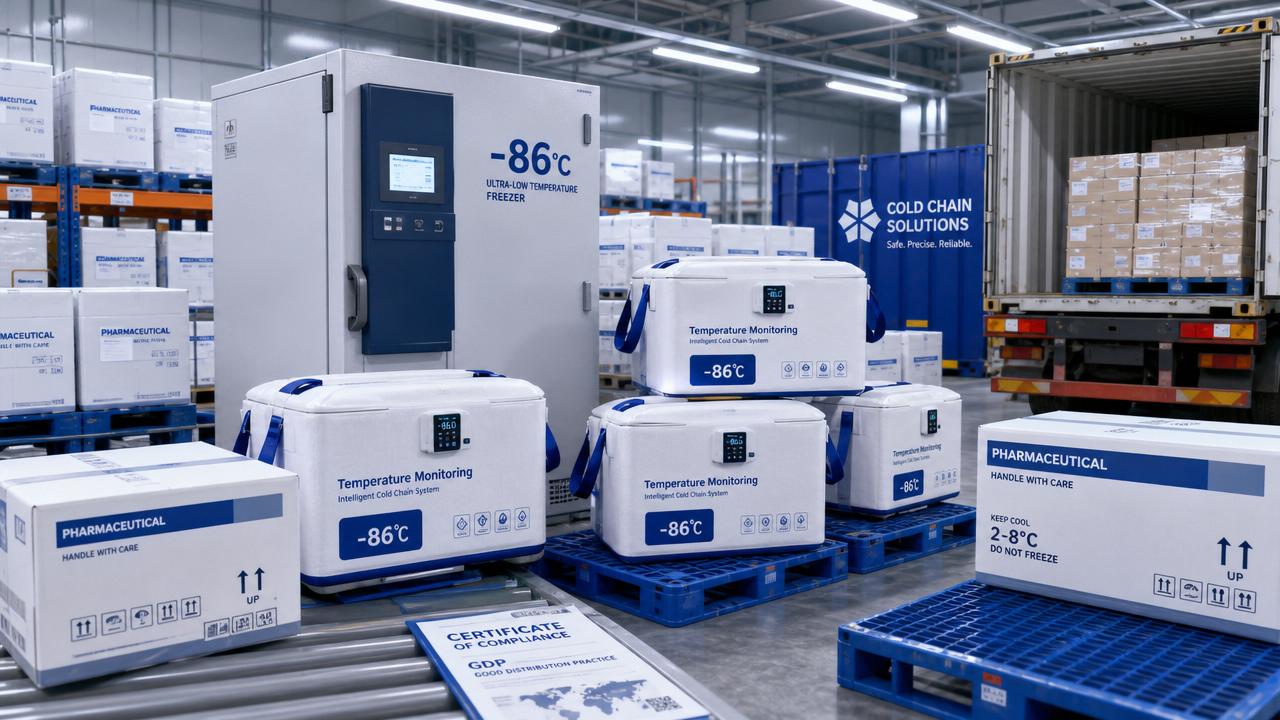
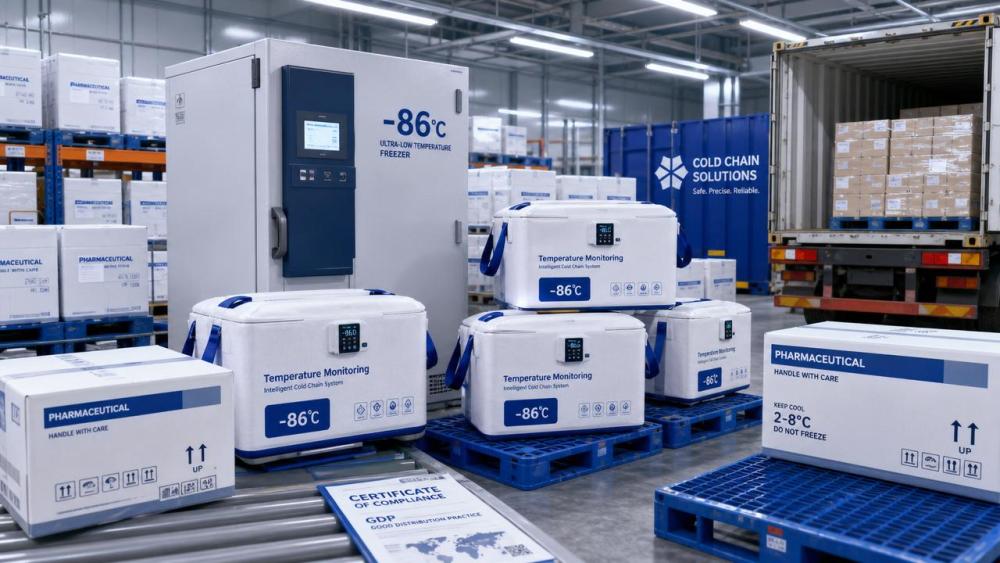
On April 10, 2026, Taobao Flash Buy launched a pharmaceutical cold-chain delivery service across an initial group of 12 cities, using single-use intelligent temperature-controlled boxes together with end-to-end temperature monitoring. The update is worth watching not only for local medicine distribution, but also for packaging suppliers, cold-chain service providers, compliance teams, and Chinese manufacturers of ultra-low temperature equipment, because the same technical route is already being referenced for export packaging optimization of -86°C ULT freezers where transport temperature audit requirements are becoming harder to ignore.
What has been confirmed so far
According to the provided event information, Taobao Flash Buy started its “Flash Buy Cold Chain” pharmaceutical delivery service on April 10, 2026. The first rollout covers 12 cities, including Guangzhou, Shenzhen, Chengdu, and Hangzhou.
The delivery model uses single-use intelligent cold-chain boxes and a full-process temperature monitoring system. The stated advantage of this approach is that it avoids the recovery and dispatching difficulties associated with traditional insulated box circulation, while improving delivery timeliness and compliance traceability in pharmaceutical cold-chain operations.
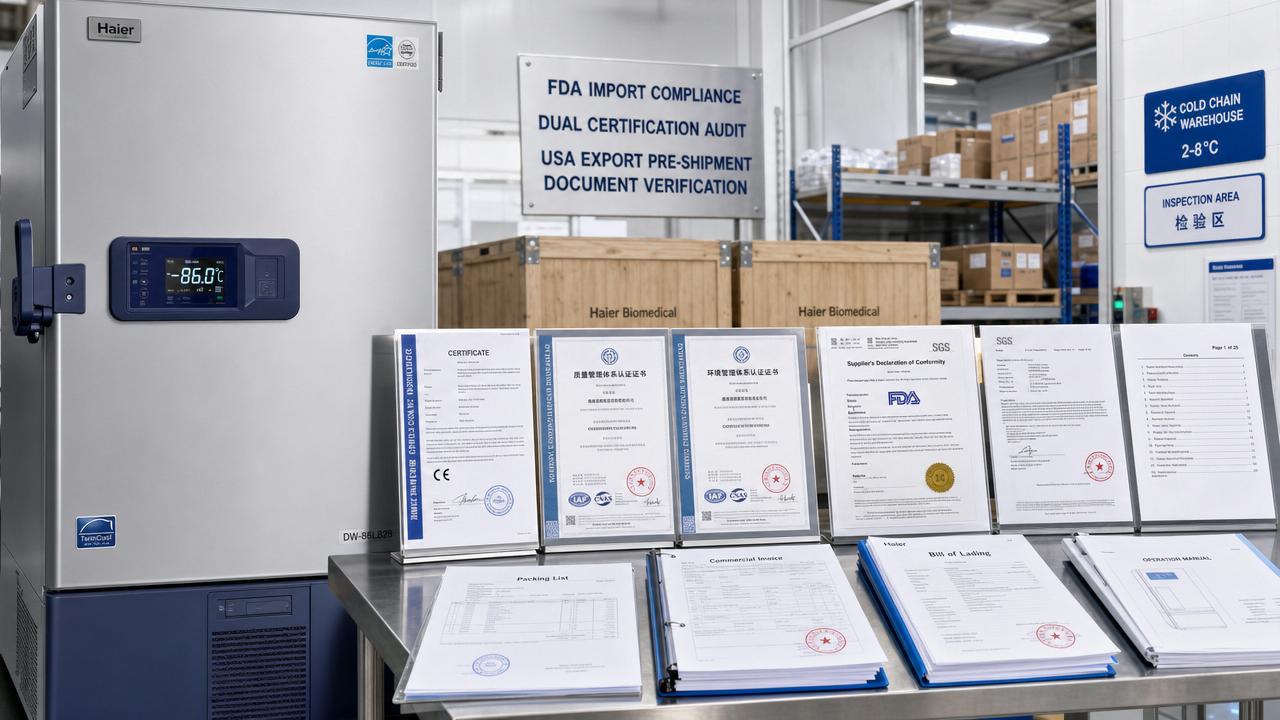
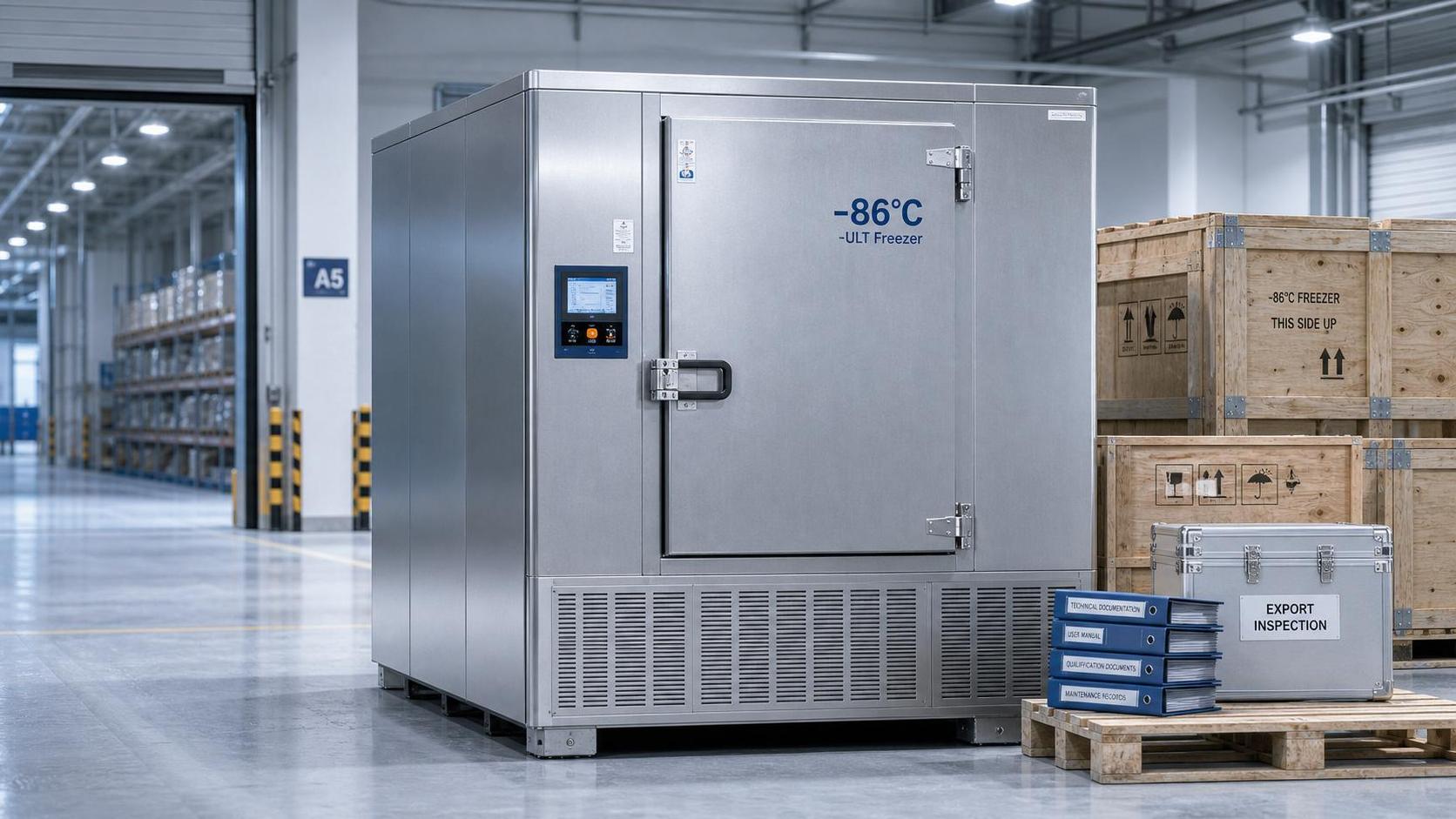
The same event summary also states that several Chinese manufacturers of medical ultra-low temperature equipment have indicated this technical route is being reused for export packaging optimization of -86°C ULT freezers. The purpose is to better meet mandatory transport temperature audit requirements under FDA 21 CFR Part 11 and the EU MDR.
Why different parts of the chain may pay attention
Urban medicine distribution may focus on speed and traceability together
From an industry perspective, pharmaceutical distribution and last-mile delivery participants may be affected because the announced model links delivery efficiency with auditable temperature records. The immediate point of attention is not only whether a package stays within range, but whether the transport process can be documented in a way that supports compliance review.
Packaging and cold-chain service providers may see a shift in operational priorities
Analysis shows packaging suppliers and cold-chain logistics service providers may need to pay closer attention to disposable intelligent containers as an operating model. The event highlights a specific operational pain point: the recovery and redeployment burden of traditional insulated boxes. If this model gains wider adoption, the business discussion may increasingly move from box circulation efficiency to monitoring continuity, data retention, and delivery execution under stricter audit expectations.
ULT equipment exporters may read this as a packaging compliance signal
For manufacturers exporting -86°C ULT freezers, the relevance is more direct. The summary explicitly connects the domestic pharmaceutical delivery solution with export packaging optimization. What deserves closer attention is that transport packaging is being treated not only as a physical protection issue, but also as a documentation and audit issue tied to FDA 21 CFR Part 11 and the EU MDR.
Procurement and end users may place more weight on transport records
Observably, buyers, healthcare-related end users, and project procurement teams may pay more attention to whether temperature monitoring can be tracked throughout delivery rather than only at dispatch or receipt. Even within the limited confirmed facts, the emphasis on full-process monitoring suggests that transport evidence may become a more visible part of supplier evaluation and handover communication.
What companies should watch next in practical terms
Watch how service rules and official descriptions evolve
Analysis shows companies should follow any later clarification on service scope, applicable product categories, and temperature-control documentation standards tied to this rollout. At this stage, the confirmed information establishes the launch model and initial city coverage, but businesses still need to distinguish between an announced service framework and the detailed operating rules that may shape execution.
Review whether current packaging workflows support auditable records
For exporters and cold-chain operators, a practical question is whether existing packaging and shipment workflows can produce transport records in a form that aligns with customer or regulatory audit expectations. The event specifically references FDA 21 CFR Part 11 and the EU MDR, so compliance, quality, and logistics teams may need to coordinate more closely on record generation and retention rather than treating packaging as a stand-alone procurement item.
Recheck supplier readiness across delivery and documentation
What deserves closer attention is supplier capability at two levels: physical temperature control and proof of that control. Companies relying on packaging vendors, monitoring solution providers, or outsourced delivery partners may need to verify whether those suppliers can consistently support full-process temperature monitoring and related documentation during fulfillment.
Prepare customer communication around transport assurance
For sales, export, and account teams, the issue is also commercial communication. Where buyers ask about transport compliance, traceability, or audit readiness, companies may need clearer explanations of how temperature was controlled and recorded in transit. The event suggests this is becoming more relevant in both domestic medical distribution and export-linked equipment delivery scenarios.
How this development is best understood at this stage
Observably, this development should not be read as a complete industry shift on its own. It is more appropriate to understand it as a concrete operational signal: temperature-controlled delivery is being framed less as a simple insulation problem and more as a combination of packaging design, transport execution, and compliance evidence.
Analysis shows the most notable aspect is the crossover between domestic instant-delivery medicine logistics and export packaging for -86°C ULT freezers. That connection suggests some Chinese manufacturers are trying to adapt one technical logic across different transport contexts. Whether this becomes a broader practice still requires continued observation, especially around implementation consistency and acceptance in regulated markets.
What this means for the market now
At present, the announcement is best viewed as both a short-term operating update and a longer-term compliance signal. In the short term, it points to a new delivery model in 12 cities that emphasizes disposable intelligent temperature-controlled boxes and full-process monitoring. In the longer term, it indicates that transport temperature auditing is becoming more central to packaging decisions, including in export-related applications.
A neutral reading is that the industry should pay attention, but avoid overstating immediate market-wide impact. The confirmed facts show a real deployment and a clear compliance direction; they do not yet prove universal adoption across all pharmaceutical cold-chain or ULT export scenarios.
Basis of this article and points requiring follow-up
This article is based on the user-provided news title, event date, and event summary. The available information confirms the April 10, 2026 launch date, the 12-city rollout, the use of single-use intelligent cold-chain boxes with full-process temperature monitoring, and the stated linkage to export packaging optimization for -86°C ULT freezers under FDA 21 CFR Part 11 and EU MDR transport temperature audit requirements.
For this type of industry update, commonly relevant source categories may include official platform announcements, company statements, industry association updates, authoritative media reporting, and standards or regulatory documents. No specific official source link was provided in the input, so further verification remains necessary. Follow-up attention should focus on later official rule details, scope of implementation, and whether the export packaging application described by manufacturers is further documented in market practice.
Recommended News
 -86℃ ULT FreezersGlobal Deep-Sea Tuna Fishing Season Starts Early; China’s -86°C ULT Vessel Orders Surge 300%Analyst :Cryogenic Preservation Expert
 -86℃ ULT FreezersWhy is medical cryogenic storage under stricter review?Analyst :Cryogenic Preservation Expert
 -86℃ ULT FreezersIs ultra-low temperature cooling worth the higher costAnalyst :Cryogenic Preservation Expert
 -86℃ ULT FreezersWhat matters most when choosing medical cryogenic storageAnalyst :Cryogenic Preservation Expert
 -86℃ ULT FreezersFourth CISSC Prep Underway; Ultra-Low-Temp Freezers HighlightedAnalyst :Cryogenic Preservation Expert
 -86℃ ULT FreezersWhen ultra-low temperature cooling becomes business-criticalAnalyst :Cryogenic Preservation Expert
 -86℃ ULT FreezersHow medical cryogenic systems reduce sample loss risksAnalyst :Cryogenic Preservation Expert
 -86℃ ULT FreezersWhen deep cryogenic storage is worth the extra costAnalyst :Cryogenic Preservation Expert
![]() -86℃ ULT FreezersGMCC VFD Series Compressor Passes UL 60335-2-89:2026 CertificationAnalyst :Cryogenic Preservation Expert
-86℃ ULT FreezersGMCC VFD Series Compressor Passes UL 60335-2-89:2026 CertificationAnalyst :Cryogenic Preservation Expert -86℃ ULT FreezersWhen ultra-low temperature cooling becomes a riskAnalyst :Cryogenic Preservation Expert
 -86℃ ULT FreezersWhat matters most when buying medical cryogenic storageAnalyst :Cryogenic Preservation Expert
 -86℃ ULT FreezersULT Freezers Draw Overseas Buyers at Guangzhou 2026Analyst :Cryogenic Preservation Expert
 -86℃ ULT FreezersDeep Cryogenic Storage vs -86°C Freezers: Temperature Range, Samples, and RiskAnalyst :Cryogenic Preservation Expert
 -86℃ ULT FreezersULT Freezer Inquiries Jump 210% at Guangzhou ShowAnalyst :Cryogenic Preservation Expert
![]() -86℃ ULT FreezersULT Freezers Draw Global Demand at Guangzhou 2026Analyst :Cryogenic Preservation Expert
-86℃ ULT FreezersULT Freezers Draw Global Demand at Guangzhou 2026Analyst :Cryogenic Preservation Expert -86℃ ULT FreezersJapan Enforces New JIS B 8615-2026 for -86°C ULT FreezersAnalyst :Cryogenic Preservation Expert
 -86℃ ULT FreezersDeep Cryogenic Storage Explained: Temperature Ranges, Use Cases, and System LimitsAnalyst :Cryogenic Preservation Expert
 -86℃ ULT FreezersTaobao Flash Buy Adds Pharma Cold Chain in 12 CitiesAnalyst :Cryogenic Preservation Expert
 -86℃ ULT FreezersDeep Cryogenic Storage Costs: What Drives CAPEX, Energy Use, and Maintenance Risk?Analyst :Cryogenic Preservation Expert
 -86℃ ULT FreezersPanama Canal Draft Review Threatens ULT Freezer ShippingAnalyst :Cryogenic Preservation Expert
![]() -86℃ ULT FreezersPanama Canal Draft Cut Extends ULT Freezer TransitAnalyst :Cryogenic Preservation Expert
-86℃ ULT FreezersPanama Canal Draft Cut Extends ULT Freezer TransitAnalyst :Cryogenic Preservation Expert![]() -86℃ ULT FreezersUltra-Low Temperature Freezers: How to Compare -86°C Storage Stability and Energy UseAnalyst :Cryogenic Preservation Expert
-86℃ ULT FreezersUltra-Low Temperature Freezers: How to Compare -86°C Storage Stability and Energy UseAnalyst :Cryogenic Preservation Expert -86℃ ULT FreezersCold-Chain Platform Adds Remote Factory AuditsAnalyst :Cryogenic Preservation Expert
 -86℃ ULT FreezersFDA Tightens ULT Freezer Import RulesAnalyst :Cryogenic Preservation Expert
 -86℃ ULT FreezersFDA Tightens Entry Rules for -86°C ULT FreezersAnalyst :Cryogenic Preservation Expert
 -86℃ ULT FreezersHow to Choose Ultra-Low Temperature Freezers for Labs: Key Specs and CapacityAnalyst :Cryogenic Preservation Expert
 -86℃ ULT FreezersUltra-Low Temperature Cooling Explained: Key Ranges, Use Cases, and System LimitsAnalyst :Cryogenic Preservation Expert
 -86℃ ULT FreezersFDA Tightens Rules for -86°C ULT FreezersAnalyst :Cryogenic Preservation Expert
 -86℃ ULT FreezersIndia Eases HSE Registration for ULT Freezer ExportsAnalyst :Cryogenic Preservation Expert
 -86℃ ULT FreezersIndia Eases HSE Rules for -86°C ULT FreezersAnalyst :Cryogenic Preservation Expert