Industry News
Curation by industry experts
Hot Articles
- Cold Chain & Retail Energy InsightsHow North American Cold Facilities Can Benchmark Refrigeration System Efficiency
- -86℃ ULT FreezersHow to Select Medical Cryogenic Vials for Long-Term Sample Storage
- Cold Chain & Retail Energy InsightsFood-Grade Panel Requirements for Hygienic Meat Cold Storage Systems
Popular Tags
Cold chain technology gaps still cause avoidable spoilage
Despite heavy spending on refrigeration assets, cold chain technology gaps still trigger avoidable spoilage across food, pharma, and industrial programs.
The problem is rarely one broken machine alone. It usually appears between design assumptions, operating routines, refrigerant choices, data visibility, and maintenance discipline.
For global projects, strong cold chain technology must protect product quality, energy performance, compliance, and lifecycle economics at the same time.
That is why better decisions now depend on scenario-based planning, not generic cooling capacity calculations.
Why cold chain technology gaps show up differently by scenario
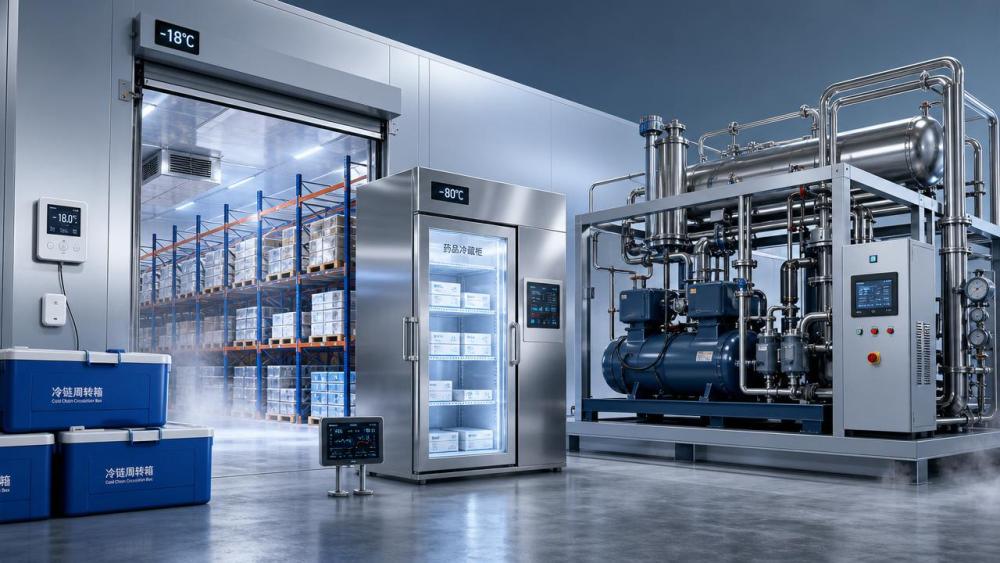
Cold chain technology failures do not look the same in every environment. A seafood export hub faces very different risks than a vaccine freezer room.
Temperature range is only one variable. Product respiration, door opening frequency, humidity, pull-down speed, backup resilience, and traceability also matter.
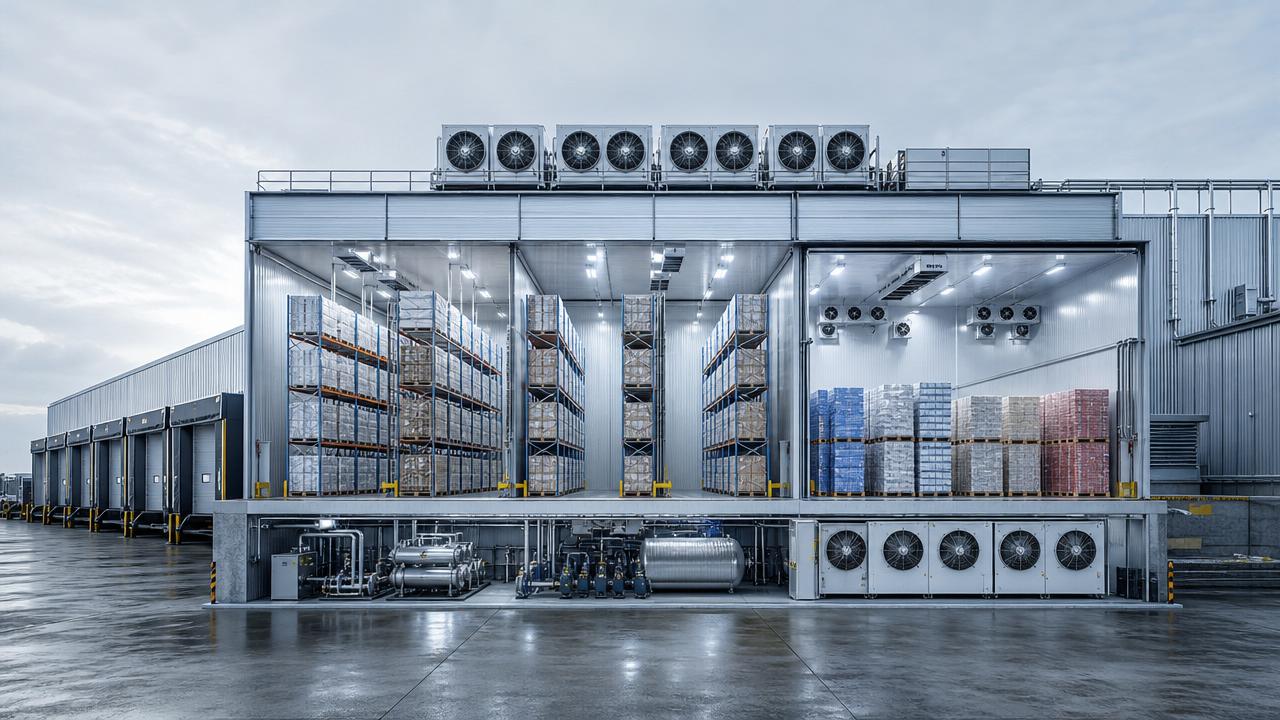
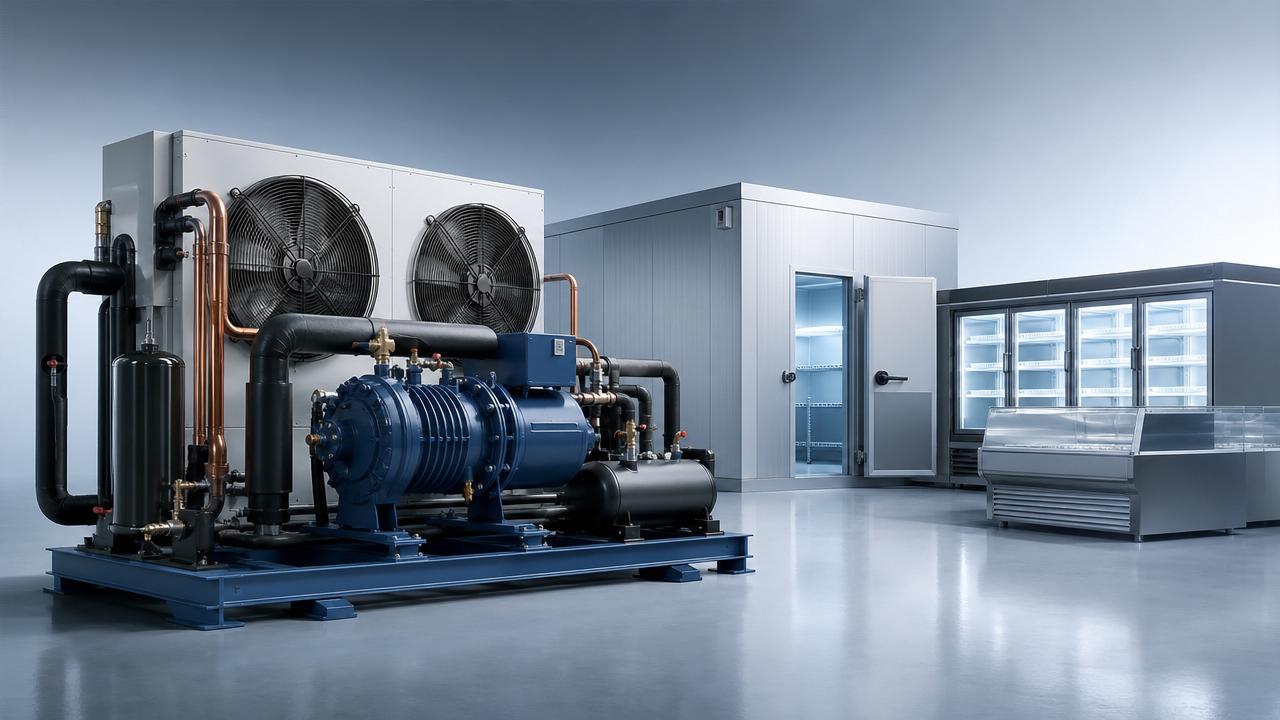
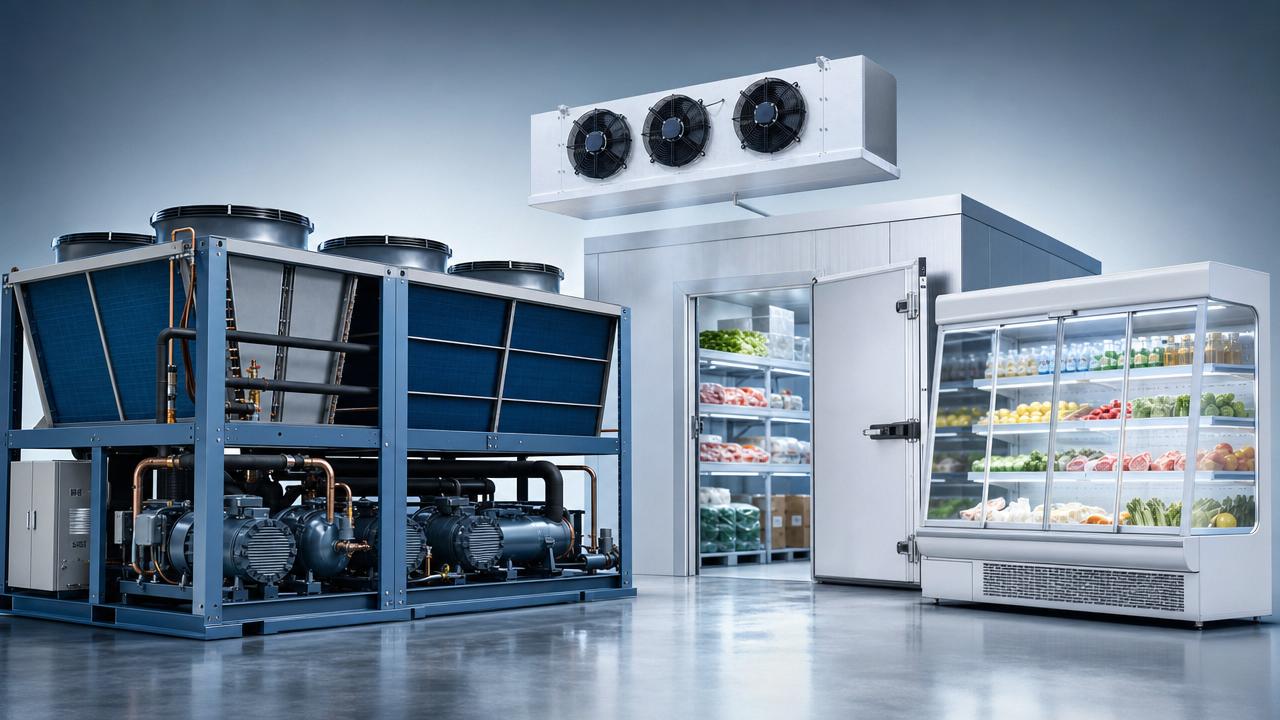
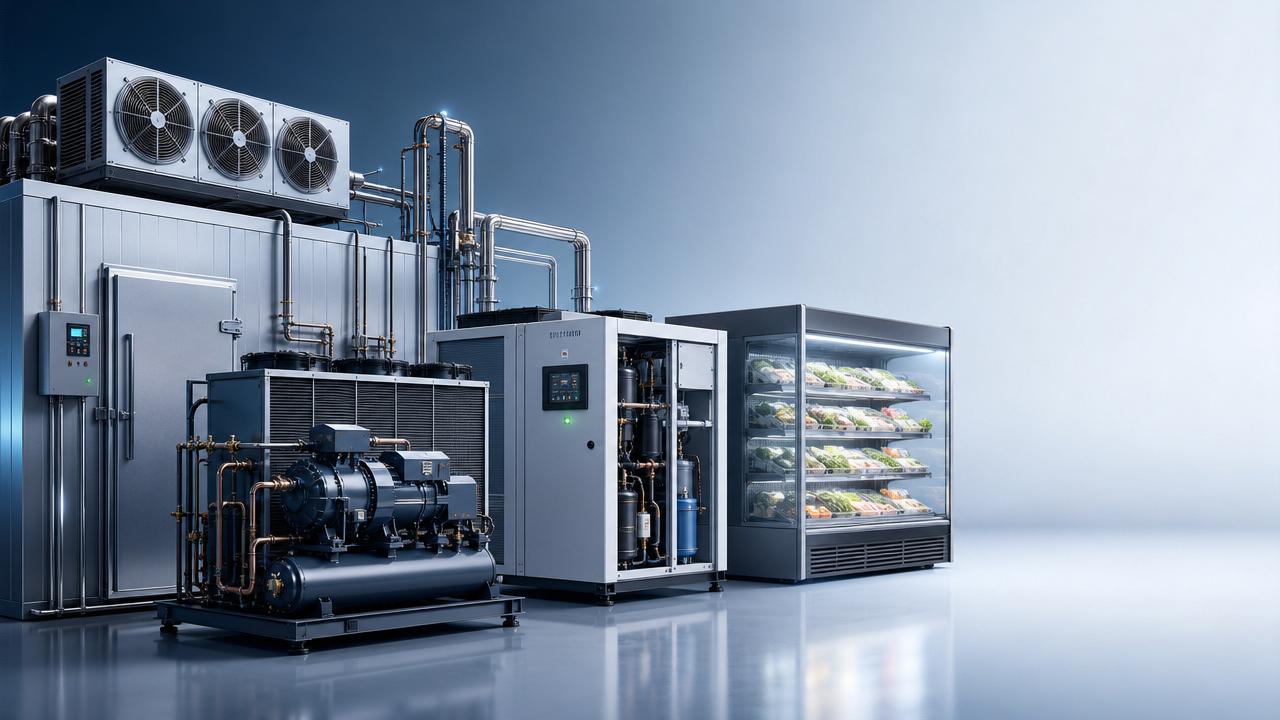
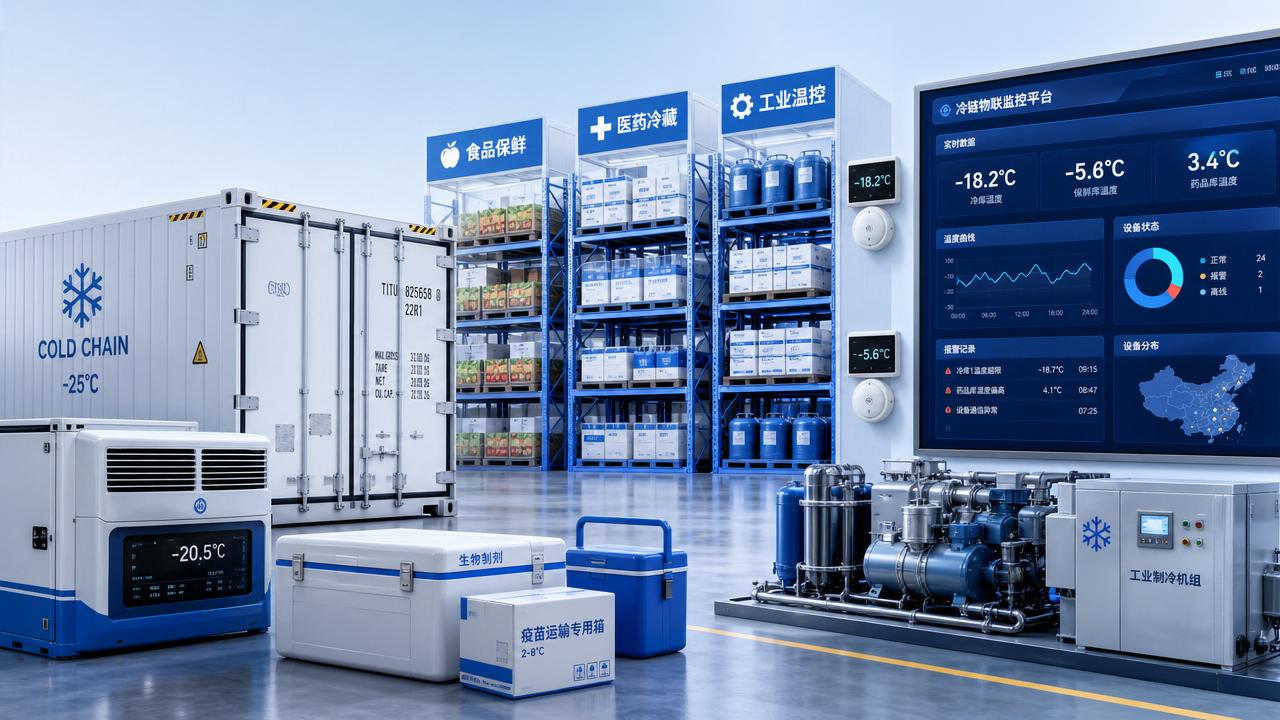
In comprehensive industrial operations, a single site may combine chillers, ice systems, cold rooms, display cabinets, and ultra-low storage.
When those systems are specified separately, cold chain technology becomes fragmented. Fragmentation creates hidden thermal breaks, energy waste, and preventable product loss.
A stronger approach maps each scenario first, then aligns equipment, controls, refrigerants, alarms, and service intervals to real operating conditions.
Scenario 1: Fresh food distribution needs stability more than nominal cooling power
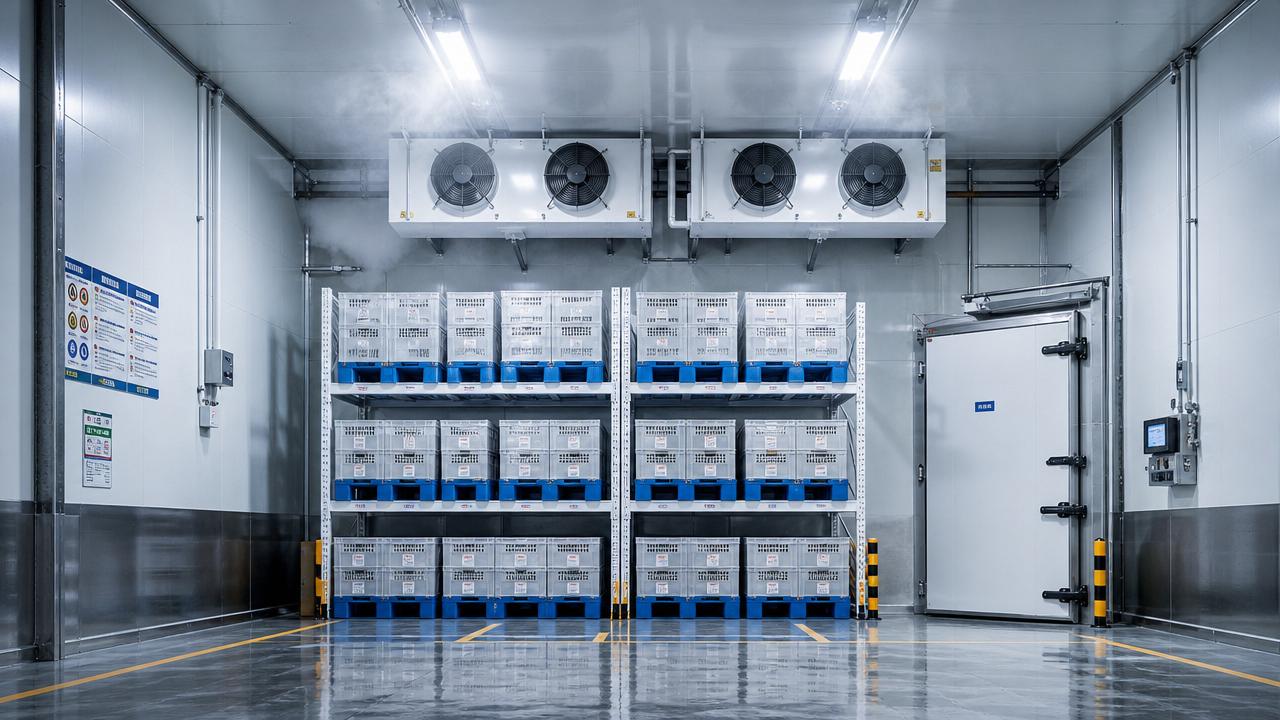
Fresh produce, meat, dairy, and seafood often spoil because the cold chain technology design focuses on room temperature, not product temperature behavior.
Air may read correctly while pallet cores remain warm. That gap is common after rapid loading, poor airflow management, or uneven evaporator placement.
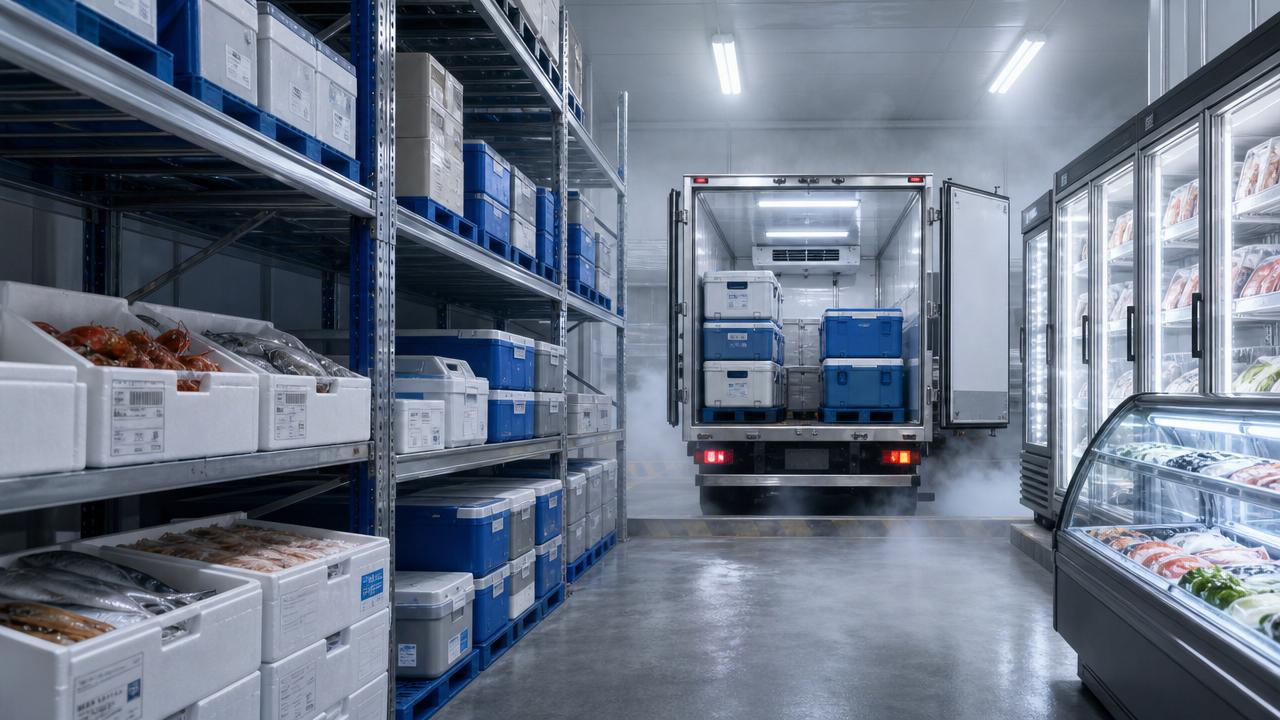
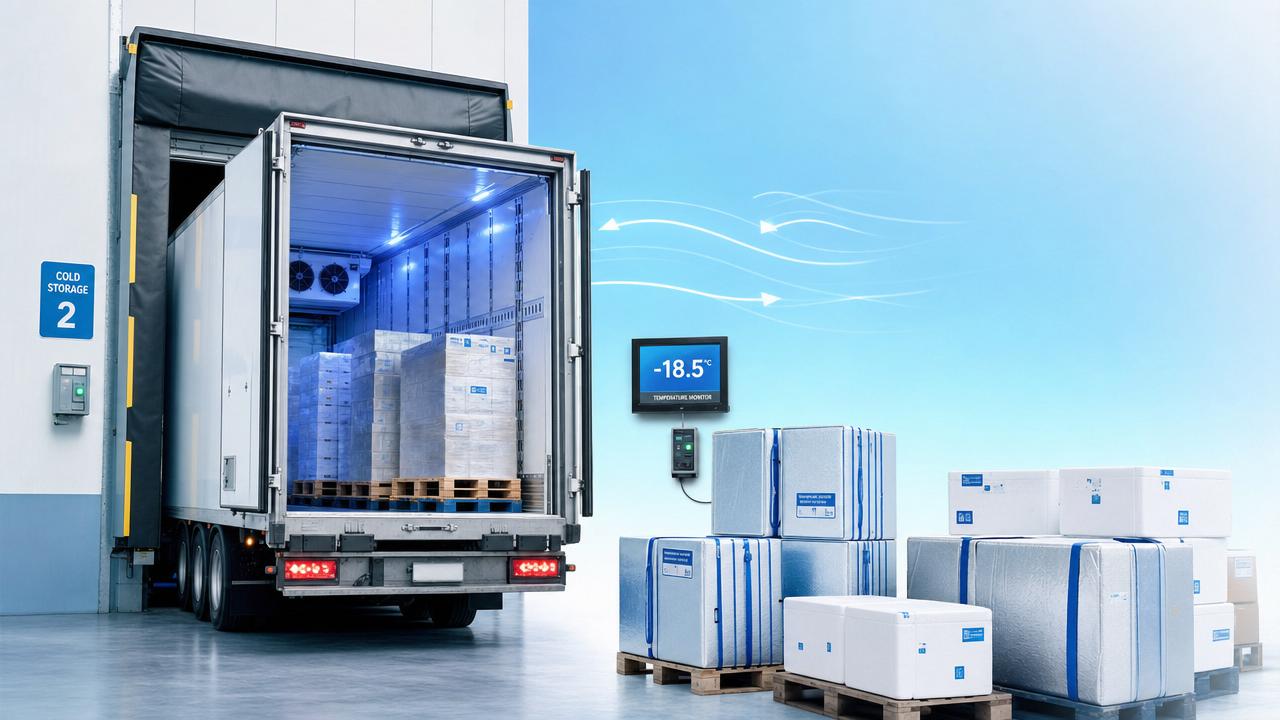
Another weak point is transition time. Docks, staging areas, and retail replenishment zones often sit outside strict control windows.
Effective cold chain technology in food logistics must evaluate product heat load, door cycles, packaging density, and defrost timing together.
Core judgment points for food distribution
- Can product core temperature recover quickly after receiving and picking?
- Does airflow reach the actual pallet geometry without creating dehydration?
- Are compressor and defrost controls optimized for variable occupancy?
- Is data logging granular enough to identify brief thermal excursions?
Scenario 2: Pharmaceutical cold chain technology must prioritize integrity and auditability
Pharmaceutical products face narrower tolerance bands and stricter documentation expectations than most food items.
In this scenario, avoidable spoilage may come from sensor drift, incomplete calibration records, delayed alarm response, or freezer recovery delays after door openings.
For vaccines, biologics, and specialty reagents, cold chain technology must prove control, not just claim it.
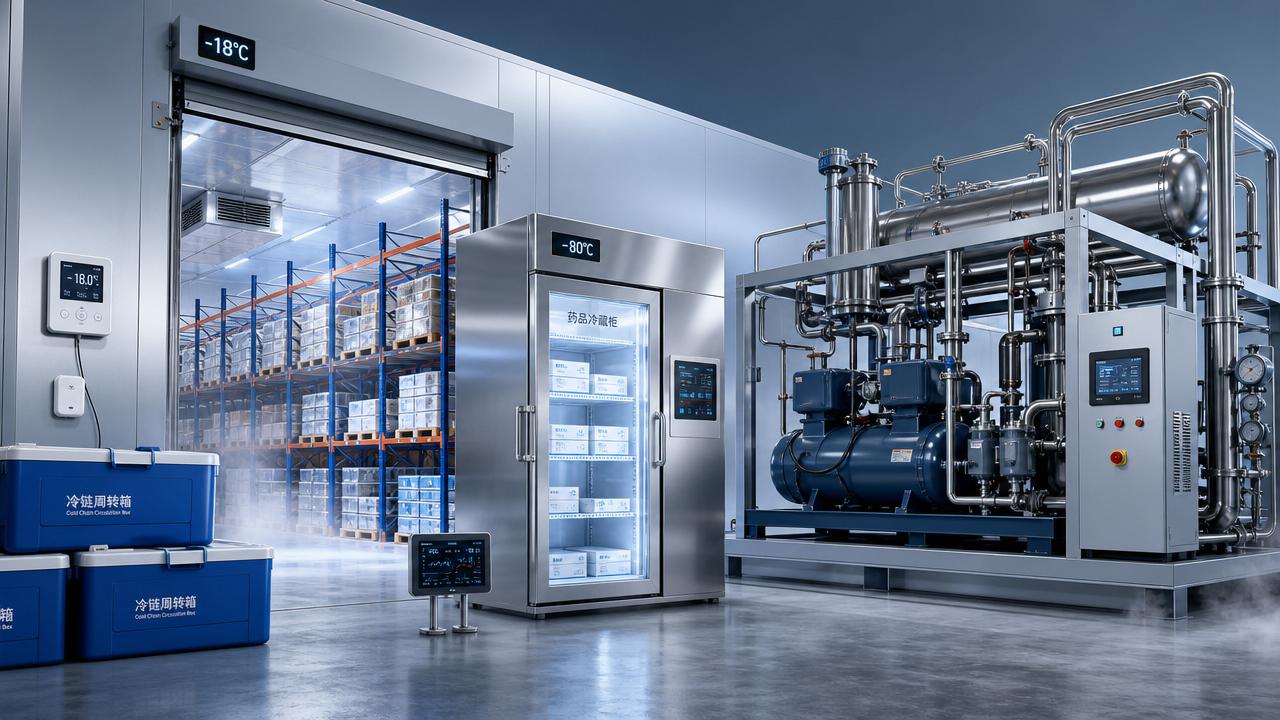
Ultra-low temperature freezers, cascade systems, and redundant monitoring architecture become strategic rather than optional.
This is where lifecycle thinking matters. A low-cost unit with unstable recovery can create a far higher total risk cost.
Core judgment points for pharma environments
- Are temperature sensors validated, mapped, and routinely recalibrated?
- Is alarm escalation linked to actual response ownership and time stamps?
- Does backup power support full holdover requirements during outages?
- Can the cold chain technology platform export audit-ready records quickly?
Scenario 3: Industrial cooling and ice-making projects fail when process loads are underestimated
In industrial settings, product spoilage may be replaced by process instability, hydration defects, or shortened equipment life.
Laser cutting, injection molding, concrete cooling, and large-scale ice production all rely on cold chain technology principles.
The common mistake is sizing for average load. Real operations often swing sharply by shift, season, or upstream throughput.
When control logic cannot match those swings, compressors short-cycle, energy use rises, and cooling consistency deteriorates.
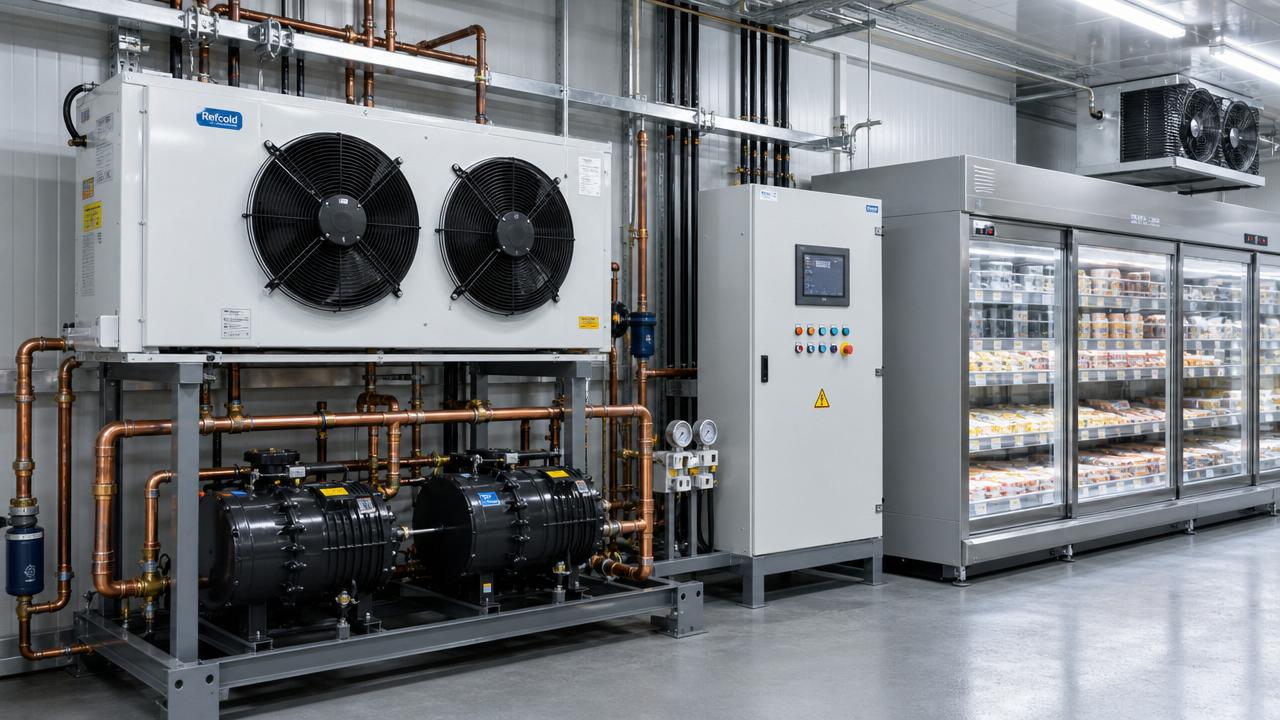
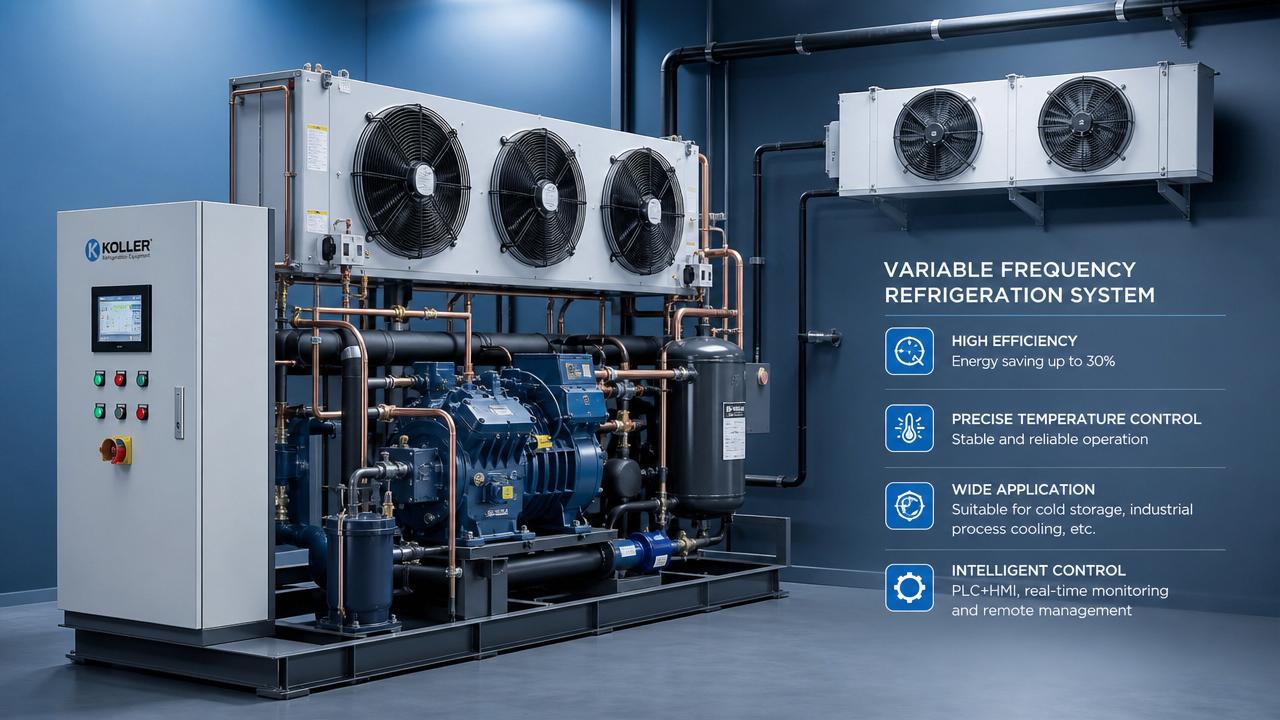
Modern chillers with variable-frequency drives, magnetic bearing systems, and smart sequencing can close this gap when integrated correctly.
Core judgment points for industrial projects
- Is the load profile based on real process peaks instead of nameplate averages?
- Do condenser conditions reflect local climate and water quality realities?
- Can the refrigeration system modulate efficiently at partial load?
- Are ice output, pull-down rate, and storage turnover modeled together?
How scenario requirements differ across key cold chain technology applications
Practical cold chain technology recommendations by operating context
Closing gaps starts with targeted upgrades. Not every site needs a full rebuild, but every site needs better alignment between risk and system behavior.
- Use temperature mapping to identify hot spots, dead zones, and recovery delays before replacing core equipment.
- Match refrigerant strategy to regulatory direction, especially where F-Gas restrictions affect export or expansion plans.
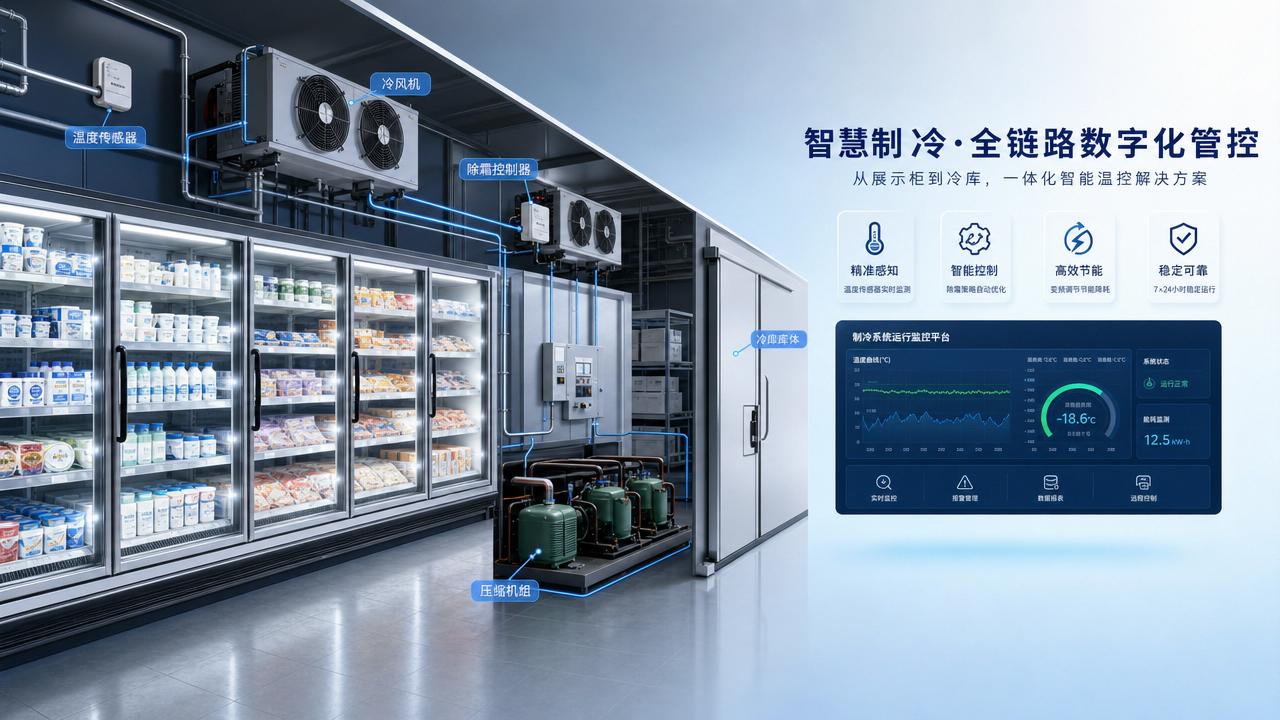
- Adopt controls that coordinate compressors, evaporators, defrost, and alarms instead of treating them as isolated functions.
- Evaluate total lifecycle cost, including downtime, spoilage, energy intensity, and compliance documentation burden.
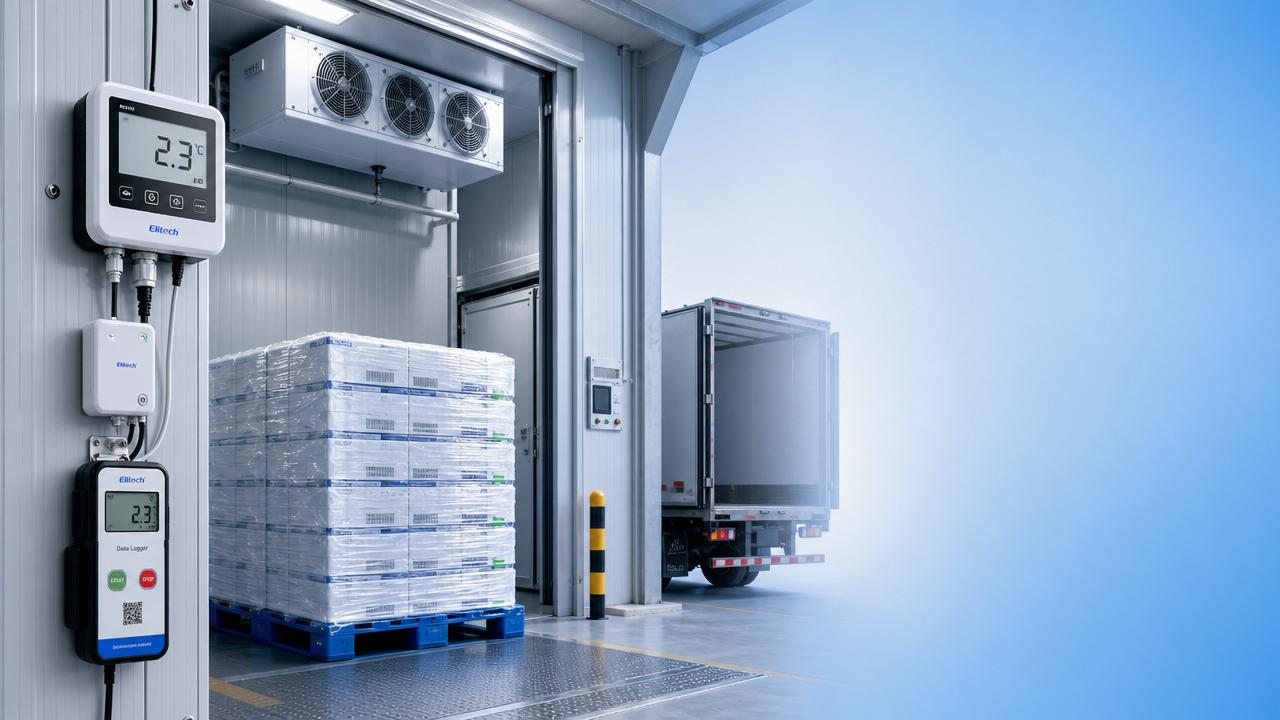
- Prioritize data visibility from dock to storage to final handoff, because short excursions often create long-term quality damage.
- Plan maintenance around operating stress patterns, not calendar intervals alone.
Common misjudgments that keep cold chain technology underperforming
One common error is assuming that a compliant setpoint equals a protected product. Product mass and packaging often respond much slower than room sensors.
Another mistake is treating energy efficiency and product safety as separate goals. In reality, unstable systems usually perform poorly on both.
Many sites also underestimate door management. Repeated infiltration can overwhelm even well-sized cold chain technology installations.
A further blind spot involves refrigerant transition planning. Equipment can become strategically limited if future compliance was ignored during specification.
Finally, alarm systems often create false confidence. If thresholds are poorly set or response paths are unclear, alerts do not prevent spoilage.
A stronger next step for reducing spoilage and improving project performance
The best next move is a scenario review of existing cold chain technology across storage, transport interfaces, control systems, and compliance exposure.
Start by identifying the highest-value products, the narrowest thermal tolerances, and the most frequent interruption points.
Then compare those risks with actual equipment capability, refrigerant roadmap, monitoring depth, and maintenance history.
CCRS tracks these issues across industrial chillers, commercial ice machines, cold storage compressors, refrigeration cabinets, and ultra-low temperature freezers.
With better intelligence stitching, cold chain technology can move from reactive temperature control to proactive freshness protection and long-term operational resilience.
That shift is where avoidable spoilage begins to disappear.
Recommended News
 Cold Chain & Retail Energy InsightsWhen Does Cold Storage Stop Saving Energy and Start Losing It?Analyst :Mr. Julian Thorne
 Cold Chain & Retail Energy InsightsCommercial Refrigeration Upgrades: Which Costs Are Easy to Miss?Analyst :Mr. Julian Thorne
 Cold Chain & Retail Energy InsightsCold Chain Logistics Failures Often Start With Small Temperature SwingsAnalyst :Mr. Julian Thorne
 Cold Chain & Retail Energy InsightsCold Storage Solutions That Fit Expansion Plans Without OverbuildingAnalyst :Mr. Julian Thorne
 Cold Chain & Retail Energy InsightsEnergy efficient cooling is not always the cheaper optionAnalyst :Mr. Julian Thorne
 Cold Chain & Retail Energy InsightsCold chain technology gaps still cause avoidable spoilageAnalyst :Mr. Julian Thorne
 Cold Chain & Retail Energy InsightsAPEC Auto Dialogue Sets New Standards for Smart Cold-Chain TrailersAnalyst :Mr. Julian Thorne
 Cold Chain & Retail Energy InsightsWhat makes commercial cooling solutions easier to scaleAnalyst :Mr. Julian Thorne
 Cold Chain & Retail Energy InsightsSouth Korea Extends Fuel Tax Relief to End-JulyAnalyst :Mr. Julian Thorne
 Cold Chain & Retail Energy InsightsWhen does air curtain refrigeration waste more energy?Analyst :Mr. Julian Thorne
 Cold Chain & Retail Energy InsightsCold chain technology failures often start with one gapAnalyst :Mr. Julian Thorne
 Cold Chain & Retail Energy InsightsWhat makes commercial cooling solutions easier to scale?Analyst :Mr. Julian Thorne
 Cold Chain & Retail Energy InsightsCold chain logistics risks that damage product qualityAnalyst :Mr. Julian Thorne
 Cold Chain & Retail Energy InsightsHow to compare energy efficient cooling beyond SEERAnalyst :Mr. Julian Thorne
 Cold Chain & Retail Energy InsightsHow cold chain technology reduces hidden spoilage risksAnalyst :Mr. Julian Thorne
 Cold Chain & Retail Energy InsightsWhat to check before choosing cold storage solutionsAnalyst :Mr. Julian Thorne
 Cold Chain & Retail Energy InsightsWhy commercial cooling solutions vary so much in ROIAnalyst :Mr. Julian Thorne
 Cold Chain & Retail Energy InsightsIs digital refrigeration control worth the upgrade costAnalyst :Mr. Julian Thorne
 Cold Chain & Retail Energy InsightsIs variable frequency cooling worth the energy savings?Analyst :Mr. Julian Thorne
 Cold Chain & Retail Energy InsightsWhy energy efficient cooling pays off faster than expectedAnalyst :Mr. Julian Thorne
 Cold Chain & Retail Energy InsightsIs your cold chain technology ready for stricter standardsAnalyst :Mr. Julian Thorne
 Cold Chain & Retail Energy InsightsHow Do Cold Storage Solutions Cut Energy Waste?Analyst :Mr. Julian Thorne
 Cold Chain & Retail Energy InsightsIs commercial refrigeration wasting energy after hours?Analyst :Mr. Julian Thorne
 Cold Chain & Retail Energy InsightsHow can cold chain logistics cut energy losses?Analyst :Mr. Julian Thorne
 Cold Chain & Retail Energy InsightsCold Storage Design Basics: Temperature Zones, Insulation, and Refrigeration LoadAnalyst :Mr. Julian Thorne
 Cold Chain & Retail Energy InsightsCold Chain Logistics Risks: How to Control Temperature from Plant to ShelfAnalyst :Mr. Julian Thorne
 Cold Chain & Retail Energy InsightsHow Refrigeration Technology Supports Food Safety in Cold Chain Storage and TransportAnalyst :Mr. Julian Thorne
 Cold Chain & Retail Energy InsightsHow Eco-Friendly Cooling Cuts Operating Costs in Food Processing and Cold RoomsAnalyst :Mr. Julian Thorne
 Cold Chain & Retail Energy InsightsWhat Is Cold Chain Technology and Which Industries Depend on It Most?Analyst :Mr. Julian Thorne
 Cold Chain & Retail Energy InsightsEnergy Efficient Cooling for Retail Stores: How to Compare Load, COP, and Defrost StrategyAnalyst :Mr. Julian Thorne
 Cold Chain & Retail Energy InsightsDigital Refrigeration Control in Supermarkets: How to Cut Temperature Drift and Alarm ErrorsAnalyst :Mr. Julian Thorne
 Cold Chain & Retail Energy InsightsDigital Refrigeration Upgrade Cost: When Retrofits Make Sense for Multi-Site OperationsAnalyst :Mr. Julian Thorne
 Cold Chain & Retail Energy InsightsIndustrial Refrigeration Systems for Food Processing: Common Failures and FixesAnalyst :Mr. Julian Thorne
 Cold Chain & Retail Energy InsightsCold Storage Design Basics: Temperature Ranges, Load Factors, and Common LayoutsAnalyst :Mr. Julian Thorne
 Cold Chain & Retail Energy InsightsEnergy Efficient Cooling for Food Retail: How to Cut Power Use Without Risking Product QualityAnalyst :Mr. Julian Thorne
 Cold Chain & Retail Energy InsightsCold Storage Energy Costs: What Drives Power Use and How to Reduce WasteAnalyst :Mr. Julian Thorne
 Cold Chain & Retail Energy InsightsCold Chain Logistics Costs: What Drives Energy, Spoilage, and Equipment InvestmentAnalyst :Mr. Julian Thorne
 Cold Chain & Retail Energy InsightsCold Storage Solutions for Food and Pharma: What to Compare Before System DesignAnalyst :Mr. Julian Thorne
 Cold Chain & Retail Energy InsightsCold Chain Logistics Costs: Where Energy Loss Happens and How to Reduce ItAnalyst :Mr. Julian Thorne
 Cold Chain & Retail Energy InsightsCommercial Cooling Solutions for Retail Stores: How to Balance Display, Efficiency, and CostAnalyst :Mr. Julian Thorne