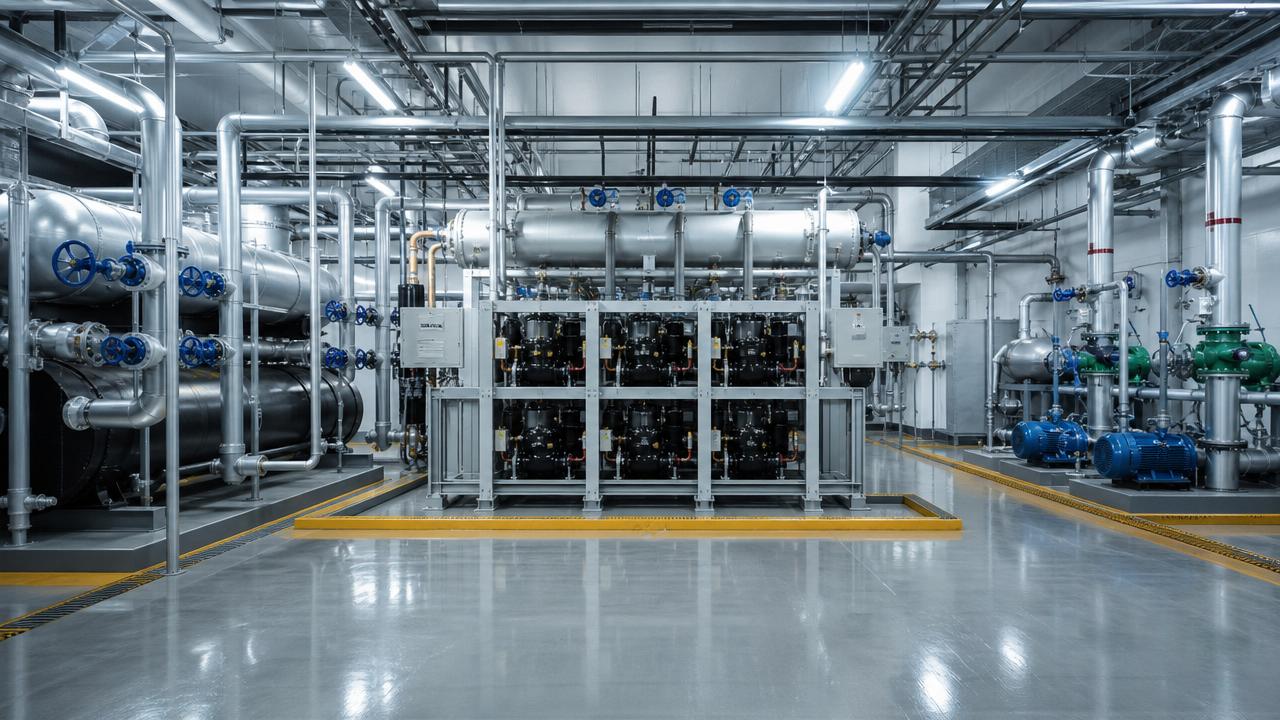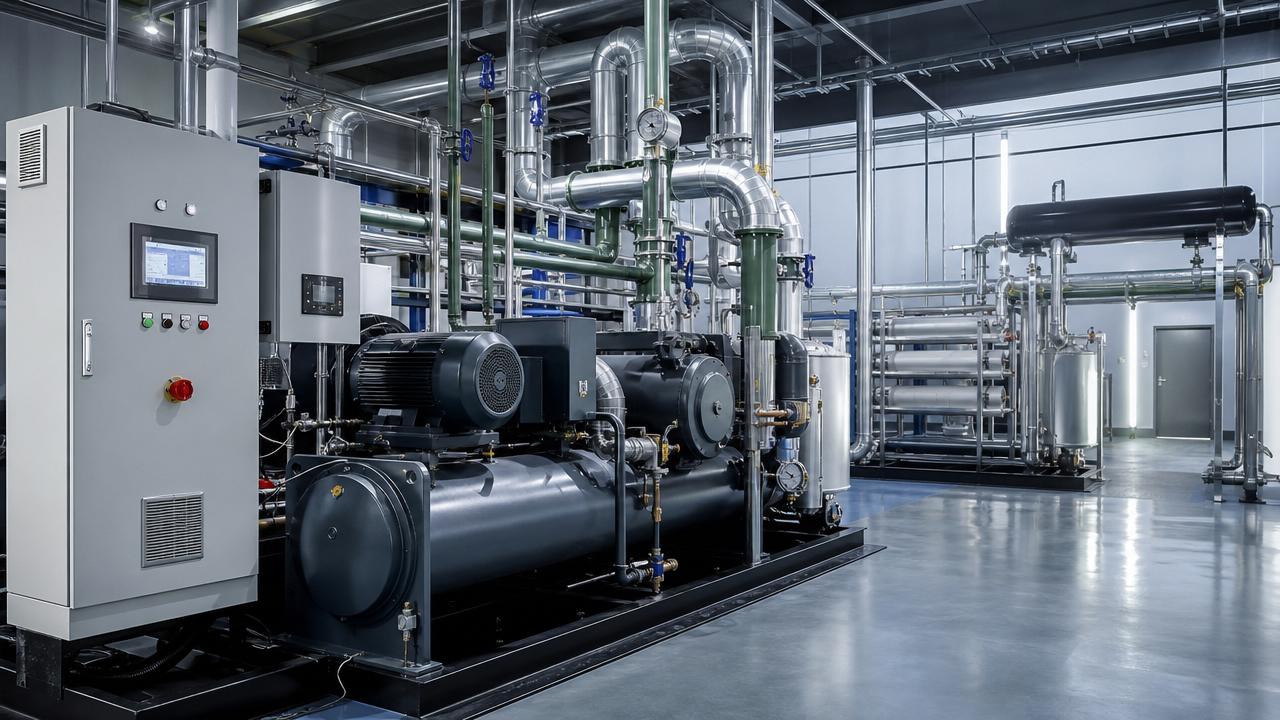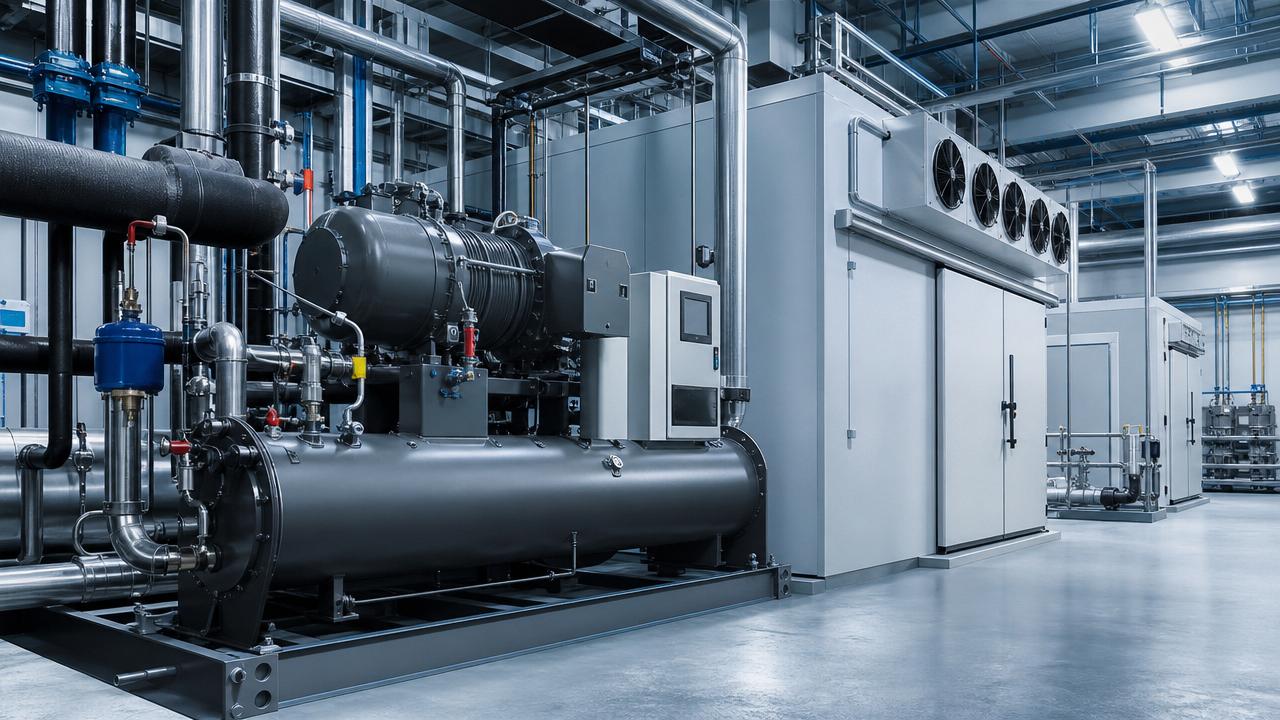
Knowing when to upgrade industrial refrigeration is no longer just a maintenance question—it is a strategic decision tied to energy efficiency, refrigerant compliance, product stability, and lifecycle cost.
For technical evaluators, the real challenge is distinguishing between equipment that can be optimized and systems that are quietly eroding margins through rising power demand, unstable temperatures, obsolete compressors, or regulatory risk.
This article outlines the key technical, operational, and compliance signals that indicate an industrial refrigeration upgrade is due.
The short answer: upgrade when risk, energy, or compliance costs exceed optimization value
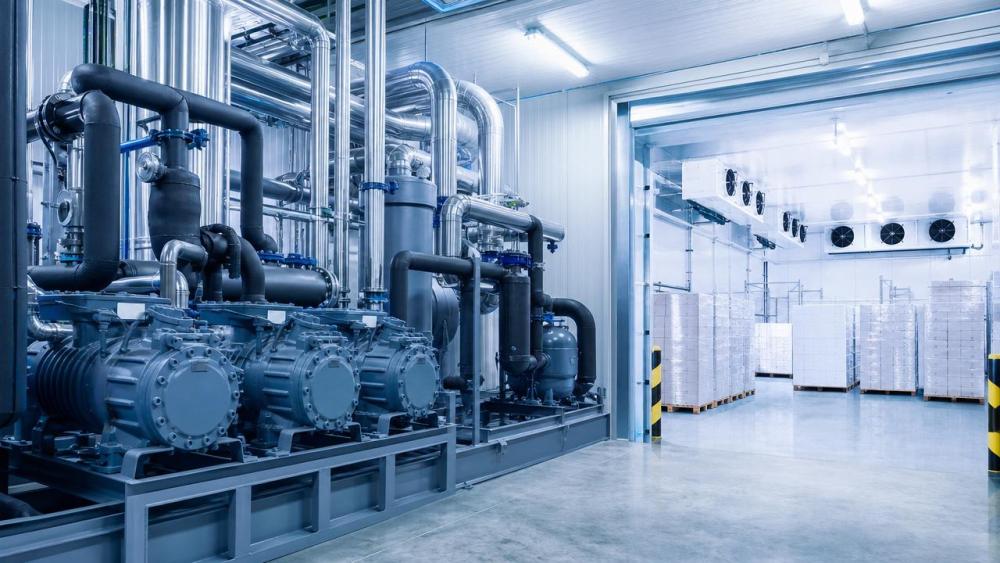
Industrial refrigeration should be upgraded when continued operation creates measurable penalties that maintenance, tuning, or partial retrofits cannot reliably correct.
For technical evaluators, the decision should not begin with equipment age alone. Age matters, but performance deterioration matters more.
A twenty-year-old system with stable temperatures, available parts, and acceptable energy intensity may still justify targeted modernization.
By contrast, a younger installation with chronic compressor cycling, refrigerant leakage, and poor control integration may already be an upgrade candidate.
The most reliable judgment comes from comparing current system behavior against product requirements, utility cost, regulatory exposure, and expected operating life.
If the system threatens product integrity, consumes excessive power, or depends on restricted refrigerants, upgrade evaluation should begin immediately.
Rising energy intensity is often the first financial warning
Energy consumption is usually the clearest early indicator that industrial refrigeration performance is moving beyond normal efficiency loss.
Technical teams should track kilowatt-hours per ton of refrigeration, compressor run hours, suction pressure stability, and seasonal load variation.
If production volume remains stable while power demand rises, the system may be losing heat transfer efficiency or control precision.
Common causes include fouled condensers, inefficient compressors, poor evaporator airflow, excessive defrost cycles, and oversized legacy equipment operating at part load.
Some of these issues can be corrected through cleaning, recommissioning, variable-frequency drives, or improved floating head pressure control.
However, if energy intensity remains high after reasonable optimization, the business case for upgrading becomes significantly stronger.
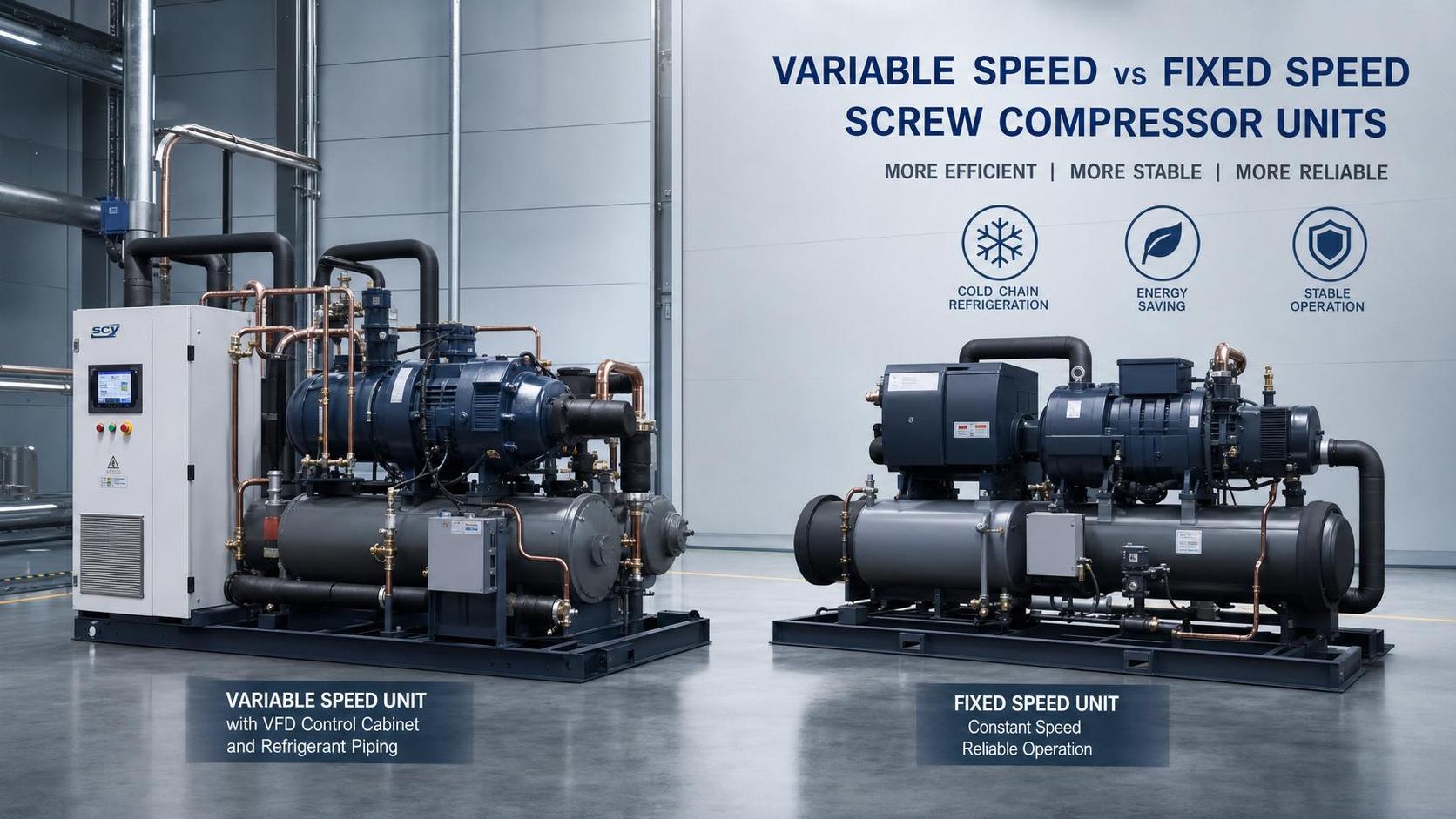
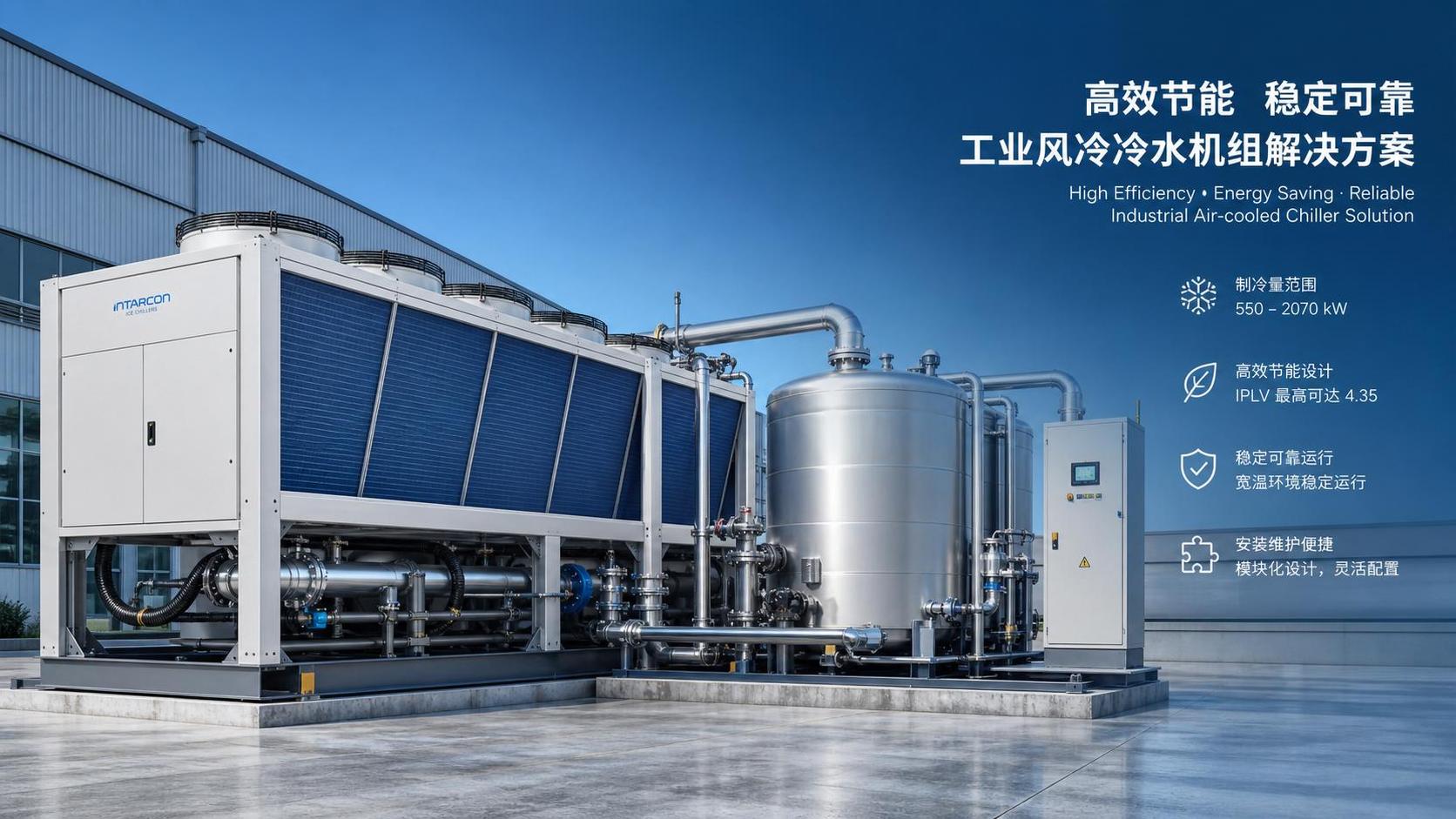
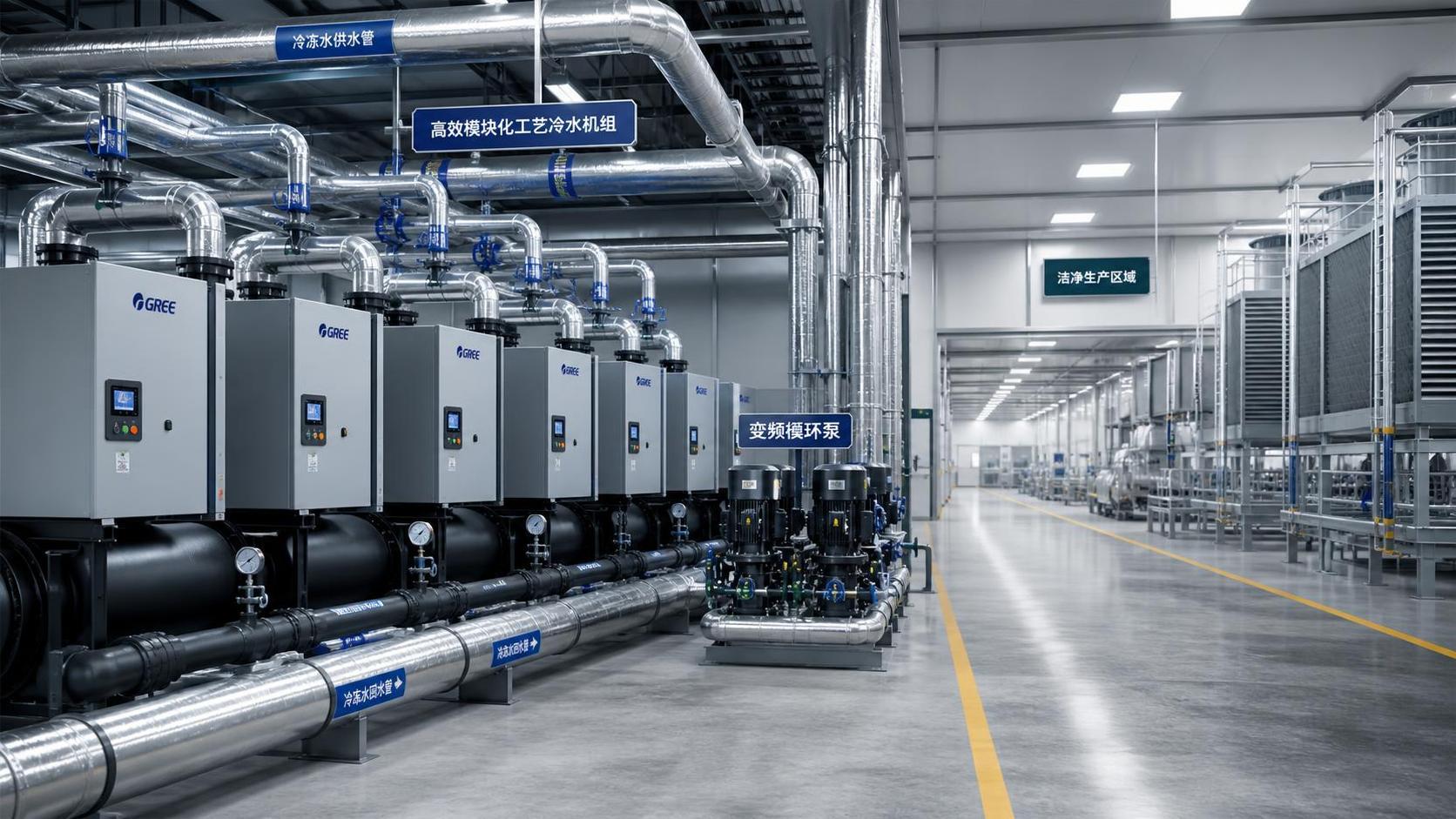
Modern industrial refrigeration systems can reduce energy use through variable-speed compression, advanced controllers, magnetic bearing chillers, and improved heat exchanger design.
The upgrade threshold is reached when projected energy savings materially offset capital cost within an acceptable payback period.
Temperature instability means the system is affecting product quality
Industrial refrigeration exists to protect process stability, product quality, and cold chain integrity. Temperature drift is therefore a serious warning signal.
Technical evaluators should look beyond average temperature and examine excursions, recovery time, spatial variation, and alarm frequency.
A cold room that averages the correct temperature may still damage products if door openings trigger slow recovery or localized warm zones.
In food, pharmaceuticals, biomedicine, and high-value manufacturing, small temperature deviations can create safety, shelf-life, or process yield losses.
Unstable suction pressure, frequent evaporator icing, poor air distribution, and inaccurate sensors can all contribute to inconsistent cooling.
When control adjustments and airflow corrections cannot restore stability, refrigeration architecture may no longer match the operational requirement.
This is especially common after facility expansion, product mix changes, or higher throughput that increases thermal load beyond original design assumptions.
An upgrade is justified when the cost of temperature-related waste, recalls, rework, or compliance failures exceeds modernization cost.
Obsolete compressors and parts availability increase operational risk
Compressors are the operational heart of industrial refrigeration. Their condition often determines whether continued maintenance remains rational.
Warning signs include excessive vibration, repeated oil issues, declining capacity, abnormal discharge temperatures, and frequent bearing or seal failures.
If parts availability is uncertain, downtime risk becomes harder to control, even when technicians can still keep the unit running.
Legacy reciprocating or screw compressors may also lack efficient capacity modulation, causing excessive cycling and poor part-load performance.
For technical evaluators, maintenance cost should be analyzed as a trend rather than a single annual budget line.
Rising emergency callouts, overtime labor, compressor rebuilds, and temporary rental cooling indicate that the system is approaching economic exhaustion.
Upgrading to modern screw, scroll, centrifugal, or magnetic bearing technologies may improve reliability and reduce lifecycle cost.
The strongest case appears when reliability improvement, energy savings, and reduced maintenance exposure all support the same conclusion.
Refrigerant compliance can force the timeline faster than equipment wear
Refrigerant regulation is now one of the most important drivers of industrial refrigeration upgrade decisions worldwide.
Systems using high-GWP refrigerants may face phasedown pressure, service restrictions, rising refrigerant prices, or future import limitations.
Even if a system still cools effectively, regulatory exposure can reduce asset value and complicate long-term maintenance planning.
Technical evaluators should identify refrigerant type, charge volume, leakage history, local rules, and expected availability over the next decade.
Natural refrigerants such as ammonia, CO2, and hydrocarbons may offer lower environmental impact, but they require proper safety engineering.
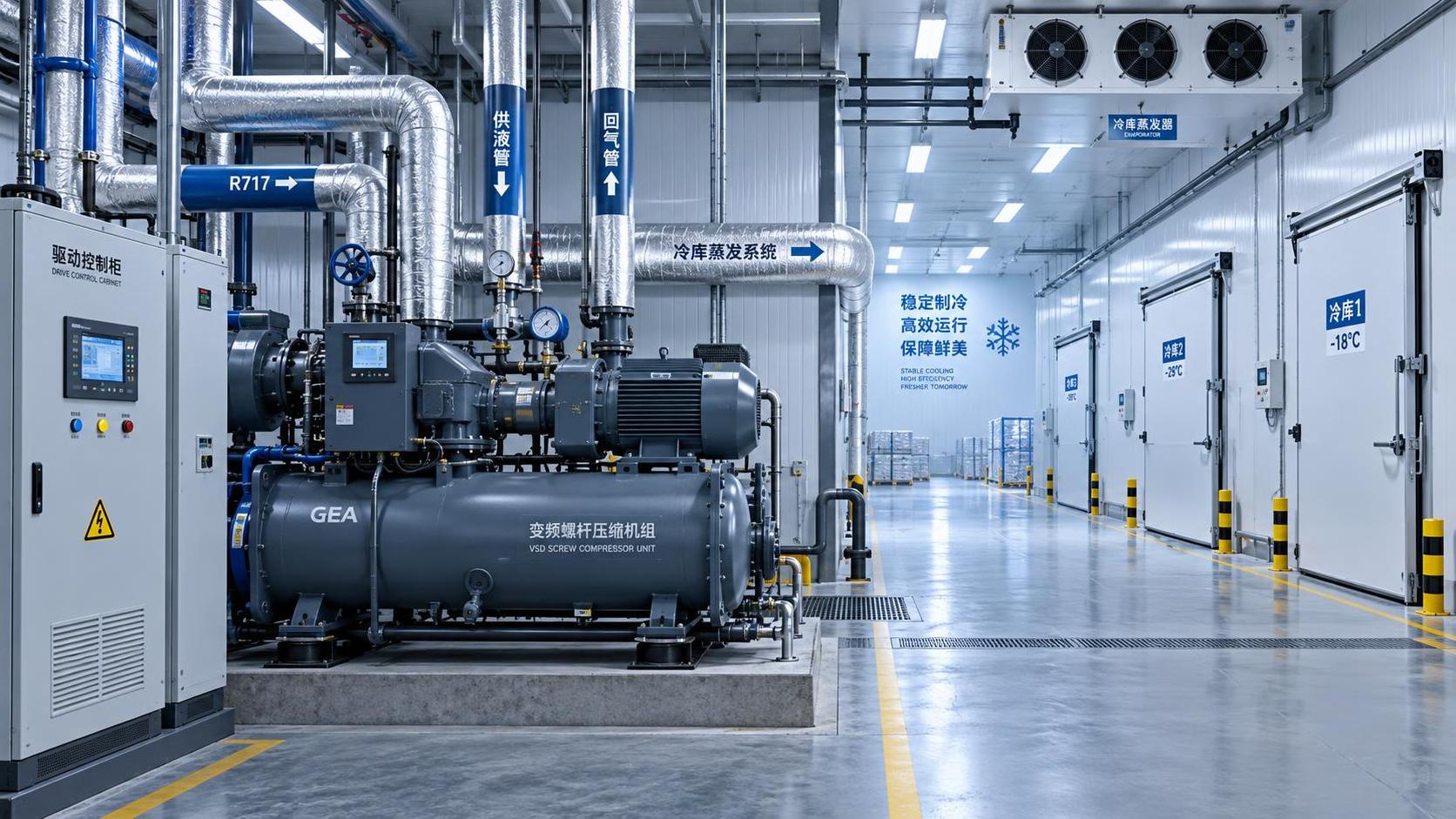
CO2 transcritical systems can be attractive for cold storage and retail distribution, particularly where compliance pressure is high.
Ammonia remains highly efficient for large industrial applications, but facility location, charge management, and safety procedures must be evaluated carefully.
An upgrade becomes urgent when refrigerant cost, legal uncertainty, or leak management risk threatens the continuity of operations.
Capacity mismatch is a sign the original design no longer fits the business
Many industrial refrigeration systems are not failing mechanically; they are simply mismatched to current operating conditions.
A facility may add blast freezing, high-speed packaging, denser storage, new production lines, or extended operating hours after commissioning.
These changes increase thermal load, moisture load, door traffic, and recovery demand, often without redesigning the refrigeration plant.
Undersized systems struggle to recover temperature, while oversized systems may short-cycle and operate inefficiently at low load.
Both conditions increase energy consumption and reduce equipment life, although the symptoms may appear different.
Technical evaluators should compare current load profiles with original design data, not only nameplate capacity.
Load studies, data logging, and operating simulations can reveal whether the refrigeration system still matches actual demand.
If business growth has permanently changed the load profile, a structured upgrade may be safer than repeated incremental fixes.
Control limitations make older systems harder to optimize
Modern industrial refrigeration performance depends heavily on control intelligence, not only mechanical equipment.
Older systems may lack integrated monitoring, predictive alarms, floating pressure strategies, digital expansion valves, or adaptive defrost control.
Without reliable data, technical teams often manage problems reactively, responding after temperature excursions or compressor faults occur.
Control upgrades can sometimes deliver major gains without replacing the entire refrigeration plant.
However, controls cannot fully compensate for inefficient compressors, inadequate heat exchangers, or poor system architecture.
The key question is whether better controls can unlock remaining mechanical performance or merely reveal deeper limitations.
If sensors, valves, and controllers are obsolete or incompatible with modern supervisory systems, partial upgrades may become fragmented.
A full modernization plan can integrate refrigeration control with energy management, maintenance planning, and quality assurance reporting.
Safety, leakage, and maintenance access should influence the upgrade decision
Industrial refrigeration upgrades are often justified by energy and compliance, but safety and maintainability deserve equal attention.
Frequent refrigerant leaks, corroded piping, poor ventilation, unreliable relief systems, and inadequate machine room access increase operational exposure.
Technicians working around outdated layouts may face higher risks during service, especially in facilities with tight production schedules.
Leakage also affects energy performance because insufficient charge can reduce evaporator efficiency and increase compressor stress.
A recurring leak history should not be treated only as a maintenance nuisance. It may indicate systemic infrastructure aging.
Technical evaluators should review incident records, leak logs, pressure test results, and safety compliance reports together.
If safe operation depends on frequent intervention rather than robust design, upgrade planning should become a priority.
How to decide between repair, retrofit, and full replacement
The best upgrade decision usually follows a structured technical and financial assessment rather than a single failure event.
Start by establishing a baseline for energy use, temperature performance, maintenance cost, refrigerant loss, downtime, and production impact.
Then identify which problems are correctable through maintenance, control tuning, component replacement, or refrigeration plant redesign.
Repair is reasonable when the failure is isolated, parts are available, and the rest of the system performs efficiently.
Retrofit is appropriate when major components remain sound, but controls, drives, condensers, or refrigerant strategy need improvement.
Full replacement becomes more compelling when multiple subsystems are obsolete, inefficient, noncompliant, or poorly matched to current loads.
Technical evaluators should calculate total cost of ownership, not only initial capital expenditure.
This calculation should include energy, maintenance, downtime, refrigerant cost, compliance risk, product loss, and expected remaining asset life.
What data should technical evaluators collect before recommending an upgrade?
A credible industrial refrigeration upgrade recommendation requires operational data, not only supplier claims or maintenance opinions.
Important data includes compressor power draw, suction and discharge pressures, evaporator temperatures, condenser approach temperatures, and defrost duration.
Teams should also review utility bills, production schedules, storage density, door activity, alarm logs, and product temperature records.
Maintenance data should include spare parts cost, emergency repair frequency, oil analysis, vibration reports, and compressor rebuild history.
For compliance review, document refrigerant type, charge quantity, leakage rate, recovery practices, and applicable regional regulations.
When possible, compare current system performance against design documents and modern benchmark values for similar applications.
This evidence-based approach helps separate genuine upgrade needs from issues that can be solved through recommissioning.
It also strengthens communication with finance, operations, and executive stakeholders who need a clear business case.
Implementation timing: upgrade before failure forces an emergency decision
The worst time to upgrade industrial refrigeration is after a major breakdown during peak production or seasonal demand.
Emergency replacement usually increases cost, limits equipment choices, and creates avoidable risk to inventory or production continuity.
Planned upgrades allow technical teams to phase installation, arrange temporary cooling, validate controls, and train operators properly.
They also provide time to compare refrigerant options, evaluate energy incentives, and coordinate civil, electrical, and mechanical work.
For facilities with mission-critical cooling, upgrade planning should begin before the system reaches end-of-life symptoms.
A practical trigger is when several warning signs appear together across energy, reliability, temperature control, and compliance.
At that point, delaying action rarely preserves capital. It usually transfers cost into utilities, emergency repairs, and operational risk.
Conclusion: the right upgrade moment is measurable, not guesswork
Industrial refrigeration should be upgraded when objective evidence shows that the existing system no longer protects efficiency, compliance, reliability, or product quality.
The strongest signals include rising energy intensity, unstable temperatures, obsolete compressors, refrigerant risk, load mismatch, and recurring safety concerns.
Not every aging system requires immediate replacement. Some facilities can gain years of performance through recommissioning or targeted retrofit.
However, when multiple indicators converge, a planned upgrade is usually more economical than continued reactive maintenance.
For technical evaluators, the most defensible recommendation combines measured data, lifecycle cost analysis, regulatory review, and operational risk assessment.
That approach turns the upgrade question from a maintenance debate into a strategic decision that protects assets, products, and long-term competitiveness.