Industry News
Curation by industry experts
Hot Articles
- Thermodynamic Tech TrendsHow to Size Heat Exchange Systems for Refrigeration Plants at Peak Load
- Parallel Compressor RacksHow to Size Reciprocating Compressors for Cold Storage Load and Temperature Range
- Flake Ice MachinesHow to Size a Commercial Ice Dispenser for Peak Demand in Foodservice Operations
Popular Tags
Is commercial refrigeration wasting energy after hours?
Is Commercial Refrigeration Wasting Energy After Hours?
After closing time, commercial refrigeration often keeps running as if customers were still in the aisle.
That silent overrun increases electricity costs, compressor wear, refrigerant stress, and carbon emissions across cold-chain operations.
For facilities using cabinets, cold rooms, chillers, ice machines, or deep-freeze assets, after-hours waste has become measurable.
The issue is no longer only operational discipline. It is now linked to margins, compliance, and long-term equipment resilience.
After-Hours Energy Waste Is Becoming a Visible Refrigeration Trend
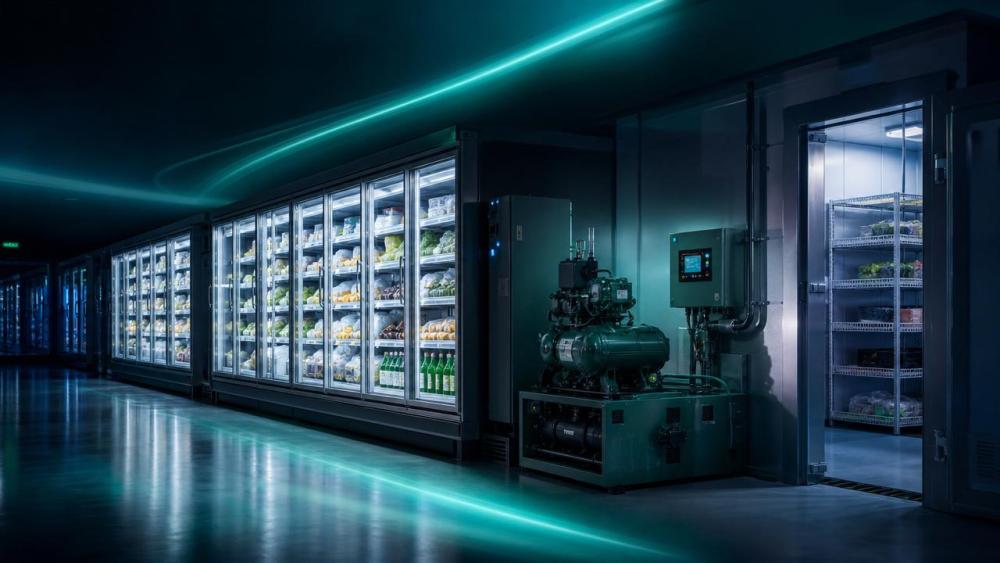
Electricity prices, carbon reporting, and refrigerant rules are changing how commercial refrigeration is evaluated after operating hours.
Older systems were designed to protect temperature first. Energy optimization was often treated as a secondary benefit.
Today, commercial refrigeration must preserve products while responding to load changes, occupancy patterns, and tariff pressure.
Closed doors, empty aisles, and reduced product movement should create lower cooling demand.
Yet many stores, warehouses, kitchens, and laboratories still operate refrigeration equipment at daytime intensity overnight.
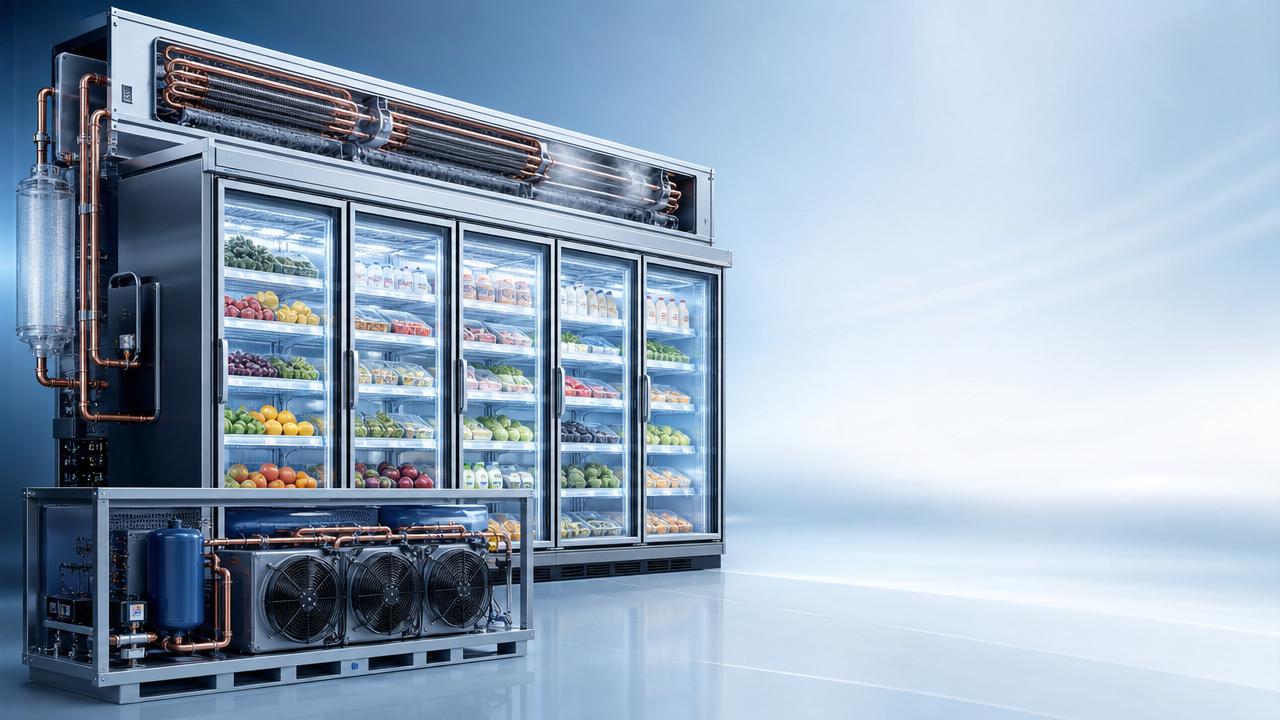
This mismatch is especially costly where commercial refrigeration runs continuously across multiple cabinets, compressors, evaporators, and condensers.
The trend signal is clear: refrigeration efficiency is shifting from annual equipment ratings to real-time operating intelligence.
Where Commercial Refrigeration Loses Energy When Nobody Is Watching
After-hours losses rarely come from one dramatic failure. They usually accumulate through small, repeated control errors.
Display cases may keep full lighting active. Anti-sweat heaters may run even when humidity is low.
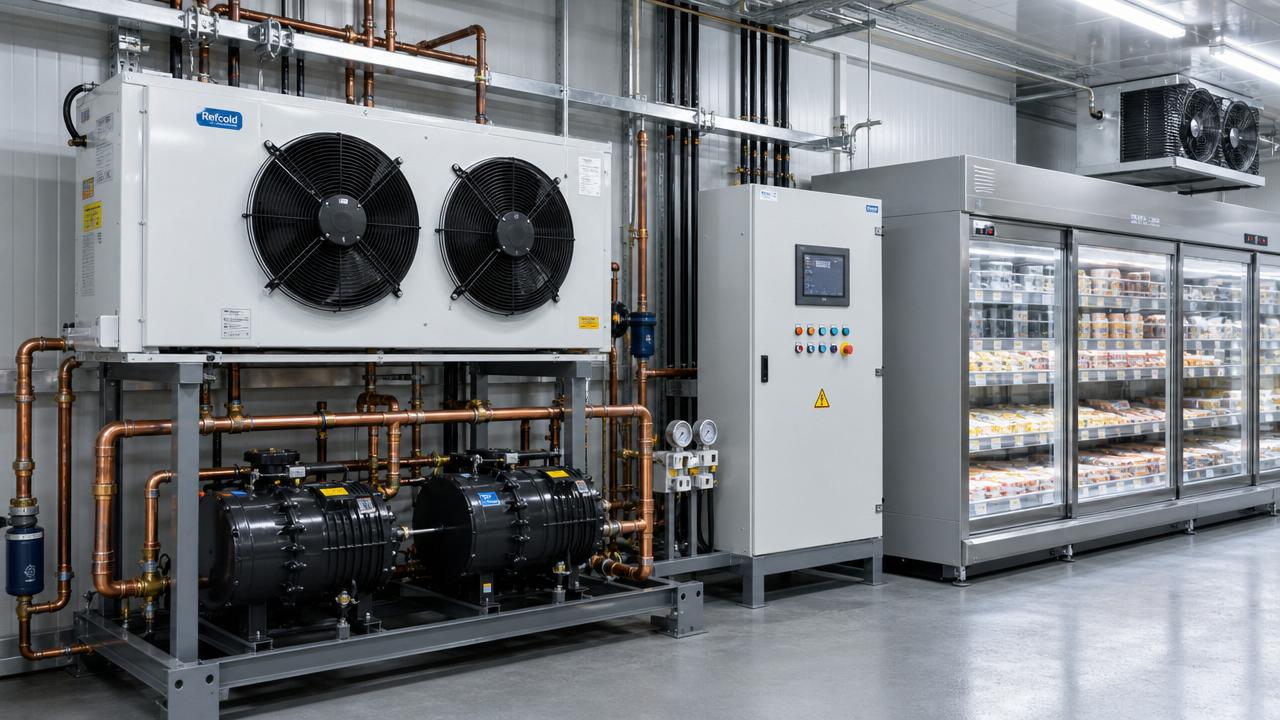
Evaporator fans may stay at fixed speed. Compressors may short-cycle because controls are poorly coordinated.
In cold storage, door openings drop at night, but suction pressure settings often remain unchanged.
That means commercial refrigeration can overcool spaces, increase defrost events, and waste compressor capacity.
Ice machines present another pattern. Production may continue beyond actual demand, forcing storage bins to reject useful cooling value.
Industrial chillers may also maintain process temperatures for idle production lines, especially in plastics, machining, and food processing.
Typical After-Hours Loss Points
- Lighting and door heaters operating without demand-based logic.
- Fixed-speed fans running during low-load periods.
- Compressors cycling frequently because setpoints are too narrow.
- Defrost schedules triggered by time, not frost condition.
- Condensers operating without ambient temperature optimization.
- Cold rooms losing energy through damaged gaskets or poor door discipline.
Why the Waste Is Increasing Despite Better Equipment
Commercial refrigeration technology has improved, but operating complexity has increased faster.
Fresh retail now needs tighter temperature stability, better merchandising visibility, and extended product shelf life.
Biomedical storage requires strict alarms, validated performance, and continuous low-temperature assurance.
Cold-chain hubs handle mixed loads, variable inventory, and faster logistics cycles.
These pressures encourage conservative settings. Conservative settings often become hidden energy penalties.
The paradox is important. Better commercial refrigeration equipment can still waste energy if control logic remains outdated.
How After-Hours Waste Impacts Different Cold-Chain Assets
The effect varies by application, but the business pattern is similar.
Unnecessary runtime increases cost today and reduces equipment reliability tomorrow.
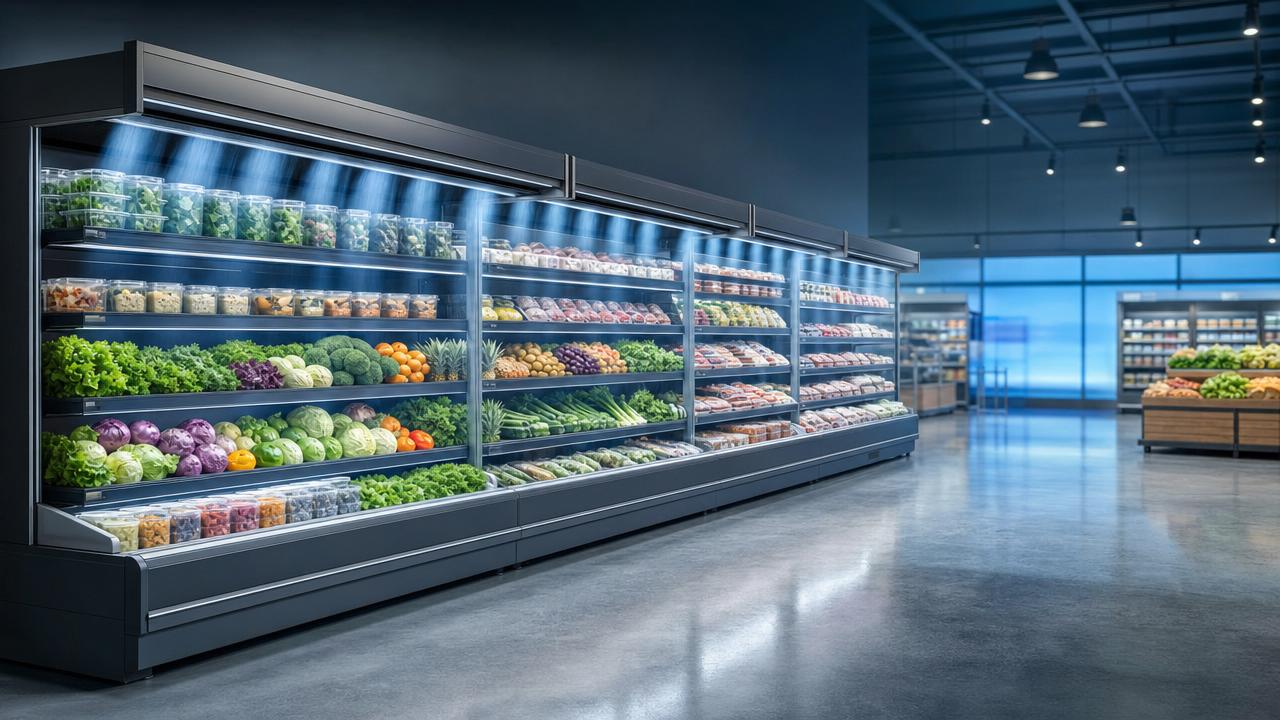
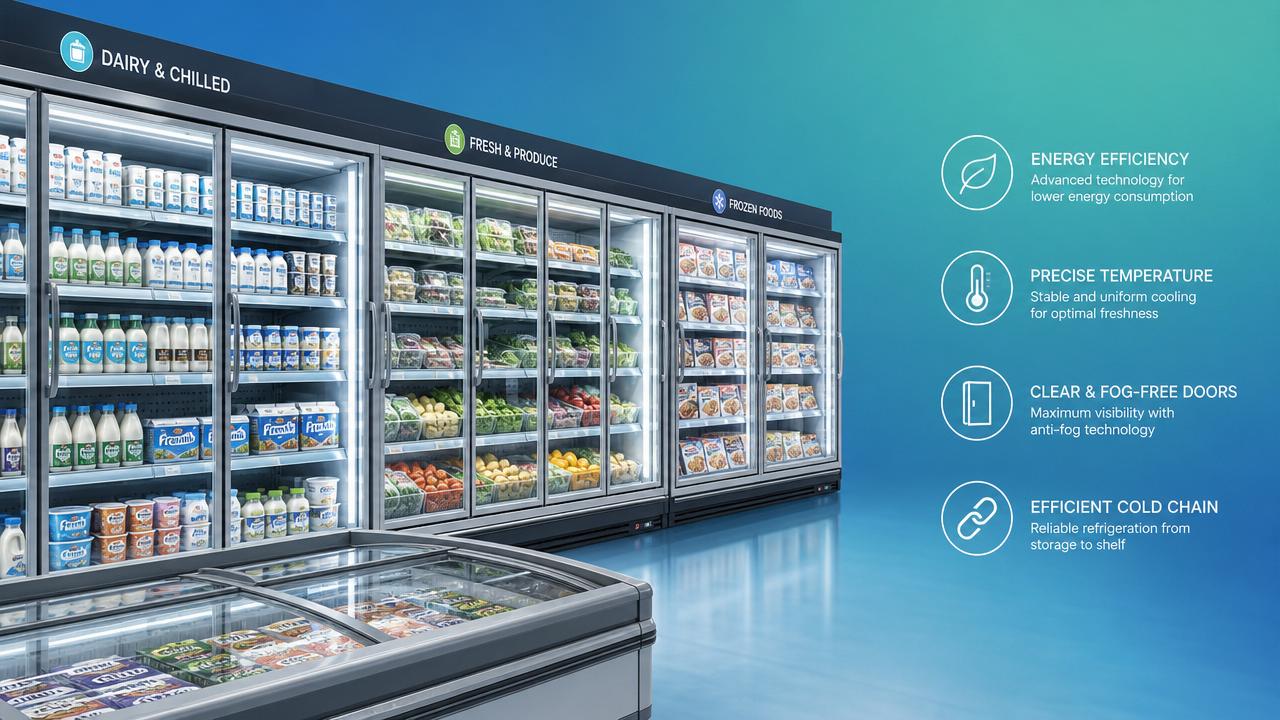
Retail Cabinets and Supermarket Cases
Retail commercial refrigeration faces strong visual and temperature demands during trading hours.
After closing, night blinds, lighting reduction, fan modulation, and optimized case setpoints can significantly cut load.
If these measures are absent, the store pays daytime energy costs without daytime sales activity.
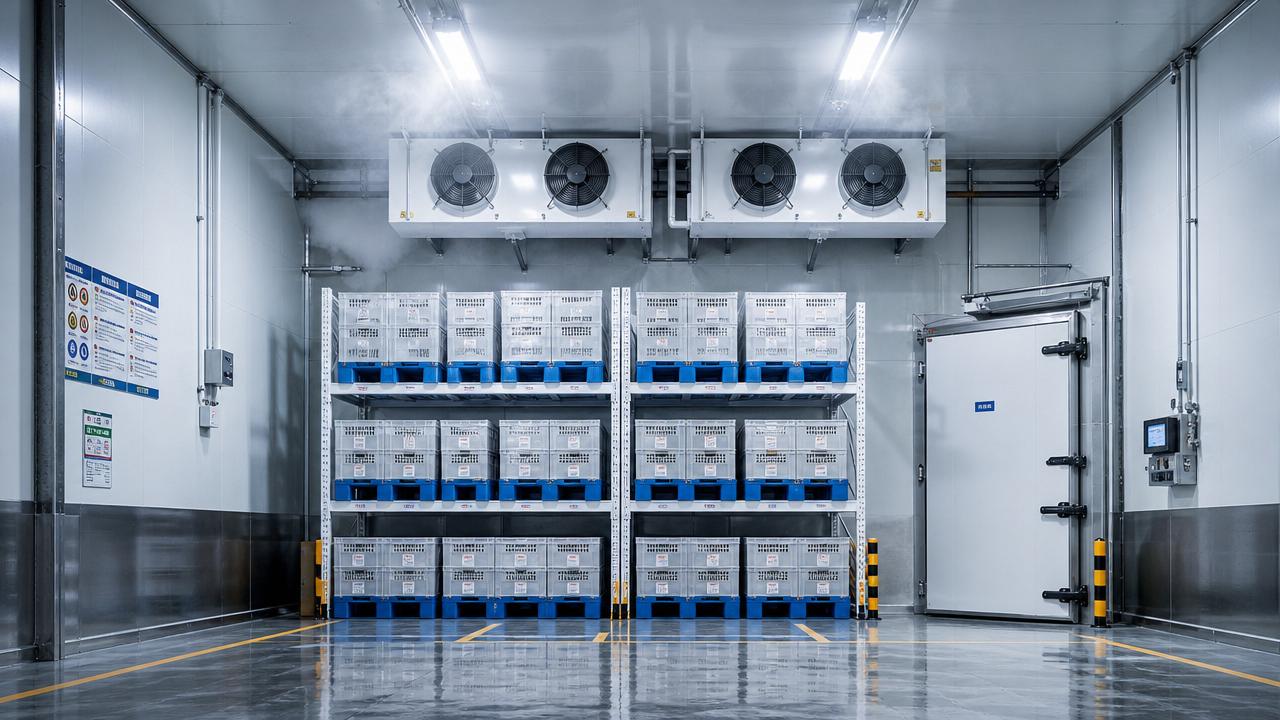
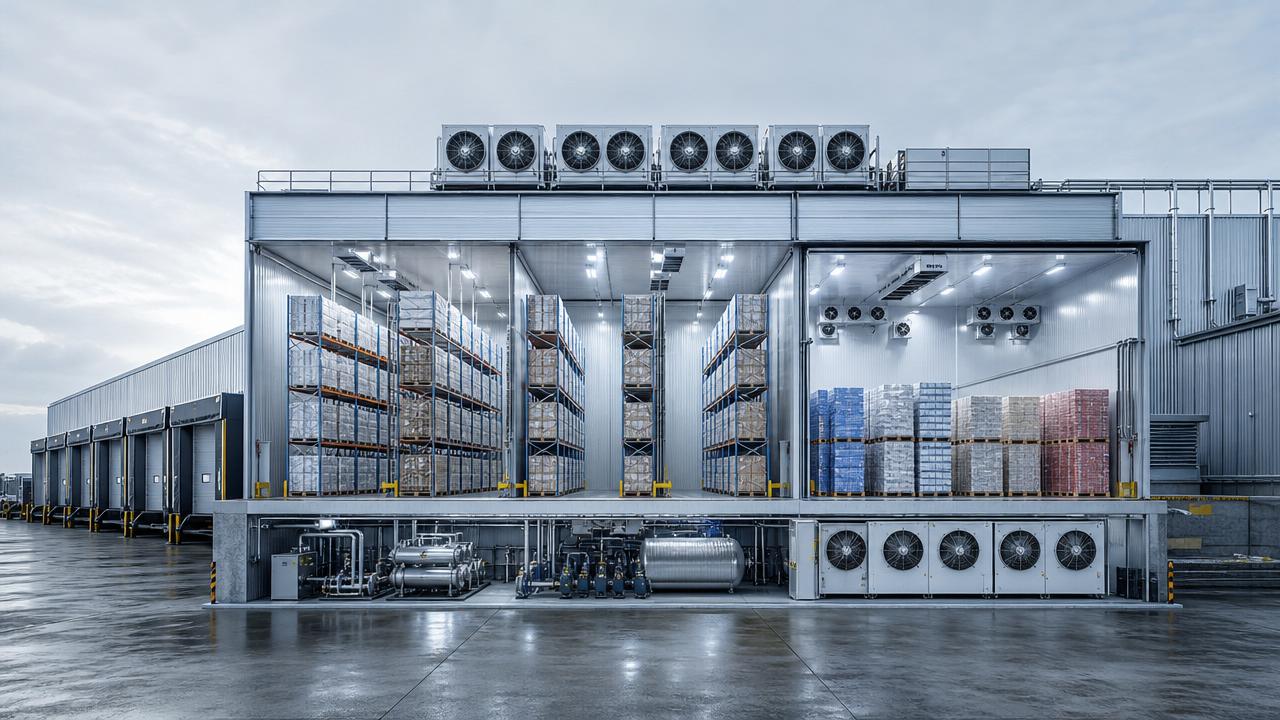
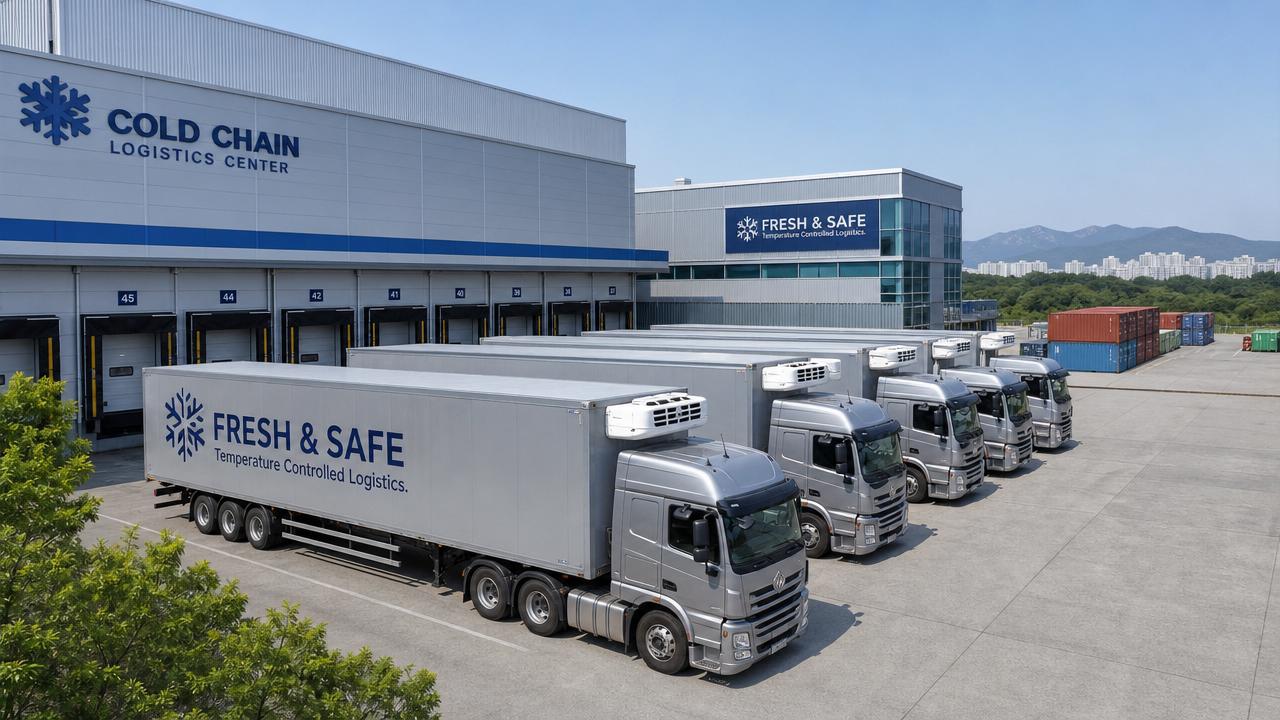
Cold Storage Compressors and Distribution Hubs
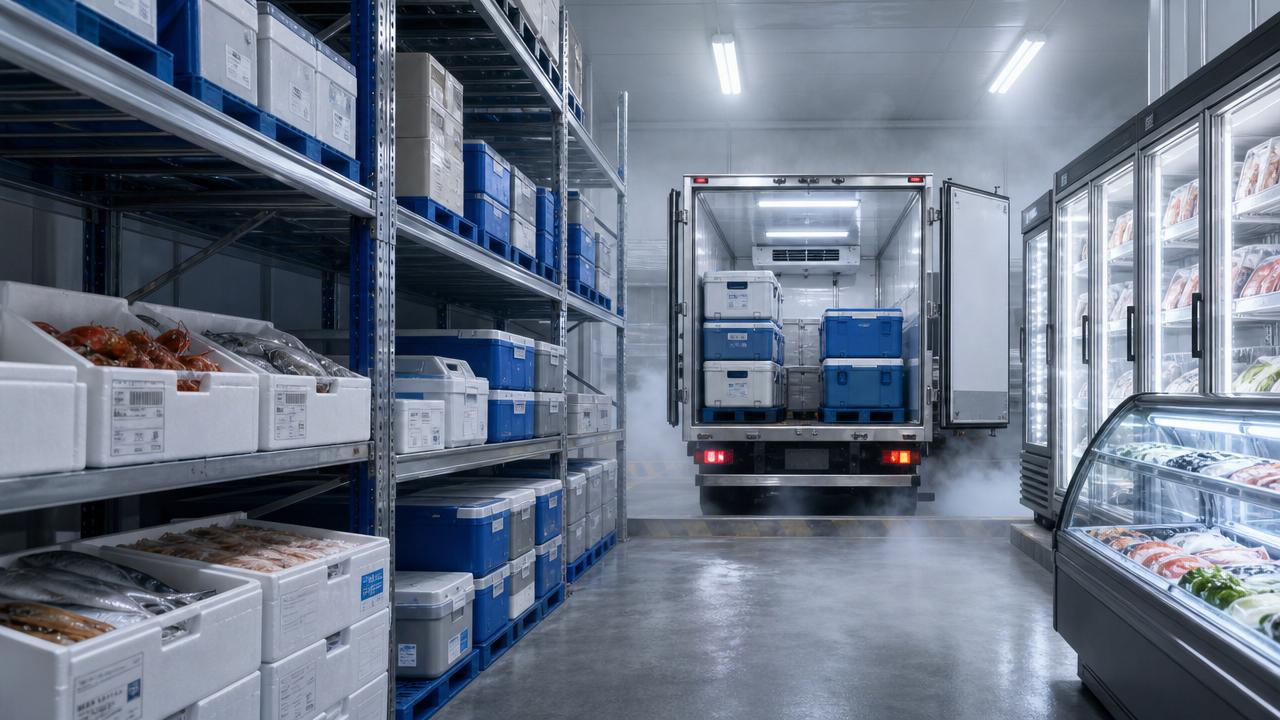
Cold rooms and logistics hubs often experience lower traffic overnight.
Commercial refrigeration controls should respond through floating suction pressure, smart defrost, and condenser optimization.
Without these strategies, compressors do extra thermodynamic work for a load that no longer exists.
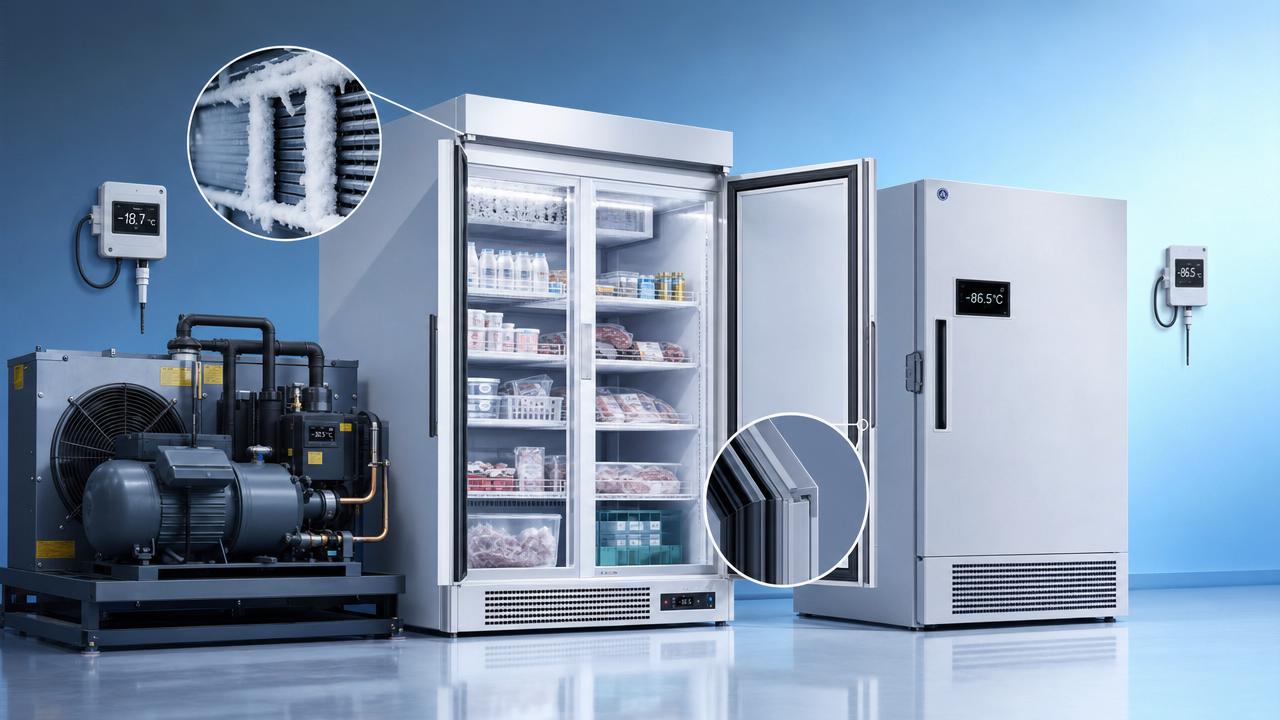
Ice Machines, Chillers, and Ultra-Low Freezers
Ice machines should match production to actual demand, storage capacity, and electricity tariff windows.
Industrial chillers should avoid holding unused process loops at tight temperatures overnight.
Ultra-low freezers require caution. Energy optimization must never compromise validated temperature protection.
Even there, commercial refrigeration analytics can detect door events, condenser blockage, and failing gaskets early.
The Control Shift: From Fixed Schedules to Demand-Based Cooling
The strongest trend is a move from fixed operation toward adaptive control.
Instead of asking whether equipment is running, commercial refrigeration teams now ask why it is running.
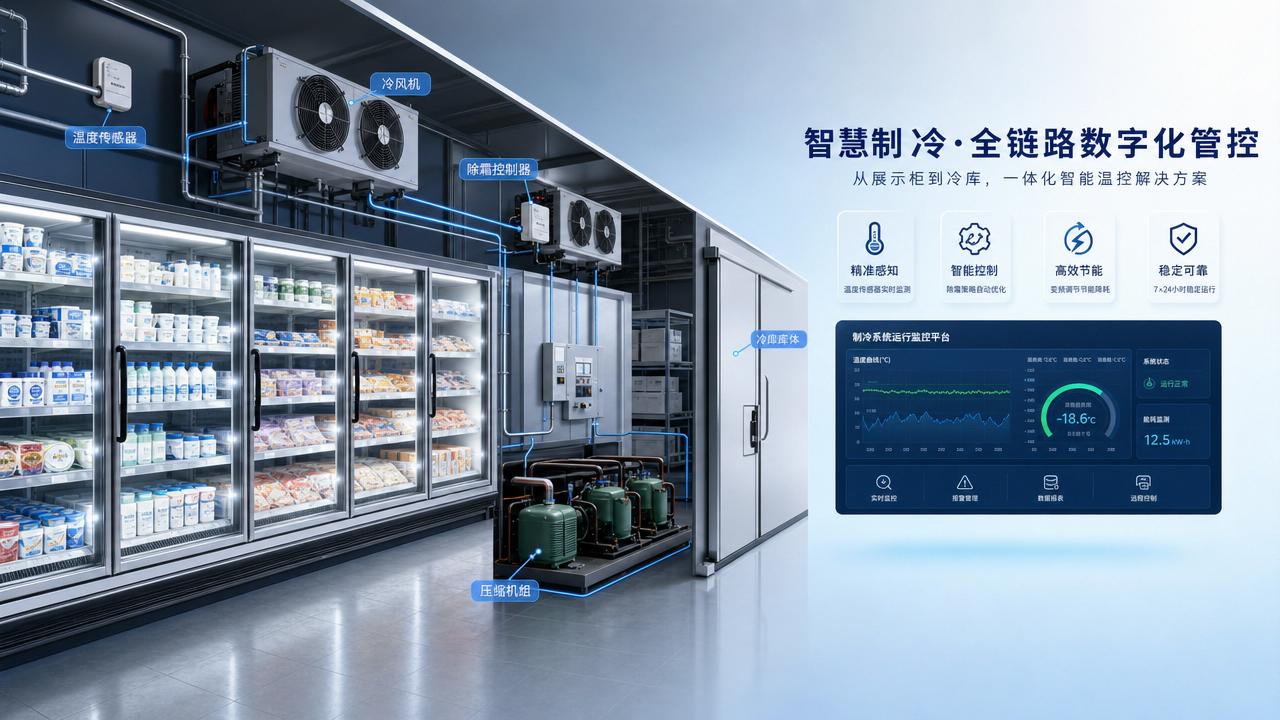
Demand-based cooling uses sensors, controller logic, and operating data to match refrigeration capacity with actual thermal load.
This approach supports product safety while removing unnecessary energy intensity during quiet periods.
Key Technologies Worth Watching
- Variable-speed compressors and electronically commutated evaporator fans.
- Floating head pressure and floating suction pressure control.
- AI-assisted defrost based on coil condition and humidity.
- Night curtains and automatic case lighting setback.
- Energy monitoring connected to alarms, maintenance tickets, and compliance records.
- Low-GWP refrigerant systems tuned for real operating conditions.
These technologies matter because commercial refrigeration rarely operates at one stable design point.
Loads change with weather, inventory, staff behavior, door openings, and production cycles.
What Performance Data Should Be Reviewed First
Energy audits should begin with overnight trend data, not assumptions.
A simple comparison between trading hours and closed hours can reveal whether commercial refrigeration is reacting correctly.
High-value signals include compressor runtime, suction pressure, case temperature, defrost frequency, and condenser fan operation.
Alarms should also be reviewed. Repeated minor alarms often indicate control instability or maintenance decline.
Data quality matters. Faulty sensors can make commercial refrigeration controls respond to a false reality.
Maintenance Is Still the Fastest Efficiency Lever
Advanced controls cannot compensate for dirty condensers, weak door seals, blocked airflow, or low refrigerant charge.
Maintenance remains the practical foundation of efficient commercial refrigeration.
After-hours waste often increases when equipment slowly drifts away from design performance.
A condenser with restricted airflow raises condensing temperature and forces compressors to work harder.
Damaged gaskets allow moisture infiltration, which increases frost and defrost energy.
Poorly positioned products can block air curtains, causing cabinets to chase stable temperatures all night.
Priority Checks Before Investing in Major Upgrades
- Clean condenser and evaporator coils on a documented schedule.
- Verify temperature probes against calibrated references.
- Inspect door gaskets, hinges, closers, and night blinds.
- Check refrigerant charge, superheat, and subcooling values.
- Confirm airflow paths are not blocked by inventory or packaging.
- Review alarm history for recurring overnight patterns.
How to Build a Practical After-Hours Reduction Plan
A strong plan should reduce energy without increasing product risk.
The best approach starts with segmentation. Not every commercial refrigeration asset can be optimized the same way.
Retail display cases may allow night mode. Vaccine freezers may require tighter validation and conservative boundaries.
Cold rooms can often benefit from pressure optimization and door management.
Ice machines can shift production to lower-tariff periods, if hygiene and capacity requirements allow.
What to Watch Next in Commercial Refrigeration Efficiency
The next efficiency frontier will combine thermodynamics, automation, and compliance intelligence.
Commercial refrigeration systems will increasingly be judged by lifecycle performance, not nameplate efficiency alone.
Natural refrigerants, especially CO2 transcritical systems, will keep expanding where regulation and energy strategy align.
However, these systems require careful commissioning and control tuning to deliver expected savings.
AI defrost, predictive maintenance, and digital twins will make invisible operating losses easier to identify.
Energy evaluation will also move closer to financial planning, carbon disclosure, and equipment replacement decisions.
For commercial refrigeration, the winning standard is becoming clear: protect temperature, reduce waste, and prove both with data.
Action Steps for Reducing After-Hours Refrigeration Waste
Start with a seven-day energy and temperature profile for every major commercial refrigeration asset.
Compare occupied and unoccupied periods. Look for equipment that barely changes behavior after closing.
Then correct maintenance issues before changing setpoints or adding advanced controls.
After that, test night modes, adaptive defrost, fan speed control, and pressure optimization in controlled stages.
Document savings, product temperatures, alarm behavior, and compressor runtime before making permanent changes.
Commercial refrigeration does not need to waste energy after hours.
With better data, smarter controls, and disciplined maintenance, cooling assets can protect freshness while lowering hidden operating costs.
Recommended News
 Cold Chain & Retail Energy InsightsWhen Does Cold Storage Stop Saving Energy and Start Losing It?Analyst :Mr. Julian Thorne
 Cold Chain & Retail Energy InsightsCommercial Refrigeration Upgrades: Which Costs Are Easy to Miss?Analyst :Mr. Julian Thorne
 Cold Chain & Retail Energy InsightsCold Chain Logistics Failures Often Start With Small Temperature SwingsAnalyst :Mr. Julian Thorne
 Cold Chain & Retail Energy InsightsCold Storage Solutions That Fit Expansion Plans Without OverbuildingAnalyst :Mr. Julian Thorne
 Cold Chain & Retail Energy InsightsEnergy efficient cooling is not always the cheaper optionAnalyst :Mr. Julian Thorne
 Cold Chain & Retail Energy InsightsCold chain technology gaps still cause avoidable spoilageAnalyst :Mr. Julian Thorne
 Cold Chain & Retail Energy InsightsAPEC Auto Dialogue Sets New Standards for Smart Cold-Chain TrailersAnalyst :Mr. Julian Thorne
 Cold Chain & Retail Energy InsightsWhat makes commercial cooling solutions easier to scaleAnalyst :Mr. Julian Thorne
 Cold Chain & Retail Energy InsightsSouth Korea Extends Fuel Tax Relief to End-JulyAnalyst :Mr. Julian Thorne
 Cold Chain & Retail Energy InsightsWhen does air curtain refrigeration waste more energy?Analyst :Mr. Julian Thorne
 Cold Chain & Retail Energy InsightsCold chain technology failures often start with one gapAnalyst :Mr. Julian Thorne
 Cold Chain & Retail Energy InsightsWhat makes commercial cooling solutions easier to scale?Analyst :Mr. Julian Thorne
 Cold Chain & Retail Energy InsightsCold chain logistics risks that damage product qualityAnalyst :Mr. Julian Thorne
 Cold Chain & Retail Energy InsightsHow to compare energy efficient cooling beyond SEERAnalyst :Mr. Julian Thorne
 Cold Chain & Retail Energy InsightsHow cold chain technology reduces hidden spoilage risksAnalyst :Mr. Julian Thorne
 Cold Chain & Retail Energy InsightsWhat to check before choosing cold storage solutionsAnalyst :Mr. Julian Thorne
 Cold Chain & Retail Energy InsightsWhy commercial cooling solutions vary so much in ROIAnalyst :Mr. Julian Thorne
 Cold Chain & Retail Energy InsightsIs digital refrigeration control worth the upgrade costAnalyst :Mr. Julian Thorne
 Cold Chain & Retail Energy InsightsIs variable frequency cooling worth the energy savings?Analyst :Mr. Julian Thorne
 Cold Chain & Retail Energy InsightsWhy energy efficient cooling pays off faster than expectedAnalyst :Mr. Julian Thorne
 Cold Chain & Retail Energy InsightsIs your cold chain technology ready for stricter standardsAnalyst :Mr. Julian Thorne
 Cold Chain & Retail Energy InsightsHow Do Cold Storage Solutions Cut Energy Waste?Analyst :Mr. Julian Thorne
 Cold Chain & Retail Energy InsightsIs commercial refrigeration wasting energy after hours?Analyst :Mr. Julian Thorne
 Cold Chain & Retail Energy InsightsHow can cold chain logistics cut energy losses?Analyst :Mr. Julian Thorne
 Cold Chain & Retail Energy InsightsCold Storage Design Basics: Temperature Zones, Insulation, and Refrigeration LoadAnalyst :Mr. Julian Thorne
 Cold Chain & Retail Energy InsightsCold Chain Logistics Risks: How to Control Temperature from Plant to ShelfAnalyst :Mr. Julian Thorne
 Cold Chain & Retail Energy InsightsHow Refrigeration Technology Supports Food Safety in Cold Chain Storage and TransportAnalyst :Mr. Julian Thorne
 Cold Chain & Retail Energy InsightsHow Eco-Friendly Cooling Cuts Operating Costs in Food Processing and Cold RoomsAnalyst :Mr. Julian Thorne
 Cold Chain & Retail Energy InsightsWhat Is Cold Chain Technology and Which Industries Depend on It Most?Analyst :Mr. Julian Thorne
 Cold Chain & Retail Energy InsightsEnergy Efficient Cooling for Retail Stores: How to Compare Load, COP, and Defrost StrategyAnalyst :Mr. Julian Thorne
 Cold Chain & Retail Energy InsightsDigital Refrigeration Control in Supermarkets: How to Cut Temperature Drift and Alarm ErrorsAnalyst :Mr. Julian Thorne
 Cold Chain & Retail Energy InsightsDigital Refrigeration Upgrade Cost: When Retrofits Make Sense for Multi-Site OperationsAnalyst :Mr. Julian Thorne
 Cold Chain & Retail Energy InsightsIndustrial Refrigeration Systems for Food Processing: Common Failures and FixesAnalyst :Mr. Julian Thorne
 Cold Chain & Retail Energy InsightsCold Storage Design Basics: Temperature Ranges, Load Factors, and Common LayoutsAnalyst :Mr. Julian Thorne
 Cold Chain & Retail Energy InsightsEnergy Efficient Cooling for Food Retail: How to Cut Power Use Without Risking Product QualityAnalyst :Mr. Julian Thorne
 Cold Chain & Retail Energy InsightsCold Storage Energy Costs: What Drives Power Use and How to Reduce WasteAnalyst :Mr. Julian Thorne
 Cold Chain & Retail Energy InsightsCold Chain Logistics Costs: What Drives Energy, Spoilage, and Equipment InvestmentAnalyst :Mr. Julian Thorne
 Cold Chain & Retail Energy InsightsCold Storage Solutions for Food and Pharma: What to Compare Before System DesignAnalyst :Mr. Julian Thorne
 Cold Chain & Retail Energy InsightsCold Chain Logistics Costs: Where Energy Loss Happens and How to Reduce ItAnalyst :Mr. Julian Thorne
 Cold Chain & Retail Energy InsightsCommercial Cooling Solutions for Retail Stores: How to Balance Display, Efficiency, and CostAnalyst :Mr. Julian Thorne