Industry News
Curation by industry experts
Hot Articles
- Cold Chain & Retail Energy InsightsHow North American Cold Facilities Can Benchmark Refrigeration System Efficiency
- -86℃ ULT FreezersHow to Select Medical Cryogenic Vials for Long-Term Sample Storage
- Cold Chain & Retail Energy InsightsFood-Grade Panel Requirements for Hygienic Meat Cold Storage Systems
Popular Tags
MIIT Launches 2026 Industrial Energy Conservation Inspection
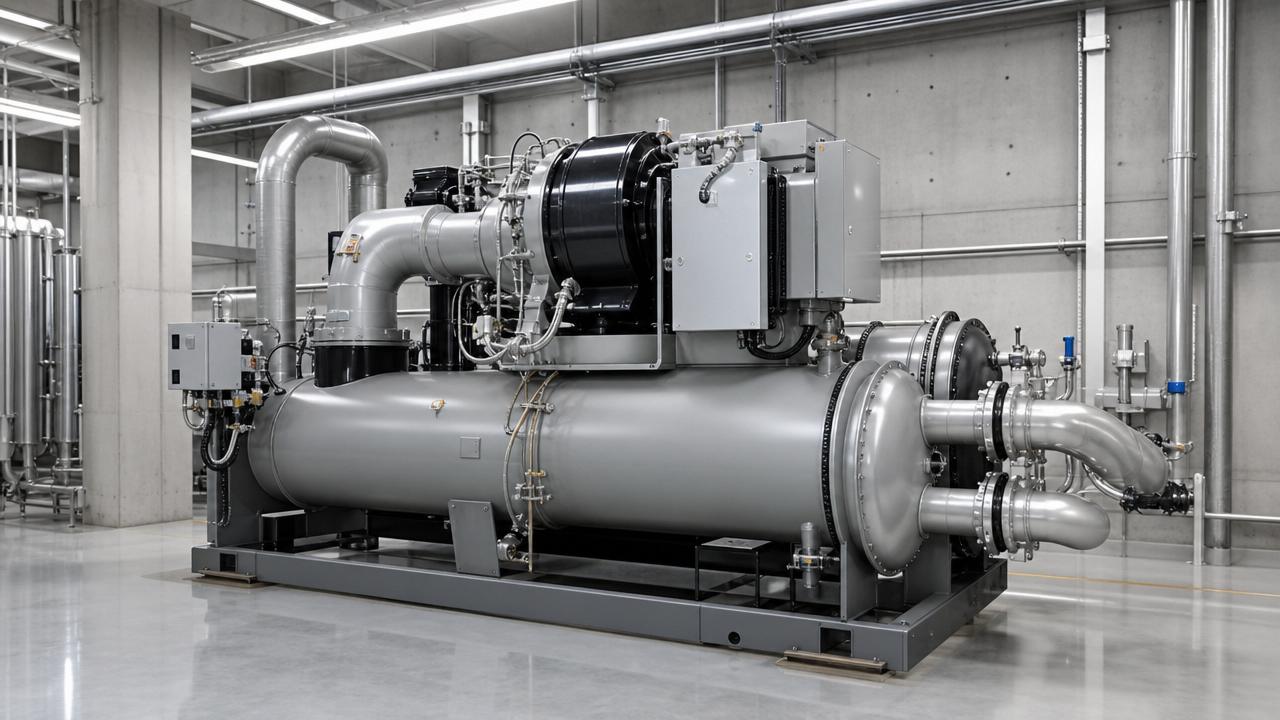
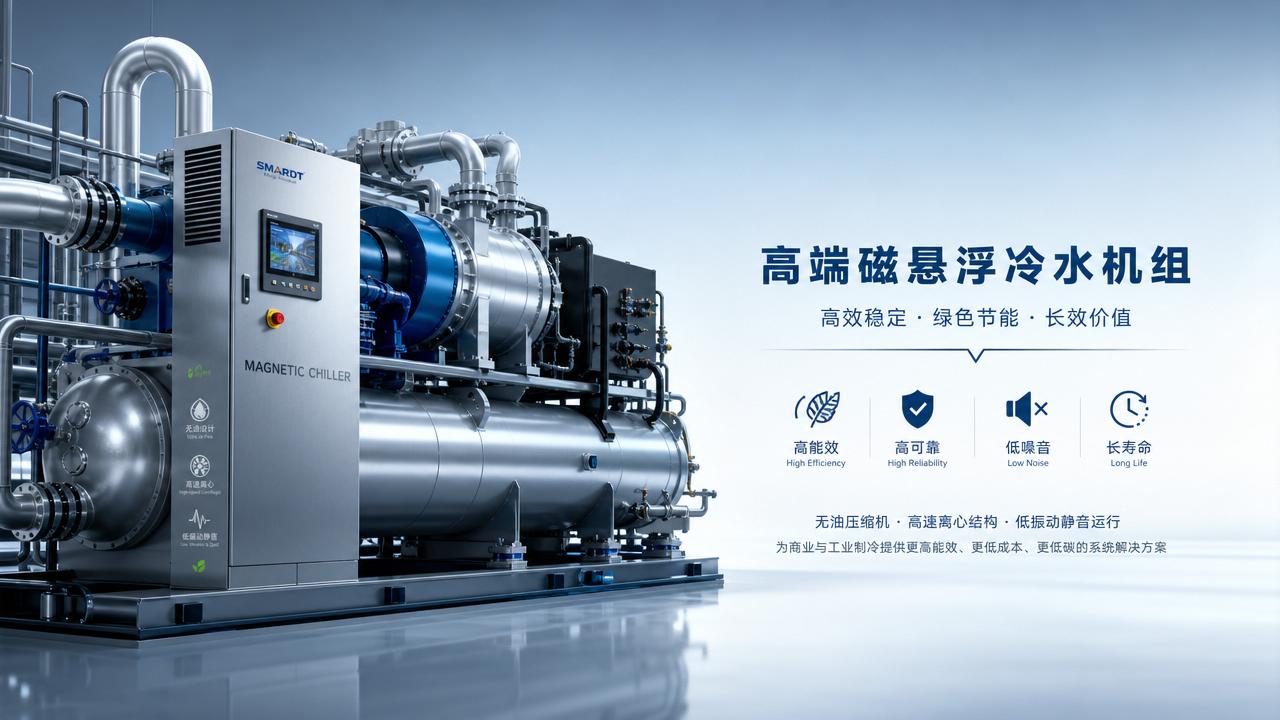
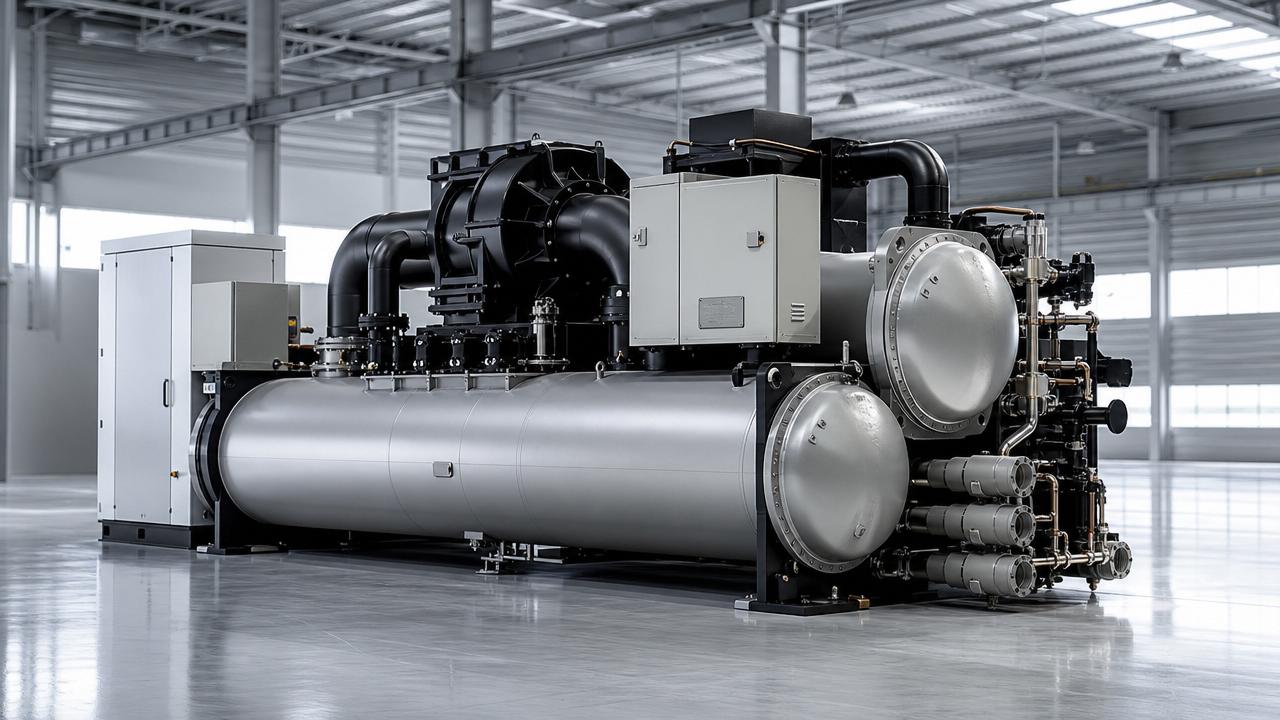
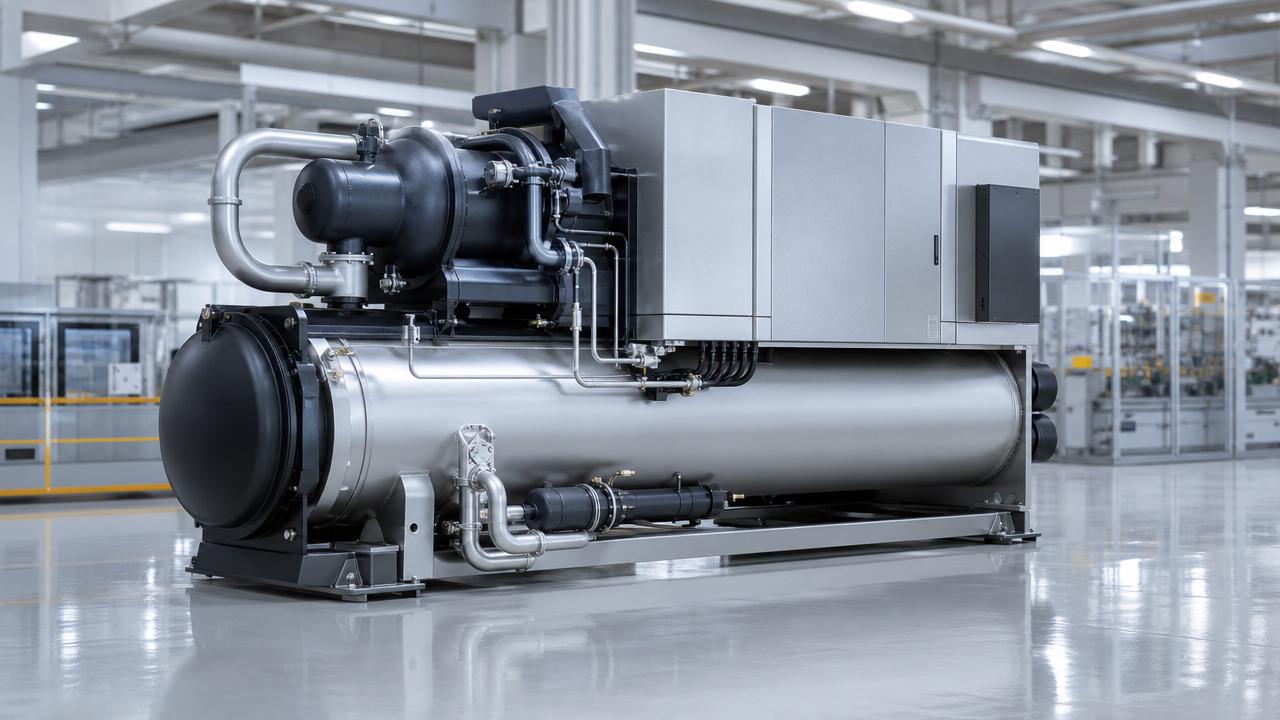
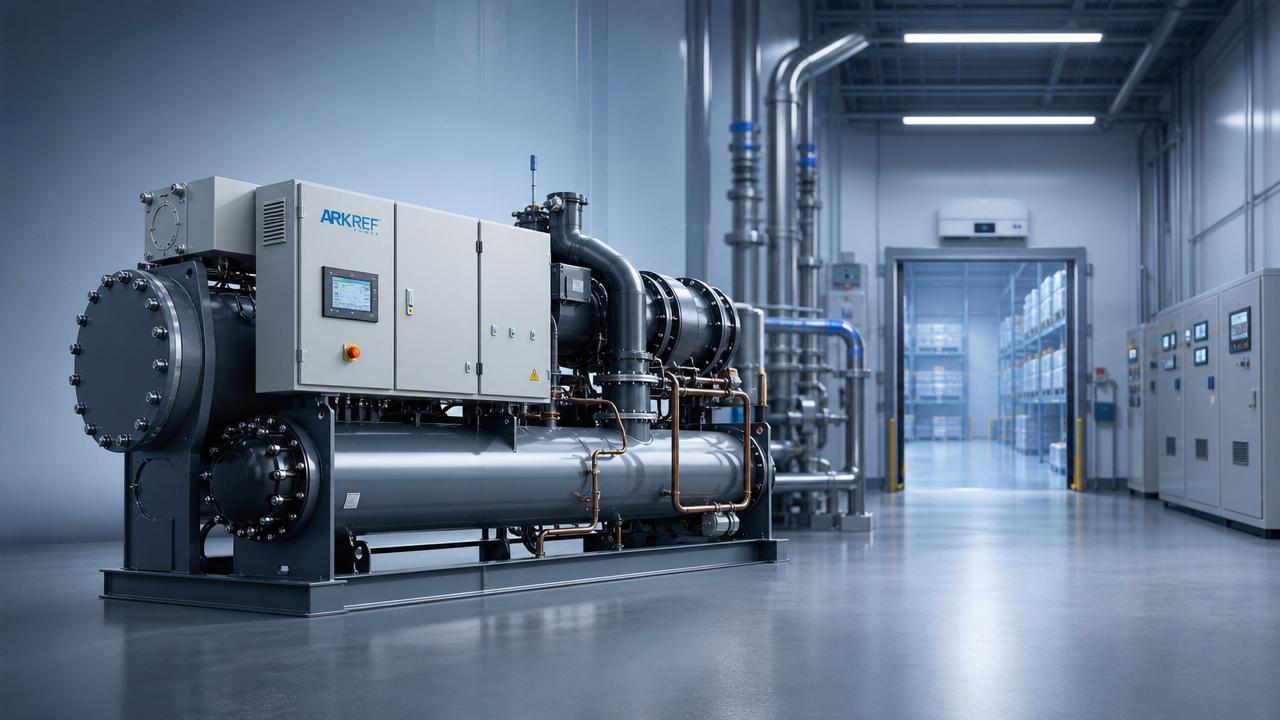
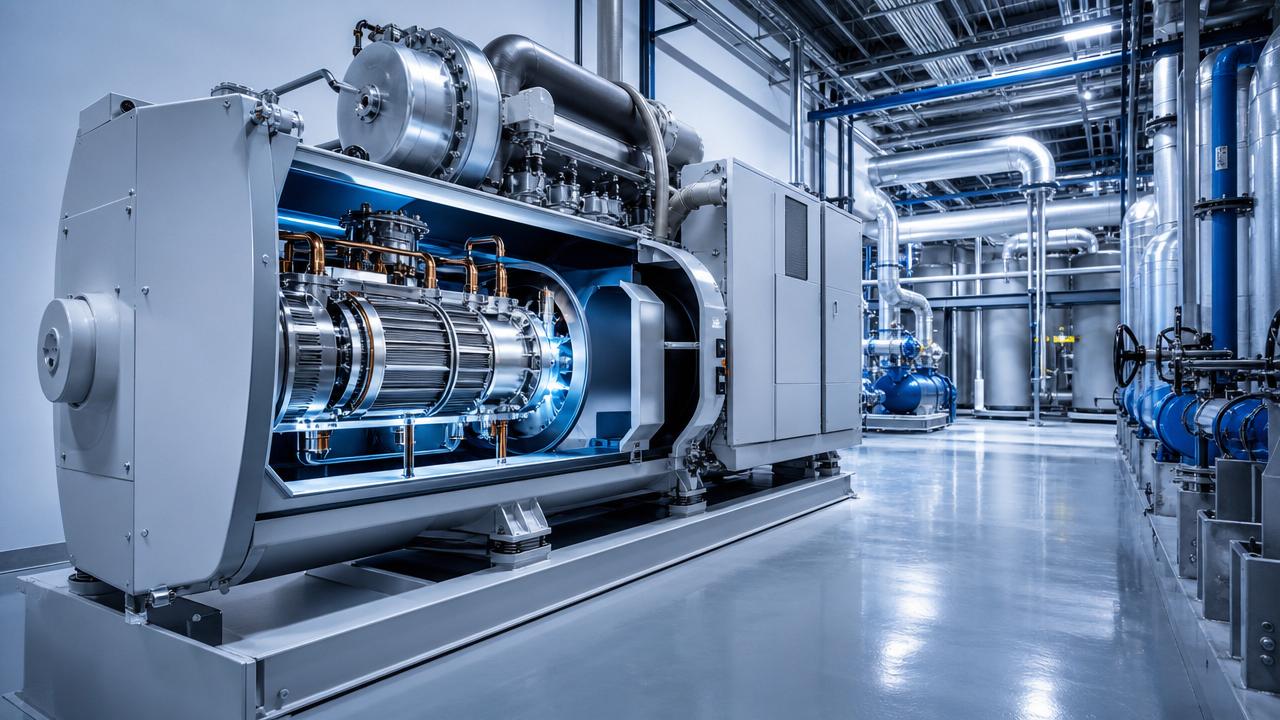
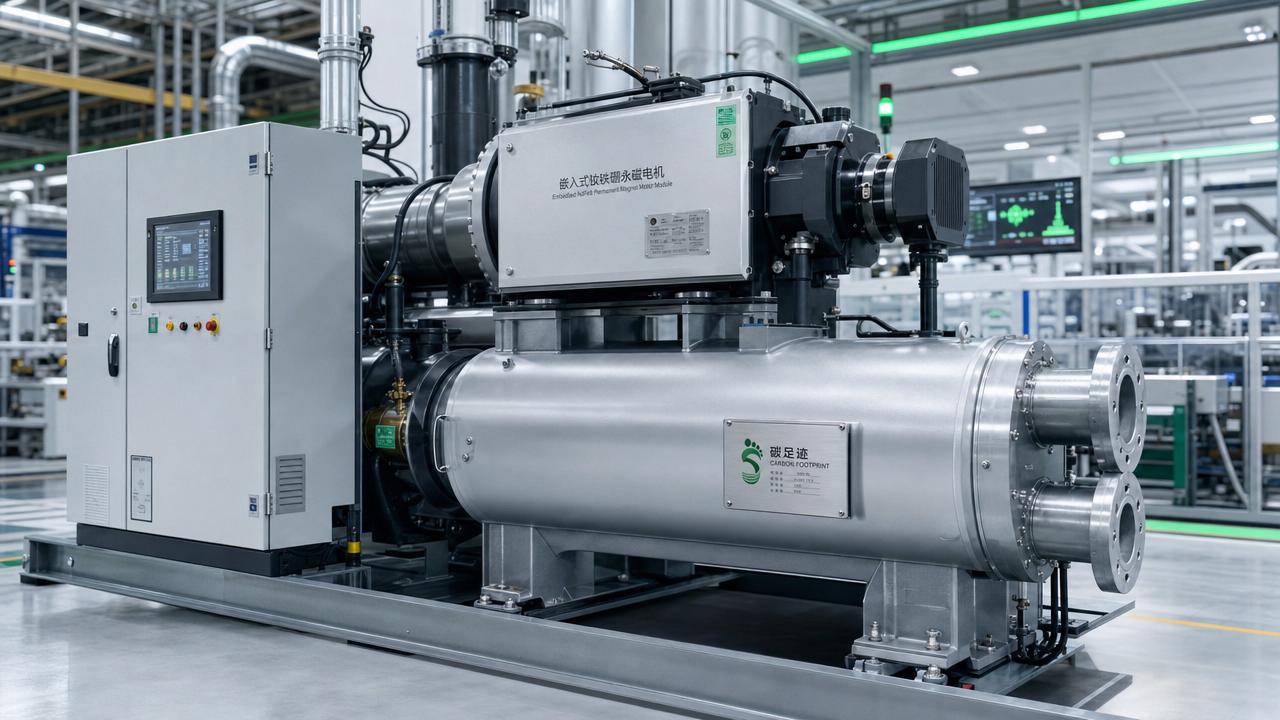
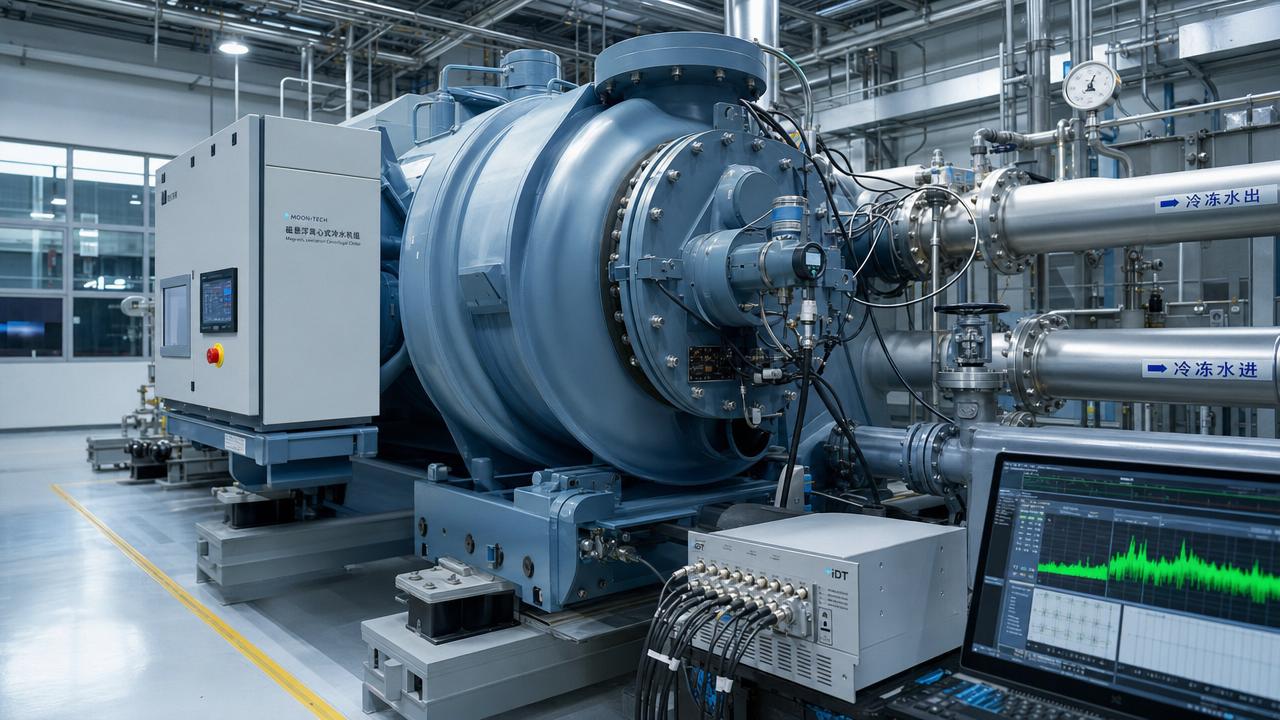
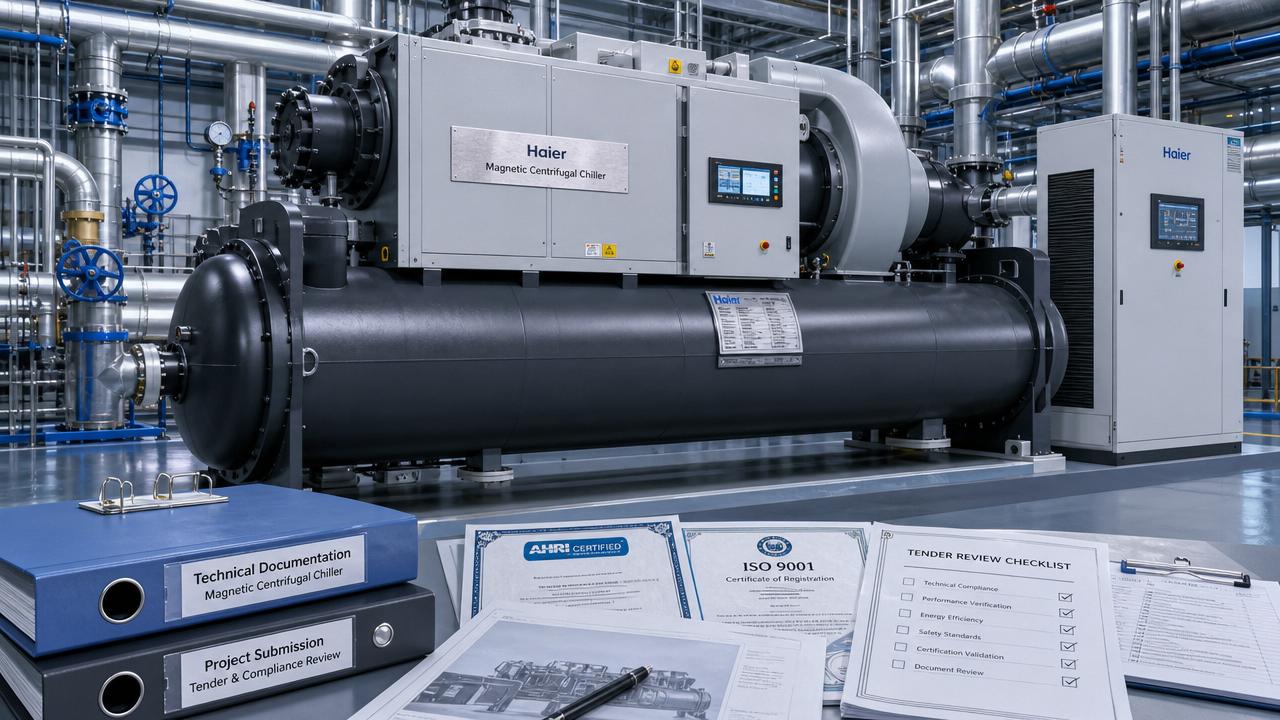
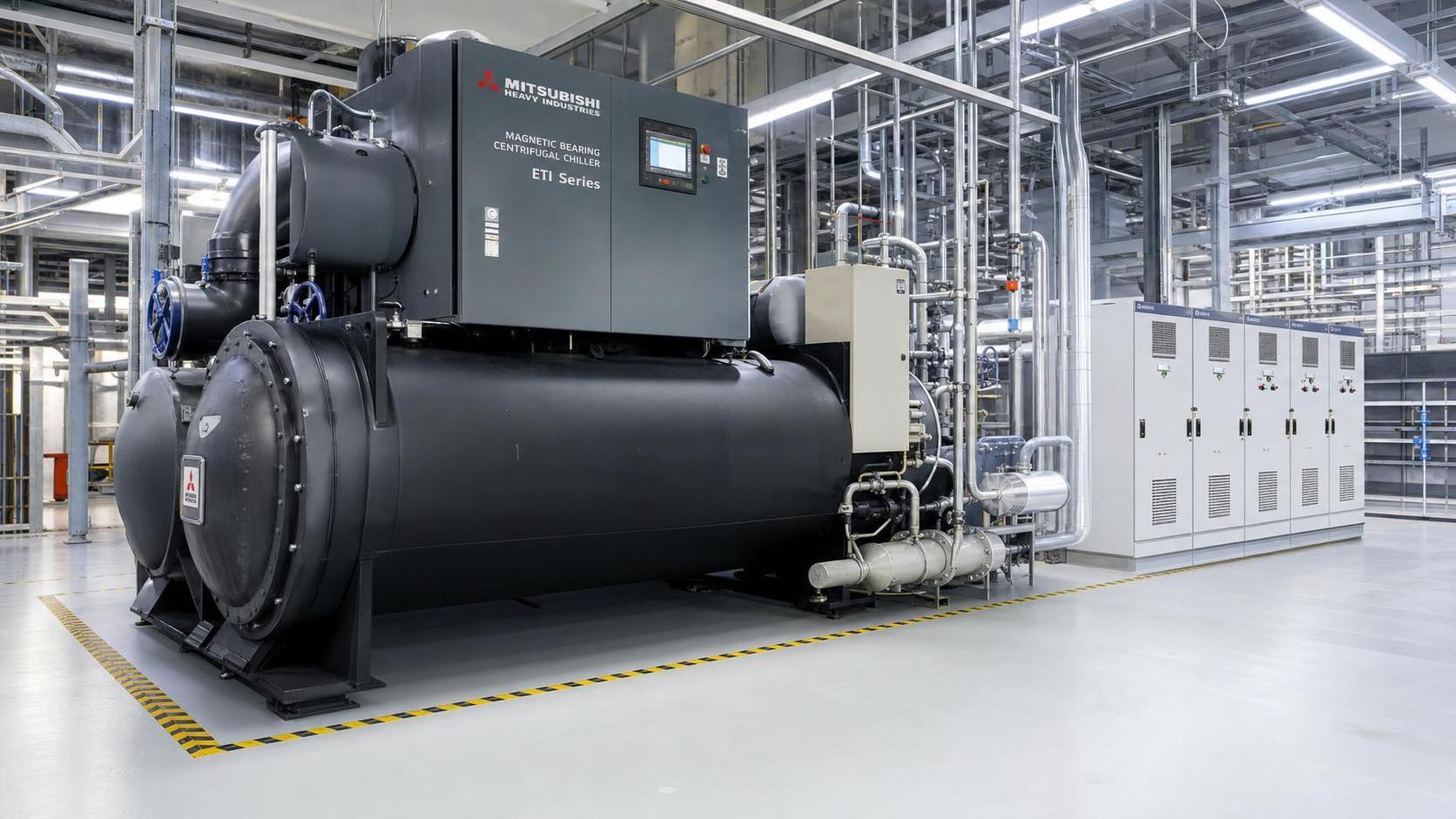
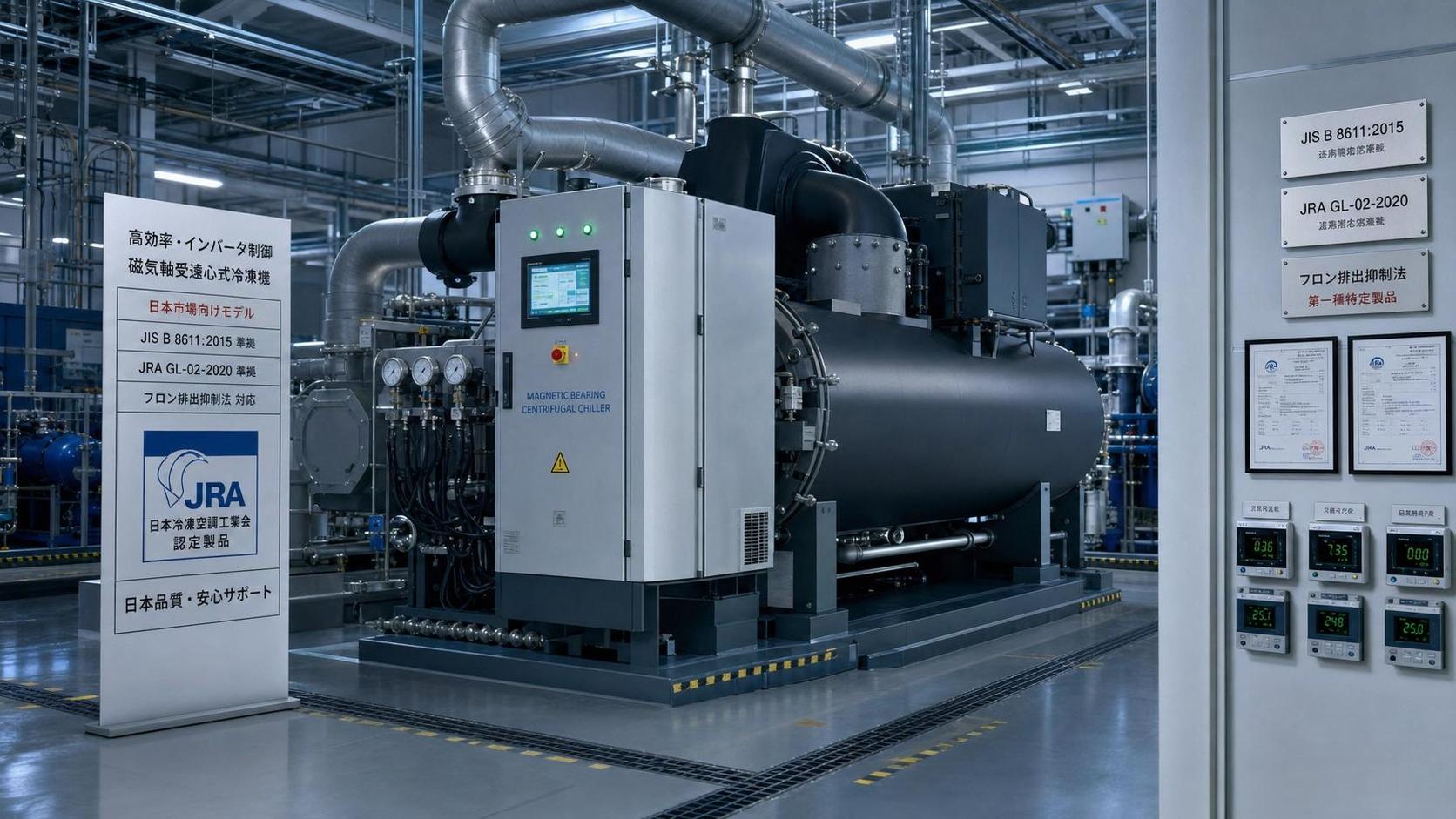
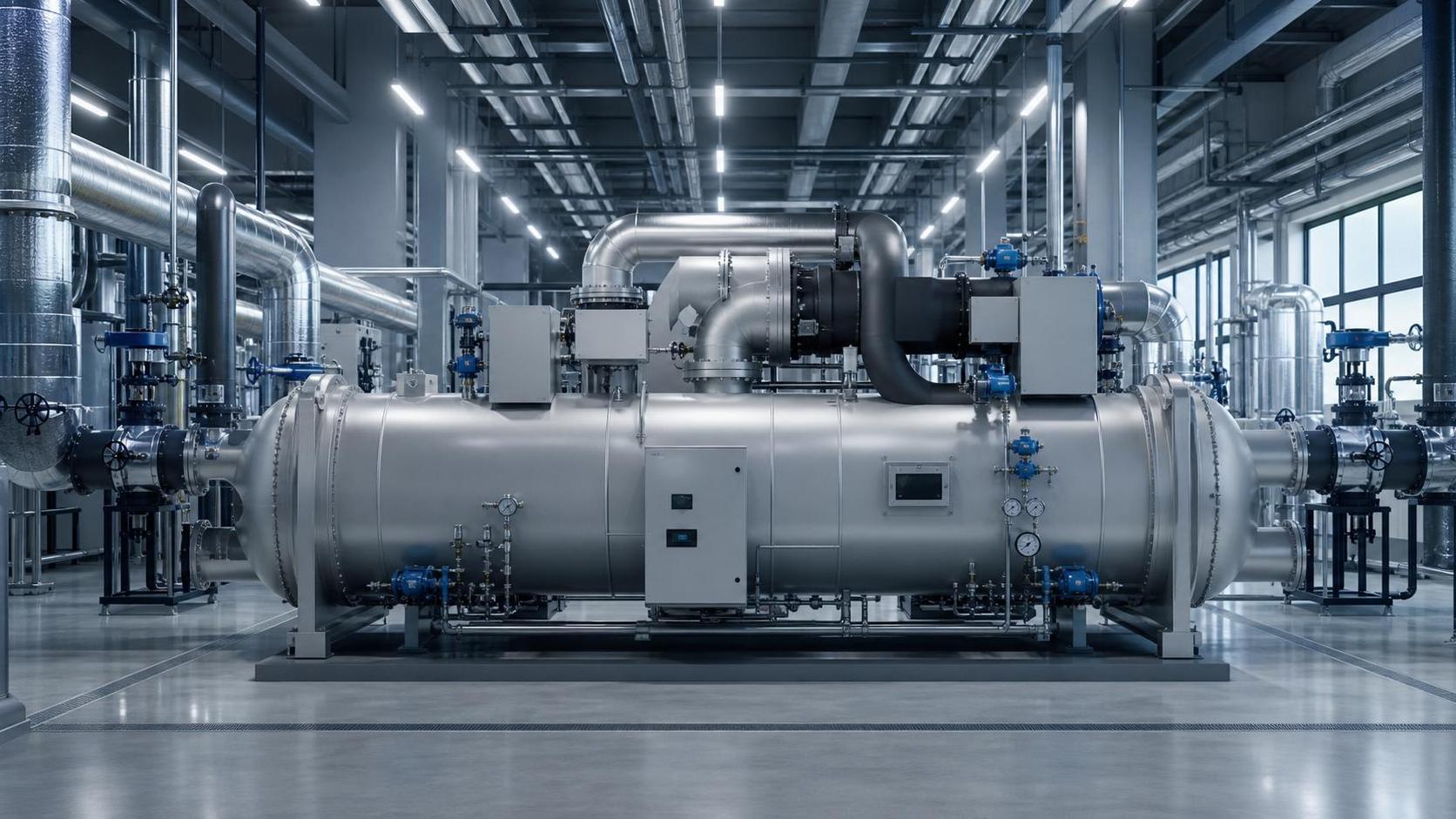
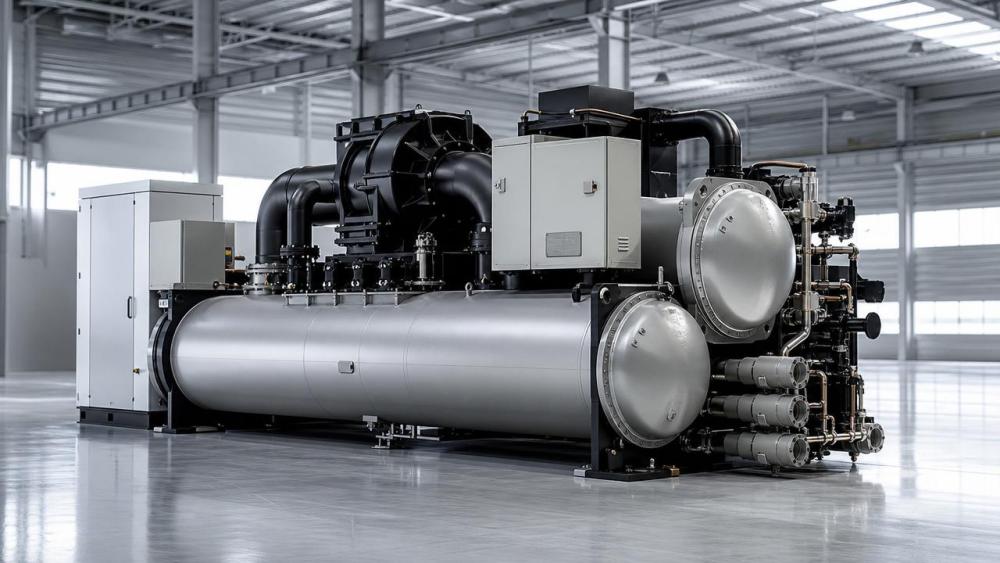
On May 13, 2026, the Ministry of Industry and Information Technology (MIIT) initiated its 2026 national industrial energy conservation inspection campaign, with magnetic bearing centrifugal chillers explicitly named as a key focus. This regulatory action reflects heightened policy attention on both energy efficiency transparency and climate-friendly refrigerant transition—two interlinked priorities under China’s dual carbon goals and evolving global environmental compliance frameworks.
Event Overview
On May 13, 2026, the General Office of MIIT issued an official notice designating magnetic bearing centrifugal chillers as priority targets for the 2026 Industrial Energy Conservation Inspection. The inspection will rigorously verify the authenticity of energy efficiency labels and assess progress in phasing out R134a refrigerant across production lines. No further scope expansion, timeline adjustments, or enforcement penalties were specified in the initial notice.
Industries Affected
Direct Export Enterprises
Export-oriented chiller manufacturers face dual compliance pressure: domestic inspections now directly inform product conformity assessments required for overseas markets. Since many export models share platforms with domestic units, discrepancies uncovered during MIIT checks—especially regarding refrigerant labeling or undocumented R134a usage—may trigger re-evaluation of ASME Section VIII, UL 1995, or EU F-Gas Regulation Annex IV documentation. This increases pre-shipment verification lead time and raises risk of customs holds in key destinations including the U.S., EU, and South Korea.
Raw Material Procurement Enterprises
Suppliers of refrigerants, lubricants, and hermetic motor components must adapt procurement specifications to align with verified low-GWP alternatives (e.g., R1234ze, R515B). Sudden shifts in OEM demand—driven by audit readiness—can strain supply continuity, particularly for R515B, which remains subject to limited domestic production capacity and import dependency. Procurement teams are advised to review contractual clauses on refrigerant substitution timelines and traceability requirements.
Manufacturing Enterprises
Chiller OEMs and contract manufacturers must validate production-line refrigerant charging procedures, update test protocols to reflect new working fluids, and revise technical files supporting energy label declarations. Notably, magnetic bearing systems require recalibration of compressor control logic and thermal management when switching from R134a to higher-pressure or lower-density alternatives—impacting yield rates and factory acceptance testing (FAT) duration.
Supply Chain Service Providers
Certification bodies, third-party testing labs, and energy efficiency labeling consultants are experiencing increased demand for gap assessments, retrofit validation reports, and GWP-compliance audits. However, current national accreditation guidelines (CNAS) do not yet specify standardized test methods for R1234ze/R515B performance under Chinese GB/T 18430.1–2023 conditions—creating interpretation variance across service providers.
Key Focus Areas and Recommended Actions
Verify Refrigerant Declaration Consistency Across Documentation Layers
Manufacturers should cross-check refrigerant type listed on nameplates, user manuals, energy efficiency labels, and factory test reports. Inconsistencies—even if unintentional—may be interpreted as labeling fraud under Article 27 of the Energy Conservation Law, triggering administrative penalties and mandatory product recalls.
Accelerate Technical Validation of Low-GWP Alternatives Under Real-World Operating Conditions
R1234ze and R515B exhibit different thermodynamic behavior versus R134a—particularly at part-load and high-ambient conditions common in southern Chinese cities. Firms should prioritize field trials over lab-only data to support both MIIT inspection evidence and export certification renewal packages.
Update Internal Traceability Systems to Support Batch-Level Refrigerant Tracking
Effective July 2026, MIIT inspectors may request batch-level records linking refrigerant lot numbers to specific chiller serial numbers. ERP and MES systems must capture this linkage at charging station level—not just at model or production-line level—to meet evidentiary thresholds.
Editorial Perspective / Industry Observation
Observably, this inspection is not primarily about punitive enforcement—it functions as a de facto industry-wide stress test for the refrigerant transition roadmap outlined in the 14th Five-Year Plan for National Climate Change Response. Analysis shows that only ~37% of domestic magnetic chiller production lines have completed full R134a replacement as of Q1 2026, per voluntary disclosures to the China Refrigeration Industry Association. Current more noteworthy than the inspection itself is the timing: it precedes the 2027 revision cycle for GB/T 18430.1, suggesting MIIT intends to use field findings to inform next-generation efficiency thresholds and refrigerant restrictions. From an industry perspective, this signals a shift from ‘voluntary adoption’ to ‘audit-driven acceleration’—a dynamic better understood as regulatory scaffolding rather than abrupt policy tightening.
Conclusion
This initiative marks a structural inflection point: energy efficiency regulation is converging with chemical substance governance in HVAC manufacturing. Rather than treating refrigerant phaseout and labeling compliance as separate compliance tasks, forward-looking firms are integrating them into unified product lifecycle governance frameworks—from R&D formulation through after-sales service. A rational interpretation is that the 2026 inspection serves less as a one-off enforcement event and more as a calibration exercise ahead of broader sectoral decarbonization mandates expected post-2027.
Source Attribution
Official source: Notice on Launching the 2026 National Industrial Energy Conservation Inspection Work, General Office of MIIT, Document No. MIIT-Energy [2026] 17, issued May 13, 2026.
Additional reference: GB/T 18430.1–2023 Performance Standard for Electrically Driven Water-Chilling Packages Using the Vapor Compression Cycle; Draft Amendment under public consultation (due June 2026).
Note: MIIT has not yet published inspection sampling methodology, penalty thresholds, or appeal procedures—these remain under active observation.
Recommended News
 Magnetic Bearing ChillersDOE Updates ASHRAE 90.1-2025 Appendix: Maglev Chiller Efficiency Up 12%Analyst :Industrial Cooling Architect
 Magnetic Bearing ChillersAre magnetic bearing chillers worth the upfront premium?Analyst :Industrial Cooling Architect
 Magnetic Bearing ChillersMIIT Launches 2026 Industrial Energy Conservation InspectionAnalyst :Industrial Cooling Architect
 Magnetic Bearing ChillersWhere magnetic bearing technology delivers real savingsAnalyst :Industrial Cooling Architect
 Magnetic Bearing ChillersU.S. Inflation Reignites Rate Hike Bets, Pressuring USD Pricing for Maglev Chiller ExportsAnalyst :Industrial Cooling Architect
 Magnetic Bearing ChillersAre energy efficient chillers worth the higher upfront cost?Analyst :Industrial Cooling Architect
![]() Magnetic Bearing ChillersMiddle East Adopts IEC 63166:2025 for Maglev ChillersAnalyst :Industrial Cooling Architect
Magnetic Bearing ChillersMiddle East Adopts IEC 63166:2025 for Maglev ChillersAnalyst :Industrial Cooling Architect Magnetic Bearing ChillersWhen does magnetic bearing technology justify the cost?Analyst :Industrial Cooling Architect
 Magnetic Bearing ChillersG7 Prioritizes Critical Minerals Supply Chain SecurityAnalyst :Industrial Cooling Architect
 Magnetic Bearing ChillersAre energy efficient chillers worth the upfront costAnalyst :Industrial Cooling Architect
 Magnetic Bearing ChillersHow magnetic bearing technology cuts chiller downtimeAnalyst :Industrial Cooling Architect
 Magnetic Bearing ChillersIs magnetic bearing technology worth the upgrade?Analyst :Industrial Cooling Architect
 Magnetic Bearing ChillersMagnetic Bearing Technology in Chillers: Efficiency, Maintenance, and LimitsAnalyst :Industrial Cooling Architect
 Magnetic Bearing ChillersJapan Adds Mandatory Chiller Vibration RuleAnalyst :Industrial Cooling Architect
 Magnetic Bearing ChillersASHRAE Raises Magnetic Chiller IPLV Floor by 12%Analyst :Industrial Cooling Architect
 Magnetic Bearing ChillersMagnetic Bearing Chillers vs Screw Chillers: Which Fits High-Efficiency Buildings?Analyst :Industrial Cooling Architect
 Magnetic Bearing ChillersArgentina Ends Bearing Duties, Easing Chiller ExportsAnalyst :Industrial Cooling Architect
 Magnetic Bearing ChillersPD-8 Jet Engine Plan Signals Chiller Export RequirementsAnalyst :Industrial Cooling Architect
![]() Magnetic Bearing ChillersEU FDI Screening Rule Adds AI Chiller FilingsAnalyst :Industrial Cooling Architect
Magnetic Bearing ChillersEU FDI Screening Rule Adds AI Chiller FilingsAnalyst :Industrial Cooling Architect![]() Magnetic Bearing ChillersMagnetic Bearing Chillers vs Screw Chillers: Which Fits High-Efficiency HVAC Projects?Analyst :Industrial Cooling Architect
Magnetic Bearing ChillersMagnetic Bearing Chillers vs Screw Chillers: Which Fits High-Efficiency HVAC Projects?Analyst :Industrial Cooling Architect Magnetic Bearing ChillersHow Magnetic Bearing Technology Improves Chiller Efficiency and Cuts MaintenanceAnalyst :Industrial Cooling Architect
 Magnetic Bearing ChillersEnergy Efficient Chillers Explained: Which Performance Metrics Matter Most Before Buying?Analyst :Industrial Cooling Architect
 Magnetic Bearing ChillersJapan Raises Efficiency Bar for Magnetic Bearing ChillersAnalyst :Industrial Cooling Architect
 Magnetic Bearing ChillersJapan Tightens JIS B 8605-2026 for Magnetic Bearing ChillersAnalyst :Industrial Cooling Architect
 Magnetic Bearing ChillersJapan Raises Efficiency Bar for Magnetic Bearing ChillersAnalyst :Industrial Cooling Architect
 Magnetic Bearing ChillersUS Countervailing Probe Targets Chiller LocalizationAnalyst :Industrial Cooling Architect
 Magnetic Bearing ChillersDOJ Opens CVD Probe on China Maglev ChillersAnalyst :Industrial Cooling Architect
 Magnetic Bearing ChillersMaglev Chiller Lead Times Stretch to 22 WeeksAnalyst :Industrial Cooling Architect
 Magnetic Bearing ChillersMagnetic Bearing Chiller Lead Times Stretch to 22 WeeksAnalyst :Industrial Cooling Architect
 Magnetic Bearing ChillersMagnetic Bearing Chillers Cost Breakdown: CAPEX, Energy Savings, and MaintenanceAnalyst :Industrial Cooling Architect
 Magnetic Bearing ChillersVDE Green Chillers List Speeds CE Path for Magnetic Bearing ChillersAnalyst :Industrial Cooling Architect