Industry News
Curation by industry experts
Hot Articles
- Cold Chain & Retail Energy InsightsHow North American Cold Facilities Can Benchmark Refrigeration System Efficiency
- -86℃ ULT FreezersHow to Select Medical Cryogenic Vials for Long-Term Sample Storage
- Cold Chain & Retail Energy InsightsFood-Grade Panel Requirements for Hygienic Meat Cold Storage Systems
Popular Tags
Where magnetic bearing technology delivers real savings
For business evaluators under pressure to cut lifecycle costs without sacrificing reliability, magnetic bearing technology stands out as more than an engineering upgrade.
In industrial chillers, cold storage systems, and other refrigeration assets, it reduces energy use, trims maintenance, and improves uptime.
The key decision is practical: where does magnetic bearing technology create measurable savings fastest, and where is the payback strongest?
Across the broad refrigeration value chain observed by CCRS, the answer depends on load profile, operating hours, service difficulty, and the cost of instability.
Where the savings case starts: matching magnetic bearing technology to operating reality
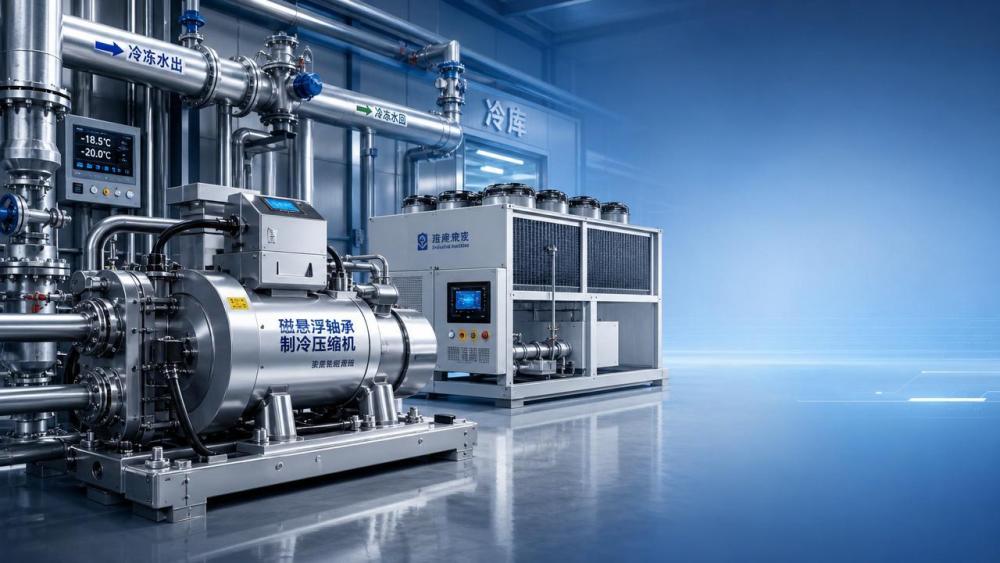
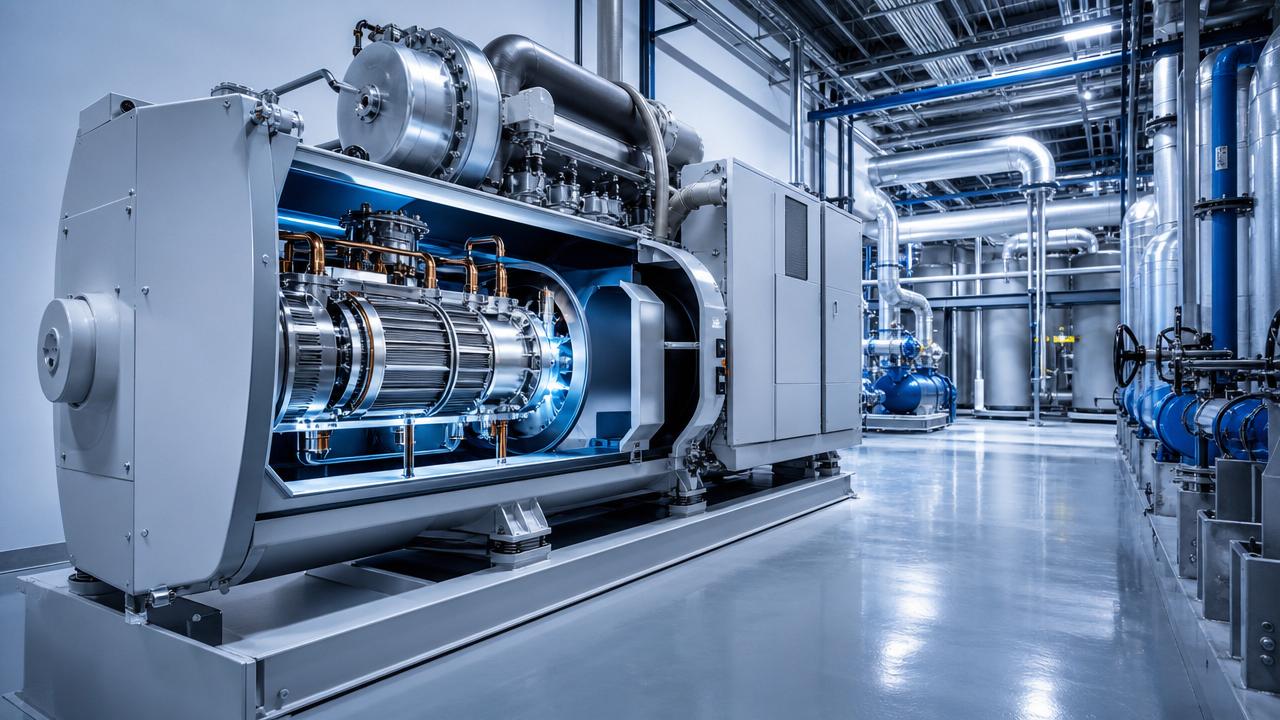
Magnetic bearing technology supports oil-free, low-friction operation in high-speed compressors and chillers.
That engineering change matters most in systems running long hours, cycling often, or demanding precise temperature control.
The strongest savings rarely come from nameplate efficiency alone.
They usually come from three combined effects: lower part-load power, fewer wear-related interventions, and less contamination risk inside the refrigeration circuit.
In the comprehensive cooling sector, these benefits become more visible when downtime is expensive or ambient conditions vary sharply.
Why savings vary by scenario
Not every facility uses cooling in the same way.
A food hub with continuous compressor demand behaves differently from a factory with shifting thermal peaks.
A medical storage site values stability differently from a commercial building focused on utility bills.
That is why magnetic bearing technology should be judged by application economics, not by technology appeal.
Scenario 1: industrial chillers with variable loads often deliver the fastest energy savings
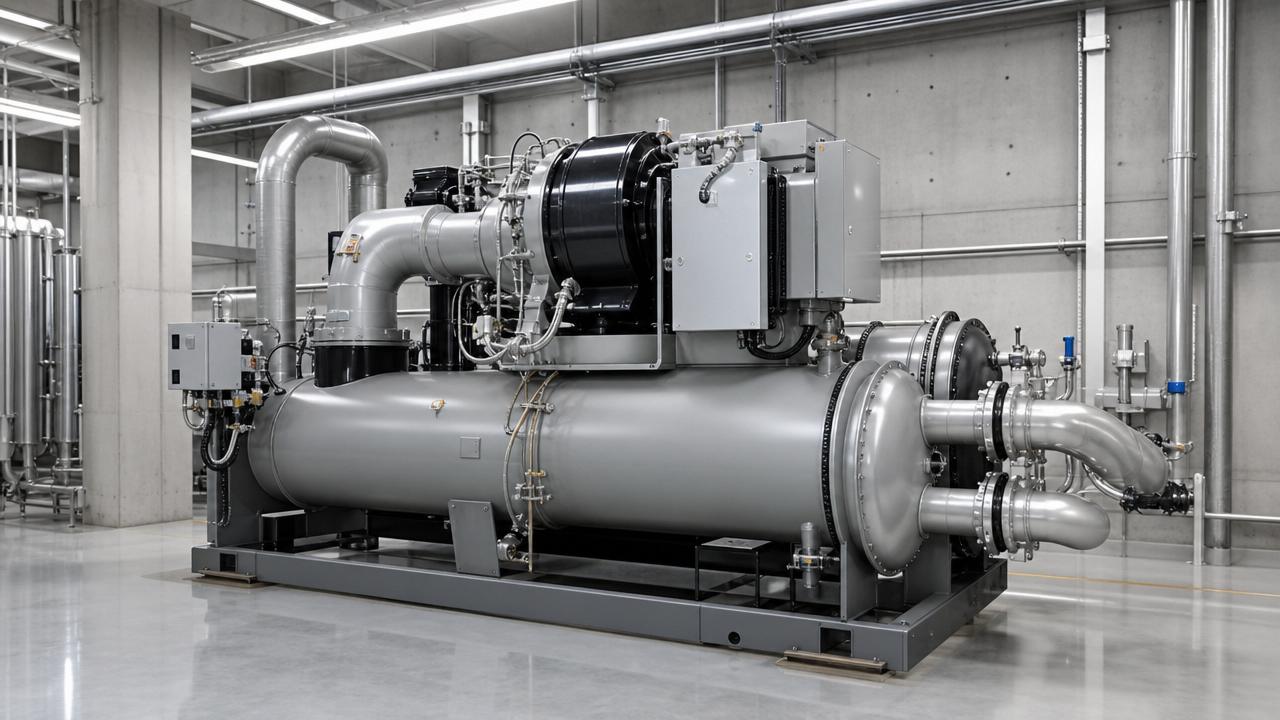
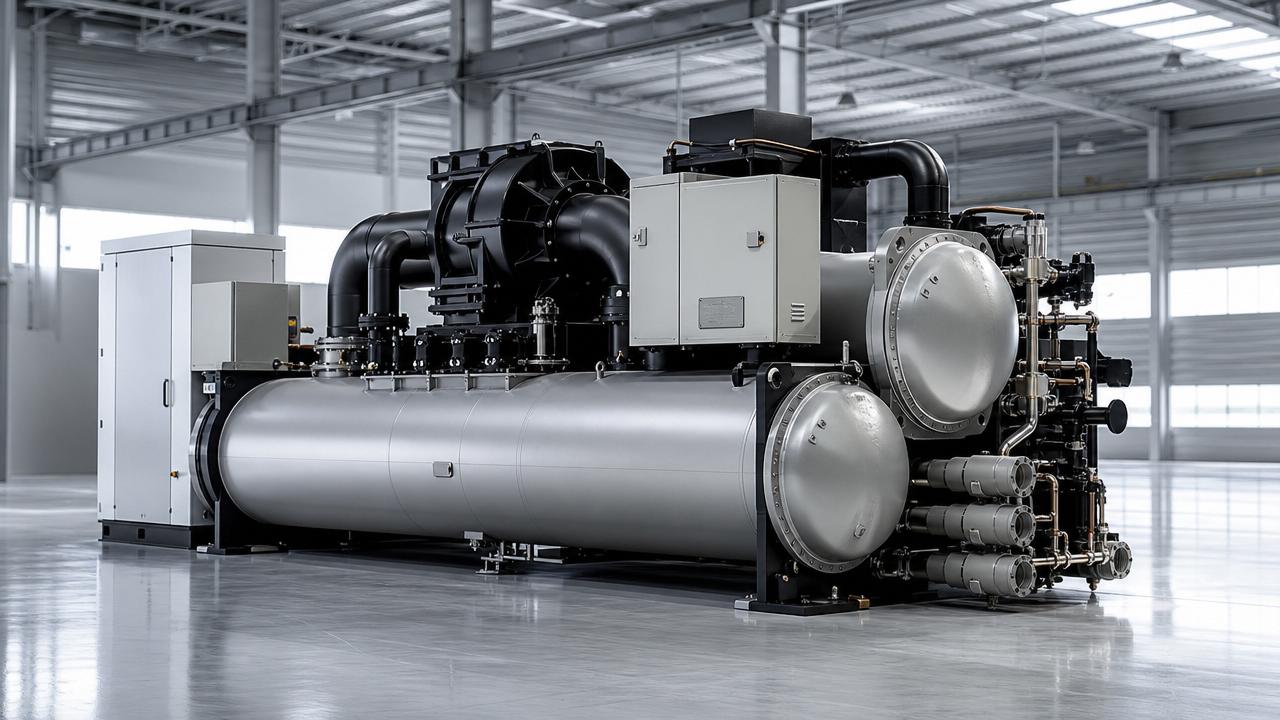
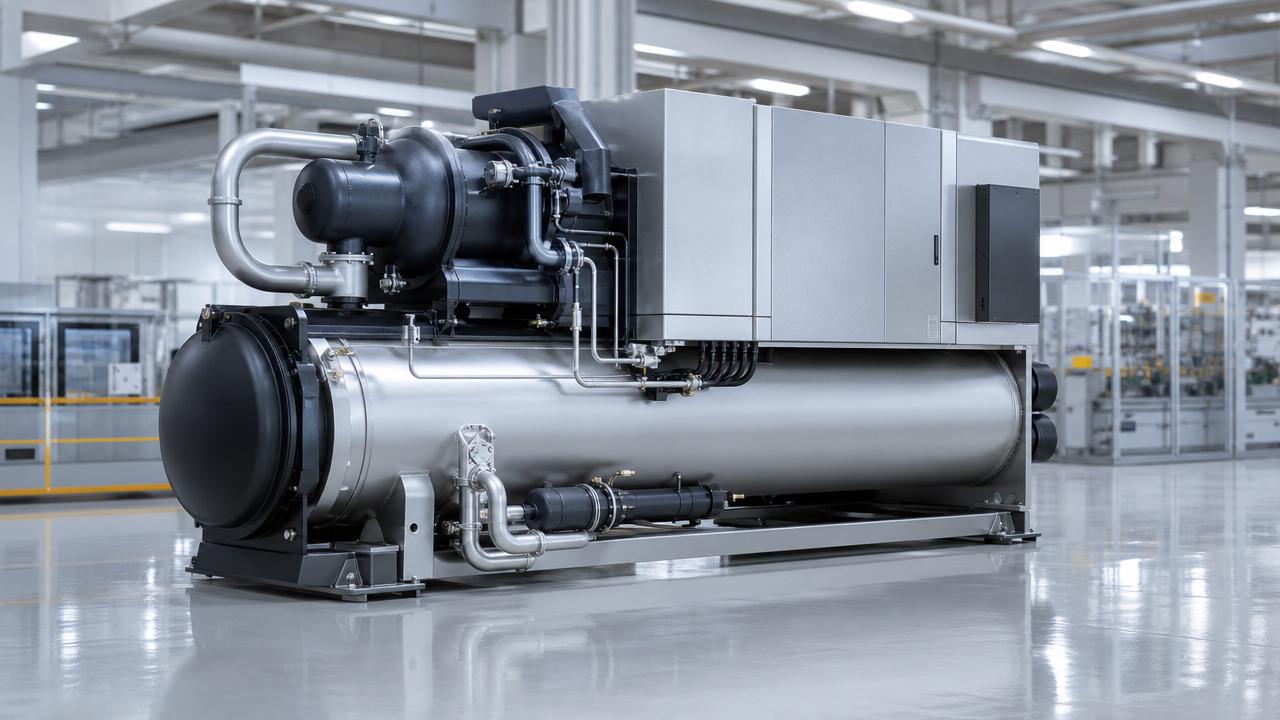
Industrial chillers are one of the clearest use cases for magnetic bearing technology.
Factories rarely operate at one stable load all day.
Laser cutting, injection molding, electronics cooling, and process water loops create frequent demand swings.
In these conditions, part-load efficiency becomes more valuable than peak design performance.
Magnetic bearing technology performs well because oil-free compression and high-speed control help maintain efficiency across a wider operating range.
This can lower annual power consumption and reduce the hidden penalties of unstable chilled water temperatures.
Core judgment points
- Load changes more than 20% across the day
- Cooling runs for extended annual hours
- Electricity tariffs punish daytime peaks
- Temperature drift affects product quality or machine yield
Where these signals appear together, magnetic bearing technology usually moves from “premium option” to “cost-control tool.”
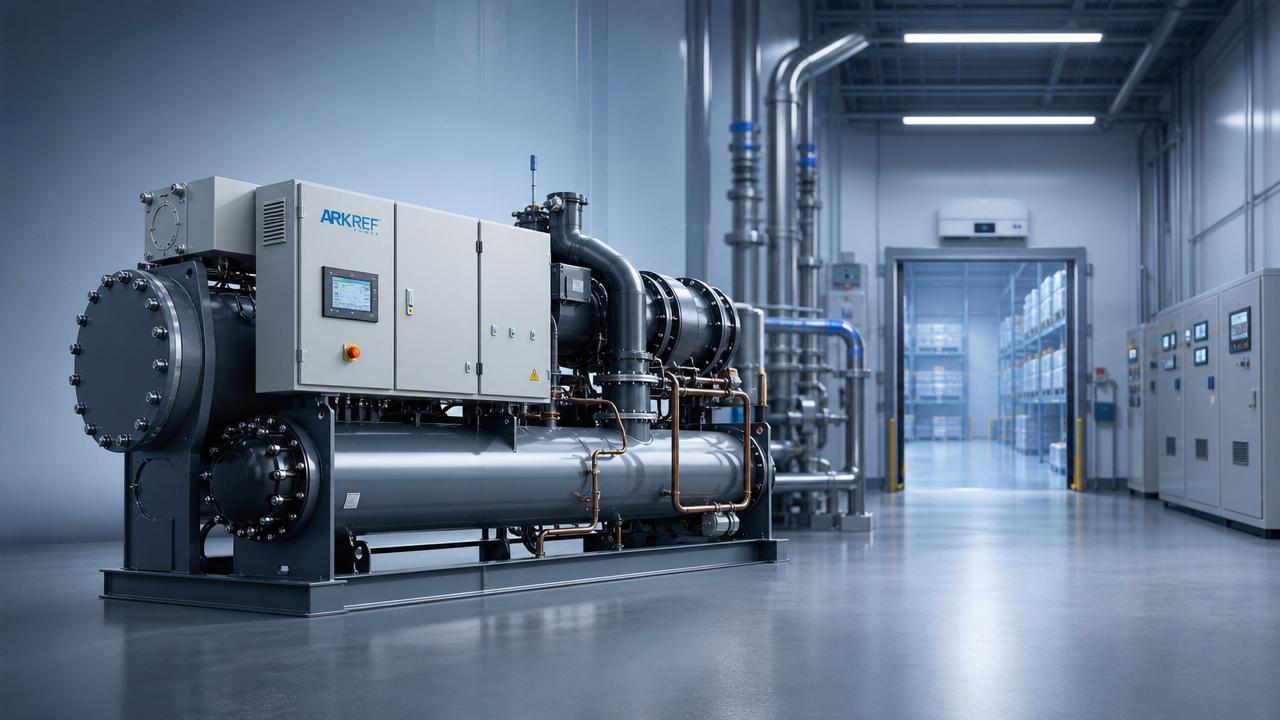
Scenario 2: cold storage and refrigerated logistics save more when uptime risk is costly
Cold storage economics are not defined only by kilowatt-hours.
They are shaped by spoilage risk, emergency service cost, and the financial impact of temperature excursions.
In large cold chain hubs, compressor reliability directly protects stored value.
Magnetic bearing technology can help here by reducing mechanical wear points and limiting oil-management complications.
That matters in facilities handling meat, seafood, produce, vaccines, or sensitive pharmaceuticals.
When service access is difficult or shutdown windows are short, maintenance reduction becomes a real economic advantage.
Best-fit cold chain conditions
The savings case strengthens when a site operates around the clock, carries high inventory value, or faces penalties for delivery interruption.
It also strengthens when natural refrigerant strategies demand tighter system optimization and cleaner internal operation.
Scenario 3: medical and deep-cryogenic environments benefit when stability outranks simple payback
In ultra-low temperature and medical refrigeration, failure costs can exceed energy costs by a wide margin.
Samples, biologics, and vaccines require strict temperature continuity.
For these sites, magnetic bearing technology adds value through vibration reduction, controlled performance, and lower maintenance intrusion.
The direct utility savings may be moderate compared with industrial chillers.
However, the avoided cost of product loss, regulatory deviation, and emergency response can justify adoption quickly.
Core judgment points
- Temperature excursions create high compliance risk
- Maintenance access must be minimized
- Asset reliability is tied to research or patient supply continuity
- The cost of one failure event is exceptionally high
How different scenarios change the magnetic bearing technology value equation
Practical recommendations: when magnetic bearing technology is the right fit
A sound decision starts with operating data, not brochure claims.
Review annual load curves, service records, failure frequency, and the full cost of interruption.
- Prioritize systems with long hours and unstable loads.
- Model lifecycle cost, not only upfront capital.
- Include maintenance labor, oil-management tasks, and spare part risk.
- Quantify the value of uptime in revenue, product protection, or compliance.
- Check integration with controls, variable-speed logic, and refrigerant strategy.
This method aligns well with CCRS intelligence practices, where thermodynamic performance and business consequence must be evaluated together.
Common misjudgments that weaken the savings case
The most common mistake is treating magnetic bearing technology as universally superior in every installation.
If a system runs near constant load, has low annual hours, and cheap maintenance access, savings may be slower.
Another mistake is using simple payback alone.
That approach can ignore avoided failures, cleaner heat transfer surfaces, and reduced service disruption.
A third mistake is overlooking controls.
Magnetic bearing technology works best when matched with intelligent staging, stable sensors, and a realistic system design envelope.
What to do next if savings potential looks promising
Start with one shortlist of assets where energy intensity, maintenance burden, and outage cost are all visible.
Then compare those assets by scenario, not by equipment category alone.
For many refrigeration and cooling operations, the best early targets are variable-load industrial chillers and high-value cold storage systems.
Where reliability carries exceptional business value, magnetic bearing technology can deliver savings far beyond the electricity bill.
In short, magnetic bearing technology delivers real savings fastest where load variability, uptime pressure, and service cost intersect.
That is the point where engineering refinement turns into measurable commercial advantage.
Recommended News
 Magnetic Bearing ChillersDOE Updates ASHRAE 90.1-2025 Appendix: Maglev Chiller Efficiency Up 12%Analyst :Industrial Cooling Architect
 Magnetic Bearing ChillersAre magnetic bearing chillers worth the upfront premium?Analyst :Industrial Cooling Architect
 Magnetic Bearing ChillersMIIT Launches 2026 Industrial Energy Conservation InspectionAnalyst :Industrial Cooling Architect
 Magnetic Bearing ChillersWhere magnetic bearing technology delivers real savingsAnalyst :Industrial Cooling Architect
 Magnetic Bearing ChillersU.S. Inflation Reignites Rate Hike Bets, Pressuring USD Pricing for Maglev Chiller ExportsAnalyst :Industrial Cooling Architect
 Magnetic Bearing ChillersAre energy efficient chillers worth the higher upfront cost?Analyst :Industrial Cooling Architect
![]() Magnetic Bearing ChillersMiddle East Adopts IEC 63166:2025 for Maglev ChillersAnalyst :Industrial Cooling Architect
Magnetic Bearing ChillersMiddle East Adopts IEC 63166:2025 for Maglev ChillersAnalyst :Industrial Cooling Architect Magnetic Bearing ChillersWhen does magnetic bearing technology justify the cost?Analyst :Industrial Cooling Architect
 Magnetic Bearing ChillersG7 Prioritizes Critical Minerals Supply Chain SecurityAnalyst :Industrial Cooling Architect
 Magnetic Bearing ChillersAre energy efficient chillers worth the upfront costAnalyst :Industrial Cooling Architect
 Magnetic Bearing ChillersHow magnetic bearing technology cuts chiller downtimeAnalyst :Industrial Cooling Architect
 Magnetic Bearing ChillersIs magnetic bearing technology worth the upgrade?Analyst :Industrial Cooling Architect
 Magnetic Bearing ChillersMagnetic Bearing Technology in Chillers: Efficiency, Maintenance, and LimitsAnalyst :Industrial Cooling Architect
 Magnetic Bearing ChillersJapan Adds Mandatory Chiller Vibration RuleAnalyst :Industrial Cooling Architect
 Magnetic Bearing ChillersASHRAE Raises Magnetic Chiller IPLV Floor by 12%Analyst :Industrial Cooling Architect
 Magnetic Bearing ChillersMagnetic Bearing Chillers vs Screw Chillers: Which Fits High-Efficiency Buildings?Analyst :Industrial Cooling Architect
 Magnetic Bearing ChillersArgentina Ends Bearing Duties, Easing Chiller ExportsAnalyst :Industrial Cooling Architect
 Magnetic Bearing ChillersPD-8 Jet Engine Plan Signals Chiller Export RequirementsAnalyst :Industrial Cooling Architect
![]() Magnetic Bearing ChillersEU FDI Screening Rule Adds AI Chiller FilingsAnalyst :Industrial Cooling Architect
Magnetic Bearing ChillersEU FDI Screening Rule Adds AI Chiller FilingsAnalyst :Industrial Cooling Architect![]() Magnetic Bearing ChillersMagnetic Bearing Chillers vs Screw Chillers: Which Fits High-Efficiency HVAC Projects?Analyst :Industrial Cooling Architect
Magnetic Bearing ChillersMagnetic Bearing Chillers vs Screw Chillers: Which Fits High-Efficiency HVAC Projects?Analyst :Industrial Cooling Architect Magnetic Bearing ChillersHow Magnetic Bearing Technology Improves Chiller Efficiency and Cuts MaintenanceAnalyst :Industrial Cooling Architect
 Magnetic Bearing ChillersEnergy Efficient Chillers Explained: Which Performance Metrics Matter Most Before Buying?Analyst :Industrial Cooling Architect
 Magnetic Bearing ChillersJapan Raises Efficiency Bar for Magnetic Bearing ChillersAnalyst :Industrial Cooling Architect
 Magnetic Bearing ChillersJapan Tightens JIS B 8605-2026 for Magnetic Bearing ChillersAnalyst :Industrial Cooling Architect
 Magnetic Bearing ChillersJapan Raises Efficiency Bar for Magnetic Bearing ChillersAnalyst :Industrial Cooling Architect
 Magnetic Bearing ChillersUS Countervailing Probe Targets Chiller LocalizationAnalyst :Industrial Cooling Architect
 Magnetic Bearing ChillersDOJ Opens CVD Probe on China Maglev ChillersAnalyst :Industrial Cooling Architect
 Magnetic Bearing ChillersMaglev Chiller Lead Times Stretch to 22 WeeksAnalyst :Industrial Cooling Architect
 Magnetic Bearing ChillersMagnetic Bearing Chiller Lead Times Stretch to 22 WeeksAnalyst :Industrial Cooling Architect
 Magnetic Bearing ChillersMagnetic Bearing Chillers Cost Breakdown: CAPEX, Energy Savings, and MaintenanceAnalyst :Industrial Cooling Architect
 Magnetic Bearing ChillersVDE Green Chillers List Speeds CE Path for Magnetic Bearing ChillersAnalyst :Industrial Cooling Architect