Industry News
Curation by industry experts
Hot Articles
- Cold Chain & Retail Energy InsightsCold Chain Technology: How Sensors and Automation Prevent Temperature Excursions
- Cold Chain & Retail Energy InsightsHow North American Cold Facilities Can Benchmark Refrigeration System Efficiency
- -86℃ ULT FreezersHow to Select Medical Cryogenic Vials for Long-Term Sample Storage
Popular Tags
What defines energy efficient cooling in real projects
In real projects, energy efficient cooling is defined not by a single performance claim, but by measurable lifecycle value: lower power use, stable temperature control, refrigerant compliance, and reduced maintenance risk. For business evaluators comparing chillers, compressors, cold storage, or ultra-low temperature systems, the real question is how efficiently a solution performs under actual operating loads, cost pressures, and sustainability targets.
What does energy efficient cooling actually mean in real projects?
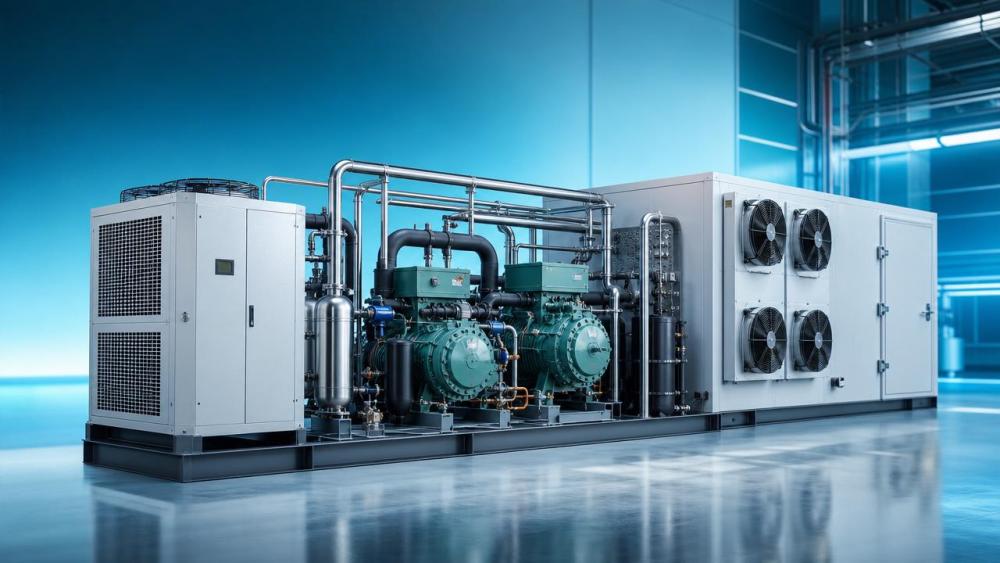
Energy efficient cooling means delivering required temperature results with the lowest practical total energy input across the full operating cycle.
That definition sounds simple, but real projects are rarely simple.
A system may look efficient at full load, yet waste power during partial load, defrost periods, standby hours, or seasonal extremes.
True energy efficient cooling is therefore measured by field performance, not only laboratory ratings.
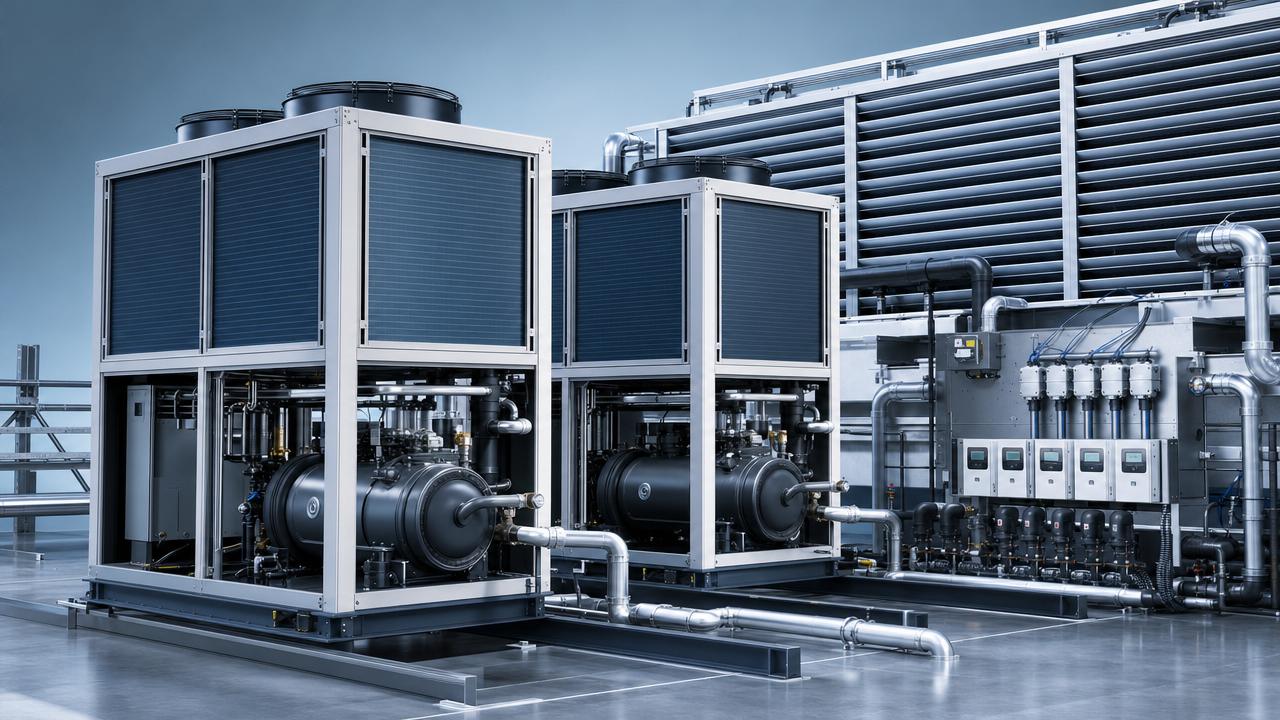
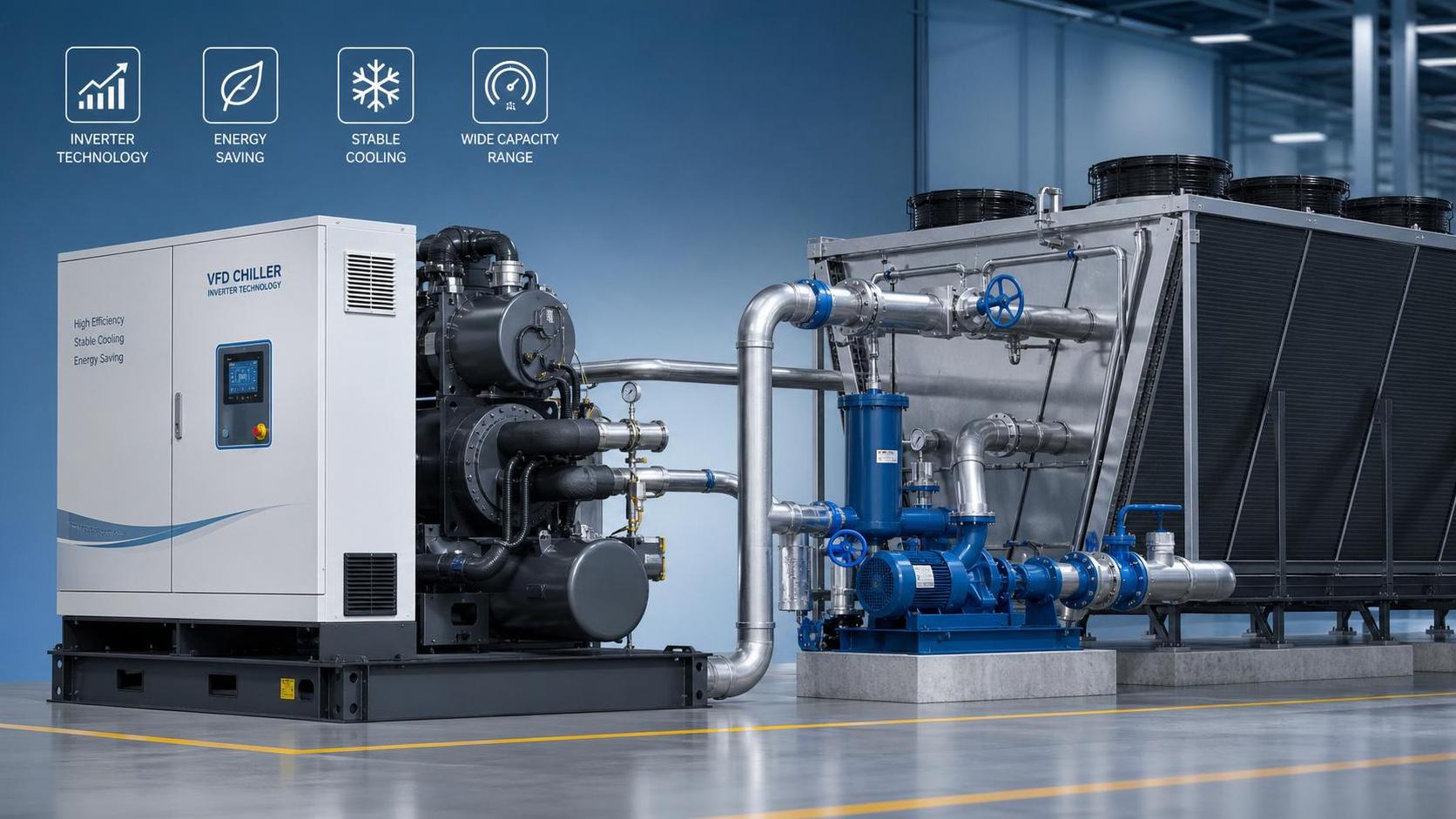
For industrial chillers, this means stable output under fluctuating heat loads.
For cold storage compressors, it means precise suction control, low leakage risk, and consistent efficiency during long operating hours.
For commercial refrigeration cabinets, it means air curtain balance, anti-fog performance, and reduced cold loss during frequent door openings.
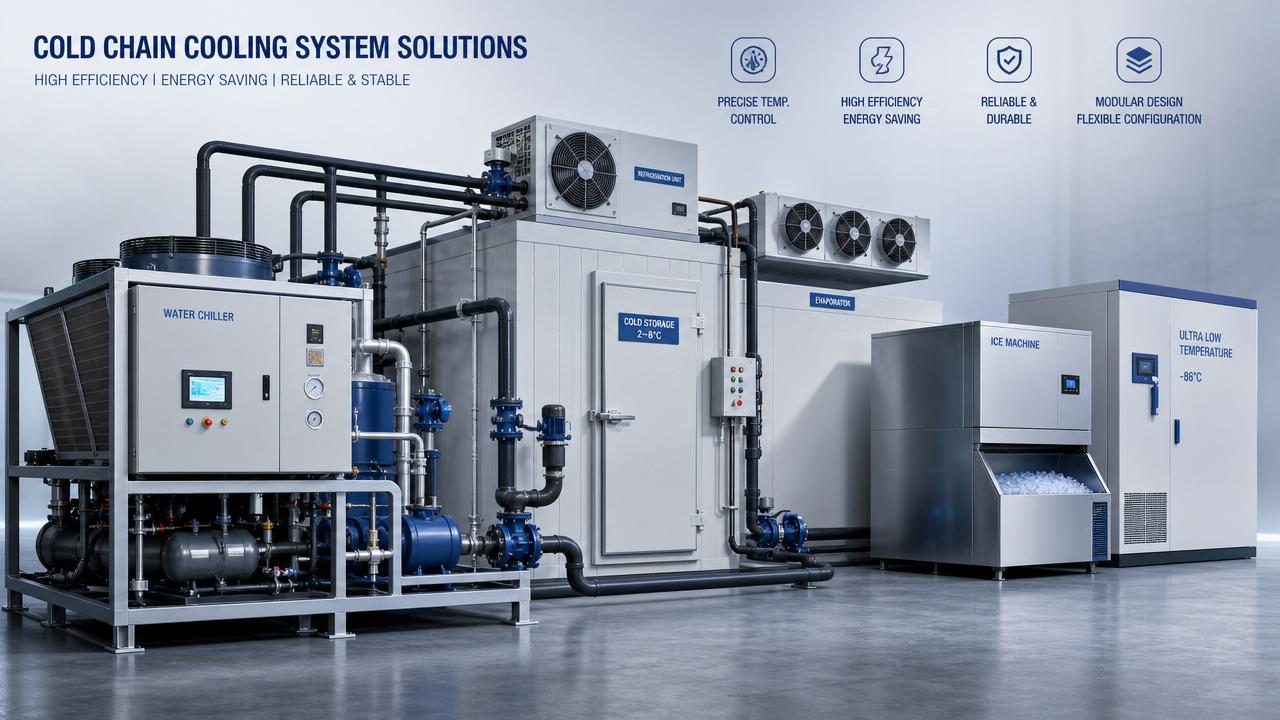
For ultra-low temperature freezers, it means holding deep-cryogenic stability without excessive compressor stress or runaway electricity costs.
In all cases, energy efficient cooling combines thermodynamic design, intelligent controls, equipment matching, and maintenance discipline.
Key indicators that define the term
- Power consumption per unit of cooling delivered
- Part-load efficiency across daily operating patterns
- Temperature stability and recovery speed
- Refrigerant compliance and leakage control
- Maintenance frequency and spare part burden
- Lifecycle cost instead of purchase price alone
Which applications need a stricter view of energy efficient cooling?
The stricter the temperature requirement, the more careful the definition becomes.
Industrial, food, retail, and biomedical environments all use cooling differently.
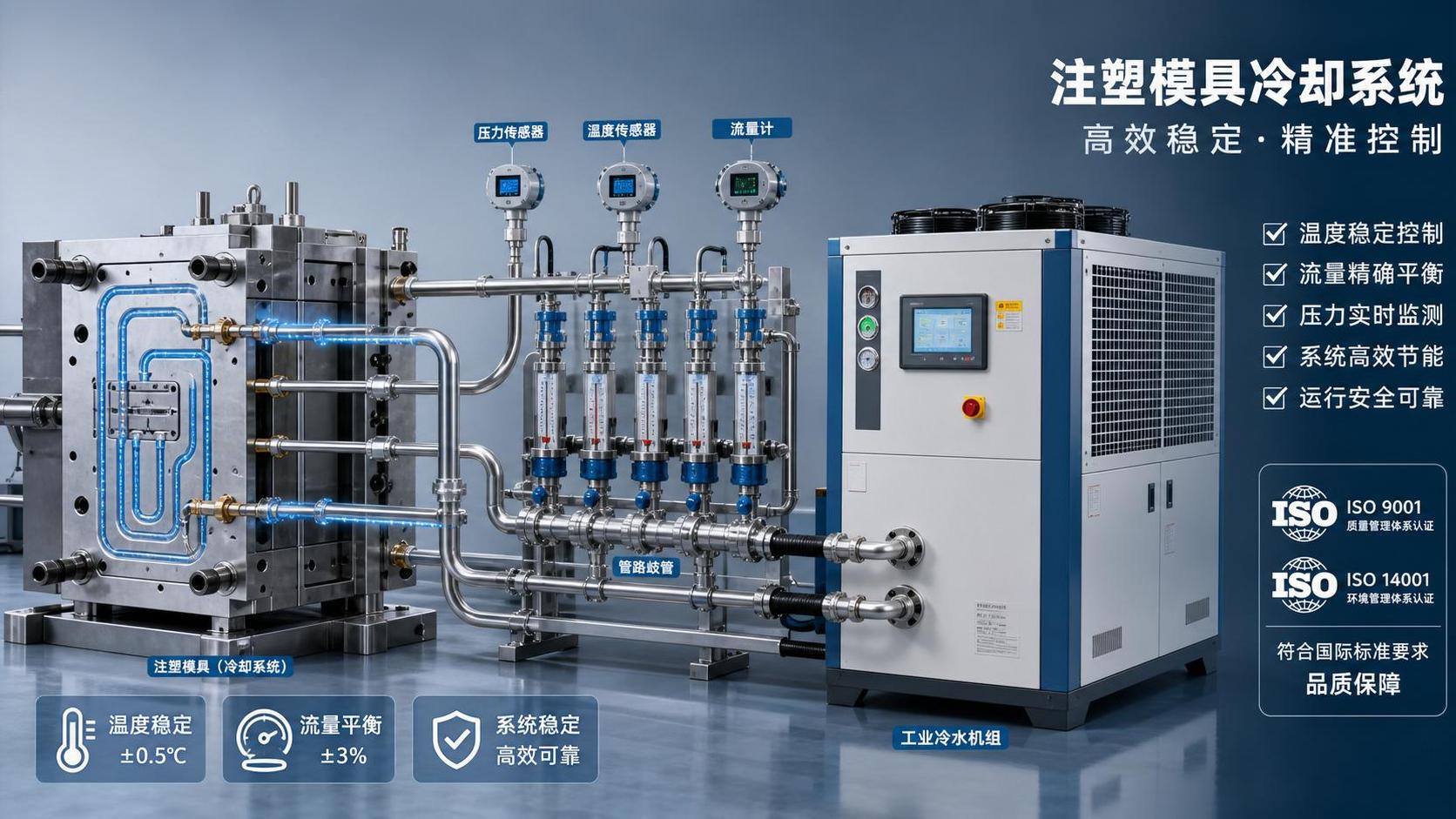
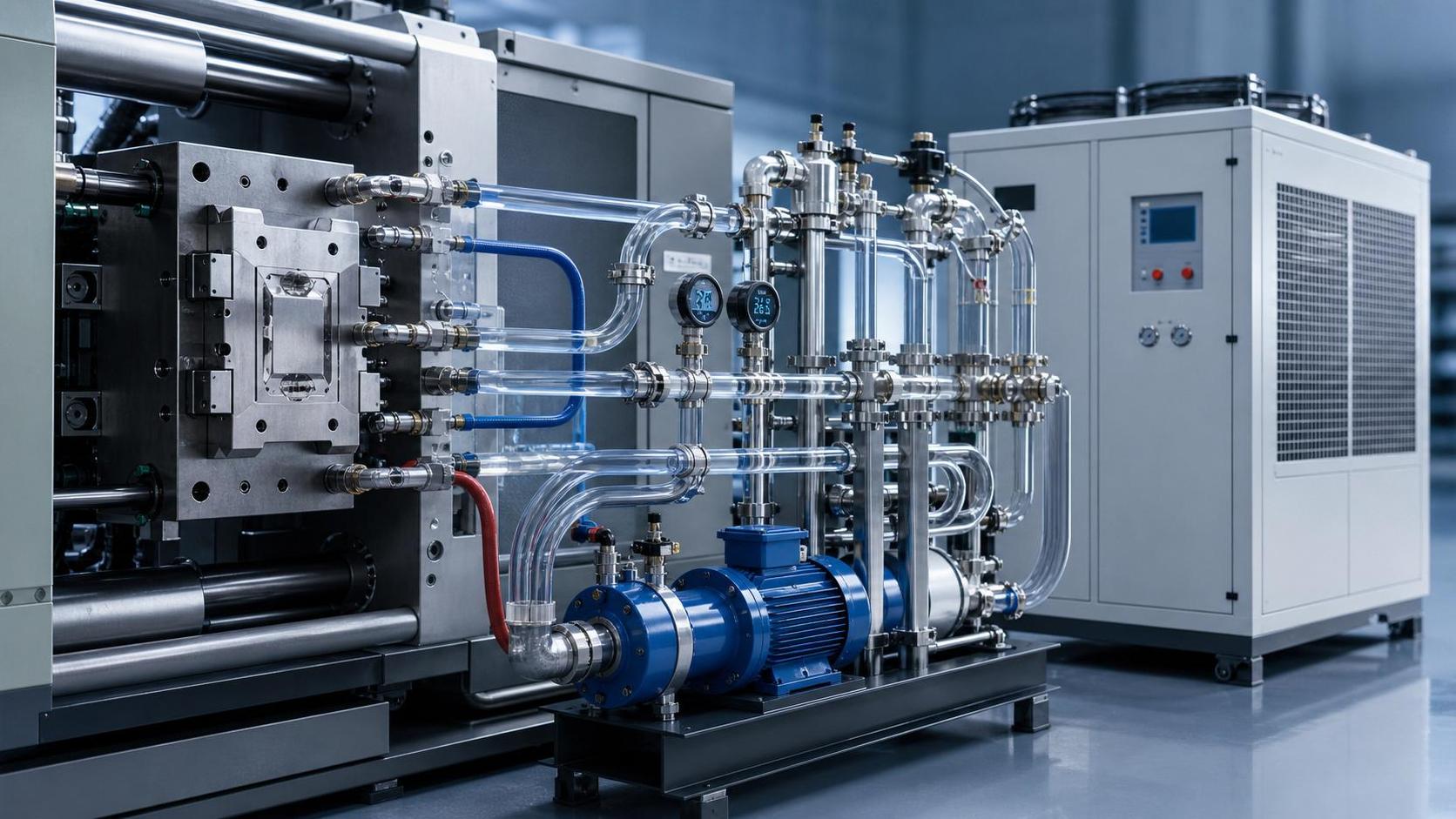
In laser processing or injection molding, cooling systems must react quickly to variable thermal loads.
In these settings, energy efficient cooling depends heavily on inverter control, heat exchanger cleanliness, and pump coordination.
In cold storage hubs, the challenge is continuous operation.
Even small inefficiencies multiply when compressors run around the clock.
For commercial ice machines, energy efficient cooling also includes water efficiency, harvest timing, and ice thickness control.
For supermarket cabinets, display performance and energy performance must work together.
If better product visibility increases cold air loss, the apparent efficiency gain disappears.
In medical deep-cryogenic storage, safety margins cannot be traded away for lower power use.
Here, energy efficient cooling means reducing waste while preserving exact thermal security.
Typical high-impact scenarios
- Factories with variable production shifts
- Cold chain centers handling mixed products
- Retail stores with frequent door openings
- Biopharma storage requiring precise low temperatures
- Large ice-making installations in hot climates
How can energy efficient cooling be judged beyond marketing claims?
The best evaluation starts with operating reality.
Any claim should be tested against load profile, ambient conditions, runtime hours, and control strategy.
A unit with strong nameplate efficiency may still underperform if oversized.
Oversizing often causes short cycling, unstable control, and unnecessary compressor wear.
By contrast, a properly matched system can achieve better energy efficient cooling with lower peak specifications.
Control logic matters just as much as hardware.
Variable-frequency drives, floating condensing temperatures, electronic expansion valves, and AI-based defrost logic can sharply reduce waste.
Monitoring is also essential.
Without trend data, it is difficult to detect poor setpoints, airflow imbalance, or refrigerant drift.
Practical evaluation checklist
- Check seasonal and part-load efficiency, not full-load data only.
- Review real operating temperatures and humidity ranges.
- Compare annual energy use estimates with measured benchmarks.
- Confirm refrigerant type and future compliance exposure.
- Examine maintenance access, sensor quality, and service intervals.
- Assess control integration with building or process systems.
What common mistakes weaken energy efficient cooling performance?
One common mistake is equating low purchase price with better project value.
Cooling assets often run for years, so operating cost usually outweighs initial savings.
Another mistake is ignoring system interaction.
Efficient compressors cannot fully compensate for poor insulation, leaking doors, dirty condensers, or weak airflow design.
A third mistake is using fixed settings in dynamic environments.
Static setpoints can force unnecessary cooling during low load periods.
Maintenance neglect is another hidden issue.
Small refrigerant leaks, fouled coils, fan degradation, and sensor drift can slowly erode energy efficient cooling performance.
Finally, some projects overlook regulatory direction.
A system that seems economical today may become costly if refrigerant restrictions tighten or carbon reporting expands.
Risk reminders
- Oversized units may waste energy at partial load.
- Poor insulation can erase equipment efficiency gains.
- Inadequate defrost control raises both power use and temperature risk.
- Non-compliant refrigerants may create future retrofit costs.
- Weak monitoring delays corrective action.
How do cost, lifecycle, and compliance shape energy efficient cooling decisions?
Energy efficient cooling should be assessed through total lifecycle economics.
This includes electricity, maintenance, downtime risk, refrigerant management, and future retrofit needs.
In many projects, the most efficient path is not the most complex design.
It is the design that best fits load behavior, climate, and service capability.
Compliance now plays a stronger role than before.
Natural refrigerants, lower-GWP options, and stricter leakage expectations are reshaping project standards worldwide.
That means energy efficient cooling is no longer only an engineering topic.
It is also a strategic issue involving environmental policy, export readiness, and long-term asset resilience.
Organizations following global cold chain and refrigeration intelligence increasingly compare solutions through both efficiency and compliance readiness.
FAQ comparison table
What is the best next step when evaluating energy efficient cooling?
Start with measured demand, not generic specifications.
Map the project’s thermal profile, seasonal conditions, target temperatures, and uptime sensitivity.
Then compare options using annual energy impact, refrigerant strategy, service complexity, and expected lifecycle cost.
Where possible, request operating case data from similar installations.
That approach gives a more reliable picture of energy efficient cooling than brochure language alone.
For projects involving chillers, cold storage compressors, commercial ice machines, refrigeration cabinets, or ultra-low temperature systems, disciplined evaluation reduces both cost and uncertainty.
In practice, energy efficient cooling is defined by verified performance, system fit, and readiness for tomorrow’s standards.
A strong next move is to build a decision checklist covering load profile, controls, refrigerant pathway, maintenance plan, and efficiency verification before final selection.
Recommended News
 Precision ChillersIndustrial Chillers: What Causes Performance Gaps in Summer?Analyst :Industrial Cooling Architect
 Precision ChillersWhat to compare before buying energy efficient chillersAnalyst :Industrial Cooling Architect
 Precision Chillers2026 China Refrigeration Expo Concludes: Liquid Cooling for Data Centers Gains Global AttentionAnalyst :Industrial Cooling Architect
 Precision ChillersWhat defines energy efficient cooling in real projectsAnalyst :Industrial Cooling Architect
 Precision ChillersUS Court Rules Trump-Era Global Tariffs Lack Legal BasisAnalyst :Industrial Cooling Architect
 Precision ChillersHow to compare temperature control systems with confidenceAnalyst :Industrial Cooling Architect
 Precision ChillersWhy does temperature control fail in precision cooling?Analyst :Industrial Cooling Architect
 Precision ChillersTemperature Control Systems for Process Cooling: Key Specs to CompareAnalyst :Industrial Cooling Architect
![]() Precision ChillersIndustrial Cooling System Selection: Air-Cooled vs Water-Cooled vs EvaporativeAnalyst :Industrial Cooling Architect
Precision ChillersIndustrial Cooling System Selection: Air-Cooled vs Water-Cooled vs EvaporativeAnalyst :Industrial Cooling Architect Precision ChillersLiquid Cooling Parts Draw Middle East Interest at Shanghai ShowAnalyst :Industrial Cooling Architect
 Precision ChillersUS Probe Into Chinese CBS Raises Sealing Supply Chain ConcernsAnalyst :Industrial Cooling Architect
 Precision ChillersWhat Is Industrial Cooling? Main System Types and How to Choose by LoadAnalyst :Industrial Cooling Architect
 Precision ChillersEnergy Efficient Chillers vs Standard Chillers: What Buyers Should Compare Before PurchaseAnalyst :Industrial Cooling Architect
 Precision ChillersHow to Choose Industrial Chillers for Process Cooling: Capacity, Accuracy, and EfficiencyAnalyst :Industrial Cooling Architect
 Precision ChillersIndustrial Cooling Problems: 7 Common Causes of Unstable Temperature and Low CapacityAnalyst :Industrial Cooling Architect
 Precision ChillersHow to Size Industrial Chillers for Process Cooling: Load, Flow, and Temperature BasicsAnalyst :Industrial Cooling Architect
 Precision ChillersHow to Choose Industrial Chillers: Capacity, Temperature Range, and Cooling MethodAnalyst :Industrial Cooling Architect
 Precision ChillersHow to Choose Energy Efficient Chillers: COP, Load Profile, and Cooling Capacity ExplainedAnalyst :Industrial Cooling Architect
 Precision ChillersHow to Size Industrial Chillers for Process Cooling: Load, Flow Rate, and Temperature GuideAnalyst :Industrial Cooling Architect
 Precision ChillersIndustrial Process Cooling: How to Match Cooling Load to the Right SystemAnalyst :Industrial Cooling Architect
 Precision ChillersHow to Compare Commercial Energy Efficient Chiller Systems Price by Load and ROIAnalyst :Industrial Cooling Architect
 Precision ChillersHow to Compare Energy Efficient Chillers with Variable Speed for Process Cooling LoadsAnalyst :Industrial Cooling Architect
 Precision ChillersRed Sea Disruption Lifts Asia-Europe Freight 42%Analyst :Industrial Cooling Architect
 Precision ChillersHow to Choose Air Cooled Chillers with Variable Speed for Stable Load ControlAnalyst :Industrial Cooling Architect
 Precision ChillersRed Sea Disruption Pushes Asia-Europe Freight Up 42%Analyst :Industrial Cooling Architect
 Precision ChillersHow to Evaluate an Energy Efficient Chillers Supplier for Industrial ProjectsAnalyst :Industrial Cooling Architect
 Precision ChillersInjection Molding Cooling Systems ISO Requirements: What to Check Before ApprovalAnalyst :Industrial Cooling Architect
 Precision ChillersHow to Choose Low-Noise Laser Cooling Systems for Precision LabsAnalyst :Industrial Cooling Architect
![]() Precision ChillersInjection Molding Cooling Systems Variable Speed: Where Energy Savings Actually Come FromAnalyst :Industrial Cooling Architect
Precision ChillersInjection Molding Cooling Systems Variable Speed: Where Energy Savings Actually Come FromAnalyst :Industrial Cooling Architect Precision ChillersIndustrial Chillers for Glycol Systems: What Capacity, Temperature Range, and Flow Rate Matter Most?Analyst :Industrial Cooling Architect
 Precision ChillersEU Opens Subsidy Probe Into China Precision ChillersAnalyst :Industrial Cooling Architect
 Precision ChillersIndustrial Injection Molding Cooling Systems: How to Size Flow, Temperature, and LoadAnalyst :Industrial Cooling Architect
 Precision ChillersTemperature Control Units vs Temperature Control Devices: What’s the Difference in Industrial Use?Analyst :Industrial Cooling Architect
 Precision ChillersCopper Spike Extends Precision Chiller Lead Times to 14 WeeksAnalyst :Industrial Cooling Architect
 Precision ChillersHow Inverter Control Improves Industrial Chiller Efficiency and Load StabilityAnalyst :Industrial Cooling Architect
 Precision ChillersHow to Compare an Energy Efficient Chillers Exporter on COP, Controls, and Lifecycle CostAnalyst :Industrial Cooling Architect
 Precision ChillersHow to Evaluate a Laser Cooling Systems Factory: Key Capabilities, Quality Checks, and Lead TimesAnalyst :Industrial Cooling Architect
 Precision ChillersHow to Size Industrial Chiller Systems for Process Cooling Loads and Ambient ConditionsAnalyst :Industrial Cooling Architect
 Precision ChillersWhat Affects Heat Exchange Efficiency in Chillers and How to Improve It?Analyst :Industrial Cooling Architect
 Precision ChillersHow to Evaluate Secure Access Features in Stem Cell Cryogenic Storage Systems?Analyst :Industrial Cooling Architect