Industry News
Curation by industry experts
Hot Articles
- Cold Chain & Retail Energy InsightsHow North American Cold Facilities Can Benchmark Refrigeration System Efficiency
- -86℃ ULT FreezersHow to Select Medical Cryogenic Vials for Long-Term Sample Storage
- Cold Chain & Retail Energy InsightsFood-Grade Panel Requirements for Hygienic Meat Cold Storage Systems
Popular Tags
Is eco-friendly refrigeration worth the higher upfront cost
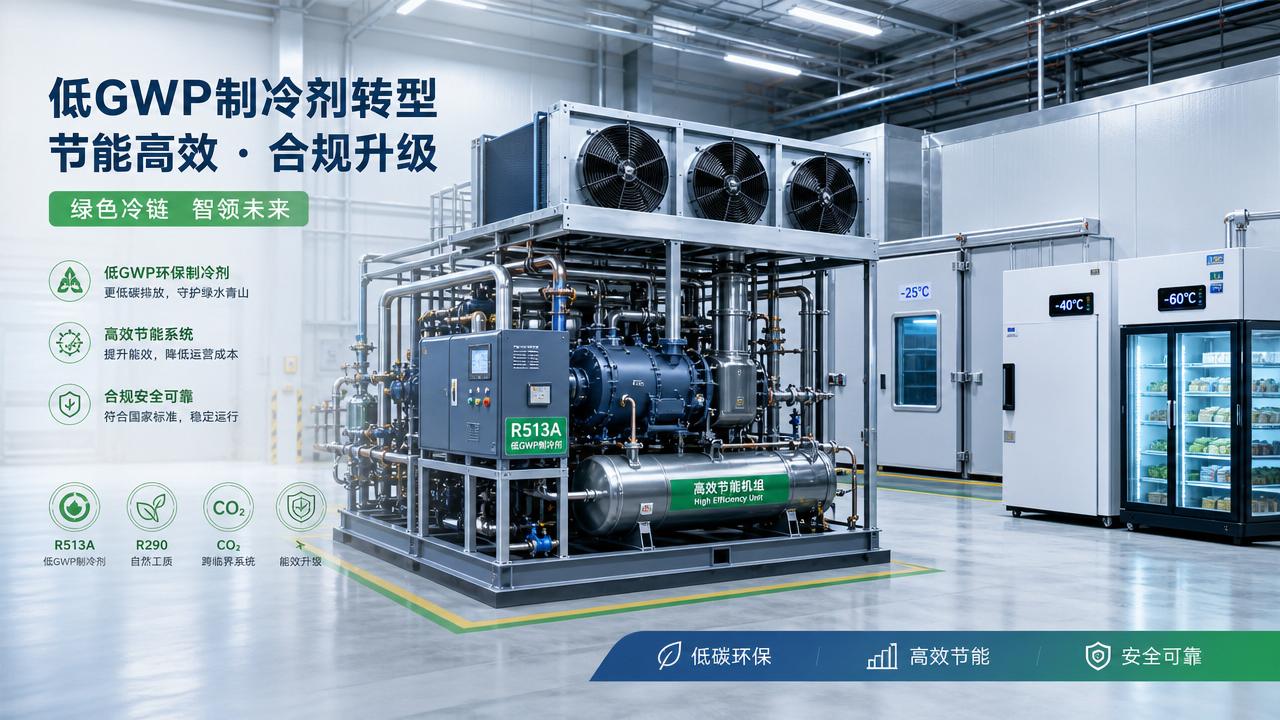
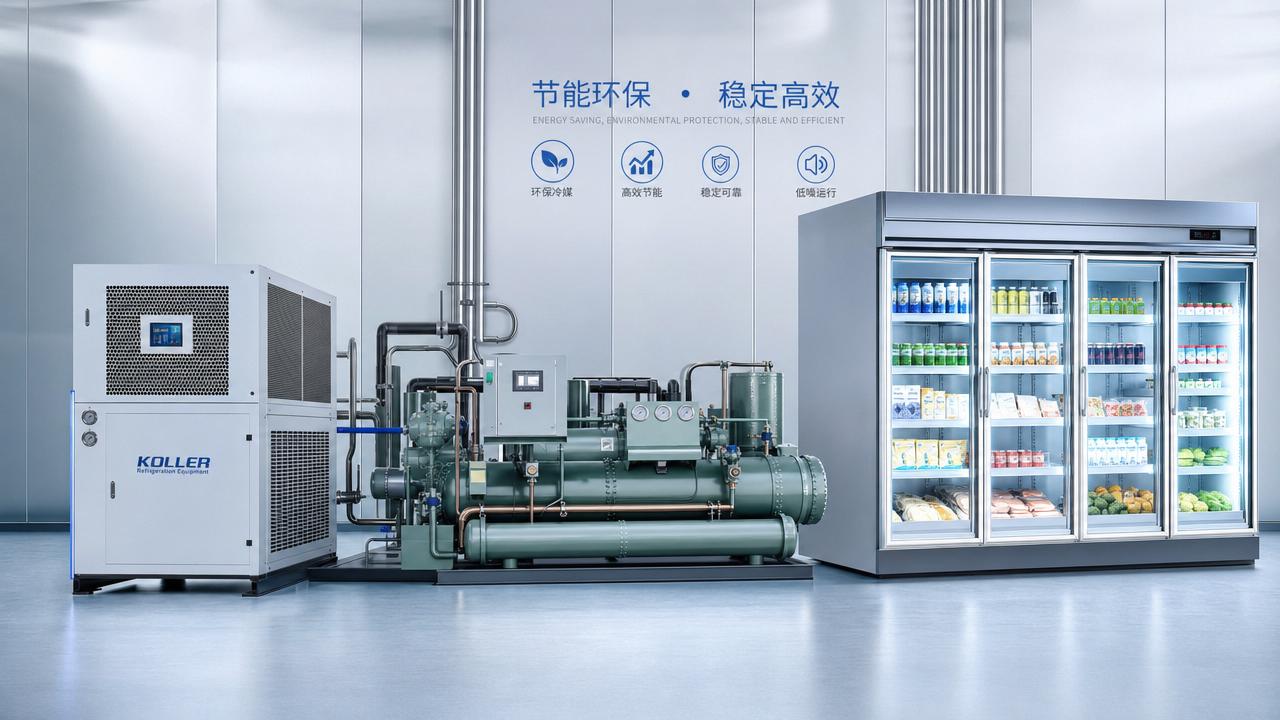
For finance approvers, the real question is not whether eco-friendly refrigeration costs more upfront, but whether it delivers stronger lifecycle returns. As energy prices rise and refrigerant regulations tighten, eco-friendly refrigeration is becoming a strategic investment that can reduce operating costs, limit compliance risk, and protect long-term asset value across commercial cold-chain and industrial cooling applications.
What does eco-friendly refrigeration actually mean?
Eco-friendly refrigeration refers to cooling systems designed to lower environmental impact without sacrificing reliability, safety, or temperature stability.
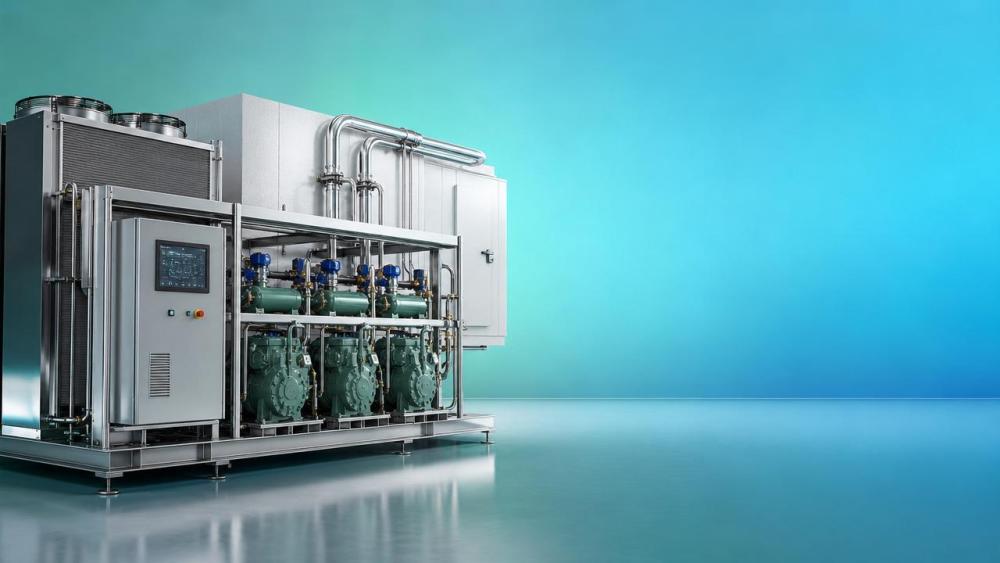
In practice, that usually involves three factors: low-GWP refrigerants, higher energy efficiency, and smarter controls across the equipment lifecycle.
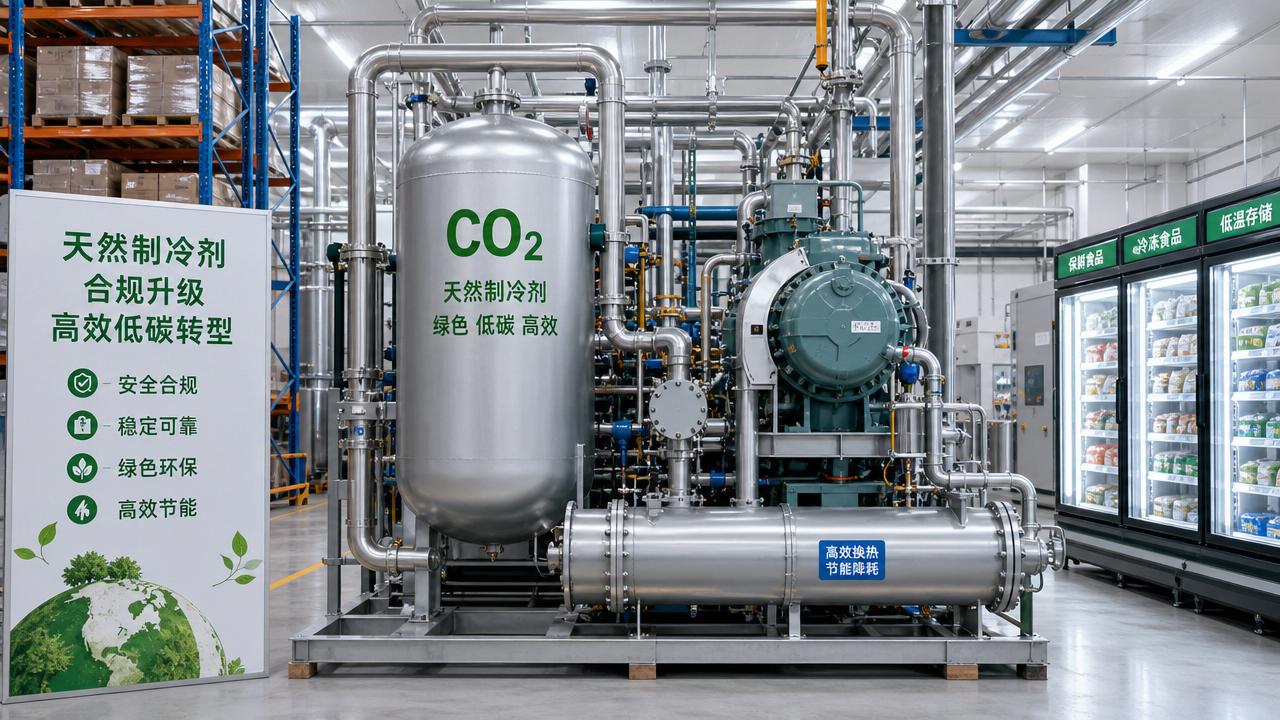
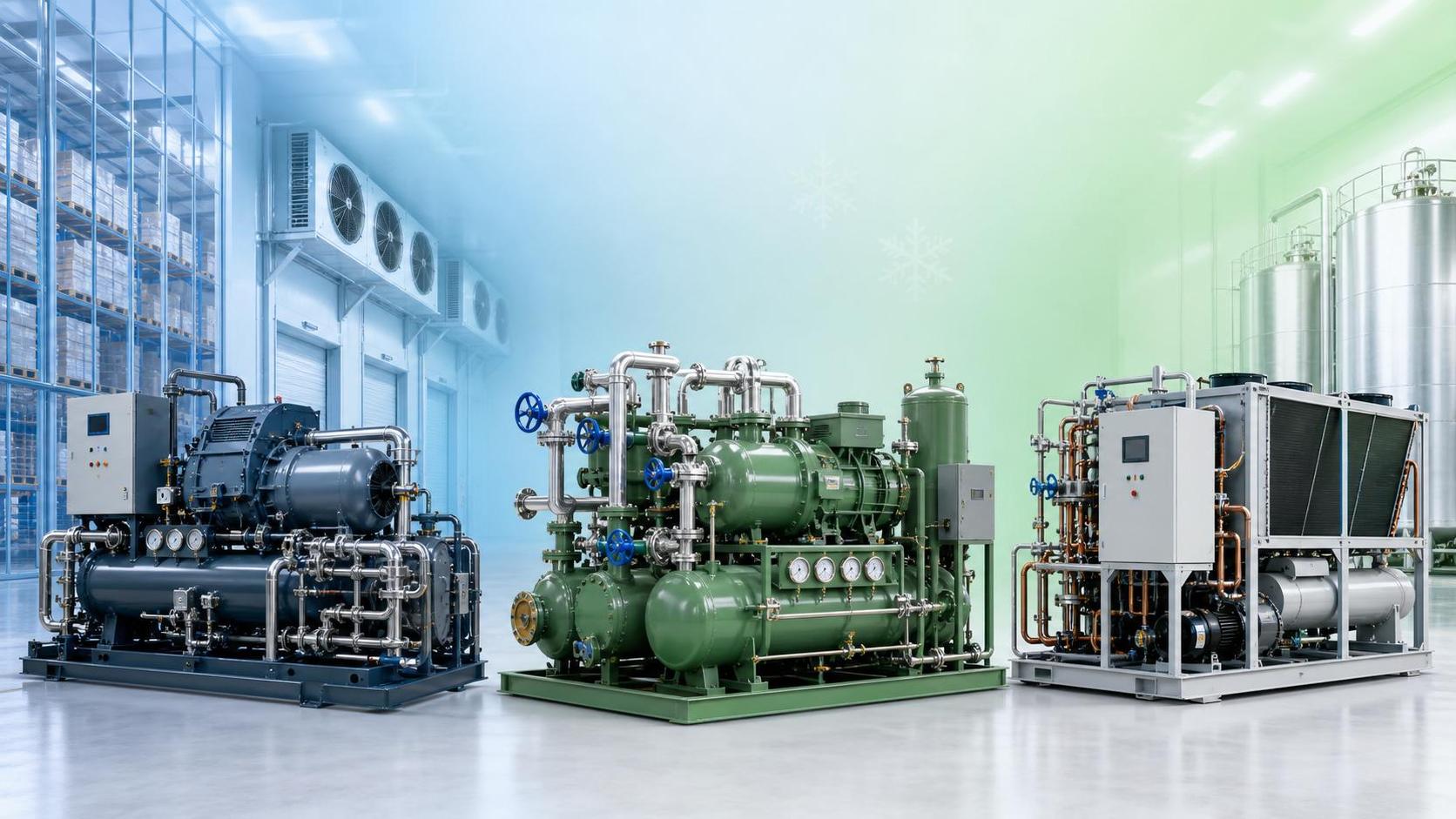
Common options include CO2 systems, hydrocarbons, ammonia-based industrial setups, and advanced HFO blends for selected applications.
The value of eco-friendly refrigeration is not only environmental. It also affects electricity bills, service intervals, refrigerant availability, and future legal exposure.
For cold-chain, food retail, pharmaceuticals, and industrial process cooling, those factors directly influence operating margins and asset planning.
That is why the higher purchase price should be viewed as one piece of a larger economic equation.
Why does eco-friendly refrigeration cost more upfront?
The initial premium often comes from engineering complexity, component quality, compliance design, and installation requirements.
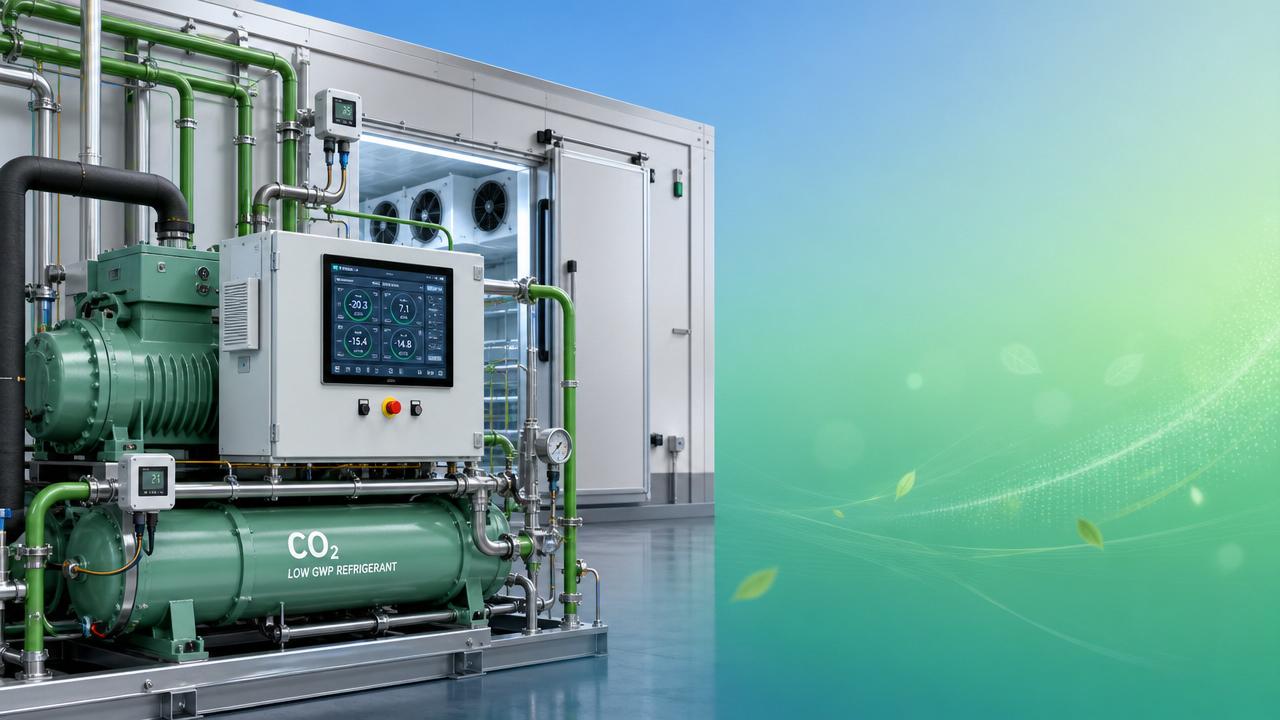
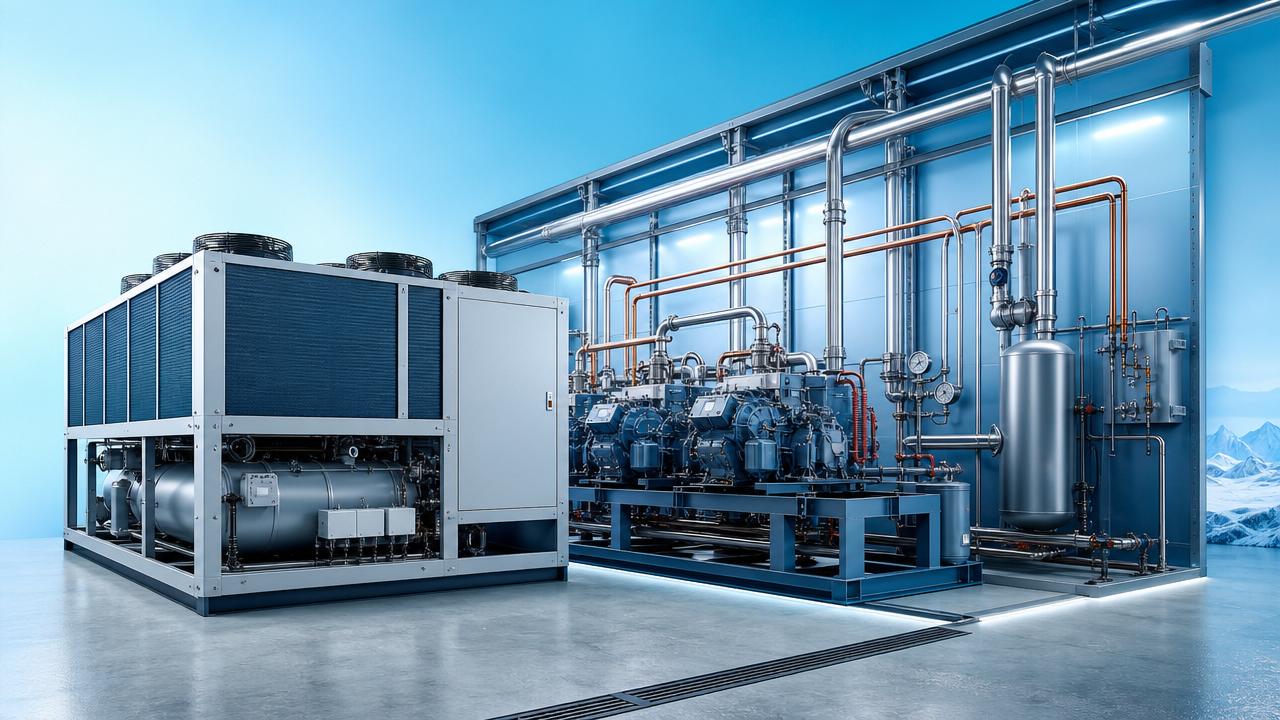
A transcritical CO2 rack, for example, may require specialized valves, pressure-rated piping, gas coolers, and advanced control logic.
Ultra-low temperature systems using eco-friendly refrigeration may also need cascade architecture, tighter insulation, and sophisticated monitoring.
Natural refrigerants sometimes demand additional safety measures, ventilation design, leak detection, or technician training.
Some projects include digital expansion valves, inverter compressors, heat recovery modules, and AI-assisted defrost control.
These features raise capital cost, yet they are often the same features that reduce waste and improve long-term system performance.
The premium can therefore be misleading if evaluated without total cost of ownership.
Is eco-friendly refrigeration worth the higher upfront cost over time?
In many cases, yes. The answer depends on runtime, electricity tariffs, refrigerant type, climate, and maintenance quality.
Systems that run continuously usually benefit faster because energy savings accumulate every hour of operation.
Commercial refrigeration cabinets, cold rooms, compressors, and industrial chillers all show stronger returns when loads are stable and utilization is high.
The financial case usually comes from five areas:
- Lower electricity consumption through better heat exchange and variable-speed operation
- Reduced exposure to high-GWP refrigerant phase-down costs
- Improved eligibility for green financing, incentives, or energy-efficiency programs
- Better brand resilience where sustainability reporting matters
- Higher asset relevance as environmental standards become stricter
A simple payback may range from two to seven years, depending on system type and local operating conditions.
However, lifecycle value is often better measured through net present cost, not simple payback alone.
Where the savings become most visible
Savings are easiest to capture in facilities with high thermal loads, strict temperature targets, or rising energy expenses.
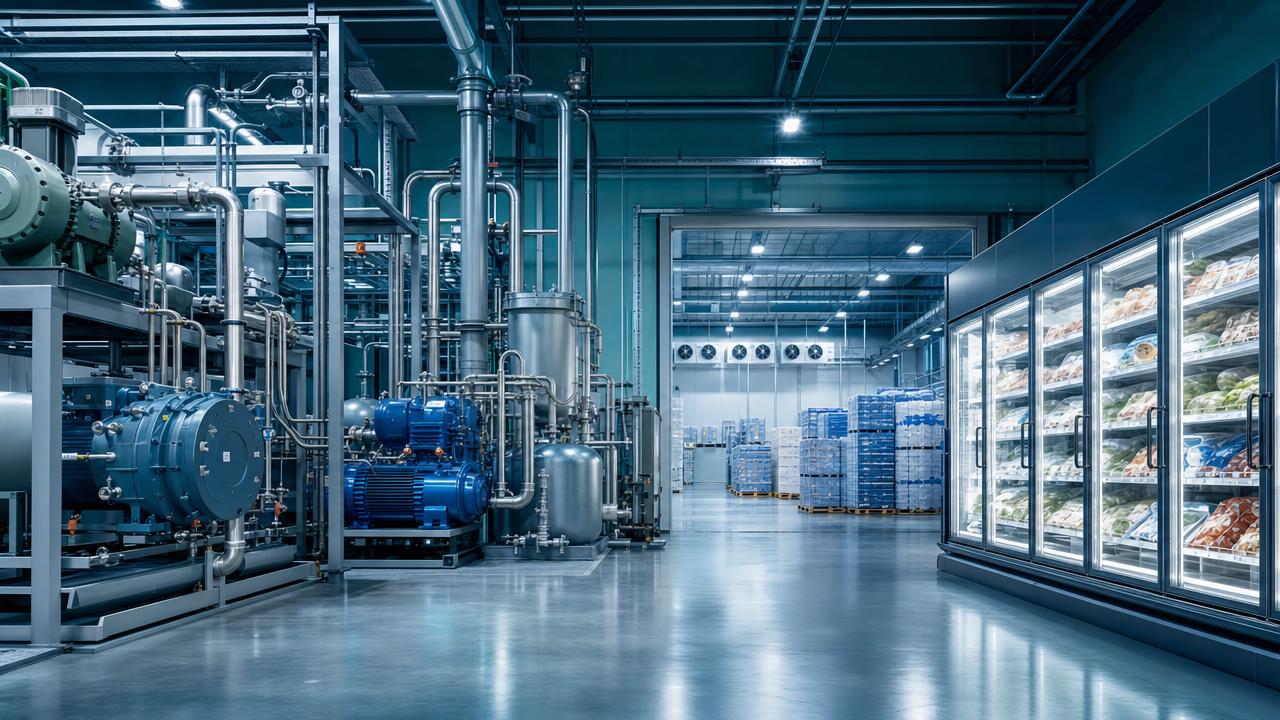
Examples include food processing plants, vaccine storage, distribution hubs, seafood freezing, and large retail refrigeration networks.
In such environments, eco-friendly refrigeration is often less a premium option and more a hedge against future cost pressure.
Which applications benefit most from eco-friendly refrigeration?
Not every site receives the same return. The strongest fit usually appears where cooling is critical, continuous, or compliance-sensitive.
High-value applications include:
- Cold storage hubs handling meat, seafood, produce, or dairy
- Commercial ice machines supporting logistics, fishing, or concrete cooling
- Industrial chillers for process cooling in plastics, lasers, and chemical production
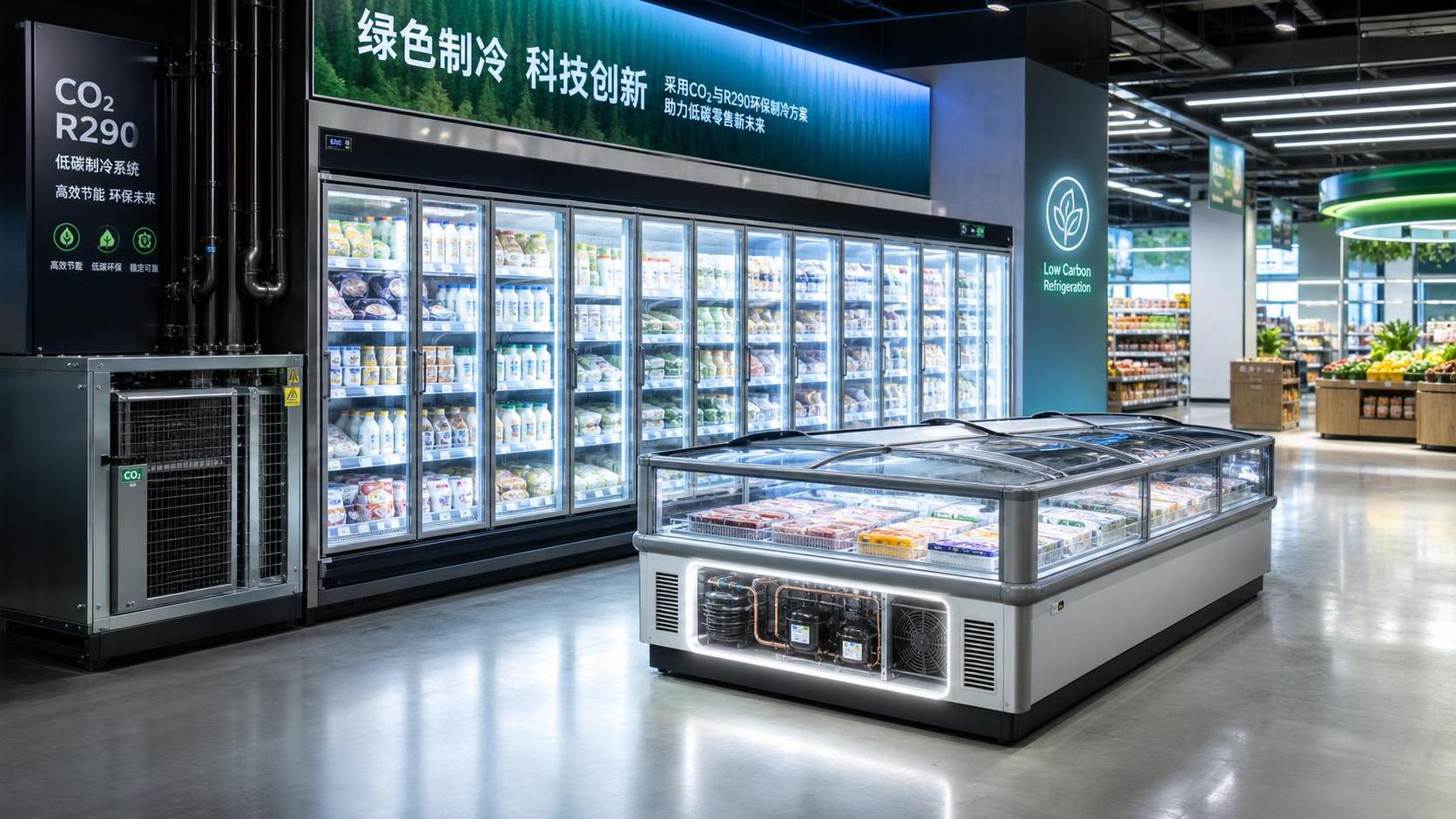
- Retail display cabinets requiring constant temperature and visual performance
- Ultra-low temperature freezers for biomedical and laboratory preservation
In these scenarios, downtime, spoilage, or temperature drift can be more expensive than the initial equipment premium.
Eco-friendly refrigeration also performs well when paired with remote monitoring and predictive maintenance.
That combination supports energy transparency and helps identify hidden losses from frosting, poor airflow, or inefficient compressor staging.
What risks and misconceptions should be considered before investing?
The most common mistake is assuming every low-GWP system automatically saves money under all conditions.
Performance depends heavily on system design, ambient climate, load profile, controls, and service competence.
Another misconception is that eco-friendly refrigeration is only about refrigerant replacement.
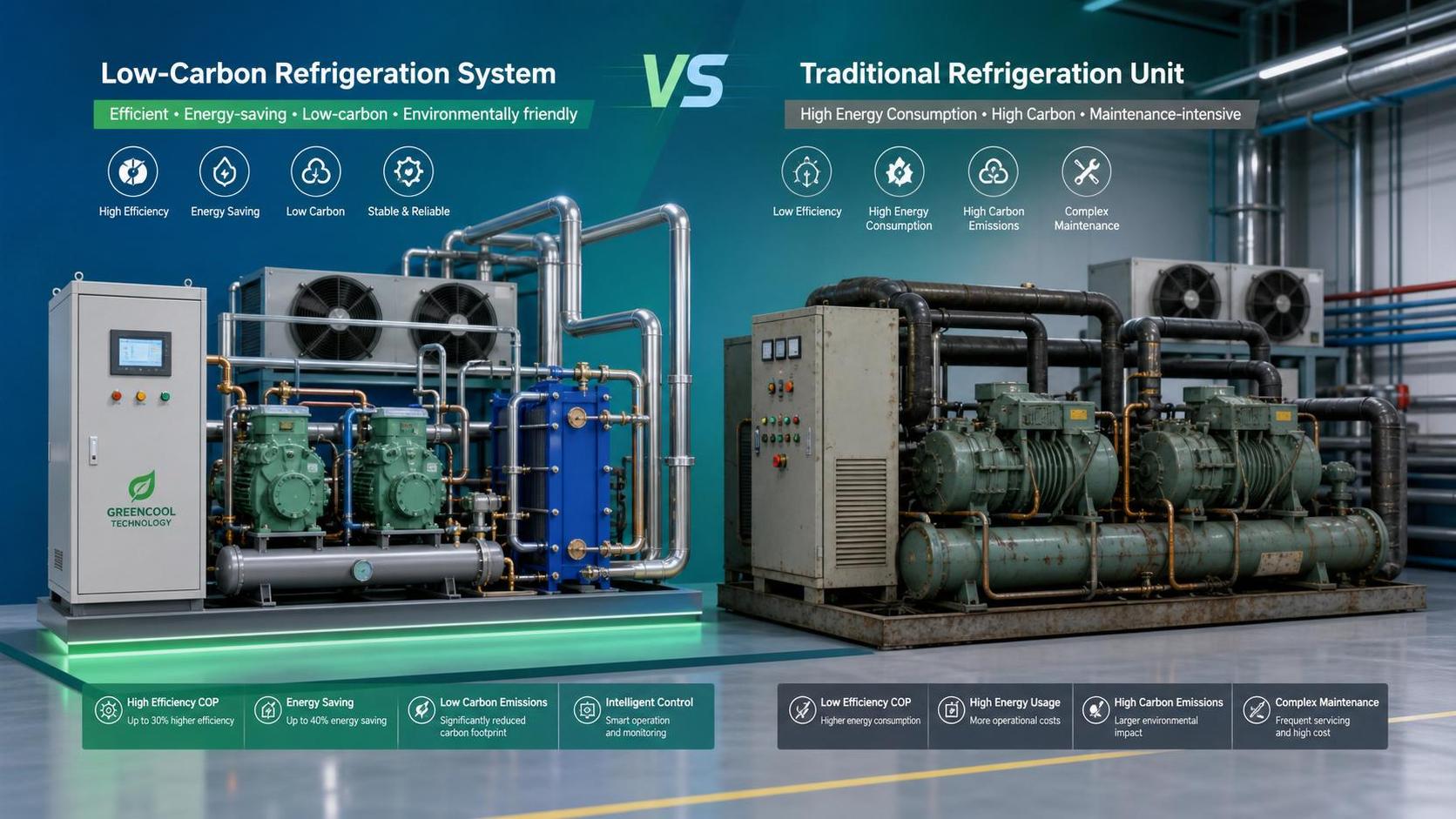
In reality, fans, insulation, defrost strategy, heat reclaim, compressor selection, and cabinet sealing matter just as much.
A third risk is underestimating transition planning. Technician readiness and spare-part support can affect commissioning and service speed.
There is also a climate-fit issue. Some refrigerant architectures need optimization for hot regions to deliver expected efficiency.
To reduce these risks, evaluate the full operating envelope rather than comparing nameplate efficiency only.
How should eco-friendly refrigeration be evaluated before approval?
A sound review should compare more than bid price. It should compare lifetime performance and strategic flexibility.
Use a structured checklist during evaluation:
- Map annual runtime, load variation, and target temperatures.
- Estimate annual energy use under local climate conditions.
- Model refrigerant compliance risk over the equipment life.
- Include maintenance, leak management, and training costs.
- Check whether incentives, tax benefits, or green funding apply.
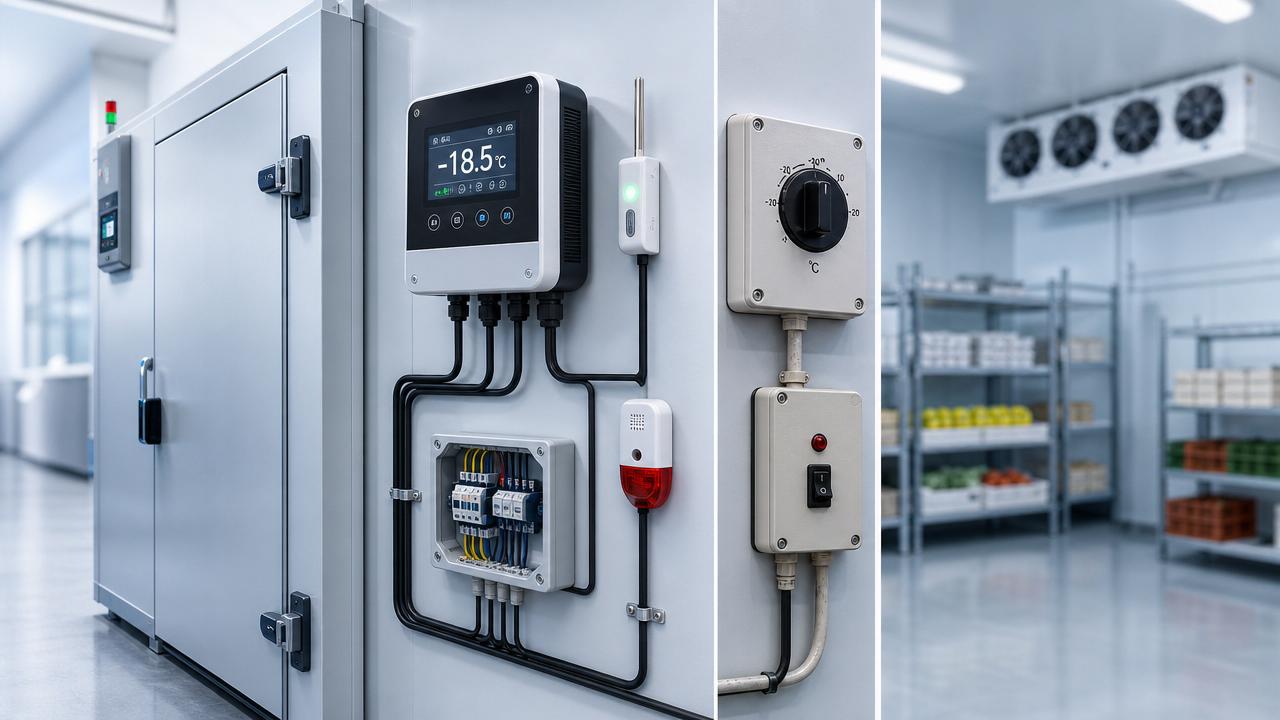
- Review uptime protections such as alarms, remote diagnostics, and redundancy.
This approach turns eco-friendly refrigeration from a sustainability debate into a measurable business case.
It is especially useful for mixed portfolios that include chillers, cold rooms, display cabinets, and medical freezers.
Quick comparison table
So, is eco-friendly refrigeration worth the higher upfront cost?
Eco-friendly refrigeration is worth the premium when cooling demand is significant, compliance pressure is rising, and long-term ownership matters.
It may be less compelling for low-use sites with short holding periods or weak maintenance support.
Still, across modern cold-chain and industrial cooling operations, the direction is clear.
Energy efficiency, refrigerant policy, and digital optimization are reshaping what counts as a cost-effective refrigeration asset.
The smartest next step is to build a lifecycle comparison using actual operating data, not only vendor price sheets.
When eco-friendly refrigeration is matched to the right application, it can improve resilience, reduce hidden costs, and strengthen future competitiveness.
For deeper decisions, compare refrigerants, annual energy models, service readiness, and compliance timelines before final approval.
Recommended News
 Eco-Refrigerant & ComplianceF-Gas Regulations Are Changing Equipment Choices Faster Than ExpectedAnalyst :Dr. Henrik Weber
 Eco-Refrigerant & ComplianceEco-Friendly Refrigeration: What Looks Green but Performs Poorly?Analyst :Dr. Henrik Weber
 Eco-Refrigerant & ComplianceNatural Refrigerants: Are Compliance Benefits Worth the Transition Cost?Analyst :Dr. Henrik Weber
 Eco-Refrigerant & ComplianceWhat drives low carbon refrigeration adoption in 2026?Analyst :Dr. Henrik Weber
 Eco-Refrigerant & ComplianceEco-friendly cooling is changing compliance planning fastAnalyst :Dr. Henrik Weber
 Eco-Refrigerant & ComplianceLow carbon cooling trends that could reshape investmentsAnalyst :Dr. Henrik Weber
 Eco-Refrigerant & ComplianceHow F-Gas regulations are changing refrigerant decisionsAnalyst :Dr. Henrik Weber
 Eco-Refrigerant & ComplianceIs eco-friendly refrigeration worth the higher upfront costAnalyst :Dr. Henrik Weber
 Eco-Refrigerant & ComplianceWhy low carbon cooling is becoming a compliance priorityAnalyst :Dr. Henrik Weber
 Eco-Refrigerant & ComplianceLow carbon refrigeration options that cut long-term costsAnalyst :Dr. Henrik Weber
 Eco-Refrigerant & ComplianceWhat buyers miss when choosing eco-friendly refrigerationAnalyst :Dr. Henrik Weber
 Eco-Refrigerant & ComplianceWhy low carbon refrigeration is becoming a board issueAnalyst :Dr. Henrik Weber
 Eco-Refrigerant & ComplianceWhat F-Gas regulations mean for equipment choices in 2026Analyst :Dr. Henrik Weber
![]() Eco-Refrigerant & ComplianceIndonesia Launches Green Refrigeration Channel for R290 Cold CabinetsAnalyst :Dr. Henrik Weber
Eco-Refrigerant & ComplianceIndonesia Launches Green Refrigeration Channel for R290 Cold CabinetsAnalyst :Dr. Henrik Weber Eco-Refrigerant & ComplianceWhy low carbon cooling is becoming a safer long betAnalyst :Dr. Henrik Weber
 Eco-Refrigerant & ComplianceWhat makes eco-friendly cooling cheaper over time?Analyst :Dr. Henrik Weber
 Eco-Refrigerant & ComplianceF-Gas regulations are changing how cooling gets approvedAnalyst :Dr. Henrik Weber
 Eco-Refrigerant & ComplianceHow eco-friendly refrigeration cuts compliance riskAnalyst :Dr. Henrik Weber
 Eco-Refrigerant & ComplianceHow low carbon cooling cuts compliance risk in 2026Analyst :Dr. Henrik Weber
 Eco-Refrigerant & ComplianceLow Carbon Refrigeration: Compare Refrigerants, Energy Use, and ComplianceAnalyst :Dr. Henrik Weber
 Eco-Refrigerant & ComplianceEco-Friendly Cooling Options: Refrigerants, Efficiency, and Compliance ChecksAnalyst :Dr. Henrik Weber
![]() Eco-Refrigerant & ComplianceWhat Are Natural Refrigerants? Types, GWP Limits, and Where They Fit BestAnalyst :Dr. Henrik Weber
Eco-Refrigerant & ComplianceWhat Are Natural Refrigerants? Types, GWP Limits, and Where They Fit BestAnalyst :Dr. Henrik Weber Eco-Refrigerant & ComplianceEco-Friendly Cooling vs Conventional Systems: What Buyers Should Compare FirstAnalyst :Dr. Henrik Weber
 Eco-Refrigerant & ComplianceEco-Friendly Refrigeration vs Conventional Systems: Refrigerants, Energy Use, and ComplianceAnalyst :Dr. Henrik Weber
 Eco-Refrigerant & ComplianceLow Carbon Refrigeration: Key Standards, Refrigerant Options, and ROI FactorsAnalyst :Dr. Henrik Weber
 Eco-Refrigerant & ComplianceTemperature Control Standards for Food Storage: Critical Limits, Logging, and Audit ChecksAnalyst :Dr. Henrik Weber
 Eco-Refrigerant & ComplianceLow Carbon Cooling Options Explained: Refrigerants, Compliance, and System Trade-OffsAnalyst :Dr. Henrik Weber
 Eco-Refrigerant & ComplianceDigital Refrigeration vs Conventional Controls: What Improves Monitoring and Compliance?Analyst :Dr. Henrik Weber
 Eco-Refrigerant & ComplianceLow Carbon Cooling Options for Commercial Refrigeration: CO2, Ammonia, and Hybrid SystemsAnalyst :Dr. Henrik Weber
 Eco-Refrigerant & ComplianceLow Carbon Cooling Options Compared: CO2, Ammonia, and HFO Systems for ComplianceAnalyst :Dr. Henrik Weber
 Eco-Refrigerant & ComplianceIndustrial Refrigeration Systems Buying Guide: Lifecycle Cost, Efficiency, and ComplianceAnalyst :Dr. Henrik Weber
 Eco-Refrigerant & ComplianceEco-Friendly Cooling Options: Refrigerants, Energy Use, and Compliance Factors ComparedAnalyst :Dr. Henrik Weber
 Eco-Refrigerant & ComplianceNatural Refrigerants vs HFCs: How to Compare Compliance, Safety, and System DesignAnalyst :Dr. Henrik Weber
 Eco-Refrigerant & ComplianceHow to Read Specification-Oriented Product Guides for Refrigeration EquipmentAnalyst :Dr. Henrik Weber
 Eco-Refrigerant & ComplianceLow Carbon Refrigeration Options for Supermarkets: CAPEX, Energy Use, and Compliance ComparedAnalyst :Dr. Henrik Weber
 Eco-Refrigerant & ComplianceRACC 2026 to Host PFAS Compliance Briefing in HangzhouAnalyst :Dr. Henrik Weber
 Eco-Refrigerant & ComplianceEPA Rule Challenge Raises HFC Supply Chain ConcernsAnalyst :Dr. Henrik Weber
 Eco-Refrigerant & ComplianceLow Carbon Refrigeration Systems vs Conventional Setups: Which Delivers Lower Lifecycle Cost?Analyst :Dr. Henrik Weber
 Eco-Refrigerant & ComplianceLow GWP Refrigeration Explained: Refrigerants, Regulations, and System Trade-OffsAnalyst :Dr. Henrik Weber
 Eco-Refrigerant & ComplianceLow Carbon Refrigeration Systems Retrofit: When to Upgrade and Which Changes Matter MostAnalyst :Dr. Henrik Weber