Industry News
Curation by industry experts
Hot Articles
- Cold Chain & Retail Energy InsightsHow North American Cold Facilities Can Benchmark Refrigeration System Efficiency
- -86℃ ULT FreezersHow to Select Medical Cryogenic Vials for Long-Term Sample Storage
- Cold Chain & Retail Energy InsightsFood-Grade Panel Requirements for Hygienic Meat Cold Storage Systems
Popular Tags
How F-Gas regulations are changing refrigerant decisions
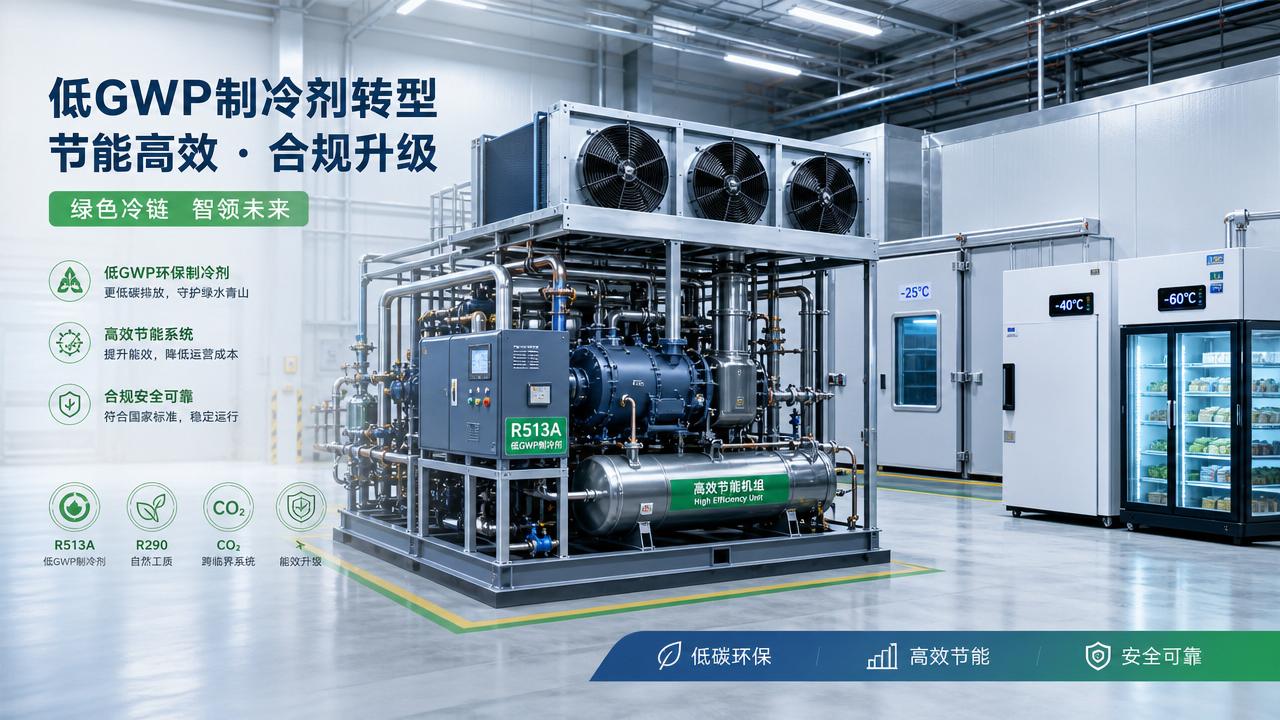
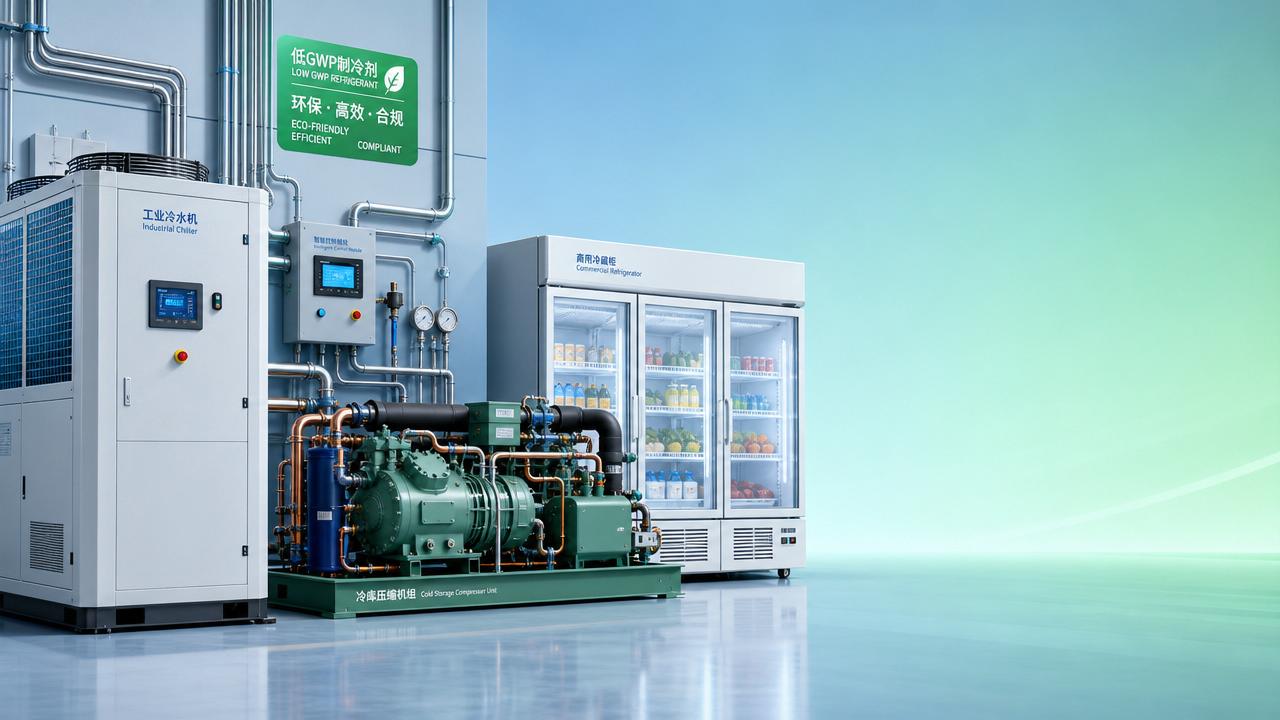
F-Gas regulations are no longer a narrow policy topic. They now shape refrigerant decisions across commercial refrigeration, industrial chillers, cold storage, ice systems, and medical low-temperature applications.
As phase-down schedules tighten, equipment planning must account for emissions rules, energy performance, service continuity, and refrigerant availability over the full asset lifecycle.
For the broader cooling economy, F-Gas regulations influence not only compliance costs, but also system architecture, safety design, retrofit timing, and export competitiveness.
What F-Gas regulations mean in practical terms
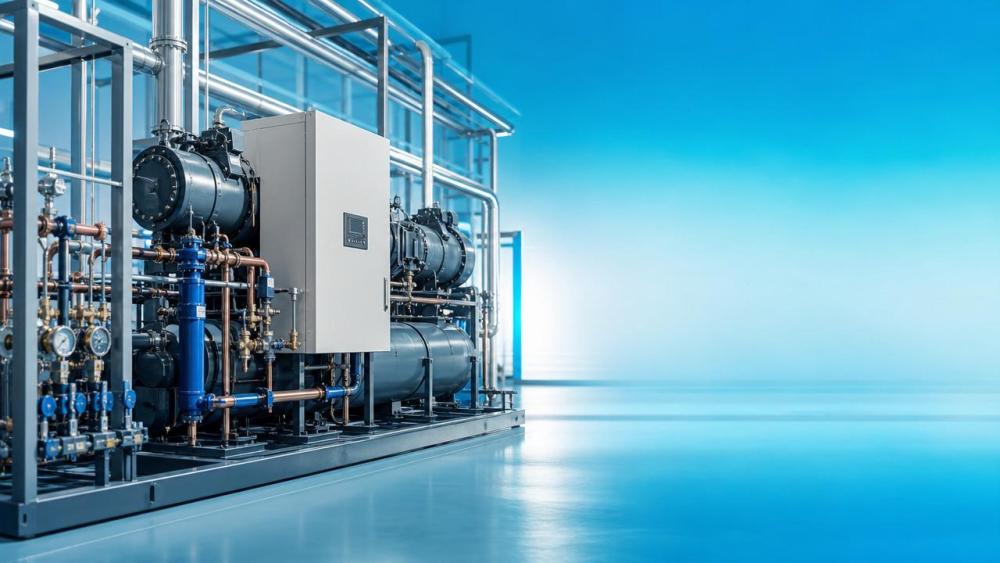
F-Gas regulations target fluorinated greenhouse gases with high global warming potential. In refrigeration, this mainly affects HFC-based refrigerants used in legacy and current systems.
The rules generally combine three mechanisms. They reduce market supply through quota cuts, ban selected uses, and increase leak control, reporting, recovery, and servicing obligations.
This means refrigerant decisions can no longer be made on cooling performance alone. Long-term legal access and service support now matter as much as capacity and coefficient of performance.
In many markets, F-Gas regulations also affect imported equipment. A system may operate well technically, yet still face market barriers if its refrigerant profile conflicts with local restrictions.
Why the industry is paying closer attention
Recent policy updates have made refrigerant planning more urgent. The issue is no longer future-oriented. It is already changing procurement criteria, retrofit evaluations, and capital expenditure sequencing.
Several market signals explain this shift:
- Quota reductions are tightening HFC supply and increasing price volatility.
- Low-GWP thresholds are influencing new system specifications.
- Service restrictions are raising concern for installed high-GWP fleets.
- Energy efficiency targets are forcing a wider view than refrigerant GWP alone.
- Export projects increasingly require proof of refrigerant compliance.
For intelligence-driven platforms like CCRS, this creates a new decision framework. Thermodynamics, regulation, safety, and supply economics must be analyzed together, not in isolation.
Key decision pressure points
How F-Gas regulations are changing refrigerant decisions
The main shift is away from short-term refrigerant replacement toward system-level choice. F-Gas regulations are pushing decisions from fluid selection to platform strategy.
Previously, a lower-cost HFC option often won if it met load and reliability targets. Today, that choice may create future servicing constraints or early obsolescence risk.
As a result, more projects compare three broad refrigerant paths:
- Lower-GWP synthetic blends, including transitional HFO-based options.
- Natural refrigerants such as CO2, ammonia, and hydrocarbons.
- Hybrid architectures balancing safety, charge size, and efficiency.
Each path has trade-offs. F-Gas regulations favor lower-GWP outcomes, but the best answer depends on ambient climate, load profile, installation space, and local technical capability.
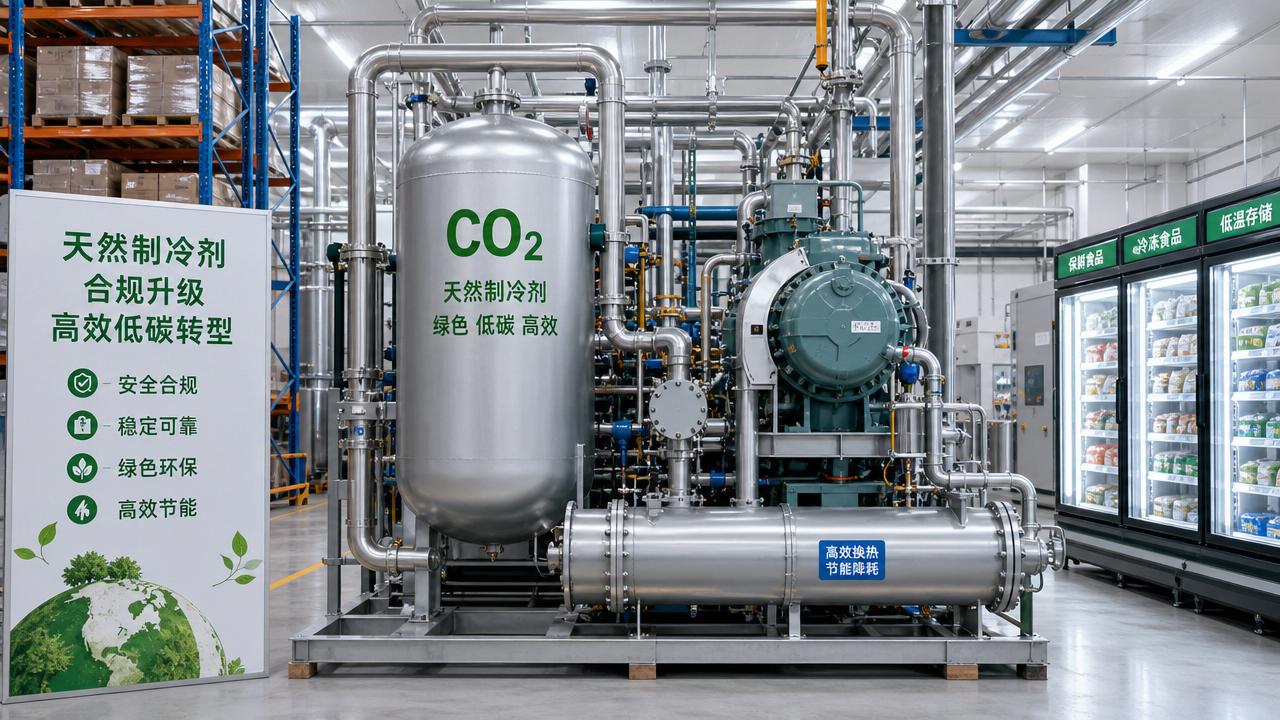
For example, CO2 transcritical systems are gaining momentum in cold chain hubs and retail refrigeration. They align well with decarbonization goals, but require careful design in hot climates.
A2L refrigerants can support lower GWP with familiar efficiency characteristics. However, they introduce flammability management, charge limits, ventilation considerations, and updated technician training needs.
Ammonia remains highly efficient for large industrial sites. Yet toxicity, safety zoning, and public acceptance can limit its fit for mixed-use or dense urban locations.
Business impact across major refrigeration segments
The influence of F-Gas regulations differs by application. Segment-specific thermodynamics and operating conditions create distinct transition priorities.
Industrial chillers
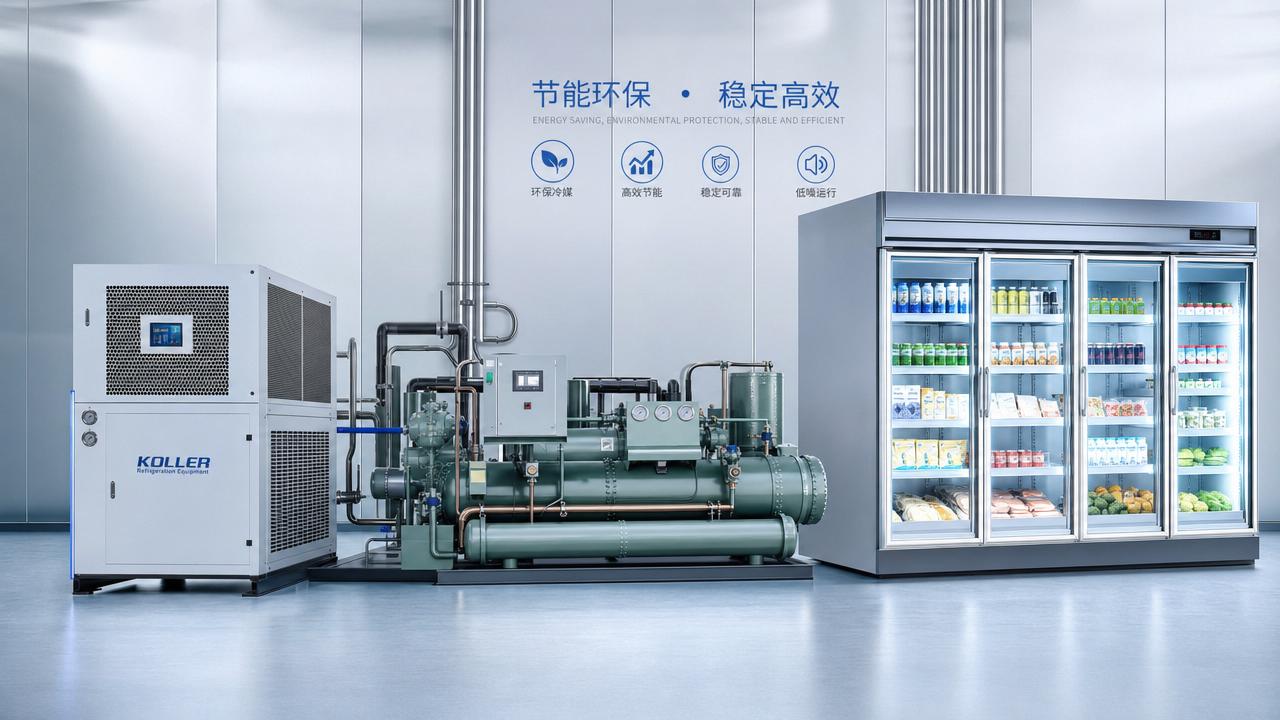
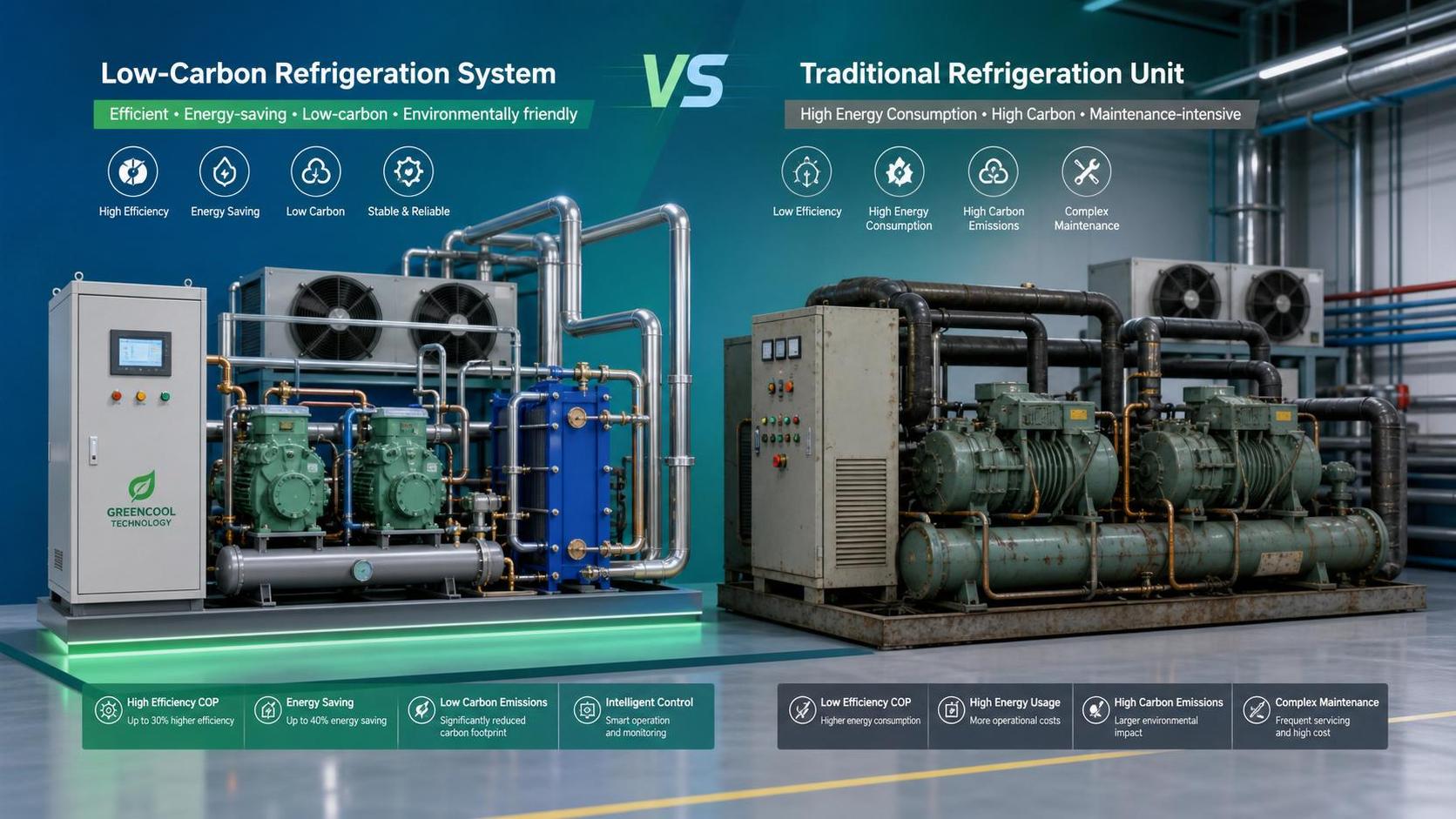
Industrial chillers increasingly evaluate low-GWP refrigerants alongside magnetic bearing, variable-speed compression, and advanced controls. Efficiency under part load is often as important as nominal compliance.
Cold storage compressors
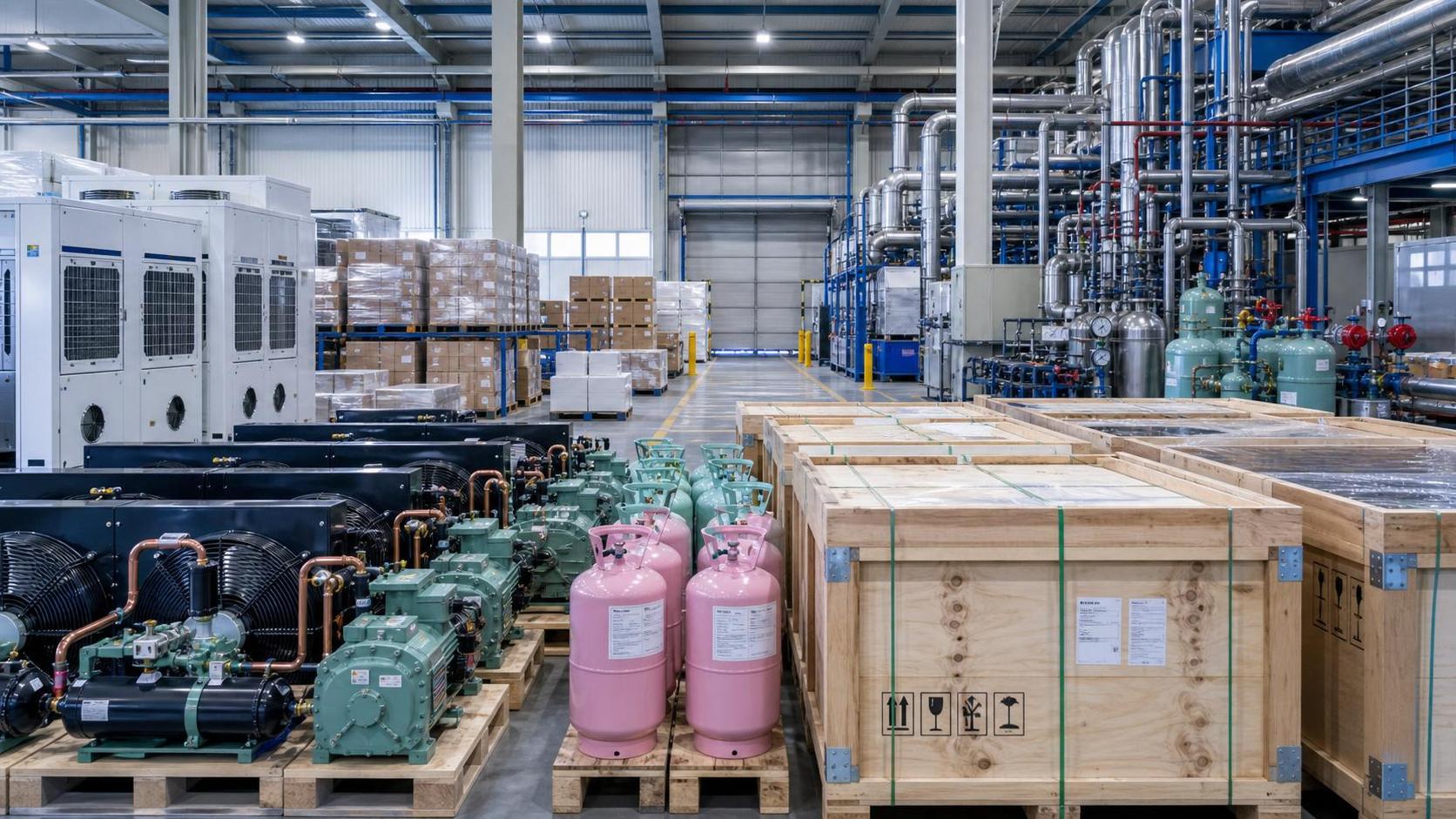
Cold storage sites face strong pressure to move away from high-GWP HFC systems. CO2 booster systems and ammonia-CO2 cascades are becoming more relevant in large distribution environments.
Commercial refrigeration cabinets
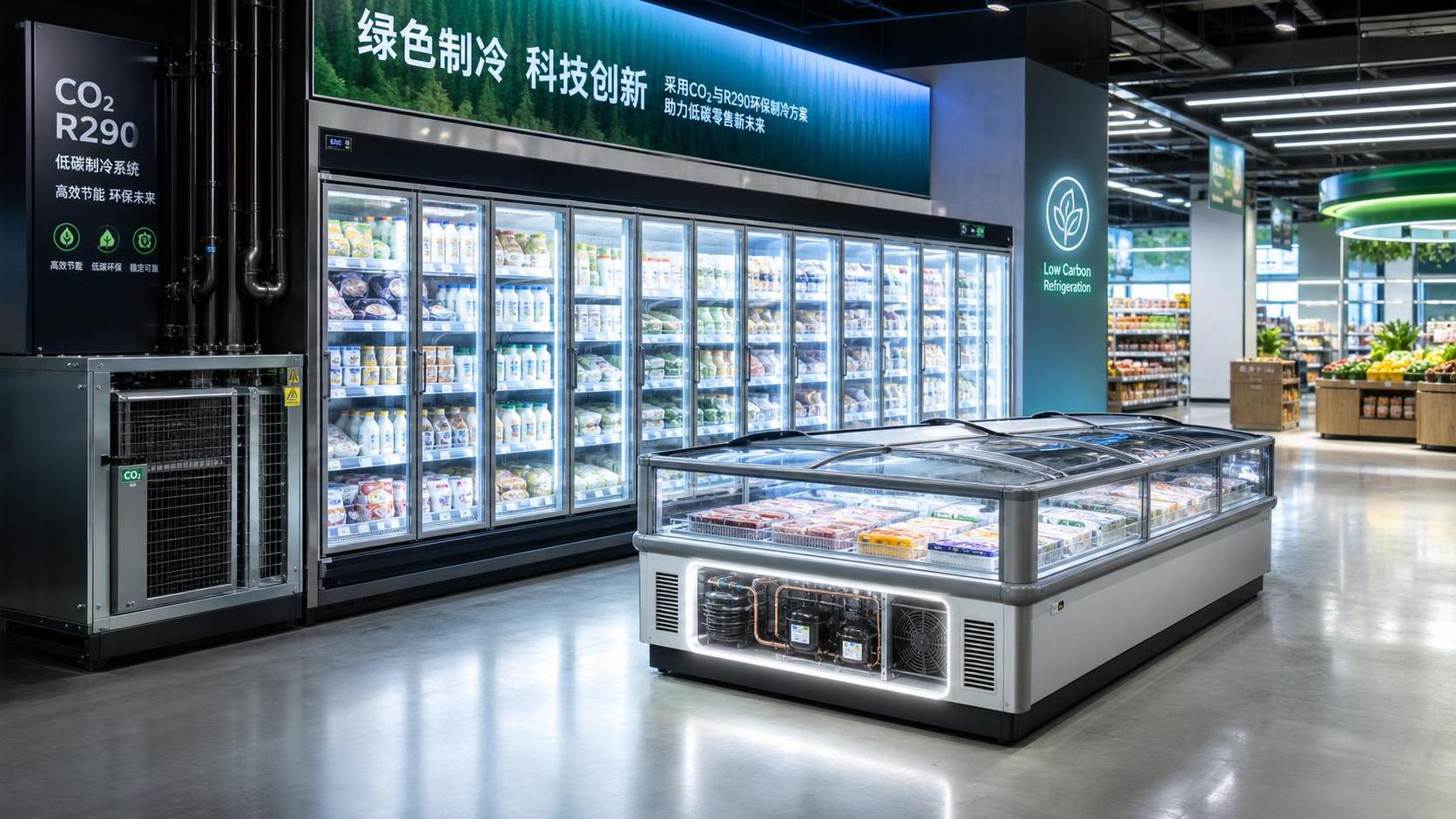
Display cabinets must combine low refrigerant charge, stable temperature control, anti-fog performance, and customer-facing reliability. F-Gas regulations favor integrated low-GWP cabinet platforms rather than fluid-only substitutions.
Commercial ice machines
Ice machines often operate in demanding climates and variable water conditions. Refrigerant decisions must therefore consider ambient resilience, maintenance simplicity, and future refrigerant accessibility.
Ultra-low temperature freezers
Medical and laboratory freezers rely on cascade or mixed-refrigerant systems. Here, F-Gas regulations complicate selection because temperature stability, biological safety, and long-life serviceability are mission-critical.
Typical refrigerant decision scenarios
Practical evaluation factors before choosing a refrigerant
A strong decision process should evaluate more than refrigerant price. F-Gas regulations reward lifecycle thinking and penalize narrow optimization.
- Map current and future legal status in target markets.
- Compare total equivalent warming impact, not GWP alone.
- Review efficiency across real operating temperatures and seasonal loads.
- Assess safety code implications for machinery rooms and occupied spaces.
- Check refrigerant, parts, and technician availability over ten years.
- Estimate retrofit disruption, downtime, and recertification requirements.
This is where strategic technical intelligence adds value. Refrigerant choice should connect thermodynamic performance with policy direction and local operating reality.
Implementation considerations and risk controls
F-Gas regulations create hidden risks when transition planning is delayed. The most common issue is investing in equipment that becomes expensive to service before the asset reaches expected life.
Another risk is selecting a technically compliant refrigerant without preparing for safety or training requirements. That gap can delay commissioning and raise operational exposure.
Good implementation usually includes leak reduction, digital monitoring, better heat exchanger matching, and control optimization. These steps support both compliance and energy savings.
For complex cold chain or deep-cryogenic projects, staged pilots can reduce uncertainty. They provide field data on pull-down time, defrost behavior, power draw, and temperature recovery.
Next-step actions for better refrigerant decisions
F-Gas regulations will keep changing refrigerant decisions because policy, climate goals, and system technology are evolving together. Waiting for perfect certainty is rarely the lowest-risk approach.
A practical next step is to review installed assets by refrigerant type, charge size, age, efficiency, and market exposure. That creates a transition map instead of isolated replacements.
Then compare upgrade paths for industrial chillers, cold storage compressors, refrigeration cabinets, ice machines, and ultra-low temperature platforms using both compliance and lifecycle metrics.
For organizations following CCRS intelligence, the strongest position comes from combining regulatory monitoring, thermodynamic analysis, and project economics into one disciplined refrigeration roadmap.
In today’s cooling landscape, F-Gas regulations are not a side constraint. They are a core factor determining which refrigerant decisions remain efficient, serviceable, and viable for years ahead.
Recommended News
 Eco-Refrigerant & ComplianceF-Gas Regulations Are Changing Equipment Choices Faster Than ExpectedAnalyst :Dr. Henrik Weber
 Eco-Refrigerant & ComplianceEco-Friendly Refrigeration: What Looks Green but Performs Poorly?Analyst :Dr. Henrik Weber
 Eco-Refrigerant & ComplianceNatural Refrigerants: Are Compliance Benefits Worth the Transition Cost?Analyst :Dr. Henrik Weber
 Eco-Refrigerant & ComplianceWhat drives low carbon refrigeration adoption in 2026?Analyst :Dr. Henrik Weber
 Eco-Refrigerant & ComplianceEco-friendly cooling is changing compliance planning fastAnalyst :Dr. Henrik Weber
 Eco-Refrigerant & ComplianceLow carbon cooling trends that could reshape investmentsAnalyst :Dr. Henrik Weber
 Eco-Refrigerant & ComplianceHow F-Gas regulations are changing refrigerant decisionsAnalyst :Dr. Henrik Weber
 Eco-Refrigerant & ComplianceIs eco-friendly refrigeration worth the higher upfront costAnalyst :Dr. Henrik Weber
 Eco-Refrigerant & ComplianceWhy low carbon cooling is becoming a compliance priorityAnalyst :Dr. Henrik Weber
 Eco-Refrigerant & ComplianceLow carbon refrigeration options that cut long-term costsAnalyst :Dr. Henrik Weber
 Eco-Refrigerant & ComplianceWhat buyers miss when choosing eco-friendly refrigerationAnalyst :Dr. Henrik Weber
 Eco-Refrigerant & ComplianceWhy low carbon refrigeration is becoming a board issueAnalyst :Dr. Henrik Weber
 Eco-Refrigerant & ComplianceWhat F-Gas regulations mean for equipment choices in 2026Analyst :Dr. Henrik Weber
![]() Eco-Refrigerant & ComplianceIndonesia Launches Green Refrigeration Channel for R290 Cold CabinetsAnalyst :Dr. Henrik Weber
Eco-Refrigerant & ComplianceIndonesia Launches Green Refrigeration Channel for R290 Cold CabinetsAnalyst :Dr. Henrik Weber Eco-Refrigerant & ComplianceWhy low carbon cooling is becoming a safer long betAnalyst :Dr. Henrik Weber
 Eco-Refrigerant & ComplianceWhat makes eco-friendly cooling cheaper over time?Analyst :Dr. Henrik Weber
 Eco-Refrigerant & ComplianceF-Gas regulations are changing how cooling gets approvedAnalyst :Dr. Henrik Weber
 Eco-Refrigerant & ComplianceHow eco-friendly refrigeration cuts compliance riskAnalyst :Dr. Henrik Weber
 Eco-Refrigerant & ComplianceHow low carbon cooling cuts compliance risk in 2026Analyst :Dr. Henrik Weber
 Eco-Refrigerant & ComplianceLow Carbon Refrigeration: Compare Refrigerants, Energy Use, and ComplianceAnalyst :Dr. Henrik Weber
 Eco-Refrigerant & ComplianceEco-Friendly Cooling Options: Refrigerants, Efficiency, and Compliance ChecksAnalyst :Dr. Henrik Weber
![]() Eco-Refrigerant & ComplianceWhat Are Natural Refrigerants? Types, GWP Limits, and Where They Fit BestAnalyst :Dr. Henrik Weber
Eco-Refrigerant & ComplianceWhat Are Natural Refrigerants? Types, GWP Limits, and Where They Fit BestAnalyst :Dr. Henrik Weber Eco-Refrigerant & ComplianceEco-Friendly Cooling vs Conventional Systems: What Buyers Should Compare FirstAnalyst :Dr. Henrik Weber
 Eco-Refrigerant & ComplianceEco-Friendly Refrigeration vs Conventional Systems: Refrigerants, Energy Use, and ComplianceAnalyst :Dr. Henrik Weber
 Eco-Refrigerant & ComplianceLow Carbon Refrigeration: Key Standards, Refrigerant Options, and ROI FactorsAnalyst :Dr. Henrik Weber
 Eco-Refrigerant & ComplianceTemperature Control Standards for Food Storage: Critical Limits, Logging, and Audit ChecksAnalyst :Dr. Henrik Weber
 Eco-Refrigerant & ComplianceLow Carbon Cooling Options Explained: Refrigerants, Compliance, and System Trade-OffsAnalyst :Dr. Henrik Weber
 Eco-Refrigerant & ComplianceDigital Refrigeration vs Conventional Controls: What Improves Monitoring and Compliance?Analyst :Dr. Henrik Weber
 Eco-Refrigerant & ComplianceLow Carbon Cooling Options for Commercial Refrigeration: CO2, Ammonia, and Hybrid SystemsAnalyst :Dr. Henrik Weber
 Eco-Refrigerant & ComplianceLow Carbon Cooling Options Compared: CO2, Ammonia, and HFO Systems for ComplianceAnalyst :Dr. Henrik Weber
 Eco-Refrigerant & ComplianceIndustrial Refrigeration Systems Buying Guide: Lifecycle Cost, Efficiency, and ComplianceAnalyst :Dr. Henrik Weber
 Eco-Refrigerant & ComplianceEco-Friendly Cooling Options: Refrigerants, Energy Use, and Compliance Factors ComparedAnalyst :Dr. Henrik Weber
 Eco-Refrigerant & ComplianceNatural Refrigerants vs HFCs: How to Compare Compliance, Safety, and System DesignAnalyst :Dr. Henrik Weber
 Eco-Refrigerant & ComplianceHow to Read Specification-Oriented Product Guides for Refrigeration EquipmentAnalyst :Dr. Henrik Weber
 Eco-Refrigerant & ComplianceLow Carbon Refrigeration Options for Supermarkets: CAPEX, Energy Use, and Compliance ComparedAnalyst :Dr. Henrik Weber
 Eco-Refrigerant & ComplianceRACC 2026 to Host PFAS Compliance Briefing in HangzhouAnalyst :Dr. Henrik Weber
 Eco-Refrigerant & ComplianceEPA Rule Challenge Raises HFC Supply Chain ConcernsAnalyst :Dr. Henrik Weber
 Eco-Refrigerant & ComplianceLow Carbon Refrigeration Systems vs Conventional Setups: Which Delivers Lower Lifecycle Cost?Analyst :Dr. Henrik Weber
 Eco-Refrigerant & ComplianceLow GWP Refrigeration Explained: Refrigerants, Regulations, and System Trade-OffsAnalyst :Dr. Henrik Weber
 Eco-Refrigerant & ComplianceLow Carbon Refrigeration Systems Retrofit: When to Upgrade and Which Changes Matter MostAnalyst :Dr. Henrik Weber