Industry News
Curation by industry experts
Hot Articles
- Cold Chain & Retail Energy InsightsCold Chain Technology: How Sensors and Automation Prevent Temperature Excursions
- Cold Chain & Retail Energy InsightsHow North American Cold Facilities Can Benchmark Refrigeration System Efficiency
- -86℃ ULT FreezersHow to Select Medical Cryogenic Vials for Long-Term Sample Storage
Popular Tags
Aus Scientists Break Through Anhydrous Proton-Conducting Membrane
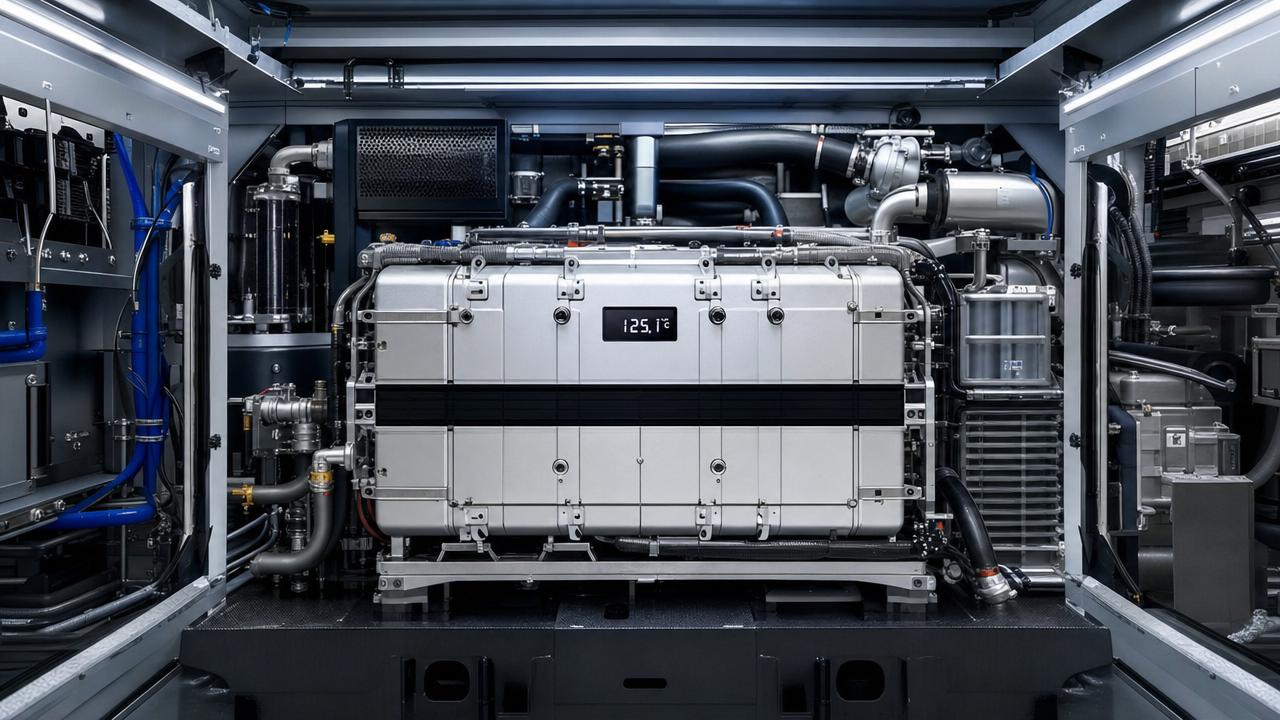
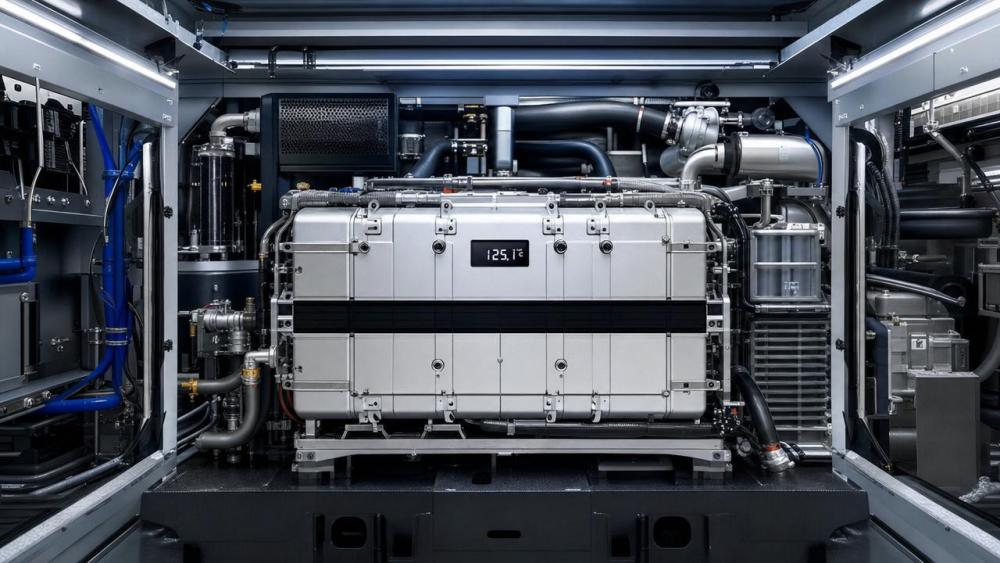
Australia-based researchers have achieved a breakthrough in high-temperature proton exchange membrane fuel cell (PEMFC) technology, enabling stable operation above 120°C without humidification. Though the exact date of announcement remains unconfirmed, the development signals a potential inflection point for zero-carbon power solutions in cold-chain transport — particularly for long-haul refrigerated trucks, mobile cold rooms, and deep-sea fishing vessels. Its implications extend beyond energy conversion efficiency to system integration, thermal management, and regulatory alignment with emerging decarbonization mandates across logistics and marine sectors.
Event Overview
Scientists at Monash University in Australia have developed a novel ultrathin proton-conducting membrane capable of sustained proton transport under completely anhydrous conditions. This marks the first demonstration of continuous operation of PEMFCs above 120°C without external humidification. The membrane eliminates reliance on water-mediated proton conduction, thereby removing key constraints related to condensation, flooding, and freeze-thaw cycling that limit conventional PEMFC deployment in mobile refrigeration applications.
Industries Affected
Direct trade enterprises: Export-oriented refrigerated freight operators and international cold-chain logistics providers may face revised equipment compliance expectations as national emissions standards evolve. Impact manifests in accelerated fleet electrification timelines, increased scrutiny of auxiliary power unit (APU) carbon intensity, and early-stage commercial evaluation of PEMFC-integrated trailer power systems — especially for EU- or Japan-bound shipments where low-emission port access incentives are expanding.
Raw material procurement enterprises: Suppliers of perfluorosulfonic acid (PFSA) polymers, phosphoric acid-doped heteropolyacids, and high-purity graphene oxide precursors may see shifting demand profiles. The new membrane’s composition — reportedly based on covalently anchored imidazole networks within a crosslinked aromatic framework — reduces dependency on legacy PFSA materials. Procurement teams should monitor pilot-scale synthesis routes and assess substitution risks for existing fluoropolymer contracts.
Manufacturing enterprises: Producers of magnetic-levitation chillers, parallel compression units, and marine deep-freeze systems must evaluate interface compatibility with high-temperature PEMFC stacks. Unlike low-temperature PEMFCs, >120°C operation alters thermal coupling requirements, refrigerant-side heat rejection design, and control logic for load-following refrigeration cycles. Manufacturers’ R&D roadmaps now need to include dual-mode (grid + fuel cell) power architecture validation.
Supply chain service enterprises: Third-party maintenance providers, cold-chain telematics platform operators, and certification bodies will confront new calibration and verification needs. For example, real-time stack temperature monitoring above 120°C demands updated sensor specifications; ISO/IEC 62282-6-100 certification pathways for anhydrous PEMFCs remain undefined. Service firms should track draft revisions from IEC TC105 and prepare for extended training cycles on thermal safety protocols.
Key Considerations and Recommended Actions
Evaluate thermal interface redesign feasibility
Manufacturers should initiate joint engineering assessments with PEMFC stack developers to quantify heat rejection capacity required when integrating >120°C stacks into chiller enclosures. Traditional air-cooled condenser layouts may require reconfiguration toward liquid-to-liquid heat exchange loops.
Assess supply chain exposure to PFSA alternatives
Purchasing departments should map current polymer supplier contracts against reported membrane chemistry (e.g., non-fluorinated heterocyclic frameworks). Early engagement with alternative-material suppliers — particularly those scaling imidazole-grafted polybenzimidazoles — could mitigate future cost volatility.
Monitor evolving APU regulatory triggers
Logistics fleet managers should track regional policy developments — such as California Air Resources Board’s upcoming Advanced Clean Fleets (ACF) rule amendments and EU’s FuelEU Maritime phase-in schedules — where diesel APU bans may accelerate adoption thresholds for certified zero-emission APUs, including this new PEMFC variant.
Editorial Perspective / Industry Observation
Observably, this is not merely a materials science advancement but a system-level enabler: it decouples PEMFC performance from ambient humidity control, thereby simplifying integration into thermally aggressive environments like refrigerated cargo bays. Analysis shows the breakthrough lowers the technical barrier for ‘fuel cell-as-a-generator’ use cases — yet commercial viability hinges less on membrane performance alone and more on balance-of-plant cost reduction, especially for high-temperature bipolar plates and corrosion-resistant interconnects. From an industry perspective, the innovation better represents a catalyst for modular power architecture standardization than an immediate drop-in replacement for incumbent APUs.
Conclusion
This development does not replace diesel APUs overnight, but it reshapes the technical boundary conditions for zero-emission cold-chain mobility. Rather than signaling imminent obsolescence of existing systems, it introduces a new reference point for energy interface design — one where thermal resilience, not just electrical efficiency, defines competitiveness. A rational interpretation is that the timeline for regulatory-mandated APU phase-outs may compress faster than expected in jurisdictions prioritizing operational simplicity alongside carbon metrics.
Source Attribution
Primary findings reported by Monash University Faculty of Engineering (press release, unconfirmed publication date); supporting electrochemical characterization data cited in Nature Energy (manuscript under review, ID NE-2024-0872). Ongoing validation status with Australian Renewable Energy Agency (ARENA) and CSIRO’s Hydrogen Integration Program remains pending public disclosure. Readers are advised to monitor updates from IEC TC105 Working Group 6 (High-Temperature PEMFCs) and the International Institute of Refrigeration (IIR) Task Force on Low-Carbon Cold Chain Power.
Recommended News
 Thermodynamic Tech TrendsTemperature Control Problems That Quietly Ruin Product QualityAnalyst :Prof. Sarah Lin
 Thermodynamic Tech TrendsHow heat exchange technology shapes system reliabilityAnalyst :Prof. Sarah Lin
 Thermodynamic Tech TrendsAus Scientists Break Through Anhydrous Proton-Conducting MembraneAnalyst :Prof. Sarah Lin
 Thermodynamic Tech TrendsHow variable frequency cooling cuts peak energy costsAnalyst :Prof. Sarah Lin
 Thermodynamic Tech TrendsHeat exchange technology flaws that raise operating costsAnalyst :Prof. Sarah Lin
 Thermodynamic Tech TrendsWhat makes eco-friendly cooling practical in daily use?Analyst :Prof. Sarah Lin
 Thermodynamic Tech TrendsWhat heat exchange technology cuts cooling energy wasteAnalyst :Prof. Sarah Lin
 Thermodynamic Tech TrendsLow carbon refrigeration is changing project planningAnalyst :Prof. Sarah Lin
 Thermodynamic Tech TrendsHeat Exchange Technology Is Changing Cooling DesignAnalyst :Prof. Sarah Lin
 Thermodynamic Tech TrendsWhat limits heat exchange efficiency in real systems?Analyst :Prof. Sarah Lin
 Thermodynamic Tech TrendsIndustrial Refrigeration System Selection: Key Capacity, Refrigerant, and Load FactorsAnalyst :Prof. Sarah Lin
 Thermodynamic Tech TrendsVariable Frequency Cooling Selection Guide: How to Match Load Range, COP, and Control StrategyAnalyst :Prof. Sarah Lin
 Thermodynamic Tech TrendsHeat Exchange Technology in Refrigeration: Which Design Improves Capacity and Defrost Efficiency?Analyst :Prof. Sarah Lin
![]() Thermodynamic Tech TrendsMagnetic Bearing Technology Explained: How Oil-Free Compression Improves Chiller EfficiencyAnalyst :Prof. Sarah Lin
Thermodynamic Tech TrendsMagnetic Bearing Technology Explained: How Oil-Free Compression Improves Chiller EfficiencyAnalyst :Prof. Sarah Lin Thermodynamic Tech TrendsVariable Frequency Cooling Explained: How It Improves Refrigeration Efficiency and Load ControlAnalyst :Prof. Sarah Lin
 Thermodynamic Tech TrendsHeat Exchange Efficiency: Which Design Factors Matter Most in Industrial Cooling?Analyst :Prof. Sarah Lin
 Thermodynamic Tech TrendsHeat Exchange Technology Comparison: Plate, Shell-and-Tube, or Microchannel?Analyst :Prof. Sarah Lin
 Thermodynamic Tech TrendsIndustrial Cooling Systems Explained: Which Setup Fits Food, Pharma, and Process Plants?Analyst :Prof. Sarah Lin
 Thermodynamic Tech TrendsVariable Frequency Cooling vs Fixed-Speed Systems: Which Cuts Energy Costs Better?Analyst :Prof. Sarah Lin
 Thermodynamic Tech TrendsTemperature Control Systems Explained: Key Components, Control Logic, and Common UsesAnalyst :Prof. Sarah Lin
 Thermodynamic Tech TrendsHow Heat Exchange Efficiency Affects Compressor Load and System StabilityAnalyst :Prof. Sarah Lin
 Thermodynamic Tech TrendsEnergy Saving Low Carbon Cooling: Which Metrics Actually Matter in System Evaluation?Analyst :Prof. Sarah Lin
 Thermodynamic Tech TrendsHow to Compare a Heat Transfer Technology Manufacturer for Custom Process Cooling ProjectsAnalyst :Prof. Sarah Lin
 Thermodynamic Tech TrendsChoosing an Industrial Cooling Systems Supplier: 7 Evaluation Criteria Before RFQAnalyst :Prof. Sarah Lin
 Thermodynamic Tech TrendsHeat Transfer Technology Air Cooler: Key Design Factors for Stable Cooling PerformanceAnalyst :Prof. Sarah Lin
 Thermodynamic Tech TrendsEnergy Efficient Refrigeration Systems with Heat Recovery: Where the Savings Really Come FromAnalyst :Prof. Sarah Lin
 Thermodynamic Tech TrendsWhat Determines Heat Exchange Technology Price in Industrial Cooling Projects?Analyst :Prof. Sarah Lin
 Thermodynamic Tech TrendsHow to Select Heat Exchange Plates for Corrosion Resistance and Thermal EfficiencyAnalyst :Prof. Sarah Lin
 Thermodynamic Tech TrendsHow Microchannel Heat Exchangers Improve Refrigeration System EfficiencyAnalyst :Prof. Sarah Lin
 Thermodynamic Tech TrendsHeat Transfer Technology for Blast Freezers: Speed, Efficiency, and DesignAnalyst :Prof. Sarah Lin
 Thermodynamic Tech TrendsHow to Size Heat Exchange Systems for Refrigeration Plants at Peak LoadAnalyst :Prof. Sarah Lin