Industry News
Curation by industry experts
Hot Articles
- Cold Chain & Retail Energy InsightsHow North American Cold Facilities Can Benchmark Refrigeration System Efficiency
- -86℃ ULT FreezersHow to Select Medical Cryogenic Vials for Long-Term Sample Storage
- Cold Chain & Retail Energy InsightsFood-Grade Panel Requirements for Hygienic Meat Cold Storage Systems
Popular Tags
Eco-friendly cooling is changing compliance planning fast
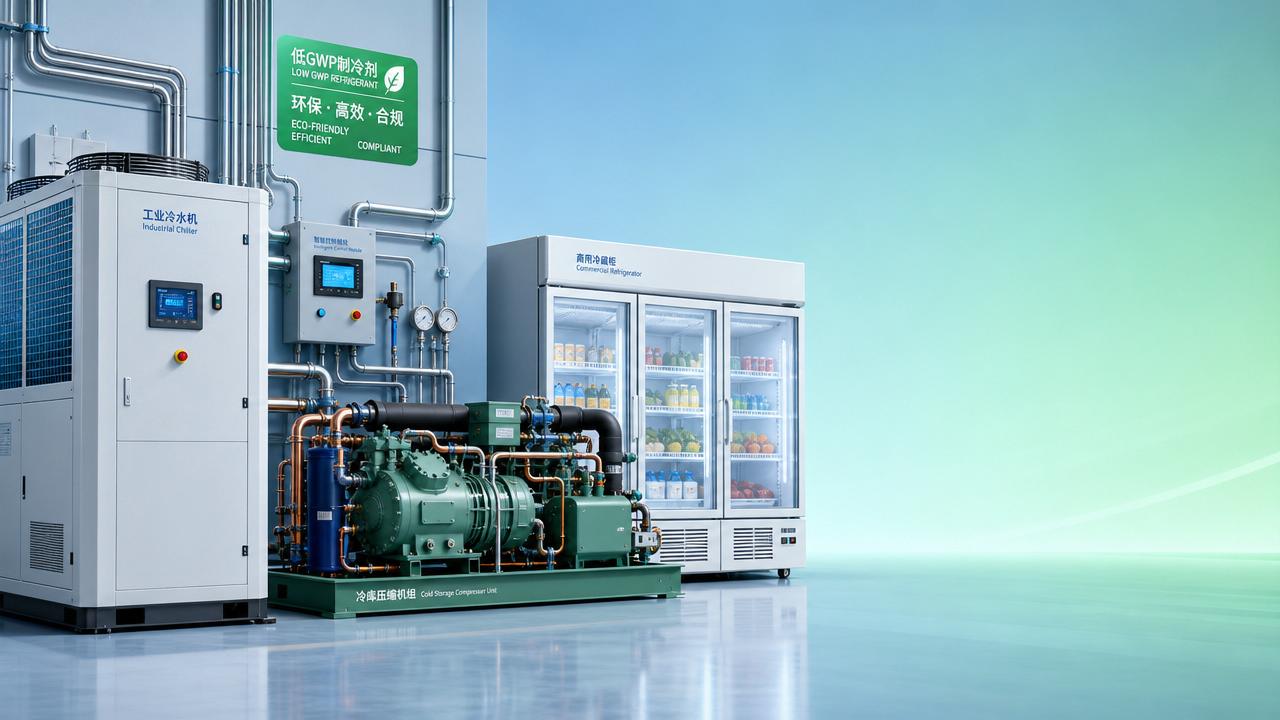
Eco-friendly cooling is rapidly reshaping compliance planning across industrial refrigeration, cold storage, medical freezing, and commercial display systems. As F-Gas restrictions tighten and sustainability targets rise, compliance is no longer a narrow legal task. It now affects equipment selection, retrofit timing, operating cost, export readiness, and brand credibility. A structured checklist helps turn eco-friendly cooling from a reactive burden into a measurable business advantage.
Why eco-friendly cooling now demands checklist-based compliance planning
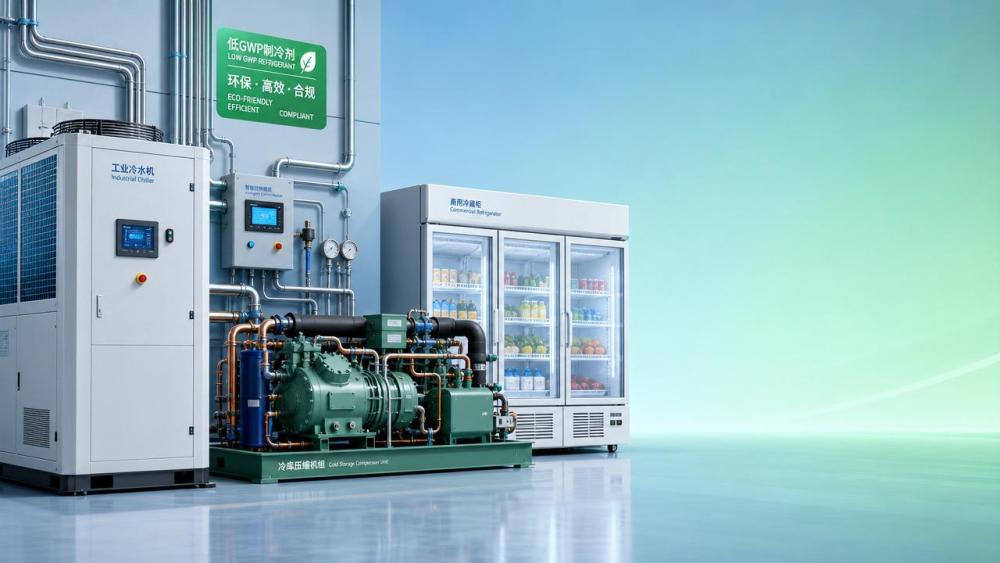
Regulatory change is moving faster than many capital planning cycles. Refrigerant bans, quota pressure, leak rules, energy labels, and reporting obligations can arrive before equipment reaches midlife.
At the same time, cold-chain demand is expanding in food retail, pharmaceuticals, process cooling, and logistics hubs. That combination makes eco-friendly cooling a compliance issue, an engineering issue, and an investment issue.
A checklist matters because cooling decisions are deeply connected. Refrigerant choice affects compressor architecture. System design affects efficiency. Efficiency affects operating cost. Documentation quality affects market access.
Core checklist for eco-friendly cooling compliance planning
- Map current refrigerants by GWP, charge size, leakage profile, and legal exposure across every site, because eco-friendly cooling planning fails when the installed base is only partially documented.
- Review market-specific regulations, including F-Gas phase-down rules, safety codes, transport limits, and labeling obligations, before approving any equipment specification or cross-border supply contract.
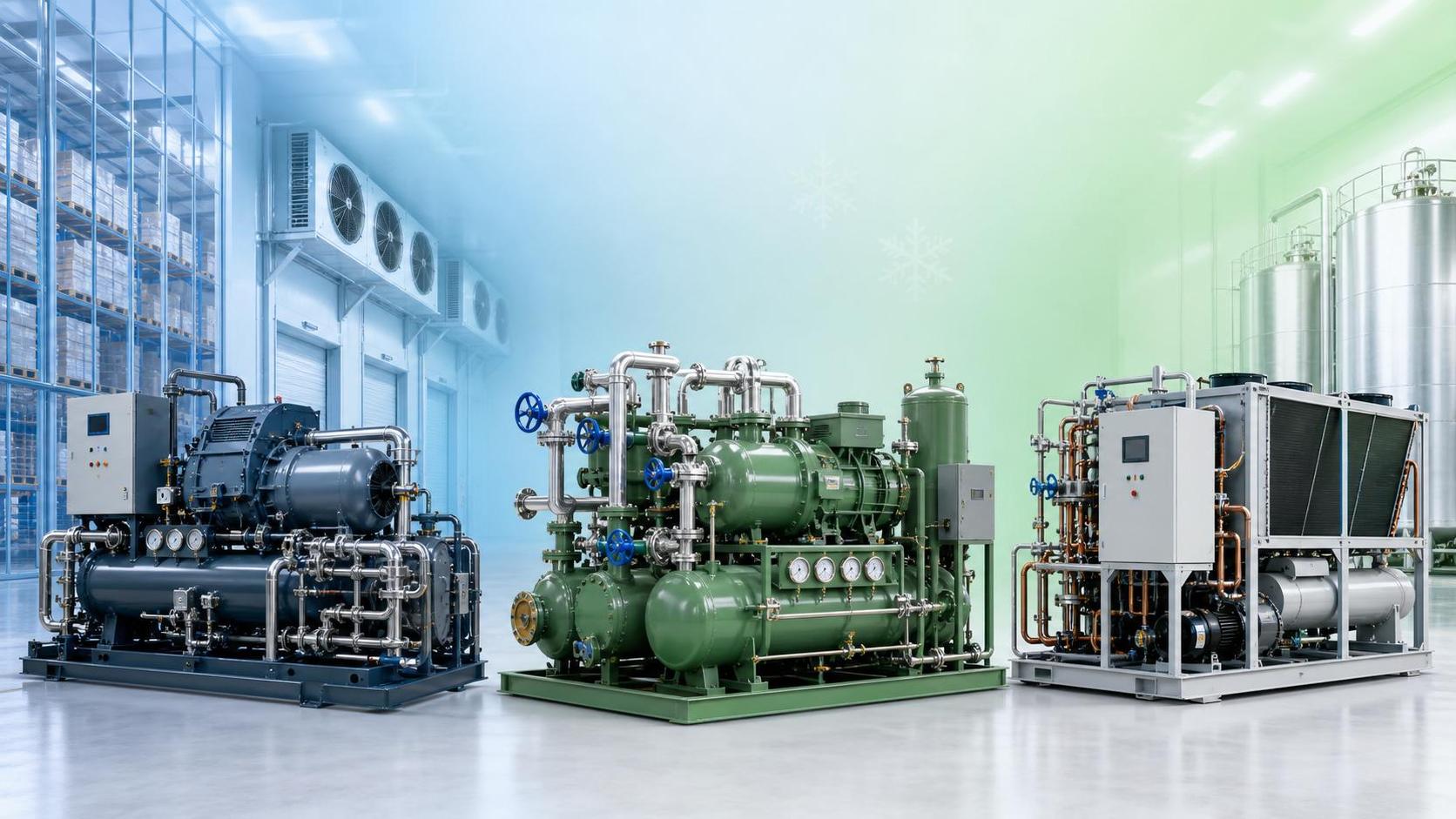
- Compare natural and low-GWP refrigerants against actual load conditions, ambient temperature, defrost behavior, and maintenance capability instead of selecting alternatives on environmental claims alone.
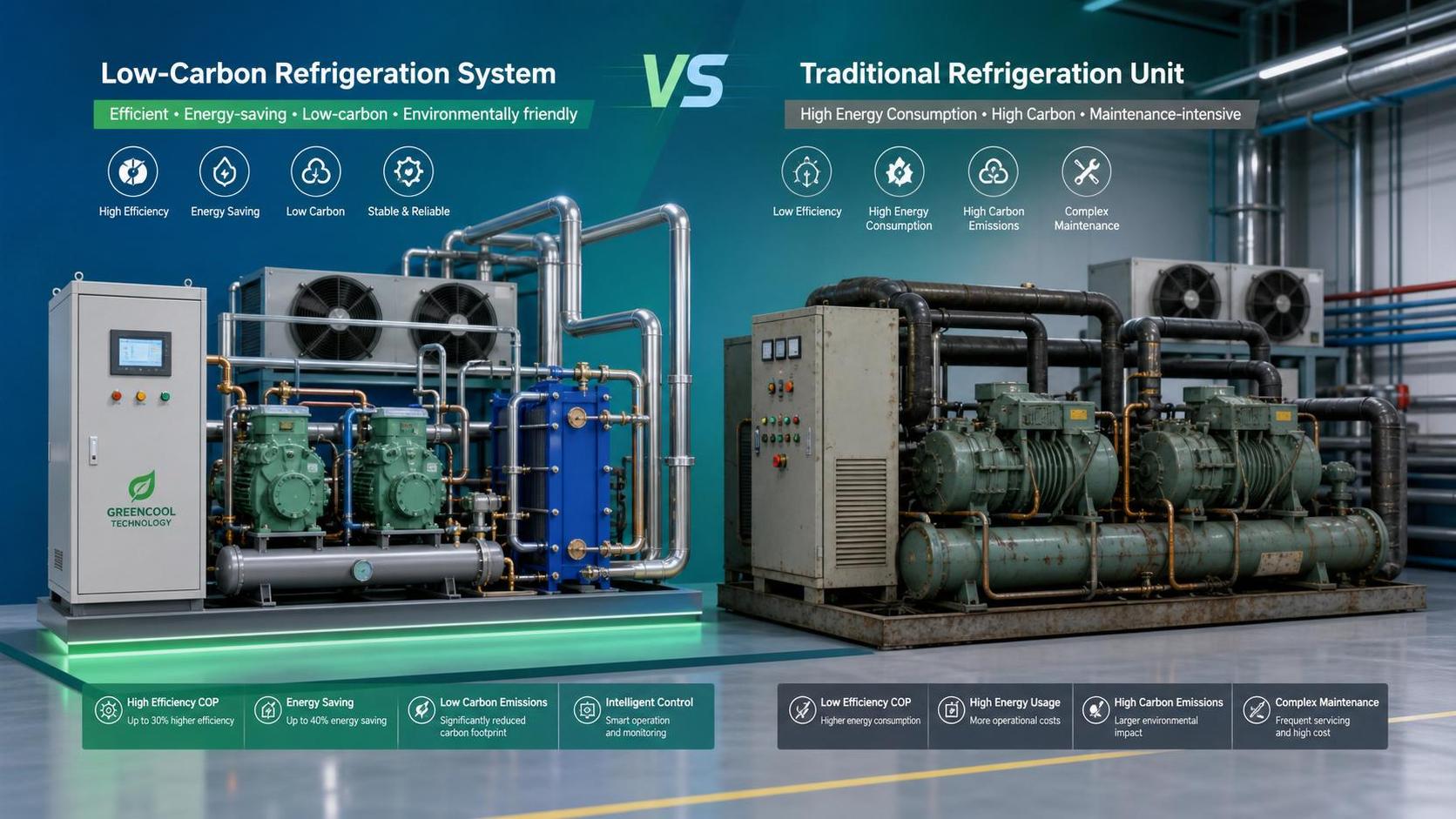
- Calculate lifecycle cost using energy consumption, refrigerant availability, service training, expected carbon exposure, and retrofit complexity, not just purchase price or quoted seasonal efficiency.
- Check compressor, valve, heat exchanger, and control compatibility early, because eco-friendly cooling retrofits often underperform when legacy components are reused without performance verification.
- Audit leak detection, recovery procedures, and refrigerant handling records, since compliance risk often comes from poor field execution rather than poor engineering design.
- Validate energy performance under real operating conditions, including part-load operation, pull-down speed, and door-opening cycles, especially in cold storage and commercial refrigeration cabinets.
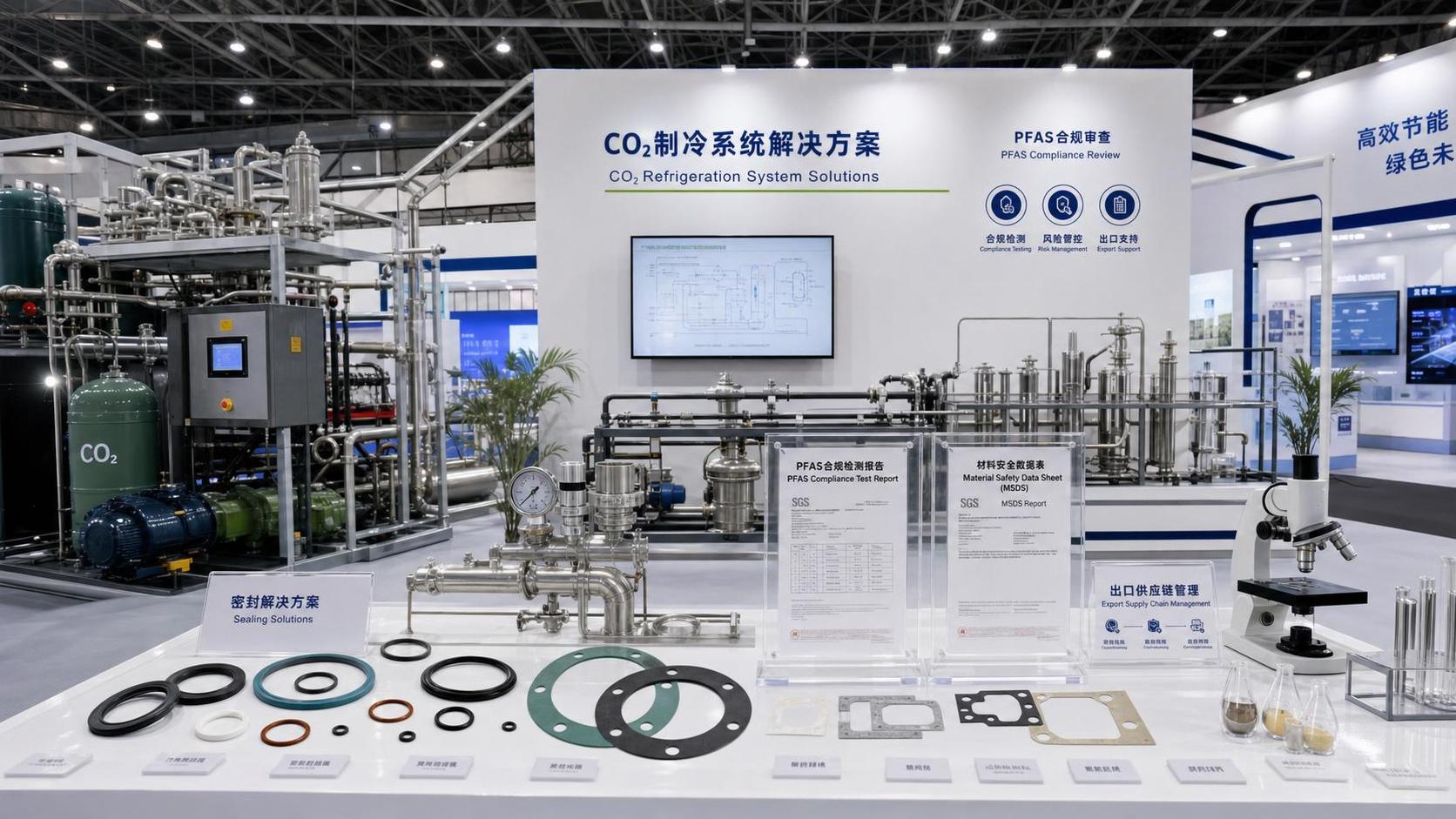
- Strengthen supplier documentation with test data, conformity files, safety approvals, and refrigerant traceability, because eco-friendly cooling claims without evidence create audit and tender risk.
- Plan technician readiness for CO2, hydrocarbons, ammonia, or cascade systems, since training gaps can delay commissioning, increase downtime, and weaken safety compliance.
- Set a phased transition roadmap that aligns asset age, energy intensity, and regulatory deadlines, allowing eco-friendly cooling investments to protect cash flow while improving resilience.
How the checklist applies across major cooling scenarios
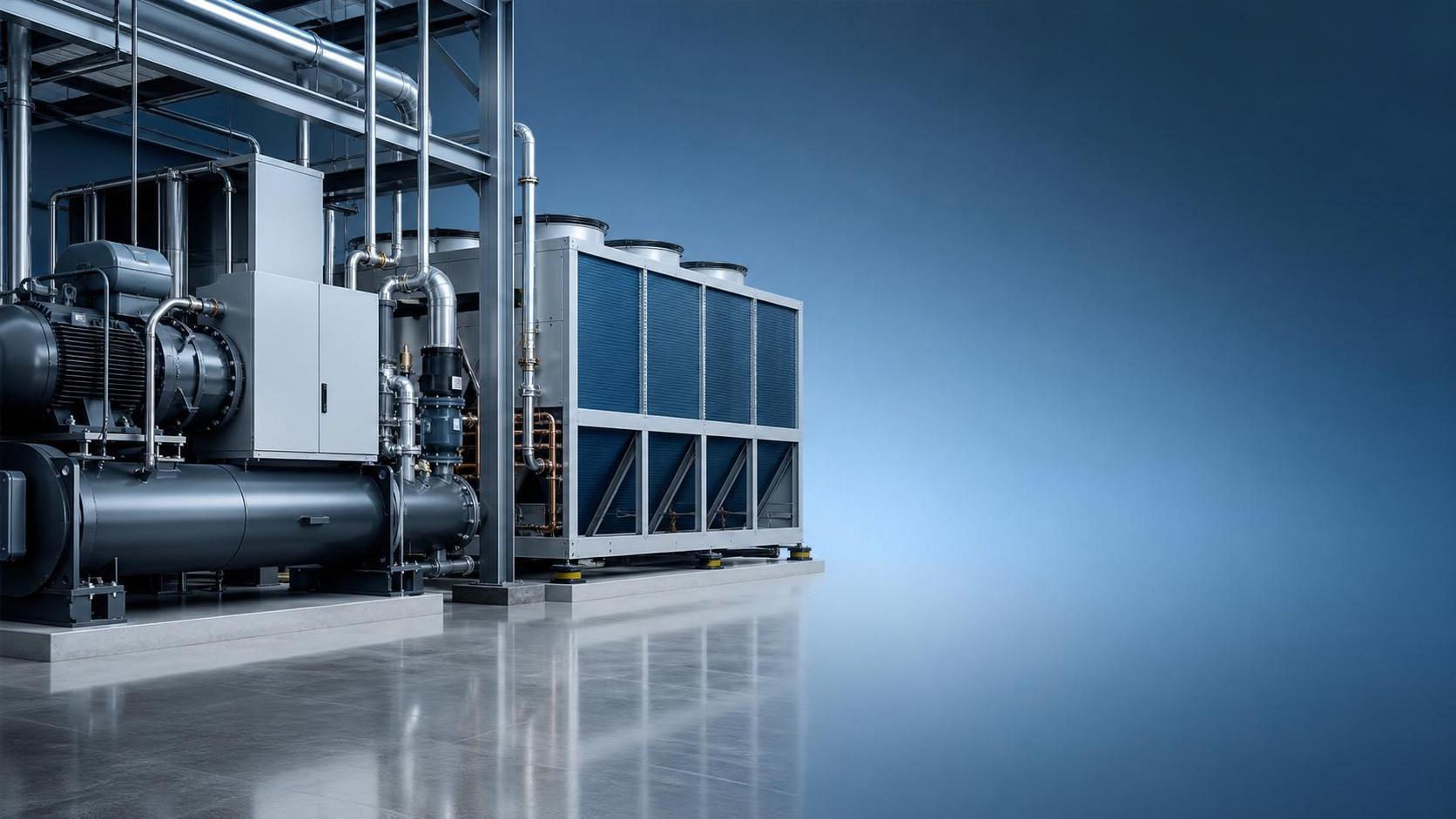
Industrial chillers
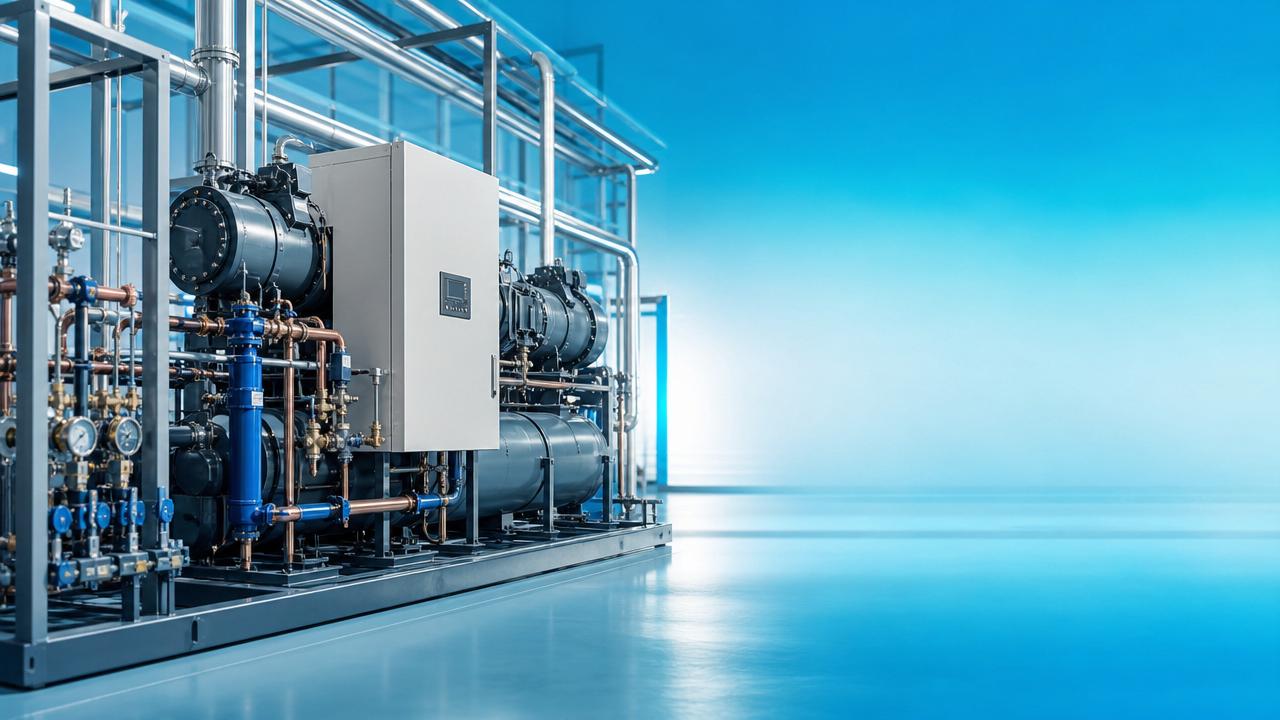
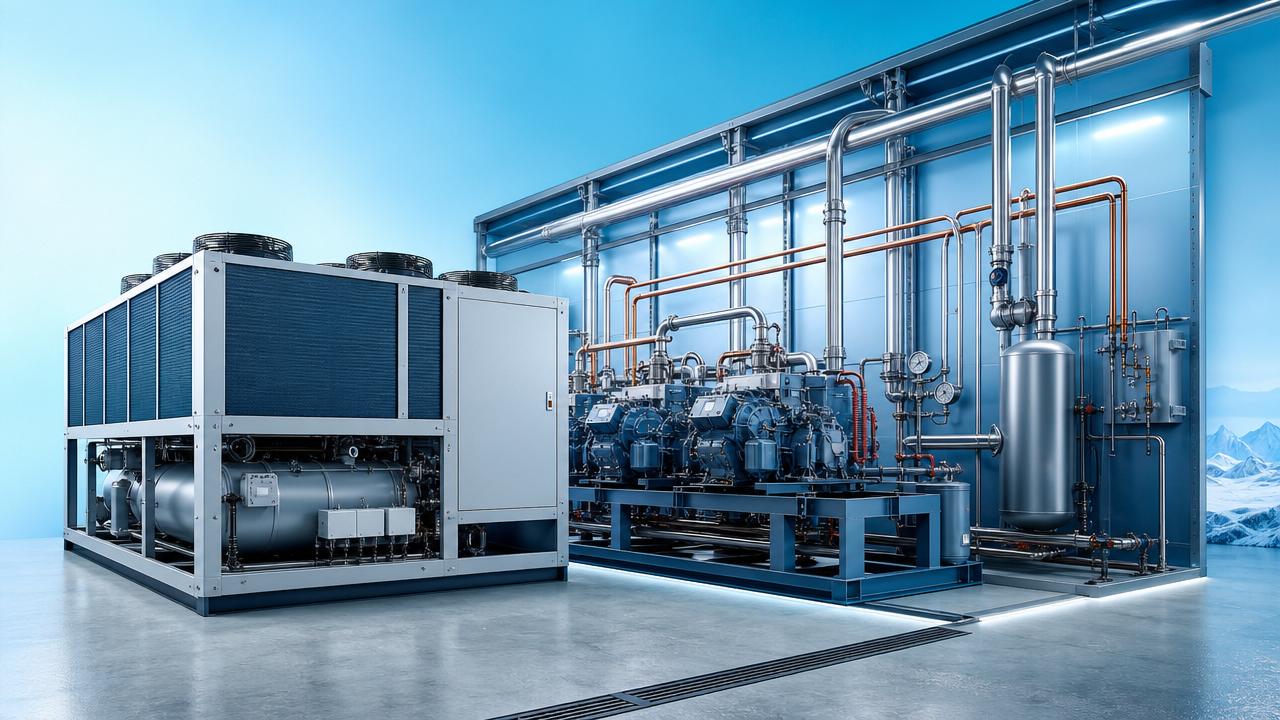
Industrial chillers face strong pressure from energy cost, heat load variability, and uptime requirements. In this segment, eco-friendly cooling must support process stability, not only low emissions.
Magnetic bearing systems, variable-speed drives, and smarter controls can reduce energy intensity. Yet refrigerant transition should also consider condenser conditions, water quality, and peak summer operation.
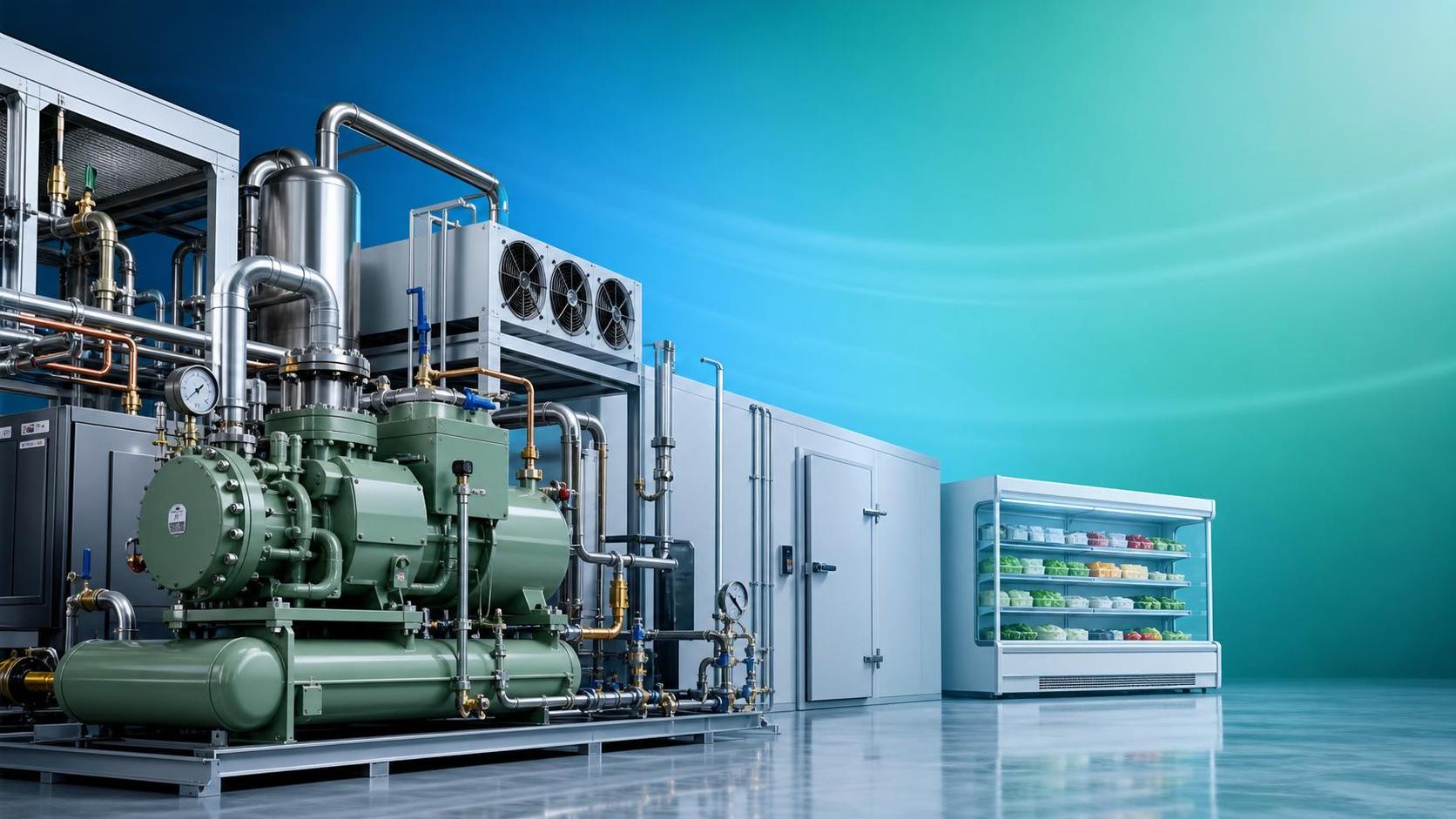
Cold storage compressors and logistics hubs
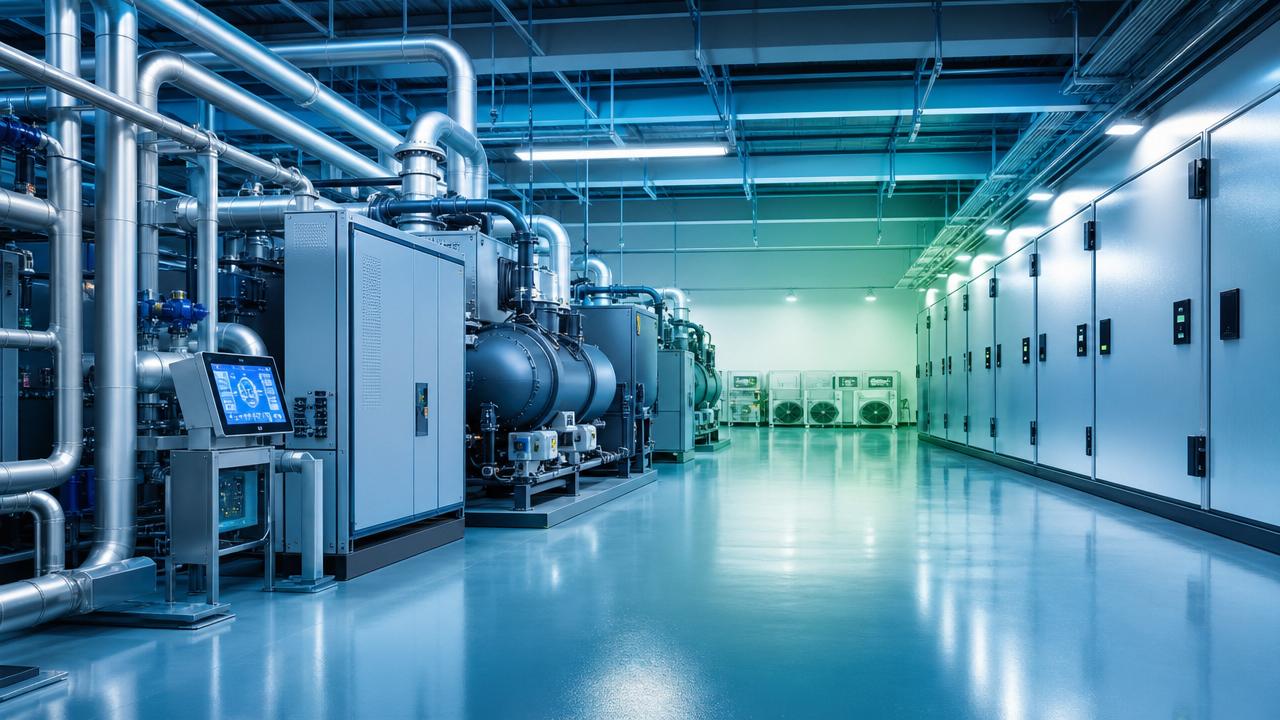
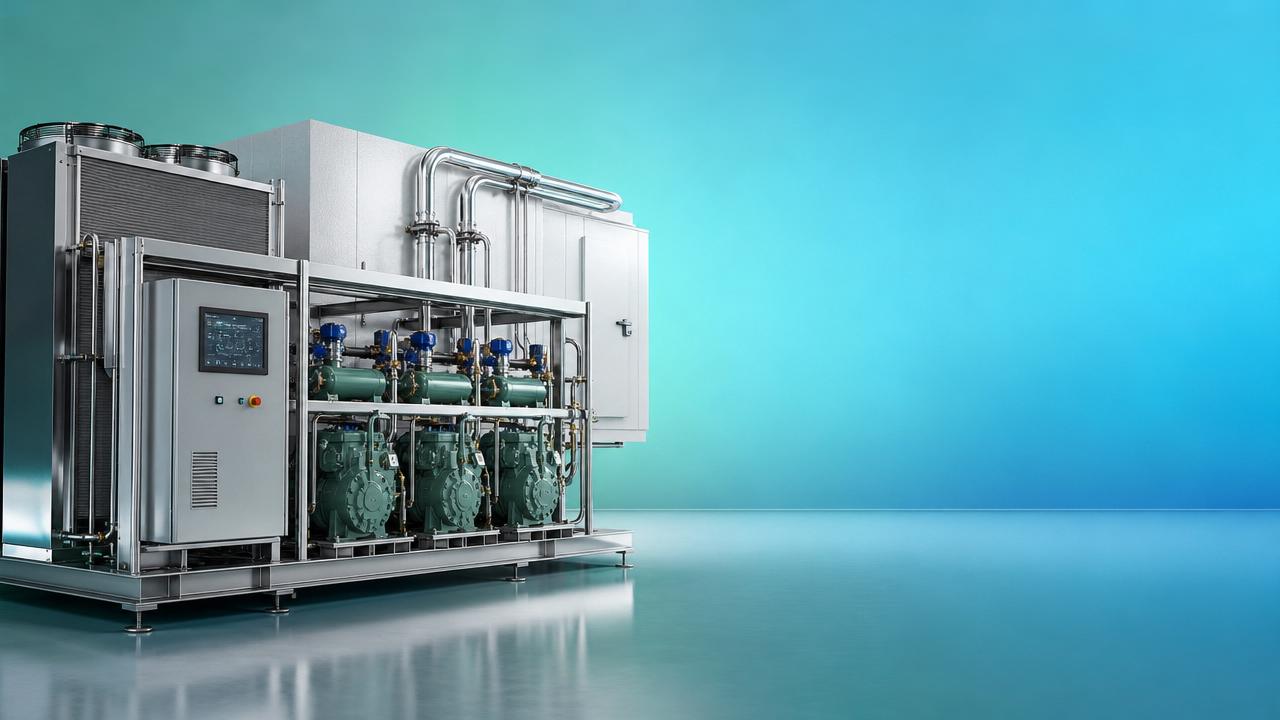
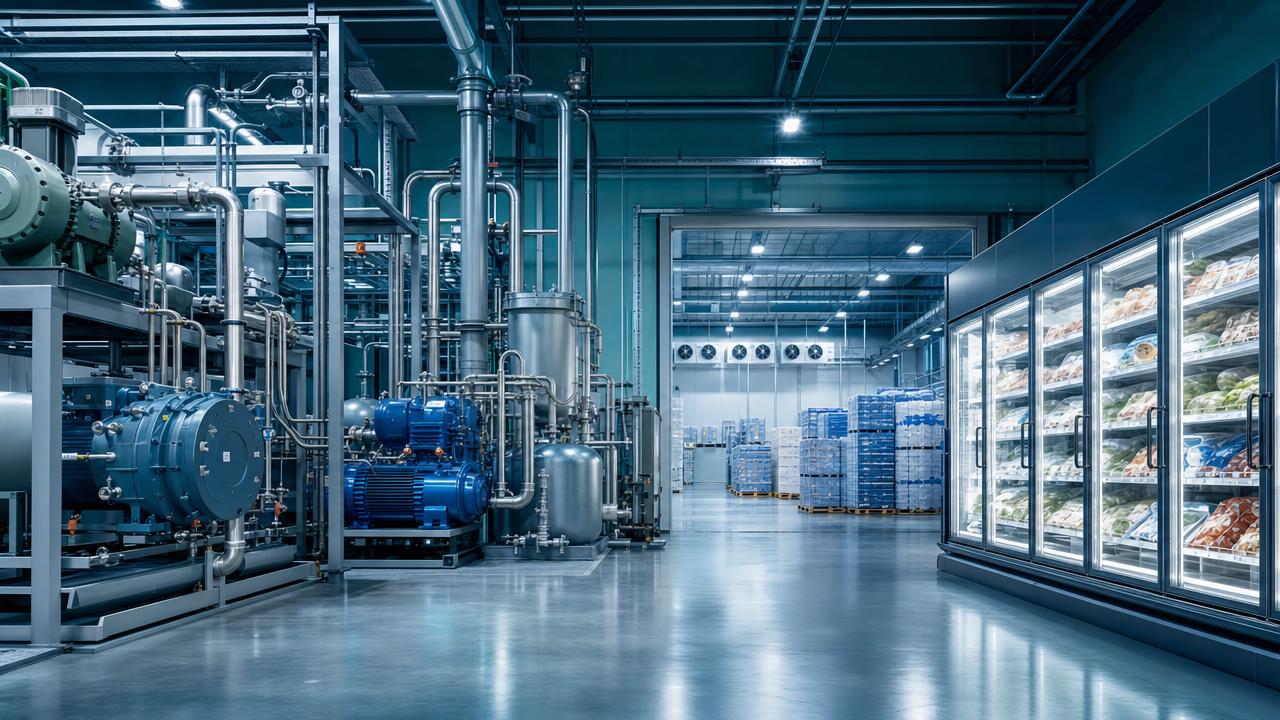
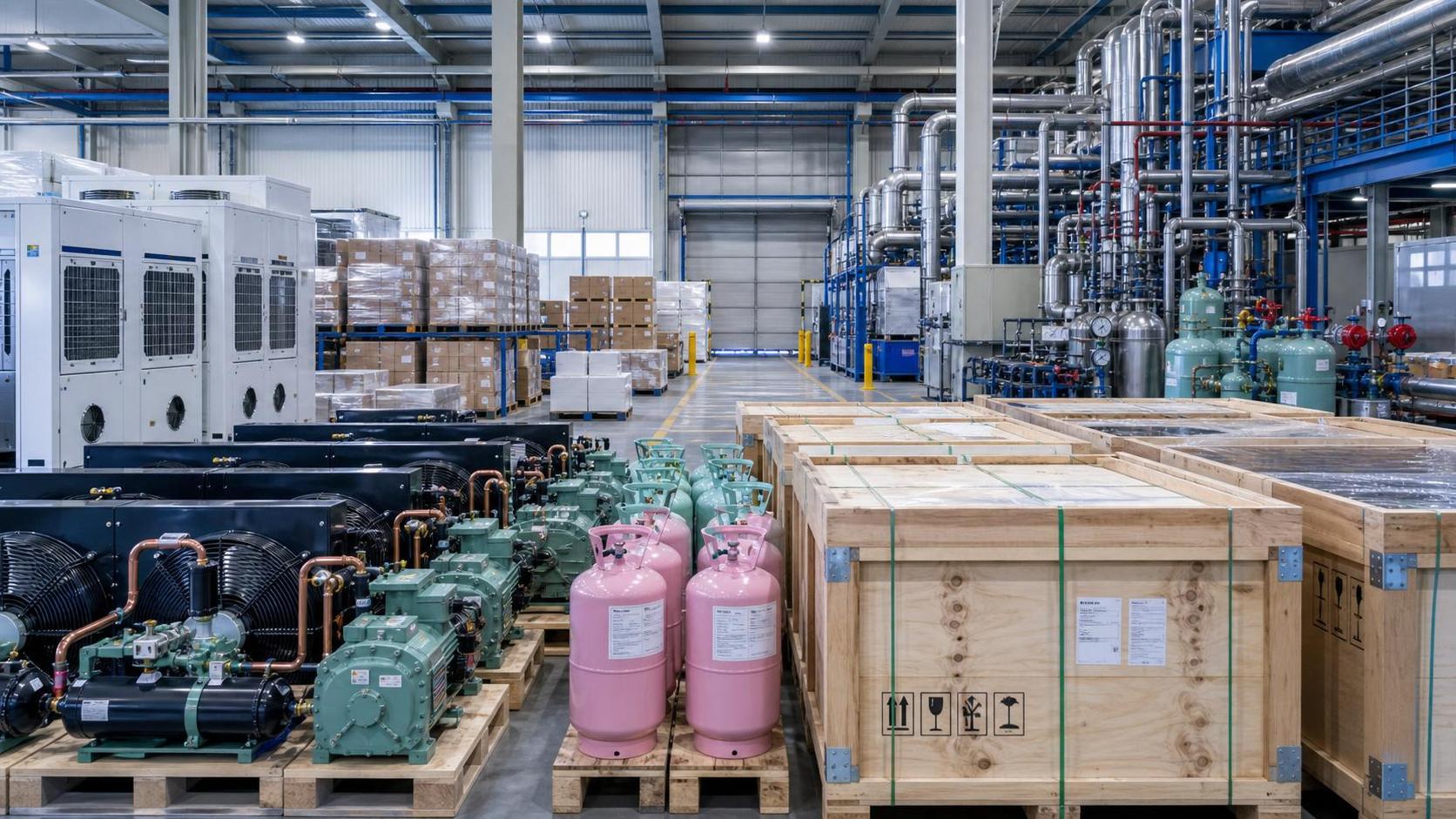
Large cold stores often operate for long hours with high product sensitivity. Here, eco-friendly cooling decisions should prioritize stable suction control, low leakage, and practical serviceability.
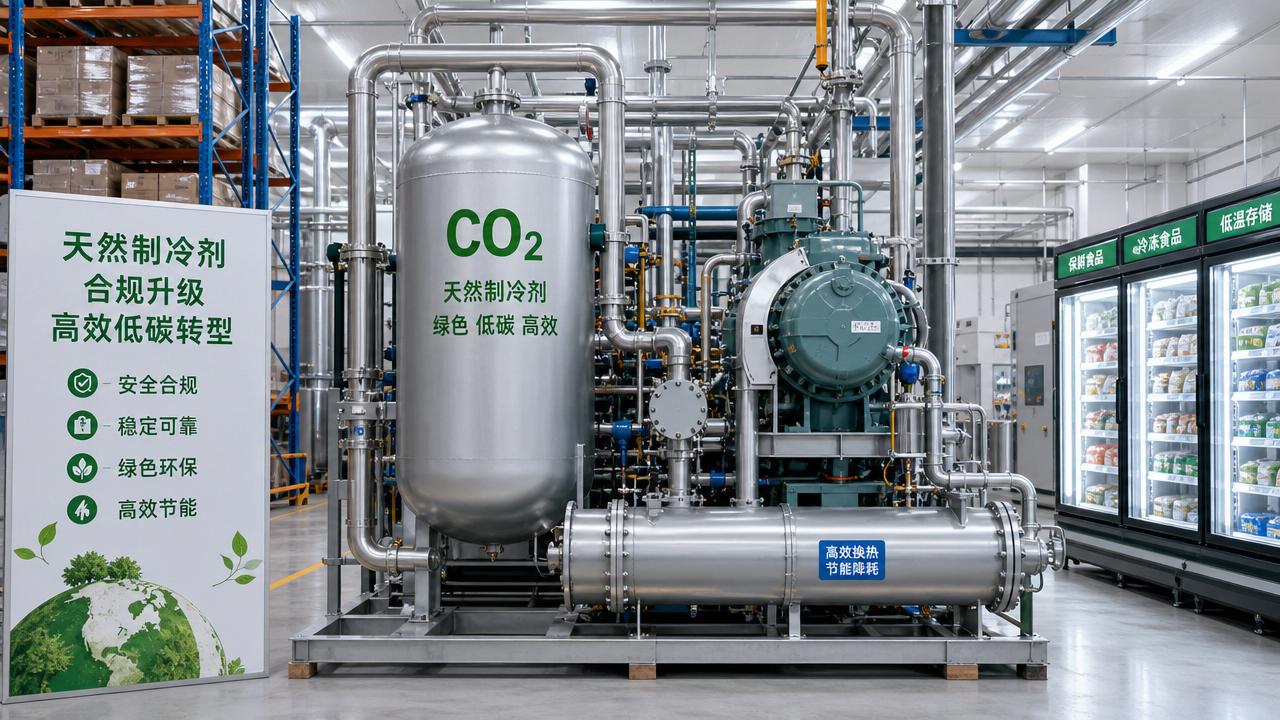
CO2 transcritical systems are gaining ground, especially where regulation strongly penalizes high-GWP gases. However, hot climate performance, parallel compression, and heat reclaim design require careful review.
Commercial ice machines
Ice systems used in fisheries, food processing, and concrete cooling are often judged by output volume alone. That misses water use, maintenance intervals, and refrigerant management.
For eco-friendly cooling in ice production, evaluate full-load efficiency, scaling resistance, corrosion risk, and remote monitoring support. Compliance planning should include local safety and installation standards.
Commercial refrigeration cabinets
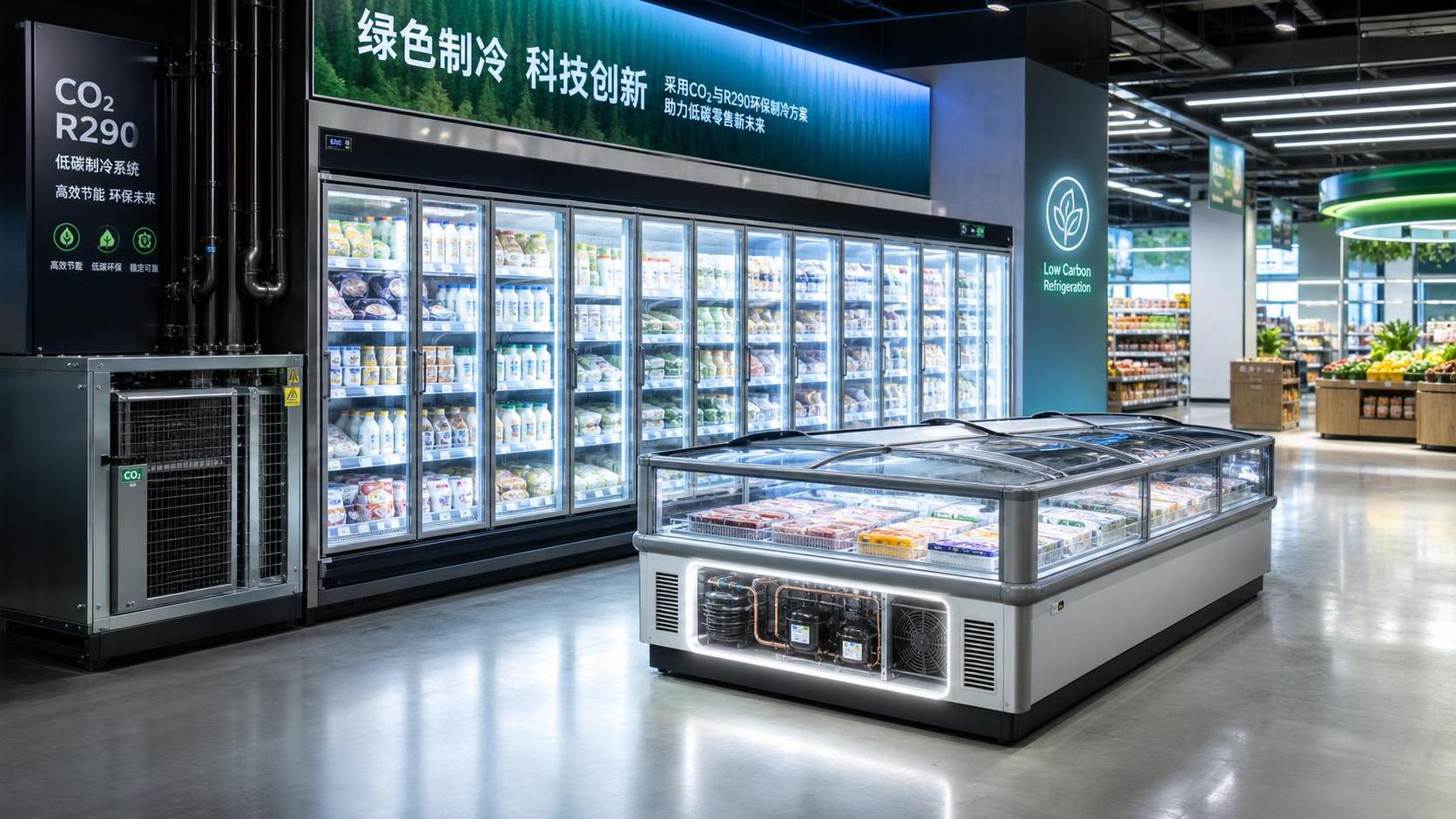
Retail cabinets sit at the intersection of compliance, shopper experience, and electricity consumption. Eco-friendly cooling here depends on airflow control, anti-fog performance, and consistent case temperature.
A low-GWP refrigerant alone does not guarantee results. Door design, lighting heat, fan efficiency, and AI defrost logic can significantly change total environmental and financial performance.
Ultra-low temperature freezers
Medical and life science applications require extreme reliability. Eco-friendly cooling in this area must balance refrigerant transition with temperature uniformity, alarm redundancy, and sample protection.
Cascade architecture, insulation integrity, and backup power integration should be reviewed together. A compliant freezer that cannot protect sensitive inventory is still a failed investment.
Commonly overlooked risks in eco-friendly cooling programs
- Ignoring refrigerant availability risk. A legal refrigerant can still become expensive, supply-constrained, or difficult to service in specific regions.
- Assuming retrofit equals compliance. Some retrofits reduce GWP but leave unresolved safety, labeling, documentation, or capacity performance issues.
- Treating energy efficiency as a catalog number. Real efficiency changes with ambient conditions, door openings, frost load, and control quality.
- Underestimating technician capability. Eco-friendly cooling systems using CO2, ammonia, or hydrocarbons require specific commissioning and emergency procedures.
- Missing export compliance details. Product approvals, refrigerant declarations, and local standards can block otherwise competitive equipment.
Practical execution steps for stronger compliance outcomes
Start with a refrigerant and asset inventory. Group systems by age, refrigerant type, energy use, criticality, and regulatory urgency. This creates a usable transition map.
Next, build a decision matrix. Score each eco-friendly cooling option against compliance fit, lifecycle cost, service complexity, safety profile, and site performance requirements.
Then, request stronger evidence from solution providers. Ask for operating envelopes, annual energy models, leak mitigation plans, spare parts strategy, and field references.
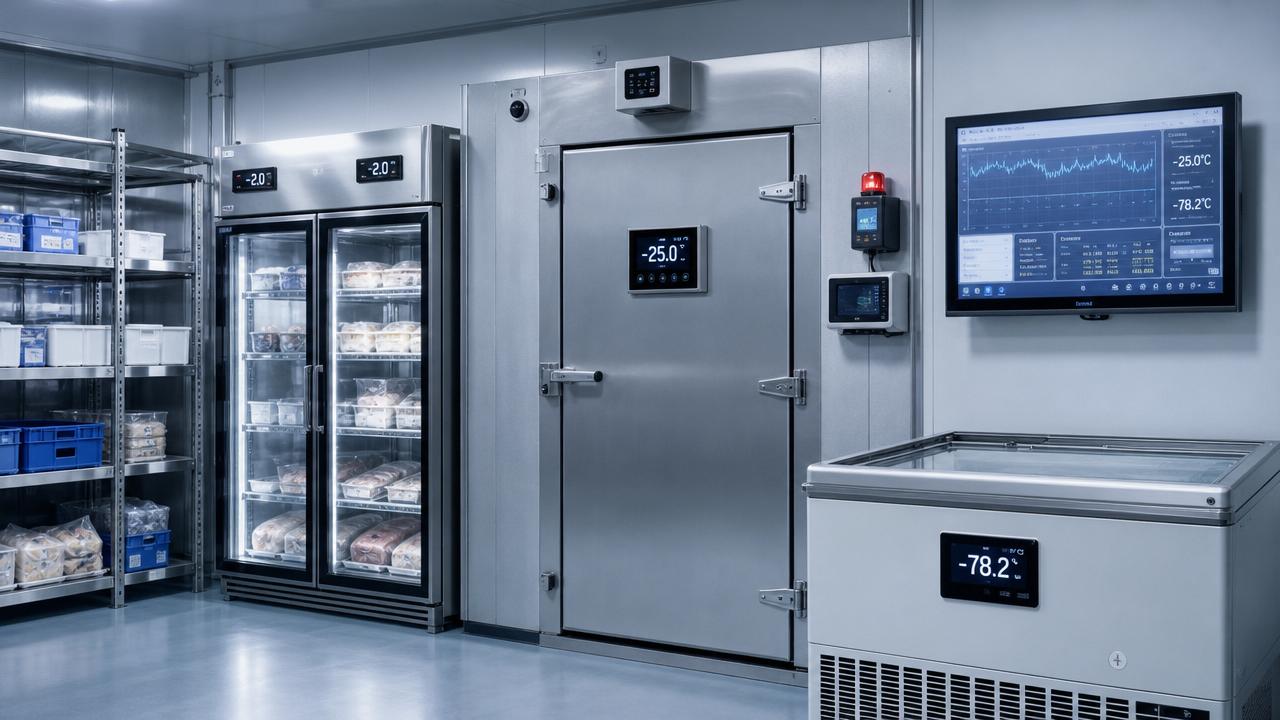
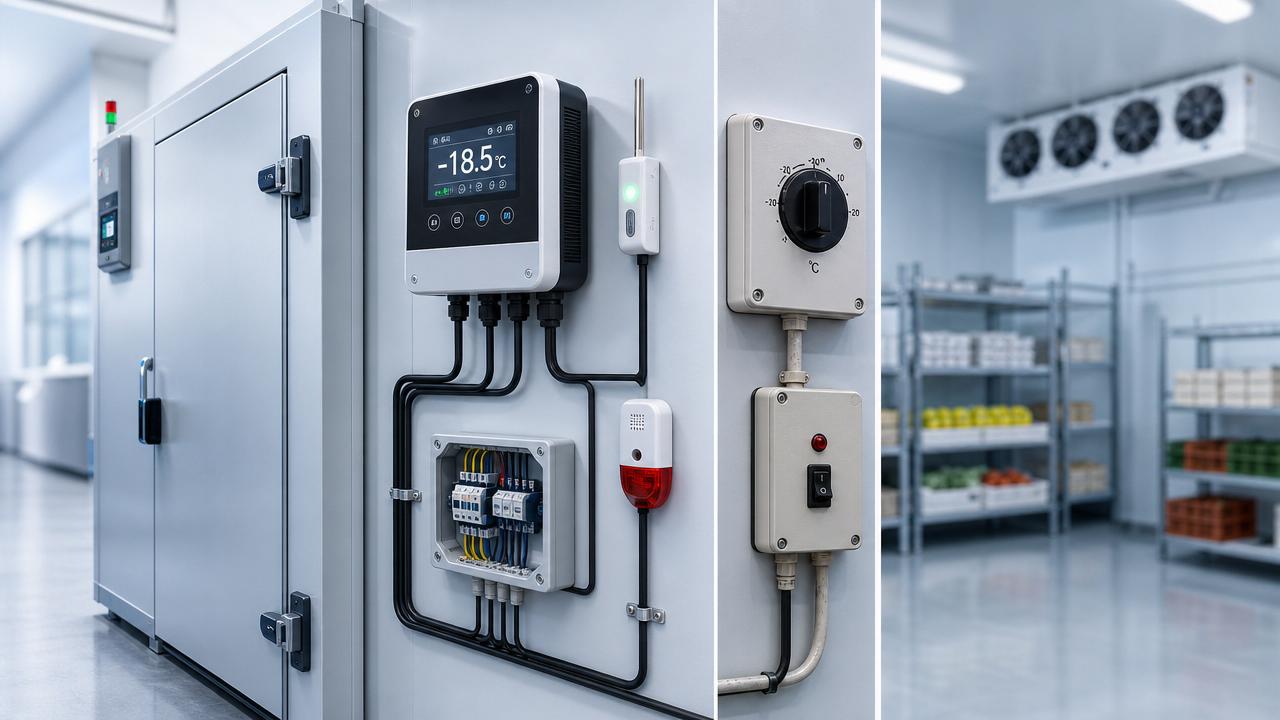
Finally, connect compliance planning with digital monitoring. Temperature data, compressor behavior, alarms, and service records help verify whether eco-friendly cooling goals are actually achieved.
Conclusion and next action
Eco-friendly cooling is changing compliance planning fast because cooling systems now sit at the center of regulation, energy strategy, and supply-chain reliability. The best response is not rushed replacement. It is disciplined evaluation.
Use a checklist to identify refrigerant exposure, component compatibility, energy performance, documentation quality, and training readiness. Then prioritize upgrades where compliance risk and lifecycle savings are highest.
In industrial refrigeration and cold-chain development, eco-friendly cooling works best when thermodynamics, regulation, and operational reality are planned together. The next step is simple: audit the installed base, rank the risks, and turn compliance planning into a long-term performance strategy.
Recommended News
 Eco-Refrigerant & ComplianceF-Gas Regulations Are Changing Equipment Choices Faster Than ExpectedAnalyst :Dr. Henrik Weber
 Eco-Refrigerant & ComplianceEco-Friendly Refrigeration: What Looks Green but Performs Poorly?Analyst :Dr. Henrik Weber
 Eco-Refrigerant & ComplianceNatural Refrigerants: Are Compliance Benefits Worth the Transition Cost?Analyst :Dr. Henrik Weber
 Eco-Refrigerant & ComplianceWhat drives low carbon refrigeration adoption in 2026?Analyst :Dr. Henrik Weber
 Eco-Refrigerant & ComplianceEco-friendly cooling is changing compliance planning fastAnalyst :Dr. Henrik Weber
 Eco-Refrigerant & ComplianceLow carbon cooling trends that could reshape investmentsAnalyst :Dr. Henrik Weber
 Eco-Refrigerant & ComplianceHow F-Gas regulations are changing refrigerant decisionsAnalyst :Dr. Henrik Weber
 Eco-Refrigerant & ComplianceIs eco-friendly refrigeration worth the higher upfront costAnalyst :Dr. Henrik Weber
 Eco-Refrigerant & ComplianceWhy low carbon cooling is becoming a compliance priorityAnalyst :Dr. Henrik Weber
 Eco-Refrigerant & ComplianceLow carbon refrigeration options that cut long-term costsAnalyst :Dr. Henrik Weber
 Eco-Refrigerant & ComplianceWhat buyers miss when choosing eco-friendly refrigerationAnalyst :Dr. Henrik Weber
 Eco-Refrigerant & ComplianceWhy low carbon refrigeration is becoming a board issueAnalyst :Dr. Henrik Weber
 Eco-Refrigerant & ComplianceWhat F-Gas regulations mean for equipment choices in 2026Analyst :Dr. Henrik Weber
![]() Eco-Refrigerant & ComplianceIndonesia Launches Green Refrigeration Channel for R290 Cold CabinetsAnalyst :Dr. Henrik Weber
Eco-Refrigerant & ComplianceIndonesia Launches Green Refrigeration Channel for R290 Cold CabinetsAnalyst :Dr. Henrik Weber Eco-Refrigerant & ComplianceWhy low carbon cooling is becoming a safer long betAnalyst :Dr. Henrik Weber
 Eco-Refrigerant & ComplianceWhat makes eco-friendly cooling cheaper over time?Analyst :Dr. Henrik Weber
 Eco-Refrigerant & ComplianceF-Gas regulations are changing how cooling gets approvedAnalyst :Dr. Henrik Weber
 Eco-Refrigerant & ComplianceHow eco-friendly refrigeration cuts compliance riskAnalyst :Dr. Henrik Weber
 Eco-Refrigerant & ComplianceHow low carbon cooling cuts compliance risk in 2026Analyst :Dr. Henrik Weber
 Eco-Refrigerant & ComplianceLow Carbon Refrigeration: Compare Refrigerants, Energy Use, and ComplianceAnalyst :Dr. Henrik Weber
 Eco-Refrigerant & ComplianceEco-Friendly Cooling Options: Refrigerants, Efficiency, and Compliance ChecksAnalyst :Dr. Henrik Weber
![]() Eco-Refrigerant & ComplianceWhat Are Natural Refrigerants? Types, GWP Limits, and Where They Fit BestAnalyst :Dr. Henrik Weber
Eco-Refrigerant & ComplianceWhat Are Natural Refrigerants? Types, GWP Limits, and Where They Fit BestAnalyst :Dr. Henrik Weber Eco-Refrigerant & ComplianceEco-Friendly Cooling vs Conventional Systems: What Buyers Should Compare FirstAnalyst :Dr. Henrik Weber
 Eco-Refrigerant & ComplianceEco-Friendly Refrigeration vs Conventional Systems: Refrigerants, Energy Use, and ComplianceAnalyst :Dr. Henrik Weber
 Eco-Refrigerant & ComplianceLow Carbon Refrigeration: Key Standards, Refrigerant Options, and ROI FactorsAnalyst :Dr. Henrik Weber
 Eco-Refrigerant & ComplianceTemperature Control Standards for Food Storage: Critical Limits, Logging, and Audit ChecksAnalyst :Dr. Henrik Weber
 Eco-Refrigerant & ComplianceLow Carbon Cooling Options Explained: Refrigerants, Compliance, and System Trade-OffsAnalyst :Dr. Henrik Weber
 Eco-Refrigerant & ComplianceDigital Refrigeration vs Conventional Controls: What Improves Monitoring and Compliance?Analyst :Dr. Henrik Weber
 Eco-Refrigerant & ComplianceLow Carbon Cooling Options for Commercial Refrigeration: CO2, Ammonia, and Hybrid SystemsAnalyst :Dr. Henrik Weber
 Eco-Refrigerant & ComplianceLow Carbon Cooling Options Compared: CO2, Ammonia, and HFO Systems for ComplianceAnalyst :Dr. Henrik Weber
 Eco-Refrigerant & ComplianceIndustrial Refrigeration Systems Buying Guide: Lifecycle Cost, Efficiency, and ComplianceAnalyst :Dr. Henrik Weber
 Eco-Refrigerant & ComplianceEco-Friendly Cooling Options: Refrigerants, Energy Use, and Compliance Factors ComparedAnalyst :Dr. Henrik Weber
 Eco-Refrigerant & ComplianceNatural Refrigerants vs HFCs: How to Compare Compliance, Safety, and System DesignAnalyst :Dr. Henrik Weber
 Eco-Refrigerant & ComplianceHow to Read Specification-Oriented Product Guides for Refrigeration EquipmentAnalyst :Dr. Henrik Weber
 Eco-Refrigerant & ComplianceLow Carbon Refrigeration Options for Supermarkets: CAPEX, Energy Use, and Compliance ComparedAnalyst :Dr. Henrik Weber
 Eco-Refrigerant & ComplianceRACC 2026 to Host PFAS Compliance Briefing in HangzhouAnalyst :Dr. Henrik Weber
 Eco-Refrigerant & ComplianceEPA Rule Challenge Raises HFC Supply Chain ConcernsAnalyst :Dr. Henrik Weber
 Eco-Refrigerant & ComplianceLow Carbon Refrigeration Systems vs Conventional Setups: Which Delivers Lower Lifecycle Cost?Analyst :Dr. Henrik Weber
 Eco-Refrigerant & ComplianceLow GWP Refrigeration Explained: Refrigerants, Regulations, and System Trade-OffsAnalyst :Dr. Henrik Weber
 Eco-Refrigerant & ComplianceLow Carbon Refrigeration Systems Retrofit: When to Upgrade and Which Changes Matter MostAnalyst :Dr. Henrik Weber