Industry News
Curation by industry experts
Hot Articles
- Cold Chain & Retail Energy InsightsHow North American Cold Facilities Can Benchmark Refrigeration System Efficiency
- -86℃ ULT FreezersHow to Select Medical Cryogenic Vials for Long-Term Sample Storage
- Cold Chain & Retail Energy InsightsFood-Grade Panel Requirements for Hygienic Meat Cold Storage Systems
Popular Tags
What drives low carbon refrigeration adoption in 2026?
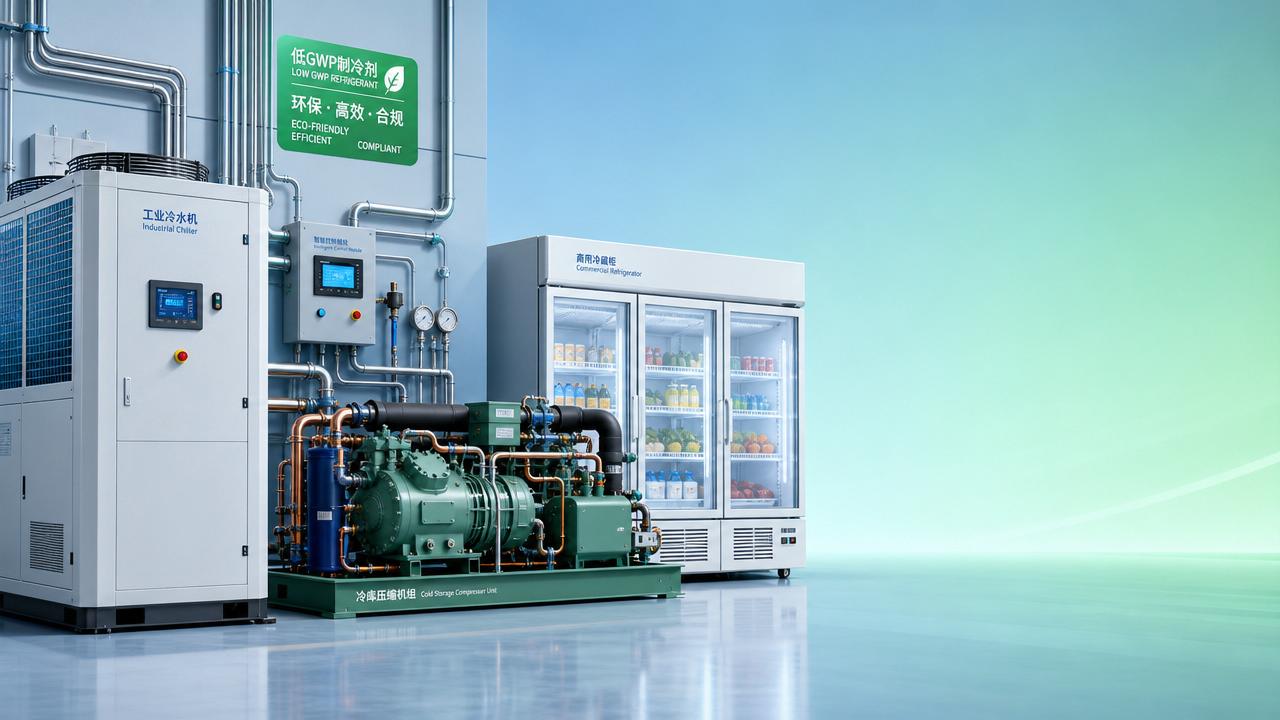
In 2026, low carbon refrigeration is moving from niche ambition to strategic necessity as regulations tighten, energy costs fluctuate, and cold-chain performance expectations rise. For researchers tracking industrial cooling, retail refrigeration, medical storage, and cold hub upgrades, understanding what drives adoption means connecting policy, refrigerant technology, system efficiency, and long-term operating value across a rapidly evolving global market.
The fastest growth in low carbon refrigeration no longer comes from a single trigger. It comes from stacked pressure. Climate policy is stricter, refrigerants are under closer scrutiny, and electricity cost volatility is reshaping lifecycle economics.
At the same time, food retail, pharmaceutical logistics, industrial chilling, and cold storage expansion demand higher uptime, tighter temperature control, and lower emissions. That combination makes low carbon refrigeration a practical investment topic, not just a sustainability headline.
Why a checklist approach matters in 2026
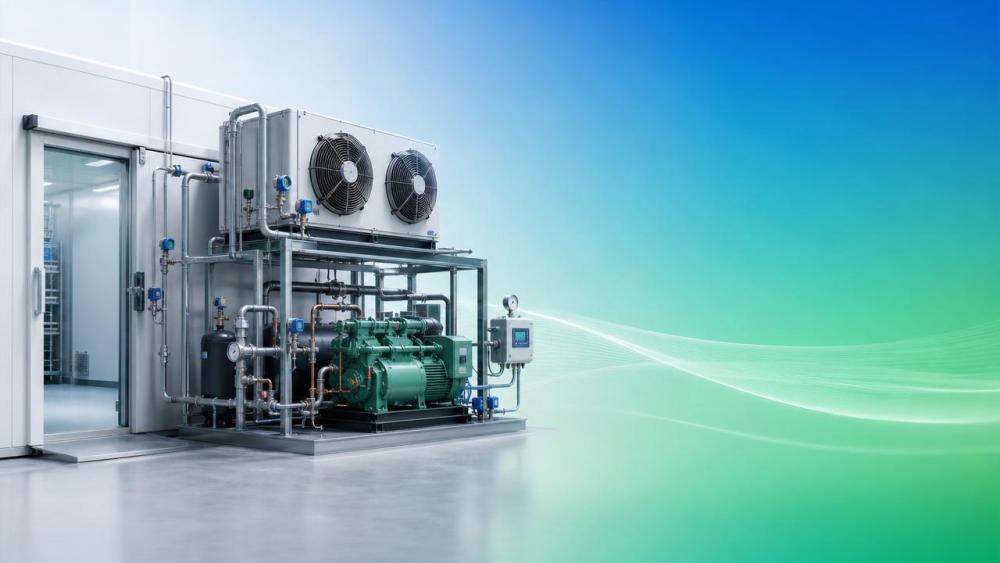
Low carbon refrigeration adoption can look simple from the outside. Replace a high-GWP refrigerant, improve efficiency, and report lower emissions. In reality, adoption depends on technical fit, safety codes, site design, service readiness, and total cost over time.
A checklist helps compare low carbon refrigeration options across different applications. It also prevents expensive mistakes, such as selecting a compliant refrigerant that weakens pull-down performance, raises maintenance complexity, or limits future expansion.
Core checklist: what drives low carbon refrigeration adoption
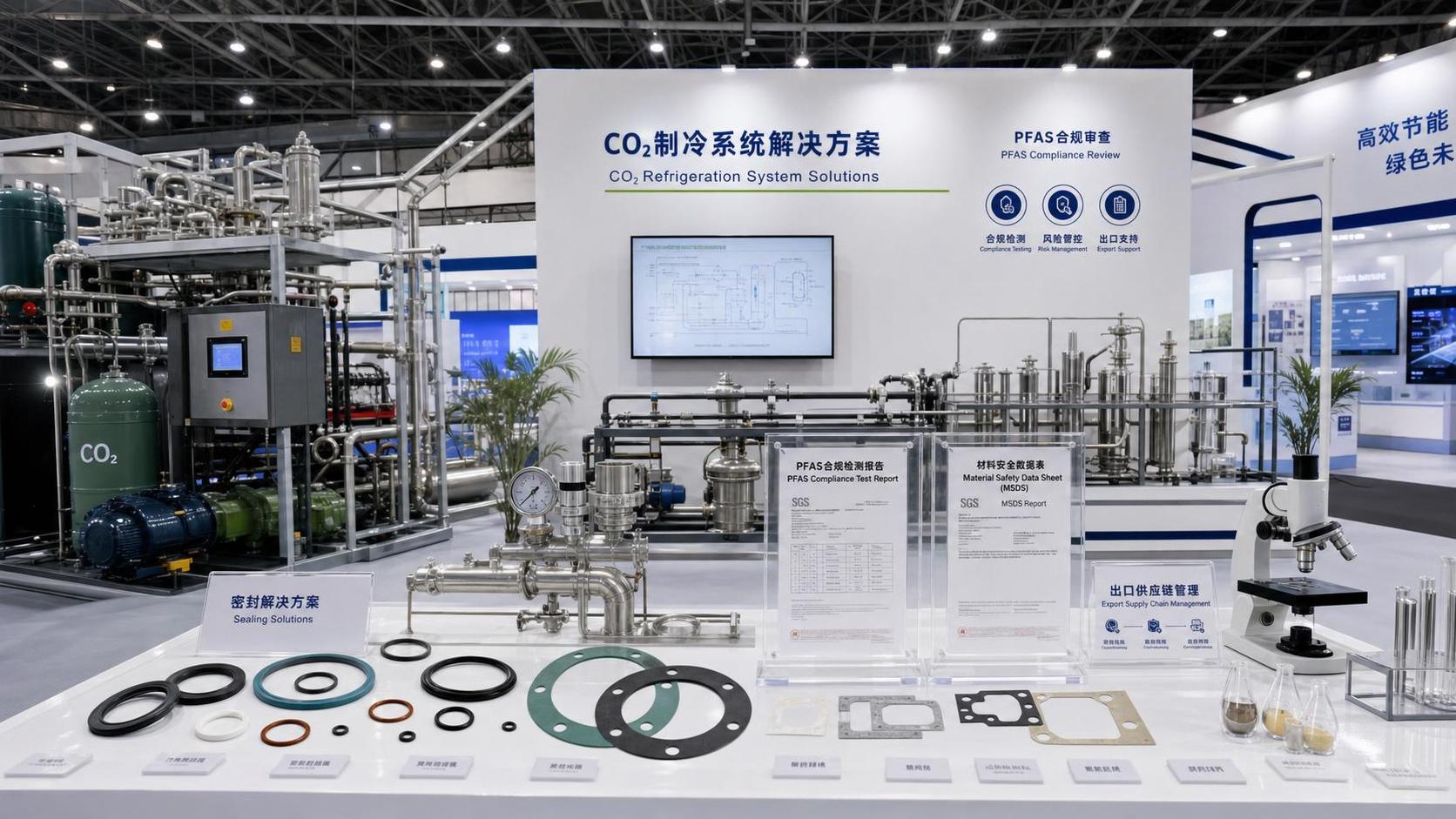
- Track regulation first, then technology. Review F-gas phase-down rules, HFC taxes, PFAS scrutiny, charge limits, and building codes before evaluating any low carbon refrigeration architecture.
- Compare direct and indirect emissions together. Measure refrigerant leakage risk, annual electricity demand, and heat recovery potential instead of focusing only on global warming potential.
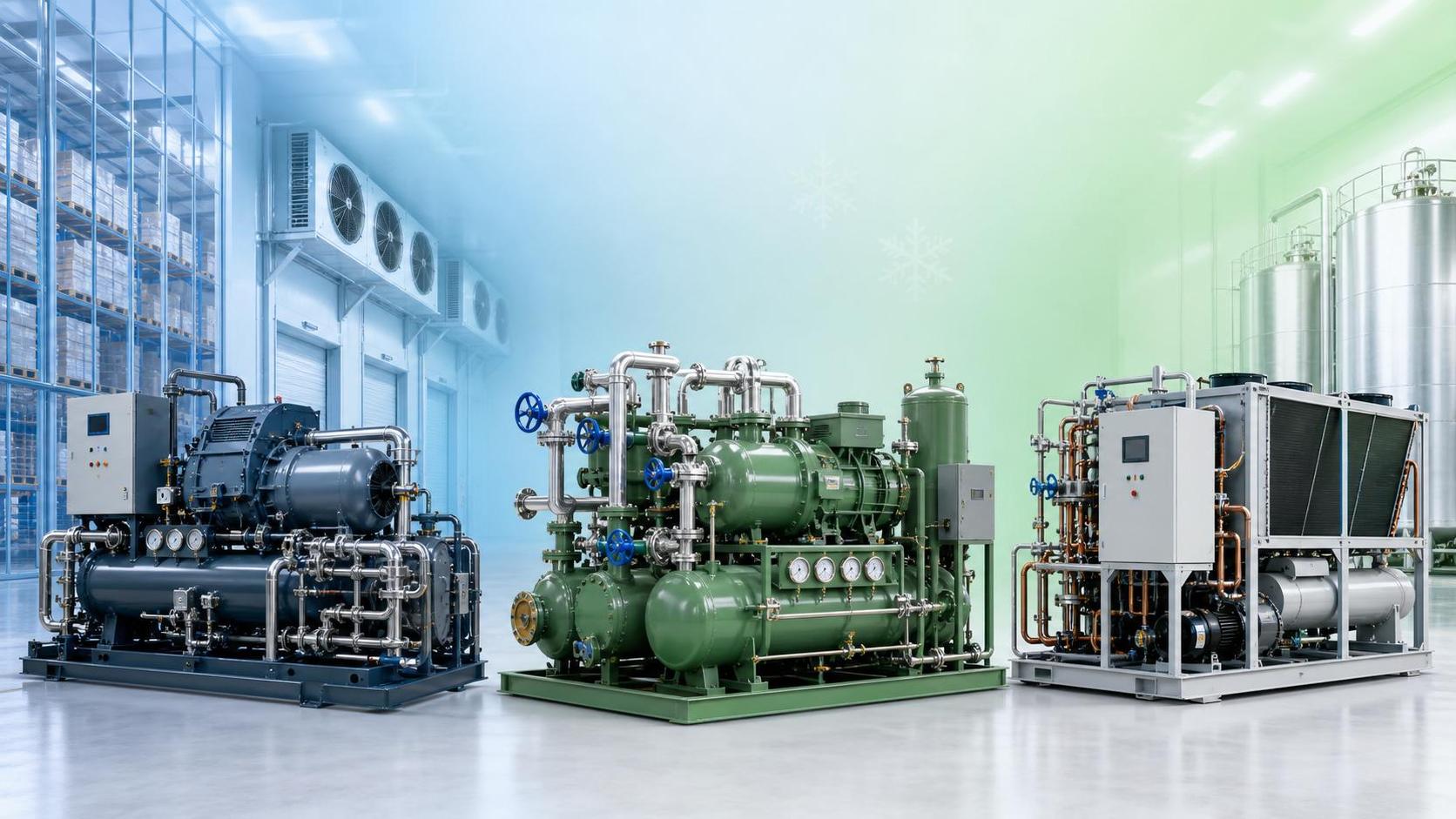
- Prioritize refrigerant-system matching. CO2, ammonia, hydrocarbons, and low-GWP blends perform differently across ambient conditions, load profiles, defrost cycles, and storage temperature bands.
- Audit full lifecycle cost. Include retrofit downtime, controls upgrades, training, leak detection, spare parts, maintenance intervals, and energy consumption over ten to fifteen years.
- Verify performance under local climate. High ambient regions may require ejectors, parallel compression, adiabatic gas cooling, or cascade systems for stable low carbon refrigeration efficiency.
- Examine load variability carefully. Facilities with sharp demand swings benefit more from variable-speed compressors, floating head pressure, smart valves, and adaptive defrost algorithms.
- Check service ecosystem maturity. Low carbon refrigeration adoption accelerates where technicians, component suppliers, compliance documentation, and commissioning expertise are already available.
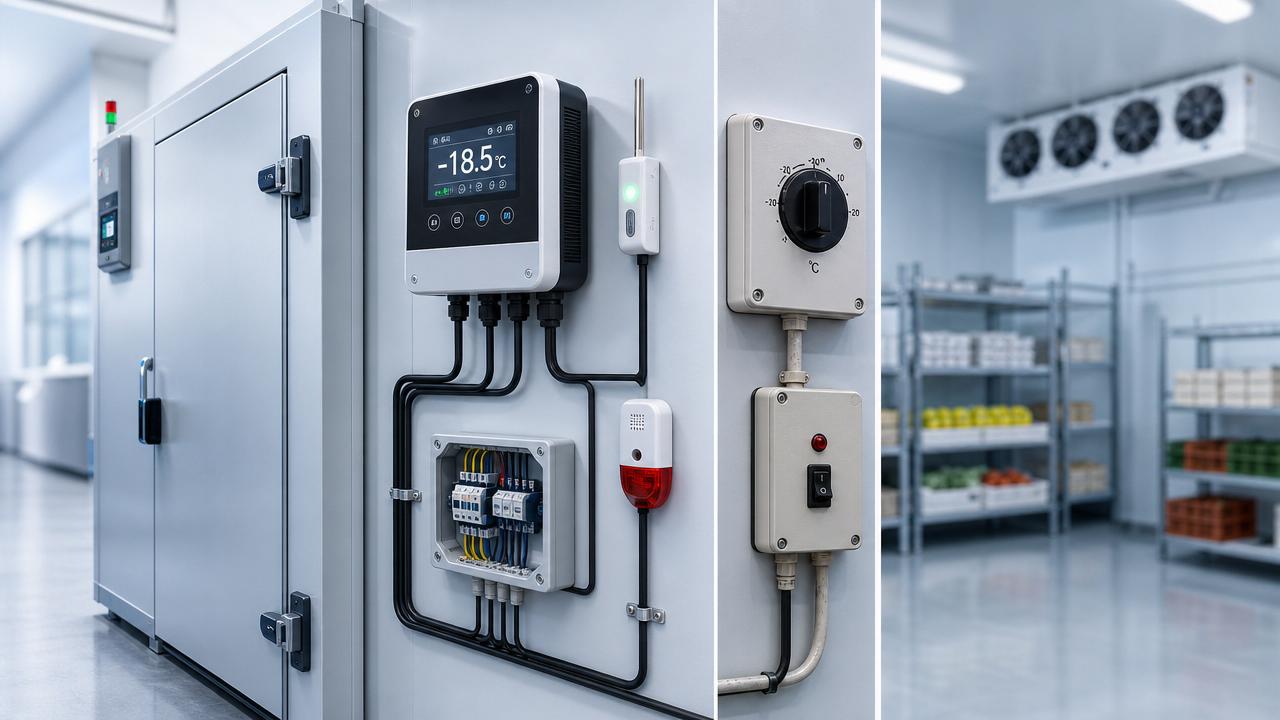
- Assess digital controls readiness. Sensors, remote monitoring, fault diagnostics, and energy analytics improve reliability and prove whether projected carbon and efficiency gains are real.
- Use product sensitivity as a decision filter. Fresh produce, seafood, biologics, and precision manufacturing loads require different temperature stability and recovery speed targets.
- Plan for expansion, not just compliance. The best low carbon refrigeration projects keep refrigerant choices and system layout compatible with future capacity additions and reporting rules.
What the main adoption drivers look like in practice
Regulation is turning optional change into scheduled change
The biggest 2026 driver is policy timing. Many operators are no longer asking whether low carbon refrigeration matters. They are asking how quickly legacy HFC systems become risky from a cost, compliance, or export perspective.
Restrictions on high-GWP refrigerants, quota pressure, and stricter disclosure frameworks are increasing uncertainty around old platforms. That uncertainty makes natural refrigerants and lower-impact system designs more attractive, especially in long-life assets.
Energy economics are now as important as refrigerant choice
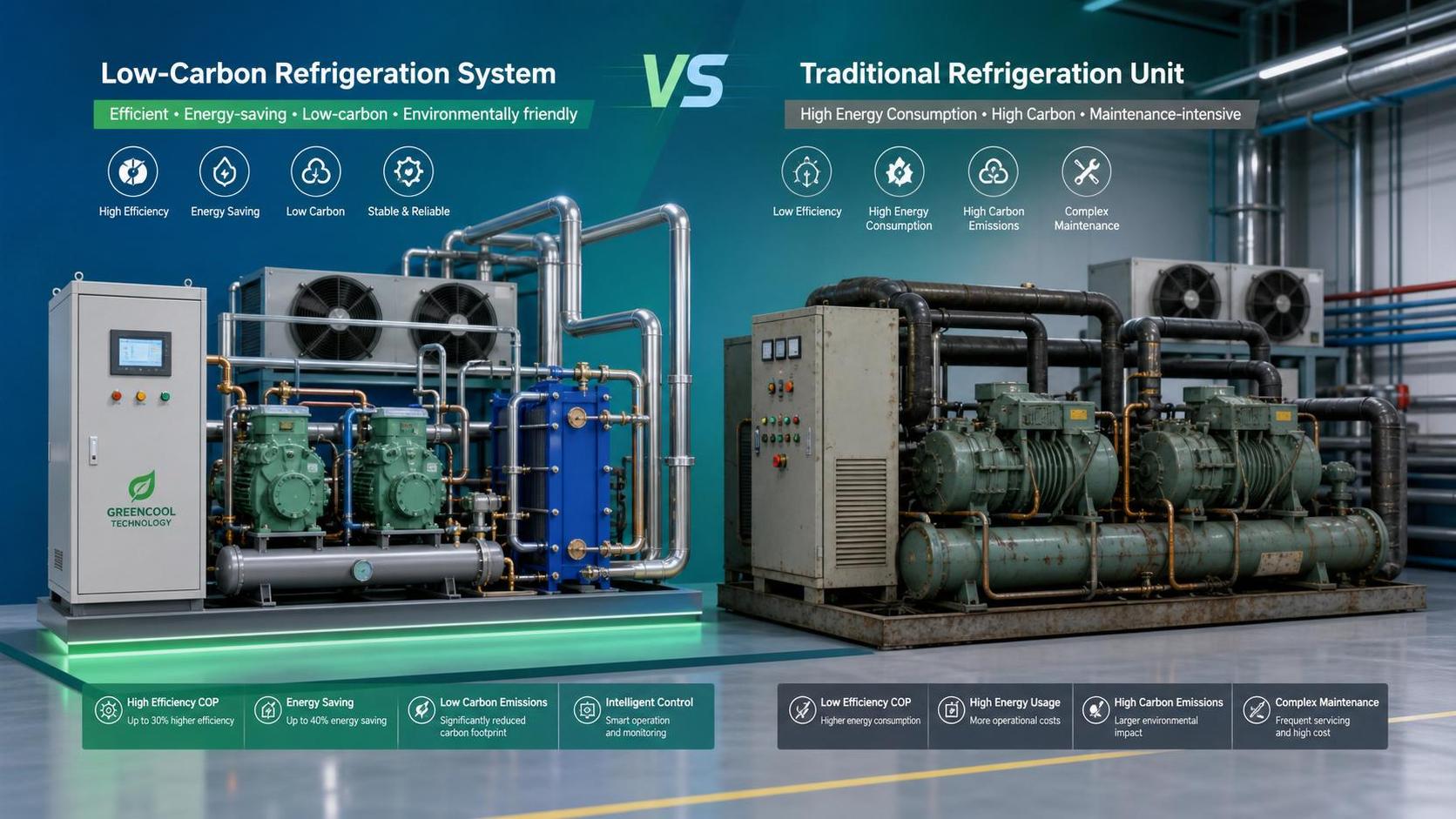
Low carbon refrigeration adoption rises fastest where energy intensity is visible. Cold storage hubs, industrial chillers, and supermarket refrigeration racks can run continuously, so even modest efficiency gains create major operating savings.
That is why transcritical CO2 improvements, inverter-driven compressors, better heat exchangers, and AI-assisted controls matter. In 2026, lower carbon often wins because it also lowers the electricity bill.
Technology maturity is reducing perceived risk
A few years ago, some low carbon refrigeration solutions were viewed as technically promising but difficult to scale. That perception is changing. Field experience, better components, and stronger engineering standards are making adoption more bankable.
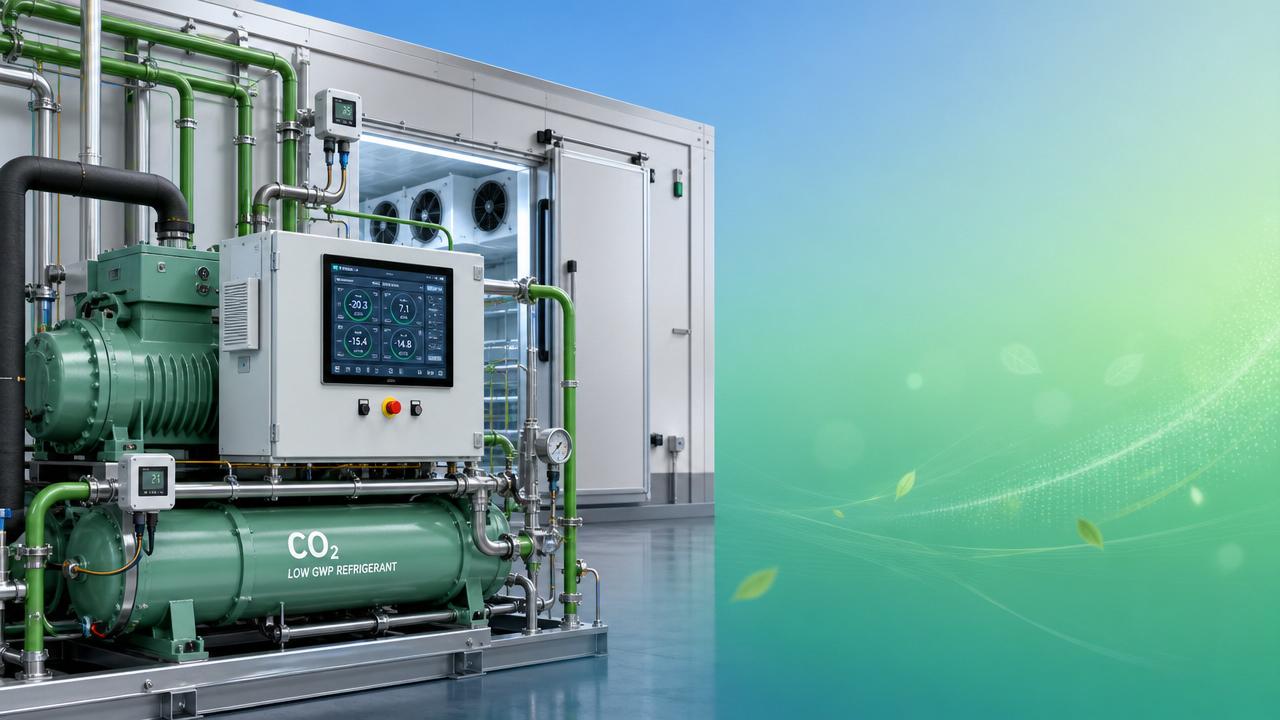
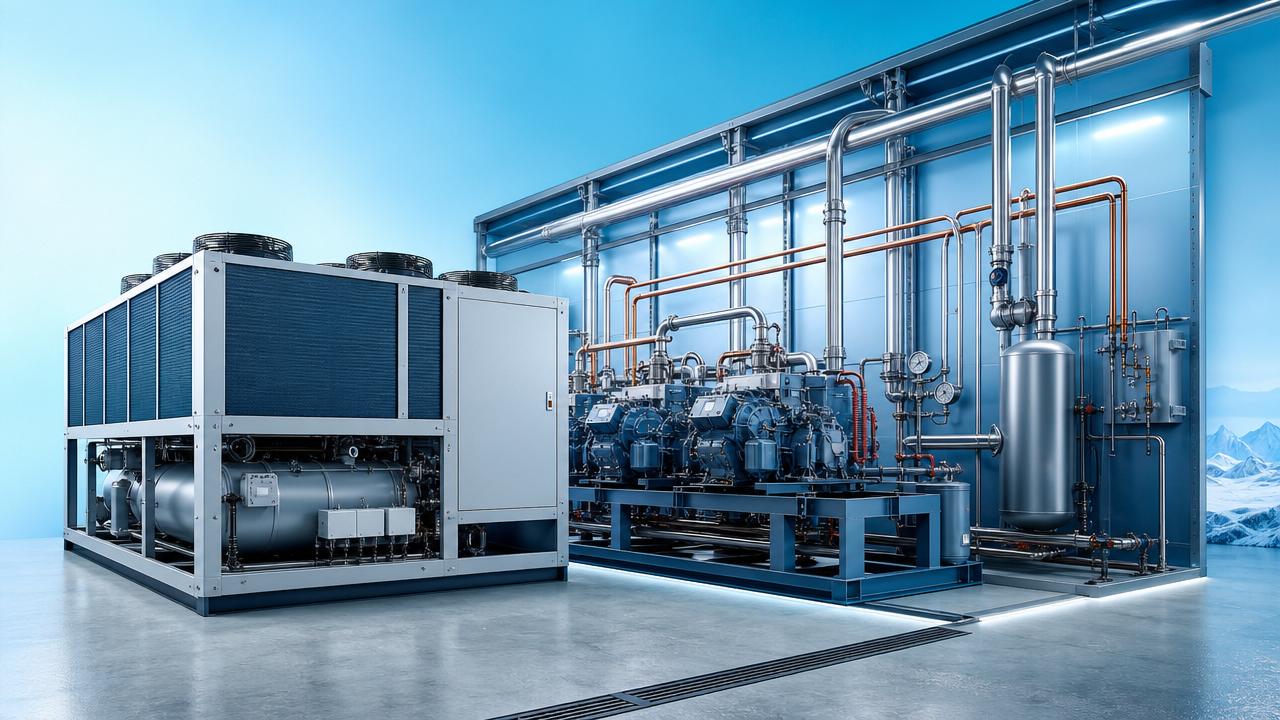
CO2 booster systems, ammonia-CO2 cascades, hydrocarbon plug-ins, and advanced leak detection are no longer fringe choices. In many segments, they have become reference solutions with clearer performance data.
Application notes across major cooling scenarios
Cold storage and distribution hubs
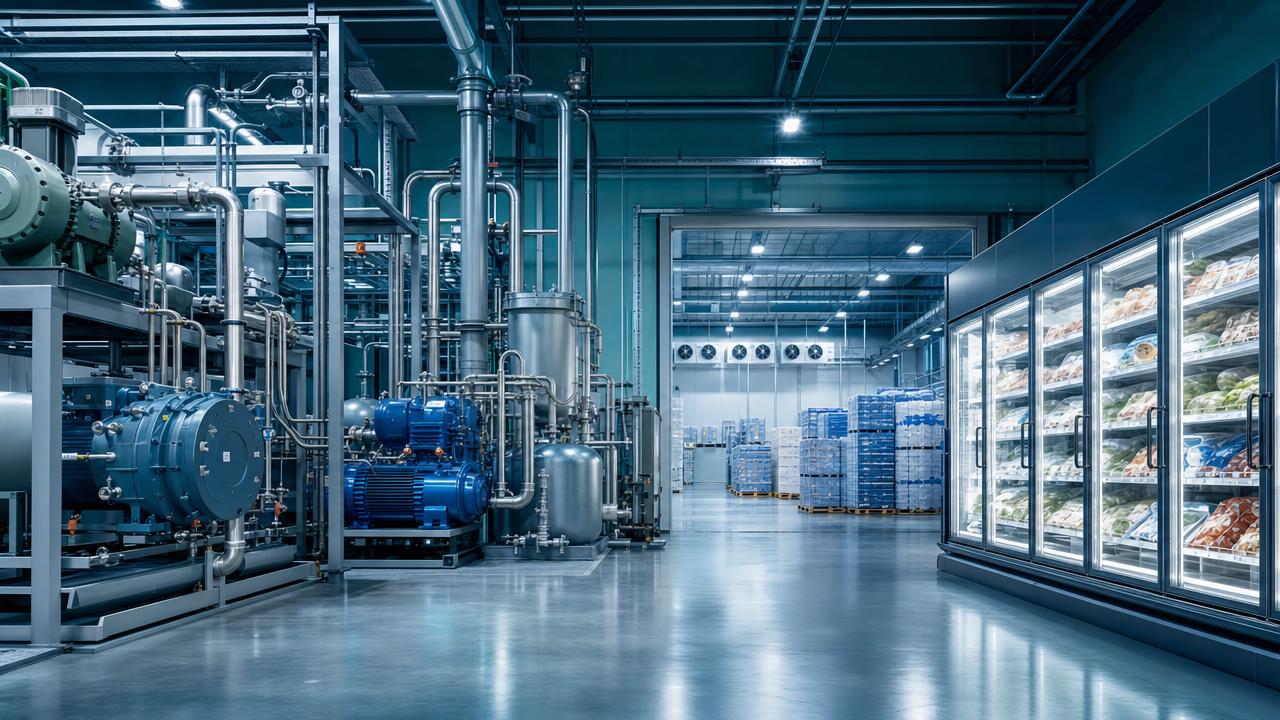
Large cold stores adopt low carbon refrigeration when carbon reporting, energy use, and refrigerant charge risk converge. Centralized systems create scale benefits, but they also magnify leak exposure and downtime consequences.
Projects move faster when designers model annualized ambient performance, door-opening frequency, blast freezing demand, and heat reclaim opportunities. In this setting, system architecture matters as much as refrigerant selection.
Food retail and display refrigeration
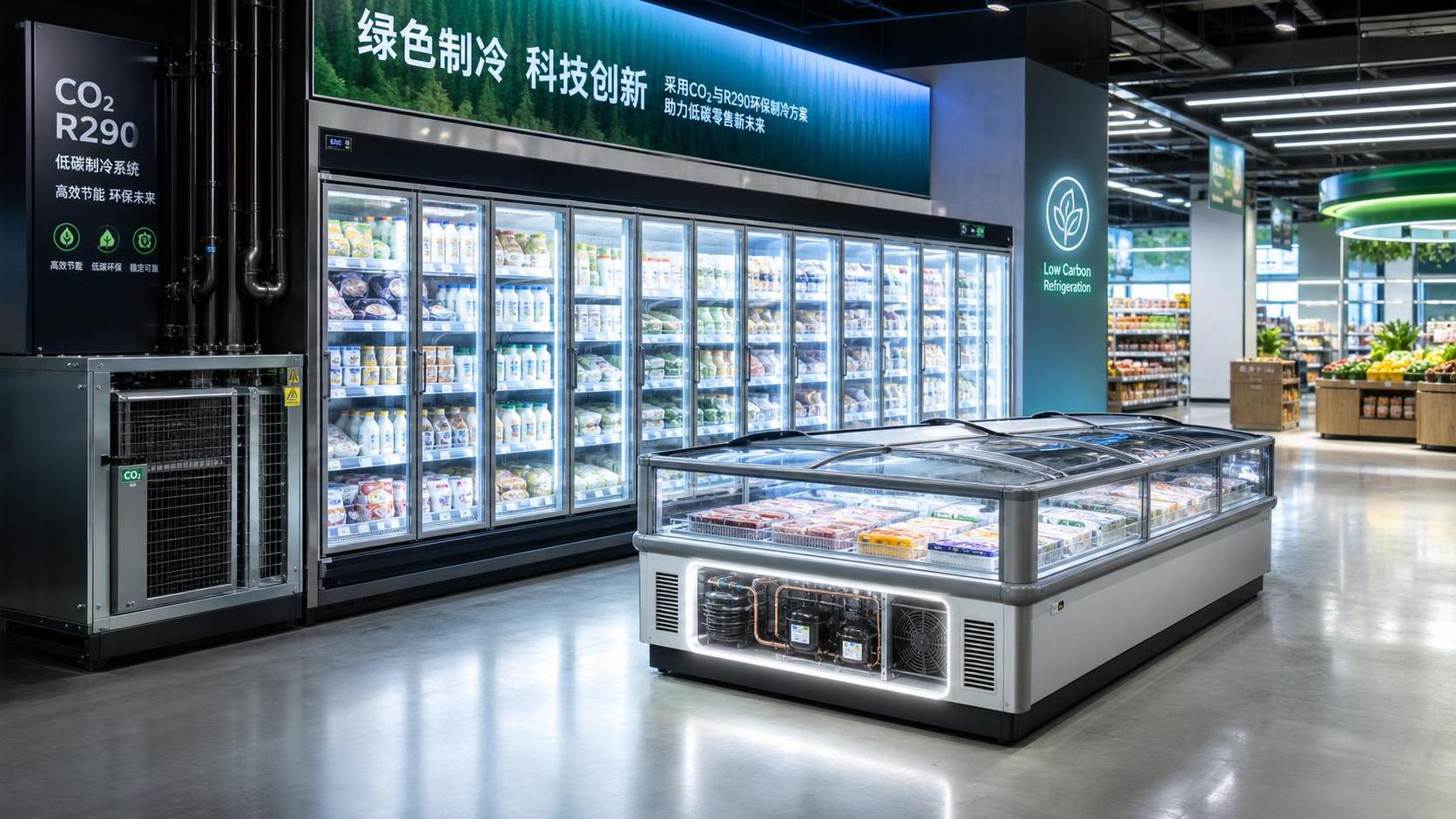
Retail adoption is driven by store energy bills, brand sustainability targets, and cabinet performance. Low carbon refrigeration must support air curtain stability, anti-fog visibility, and rapid temperature recovery after frequent door events.
Hydrocarbon self-contained cabinets and CO2 store systems are gaining traction because they align emissions reduction with merchandising performance. Better controls and lighting upgrades often strengthen the business case.
Industrial process cooling
Industrial chillers adopt low carbon refrigeration when process uptime and efficiency can improve together. Laser cutting, plastics, chemical processing, and battery production all depend on stable thermal control.
In these environments, adoption depends less on headline climate claims and more on control precision, part-load behavior, and maintenance planning. Magnetic bearing and variable-speed systems are strong enablers here.
Medical and ultra-low temperature storage
Medical refrigeration requires another layer of scrutiny. Low carbon refrigeration in vaccine storage, blood banking, and ultra-low freezers must protect sample integrity before any carbon benefit is counted.
Adoption grows when low-GWP designs prove temperature uniformity, pull-down capability, alarm integrity, and backup resilience. Here, evidence quality matters more than marketing language.
Commonly overlooked risks
- Ignoring safety integration. Flammable or high-pressure refrigerants require ventilation, zoning, sensor placement, and emergency procedures designed into the project from the start.
- Overvaluing nameplate efficiency. Seasonal efficiency, part-load control, and site operating habits often determine real low carbon refrigeration performance more than brochure figures.
- Underestimating commissioning. Poor valve tuning, weak controls logic, or bad sensor calibration can erase expected carbon and energy benefits within months.
- Treating retrofit and new-build economics the same. Existing pipework, room geometry, and electrical constraints can radically change the best low carbon refrigeration path.
- Missing data verification. Without baseline energy and temperature data, it becomes difficult to prove savings or justify broader low carbon refrigeration deployment.
Practical execution steps for 2026
Start with an asset map. List refrigerants, charge sizes, leak history, energy intensity, ambient exposure, and criticality by site or equipment family. This quickly shows where low carbon refrigeration creates the highest impact.
Next, build a decision matrix with five columns: compliance risk, energy savings potential, technical fit, service readiness, and capital complexity. Score each candidate project using measured data where possible.
Then run pilot validation. Use one representative store, one cold room, one chiller loop, or one medical unit to confirm seasonal performance, maintenance burden, and controls behavior before scaling up.
Finally, connect adoption to monitoring. Low carbon refrigeration only delivers strategic value when leakage, energy use, discharge temperatures, defrost cycles, and uptime are tracked continuously.
Conclusion and next action
What drives low carbon refrigeration adoption in 2026 is not one trend but a convergence of regulation, energy economics, technical maturity, and performance accountability. The strongest projects combine low-GWP refrigerants with smart controls, service readiness, and application-specific engineering.
The most effective next step is simple: review current systems against a structured checklist, identify the highest-risk assets, and validate one upgrade pathway with real operating data. That is how low carbon refrigeration moves from concept to dependable infrastructure.
Recommended News
 Eco-Refrigerant & ComplianceF-Gas Regulations Are Changing Equipment Choices Faster Than ExpectedAnalyst :Dr. Henrik Weber
 Eco-Refrigerant & ComplianceEco-Friendly Refrigeration: What Looks Green but Performs Poorly?Analyst :Dr. Henrik Weber
 Eco-Refrigerant & ComplianceNatural Refrigerants: Are Compliance Benefits Worth the Transition Cost?Analyst :Dr. Henrik Weber
 Eco-Refrigerant & ComplianceWhat drives low carbon refrigeration adoption in 2026?Analyst :Dr. Henrik Weber
 Eco-Refrigerant & ComplianceEco-friendly cooling is changing compliance planning fastAnalyst :Dr. Henrik Weber
 Eco-Refrigerant & ComplianceLow carbon cooling trends that could reshape investmentsAnalyst :Dr. Henrik Weber
 Eco-Refrigerant & ComplianceHow F-Gas regulations are changing refrigerant decisionsAnalyst :Dr. Henrik Weber
 Eco-Refrigerant & ComplianceIs eco-friendly refrigeration worth the higher upfront costAnalyst :Dr. Henrik Weber
 Eco-Refrigerant & ComplianceWhy low carbon cooling is becoming a compliance priorityAnalyst :Dr. Henrik Weber
 Eco-Refrigerant & ComplianceLow carbon refrigeration options that cut long-term costsAnalyst :Dr. Henrik Weber
 Eco-Refrigerant & ComplianceWhat buyers miss when choosing eco-friendly refrigerationAnalyst :Dr. Henrik Weber
 Eco-Refrigerant & ComplianceWhy low carbon refrigeration is becoming a board issueAnalyst :Dr. Henrik Weber
 Eco-Refrigerant & ComplianceWhat F-Gas regulations mean for equipment choices in 2026Analyst :Dr. Henrik Weber
![]() Eco-Refrigerant & ComplianceIndonesia Launches Green Refrigeration Channel for R290 Cold CabinetsAnalyst :Dr. Henrik Weber
Eco-Refrigerant & ComplianceIndonesia Launches Green Refrigeration Channel for R290 Cold CabinetsAnalyst :Dr. Henrik Weber Eco-Refrigerant & ComplianceWhy low carbon cooling is becoming a safer long betAnalyst :Dr. Henrik Weber
 Eco-Refrigerant & ComplianceWhat makes eco-friendly cooling cheaper over time?Analyst :Dr. Henrik Weber
 Eco-Refrigerant & ComplianceF-Gas regulations are changing how cooling gets approvedAnalyst :Dr. Henrik Weber
 Eco-Refrigerant & ComplianceHow eco-friendly refrigeration cuts compliance riskAnalyst :Dr. Henrik Weber
 Eco-Refrigerant & ComplianceHow low carbon cooling cuts compliance risk in 2026Analyst :Dr. Henrik Weber
 Eco-Refrigerant & ComplianceLow Carbon Refrigeration: Compare Refrigerants, Energy Use, and ComplianceAnalyst :Dr. Henrik Weber
 Eco-Refrigerant & ComplianceEco-Friendly Cooling Options: Refrigerants, Efficiency, and Compliance ChecksAnalyst :Dr. Henrik Weber
![]() Eco-Refrigerant & ComplianceWhat Are Natural Refrigerants? Types, GWP Limits, and Where They Fit BestAnalyst :Dr. Henrik Weber
Eco-Refrigerant & ComplianceWhat Are Natural Refrigerants? Types, GWP Limits, and Where They Fit BestAnalyst :Dr. Henrik Weber Eco-Refrigerant & ComplianceEco-Friendly Cooling vs Conventional Systems: What Buyers Should Compare FirstAnalyst :Dr. Henrik Weber
 Eco-Refrigerant & ComplianceEco-Friendly Refrigeration vs Conventional Systems: Refrigerants, Energy Use, and ComplianceAnalyst :Dr. Henrik Weber
 Eco-Refrigerant & ComplianceLow Carbon Refrigeration: Key Standards, Refrigerant Options, and ROI FactorsAnalyst :Dr. Henrik Weber
 Eco-Refrigerant & ComplianceTemperature Control Standards for Food Storage: Critical Limits, Logging, and Audit ChecksAnalyst :Dr. Henrik Weber
 Eco-Refrigerant & ComplianceLow Carbon Cooling Options Explained: Refrigerants, Compliance, and System Trade-OffsAnalyst :Dr. Henrik Weber
 Eco-Refrigerant & ComplianceDigital Refrigeration vs Conventional Controls: What Improves Monitoring and Compliance?Analyst :Dr. Henrik Weber
 Eco-Refrigerant & ComplianceLow Carbon Cooling Options for Commercial Refrigeration: CO2, Ammonia, and Hybrid SystemsAnalyst :Dr. Henrik Weber
 Eco-Refrigerant & ComplianceLow Carbon Cooling Options Compared: CO2, Ammonia, and HFO Systems for ComplianceAnalyst :Dr. Henrik Weber
 Eco-Refrigerant & ComplianceIndustrial Refrigeration Systems Buying Guide: Lifecycle Cost, Efficiency, and ComplianceAnalyst :Dr. Henrik Weber
 Eco-Refrigerant & ComplianceEco-Friendly Cooling Options: Refrigerants, Energy Use, and Compliance Factors ComparedAnalyst :Dr. Henrik Weber
 Eco-Refrigerant & ComplianceNatural Refrigerants vs HFCs: How to Compare Compliance, Safety, and System DesignAnalyst :Dr. Henrik Weber
 Eco-Refrigerant & ComplianceHow to Read Specification-Oriented Product Guides for Refrigeration EquipmentAnalyst :Dr. Henrik Weber
 Eco-Refrigerant & ComplianceLow Carbon Refrigeration Options for Supermarkets: CAPEX, Energy Use, and Compliance ComparedAnalyst :Dr. Henrik Weber
 Eco-Refrigerant & ComplianceRACC 2026 to Host PFAS Compliance Briefing in HangzhouAnalyst :Dr. Henrik Weber
 Eco-Refrigerant & ComplianceEPA Rule Challenge Raises HFC Supply Chain ConcernsAnalyst :Dr. Henrik Weber
 Eco-Refrigerant & ComplianceLow Carbon Refrigeration Systems vs Conventional Setups: Which Delivers Lower Lifecycle Cost?Analyst :Dr. Henrik Weber
 Eco-Refrigerant & ComplianceLow GWP Refrigeration Explained: Refrigerants, Regulations, and System Trade-OffsAnalyst :Dr. Henrik Weber
 Eco-Refrigerant & ComplianceLow Carbon Refrigeration Systems Retrofit: When to Upgrade and Which Changes Matter MostAnalyst :Dr. Henrik Weber