Industry News
Curation by industry experts
Hot Articles
- Cold Chain & Retail Energy InsightsHow North American Cold Facilities Can Benchmark Refrigeration System Efficiency
- -86℃ ULT FreezersHow to Select Medical Cryogenic Vials for Long-Term Sample Storage
- Cold Chain & Retail Energy InsightsFood-Grade Panel Requirements for Hygienic Meat Cold Storage Systems
Popular Tags
Chile Freezer Rule Adds HACCP Microclimate Module
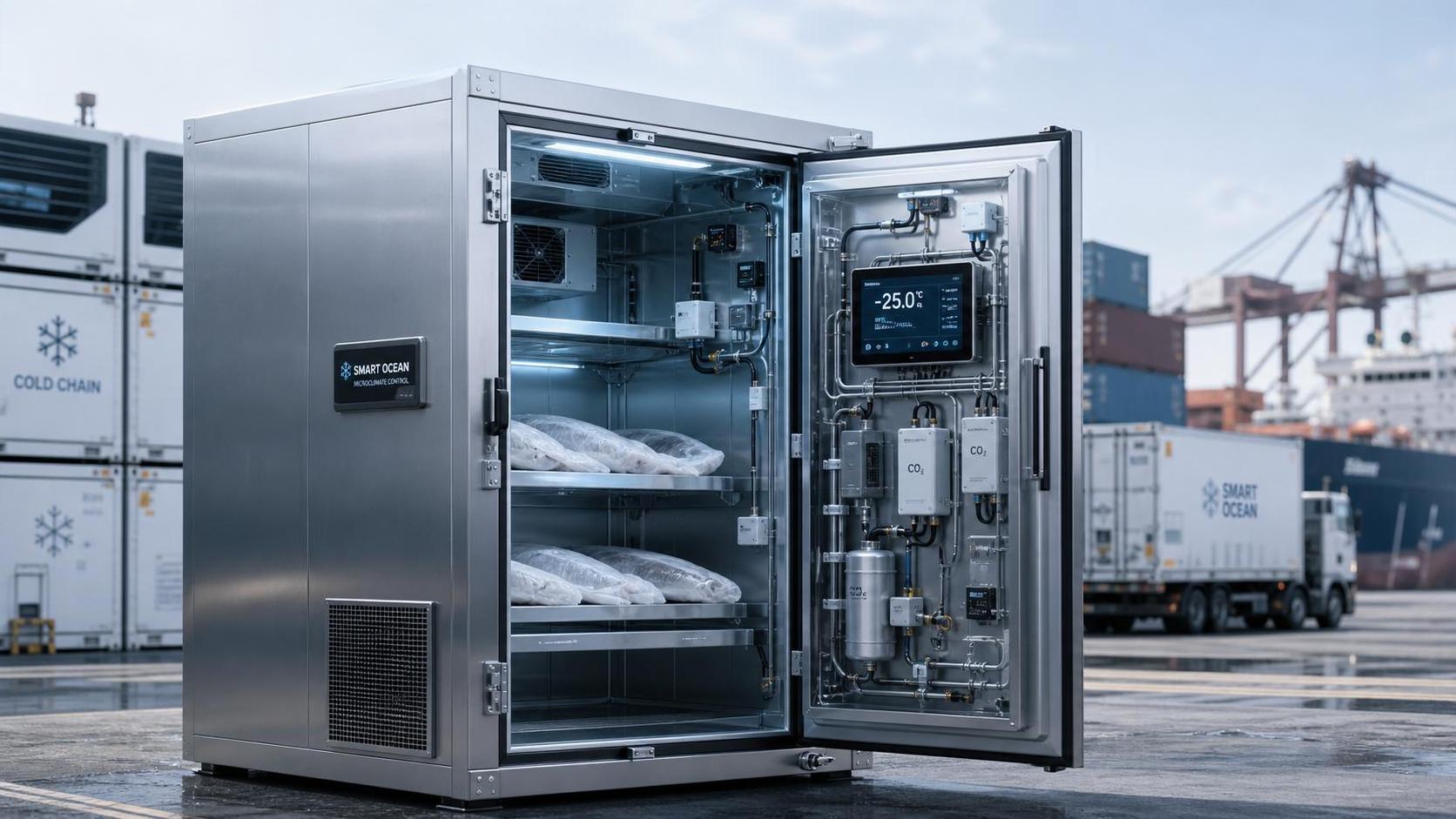
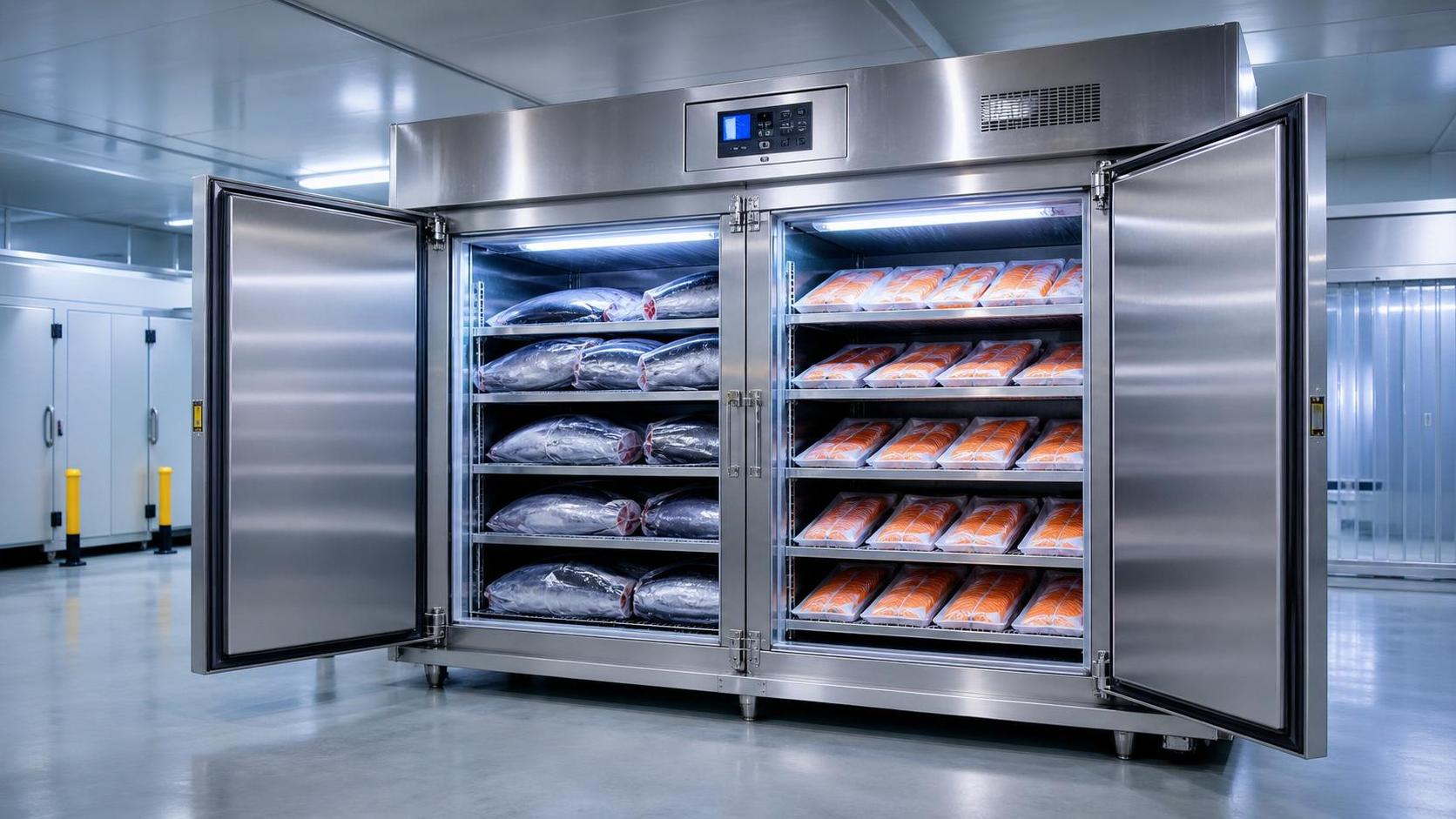
On July 2, 2026, Chile’s National Fisheries and Aquaculture Service (SERNAPESCA) issued Resolution No. 187/2026, introducing a new compliance requirement for deep-sea fishery freezers used on distant-water vessels operating in Chilean coastal waters. From October 1, 2026, these freezers must include microclimate monitoring modules aligned with ISO 22000:2018 Annex SL, with real-time recording of temperature gradients, dew point, and frost formation rate, and connectivity to the national fisheries cloud platform. For equipment suppliers, vessel operators, procurement teams, compliance functions, and service providers, this is worth close attention because it shifts freezer configuration from a technical preference to a regulatory condition tied to data capture and platform access.

A Clear Shift in Equipment Compliance Scope
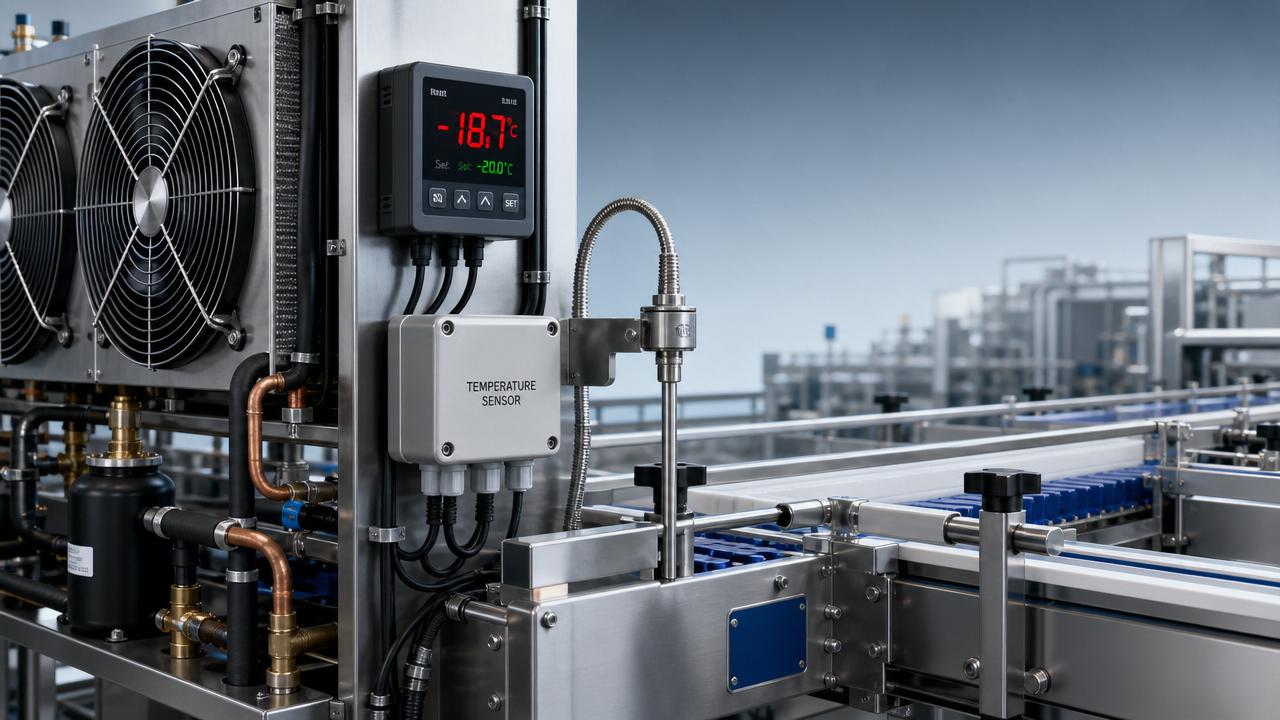
The confirmed facts are limited but specific. SERNAPESCA issued Resolution No. 187/2026 on July 2, 2026. The rule takes effect on October 1, 2026. It applies to deep-sea catch freezing equipment installed on distant-water fishing vessels operating in Chilean coastal waters. Under the resolution, the freezer equipment must integrate microclimate modules that comply with ISO 22000:2018 Annex SL. The modules must record, in real time, internal temperature gradients, dew point, and frost rate, and the system must connect to the national fisheries cloud platform.
Where the Operational Pressure Is Likely to Appear
Freezer suppliers and integrators face a specification change
From an industry perspective, suppliers of deep-sea fishery freezers may be affected first because the rule directly changes the technical baseline of the equipment. The impact is likely to appear in product configuration, specification alignment, technical documentation, and delivery commitments. What deserves closer attention is whether tenders, purchase orders, and acceptance documents begin to require proof that the monitoring module is integrated, that the monitored parameters match the resolution, and that connectivity to the fisheries cloud platform is addressed in the delivery scope.
Vessel operators may need to review installed equipment and data readiness
For vessel operators working in the affected waters, the change is not only about hardware presence but also about whether the freezer system can generate the required real-time records and interface with the designated platform. Analysis shows that compliance review may extend into onboard system compatibility, record retention practices, and readiness for inspection or verification. Operators should therefore watch for any subsequent official wording that clarifies how compliance will be checked in practice.
Procurement and trading functions may see tighter pre-shipment requirements
Procurement teams and cross-border trading parties may be affected where freezer equipment, retrofit kits, or integrated cold-chain components are sourced for vessels serving the Chile-related operating environment. The practical impact may fall on supplier qualification, contract clauses, lead-time planning, and document review before shipment or installation. Observably, once a technical feature becomes a regulatory requirement, buyers usually need clearer confirmation on conformity language, technical files, and scope boundaries between equipment supply and system integration, even if the detailed enforcement format has not yet been published in the input information.
Certification and technical service roles may need closer document alignment
Certification-related companies, testing services, and after-sales support providers may also need to follow this development closely. The text provided links the module requirement to ISO 22000:2018 Annex SL and to platform connectivity, which means support work may move beyond routine maintenance into evidence preparation, configuration verification, and data-related troubleshooting. Analysis shows that companies in these roles should pay attention to how customers start requesting reports, conformity statements, or technical descriptions tied to the new rule.
What Companies Should Review Before the Effective Date
Check how compliance evidence will be described
What deserves closer attention is the compliance file itself. Companies involved in supplying, procuring, or operating the relevant freezer systems should review how product literature, technical offers, equipment lists, and conformity documents describe the microclimate module, the monitored indicators, and the ISO 22000:2018 Annex SL reference. The input does not provide the official execution format, so this should be treated as a document-preparation priority rather than a confirmed filing requirement.
Watch for official clarification on platform connection
The requirement to connect to the national fisheries cloud platform is a material part of the rule. Observably, this raises practical questions around interface expectations, onboarding process, and operational responsibility for data transmission. Since those details are not included in the provided information, companies should treat this as an area for continued monitoring rather than assuming a settled technical path.
Reassess procurement timing and delivery scope
For buyers and project teams, the October 1, 2026 effective date means the timing of equipment orders, retrofits, acceptance testing, and vessel readiness may become more sensitive. Analysis shows that even without additional published detail in the input, contracts and delivery schedules may need to reflect whether the monitoring module and cloud connectivity are included in the base supply, handled by a separate integrator, or dependent on later commissioning steps.
Prepare for tighter traceability expectations
The rule explicitly centers on real-time recording of temperature gradients, dew point, and frost rate. From an industry perspective, that points to a stronger traceability expectation around freezer operating conditions. Companies should therefore review whether internal quality records, service reports, and technical handover materials can support discussions about system performance and compliance status if customers or authorities request clarification later.
Why This Looks Like an Execution Signal, Not Just a Policy Notice
Analysis shows that this development is better understood as a concrete execution signal because it sets a named resolution, a defined effective date, a specific equipment category, and identified monitoring elements. At the same time, it would be premature to treat all downstream compliance mechanics as settled, since the provided information does not include detailed enforcement guidance, certification procedures, or tender language. Observably, the market should pay attention to how official wording, buyer specifications, and service expectations evolve between publication and implementation.
How the Market May Need to Read This Change
At this stage, the rule is most appropriately understood as a real compliance change with immediate relevance for equipment specification, vessel readiness, and supporting documentation, rather than as a general policy direction. The practical effect on trade, procurement, and service delivery will depend on how quickly counterparties convert the rule into purchase conditions, inspection expectations, and contract language. A measured reading is warranted: the obligation itself is clear in the supplied information, while the operational interpretation still needs close follow-up.
Basis of This Article and What Still Needs Verification
This article is based on the user-provided news title, event date, and event summary. For developments of this kind, source types commonly reviewed include official regulatory notices, releases from supervisory authorities, trade or customs authority updates, industry association communications, standard-setting documents, and reporting by authoritative media. No specific official source link was provided in the input, so the underlying document path and any later implementation materials still require ongoing verification. What also remains worth monitoring are any detailed enforcement explanations, certification interpretation, tender document changes, industry feedback, and actual company implementation progress.
Recommended News
 Microclimate ModulesHow anti-fog technology changes cold display performanceAnalyst :Retail Refrigeration Strategist
 Microclimate ModulesHow anti-fog technology affects display clarity and salesAnalyst :Retail Refrigeration Strategist
 Microclimate ModulesHow tight should temperature control be in storage?Analyst :Retail Refrigeration Strategist
 Microclimate ModulesUAE Requires Microclimate Modules for Retail RefrigerationAnalyst :Retail Refrigeration Strategist
 Microclimate ModulesHow Anti-Fog Technology Works in Display Cooling and What Affects Its PerformanceAnalyst :Retail Refrigeration Strategist
 Microclimate ModulesTemperature Control Systems in Production Lines: Common Failures and FixesAnalyst :Retail Refrigeration Strategist
 Microclimate ModulesUNIDO launches R290 training hub in WuhanAnalyst :Retail Refrigeration Strategist
 Microclimate ModulesFDA Tightens Cold Chain Validation for Microclimate ModulesAnalyst :Retail Refrigeration Strategist
 Microclimate ModulesChile Tightens AI Module Rule for Fishery FreezersAnalyst :Retail Refrigeration Strategist
 Microclimate ModulesSenseair Launches NDIR Sensors for A2L Refrigerant Leak DetectionAnalyst :Retail Refrigeration Strategist
 Microclimate ModulesModular Cold Storage Solutions vs Traditional Cold Rooms: Which Fits Faster Expansion?Analyst :Retail Refrigeration Strategist
 Microclimate ModulesChile Freezer Rule Adds HACCP Microclimate ModuleAnalyst :Retail Refrigeration Strategist
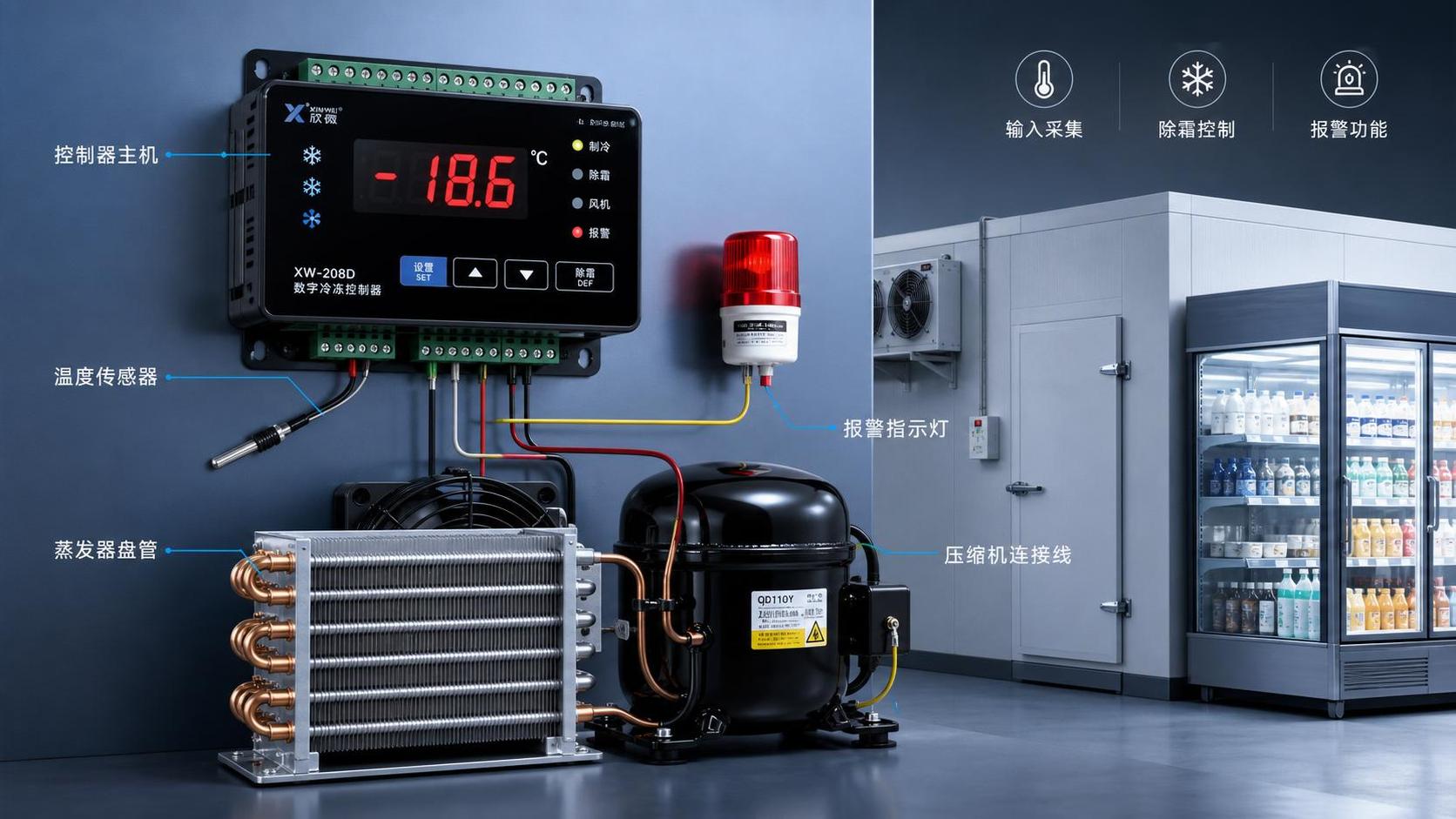
 Microclimate ModulesDigital Refrigeration Control Module Explained: Key Inputs, Defrost Logic, and Alarm FunctionsAnalyst :Retail Refrigeration Strategist
 Microclimate ModulesTemperature Control Devices Explained: Key Types, Functions, and Where Each Fits BestAnalyst :Retail Refrigeration Strategist
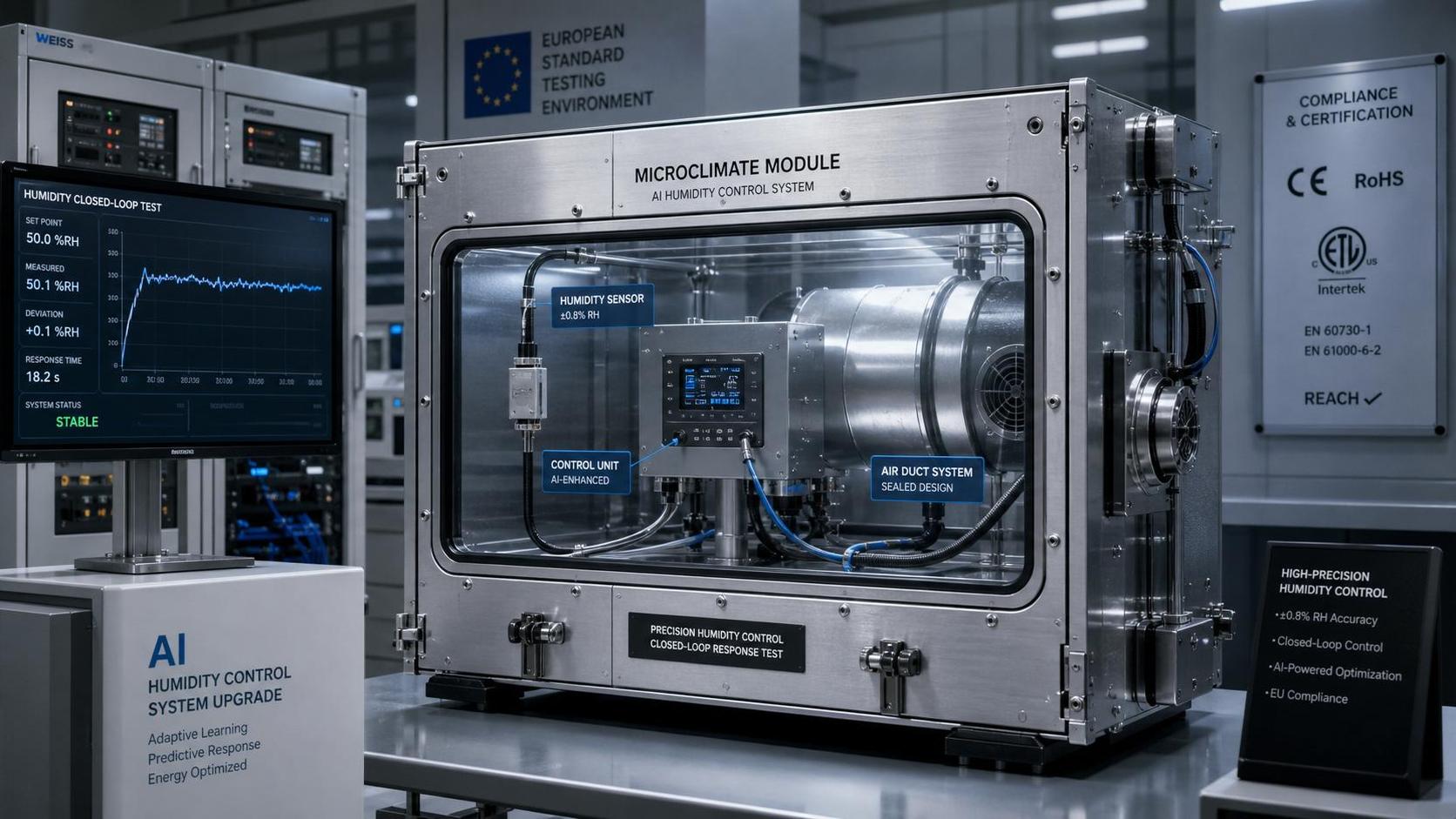
 Microclimate ModulesDIN EN 1861:2026 Sets AI Humidity Loop for Microclimate ModulesAnalyst :Retail Refrigeration Strategist
 Microclimate ModulesHow Air Curtain Refrigeration Temperature Control Reduces Infiltration in Open CasesAnalyst :Retail Refrigeration Strategist
 Microclimate ModulesSASO Notice Raises Bar for Deep-sea Fishery FreezersAnalyst :Retail Refrigeration Strategist
 Microclimate ModulesHow Anti-Fog Technology Coating Works and Where It Delivers the Best PerformanceAnalyst :Retail Refrigeration Strategist