Industry News
Curation by industry experts
Hot Articles
- Thermodynamic Tech TrendsHow to Size Heat Exchange Systems for Refrigeration Plants at Peak Load
- Parallel Compressor RacksHow to Size Reciprocating Compressors for Cold Storage Load and Temperature Range
- Flake Ice MachinesHow to Size a Commercial Ice Dispenser for Peak Demand in Foodservice Operations
Popular Tags
UNIDO launches R290 training hub in Wuhan
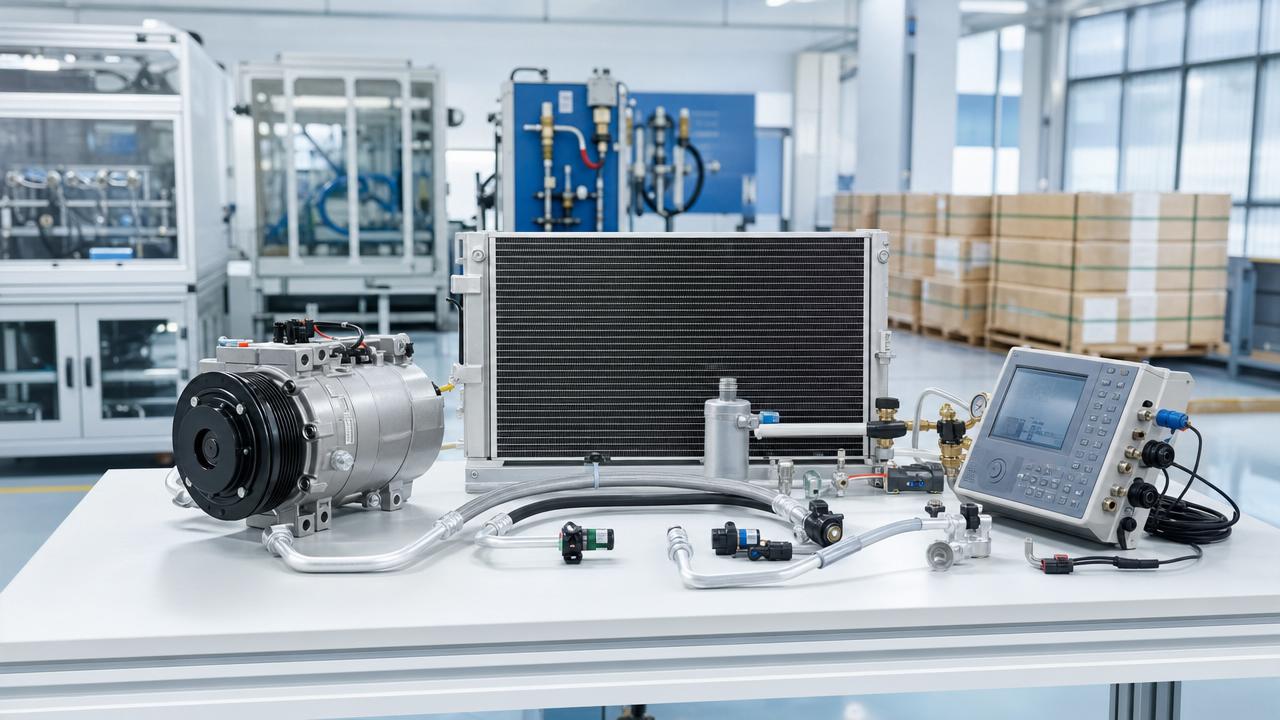
On June 11, 2026, UNIDO announced the creation of an international exchange center in Wuhan focused on natural refrigerant substitution technology for mobile air conditioning, with initial training scheduled for July. From an industry perspective, this matters less as a routine technical event and more as a practical compliance signal for companies involved in vehicle air-conditioning systems, export delivery, certification preparation, installation practice, and after-sales service for A5 markets in Southeast Asia, Latin America, and Africa.
What has been formally announced
According to the provided event summary, the new center in Wuhan is the first international exchange center aimed at A5 countries for automotive air-conditioning natural refrigerant replacement technology. The initiative relies on funding from China’s HCFC phase-out management plan. The first training sessions will begin in July and will focus on safety validation for R290 vehicle systems, installation requirements, and the development of after-sales maintenance capabilities. The stated service focus is market-access demand in Southeast Asia, Latin America, and Africa.
Where the practical impact may appear first
Export-facing system suppliers may see higher readiness expectations
Analysis shows that manufacturers and exporters of vehicle air-conditioning systems may need to pay closer attention to how product files, technical specifications, and compliance statements address R290 safety validation and installation practice. Even where no new formal rule text is cited in the announcement, training built around market-access needs can influence what overseas buyers, project owners, or local partners begin to request during qualification and delivery review.
Service networks and repair partners become part of market access
What deserves closer attention is the inclusion of after-sales maintenance capability in the first training batch. For companies selling into A5 markets, after-sales service may increasingly be treated not only as a commercial support item but also as part of practical compliance readiness. This can affect service manuals, technician training records, spare-parts planning, and quality traceability across installation and maintenance stages.
Testing and conformity-support providers may face new documentation needs
From an industry perspective, organizations involved in testing, technical verification, and conformity support may find that clients ask for clearer evidence around system safety validation, installation procedures, and service competence related to R290 applications. The immediate impact is less about a confirmed new certification regime and more about possible changes in document expectations during tenders, buyer audits, or pre-shipment technical review.
Procurement and channel partners may tighten supplier screening
Distributors, procurement teams, and supply-chain service providers serving the target regions may start screening suppliers more closely on whether they can demonstrate alignment with the technical and service themes highlighted by the program. This could affect supplier onboarding, bid documentation, delivery coordination, and post-delivery support commitments, especially where market entry depends on credible local installation and maintenance capability.
What companies should track now
Check whether technical files can support R290-related review
Analysis shows that companies should review whether existing technical documents, product specifications, installation guidance, and maintenance materials are sufficient if customers or local partners begin asking for clearer R290-related evidence. The announcement does not define a new mandatory documentation list, so this remains a watch point rather than a confirmed filing requirement.
Monitor how training content influences execution language
It is more appropriate to understand this as an execution signal that may shape future wording in procurement documents, qualification checklists, or partner requirements. Companies active in the named regions should therefore watch for changes in buyer language related to safety validation, installation norms, and service competence instead of assuming that formal regulatory text has already changed.
Reassess after-sales capacity in export planning
Observably, the explicit emphasis on maintenance capability suggests that export planning for R290-based vehicle air-conditioning solutions may need to include stronger after-sales arrangements. Businesses may want to review technician support models, service partner qualifications, spare-parts availability, and traceability records, particularly where delivery acceptance depends on downstream service readiness.
Prepare for possible shifts in qualification and tender practice
Companies involved in cross-border supply, project delivery, or channel expansion should watch whether tender documents, technical bid alignment, or customer onboarding processes begin to reflect the training priorities announced by UNIDO. At this stage, the event does not confirm a uniform rule change across all target markets, so the key task is early preparation rather than assuming immediate mandatory adoption.
Why this looks like an execution signal, not a final rulebook
Analysis shows that the Wuhan center is best read as an operational signal tied to market-access preparation rather than as proof that a single new binding standard has already taken effect across all relevant markets. The emphasis on safety validation, installation practice, and maintenance capability indicates where implementation pressure may build first. At the same time, the current information does not establish detailed enforcement criteria, country-specific certification pathways, or uniform import conditions, which means industry participants still need to watch how this signal is translated into actual compliance expectations.
How to interpret the development at this stage
From an industry perspective, this announcement points to a more structured compliance and capability-building path for R290 vehicle air-conditioning applications serving A5 markets. The immediate significance lies in execution readiness across technical verification, installation discipline, and after-sales support rather than in a confirmed new rule package. It is more appropriate to understand this development as an early implementation marker that could influence trade, qualification, and delivery practice, while the detailed market response still requires continued observation.
Basis of this article
This article is generated from the user-provided title, event date, and event summary. For developments of this type, relevant source categories usually include official announcements, regulator or trade authority releases, industry association updates, standard-setting documents, and reporting by authoritative media. No specific official source link was provided in the input, so the exact source link still requires further verification. Observably, the next points worth tracking are any detailed implementation language, certification interpretations, tender-document changes, industry feedback, and how companies in affected supply chains adjust their execution practices.
Recommended News
 Microclimate ModulesHow anti-fog technology changes cold display performanceAnalyst :Retail Refrigeration Strategist
 Microclimate ModulesHow anti-fog technology affects display clarity and salesAnalyst :Retail Refrigeration Strategist
 Microclimate ModulesHow tight should temperature control be in storage?Analyst :Retail Refrigeration Strategist
 Microclimate ModulesUAE Requires Microclimate Modules for Retail RefrigerationAnalyst :Retail Refrigeration Strategist
 Microclimate ModulesHow Anti-Fog Technology Works in Display Cooling and What Affects Its PerformanceAnalyst :Retail Refrigeration Strategist
 Microclimate ModulesTemperature Control Systems in Production Lines: Common Failures and FixesAnalyst :Retail Refrigeration Strategist
 Microclimate ModulesUNIDO launches R290 training hub in WuhanAnalyst :Retail Refrigeration Strategist
 Microclimate ModulesFDA Tightens Cold Chain Validation for Microclimate ModulesAnalyst :Retail Refrigeration Strategist
 Microclimate ModulesChile Tightens AI Module Rule for Fishery FreezersAnalyst :Retail Refrigeration Strategist
 Microclimate ModulesSenseair Launches NDIR Sensors for A2L Refrigerant Leak DetectionAnalyst :Retail Refrigeration Strategist
 Microclimate ModulesModular Cold Storage Solutions vs Traditional Cold Rooms: Which Fits Faster Expansion?Analyst :Retail Refrigeration Strategist
 Microclimate ModulesChile Freezer Rule Adds HACCP Microclimate ModuleAnalyst :Retail Refrigeration Strategist
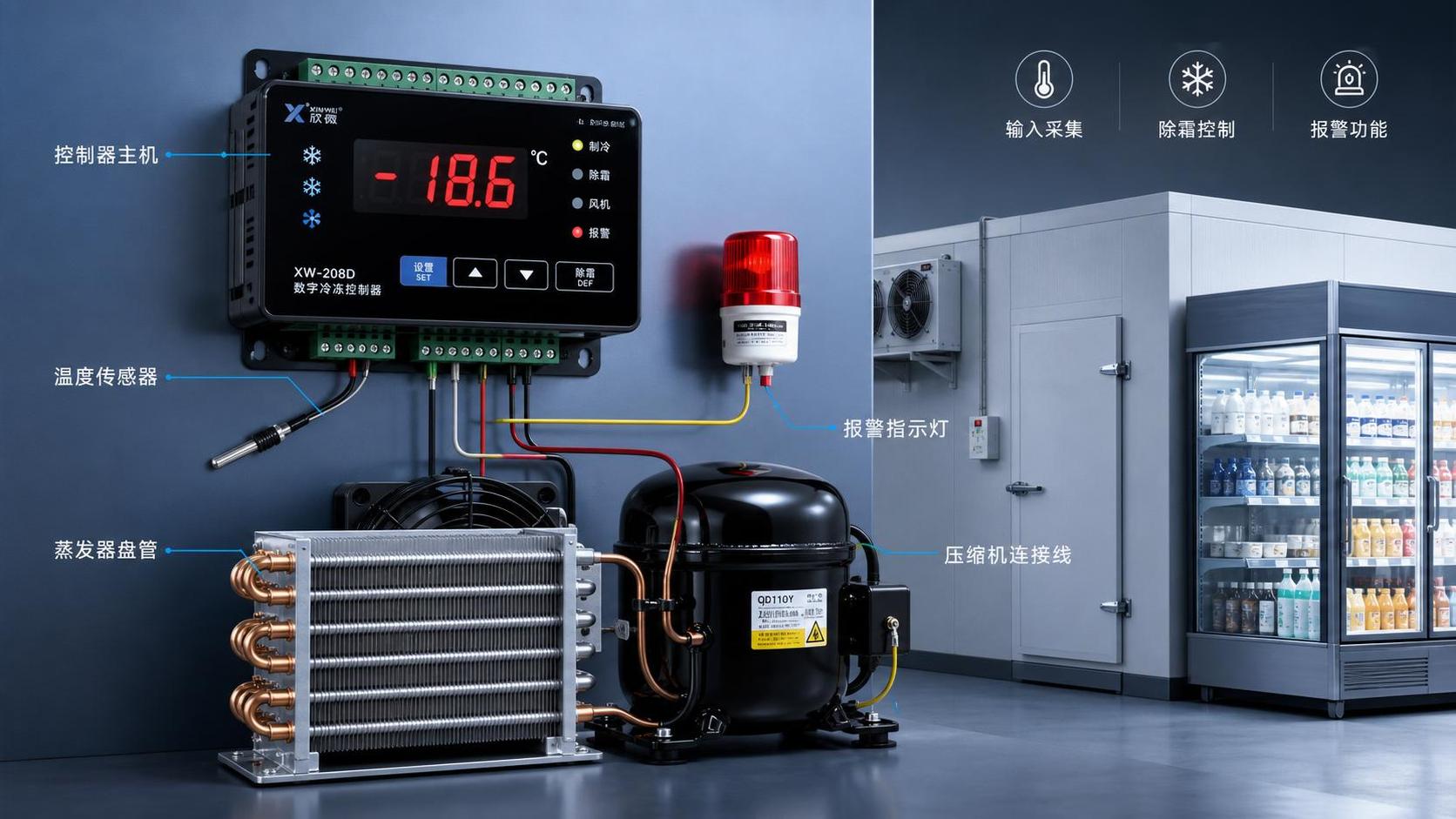
 Microclimate ModulesDigital Refrigeration Control Module Explained: Key Inputs, Defrost Logic, and Alarm FunctionsAnalyst :Retail Refrigeration Strategist
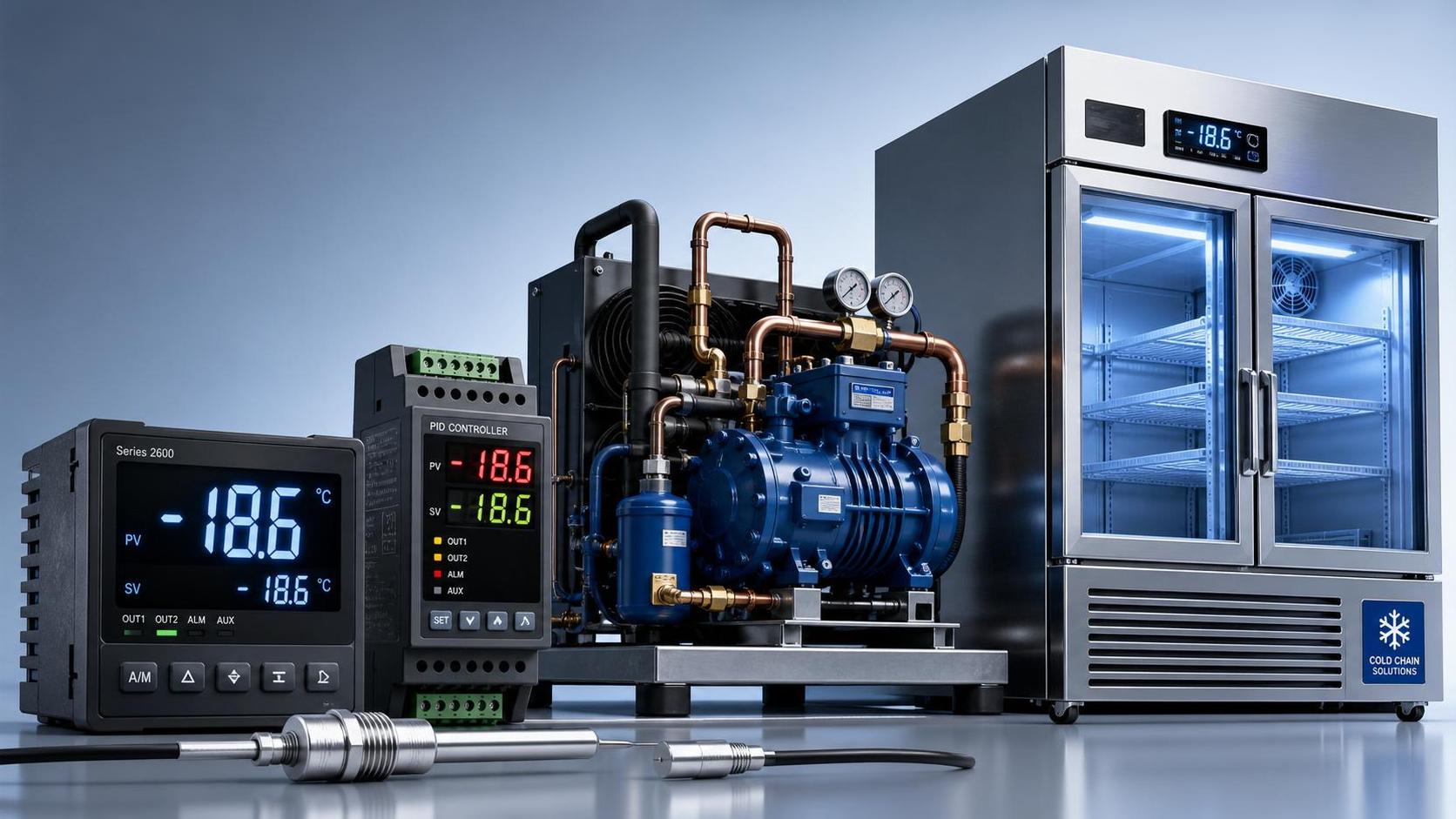
 Microclimate ModulesTemperature Control Devices Explained: Key Types, Functions, and Where Each Fits BestAnalyst :Retail Refrigeration Strategist
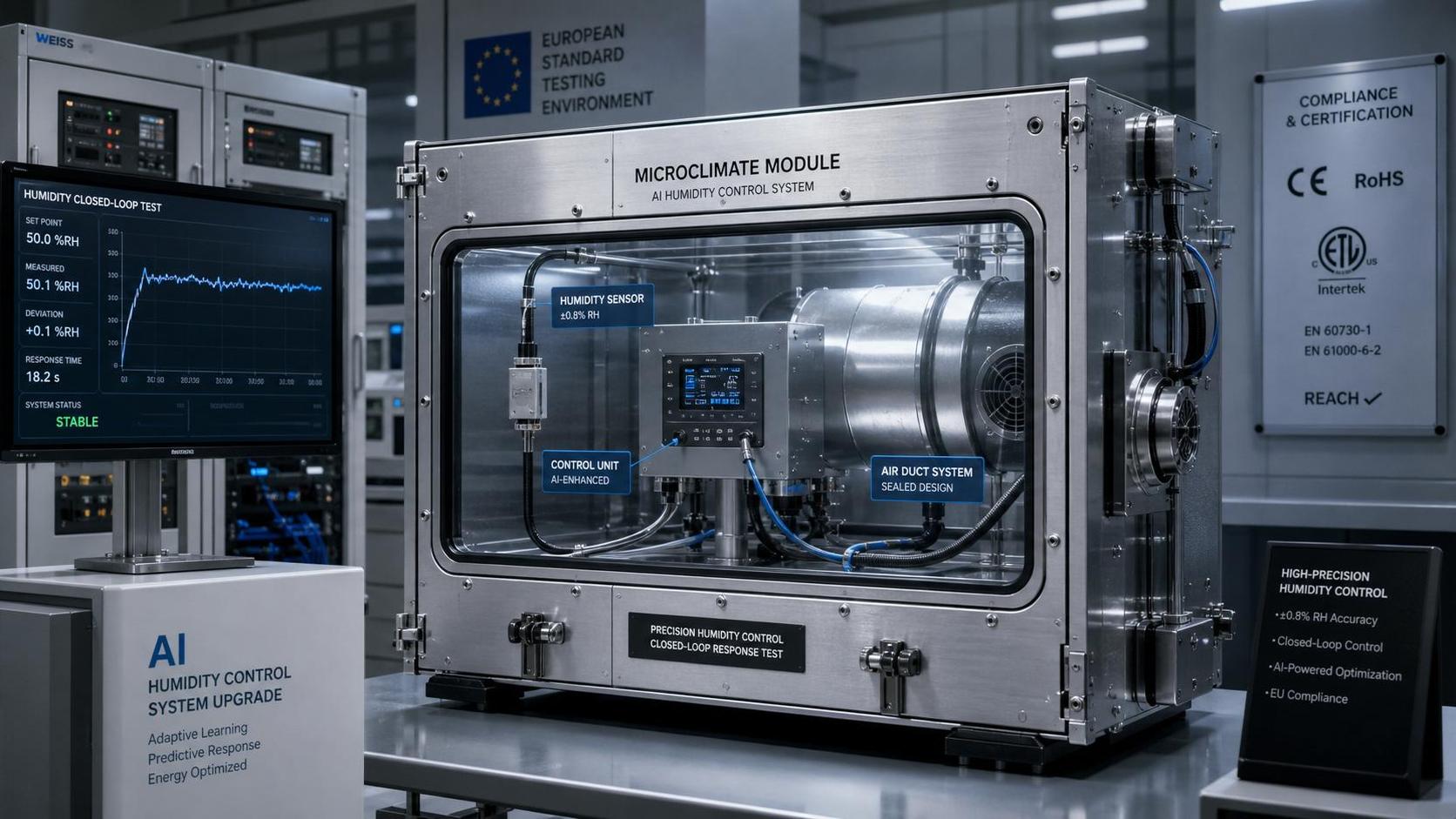
 Microclimate ModulesDIN EN 1861:2026 Sets AI Humidity Loop for Microclimate ModulesAnalyst :Retail Refrigeration Strategist
 Microclimate ModulesHow Air Curtain Refrigeration Temperature Control Reduces Infiltration in Open CasesAnalyst :Retail Refrigeration Strategist
 Microclimate ModulesSASO Notice Raises Bar for Deep-sea Fishery FreezersAnalyst :Retail Refrigeration Strategist
 Microclimate ModulesHow Anti-Fog Technology Coating Works and Where It Delivers the Best PerformanceAnalyst :Retail Refrigeration Strategist