Industry News
Curation by industry experts
Hot Articles
- Thermodynamic Tech TrendsHow to Size Heat Exchange Systems for Refrigeration Plants at Peak Load
- Parallel Compressor RacksHow to Size Reciprocating Compressors for Cold Storage Load and Temperature Range
- Flake Ice MachinesHow to Size a Commercial Ice Dispenser for Peak Demand in Foodservice Operations
Popular Tags
UAE Requires Microclimate Modules for Retail Refrigeration
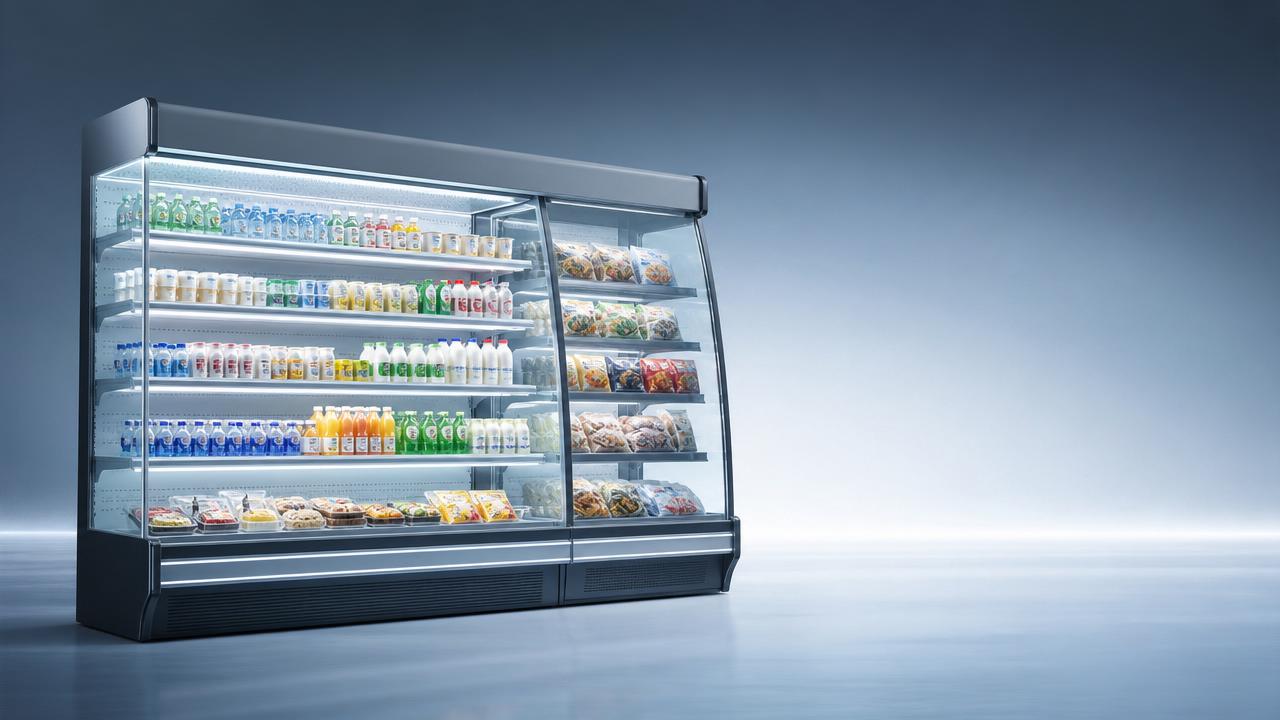
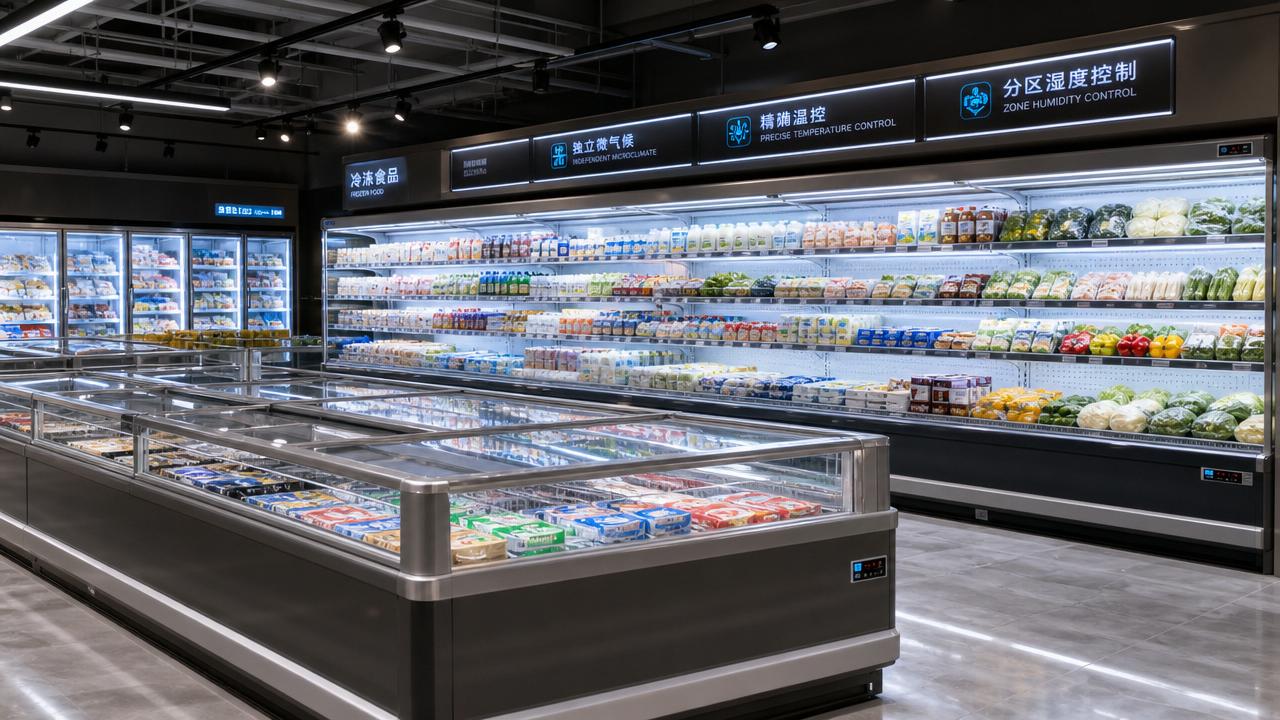
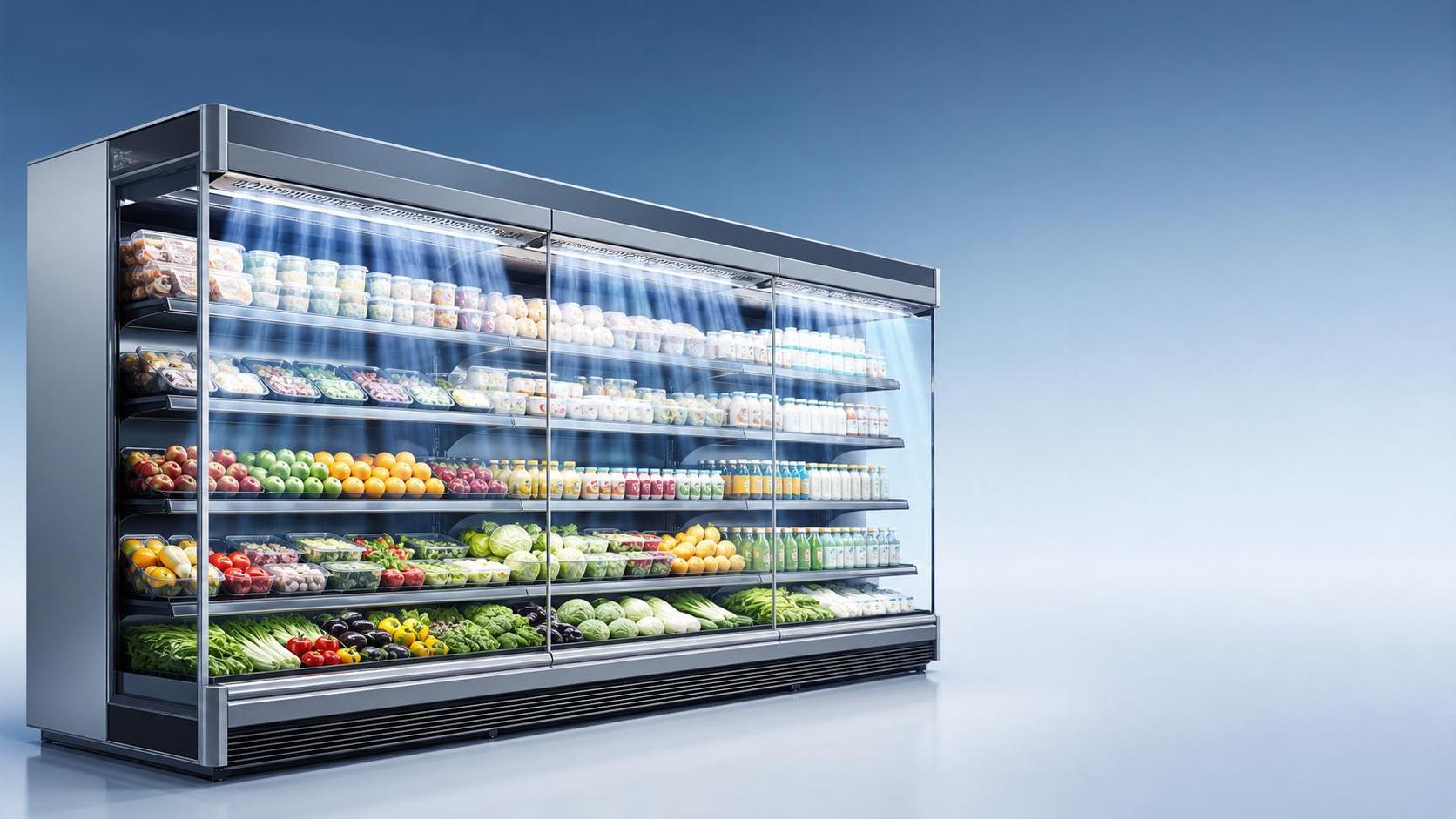
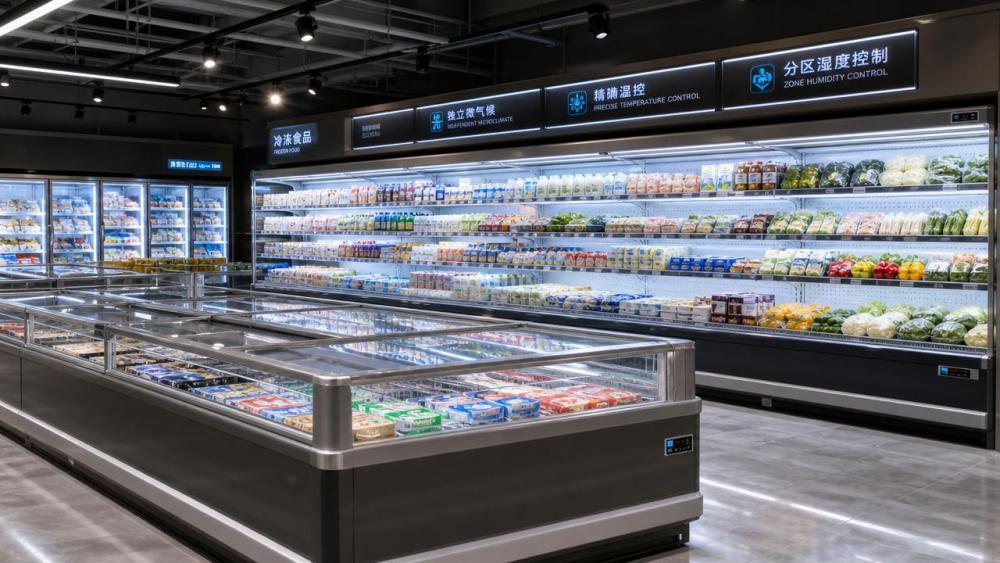
On June 4, 2026, the UAE standardization authority ESMA issued an emergency directive for commercial refrigeration cabinets, setting a near-term compliance deadline of August 1, 2026 for certain imported retail display equipment. The rule directly affects imported Multideck Display Cabinets and Island & Deli Counters, and it deserves close attention from equipment manufacturers, importers, distributors, buyers, and compliance teams because market access will now depend on whether these cabinets integrate independent Microclimate Modules and meet the stated temperature and humidity control requirements.
What the new UAE directive confirms
According to the information provided, ESMA released the Commercial Refrigeration Cabinet Energy & Microclimate Directive on June 4, 2026. The directive applies to imported Multideck Display Cabinets and Island & Deli Counters.
From August 1, 2026, these products must include independent Microclimate Modules. The stated technical requirement is cabinet temperature control accuracy of ±0.3°C together with zoned humidity adjustment.
The compliance consequence is also clear in the provided information: products that do not meet these conditions will not be issued a SASO energy-efficiency label.
Where the pressure will be felt first across the chain
For equipment manufacturers, product configuration becomes a market-entry issue
From an industry perspective, manufacturers of the affected cabinet categories may face the most immediate adjustment pressure because the requirement is tied to the product itself rather than to a later service upgrade. The main impact is likely to fall on product design, technical specification confirmation, and model-level compliance preparation for goods intended for the UAE market.
What deserves closer attention is whether existing product variants for export already incorporate an independent Microclimate Module and whether their documented performance can support the required temperature precision and humidity zoning standard.
For importers and distributors, shipment eligibility becomes more sensitive
Importers and channel operators may be affected at the transaction and documentation stage. Because the rule links compliance to the issuance of a SASO energy-efficiency label, the practical impact may appear in product selection, import planning, and customs-related readiness rather than only in technical discussions.
Analysis shows that businesses handling affected cabinets should pay attention to the timing of shipments scheduled around the August 1, 2026 threshold, as well as to the completeness of supplier compliance materials.
For procurement teams and end users, specification review may move upstream
Buyers such as retail operators, foodservice-related purchasers, and project procurement teams may also be affected, especially where purchase decisions were previously based mainly on cabinet format, display needs, or energy considerations. Under the new directive, microclimate capability becomes part of the procurement baseline for the covered imported categories.
Observably, this may shift attention toward technical verification earlier in the procurement cycle, particularly when confirming whether a quoted unit is compliant for the UAE market after August 1, 2026.
Practical points companies should review now
Check whether affected models fall within the covered product scope
The first practical step is to confirm whether current or planned products for the UAE are imported Multideck Display Cabinets or Island & Deli Counters covered by the directive. This matters because the rule, as provided, is category-specific rather than a general statement for all refrigeration equipment.
Separate technical capability from documentation readiness
Analysis shows that having a compliant technical configuration and being able to demonstrate that compliance are not always the same thing. Companies should review whether supplier files, specification sheets, and compliance materials clearly show the integration of an independent Microclimate Module, the ±0.3°C control capability, and zoned humidity adjustment.
Review delivery schedules against the August 1, 2026 deadline
Because the implementation date is close to the publication date, timing is a key operational issue. Businesses involved in ordering, shipping, or project delivery should compare current delivery pipelines with the effective date and clarify with counterparties whether the relevant products will be treated as compliant at the point of import and labeling review.
Watch for further official clarification without assuming details not yet provided
What deserves closer attention is the difference between the headline requirement and the operational details that may matter in execution. The information provided confirms the directive, the covered product types, the technical thresholds, and the labeling consequence. It does not provide fuller procedural detail, so companies should avoid assuming testing pathways, exemption conditions, or transition interpretations that are not stated in the available information.
Why this reads as more than a routine technical update
Analysis shows that this is not just a minor specification adjustment. The directive ties market access for certain imported retail refrigeration cabinets to a more precise internal climate-control standard. That makes the development relevant not only for compliance specialists but also for export planning, product management, and sales commitments in the UAE market.
It is more appropriate to understand this as a short-term operational change with a longer-term policy signal. The short-term change is clear: covered imported units face a defined compliance deadline. The longer-term signal is that cabinet-level climate control is being treated as a regulatory requirement rather than only a performance feature. At the same time, this remains a dynamic item that still requires observation because the provided information does not include the full official implementation detail.
How the market should interpret the update at this stage
At this stage, the most balanced reading is that the UAE has introduced a concrete and time-sensitive requirement for specific imported retail refrigeration cabinet categories, with direct implications for product eligibility and labeling. The significance lies less in broad market speculation and more in immediate execution risk for companies that ship, specify, buy, or certify the affected equipment.
From an industry perspective, this should currently be treated as an actionable compliance development and a regulatory signal worth continued monitoring, rather than as a basis for sweeping conclusions about the wider refrigeration market.
Basis of this article and what still needs verification
This article is based on the user-provided news title, event date, and event summary. For this type of development, commonly relevant source categories would include official notices, regulatory releases, standard-setting documents, industry association updates, company compliance notices, and reporting by authoritative trade media.
No specific official source link was provided in the input, so the exact primary publication path still needs ongoing verification. Follow-up attention should focus on any further official wording from ESMA related to implementation details, compliance interpretation, and document requirements for the affected imported cabinet categories.
Recommended News
 Microclimate ModulesHow anti-fog technology changes cold display performanceAnalyst :Retail Refrigeration Strategist
 Microclimate ModulesHow anti-fog technology affects display clarity and salesAnalyst :Retail Refrigeration Strategist
 Microclimate ModulesHow tight should temperature control be in storage?Analyst :Retail Refrigeration Strategist
 Microclimate ModulesUAE Requires Microclimate Modules for Retail RefrigerationAnalyst :Retail Refrigeration Strategist
 Microclimate ModulesHow Anti-Fog Technology Works in Display Cooling and What Affects Its PerformanceAnalyst :Retail Refrigeration Strategist
 Microclimate ModulesTemperature Control Systems in Production Lines: Common Failures and FixesAnalyst :Retail Refrigeration Strategist
 Microclimate ModulesUNIDO launches R290 training hub in WuhanAnalyst :Retail Refrigeration Strategist
 Microclimate ModulesFDA Tightens Cold Chain Validation for Microclimate ModulesAnalyst :Retail Refrigeration Strategist
 Microclimate ModulesChile Tightens AI Module Rule for Fishery FreezersAnalyst :Retail Refrigeration Strategist
 Microclimate ModulesSenseair Launches NDIR Sensors for A2L Refrigerant Leak DetectionAnalyst :Retail Refrigeration Strategist
 Microclimate ModulesModular Cold Storage Solutions vs Traditional Cold Rooms: Which Fits Faster Expansion?Analyst :Retail Refrigeration Strategist
 Microclimate ModulesChile Freezer Rule Adds HACCP Microclimate ModuleAnalyst :Retail Refrigeration Strategist
 Microclimate ModulesDigital Refrigeration Control Module Explained: Key Inputs, Defrost Logic, and Alarm FunctionsAnalyst :Retail Refrigeration Strategist
 Microclimate ModulesTemperature Control Devices Explained: Key Types, Functions, and Where Each Fits BestAnalyst :Retail Refrigeration Strategist
 Microclimate ModulesDIN EN 1861:2026 Sets AI Humidity Loop for Microclimate ModulesAnalyst :Retail Refrigeration Strategist
 Microclimate ModulesHow Air Curtain Refrigeration Temperature Control Reduces Infiltration in Open CasesAnalyst :Retail Refrigeration Strategist
 Microclimate ModulesSASO Notice Raises Bar for Deep-sea Fishery FreezersAnalyst :Retail Refrigeration Strategist
 Microclimate ModulesHow Anti-Fog Technology Coating Works and Where It Delivers the Best PerformanceAnalyst :Retail Refrigeration Strategist