Industry News
Curation by industry experts
Hot Articles
- Cold Chain & Retail Energy InsightsHow North American Cold Facilities Can Benchmark Refrigeration System Efficiency
- -86℃ ULT FreezersHow to Select Medical Cryogenic Vials for Long-Term Sample Storage
- Cold Chain & Retail Energy InsightsFood-Grade Panel Requirements for Hygienic Meat Cold Storage Systems
Popular Tags
MIIT Launches 2026 Industrial Energy Conservation Inspection
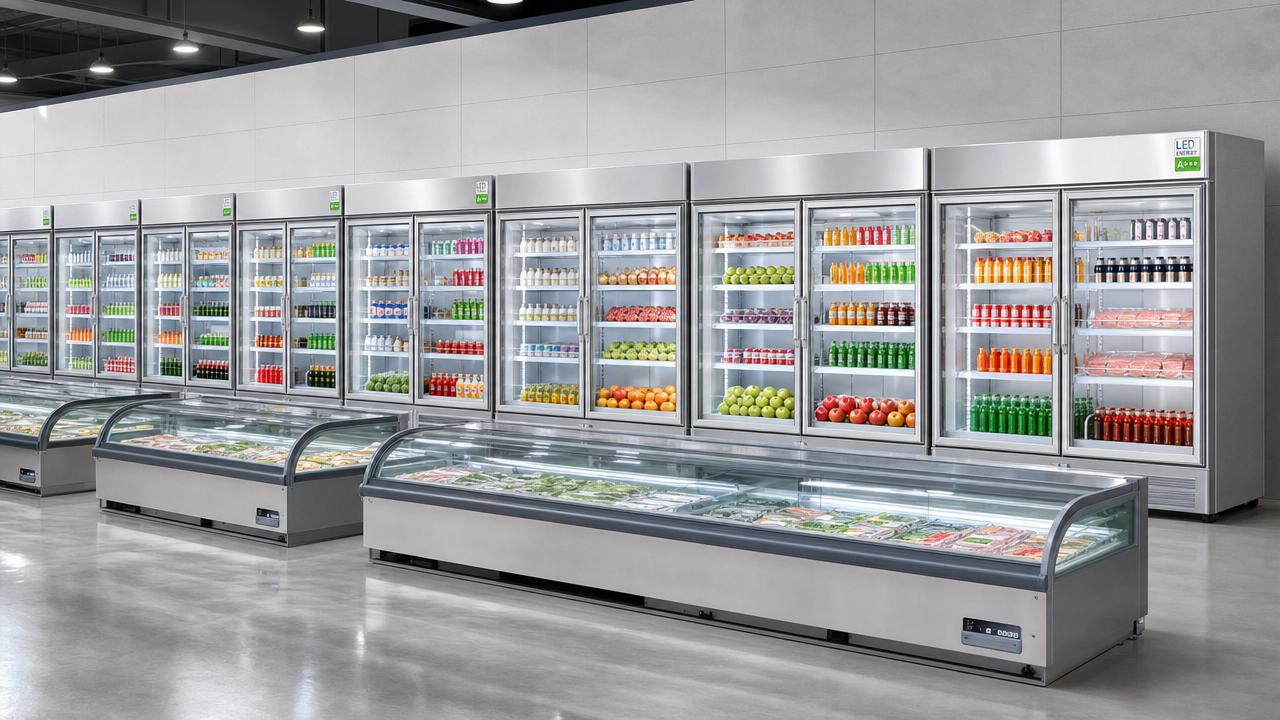
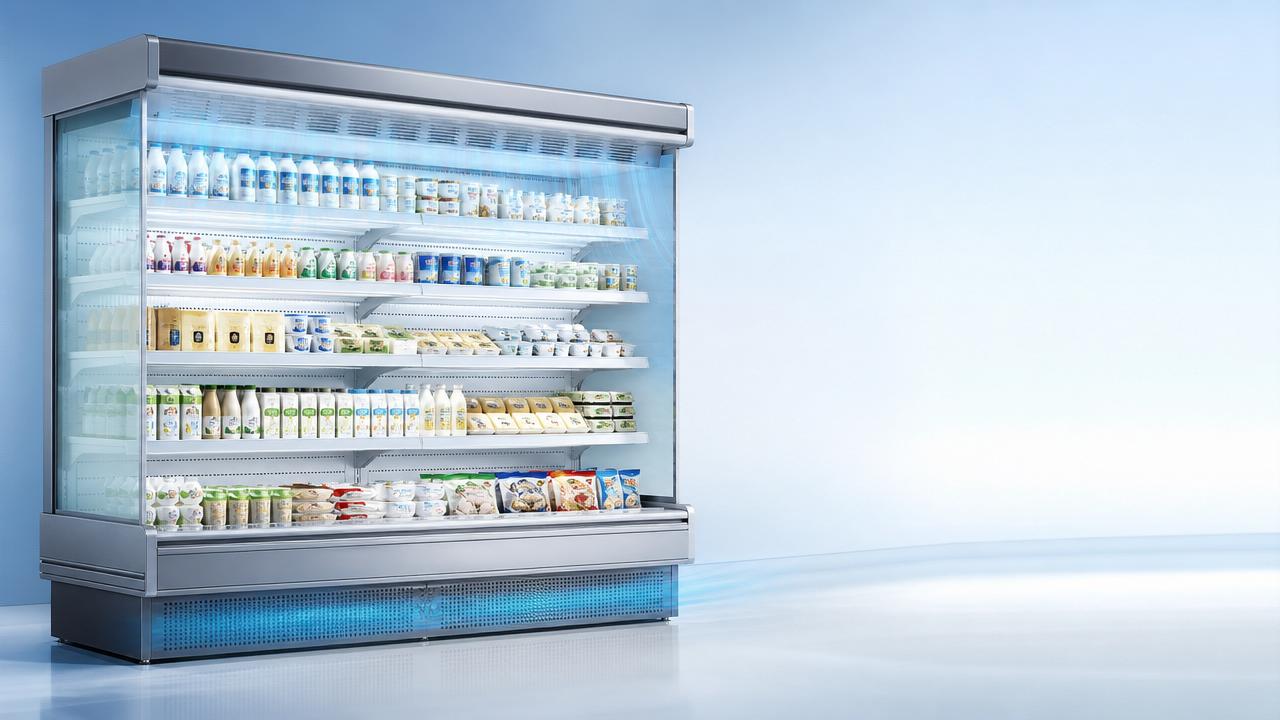
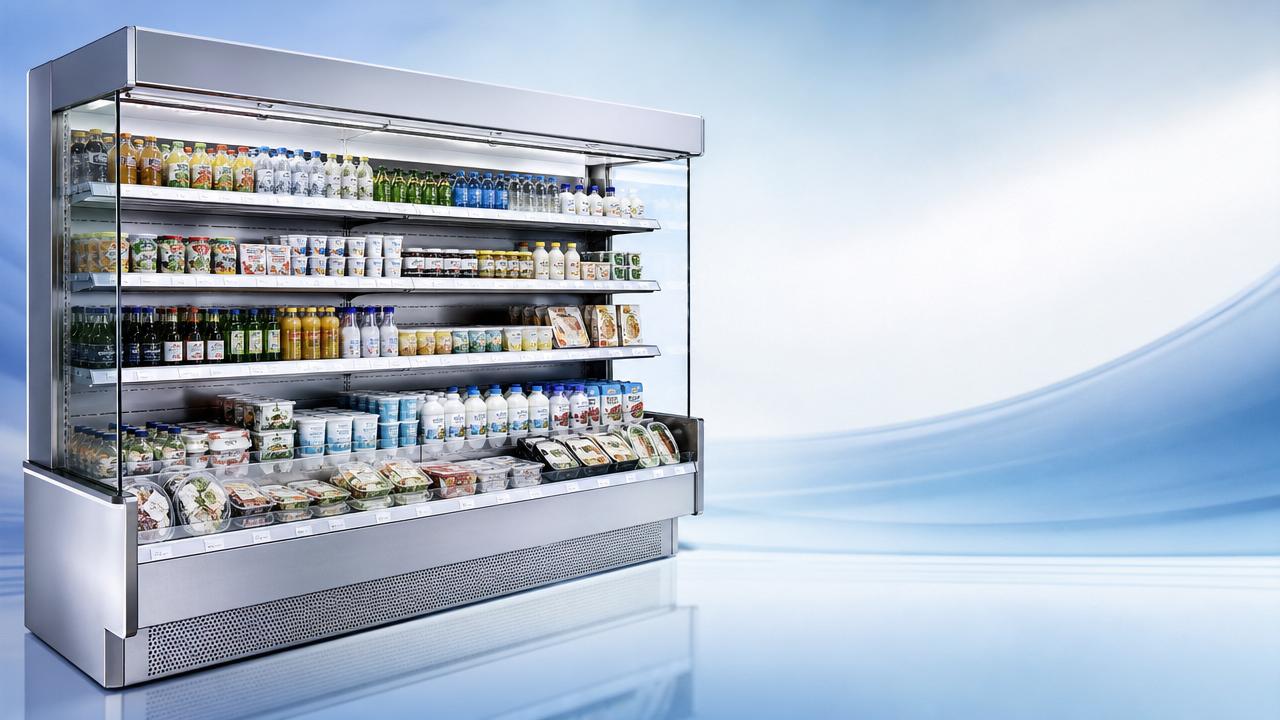
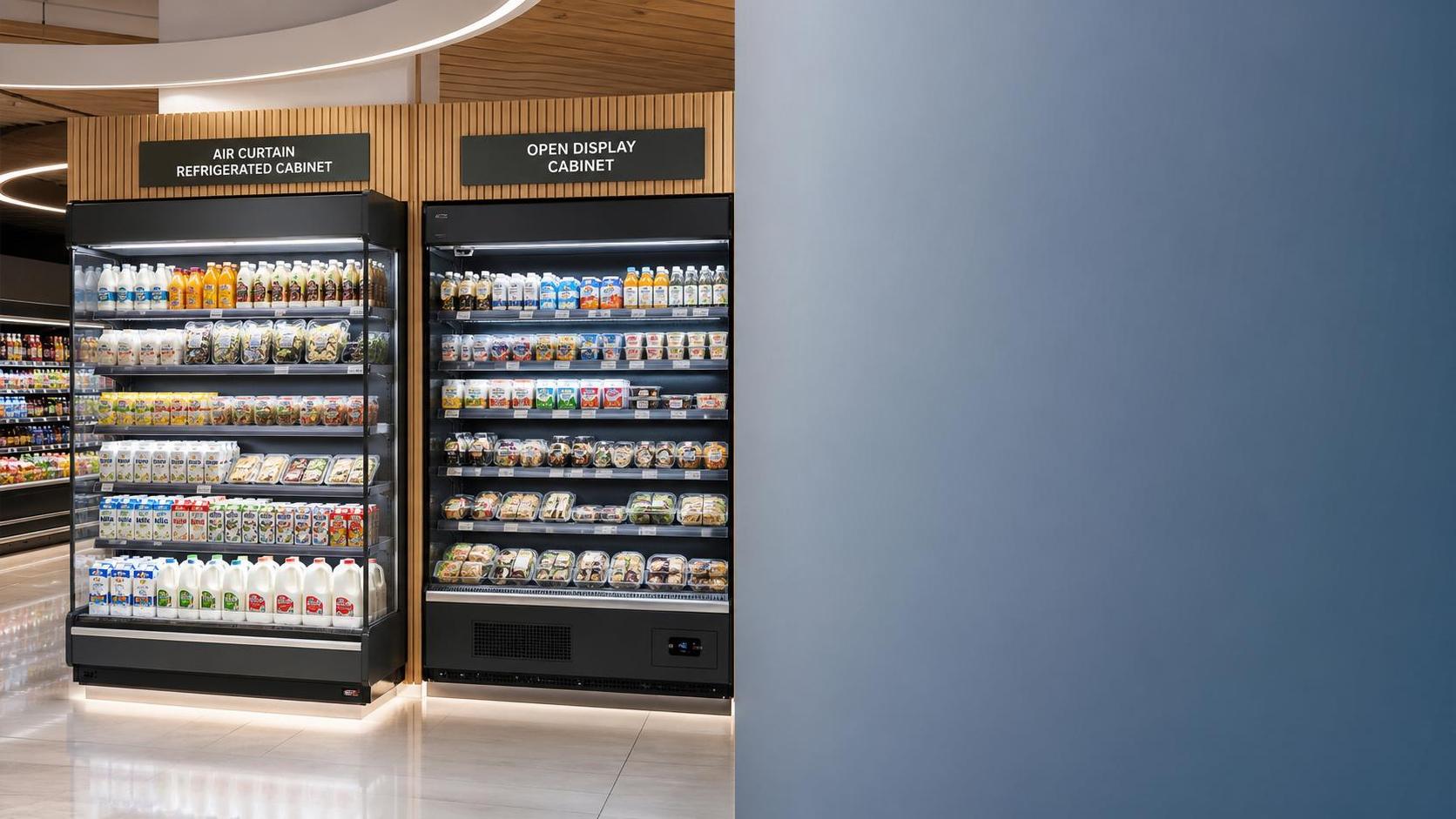
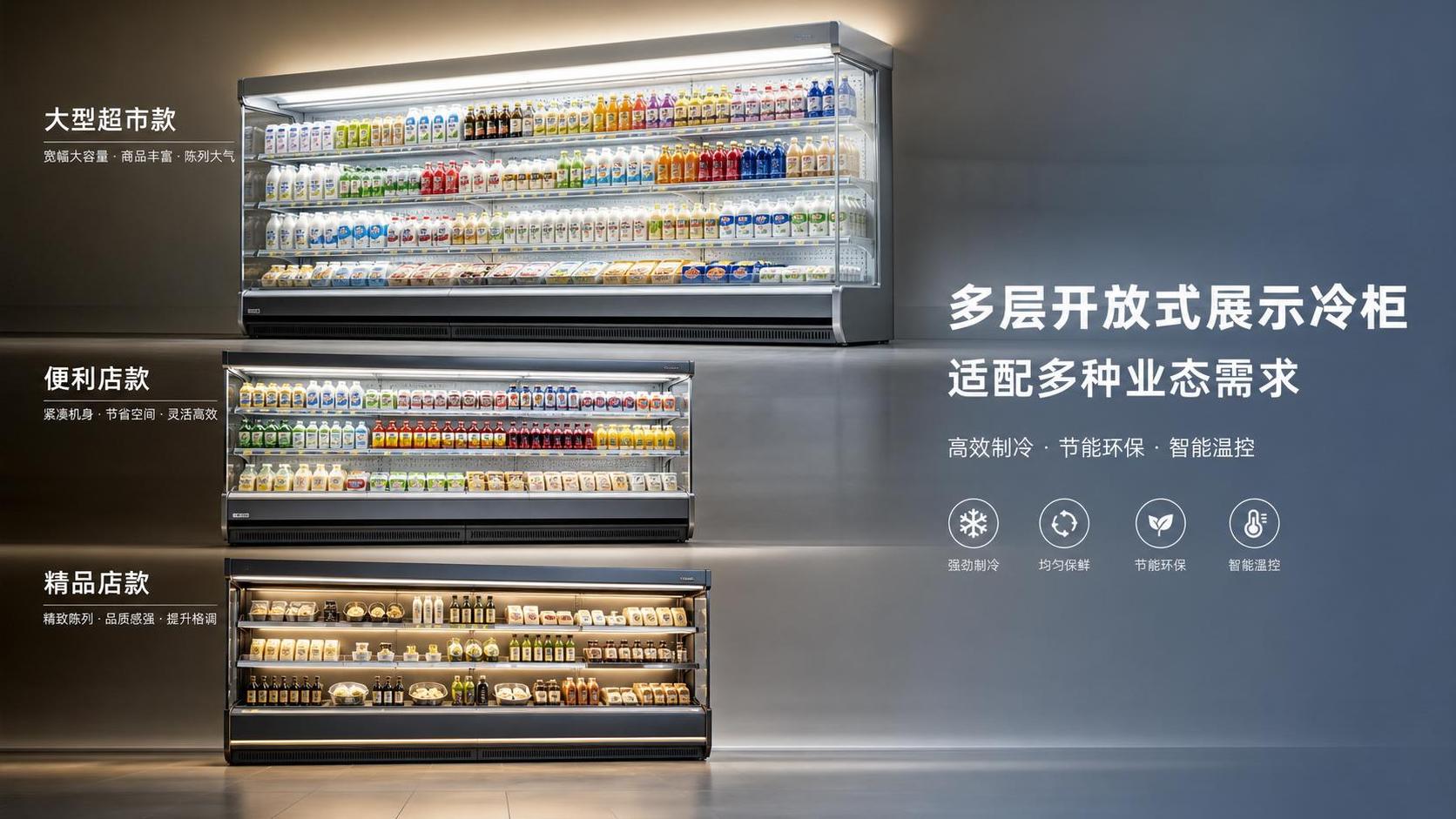
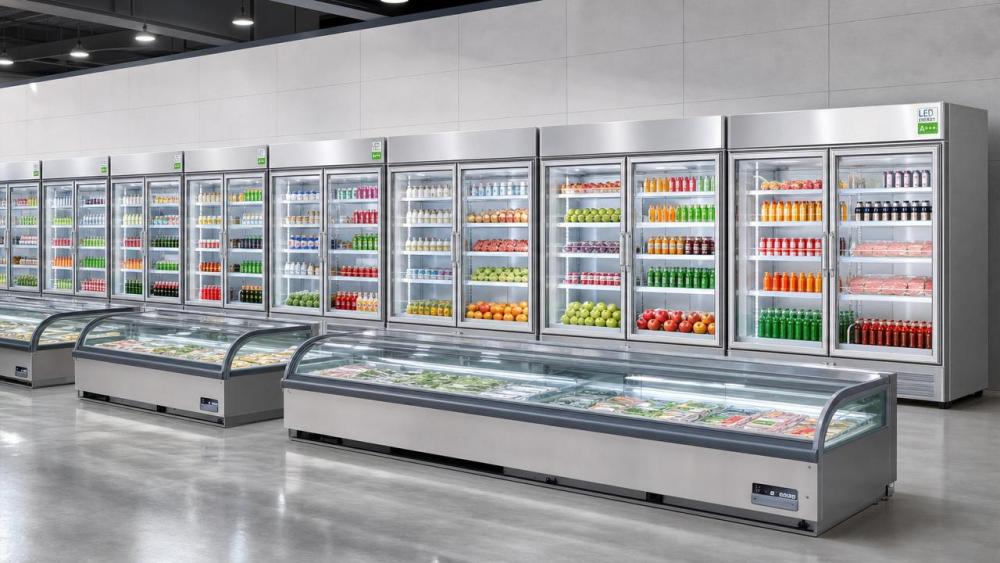
On May 14, 2026, China’s Ministry of Industry and Information Technology (MIIT) initiated its 2026 Industrial Energy Conservation Inspection program, targeting commercial refrigeration equipment—including multi-tier display cabinets, island cabinets, and prepared-food cabinets. This action directly affects manufacturers, exporters, and supply chain partners serving markets in Southeast Asia and the Middle East, particularly where energy labeling compliance and carbon footprint declarations (CEP) are critical for market access and order fulfillment.
Event Overview
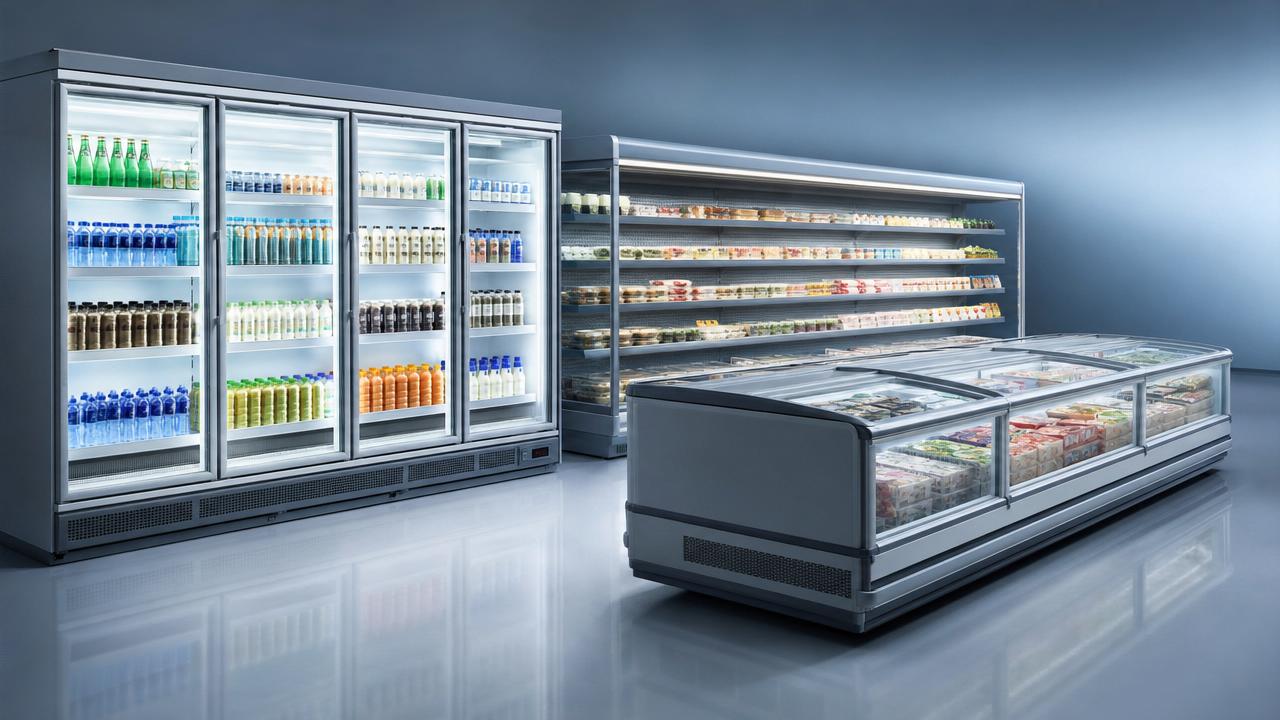
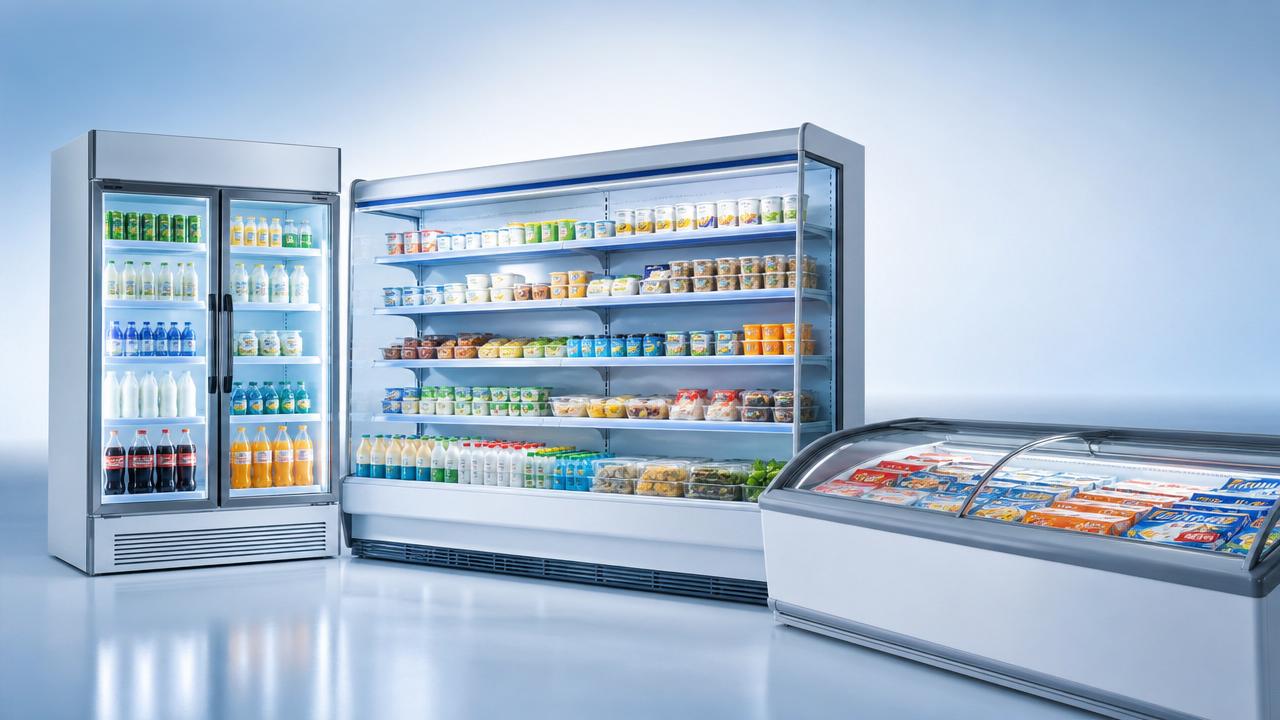
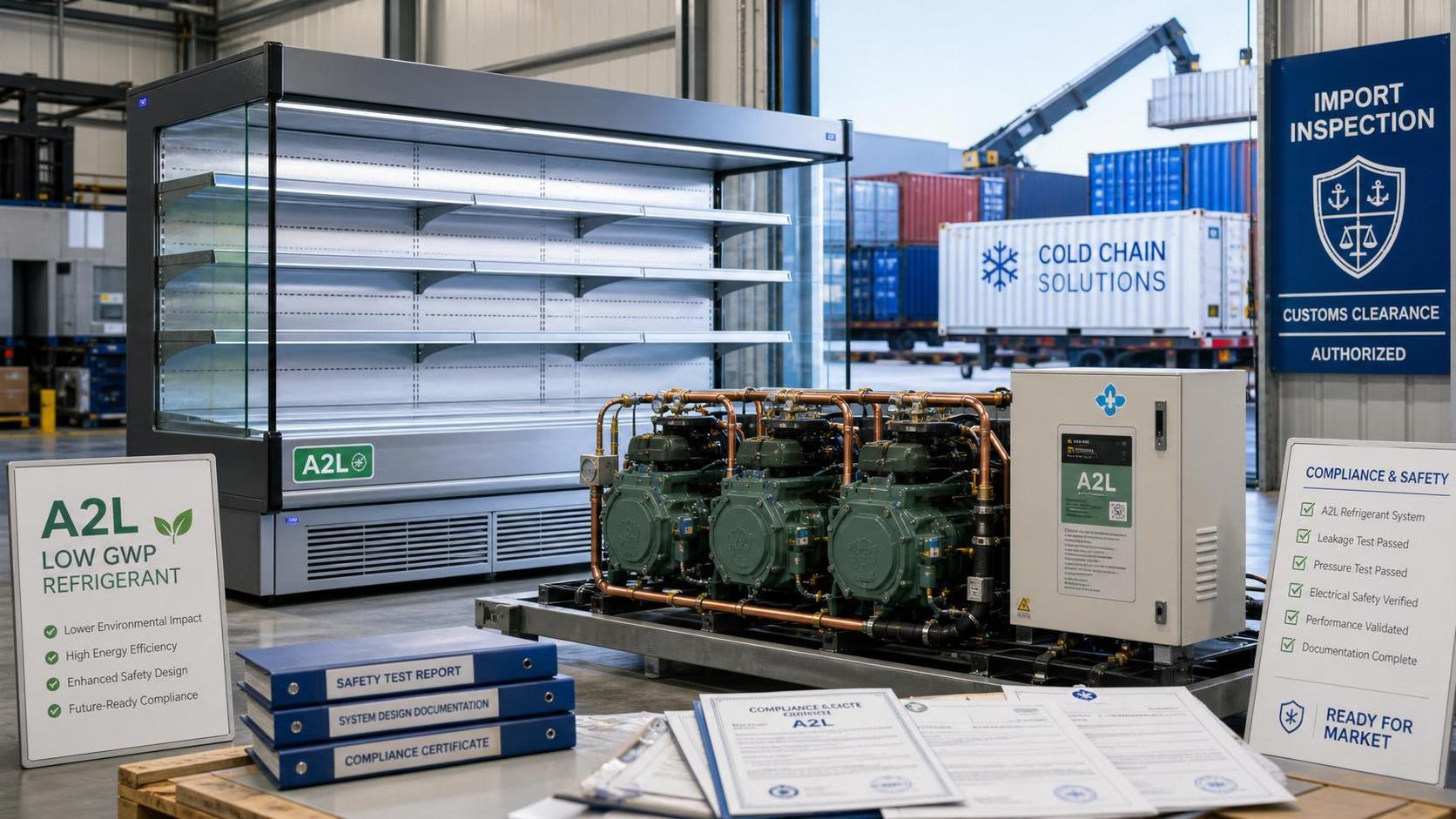
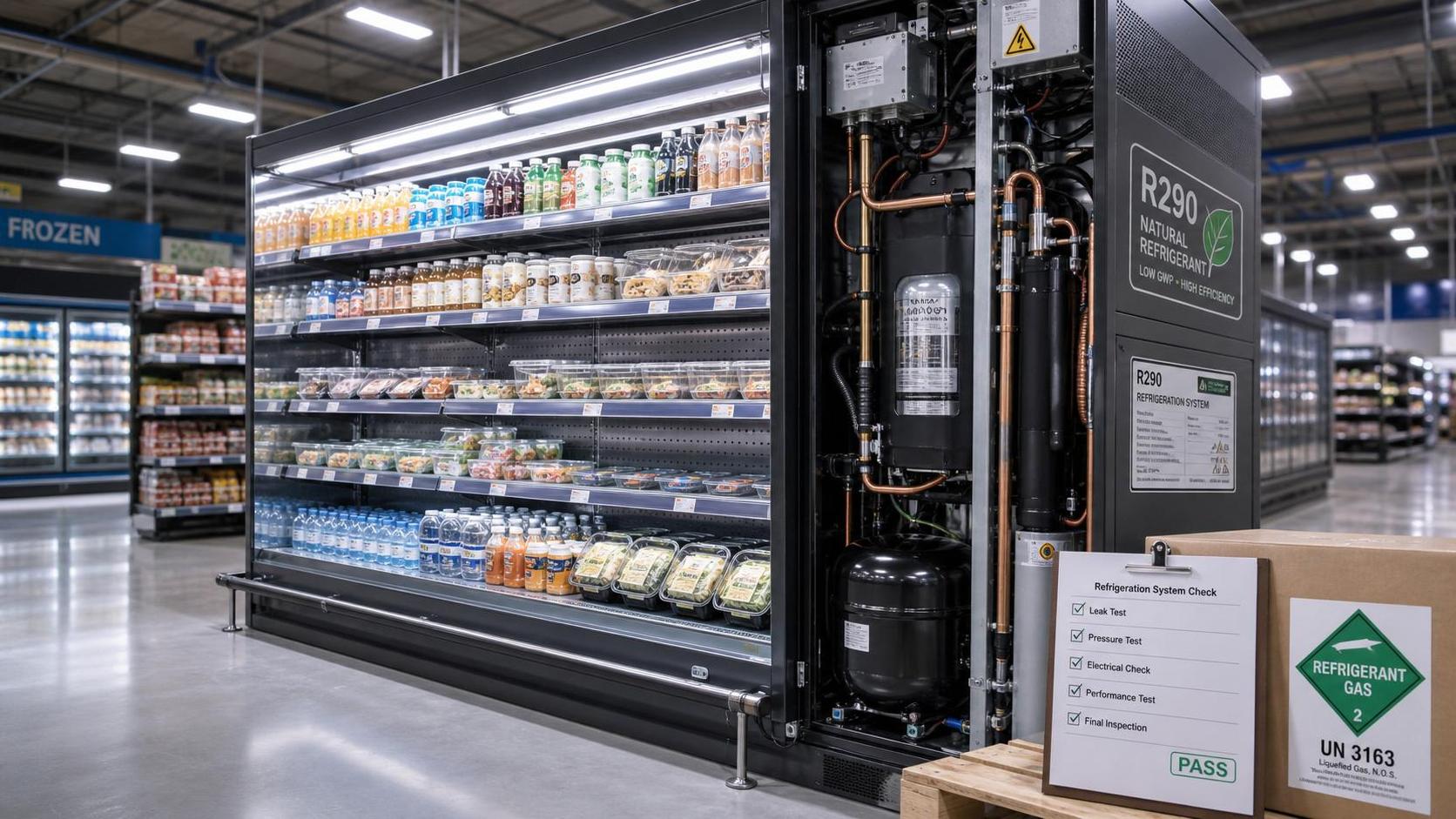
On May 14, 2026, the General Office of MIIT issued the Notice on the 2026 Annual Industrial Energy Conservation Inspection Work. The notice designates commercial refrigeration units—specifically multi-tier display cabinets, island cabinets, and prepared-food cabinets—as priority inspection items. Key verification focuses include implementation of the updated national standard GB 12021.2–2024 on energy efficiency labeling and the registration status of production lines using R290 as a low-global-warming-potential (GWP) refrigerant. Enterprises found noncompliant—either lacking R290 line registration or misrepresenting energy efficiency ratings—face suspension of export tax rebate eligibility.
Industries Affected
Direct Exporters and Trading Companies
These entities face immediate operational risk: suspended export tax rebates impair cash flow and increase landed costs for overseas buyers. Since many Southeast Asian and Middle Eastern importers rely on CE-certified or CEP-supported shipments to meet local regulatory or retail sustainability requirements, delayed or rejected customs clearance may occur if underlying manufacturer compliance is unverified.
Refrigeration Equipment Manufacturers
Manufacturers producing the listed cabinet types must verify both label accuracy against GB 12021.2–2024 and formal registration of R290-based production lines with MIIT. Non-registration does not merely trigger administrative warnings—it directly links to export tax rebate eligibility, making it a financial and legal compliance issue rather than a technical formality.
Component and Refrigerant Suppliers
Suppliers of compressors, heat exchangers, or R290 refrigerant itself may experience downstream demand shifts. As manufacturers accelerate R290 line certification, procurement patterns for compatible components—and associated testing, safety certifications, and material traceability documentation—will intensify. Unregistered suppliers may find their products excluded from certified production batches.
Distribution and Certification Service Providers
Third-party testing labs, energy label certification bodies, and CEP verification providers will see increased demand for GB 12021.2–2024 validation and R290 production line audits. However, only services recognized by MIIT’s designated inspection framework carry weight in official determinations—non-accredited reports do not mitigate enforcement risk.
What Enterprises Should Monitor and Do Now
Track official MIIT guidance and provincial implementation notices
While the national notice was issued on May 14, 2026, provincial MIIT branches are responsible for execution—including scheduling, sampling criteria, and timelines. Enterprises should monitor announcements from local MIIT offices, especially those covering manufacturing hubs such as Guangdong, Zhejiang, and Anhui, where most inspected cabinet producers are located.
Verify product-level labeling and production-line registration status
Enterprises must cross-check each model’s energy label data against test reports compliant with GB 12021.2–2024—not prior versions—and confirm that any R290 production line used for export-bound goods appears in MIIT’s publicly accessible R290 line registration database. Label discrepancies or unlisted lines constitute enforceable noncompliance.
Distinguish between policy signal and operational impact
The notice signals tightening alignment between domestic energy regulation and international trade requirements—notably CEP credibility and regional green procurement rules. However, enforcement outcomes depend on audit findings, not just issuance date. Businesses should treat this as a binding compliance checkpoint, not a preliminary warning.
Prepare documentation and communication protocols for overseas partners
Exporters should proactively compile evidence packages—including registered line IDs, valid test reports, and label verification letters—for distribution to key importers. This supports continuity of CE/CEP documentation and helps mitigate delivery delays caused by buyer-side due diligence or port inspections in destination markets.
Editorial Perspective / Industry Observation
Observably, this inspection is less a standalone enforcement action and more a structural calibration: it explicitly ties domestic industrial energy policy to cross-border trade mechanisms. Analysis shows the linkage between R290 line registration and export tax rebates elevates environmental compliance from a technical specification to a fiscal lever—making it financially material for exporters. From an industry perspective, the focus on commercial cold cabinets—rather than household appliances or heavy industry—suggests targeted pressure on high-GWP refrigerant usage in rapidly growing food retail infrastructure markets. Current enforcement appears procedural and verifiable, not discretionary; therefore, it functions more as an operational checkpoint than a broad policy signal. Continuous attention is warranted because provincial rollout details—and potential expansion to other refrigerant types or equipment categories—remain pending.
In summary, the 2026 MIIT Industrial Energy Conservation Inspection introduces enforceable, financially consequential requirements for commercial refrigeration exporters and their upstream partners. It reflects a maturing integration of domestic energy standards with international carbon transparency expectations—particularly in export-dependent segments serving climate-conscious emerging markets. It is best understood not as a temporary audit cycle, but as an institutionalized compliance gate aligned with evolving global ESG-linked trade frameworks.
Source: General Office of the Ministry of Industry and Information Technology (MIIT), Notice on the 2026 Annual Industrial Energy Conservation Inspection Work, issued May 14, 2026.
Further developments—including provincial implementation schedules and updates to the R290 production line registration portal—remain under observation.
Recommended News
 Multideck Display CabinetsCommercial Freezers: Is Lower Temperature Always Better?Analyst :Retail Refrigeration Strategist
 Multideck Display CabinetsWhy Refrigeration Cabinets Lose Efficiency Faster Than ExpectedAnalyst :Retail Refrigeration Strategist
 Multideck Display CabinetsMIIT Launches 2026 Industrial Energy Conservation InspectionAnalyst :Retail Refrigeration Strategist
 Multideck Display CabinetsCan air curtain refrigeration really reduce display losses?Analyst :Retail Refrigeration Strategist
 Multideck Display CabinetsColombia Launches Anti-Dumping Sunset Review on Chinese Acrylic SheetsAnalyst :Retail Refrigeration Strategist
 Multideck Display CabinetsUA Team Solves 3D Vision Glare Recognition for Cold Chain RobotsAnalyst :Retail Refrigeration Strategist
 Multideck Display CabinetsUK-GCC FTA to Phase Out Tariffs on Commercial Cold CabinetsAnalyst :Retail Refrigeration Strategist
 Multideck Display CabinetsCommercial freezers often fail for these avoidable reasonsAnalyst :Retail Refrigeration Strategist
![]() Multideck Display CabinetsDOE Updates ENERGY STAR Commercial Refrigeration StandardsAnalyst :Retail Refrigeration Strategist
Multideck Display CabinetsDOE Updates ENERGY STAR Commercial Refrigeration StandardsAnalyst :Retail Refrigeration Strategist Multideck Display CabinetsIs air curtain refrigeration enough for open displays?Analyst :Retail Refrigeration Strategist
 Multideck Display CabinetsWhy anti-fog technology matters in open display cabinetsAnalyst :Retail Refrigeration Strategist
 Multideck Display CabinetsWhy Anti-Fog Technology Matters in Display CasesAnalyst :Retail Refrigeration Strategist
 Multideck Display CabinetsDoes anti-fog technology really improve display sales?Analyst :Retail Refrigeration Strategist
 Multideck Display CabinetsDoes anti-fog technology really improve display sales?Analyst :Retail Refrigeration Strategist
![]() Multideck Display CabinetsAir Curtain Refrigeration in Open Display Cases: Energy Loss and Setup TipsAnalyst :Retail Refrigeration Strategist
Multideck Display CabinetsAir Curtain Refrigeration in Open Display Cases: Energy Loss and Setup TipsAnalyst :Retail Refrigeration Strategist![]() Multideck Display CabinetsHow to Choose Refrigeration Cabinets for Retail: Size, Temperature Range, and LayoutAnalyst :Retail Refrigeration Strategist
Multideck Display CabinetsHow to Choose Refrigeration Cabinets for Retail: Size, Temperature Range, and LayoutAnalyst :Retail Refrigeration Strategist Multideck Display CabinetsHow to Choose Refrigeration Cabinets for Retail: Display Type, Temperature, and Energy UseAnalyst :Retail Refrigeration Strategist
 Multideck Display CabinetsRefrigeration Cabinets Explained: Types, Temperature Ranges, and Best Use CasesAnalyst :Retail Refrigeration Strategist
 Multideck Display CabinetsRCEP Green Cabinet Scheme Speeds Display Cabinet ExportsAnalyst :Retail Refrigeration Strategist
 Multideck Display CabinetsRCEP Green Cabinet Plan Eases Clearance for Multideck UnitsAnalyst :Retail Refrigeration Strategist
 Multideck Display CabinetsRCEP Green Cabinet Plan Speeds Multideck Cabinet TradeAnalyst :Retail Refrigeration Strategist
 Multideck Display CabinetsEU Launches Green Cabinet Scheme, Speeds Clearance 30%Analyst :Retail Refrigeration Strategist
 Multideck Display CabinetsHow to Choose Refrigeration Cabinets for Supermarkets: Temperature, Layout, and Energy UseAnalyst :Retail Refrigeration Strategist
 Multideck Display CabinetsRefrigeration Cabinets Explained: Types, Use Cases, and Key Energy-Saving FeaturesAnalyst :Retail Refrigeration Strategist
 Multideck Display CabinetsAir Curtain Refrigeration Explained: When It Works Best in Open Display CabinetsAnalyst :Retail Refrigeration Strategist
 Multideck Display CabinetsRACC 2026 to Spotlight EU REACH PFAS Seal RulesAnalyst :Retail Refrigeration Strategist
 Multideck Display CabinetsUpright Display Freezers: Key Features to Compare Before Buying for Retail UseAnalyst :Retail Refrigeration Strategist
 Multideck Display CabinetsRACC 2026 Highlights EU REACH PFAS Shift for Cold-Chain SealsAnalyst :Retail Refrigeration Strategist
 Multideck Display CabinetsCommercial Freezers vs Upright Freezers: Which Format Fits Your Store?Analyst :Retail Refrigeration Strategist
 Multideck Display CabinetsEPA Halts New SNAP Filings for A2L Refrigeration EquipmentAnalyst :Retail Refrigeration Strategist
 Multideck Display CabinetsAir Curtain Refrigeration Cabinets vs Open Display Cases: Which Fits Your Store Layout?Analyst :Retail Refrigeration Strategist
 Multideck Display CabinetsEPA Suspends New SNAP Reviews for A2L SystemsAnalyst :Retail Refrigeration Strategist
 Multideck Display CabinetsEPA Halts New SNAP Filings for A2L Refrigerant UnitsAnalyst :Retail Refrigeration Strategist
 Multideck Display CabinetsMultideck Display Refrigerators in Latin America: Which Store Formats Fit Best?Analyst :Retail Refrigeration Strategist
 Multideck Display CabinetsMETI Sets OTA Update Rule for Multideck CabinetsAnalyst :Retail Refrigeration Strategist
 Multideck Display CabinetsJapan METI to Mandate OTA Support for Multideck CabinetsAnalyst :Retail Refrigeration Strategist
 Multideck Display CabinetsThailand TISI Eyes New Energy Labels for Multideck CabinetsAnalyst :Retail Refrigeration Strategist
 Multideck Display CabinetsCommercial Refrigeration Bakery Display Buying Guide: Capacity, Humidity, and MerchandisingAnalyst :Retail Refrigeration Strategist
 Multideck Display CabinetsJapan Raises JIS Efficiency Bar for Multideck CabinetsAnalyst :Retail Refrigeration Strategist
 Multideck Display CabinetsEPA Clears R290 for Multideck Display CabinetsAnalyst :Retail Refrigeration Strategist