Industry News
Curation by industry experts
Hot Articles
- Cold Chain & Retail Energy InsightsHow to Compare Energy Ratings in Specification-Led Refrigeration Equipment Guides
- Cold Chain & Retail Energy InsightsCold Chain Technology: How Sensors and Automation Prevent Temperature Excursions
- Cold Chain & Retail Energy InsightsHow North American Cold Facilities Can Benchmark Refrigeration System Efficiency
Popular Tags
Heat exchange technology flaws that raise operating costs
For technical evaluators, flaws in heat exchange technology often stay hidden behind stable setpoints and acceptable logs. Yet these weaknesses steadily raise operating costs, reduce uptime, and weaken refrigeration consistency.
Across industrial chillers, cold rooms, ice systems, display cabinets, and ultra-low temperature platforms, better efficiency now depends on deeper scrutiny. Heat exchange technology must be judged by lifecycle behavior, not nameplate performance alone.
Why hidden heat exchange technology flaws are becoming more expensive
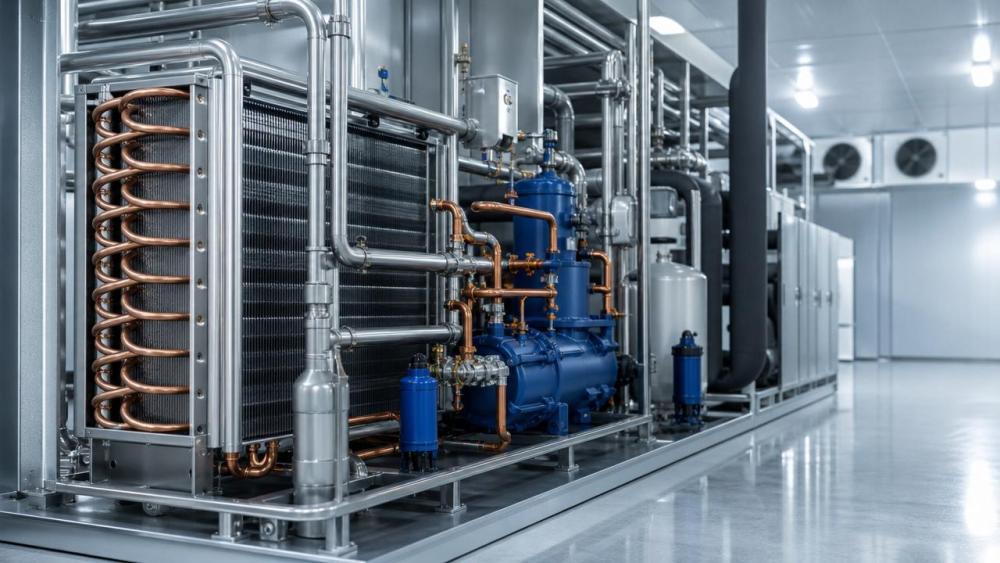
Energy prices remain volatile, while refrigerant rules are tightening. That combination makes small thermal losses far more costly than before, especially in refrigeration systems that operate continuously.
At the same time, load profiles are changing. Facilities face faster door cycles, mixed product temperatures, higher ambient heat, and stronger demands for precise control.
In this environment, weak heat exchange technology no longer causes only moderate inefficiency. It can trigger compressor overwork, unstable suction conditions, excessive defrosting, and avoidable maintenance events.
The result is a clear trend: operating cost gaps between well-optimized and poorly matched systems are widening. Performance drift matters more than initial capacity.
Current signals show a shift from capacity focus to thermal efficiency focus
Many cooling assets still pass acceptance tests while underperforming in daily use. The gap appears when ambient conditions fluctuate, products vary, or maintenance intervals stretch.
This is why heat exchange technology evaluation is changing. Observers now track not only peak output, but also heat transfer stability, pressure drop, frost behavior, and control response.
- Higher attention to evaporator and condenser approach temperatures
- More concern about refrigerant distribution in multi-circuit systems
- Greater use of digital monitoring for fouling and airflow decline
- Stronger emphasis on low-charge and natural refrigerant compatibility
- Lifecycle comparisons replacing simple first-cost decisions
For cold-chain and refrigeration infrastructure, these signals point to one conclusion. Heat exchange technology is now a strategic cost variable, not a background component choice.
The most common flaws that quietly raise operating costs
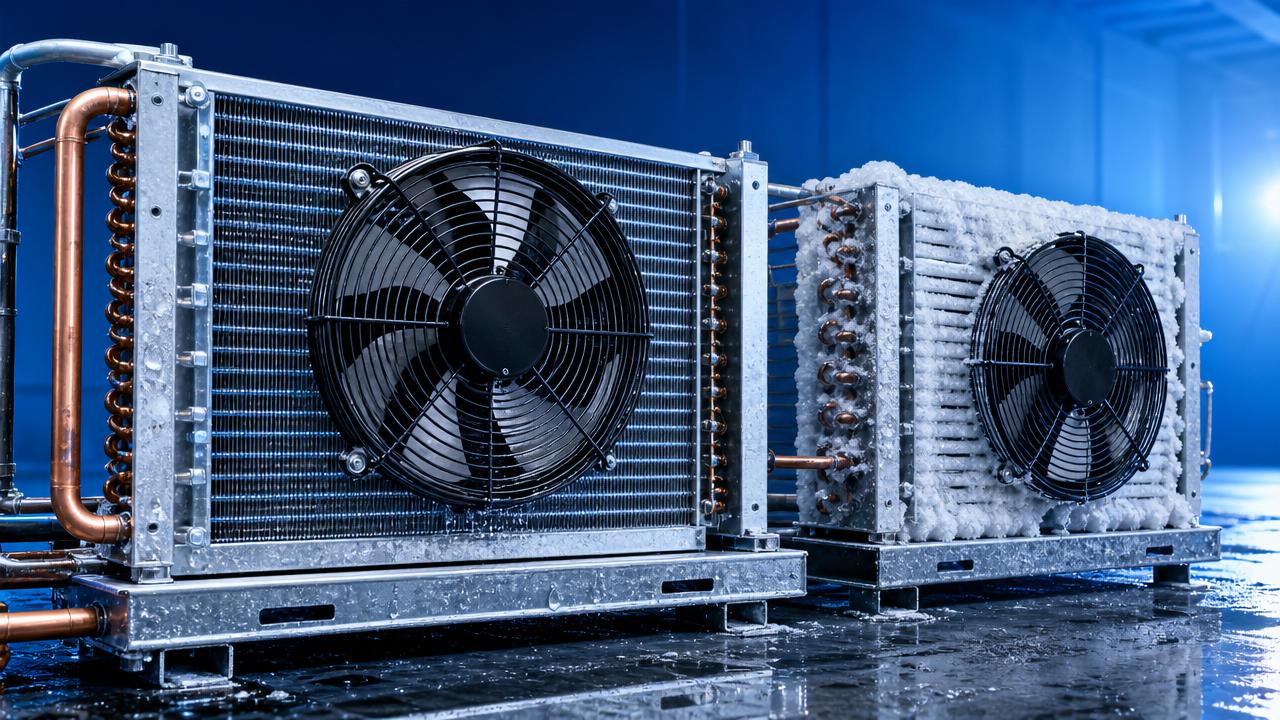
Fouled surfaces reduce transfer rates long before alarms appear
Scale, oil film, dust, and biological deposits create thermal resistance. Even a small layer can force lower evaporating temperatures or higher condensing pressures.
That pushes compressors to run harder. It also increases fan energy, extends pull-down time, and weakens temperature uniformity across stored goods.
Poor refrigerant distribution creates false confidence
A coil may appear active while sections are underfed or overfed. Maldistribution lowers effective surface use and can cause unstable superheat, flash gas, or liquid return risk.
This flaw is common in multi-circuit evaporators, microchannel designs, and systems with variable loads. It often hides behind average readings that look acceptable.
Excessive pressure drop steals efficiency
Heat exchange technology is not only about transfer area. Internal geometry, piping layout, headers, and valves can impose pressure penalties that cancel thermal gains.
When pressure drop rises, compressors work against avoidable losses. Pumps and fans may also consume more power to maintain target conditions.
Airside design flaws waste more than expected
Uneven airflow, bypass leakage, blocked fin spacing, and poor fan selection sharply reduce coil effectiveness. Frost formation then accelerates, especially in humid or high-traffic areas.
In display refrigeration, weak air curtain management can compound the problem. In cold rooms, door opening frequency magnifies it further.
Mismatched design conditions distort real-world performance
Some systems are selected for ideal laboratory points rather than actual load patterns. As conditions shift, heat exchange technology may operate outside its efficient range.
This is especially costly in cascade refrigeration, transcritical CO2 systems, and medical low-temperature storage, where narrow tolerances matter.
What is driving these flaws across refrigeration applications
How these weaknesses affect different business links
The impact extends beyond utility bills. Weak heat exchange technology changes product quality risk, service intervals, asset lifespan, and compliance confidence.
- Industrial cooling faces unstable process temperatures and lower production consistency.
- Cold storage hubs see longer recovery after door openings and wider room temperature drift.
- Commercial ice production may lose output stability during peak ambient conditions.
- Retail refrigeration can suffer fogging, uneven merchandising temperatures, and poor defrost efficiency.
- Ultra-low temperature applications face stricter reliability pressure because thermal margin is smaller.
In every case, the pattern is similar. When heat exchange technology degrades, control systems compensate first, then energy use rises, and finally reliability weakens.
What deserves close attention during technical evaluation
A strong review should look beyond nominal capacity. The goal is to identify whether heat exchange technology will remain efficient under realistic conditions over time.
- Compare clean and fouled performance assumptions, not only clean-state ratings.
- Check approach temperature, superheat stability, and condensing margin at part load.
- Review refrigerant distributor design and circuit balance details.
- Assess pressure drop on both refrigerant and air or fluid sides.
- Verify fin spacing, fan selection, and frost management logic.
- Examine compatibility with natural refrigerants, low-GWP fluids, and future compliance paths.
- Require trend data for defrost frequency, compressor runtime, and coil temperature behavior.
Practical judgment methods to reduce future operating costs
These methods are especially valuable where energy intensity is high and uptime is critical. That includes food logistics, pharmaceutical storage, process cooling, and large commercial refrigeration estates.
The next step is to treat heat exchange technology as a lifecycle decision
The market direction is clear. Heat exchange technology must be assessed through the full operating window, including fouling risk, pressure penalties, control behavior, and refrigerant transition resilience.
A useful next step is to compare current systems against real thermal indicators rather than only energy bills. Measure approach temperatures, observe defrost patterns, and track compressor loading trends.
Where weak points appear, prioritize coil cleanliness, airflow correction, refrigerant distribution checks, and design-condition validation. Those actions often unlock lower operating cost faster than major equipment replacement.
For long-term planning, use technical intelligence that connects thermodynamics, refrigerant compliance, and application conditions. Better heat exchange technology decisions now create stronger efficiency, reliability, and cold-chain confidence later.
Recommended News
 Thermodynamic Tech TrendsTemperature Control Problems That Quietly Ruin Product QualityAnalyst :Prof. Sarah Lin
 Thermodynamic Tech TrendsHow heat exchange technology shapes system reliabilityAnalyst :Prof. Sarah Lin
 Thermodynamic Tech TrendsAus Scientists Break Through Anhydrous Proton-Conducting MembraneAnalyst :Prof. Sarah Lin
 Thermodynamic Tech TrendsHow variable frequency cooling cuts peak energy costsAnalyst :Prof. Sarah Lin
 Thermodynamic Tech TrendsHeat exchange technology flaws that raise operating costsAnalyst :Prof. Sarah Lin
 Thermodynamic Tech TrendsWhat makes eco-friendly cooling practical in daily use?Analyst :Prof. Sarah Lin
 Thermodynamic Tech TrendsWhat heat exchange technology cuts cooling energy wasteAnalyst :Prof. Sarah Lin
 Thermodynamic Tech TrendsLow carbon refrigeration is changing project planningAnalyst :Prof. Sarah Lin
 Thermodynamic Tech TrendsHeat Exchange Technology Is Changing Cooling DesignAnalyst :Prof. Sarah Lin
 Thermodynamic Tech TrendsWhat limits heat exchange efficiency in real systems?Analyst :Prof. Sarah Lin
 Thermodynamic Tech TrendsIndustrial Refrigeration System Selection: Key Capacity, Refrigerant, and Load FactorsAnalyst :Prof. Sarah Lin
 Thermodynamic Tech TrendsVariable Frequency Cooling Selection Guide: How to Match Load Range, COP, and Control StrategyAnalyst :Prof. Sarah Lin
 Thermodynamic Tech TrendsHeat Exchange Technology in Refrigeration: Which Design Improves Capacity and Defrost Efficiency?Analyst :Prof. Sarah Lin
![]() Thermodynamic Tech TrendsMagnetic Bearing Technology Explained: How Oil-Free Compression Improves Chiller EfficiencyAnalyst :Prof. Sarah Lin
Thermodynamic Tech TrendsMagnetic Bearing Technology Explained: How Oil-Free Compression Improves Chiller EfficiencyAnalyst :Prof. Sarah Lin Thermodynamic Tech TrendsVariable Frequency Cooling Explained: How It Improves Refrigeration Efficiency and Load ControlAnalyst :Prof. Sarah Lin
 Thermodynamic Tech TrendsHeat Exchange Efficiency: Which Design Factors Matter Most in Industrial Cooling?Analyst :Prof. Sarah Lin
 Thermodynamic Tech TrendsHeat Exchange Technology Comparison: Plate, Shell-and-Tube, or Microchannel?Analyst :Prof. Sarah Lin
 Thermodynamic Tech TrendsIndustrial Cooling Systems Explained: Which Setup Fits Food, Pharma, and Process Plants?Analyst :Prof. Sarah Lin
 Thermodynamic Tech TrendsVariable Frequency Cooling vs Fixed-Speed Systems: Which Cuts Energy Costs Better?Analyst :Prof. Sarah Lin
 Thermodynamic Tech TrendsTemperature Control Systems Explained: Key Components, Control Logic, and Common UsesAnalyst :Prof. Sarah Lin
 Thermodynamic Tech TrendsHow Heat Exchange Efficiency Affects Compressor Load and System StabilityAnalyst :Prof. Sarah Lin
 Thermodynamic Tech TrendsEnergy Saving Low Carbon Cooling: Which Metrics Actually Matter in System Evaluation?Analyst :Prof. Sarah Lin
 Thermodynamic Tech TrendsHow to Compare a Heat Transfer Technology Manufacturer for Custom Process Cooling ProjectsAnalyst :Prof. Sarah Lin
 Thermodynamic Tech TrendsChoosing an Industrial Cooling Systems Supplier: 7 Evaluation Criteria Before RFQAnalyst :Prof. Sarah Lin
 Thermodynamic Tech TrendsHeat Transfer Technology Air Cooler: Key Design Factors for Stable Cooling PerformanceAnalyst :Prof. Sarah Lin
 Thermodynamic Tech TrendsEnergy Efficient Refrigeration Systems with Heat Recovery: Where the Savings Really Come FromAnalyst :Prof. Sarah Lin
 Thermodynamic Tech TrendsWhat Determines Heat Exchange Technology Price in Industrial Cooling Projects?Analyst :Prof. Sarah Lin
 Thermodynamic Tech TrendsHow to Select Heat Exchange Plates for Corrosion Resistance and Thermal EfficiencyAnalyst :Prof. Sarah Lin
 Thermodynamic Tech TrendsHow Microchannel Heat Exchangers Improve Refrigeration System EfficiencyAnalyst :Prof. Sarah Lin
 Thermodynamic Tech TrendsHeat Transfer Technology for Blast Freezers: Speed, Efficiency, and DesignAnalyst :Prof. Sarah Lin
 Thermodynamic Tech TrendsHow to Size Heat Exchange Systems for Refrigeration Plants at Peak LoadAnalyst :Prof. Sarah Lin
 Thermodynamic Tech TrendsThermodynamic Technologies in Commercial Cooling: Which Heat-Rejection Method Fits?Analyst :Prof. Sarah Lin