Industry News
Curation by industry experts
Hot Articles
- Thermodynamic Tech TrendsHow to Size Heat Exchange Systems for Refrigeration Plants at Peak Load
- Parallel Compressor RacksHow to Size Reciprocating Compressors for Cold Storage Load and Temperature Range
- Flake Ice MachinesHow to Size a Commercial Ice Dispenser for Peak Demand in Foodservice Operations
Popular Tags
G7 Prioritizes Critical Minerals Supply Chain Security
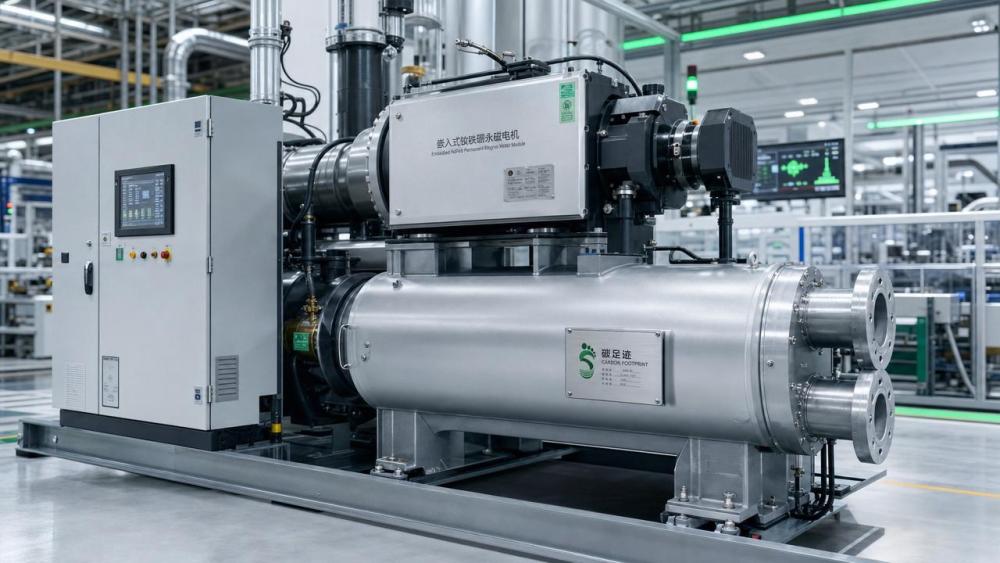
On May 6, 2026, the G7 Trade Ministers’ Meeting in Paris elevated critical minerals supply chain security — particularly rare earth elements — to a central agenda item. The move signals a tightening of regulatory scrutiny on exports of high-tech industrial equipment containing permanent magnets to the European Union, with immediate implications for manufacturers and exporters of magnetic-levitation bearing chillers.
Event Overview
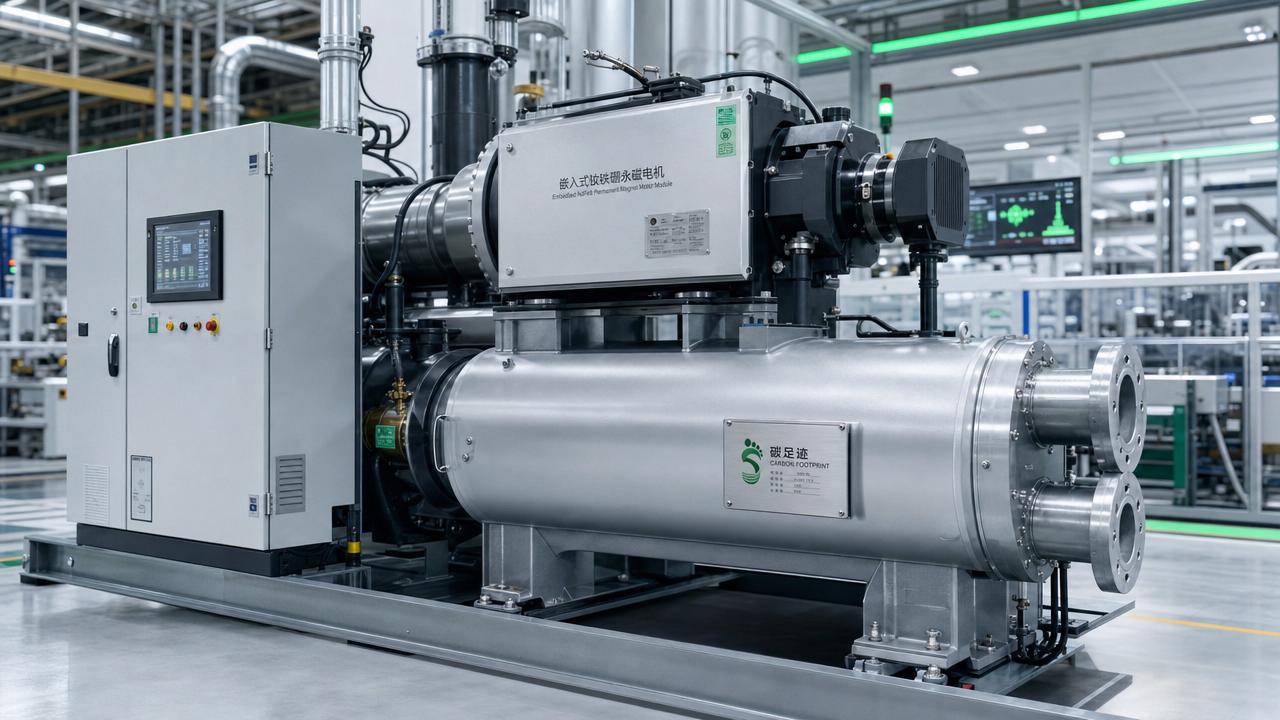
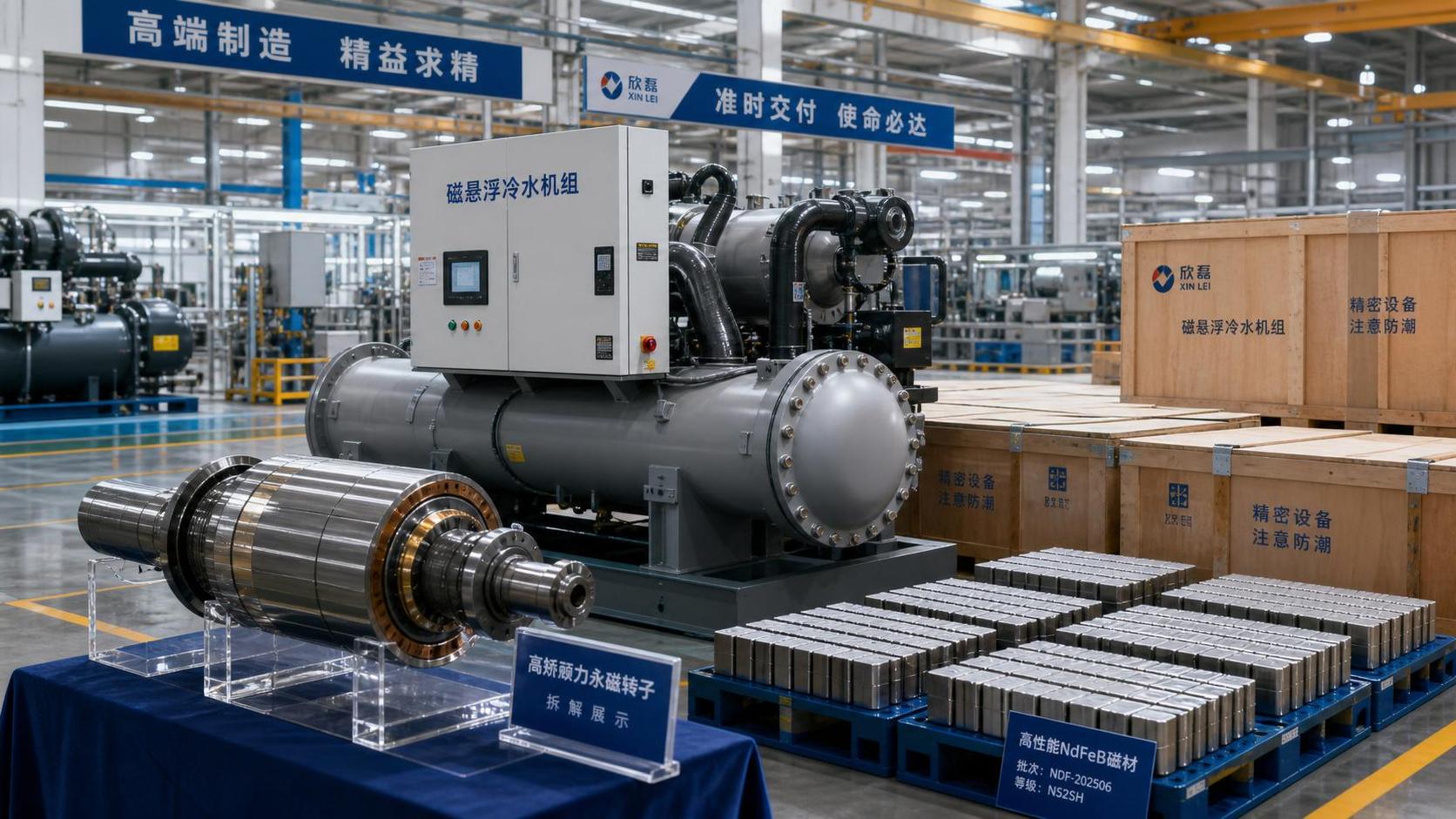
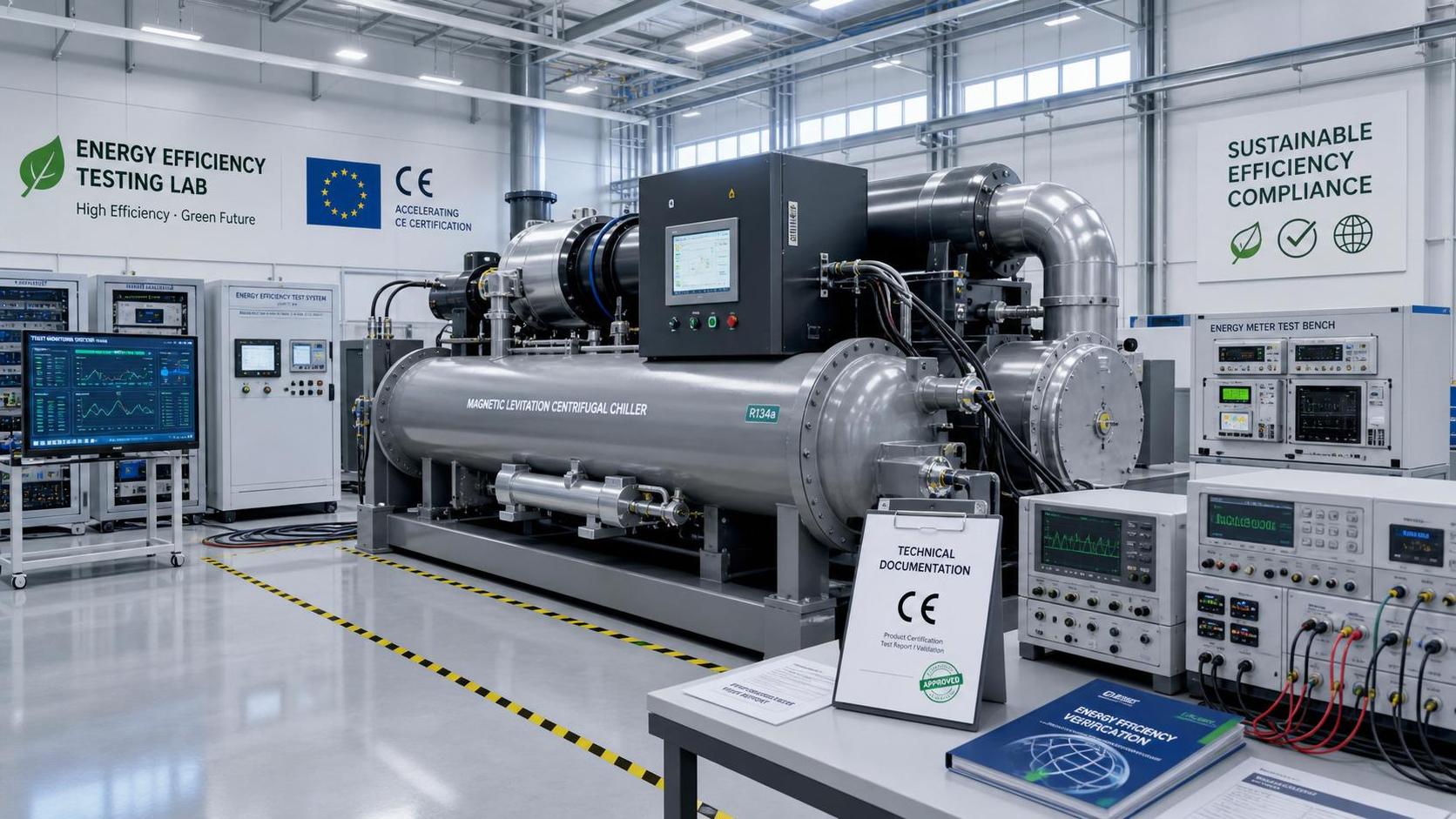
At the May 6, 2026 G7 Trade Ministers’ Meeting in Paris, France’s Minister for Foreign Trade explicitly advocated establishing a ‘verifiable traceability framework’ for critical minerals. As a direct consequence, neodymium-iron-boron (NdFeB) permanent magnet motors used in magnetic-levitation bearing chillers exported to the EU will be required — starting Q3 2026 — to submit full due diligence documentation aligned with Regulation (EU) 2017/821 on conflict minerals. Such documentation must include verified origin of raw ore, certified smelter/refiner status, and a declared carbon footprint statement. This requirement will become a mandatory component of CE technical files.
Industries Affected
Direct Exporters (Trade Enterprises): Companies exporting magnetic-levitation bearing chillers to the EU face new pre-market compliance obligations. Their CE conformity assessments will now require integration of mineral-specific due diligence reports — not merely product safety or EMC data. Failure to provide validated upstream documentation may result in customs delays, market access suspension, or rejection of CE declarations.
Raw Material Procurement Firms: Entities sourcing NdFeB magnets or unmachined sintered blocks must now map and verify their entire upstream chain — from mine to magnet manufacturer. This includes obtaining audit-ready evidence of smelter/refiner compliance with the OECD Due Diligence Guidance and EU Annex II list alignment. Previously informal supplier relationships are no longer sufficient.
Component & Equipment Manufacturers: Firms integrating NdFeB motors into chillers must restructure internal technical documentation workflows. They are responsible for assembling, validating, and archiving third-party mineral traceability data — even when magnets are procured from Tier-2 or Tier-3 suppliers. Internal quality management systems (e.g., ISO 9001, IATF 16949) will need explicit clauses covering mineral due diligence control.
Supply Chain Verification Services: Certification bodies, audit firms, and blockchain-based traceability platform providers are seeing accelerated demand for EU-compliant mineral provenance verification. However, current capacity remains fragmented: only 12% of globally active rare earth smelters are currently listed on the Responsible Minerals Initiative (RMI) Smelter List — a key reference for EU-regulated due diligence.
Key Focus Areas and Recommended Actions
Map and Validate Magnet Supply Chains by Q2 2026
Exporters and manufacturers should complete end-to-end mapping of NdFeB motor supply chains — identifying all mines, concentrators, separation facilities, and magnet producers — and obtain written confirmation of their inclusion in recognized due diligence programs (e.g., RMI, IRMA).
Integrate Carbon Footprint Reporting into Technical Documentation
As carbon intensity becomes a formal element of the EU’s mineral due diligence expectation, companies must begin collecting primary energy and emissions data from magnet suppliers. Third-party LCA (Life Cycle Assessment) verification is advisable ahead of Q3 2026 enforcement.
Update CE Technical Files Proactively
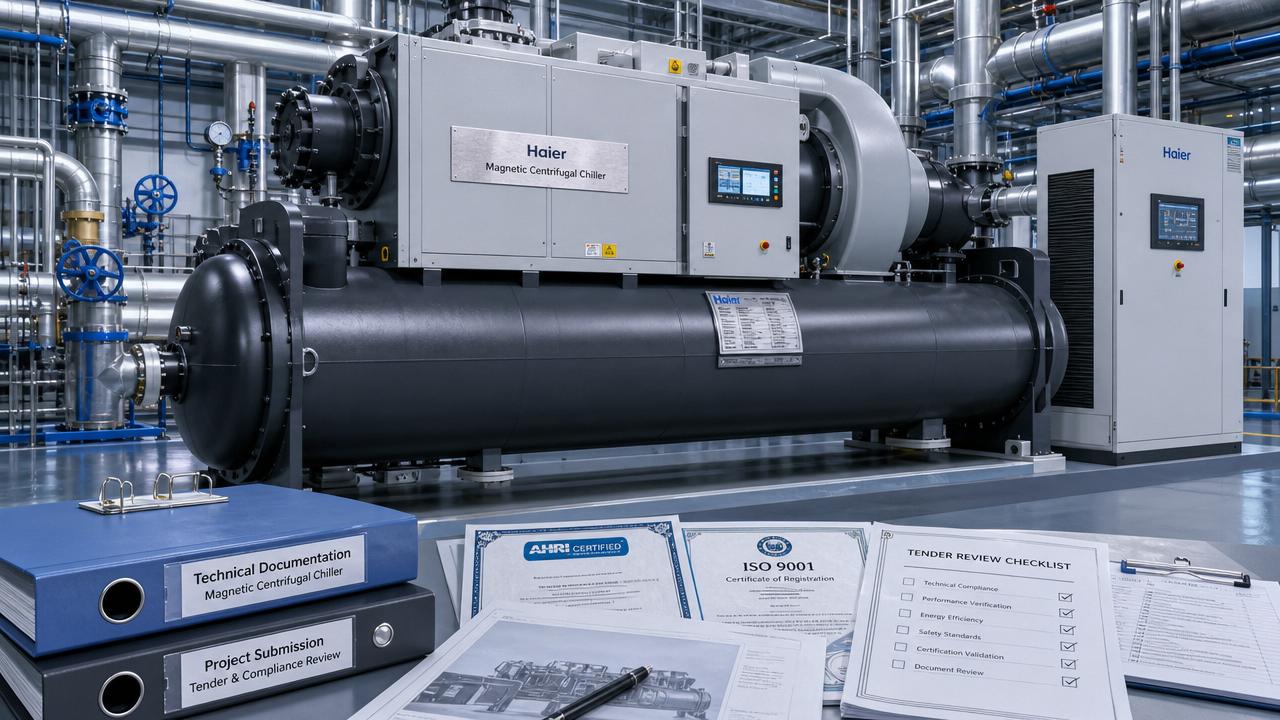
CE technical documentation templates should be revised to include dedicated sections for mineral origin statements, smelter validation certificates, and supporting audit trails. Internal training for technical file managers and QA leads is strongly recommended before Q3 2026.
Editorial Perspective / Industry Observation
Observably, this development marks a structural shift: the EU is no longer treating critical minerals as generic inputs but as strategic assets requiring sovereign-grade oversight. Analysis shows that while the regulation formally references conflict minerals, its operational scope — especially via the ‘verifiable traceability framework’ language — extends de facto to climate and geopolitical risk dimensions. From an industry perspective, this is less about sanctions and more about standardization: it accelerates consolidation among compliant suppliers and raises the barrier to entry for smaller magnet integrators lacking traceability infrastructure. Current more relevant interpretation is that the policy functions as a de facto green industrial policy tool — incentivizing vertically integrated, low-carbon rare earth processing within allied jurisdictions.
Conclusion
This G7-driven initiative underscores a broader trend: supply chain resilience is increasingly codified into export compliance. For the HVAC and industrial cooling sector, it means that magnet-based innovation — once judged solely on efficiency and reliability — now carries embedded governance requirements. A rational conclusion is that competitive advantage will accrue not just to those with superior engineering, but to those with demonstrable, auditable mineral stewardship.
Source Attribution
Official Statement: French Ministry for Foreign Trade, Press Release No. 2026-05-06-TRD; G7 Trade Ministers’ Joint Communiqué, Paris, May 6, 2026; European Commission Guidance Note on Implementation of Regulation (EU) 2017/821 (Updated April 2026).
— To be monitored: Final adoption timeline of the EU’s proposed ‘Critical Raw Materials Act’ implementing rules, expected Q2 2026; updates to EN IEC 62368-1 Annex ZC regarding environmental declaration requirements for magnet-containing components.
Recommended News
 Magnetic Bearing ChillersDOE Updates ASHRAE 90.1-2025 Appendix: Maglev Chiller Efficiency Up 12%Analyst :Industrial Cooling Architect
 Magnetic Bearing ChillersAre magnetic bearing chillers worth the upfront premium?Analyst :Industrial Cooling Architect
 Magnetic Bearing ChillersMIIT Launches 2026 Industrial Energy Conservation InspectionAnalyst :Industrial Cooling Architect
 Magnetic Bearing ChillersWhere magnetic bearing technology delivers real savingsAnalyst :Industrial Cooling Architect
 Magnetic Bearing ChillersU.S. Inflation Reignites Rate Hike Bets, Pressuring USD Pricing for Maglev Chiller ExportsAnalyst :Industrial Cooling Architect
 Magnetic Bearing ChillersAre energy efficient chillers worth the higher upfront cost?Analyst :Industrial Cooling Architect
![]() Magnetic Bearing ChillersMiddle East Adopts IEC 63166:2025 for Maglev ChillersAnalyst :Industrial Cooling Architect
Magnetic Bearing ChillersMiddle East Adopts IEC 63166:2025 for Maglev ChillersAnalyst :Industrial Cooling Architect Magnetic Bearing ChillersWhen does magnetic bearing technology justify the cost?Analyst :Industrial Cooling Architect
 Magnetic Bearing ChillersG7 Prioritizes Critical Minerals Supply Chain SecurityAnalyst :Industrial Cooling Architect
 Magnetic Bearing ChillersAre energy efficient chillers worth the upfront costAnalyst :Industrial Cooling Architect
 Magnetic Bearing ChillersHow magnetic bearing technology cuts chiller downtimeAnalyst :Industrial Cooling Architect
 Magnetic Bearing ChillersIs magnetic bearing technology worth the upgrade?Analyst :Industrial Cooling Architect
 Magnetic Bearing ChillersMagnetic Bearing Technology in Chillers: Efficiency, Maintenance, and LimitsAnalyst :Industrial Cooling Architect
 Magnetic Bearing ChillersJapan Adds Mandatory Chiller Vibration RuleAnalyst :Industrial Cooling Architect
 Magnetic Bearing ChillersASHRAE Raises Magnetic Chiller IPLV Floor by 12%Analyst :Industrial Cooling Architect
 Magnetic Bearing ChillersMagnetic Bearing Chillers vs Screw Chillers: Which Fits High-Efficiency Buildings?Analyst :Industrial Cooling Architect
 Magnetic Bearing ChillersArgentina Ends Bearing Duties, Easing Chiller ExportsAnalyst :Industrial Cooling Architect
 Magnetic Bearing ChillersPD-8 Jet Engine Plan Signals Chiller Export RequirementsAnalyst :Industrial Cooling Architect
![]() Magnetic Bearing ChillersEU FDI Screening Rule Adds AI Chiller FilingsAnalyst :Industrial Cooling Architect
Magnetic Bearing ChillersEU FDI Screening Rule Adds AI Chiller FilingsAnalyst :Industrial Cooling Architect![]() Magnetic Bearing ChillersMagnetic Bearing Chillers vs Screw Chillers: Which Fits High-Efficiency HVAC Projects?Analyst :Industrial Cooling Architect
Magnetic Bearing ChillersMagnetic Bearing Chillers vs Screw Chillers: Which Fits High-Efficiency HVAC Projects?Analyst :Industrial Cooling Architect Magnetic Bearing ChillersHow Magnetic Bearing Technology Improves Chiller Efficiency and Cuts MaintenanceAnalyst :Industrial Cooling Architect
 Magnetic Bearing ChillersEnergy Efficient Chillers Explained: Which Performance Metrics Matter Most Before Buying?Analyst :Industrial Cooling Architect
 Magnetic Bearing ChillersJapan Raises Efficiency Bar for Magnetic Bearing ChillersAnalyst :Industrial Cooling Architect
 Magnetic Bearing ChillersJapan Tightens JIS B 8605-2026 for Magnetic Bearing ChillersAnalyst :Industrial Cooling Architect
 Magnetic Bearing ChillersJapan Raises Efficiency Bar for Magnetic Bearing ChillersAnalyst :Industrial Cooling Architect
 Magnetic Bearing ChillersUS Countervailing Probe Targets Chiller LocalizationAnalyst :Industrial Cooling Architect
 Magnetic Bearing ChillersDOJ Opens CVD Probe on China Maglev ChillersAnalyst :Industrial Cooling Architect
 Magnetic Bearing ChillersMaglev Chiller Lead Times Stretch to 22 WeeksAnalyst :Industrial Cooling Architect
 Magnetic Bearing ChillersMagnetic Bearing Chiller Lead Times Stretch to 22 WeeksAnalyst :Industrial Cooling Architect
 Magnetic Bearing ChillersMagnetic Bearing Chillers Cost Breakdown: CAPEX, Energy Savings, and MaintenanceAnalyst :Industrial Cooling Architect
 Magnetic Bearing ChillersVDE Green Chillers List Speeds CE Path for Magnetic Bearing ChillersAnalyst :Industrial Cooling Architect