Industry News
Curation by industry experts
Hot Articles
- Thermodynamic Tech TrendsHow to Size Heat Exchange Systems for Refrigeration Plants at Peak Load
- Parallel Compressor RacksHow to Size Reciprocating Compressors for Cold Storage Load and Temperature Range
- Flake Ice MachinesHow to Size a Commercial Ice Dispenser for Peak Demand in Foodservice Operations
Popular Tags
Japan Adds Mandatory Chiller Vibration Rule
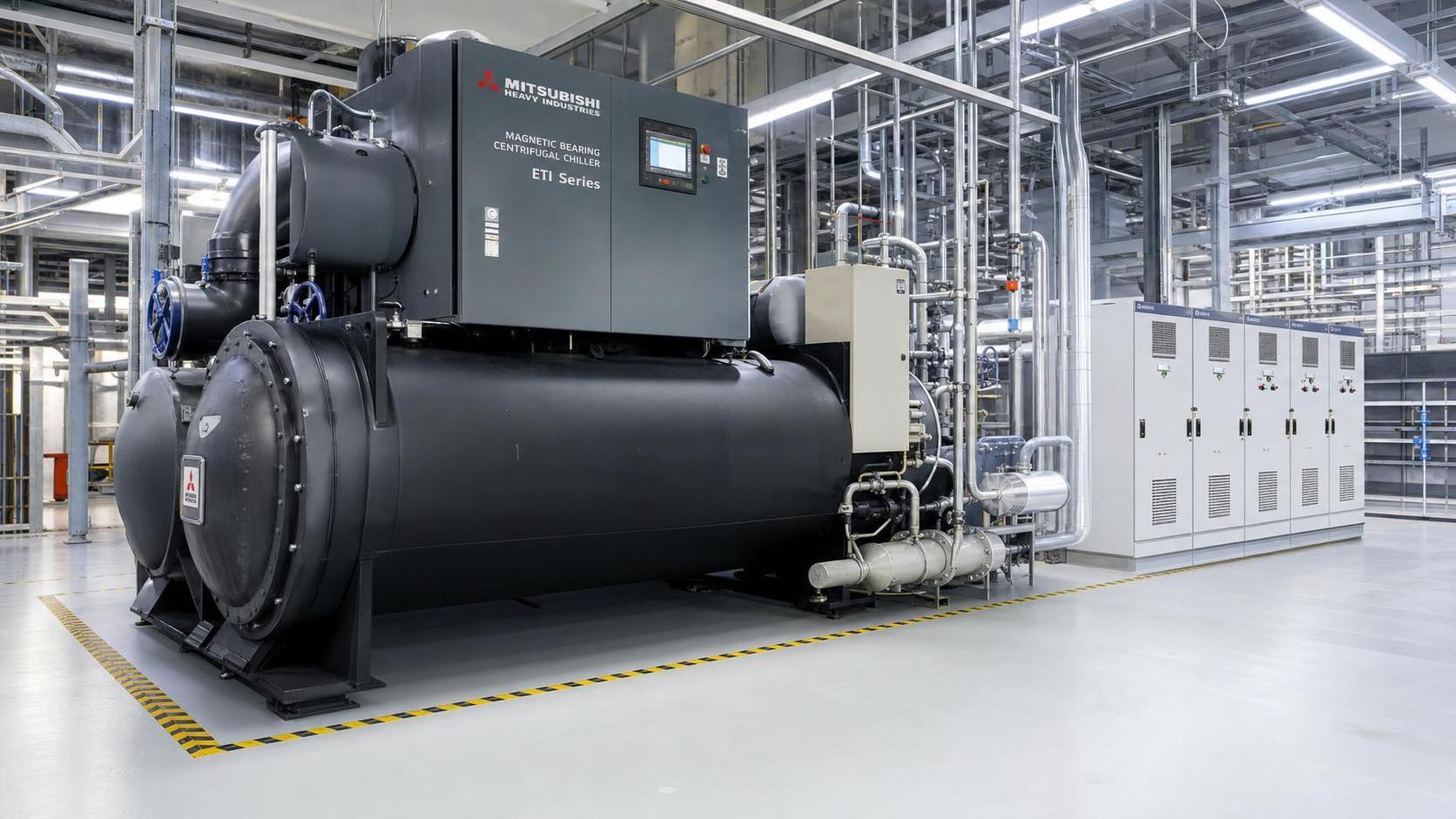
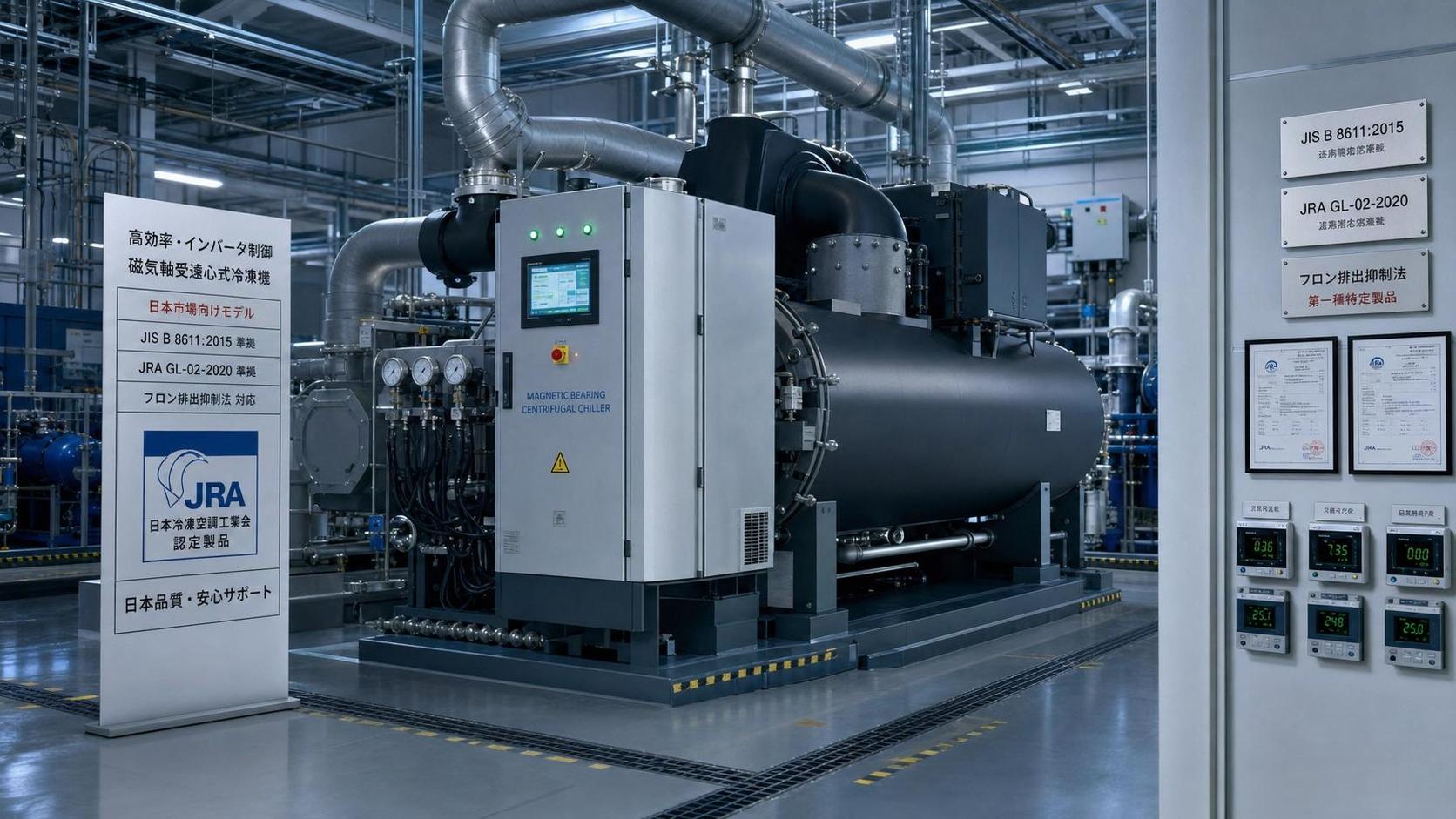
Lead: On June 1, 2026, Japan implemented an update to JIS B 8615-2:2026, the performance and safety requirements for magnetic bearing centrifugal chillers. The update adds a mandatory vibration suppression clause for magnetic bearing chillers, making it a key issue for chiller manufacturers, importers, certification-related service providers, and companies involved in equipment procurement for the Japanese market. The development deserves industry attention because products that do not meet the new vibration requirement will not be able to obtain PSE certification.
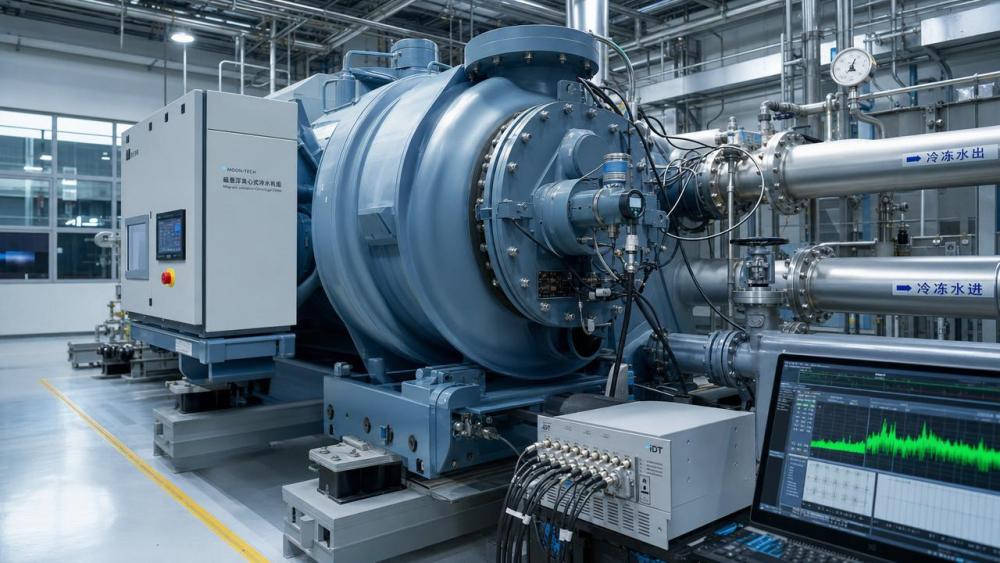
Event Overview
Japan Industrial Standards updated JIS B 8615-2:2026, titled Performance and Safety Requirements for Magnetic Bearing Centrifugal Chillers, on June 1, 2026.
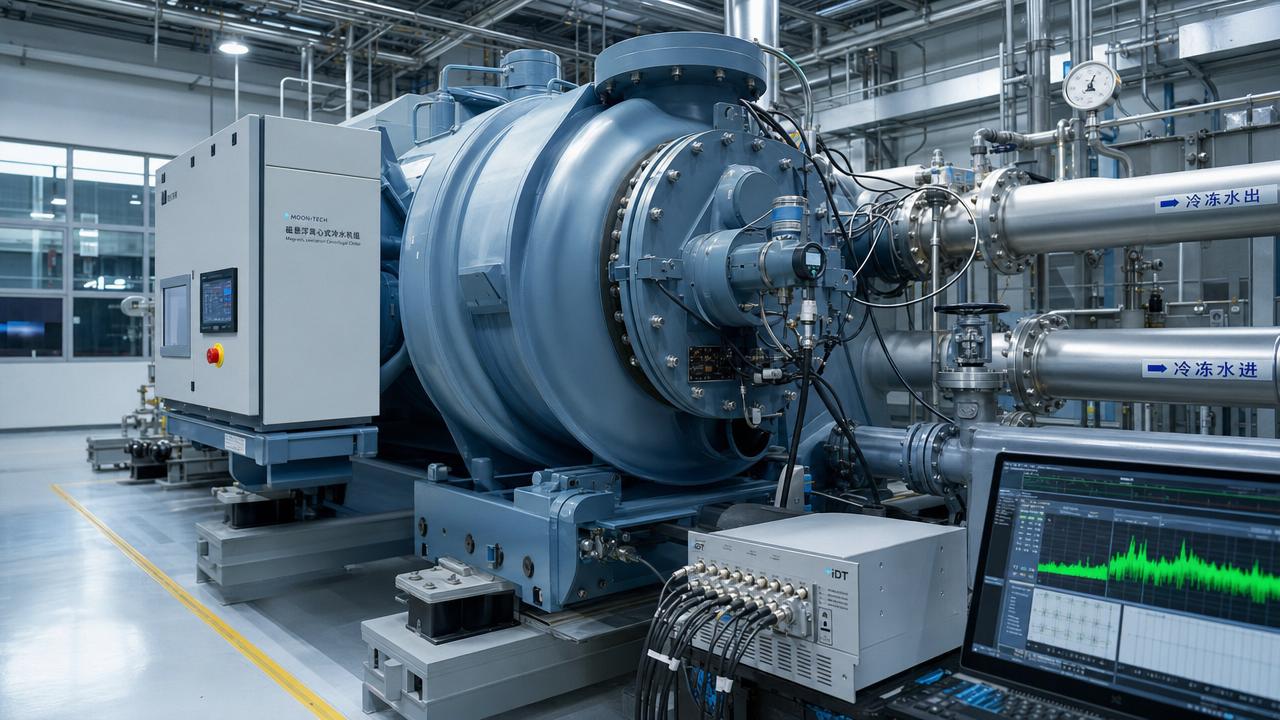
The updated standard adds Clause 7.3.5 as a mandatory vibration suppression requirement. Under this clause, when the unit operates under full-load conditions, the root mean square vibration velocity of the compressor bearing housing must not exceed 1.8 mm/s, corresponding to the ISO 10816-3 Class A limit.
The standard has become a mandatory entry threshold in Japan for imported magnetic bearing chillers. Products that fail to comply with this requirement will not be able to obtain PSE certification.
Which Industry Segments Are Affected
Importers and Direct Trade Companies
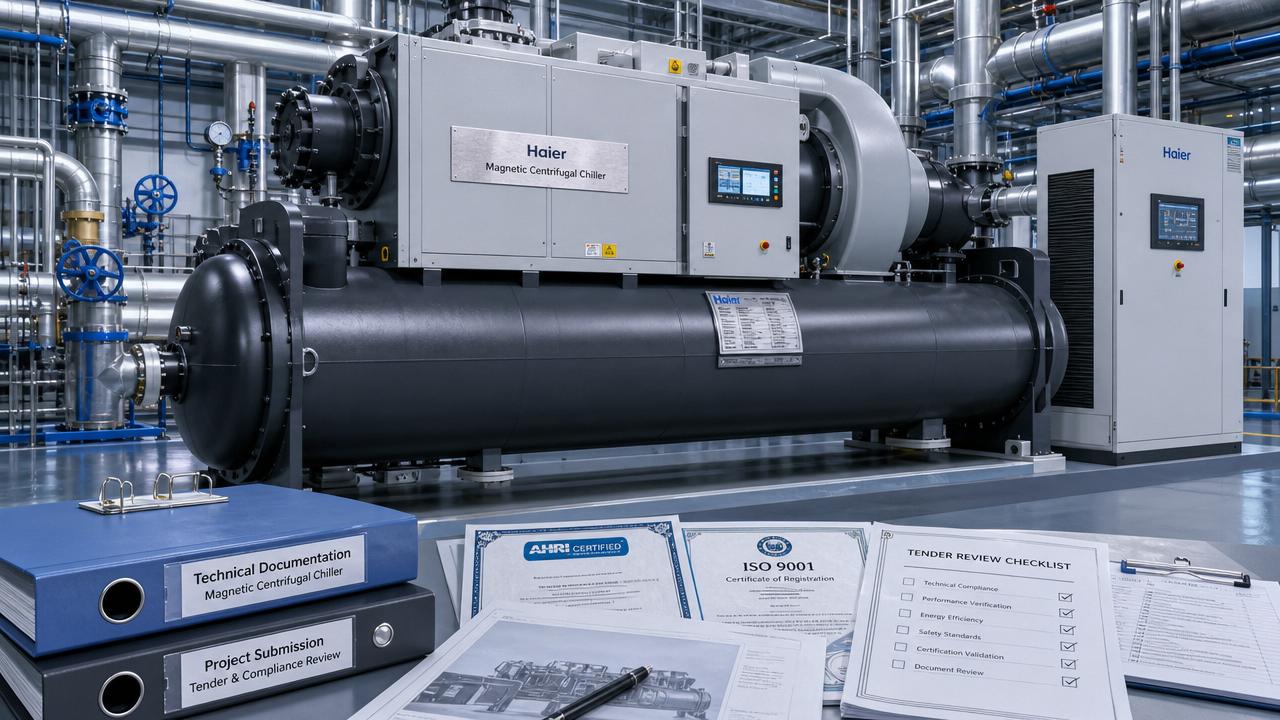
Importers handling magnetic bearing chillers for the Japanese market are directly affected because the updated JIS requirement is tied to market access and PSE certification. The impact is mainly reflected in pre-import compliance review, product documentation, and the risk of shipment delays if vibration performance cannot be verified against the new clause.
From an industry perspective, importers may need to pay closer attention to whether suppliers can provide test results under full-load operating conditions, especially the compressor bearing housing vibration velocity value required by Clause 7.3.5.
Chiller Manufacturers and Export-Oriented OEMs
Manufacturers of magnetic bearing centrifugal chillers targeting Japan face a clearer technical compliance threshold. The key impact lies in product design verification, factory testing, and certification preparation. If a product cannot meet the 1.8 mm/s RMS limit under full load, it may be blocked from PSE certification for the Japanese market.
Analysis shows that this update may increase the importance of vibration control validation during product development and pre-shipment inspection. However, this should be understood as a compliance requirement based on the published standard, not as a confirmed change in overall market demand.
Testing, Inspection, and Certification Service Providers
Testing and certification-related service providers are affected because the new requirement creates a more specific verification focus for imported magnetic bearing chillers. Their work may need to pay particular attention to test conditions, measurement points, and the RMS vibration velocity of the compressor bearing housing under full-load operation.
Observably, the most important issue for this segment is consistency between the test method, reported results, and the mandatory requirement in JIS B 8615-2:2026. Any ambiguity in test documentation could affect certification review.
Equipment Procurement Teams and Project Owners
Companies procuring magnetic bearing chillers for projects connected to the Japanese market may also be affected. The main impact is not only product performance selection, but also confirmation of whether the selected unit can pass PSE certification under the updated standard.
What deserves closer attention now is the procurement stage before contract signing. Buyers may need to request compliance evidence related to Clause 7.3.5 rather than relying only on general product descriptions or previous certification assumptions.
Channel Distributors and Supply Chain Service Providers
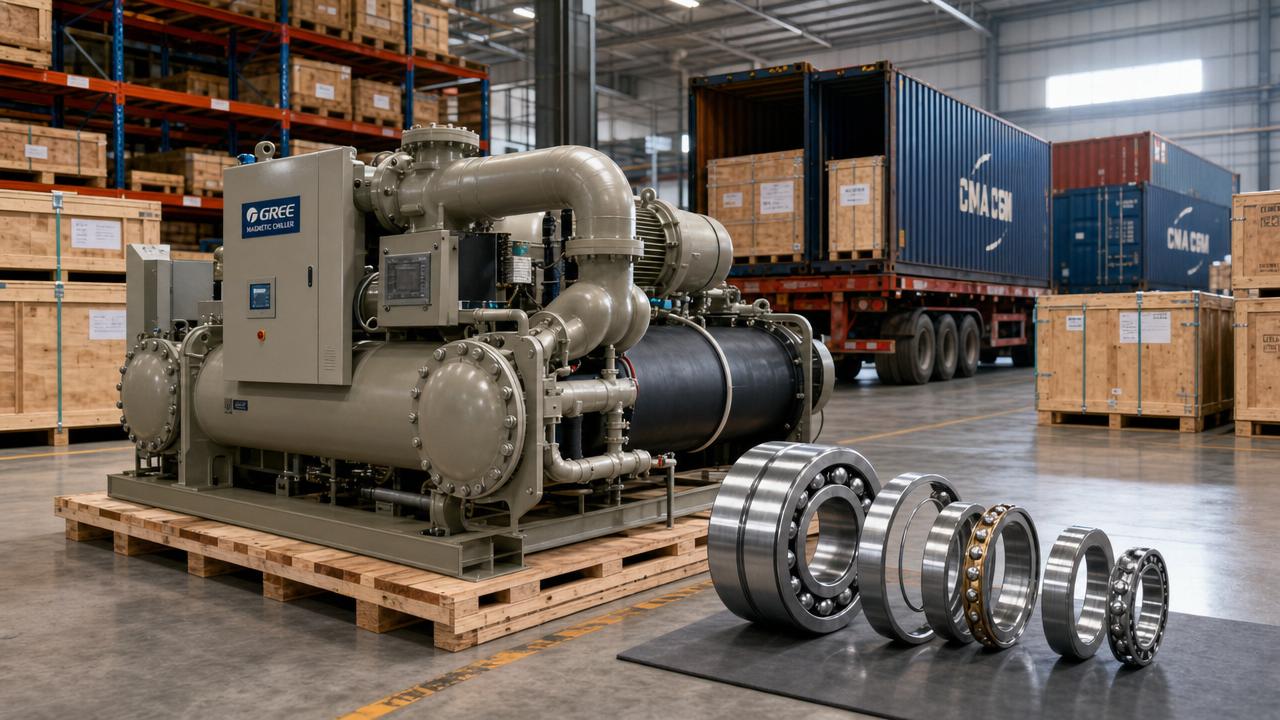
Distributors and supply chain service providers handling imported magnetic bearing chillers may face increased pressure to verify product compliance before sales, warehousing, or delivery. Since non-compliant products cannot obtain PSE certification, the commercial risk may appear in inventory planning, customer communication, and delivery schedules.
It is more appropriate to understand this as a compliance-driven operational issue for channels serving Japan, rather than a general logistics issue.
What Companies and Practitioners Should Watch and How to Respond
Track Official Standard and Certification Communication
Companies involved in magnetic bearing chiller exports to Japan should continue monitoring official communication related to JIS B 8615-2:2026 and PSE certification implementation. The confirmed requirement is already clear, but any follow-up explanation on documentation, testing procedures, or certification review should be tracked closely.
Analysis shows that the practical risk is often concentrated in the gap between technical compliance and certification documentation. Companies should ensure that internal technical teams and certification teams are working from the same clause and measurement requirement.
Review Product Lines Specifically for Full-Load Vibration Data
Manufacturers, importers, and buyers should identify which magnetic bearing centrifugal chiller models are intended for the Japanese market and check whether full-load vibration data is available for the compressor bearing housing. The relevant value is the RMS vibration velocity, and the limit is 1.8 mm/s.
From an industry perspective, this review should focus on the exact product models intended for import or certification, rather than relying on general product family performance statements.
Separate Policy Signal from Business Execution
The updated standard is a confirmed compliance requirement, but companies should still separate the technical rule itself from broader assumptions about market changes. The immediate business task is to determine whether products can meet Clause 7.3.5 and whether the evidence is acceptable for PSE certification.
It is more appropriate to understand this development as an enforceable access condition for imported magnetic bearing chillers in Japan, rather than as a standalone indicator of broader market growth or decline.
Prepare Procurement and Supply Chain Contingency Plans
For importers, distributors, and project procurement teams, practical preparation should include supplier confirmation, test report review, certification schedule assessment, and customer communication on compliance status. If a product has not yet been verified against the updated requirement, delivery planning should reflect possible certification uncertainty.
Observably, early confirmation is more effective than post-shipment correction because the consequence of non-compliance is failure to obtain PSE certification.
Editor’s View / Industry Observation
Analysis shows that the implementation of JIS B 8615-2:2026 represents a more explicit technical threshold for magnetic bearing chillers entering Japan. The new vibration suppression clause does not merely describe a performance preference; it is connected to PSE certification eligibility for imported products.
From an industry perspective, this development is already a concrete compliance result for the Japanese market, while also serving as a signal that vibration performance under defined operating conditions is becoming a more visible certification concern for this product category.
What deserves closer attention now is how companies translate the requirement into routine product verification, documentation, and market entry planning. The standard itself is confirmed, but the practical impact on individual companies will depend on whether their products and certification files can demonstrate compliance with the 1.8 mm/s RMS limit under full-load conditions.
Conclusion
The June 1, 2026 implementation of JIS B 8615-2:2026 gives Japan’s magnetic bearing chiller market a clearer mandatory vibration compliance threshold. For manufacturers, importers, distributors, certification service providers, and procurement teams, the core issue is whether products intended for Japan can meet Clause 7.3.5 and obtain PSE certification accordingly.
It is more appropriate to understand this update as a practical market access requirement with direct compliance implications, rather than as a general industry trend statement. Companies connected to the Japanese magnetic bearing chiller market should respond by verifying full-load vibration data, aligning documentation with the new clause, and monitoring any further official clarification.
Information Source Note
Main source: Japan Industrial Standards update information for JIS B 8615-2:2026, Performance and Safety Requirements for Magnetic Bearing Centrifugal Chillers, implemented on June 1, 2026.
Information to continue monitoring: Any further official explanation related to PSE certification review, testing documentation, or implementation details for imported magnetic bearing chillers under JIS B 8615-2:2026.
Recommended News
 Magnetic Bearing ChillersDOE Updates ASHRAE 90.1-2025 Appendix: Maglev Chiller Efficiency Up 12%Analyst :Industrial Cooling Architect
 Magnetic Bearing ChillersAre magnetic bearing chillers worth the upfront premium?Analyst :Industrial Cooling Architect
 Magnetic Bearing ChillersMIIT Launches 2026 Industrial Energy Conservation InspectionAnalyst :Industrial Cooling Architect
 Magnetic Bearing ChillersWhere magnetic bearing technology delivers real savingsAnalyst :Industrial Cooling Architect
 Magnetic Bearing ChillersU.S. Inflation Reignites Rate Hike Bets, Pressuring USD Pricing for Maglev Chiller ExportsAnalyst :Industrial Cooling Architect
 Magnetic Bearing ChillersAre energy efficient chillers worth the higher upfront cost?Analyst :Industrial Cooling Architect
![]() Magnetic Bearing ChillersMiddle East Adopts IEC 63166:2025 for Maglev ChillersAnalyst :Industrial Cooling Architect
Magnetic Bearing ChillersMiddle East Adopts IEC 63166:2025 for Maglev ChillersAnalyst :Industrial Cooling Architect Magnetic Bearing ChillersWhen does magnetic bearing technology justify the cost?Analyst :Industrial Cooling Architect
 Magnetic Bearing ChillersG7 Prioritizes Critical Minerals Supply Chain SecurityAnalyst :Industrial Cooling Architect
 Magnetic Bearing ChillersAre energy efficient chillers worth the upfront costAnalyst :Industrial Cooling Architect
 Magnetic Bearing ChillersHow magnetic bearing technology cuts chiller downtimeAnalyst :Industrial Cooling Architect
 Magnetic Bearing ChillersIs magnetic bearing technology worth the upgrade?Analyst :Industrial Cooling Architect
 Magnetic Bearing ChillersMagnetic Bearing Technology in Chillers: Efficiency, Maintenance, and LimitsAnalyst :Industrial Cooling Architect
 Magnetic Bearing ChillersJapan Adds Mandatory Chiller Vibration RuleAnalyst :Industrial Cooling Architect
 Magnetic Bearing ChillersASHRAE Raises Magnetic Chiller IPLV Floor by 12%Analyst :Industrial Cooling Architect
 Magnetic Bearing ChillersMagnetic Bearing Chillers vs Screw Chillers: Which Fits High-Efficiency Buildings?Analyst :Industrial Cooling Architect
 Magnetic Bearing ChillersArgentina Ends Bearing Duties, Easing Chiller ExportsAnalyst :Industrial Cooling Architect
 Magnetic Bearing ChillersPD-8 Jet Engine Plan Signals Chiller Export RequirementsAnalyst :Industrial Cooling Architect
![]() Magnetic Bearing ChillersEU FDI Screening Rule Adds AI Chiller FilingsAnalyst :Industrial Cooling Architect
Magnetic Bearing ChillersEU FDI Screening Rule Adds AI Chiller FilingsAnalyst :Industrial Cooling Architect![]() Magnetic Bearing ChillersMagnetic Bearing Chillers vs Screw Chillers: Which Fits High-Efficiency HVAC Projects?Analyst :Industrial Cooling Architect
Magnetic Bearing ChillersMagnetic Bearing Chillers vs Screw Chillers: Which Fits High-Efficiency HVAC Projects?Analyst :Industrial Cooling Architect Magnetic Bearing ChillersHow Magnetic Bearing Technology Improves Chiller Efficiency and Cuts MaintenanceAnalyst :Industrial Cooling Architect
 Magnetic Bearing ChillersEnergy Efficient Chillers Explained: Which Performance Metrics Matter Most Before Buying?Analyst :Industrial Cooling Architect
 Magnetic Bearing ChillersJapan Raises Efficiency Bar for Magnetic Bearing ChillersAnalyst :Industrial Cooling Architect
 Magnetic Bearing ChillersJapan Tightens JIS B 8605-2026 for Magnetic Bearing ChillersAnalyst :Industrial Cooling Architect
 Magnetic Bearing ChillersJapan Raises Efficiency Bar for Magnetic Bearing ChillersAnalyst :Industrial Cooling Architect
 Magnetic Bearing ChillersUS Countervailing Probe Targets Chiller LocalizationAnalyst :Industrial Cooling Architect
 Magnetic Bearing ChillersDOJ Opens CVD Probe on China Maglev ChillersAnalyst :Industrial Cooling Architect
 Magnetic Bearing ChillersMaglev Chiller Lead Times Stretch to 22 WeeksAnalyst :Industrial Cooling Architect
 Magnetic Bearing ChillersMagnetic Bearing Chiller Lead Times Stretch to 22 WeeksAnalyst :Industrial Cooling Architect
 Magnetic Bearing ChillersMagnetic Bearing Chillers Cost Breakdown: CAPEX, Energy Savings, and MaintenanceAnalyst :Industrial Cooling Architect
 Magnetic Bearing ChillersVDE Green Chillers List Speeds CE Path for Magnetic Bearing ChillersAnalyst :Industrial Cooling Architect