Industry News
Curation by industry experts
Hot Articles
- Thermodynamic Tech TrendsHow to Size Heat Exchange Systems for Refrigeration Plants at Peak Load
- Parallel Compressor RacksHow to Size Reciprocating Compressors for Cold Storage Load and Temperature Range
- Flake Ice MachinesHow to Size a Commercial Ice Dispenser for Peak Demand in Foodservice Operations
Popular Tags
How magnetic bearing technology cuts chiller downtime
For technical evaluators, chiller uptime is not just a maintenance metric but a core performance and risk indicator. Magnetic bearing technology is reshaping how modern chillers reduce unplanned shutdowns by eliminating mechanical wear points, improving part-load stability, and enabling smarter predictive control.
This article explores how these design advantages translate into lower downtime, higher efficiency, and stronger lifecycle value in demanding cooling applications.
Why does magnetic bearing technology matter when downtime is the real cost?
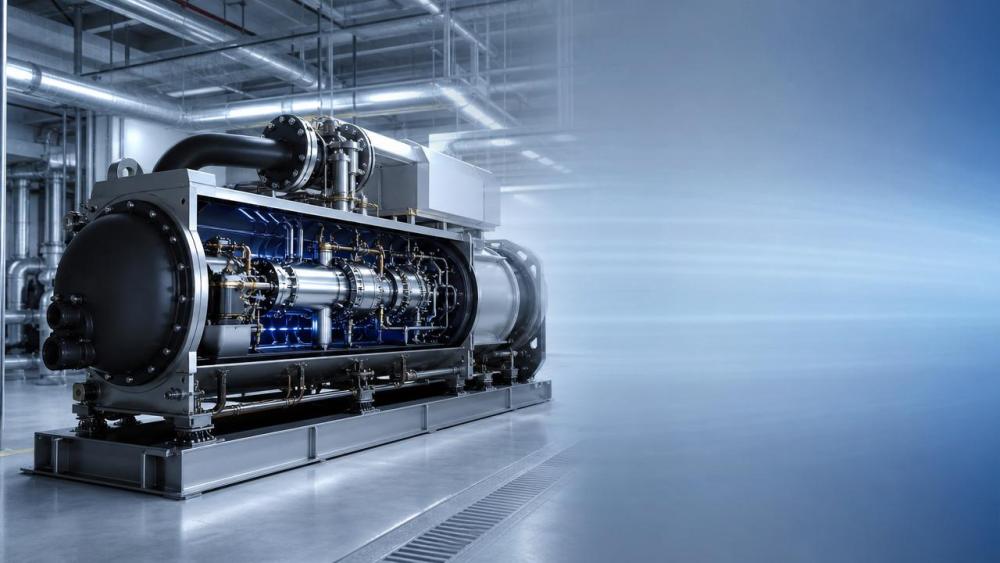
In industrial cooling, cold storage support systems, medical processing environments, and high-load commercial facilities, a chiller failure rarely stays isolated. It can stop production, destabilize temperature control, affect product quality, and trigger emergency service costs.
That is why technical evaluators increasingly look beyond nominal cooling capacity. They want to know which compressor architecture reduces failure points, supports stable operation under variable loads, and lowers maintenance dependency over the equipment lifecycle.
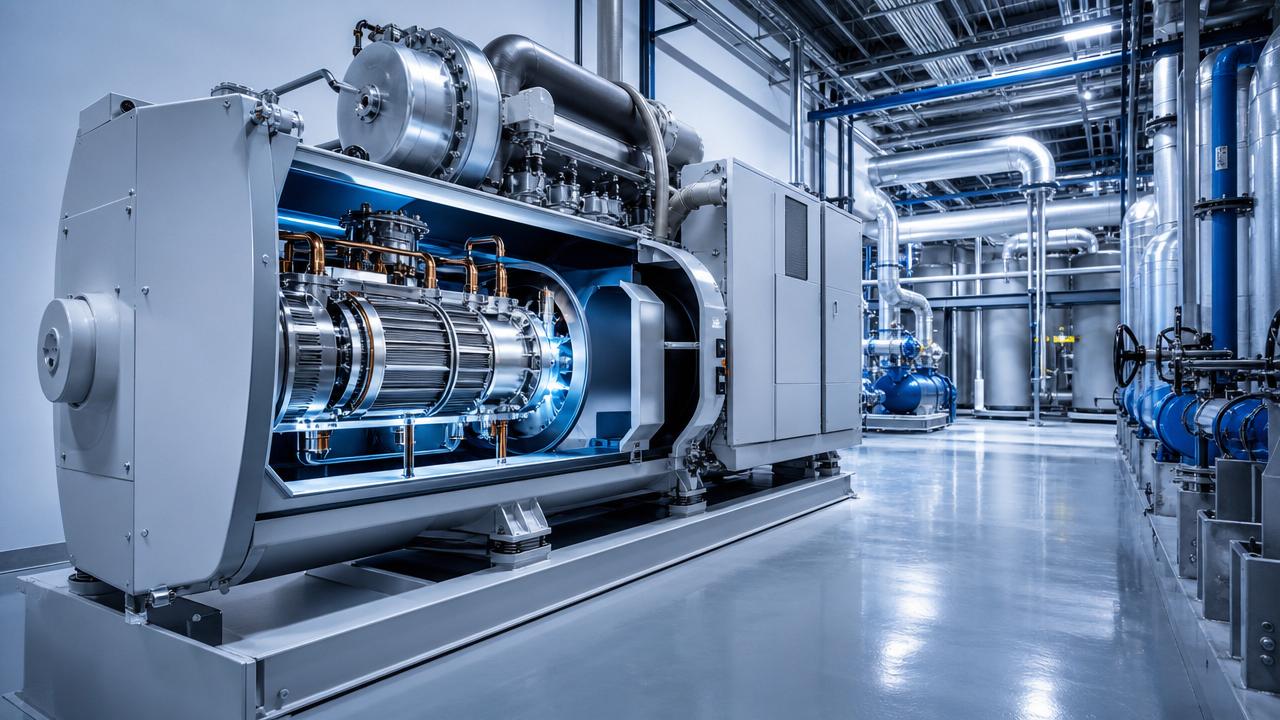
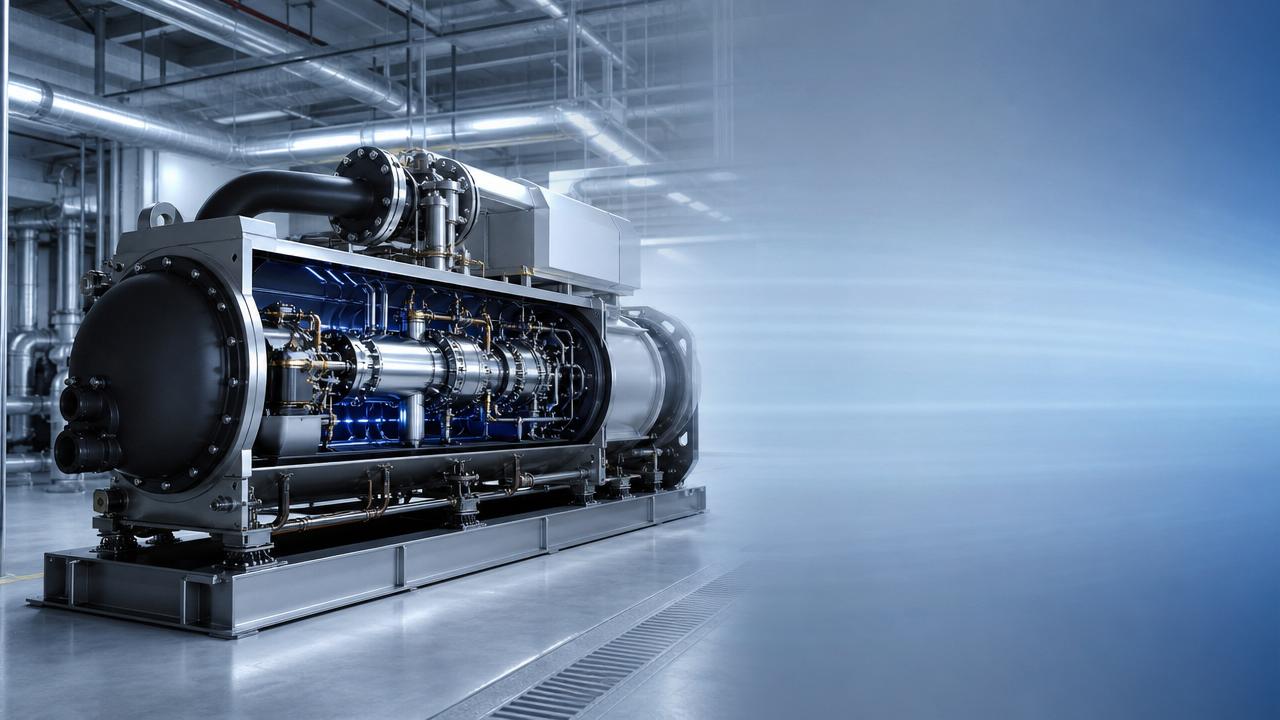
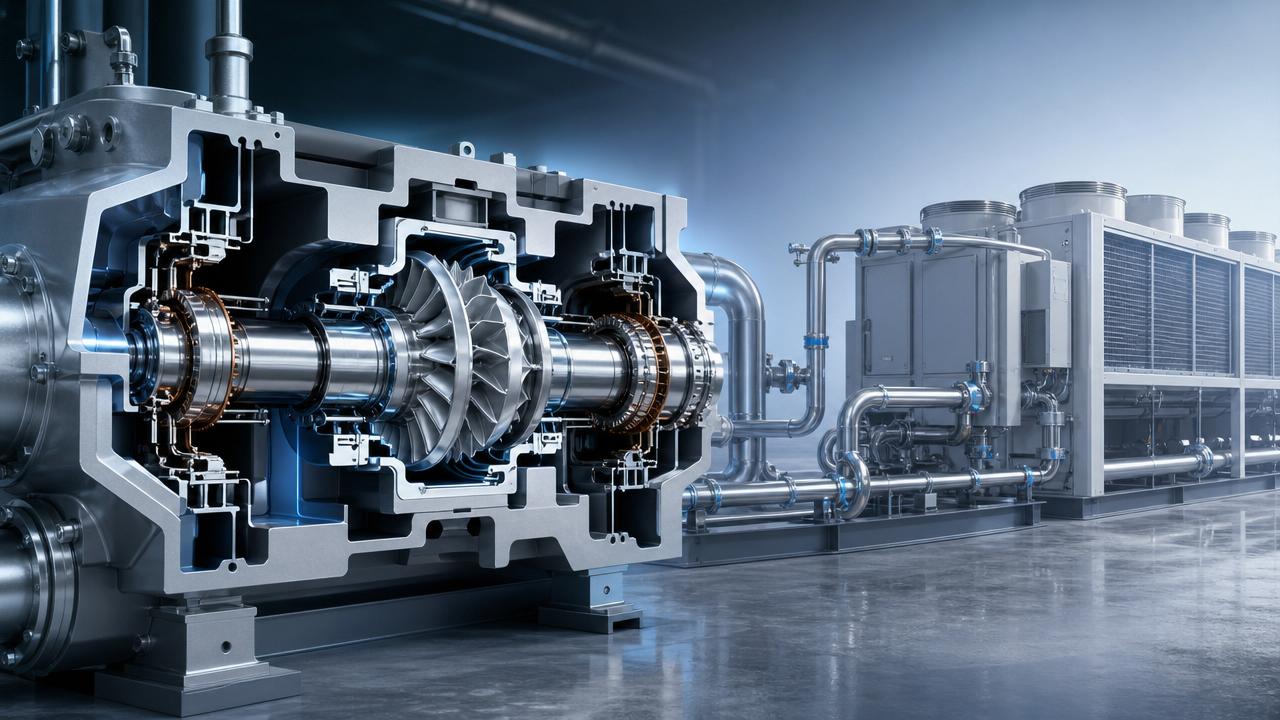
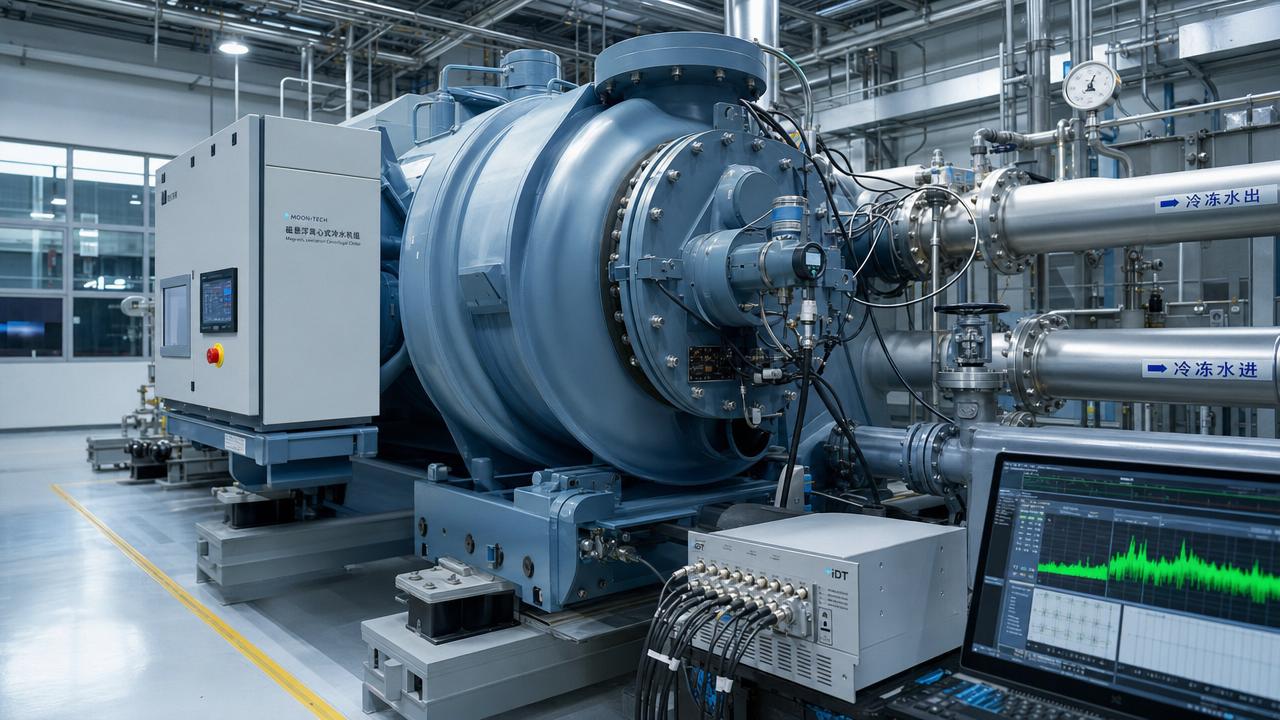
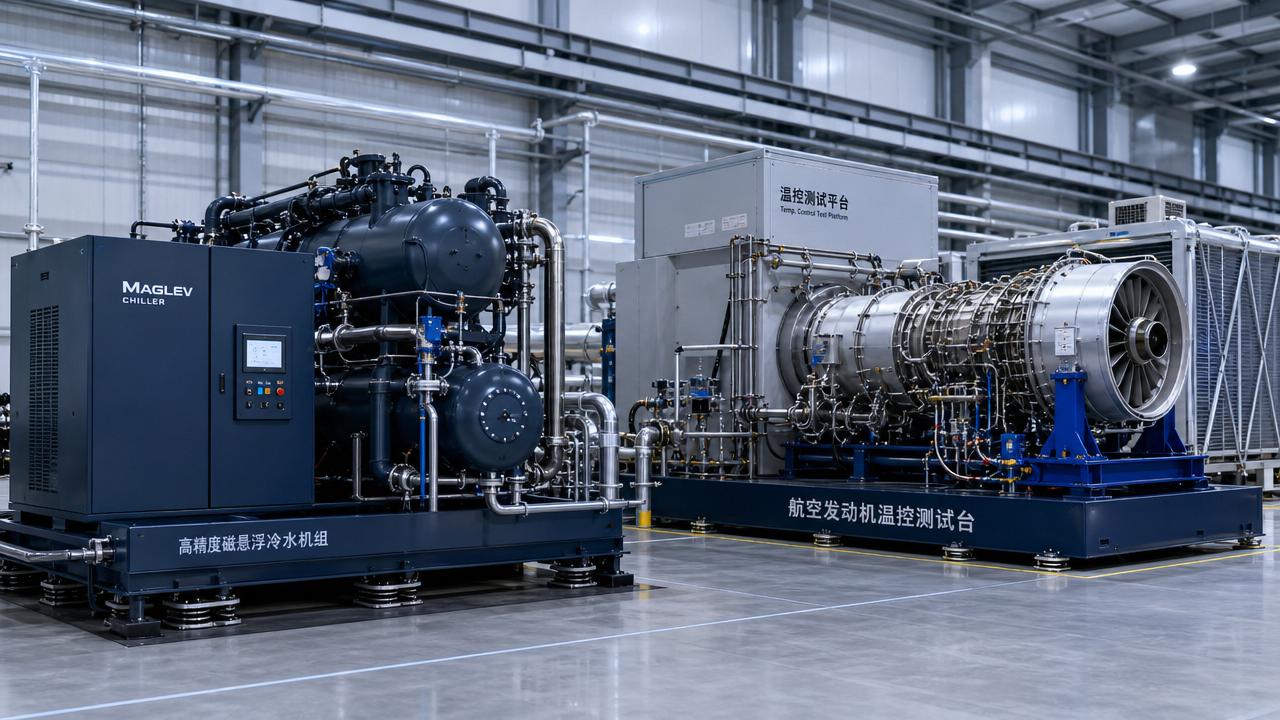
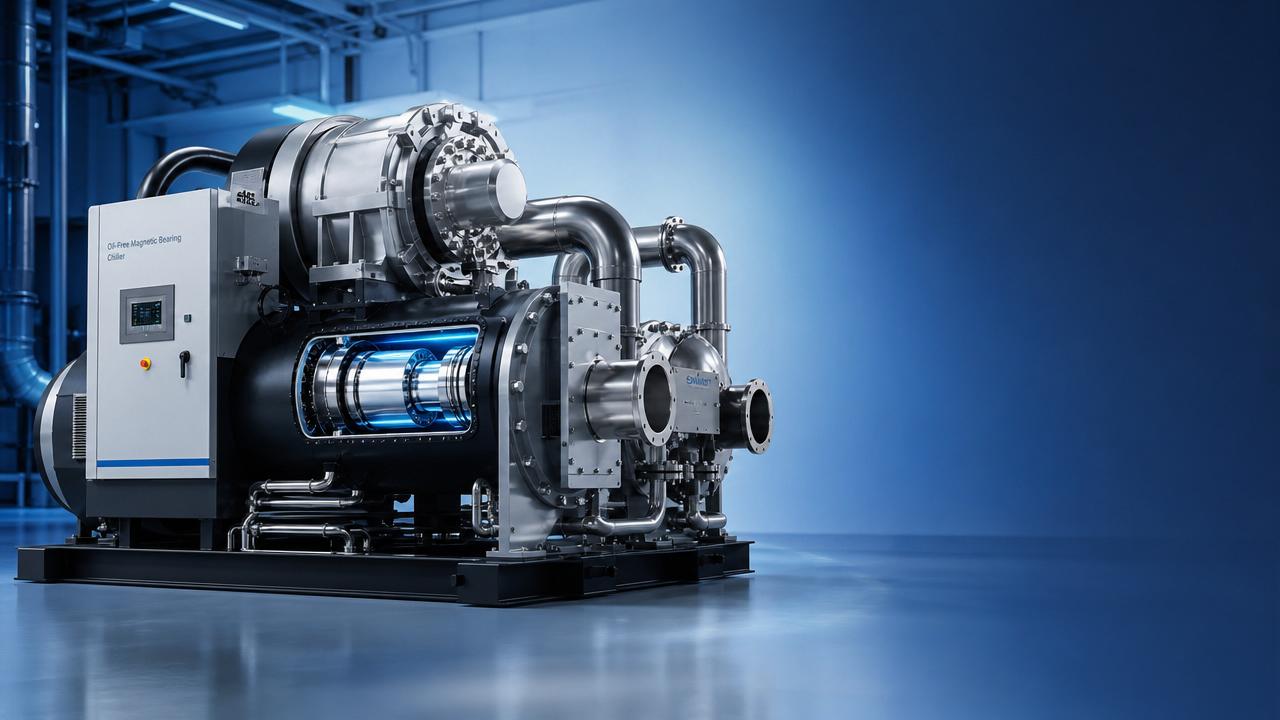
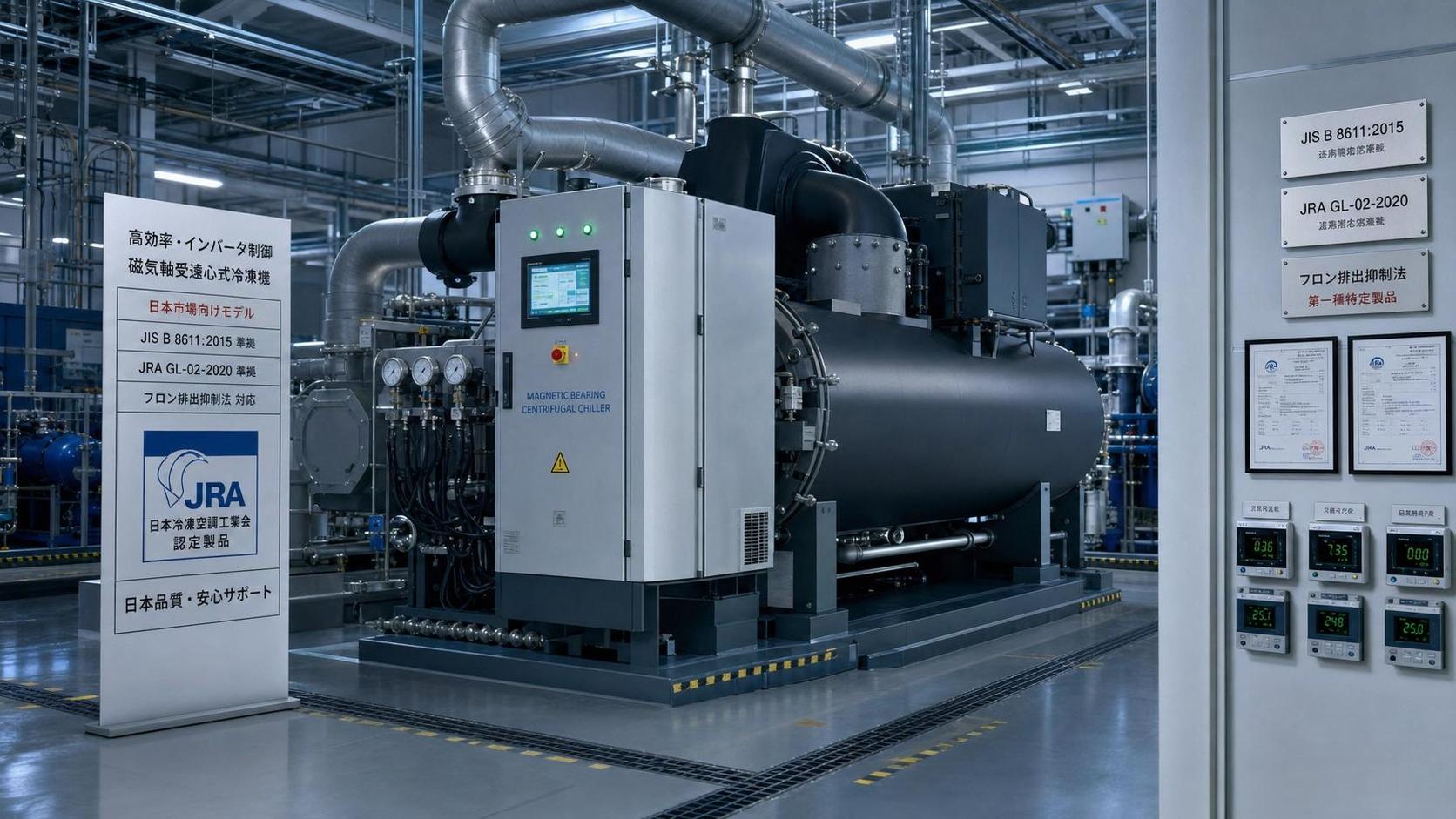
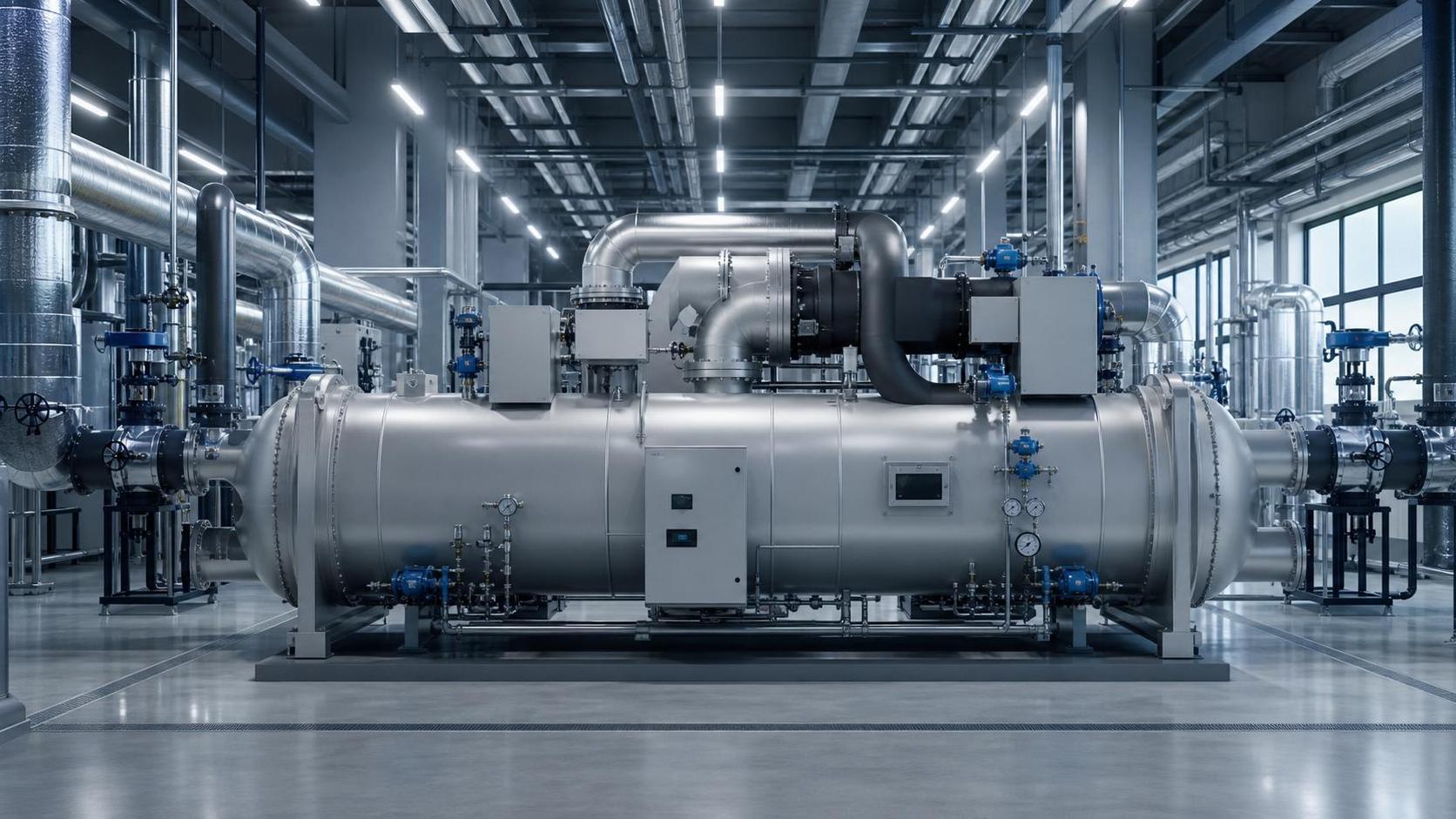
Magnetic bearing technology addresses this question at the compressor core. Instead of relying on conventional mechanical bearings lubricated by oil, the rotor is levitated and actively controlled. The result is less friction, less wear, and fewer components that degrade under repeated starts, stops, and load swings.
- No direct metal-to-metal contact in the bearing system during normal operation reduces mechanical wear.
- Oil-free compression can simplify refrigerant-side heat transfer performance and remove oil management risks.
- High-speed control improves responsiveness at part load, where many chillers operate most of the year.
- Integrated sensors and digital controls make condition monitoring more practical for predictive maintenance.
For sectors followed closely by CCRS, these points matter because thermal continuity is tied directly to throughput, freshness preservation, process repeatability, and compliance-sensitive storage conditions.
The downtime issue is usually systemic, not just mechanical
When a traditional chiller goes down, the visible event may be a bearing failure, lubrication issue, surge condition, or motor stress. But the root cause often includes poor part-load matching, oil contamination, vibration, and delayed fault detection.
Magnetic bearing technology does not remove every operational risk. Fouled heat exchangers, control integration errors, and poor water quality can still reduce reliability. However, it removes several chronic failure pathways that commonly drive unscheduled compressor service.
How magnetic bearing technology cuts chiller downtime in practice
Technical evaluators need more than a general claim. They need to connect design features to operational outcomes. The table below shows how magnetic bearing technology influences the most common downtime drivers in large and mid-sized chiller applications.
The main value is not just fewer repairs. It is the reduction of interruption probability during unstable operating windows such as seasonal transition, low-load nights, multi-zone demand fluctuation, and frequent start-stop schedules.
Fewer wear parts means fewer emergency interventions
In many facilities, downtime happens because service is reactive. Mechanical bearings, lubrication assemblies, and associated seals age gradually but fail suddenly from the operator perspective. Magnetic bearing technology reduces this hidden deterioration chain.
For technical evaluators, this changes maintenance planning. Instead of budgeting around recurring bearing-related service events, they can focus more on heat exchanger cleanliness, controls validation, water loop conditions, and system integration quality.
Oil-free operation improves thermal consistency
Oil in the refrigerant loop can reduce heat transfer efficiency in evaporators and condensers, especially when load varies or maintenance discipline is inconsistent. Oil-free systems avoid that penalty and often maintain more predictable thermal performance over time.
Stable heat transfer matters because thermal drift can be misread as a capacity issue, causing unnecessary service calls or oversized replacement decisions. In critical environments, more consistent leaving water temperature also lowers process risk.
Where magnetic bearing technology delivers the strongest uptime value
Not every facility values uptime in the same way. The best-fit applications are those where interruption costs are high, load variation is frequent, and maintenance access is constrained. This is especially relevant across the refrigeration and cooling domains observed by CCRS.
Industrial process cooling
Laser cutting, injection molding, battery manufacturing, electronics processing, and precision machining often combine high sensitivity to temperature stability with variable operating profiles. A chiller that runs efficiently at part load and resists wear-related shutdowns offers direct production value.
Cold-chain and food logistics support
In distribution centers and processing plants, the chiller may support packaged cooling zones, brine loops, or auxiliary refrigeration functions. Downtime can reduce freshness margins, create loading bottlenecks, and increase compressor stress across the broader refrigeration system.
Medical and life-science facilities
Facilities linked to clean process cooling, equipment rooms, or temperature-controlled storage demand predictable performance and low vibration. In such environments, magnetic bearing technology supports both reliability and a quieter operating profile, which can matter in sensitive installations.
The following table helps evaluators judge whether magnetic bearing technology aligns with their operating profile, risk tolerance, and maintenance model.
This comparison shows that the strongest business case appears where uptime risk, part-load operation, and service disruption costs intersect. In those cases, the compressor design becomes a strategic choice, not a component detail.
What should technical evaluators compare before selecting a magnetic bearing chiller?
A common mistake is to evaluate magnetic bearing technology only through energy efficiency claims. Downtime reduction depends on the total package: controls, system design, service support, water-side conditions, and the quality of integration with the building or process load.
Use a downtime-centered procurement checklist
- Check minimum stable load and turndown behavior. Many uptime events occur at partial demand, not at rated capacity.
- Review embedded diagnostics. Ask what operating data the controller records and how alarm history supports root-cause analysis.
- Confirm power quality tolerance. High-speed magnetic bearing systems depend on robust electrical design and proper site conditions.
- Evaluate redundancy strategy. Even reliable chillers should be assessed within N+1, lead-lag, or staged backup planning.
- Ask about commissioning depth. Many reliability problems originate from control logic, sensor calibration, or hydronic mismatch rather than compressor hardware.
Compare operating context, not just equipment type
A well-applied variable-frequency screw chiller may still be the right answer for some installations. The decision should be based on load profile, maintenance capability, water temperatures, expected runtime, and financial sensitivity to outages.
CCRS often frames this decision through lifecycle thermodynamics rather than purchase price alone. When a system serves temperature-critical retail logistics, process manufacturing, or deep-cold support infrastructure, avoiding instability can outweigh a lower initial bid.
How does magnetic bearing technology compare with conventional chiller options?
The table below is useful when technical evaluators need a practical comparison across downtime risk, maintenance profile, and operational flexibility rather than a pure efficiency discussion.
This does not mean conventional systems are obsolete. It means magnetic bearing technology becomes especially attractive where maintenance labor is expensive, uptime penalties are severe, and control sophistication is already part of the facility strategy.
What risks or misconceptions should buyers watch for?
Misconception 1: magnetic bearing technology alone guarantees reliability
Reliability still depends on condenser water quality, evaporator flow stability, refrigerant charge integrity, electrical conditions, and commissioning discipline. A premium compressor cannot compensate for poor system engineering.
Misconception 2: lower maintenance means no maintenance
Oil-free does not mean inspection-free. Control calibration, heat exchanger cleaning, sensor verification, insulation checks, and trend review remain essential. The maintenance profile shifts; it does not disappear.
Misconception 3: the lowest capital price gives the best project value
For technical evaluators, the more useful metric is total interruption-adjusted lifecycle value. A lower first cost may be attractive until emergency shutdowns, service visits, or process instability create hidden financial losses.
- Verify site power quality and control integration early in the project.
- Review alarm logic, remote monitoring capability, and service response pathways before purchase approval.
- Assess whether the load profile truly benefits from superior part-load behavior.
FAQ: practical questions technical evaluators often ask
Is magnetic bearing technology suitable for retrofit projects?
Often yes, but retrofit value depends on hydronic compatibility, electrical infrastructure, controls integration, and lifting or footprint constraints. A strong retrofit assessment should review not only capacity but also minimum load behavior and operational sequencing.
Which sites benefit most from downtime reduction through magnetic bearing technology?
Facilities with temperature-sensitive production, high seasonal load variation, limited maintenance staff, or expensive process interruption tend to benefit most. Examples include advanced manufacturing, food logistics support, data-adjacent cooling, and medical support infrastructure.
What should be confirmed during technical review?
Confirm operating envelope, minimum stable load, refrigerant strategy, control protocol compatibility, service access, trend logging detail, and startup requirements. These points shape whether magnetic bearing technology delivers real uptime gains in the field.
Are compliance and refrigerant considerations still important?
Yes. Compressor technology does not replace refrigerant compliance planning. Facilities operating across export or regulation-sensitive markets should still align selection with local F-Gas policies, safety codes, and relevant performance standards.
Why work with a specialized refrigeration intelligence partner?
Magnetic bearing technology is best evaluated within the broader cooling mission of the facility. CCRS connects compressor architecture, reversed Carnot cycle behavior, eco-refrigerant direction, and real application risks across industrial chillers, cold-chain systems, and deep-cryogenic support environments.
That matters for technical evaluators who need more than brochures. They need guidance on whether a specific chiller concept aligns with load variation, uptime targets, compliance exposure, and lifecycle cost expectations.
Why choose us
We help technical teams move from general interest in magnetic bearing technology to an evidence-based decision framework. Our support can focus on parameter confirmation, application suitability, alternative scheme comparison, and risk review for industrial cooling, cold storage support, and critical temperature-control environments.
- Confirm key operating parameters such as load profile, entering and leaving water temperatures, and minimum turndown requirements.
- Compare magnetic bearing technology with screw or other chiller solutions based on downtime sensitivity and maintenance strategy.
- Review delivery timing, project integration constraints, and possible customization directions for specific cooling scenarios.
- Discuss refrigerant compliance, export considerations, and documentation expectations for target markets.
- Request quotation support, technical clarification, or preliminary scheme evaluation before final procurement approval.
If your team is assessing how magnetic bearing technology can cut chiller downtime in a real project, contact us with your cooling capacity range, application scenario, runtime pattern, and compliance requirements. That enables a more precise discussion on product selection, implementation risk, and lifecycle value.
Recommended News
 Magnetic Bearing ChillersDOE Updates ASHRAE 90.1-2025 Appendix: Maglev Chiller Efficiency Up 12%Analyst :Industrial Cooling Architect
 Magnetic Bearing ChillersAre magnetic bearing chillers worth the upfront premium?Analyst :Industrial Cooling Architect
 Magnetic Bearing ChillersMIIT Launches 2026 Industrial Energy Conservation InspectionAnalyst :Industrial Cooling Architect
 Magnetic Bearing ChillersWhere magnetic bearing technology delivers real savingsAnalyst :Industrial Cooling Architect
 Magnetic Bearing ChillersU.S. Inflation Reignites Rate Hike Bets, Pressuring USD Pricing for Maglev Chiller ExportsAnalyst :Industrial Cooling Architect
 Magnetic Bearing ChillersAre energy efficient chillers worth the higher upfront cost?Analyst :Industrial Cooling Architect
![]() Magnetic Bearing ChillersMiddle East Adopts IEC 63166:2025 for Maglev ChillersAnalyst :Industrial Cooling Architect
Magnetic Bearing ChillersMiddle East Adopts IEC 63166:2025 for Maglev ChillersAnalyst :Industrial Cooling Architect Magnetic Bearing ChillersWhen does magnetic bearing technology justify the cost?Analyst :Industrial Cooling Architect
 Magnetic Bearing ChillersG7 Prioritizes Critical Minerals Supply Chain SecurityAnalyst :Industrial Cooling Architect
 Magnetic Bearing ChillersAre energy efficient chillers worth the upfront costAnalyst :Industrial Cooling Architect
 Magnetic Bearing ChillersHow magnetic bearing technology cuts chiller downtimeAnalyst :Industrial Cooling Architect
 Magnetic Bearing ChillersIs magnetic bearing technology worth the upgrade?Analyst :Industrial Cooling Architect
 Magnetic Bearing ChillersMagnetic Bearing Technology in Chillers: Efficiency, Maintenance, and LimitsAnalyst :Industrial Cooling Architect
 Magnetic Bearing ChillersJapan Adds Mandatory Chiller Vibration RuleAnalyst :Industrial Cooling Architect
 Magnetic Bearing ChillersASHRAE Raises Magnetic Chiller IPLV Floor by 12%Analyst :Industrial Cooling Architect
 Magnetic Bearing ChillersMagnetic Bearing Chillers vs Screw Chillers: Which Fits High-Efficiency Buildings?Analyst :Industrial Cooling Architect
 Magnetic Bearing ChillersArgentina Ends Bearing Duties, Easing Chiller ExportsAnalyst :Industrial Cooling Architect
 Magnetic Bearing ChillersPD-8 Jet Engine Plan Signals Chiller Export RequirementsAnalyst :Industrial Cooling Architect
![]() Magnetic Bearing ChillersEU FDI Screening Rule Adds AI Chiller FilingsAnalyst :Industrial Cooling Architect
Magnetic Bearing ChillersEU FDI Screening Rule Adds AI Chiller FilingsAnalyst :Industrial Cooling Architect![]() Magnetic Bearing ChillersMagnetic Bearing Chillers vs Screw Chillers: Which Fits High-Efficiency HVAC Projects?Analyst :Industrial Cooling Architect
Magnetic Bearing ChillersMagnetic Bearing Chillers vs Screw Chillers: Which Fits High-Efficiency HVAC Projects?Analyst :Industrial Cooling Architect Magnetic Bearing ChillersHow Magnetic Bearing Technology Improves Chiller Efficiency and Cuts MaintenanceAnalyst :Industrial Cooling Architect
 Magnetic Bearing ChillersEnergy Efficient Chillers Explained: Which Performance Metrics Matter Most Before Buying?Analyst :Industrial Cooling Architect
 Magnetic Bearing ChillersJapan Raises Efficiency Bar for Magnetic Bearing ChillersAnalyst :Industrial Cooling Architect
 Magnetic Bearing ChillersJapan Tightens JIS B 8605-2026 for Magnetic Bearing ChillersAnalyst :Industrial Cooling Architect
 Magnetic Bearing ChillersJapan Raises Efficiency Bar for Magnetic Bearing ChillersAnalyst :Industrial Cooling Architect
 Magnetic Bearing ChillersUS Countervailing Probe Targets Chiller LocalizationAnalyst :Industrial Cooling Architect
 Magnetic Bearing ChillersDOJ Opens CVD Probe on China Maglev ChillersAnalyst :Industrial Cooling Architect
 Magnetic Bearing ChillersMaglev Chiller Lead Times Stretch to 22 WeeksAnalyst :Industrial Cooling Architect
 Magnetic Bearing ChillersMagnetic Bearing Chiller Lead Times Stretch to 22 WeeksAnalyst :Industrial Cooling Architect
 Magnetic Bearing ChillersMagnetic Bearing Chillers Cost Breakdown: CAPEX, Energy Savings, and MaintenanceAnalyst :Industrial Cooling Architect
 Magnetic Bearing ChillersVDE Green Chillers List Speeds CE Path for Magnetic Bearing ChillersAnalyst :Industrial Cooling Architect