Industry News
Curation by industry experts
Hot Articles
- Thermodynamic Tech TrendsHow to Size Heat Exchange Systems for Refrigeration Plants at Peak Load
- Parallel Compressor RacksHow to Size Reciprocating Compressors for Cold Storage Load and Temperature Range
- Flake Ice MachinesHow to Size a Commercial Ice Dispenser for Peak Demand in Foodservice Operations
Popular Tags
DOE Updates ENERGY STAR Commercial Refrigeration Standards
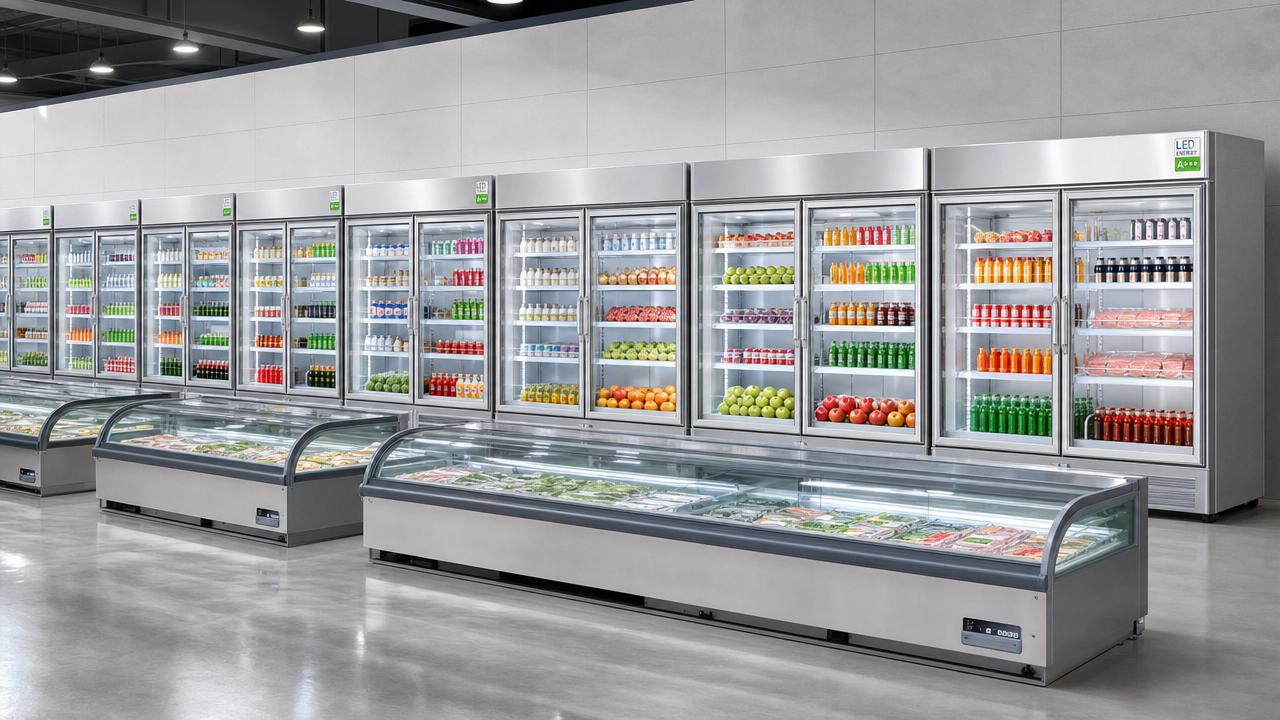
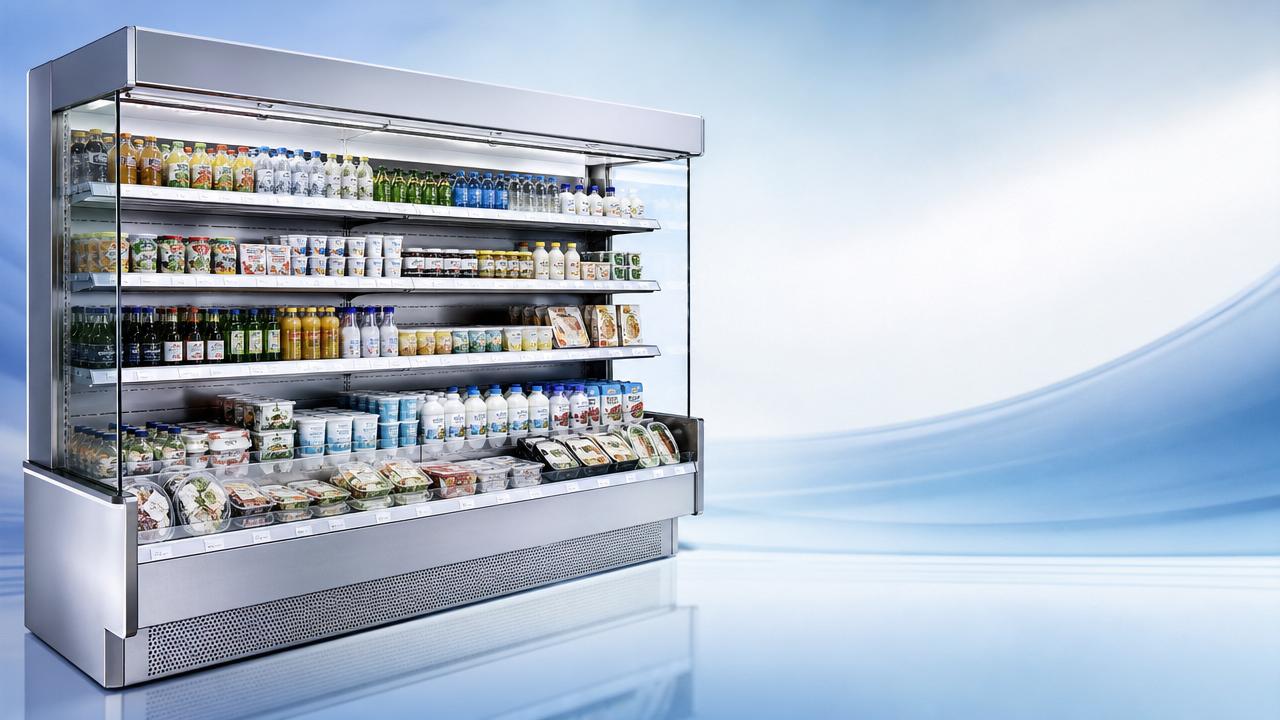
America’s Department of Energy (DOE) issued the Commercial Refrigeration Equipment ENERGY STAR Version 4.0 Final Rule on May 22, 2026 — tightening annual energy consumption limits for multideck display cabinets and island counters by 23%. This update directly impacts U.S.-bound commercial refrigeration exporters, especially manufacturers and distributors of cold storage equipment from China, and signals a near-term shift in compliance requirements for energy efficiency, verification, and smart control capabilities.
Event Overview
On May 22, 2026, the U.S. Department of Energy (DOE) published the Commercial Refrigeration Equipment ENERGY STAR Version 4.0 Final Rule. The rule reduces the maximum allowable annual energy consumption for Multideck Display Cabinets and Island Counters by 23%. It also introduces AI-powered defrost optimization and microclimate zoning control as optional ENERGY STAR scoring enhancements. Enforcement begins January 1, 2027. All commercial refrigeration units currently sold in the U.S. — including those manufactured in China — must complete DOE registration and third-party energy performance verification by October 2026 to avoid retail channel delisting.
Industries Affected
Direct Exporters & Trading Companies
Companies exporting commercial refrigeration units from China to the U.S. are subject to immediate compliance deadlines. Failure to register with DOE and obtain verified test reports by October 2026 may result in loss of access to major U.S. retail and foodservice distribution channels.
Manufacturers & OEMs
Manufacturers producing multideck or island-style commercial cold cabinets must revise product designs or control logic to meet the new 23% lower energy cap. Units already in production may require retesting; models relying on conventional defrost cycles or uniform temperature zones may no longer qualify without upgrades.
Distribution & Channel Partners
U.S.-based importers, distributors, and equipment integrators face increased pre-sale due diligence. They must verify ENERGY STAR 4.0 eligibility before accepting shipments post-October 2026 — including documentation of DOE registration, certified test reports, and, where claimed, evidence of AI defrost or microclimate functionality.
Testing & Certification Service Providers
Laboratories and certification bodies accredited for DOE-compliant testing will see heightened demand for Version 4.0 verification — particularly for the newly recognized features (e.g., AI defrost validation protocols, zone-specific temperature stability assessments). Capacity and turnaround time may become operational constraints.
Key Actions for Stakeholders
Monitor official DOE guidance on verification protocols
The DOE has not yet published detailed test procedures for AI-driven defrost or microclimate zoning claims. Stakeholders should track updates from DOE’s Building Technologies Office and ENERGY STAR Partner Resources to confirm acceptable methodologies before investing in feature development or testing.
Prioritize verification for high-volume multideck and island cabinet SKUs
Given the 23% energy reduction requirement applies specifically to these two categories, exporters and manufacturers should identify top-selling SKUs destined for U.S. markets and initiate DOE registration and third-party testing immediately — especially those lacking recent full-cycle energy test data.
Distinguish between mandatory compliance and voluntary enhancement
The 23% energy cap is mandatory for ENERGY STAR certification starting January 2027. In contrast, AI defrost and microclimate zoning are optional points toward higher certification tiers — not prerequisites. Businesses should assess ROI before implementing these features solely for ENERGY STAR alignment.
Confirm supply chain readiness for documentation handover
DOE registration requires technical specifications, rated energy use, and certified test reports. Manufacturers must ensure internal teams (R&D, QA, export compliance) and external partners (labs, freight forwarders, U.S. agents) align on document formats, timelines, and data ownership well ahead of the October 2026 deadline.
Editorial Perspective / Industry Observation
Observably, this rule represents a policy signal rather than an immediate market disruption — its enforcement date (January 2027) provides a defined transition window, but the October 2026 verification deadline creates urgent upstream pressure. Analysis shows the 23% threshold reflects DOE’s emphasis on measurable, hardware-based efficiency gains over software-only claims. From an industry perspective, the inclusion of AI and microclimate controls as *scoring enhancements* — not baseline requirements — suggests DOE is encouraging innovation while maintaining enforceable, testable standards. Current attention should focus less on speculation about future versions and more on execution certainty: whether products can be registered, verified, and documented in time.
Conclusion
This update is not a broad regulatory overhaul, but a targeted recalibration of ENERGY STAR eligibility for two high-volume commercial refrigeration categories. Its significance lies in the compressed timeline for verification and the explicit linkage between energy performance and emerging control technologies. It is more appropriately understood as a near-term compliance checkpoint — one that tests operational discipline in documentation, testing coordination, and cross-border regulatory alignment — rather than a long-term strategic pivot.
Source Attribution
Main source: U.S. Department of Energy (DOE), Commercial Refrigeration Equipment ENERGY STAR Version 4.0 Final Rule, issued May 22, 2026.
Points requiring ongoing observation: DOE’s forthcoming technical guidance on AI defrost validation methodology and microclimate zoning test criteria.
Recommended News
 Multideck Display CabinetsCommercial Freezers: Is Lower Temperature Always Better?Analyst :Retail Refrigeration Strategist
 Multideck Display CabinetsWhy Refrigeration Cabinets Lose Efficiency Faster Than ExpectedAnalyst :Retail Refrigeration Strategist
 Multideck Display CabinetsMIIT Launches 2026 Industrial Energy Conservation InspectionAnalyst :Retail Refrigeration Strategist
 Multideck Display CabinetsCan air curtain refrigeration really reduce display losses?Analyst :Retail Refrigeration Strategist
 Multideck Display CabinetsColombia Launches Anti-Dumping Sunset Review on Chinese Acrylic SheetsAnalyst :Retail Refrigeration Strategist
 Multideck Display CabinetsUA Team Solves 3D Vision Glare Recognition for Cold Chain RobotsAnalyst :Retail Refrigeration Strategist
 Multideck Display CabinetsUK-GCC FTA to Phase Out Tariffs on Commercial Cold CabinetsAnalyst :Retail Refrigeration Strategist
 Multideck Display CabinetsCommercial freezers often fail for these avoidable reasonsAnalyst :Retail Refrigeration Strategist
![]() Multideck Display CabinetsDOE Updates ENERGY STAR Commercial Refrigeration StandardsAnalyst :Retail Refrigeration Strategist
Multideck Display CabinetsDOE Updates ENERGY STAR Commercial Refrigeration StandardsAnalyst :Retail Refrigeration Strategist Multideck Display CabinetsIs air curtain refrigeration enough for open displays?Analyst :Retail Refrigeration Strategist
 Multideck Display CabinetsWhy anti-fog technology matters in open display cabinetsAnalyst :Retail Refrigeration Strategist
 Multideck Display CabinetsWhy Anti-Fog Technology Matters in Display CasesAnalyst :Retail Refrigeration Strategist
 Multideck Display CabinetsDoes anti-fog technology really improve display sales?Analyst :Retail Refrigeration Strategist
 Multideck Display CabinetsDoes anti-fog technology really improve display sales?Analyst :Retail Refrigeration Strategist
![]() Multideck Display CabinetsAir Curtain Refrigeration in Open Display Cases: Energy Loss and Setup TipsAnalyst :Retail Refrigeration Strategist
Multideck Display CabinetsAir Curtain Refrigeration in Open Display Cases: Energy Loss and Setup TipsAnalyst :Retail Refrigeration Strategist![]() Multideck Display CabinetsHow to Choose Refrigeration Cabinets for Retail: Size, Temperature Range, and LayoutAnalyst :Retail Refrigeration Strategist
Multideck Display CabinetsHow to Choose Refrigeration Cabinets for Retail: Size, Temperature Range, and LayoutAnalyst :Retail Refrigeration Strategist Multideck Display CabinetsHow to Choose Refrigeration Cabinets for Retail: Display Type, Temperature, and Energy UseAnalyst :Retail Refrigeration Strategist
 Multideck Display CabinetsRefrigeration Cabinets Explained: Types, Temperature Ranges, and Best Use CasesAnalyst :Retail Refrigeration Strategist
 Multideck Display CabinetsRCEP Green Cabinet Scheme Speeds Display Cabinet ExportsAnalyst :Retail Refrigeration Strategist
 Multideck Display CabinetsRCEP Green Cabinet Plan Eases Clearance for Multideck UnitsAnalyst :Retail Refrigeration Strategist
 Multideck Display CabinetsRCEP Green Cabinet Plan Speeds Multideck Cabinet TradeAnalyst :Retail Refrigeration Strategist
 Multideck Display CabinetsEU Launches Green Cabinet Scheme, Speeds Clearance 30%Analyst :Retail Refrigeration Strategist
 Multideck Display CabinetsHow to Choose Refrigeration Cabinets for Supermarkets: Temperature, Layout, and Energy UseAnalyst :Retail Refrigeration Strategist
 Multideck Display CabinetsRefrigeration Cabinets Explained: Types, Use Cases, and Key Energy-Saving FeaturesAnalyst :Retail Refrigeration Strategist
 Multideck Display CabinetsAir Curtain Refrigeration Explained: When It Works Best in Open Display CabinetsAnalyst :Retail Refrigeration Strategist
 Multideck Display CabinetsRACC 2026 to Spotlight EU REACH PFAS Seal RulesAnalyst :Retail Refrigeration Strategist
 Multideck Display CabinetsUpright Display Freezers: Key Features to Compare Before Buying for Retail UseAnalyst :Retail Refrigeration Strategist
 Multideck Display CabinetsRACC 2026 Highlights EU REACH PFAS Shift for Cold-Chain SealsAnalyst :Retail Refrigeration Strategist
 Multideck Display CabinetsCommercial Freezers vs Upright Freezers: Which Format Fits Your Store?Analyst :Retail Refrigeration Strategist
 Multideck Display CabinetsEPA Halts New SNAP Filings for A2L Refrigeration EquipmentAnalyst :Retail Refrigeration Strategist
 Multideck Display CabinetsAir Curtain Refrigeration Cabinets vs Open Display Cases: Which Fits Your Store Layout?Analyst :Retail Refrigeration Strategist
 Multideck Display CabinetsEPA Suspends New SNAP Reviews for A2L SystemsAnalyst :Retail Refrigeration Strategist
 Multideck Display CabinetsEPA Halts New SNAP Filings for A2L Refrigerant UnitsAnalyst :Retail Refrigeration Strategist
 Multideck Display CabinetsMultideck Display Refrigerators in Latin America: Which Store Formats Fit Best?Analyst :Retail Refrigeration Strategist
 Multideck Display CabinetsMETI Sets OTA Update Rule for Multideck CabinetsAnalyst :Retail Refrigeration Strategist
 Multideck Display CabinetsJapan METI to Mandate OTA Support for Multideck CabinetsAnalyst :Retail Refrigeration Strategist
 Multideck Display CabinetsThailand TISI Eyes New Energy Labels for Multideck CabinetsAnalyst :Retail Refrigeration Strategist
 Multideck Display CabinetsCommercial Refrigeration Bakery Display Buying Guide: Capacity, Humidity, and MerchandisingAnalyst :Retail Refrigeration Strategist
 Multideck Display CabinetsJapan Raises JIS Efficiency Bar for Multideck CabinetsAnalyst :Retail Refrigeration Strategist
 Multideck Display CabinetsEPA Clears R290 for Multideck Display CabinetsAnalyst :Retail Refrigeration Strategist