Industry News
Curation by industry experts
Hot Articles
- Thermodynamic Tech TrendsHow to Size Heat Exchange Systems for Refrigeration Plants at Peak Load
- Parallel Compressor RacksHow to Size Reciprocating Compressors for Cold Storage Load and Temperature Range
- Flake Ice MachinesHow to Size a Commercial Ice Dispenser for Peak Demand in Foodservice Operations
Popular Tags
Why Anti-Fog Technology Matters in Display Cases
Clear visibility is essential for every refrigerated display case operator, from fresh retail aisles to foodservice counters.
When glass fogs up, products look less appealing, customers hesitate, and staff spend more time wiping surfaces instead of managing service.
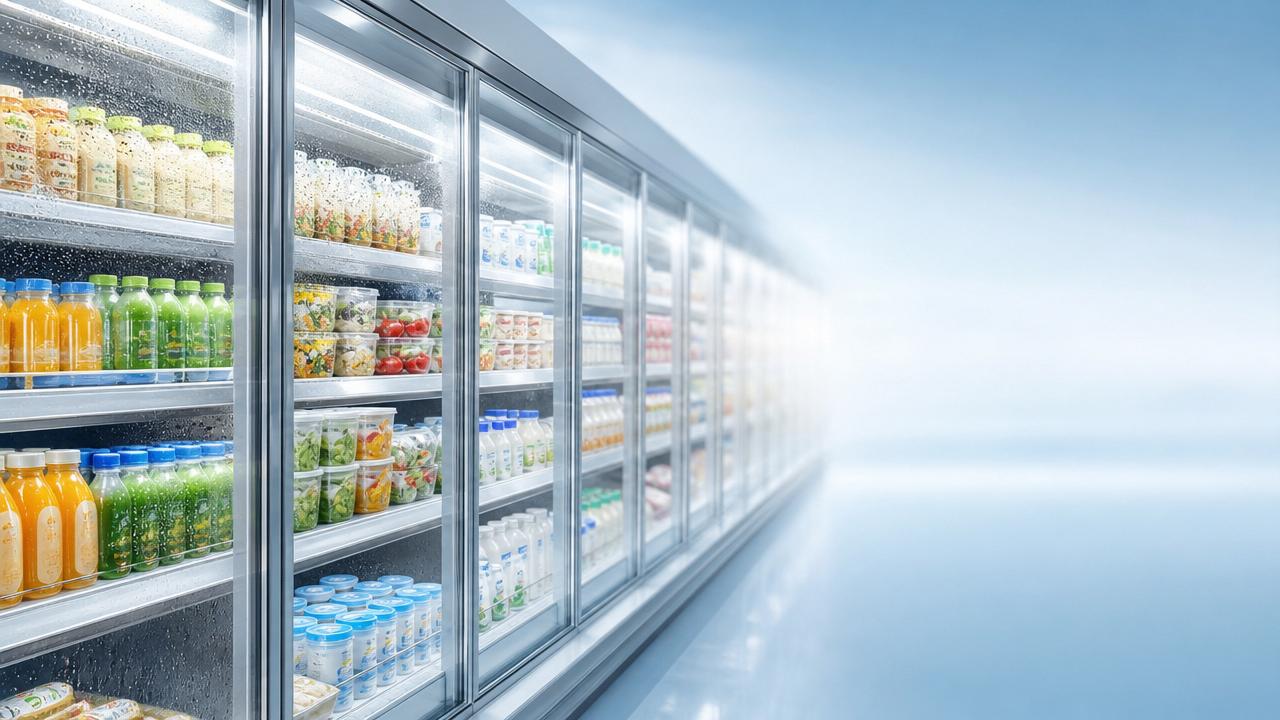
Anti-fog technology helps maintain a clean viewing window by controlling condensation on doors and panels.
It supports better merchandising, safer operation, and more stable cabinet performance across the commercial cold-chain environment.
Understanding anti-fog technology is a practical step toward protecting presentation, reducing maintenance effort, and improving everyday refrigeration efficiency.
Anti-Fog Technology in Display Case Fundamentals
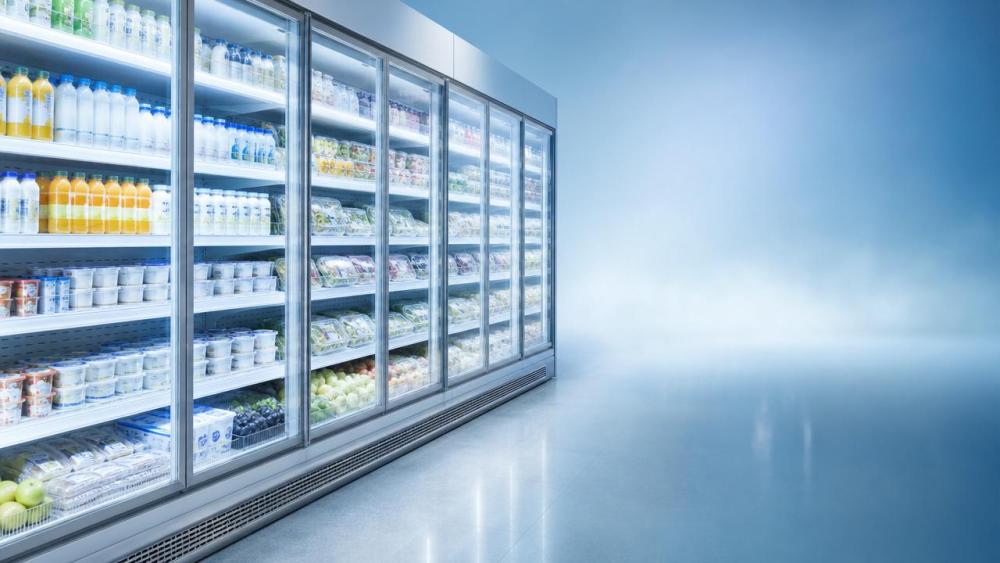
Anti-fog technology refers to methods that prevent water vapor from forming visible droplets on refrigerated display glass.
Condensation appears when moist surrounding air meets a colder surface below its dew point.
In display cases, this often happens near doors, open fronts, air curtains, and high-traffic shopping aisles.
The most common approaches include heated glass, transparent conductive coatings, surface treatments, airflow control, and humidity management.
Each method reduces fogging differently, but all aim to keep the product view clean and reliable.
Anti-fog technology is not only a visual feature; it is part of cabinet thermal management.
When engineered well, it balances visibility, energy consumption, food safety, and component durability.
For modern cold-chain operations, this balance matters as much as lighting quality or shelving layout.
Industry Background and Current Attention Points
Commercial refrigeration cabinets are under pressure from energy codes, refrigerant transitions, and higher expectations for retail presentation.
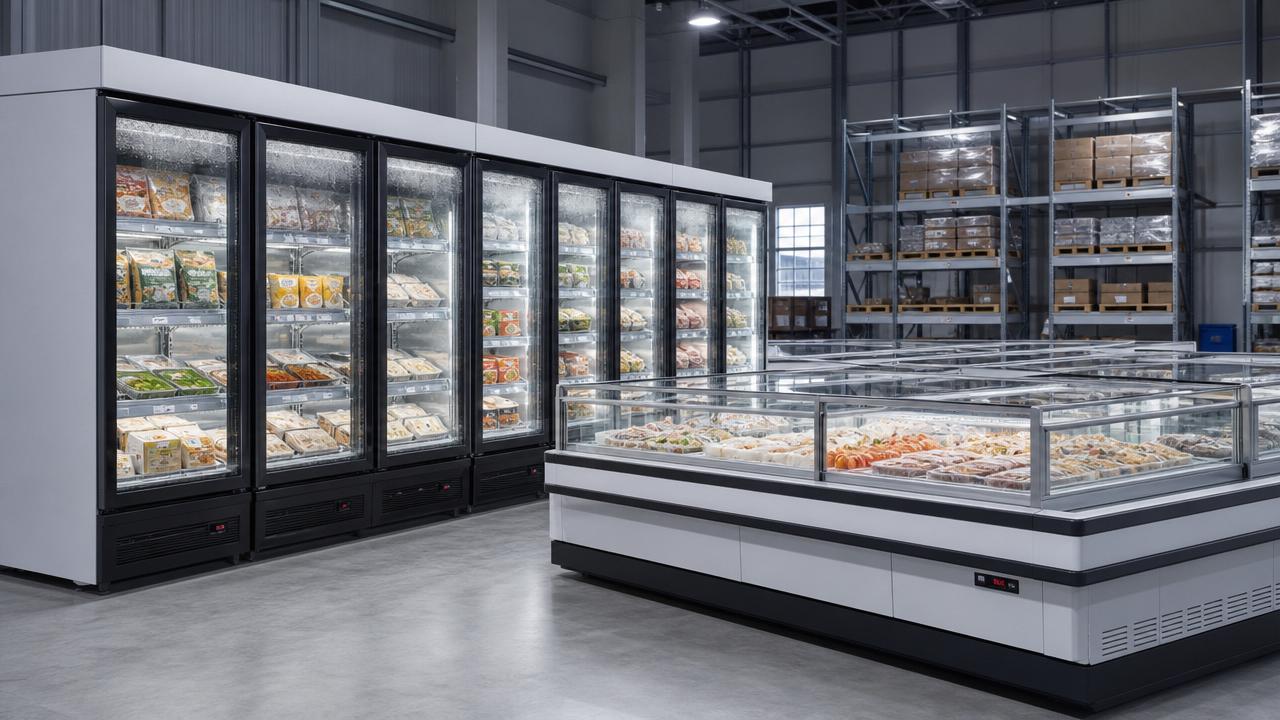
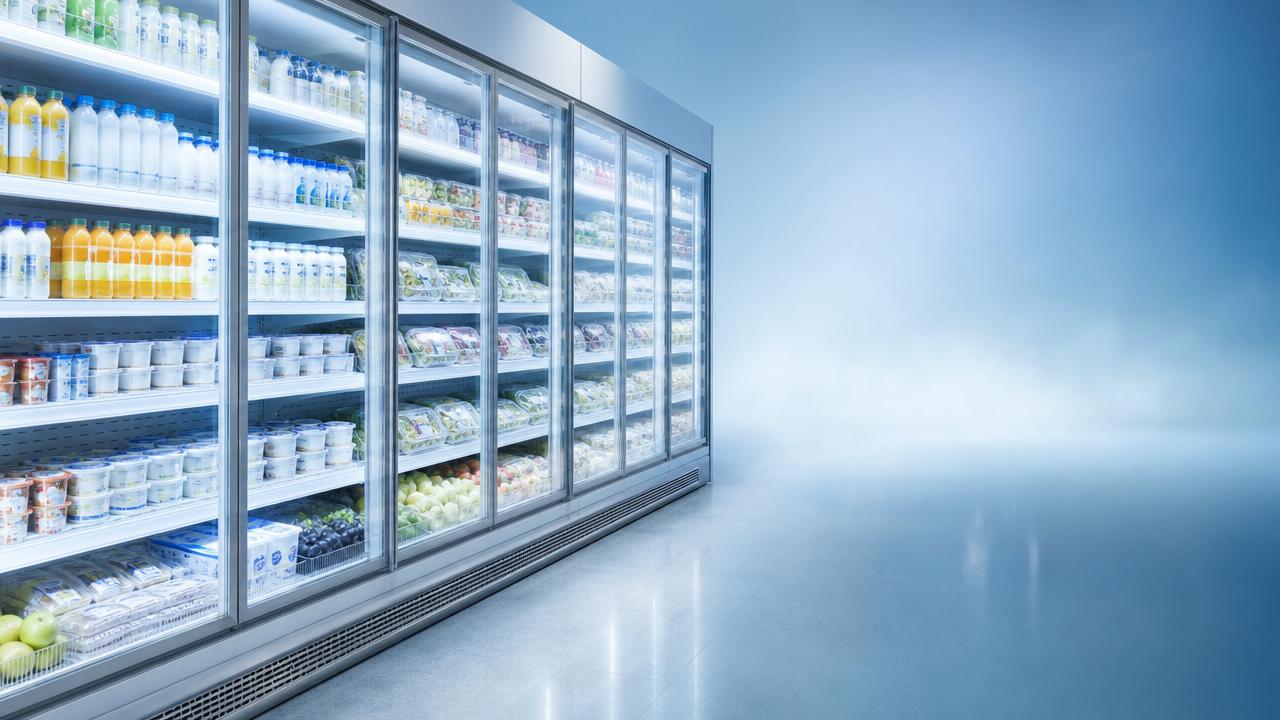
Glass doors are widely used to reduce cold-air loss, especially in supermarkets and convenience stores.
However, closed-door cabinets create new challenges for visibility when humidity and temperature differences fluctuate.
This is where anti-fog technology becomes a daily operational requirement rather than a premium add-on.
The cold-chain sector increasingly views visibility as part of freshness assurance.
A fogged door can make high-quality products appear neglected, even when temperatures remain correct.
Anti-fog technology helps close this gap between actual preservation and customer perception.
Business Value for Refrigerated Display Operations
The first value of anti-fog technology is improved product visibility.
Clear glass allows shoppers to identify packaging, freshness, price labels, and inventory without opening doors unnecessarily.
Fewer unnecessary openings reduce warm-air infiltration and help maintain cabinet temperature stability.
The second value is labor reduction.
Manual wiping is inefficient, inconsistent, and may introduce hygiene risks around food display areas.
Reliable anti-fog technology reduces this repetitive task, especially during peak humidity periods.
The third value is operational safety.
Water dripping from fogged or sweating surfaces may affect floors, door gaskets, electrical components, and shelving areas.
Controlling condensation supports cleaner surroundings and better equipment reliability.
The fourth value is energy-aware performance.
Poorly designed heated glass can add unnecessary load to the refrigeration system.
Well-selected anti-fog technology minimizes visual defects without excessive heat input or unstable cabinet behavior.
Visibility and Sales Continuity
Food retail depends on immediate recognition.
If customers cannot see chilled meals, dairy, seafood, or beverages clearly, browsing slows and impulse purchases decline.
Anti-fog technology keeps the cabinet acting as a showcase, not a barrier.
Temperature Control and Cabinet Stability
Fogging is often a symptom of thermal imbalance around the display surface.
By addressing condensation, anti-fog technology can support more predictable airflow and fewer door-opening events.
This contributes to stable preservation conditions for sensitive chilled and frozen goods.
Typical Display Case Scenarios and Object Classification
Different refrigeration applications need different condensation-control strategies.
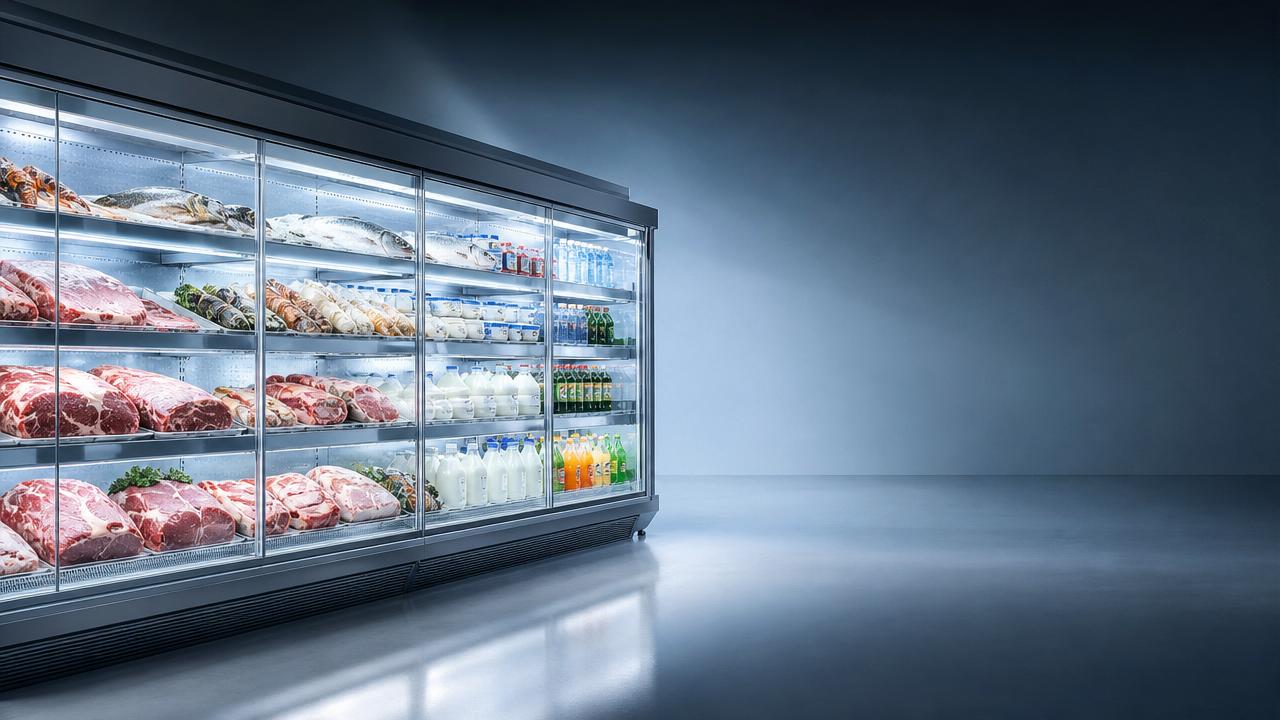
A beverage cooler does not face the same conditions as a seafood counter or frozen dessert cabinet.
Selecting anti-fog technology requires attention to humidity, temperature, traffic, and product sensitivity.
In high-humidity regions, the surrounding building environment also matters.
Store ventilation, door placement, and air-conditioning performance can influence display case condensation.
Anti-fog technology performs best when it is coordinated with cabinet design and room conditions.
Technical Options and Selection Logic
Heated glass is one of the most familiar forms of anti-fog technology.
It raises the glass surface temperature enough to keep moisture from condensing visibly.
The challenge is avoiding excessive energy use or uneven heating across the door.
Transparent conductive coatings can distribute heat more evenly while preserving visibility.
These coatings may be integrated with low-emissivity glass to improve energy performance.
Hydrophilic surface treatments work differently.
They spread moisture into a thin transparent film instead of allowing visible droplets to form.
This approach can be useful where electrical heating is undesirable or limited.
Airflow-based condensation control uses cabinet circulation, air curtains, and warm-edge design details.
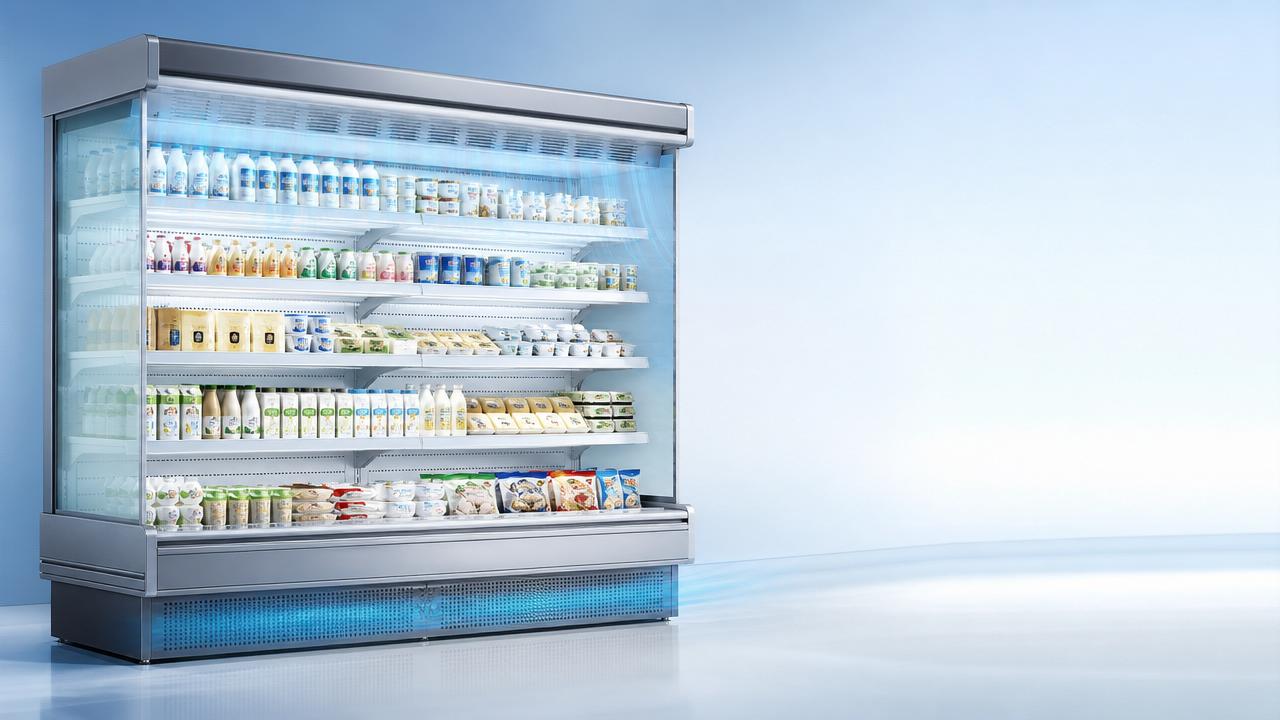
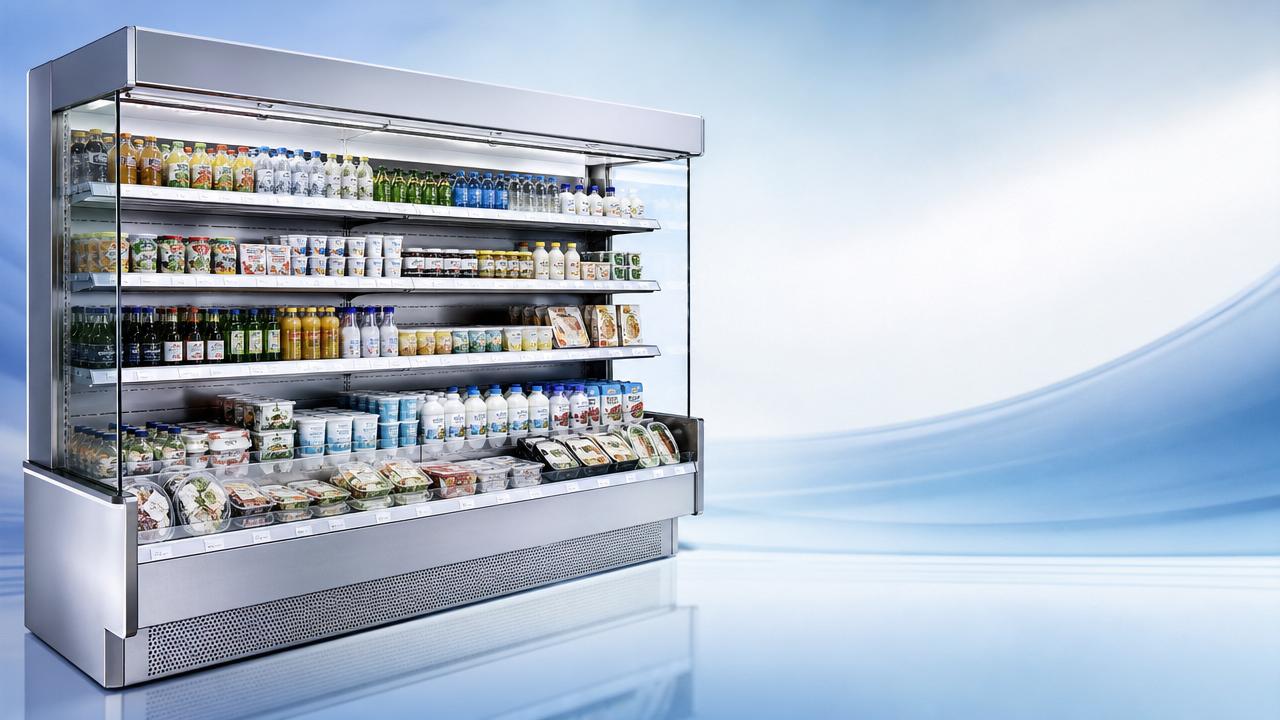
It is especially important in open or semi-open refrigerated displays.
The best choice depends on the thermal load, cabinet temperature class, humidity level, and maintenance capacity.
- For frozen cabinets, prioritize strong condensation prevention and controlled heating density.
- For chilled beverage doors, balance visibility with low operating cost.
- For fresh meat displays, consider hygiene, wiping resistance, and drainage behavior.
- For retrofits, confirm electrical capacity, gasket condition, and door frame compatibility.
Practice Recommendations and Operational Notes
Effective anti-fog technology starts with a realistic review of operating conditions.
Measure store humidity, cabinet temperature, door-opening frequency, and fogging time patterns before choosing a solution.
Do not evaluate the glass alone.
Door seals, fan performance, evaporator condition, defrost schedules, and lighting heat all influence condensation.
A cabinet with poor gaskets may still fog after an anti-fog coating is applied.
Cleaning procedures also matter.
Some surface treatments can be damaged by abrasive pads, alkaline cleaners, or repeated scraping.
Maintenance instructions should be clear, simple, and compatible with daily store routines.
- Inspect glass fogging during morning startup, peak traffic, and closing periods.
- Check whether fogging appears inside the glass, outside the glass, or along frame edges.
- Compare anti-fog technology options by energy use, durability, and service accessibility.
- Review compatibility with refrigerants, cabinet controls, and defrost strategy.
- Document cleaning rules to prevent premature coating failure.
Energy management deserves special attention.
Always-on heated glass may solve fogging but increase electricity demand and refrigeration load.
Smart controls can activate anti-fog technology only when humidity or surface temperature conditions require it.
This approach matches the broader cold-chain movement toward digital temperature control and lifecycle efficiency.
Integration with Modern Cold-Chain Intelligence
Display cases are no longer isolated retail fixtures.
They are connected assets within a larger refrigeration, monitoring, and energy-management network.
Anti-fog technology can benefit from sensors that monitor humidity, glass temperature, and door activity.
With better data, heating cycles and defrost strategies can be tuned more precisely.
This aligns with the intelligence-driven direction of commercial cold-chain systems.
Industrial chillers, cold storage compressors, cabinets, and ultra-low temperature freezers all share one priority.
They must preserve value by controlling heat transfer with accuracy and efficiency.
In this context, anti-fog technology is a small but visible expression of thermodynamic discipline.
It connects customer-facing presentation with deeper refrigeration engineering principles.
Action Guidance for Better Visibility and Efficiency
A practical next step is to map fogging problems by case type, location, and time of day.
Then compare the findings with humidity records, maintenance logs, and cabinet temperature data.
This helps separate glass-surface issues from airflow faults, gasket leakage, or defrost imbalance.
When upgrades are needed, anti-fog technology should be specified with measurable targets.
Useful targets include visibility duration, power consumption, cleaning durability, and performance under peak humidity.
For retrofit projects, pilot testing one store zone or cabinet group can reduce implementation risk.
The results should guide broader adoption across chilled, frozen, and service display formats.
Anti-fog technology matters because it protects the moment when refrigeration performance meets customer judgment.
Clear glass communicates freshness, supports efficient operation, and strengthens confidence in cold-chain quality.
For display case planning, it should be treated as a core performance factor, not a cosmetic detail.
Recommended News
 Multideck Display CabinetsCommercial Freezers: Is Lower Temperature Always Better?Analyst :Retail Refrigeration Strategist
 Multideck Display CabinetsWhy Refrigeration Cabinets Lose Efficiency Faster Than ExpectedAnalyst :Retail Refrigeration Strategist
 Multideck Display CabinetsMIIT Launches 2026 Industrial Energy Conservation InspectionAnalyst :Retail Refrigeration Strategist
 Multideck Display CabinetsCan air curtain refrigeration really reduce display losses?Analyst :Retail Refrigeration Strategist
 Multideck Display CabinetsColombia Launches Anti-Dumping Sunset Review on Chinese Acrylic SheetsAnalyst :Retail Refrigeration Strategist
 Multideck Display CabinetsUA Team Solves 3D Vision Glare Recognition for Cold Chain RobotsAnalyst :Retail Refrigeration Strategist
 Multideck Display CabinetsUK-GCC FTA to Phase Out Tariffs on Commercial Cold CabinetsAnalyst :Retail Refrigeration Strategist
 Multideck Display CabinetsCommercial freezers often fail for these avoidable reasonsAnalyst :Retail Refrigeration Strategist
![]() Multideck Display CabinetsDOE Updates ENERGY STAR Commercial Refrigeration StandardsAnalyst :Retail Refrigeration Strategist
Multideck Display CabinetsDOE Updates ENERGY STAR Commercial Refrigeration StandardsAnalyst :Retail Refrigeration Strategist Multideck Display CabinetsIs air curtain refrigeration enough for open displays?Analyst :Retail Refrigeration Strategist
 Multideck Display CabinetsWhy anti-fog technology matters in open display cabinetsAnalyst :Retail Refrigeration Strategist
 Multideck Display CabinetsWhy Anti-Fog Technology Matters in Display CasesAnalyst :Retail Refrigeration Strategist
 Multideck Display CabinetsDoes anti-fog technology really improve display sales?Analyst :Retail Refrigeration Strategist
 Multideck Display CabinetsDoes anti-fog technology really improve display sales?Analyst :Retail Refrigeration Strategist
![]() Multideck Display CabinetsAir Curtain Refrigeration in Open Display Cases: Energy Loss and Setup TipsAnalyst :Retail Refrigeration Strategist
Multideck Display CabinetsAir Curtain Refrigeration in Open Display Cases: Energy Loss and Setup TipsAnalyst :Retail Refrigeration Strategist![]() Multideck Display CabinetsHow to Choose Refrigeration Cabinets for Retail: Size, Temperature Range, and LayoutAnalyst :Retail Refrigeration Strategist
Multideck Display CabinetsHow to Choose Refrigeration Cabinets for Retail: Size, Temperature Range, and LayoutAnalyst :Retail Refrigeration Strategist Multideck Display CabinetsHow to Choose Refrigeration Cabinets for Retail: Display Type, Temperature, and Energy UseAnalyst :Retail Refrigeration Strategist
 Multideck Display CabinetsRefrigeration Cabinets Explained: Types, Temperature Ranges, and Best Use CasesAnalyst :Retail Refrigeration Strategist
 Multideck Display CabinetsRCEP Green Cabinet Scheme Speeds Display Cabinet ExportsAnalyst :Retail Refrigeration Strategist
 Multideck Display CabinetsRCEP Green Cabinet Plan Eases Clearance for Multideck UnitsAnalyst :Retail Refrigeration Strategist
 Multideck Display CabinetsRCEP Green Cabinet Plan Speeds Multideck Cabinet TradeAnalyst :Retail Refrigeration Strategist
 Multideck Display CabinetsEU Launches Green Cabinet Scheme, Speeds Clearance 30%Analyst :Retail Refrigeration Strategist
 Multideck Display CabinetsHow to Choose Refrigeration Cabinets for Supermarkets: Temperature, Layout, and Energy UseAnalyst :Retail Refrigeration Strategist
 Multideck Display CabinetsRefrigeration Cabinets Explained: Types, Use Cases, and Key Energy-Saving FeaturesAnalyst :Retail Refrigeration Strategist
 Multideck Display CabinetsAir Curtain Refrigeration Explained: When It Works Best in Open Display CabinetsAnalyst :Retail Refrigeration Strategist
 Multideck Display CabinetsRACC 2026 to Spotlight EU REACH PFAS Seal RulesAnalyst :Retail Refrigeration Strategist
 Multideck Display CabinetsUpright Display Freezers: Key Features to Compare Before Buying for Retail UseAnalyst :Retail Refrigeration Strategist
 Multideck Display CabinetsRACC 2026 Highlights EU REACH PFAS Shift for Cold-Chain SealsAnalyst :Retail Refrigeration Strategist
 Multideck Display CabinetsCommercial Freezers vs Upright Freezers: Which Format Fits Your Store?Analyst :Retail Refrigeration Strategist
 Multideck Display CabinetsEPA Halts New SNAP Filings for A2L Refrigeration EquipmentAnalyst :Retail Refrigeration Strategist
 Multideck Display CabinetsAir Curtain Refrigeration Cabinets vs Open Display Cases: Which Fits Your Store Layout?Analyst :Retail Refrigeration Strategist
 Multideck Display CabinetsEPA Suspends New SNAP Reviews for A2L SystemsAnalyst :Retail Refrigeration Strategist
 Multideck Display CabinetsEPA Halts New SNAP Filings for A2L Refrigerant UnitsAnalyst :Retail Refrigeration Strategist
 Multideck Display CabinetsMultideck Display Refrigerators in Latin America: Which Store Formats Fit Best?Analyst :Retail Refrigeration Strategist
 Multideck Display CabinetsMETI Sets OTA Update Rule for Multideck CabinetsAnalyst :Retail Refrigeration Strategist
 Multideck Display CabinetsJapan METI to Mandate OTA Support for Multideck CabinetsAnalyst :Retail Refrigeration Strategist
 Multideck Display CabinetsThailand TISI Eyes New Energy Labels for Multideck CabinetsAnalyst :Retail Refrigeration Strategist
 Multideck Display CabinetsCommercial Refrigeration Bakery Display Buying Guide: Capacity, Humidity, and MerchandisingAnalyst :Retail Refrigeration Strategist
 Multideck Display CabinetsJapan Raises JIS Efficiency Bar for Multideck CabinetsAnalyst :Retail Refrigeration Strategist
 Multideck Display CabinetsEPA Clears R290 for Multideck Display CabinetsAnalyst :Retail Refrigeration Strategist