Industry News
Curation by industry experts
Hot Articles
- Thermodynamic Tech TrendsHow to Size Heat Exchange Systems for Refrigeration Plants at Peak Load
- Parallel Compressor RacksHow to Size Reciprocating Compressors for Cold Storage Load and Temperature Range
- Flake Ice MachinesHow to Size a Commercial Ice Dispenser for Peak Demand in Foodservice Operations
Popular Tags
What makes eco-friendly cooling cheaper over time?
For many industrial and commercial facilities, eco-friendly cooling has shifted from a compliance topic to a capital planning priority.
The reason is simple: eco-friendly cooling often costs less across the full operating life of equipment.
That lower cost does not come from one feature alone.
It comes from efficiency gains, refrigerant stability, maintenance reduction, better controls, and fewer regulatory disruptions.
In cold chain, retail, industrial processing, and life-science storage, cooling decisions influence energy budgets, product integrity, and asset reliability.
Understanding what makes eco-friendly cooling cheaper over time helps organizations compare options beyond first purchase price.
What eco-friendly cooling means in practical terms
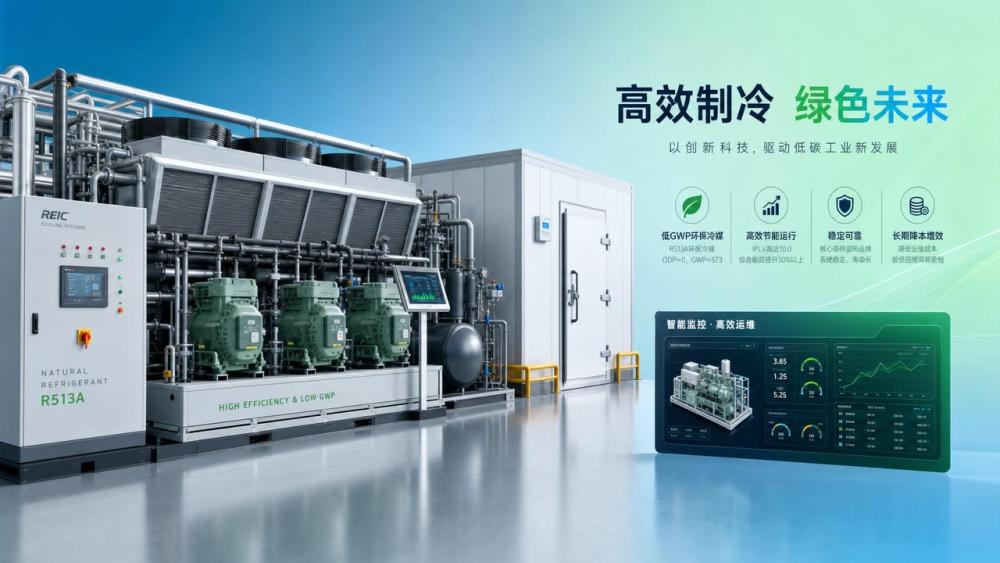
Eco-friendly cooling refers to systems designed to reduce environmental impact while maintaining strong thermal performance.
In practice, this usually involves low-GWP refrigerants, higher-efficiency compressors, smarter controls, improved heat exchange, and tighter system sealing.
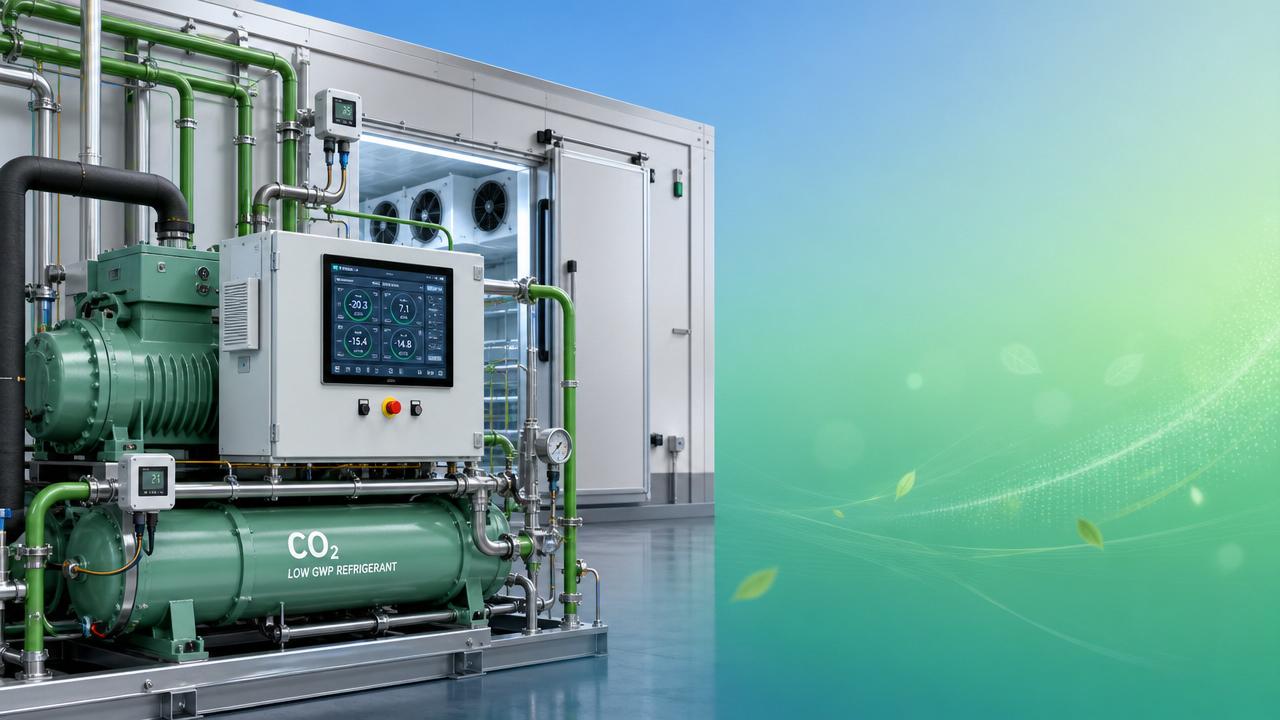
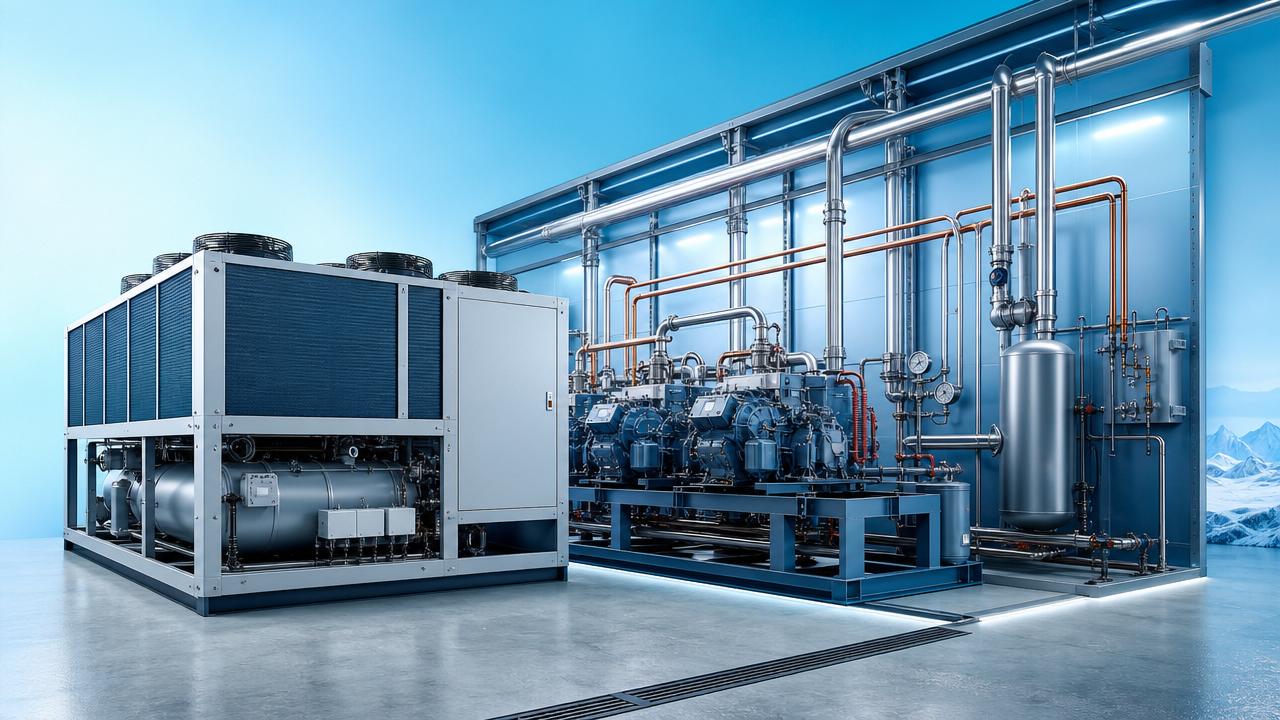
Examples include CO2 transcritical systems, ammonia-based industrial refrigeration, hydrocarbon units, magnetic bearing chillers, and inverter-driven compressors.
Eco-friendly cooling also includes lifecycle thinking.
That means evaluating installation, power use, refrigerant cost, service intervals, leak exposure, retrofitting needs, and end-of-life replacement risk.
Why the lowest upfront cost can be misleading
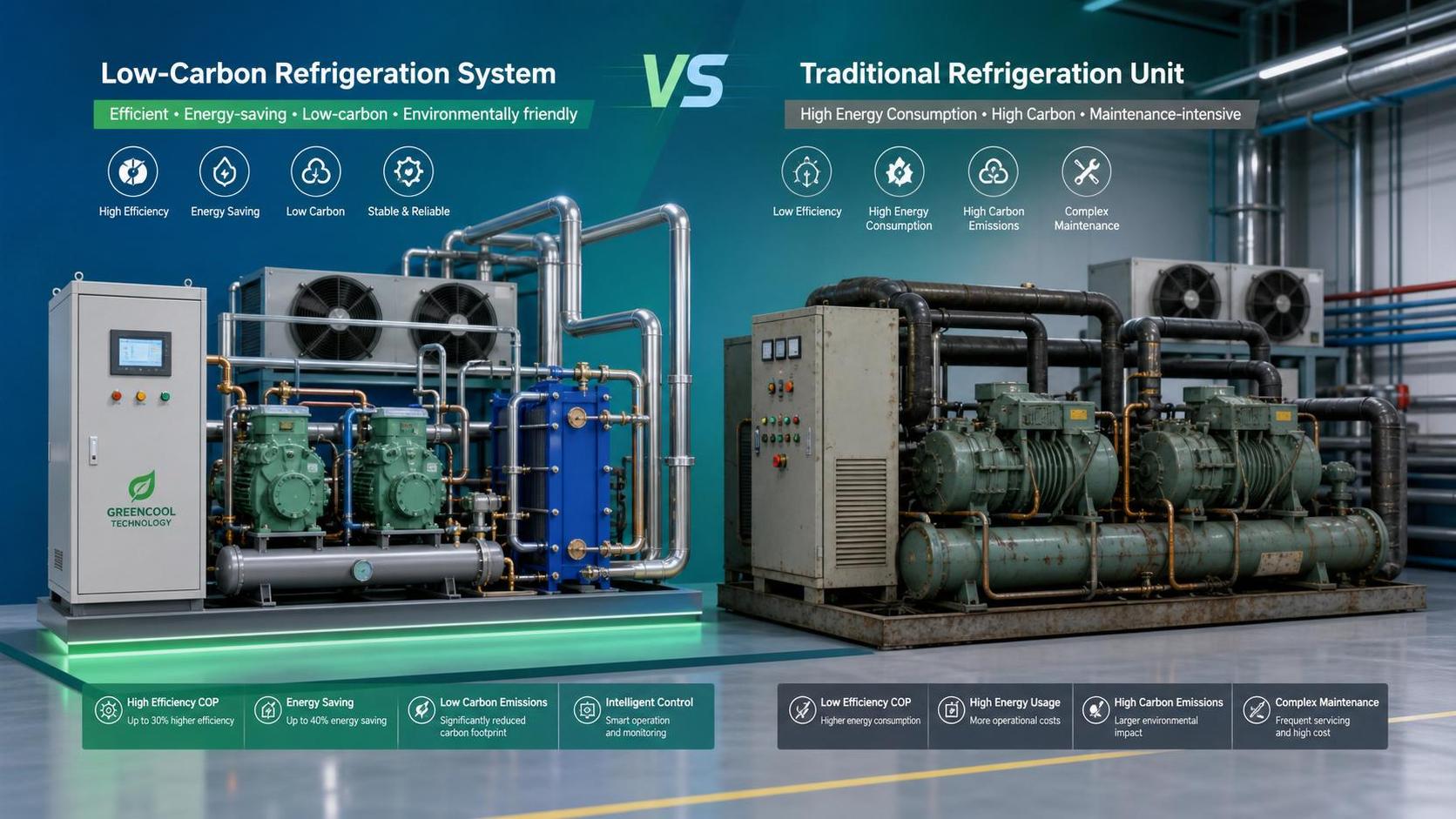
Conventional systems may appear cheaper at purchase.
However, older refrigerants, lower part-load efficiency, and higher leakage can create larger annual costs than expected.
Over ten to fifteen years, these hidden expenses often exceed the original price difference.
The cost drivers that make eco-friendly cooling cheaper over time
The long-term economics of eco-friendly cooling usually depend on five cost drivers.
- Lower electricity demand through efficient compressors, fans, pumps, and heat exchangers.
- Reduced refrigerant replacement risk from low-GWP or natural refrigerant adoption.
- Less maintenance due to stable operating conditions and digital monitoring.
- Longer equipment life from better load matching and less mechanical stress.
- Fewer compliance costs tied to F-Gas phase-downs and emission rules.
1. Energy savings compound every year
Energy is usually the largest operating expense in cooling infrastructure.
Even small efficiency gains create meaningful savings when systems run continuously.
Variable-speed drives, floating head pressure control, electronic expansion valves, and AI-assisted defrosting improve part-load performance.
Part-load efficiency matters because many systems rarely operate at full design capacity all day.
2. Refrigerant economics are changing
High-GWP refrigerants face tightening controls, higher taxes, phase-down pressure, and price volatility in many regions.
Eco-friendly cooling reduces exposure to those disruptions.
Natural refrigerants such as CO2 and ammonia can improve long-term budget predictability when systems are properly designed.
3. Better controls lower service costs
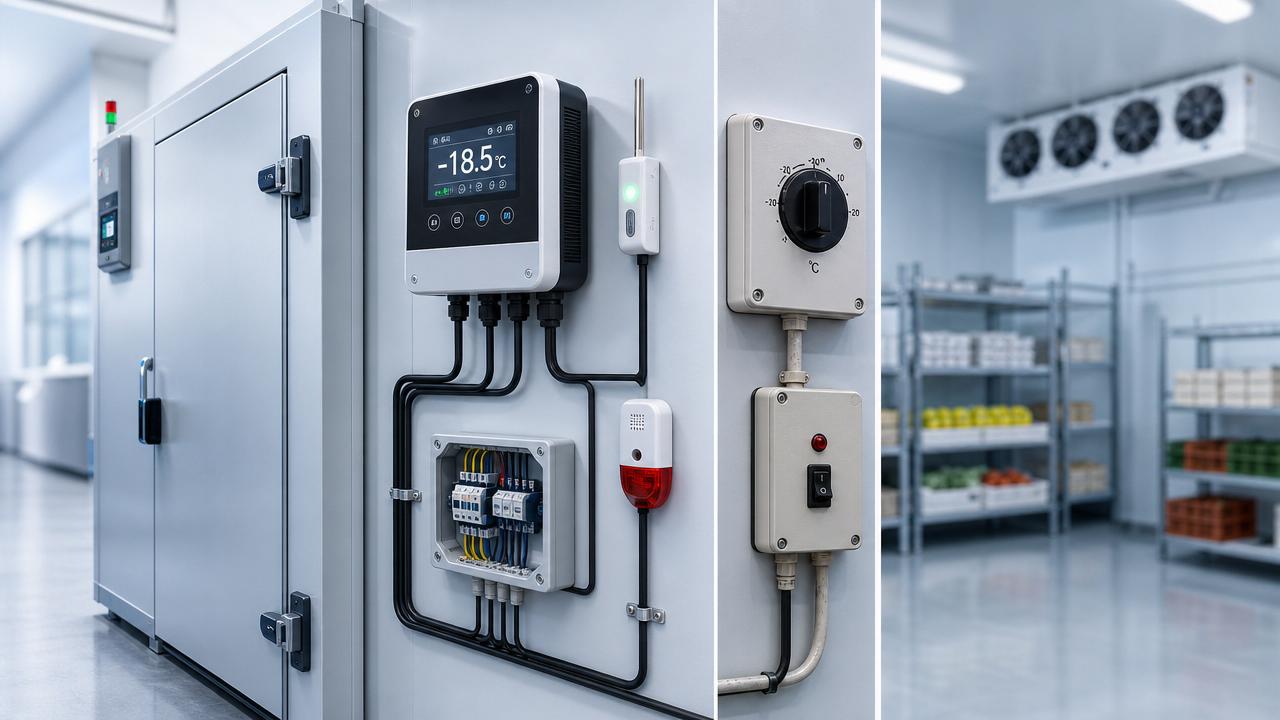
Modern eco-friendly cooling systems often include sensors, remote diagnostics, and predictive maintenance tools.
These tools detect pressure drift, coil fouling, unstable suction, and temperature deviations before failures escalate.
Early intervention cuts emergency repairs, spoilage risk, and unplanned downtime.
Industry signals supporting long-term cooling investment decisions
Across the broader refrigeration landscape, several signals explain why eco-friendly cooling is gaining economic advantage.
These signals are especially important in sectors where temperature deviation directly affects inventory value or process continuity.
Where eco-friendly cooling creates the strongest business value
The return on eco-friendly cooling becomes clearer when matched to real operating conditions.
Industrial chillers
Factories often run cooling around the clock.
High-efficiency chillers with magnetic bearings or variable-frequency screw compressors can sharply lower power demand.
Reduced vibration also lowers wear, supporting longer service life.
Cold storage hubs
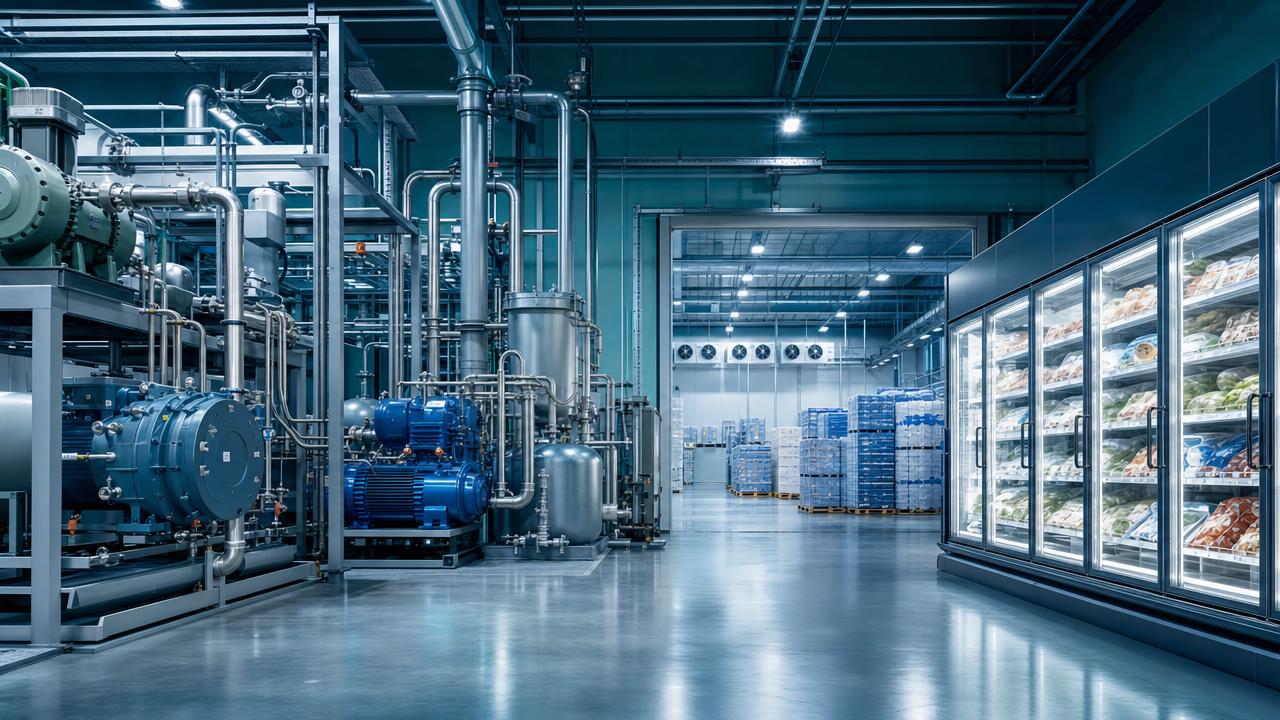
Cold stores benefit from efficient compressors, better door management, adaptive defrost, and low-leak refrigerant strategies.
Eco-friendly cooling helps stabilize temperatures while containing both energy loss and product risk.
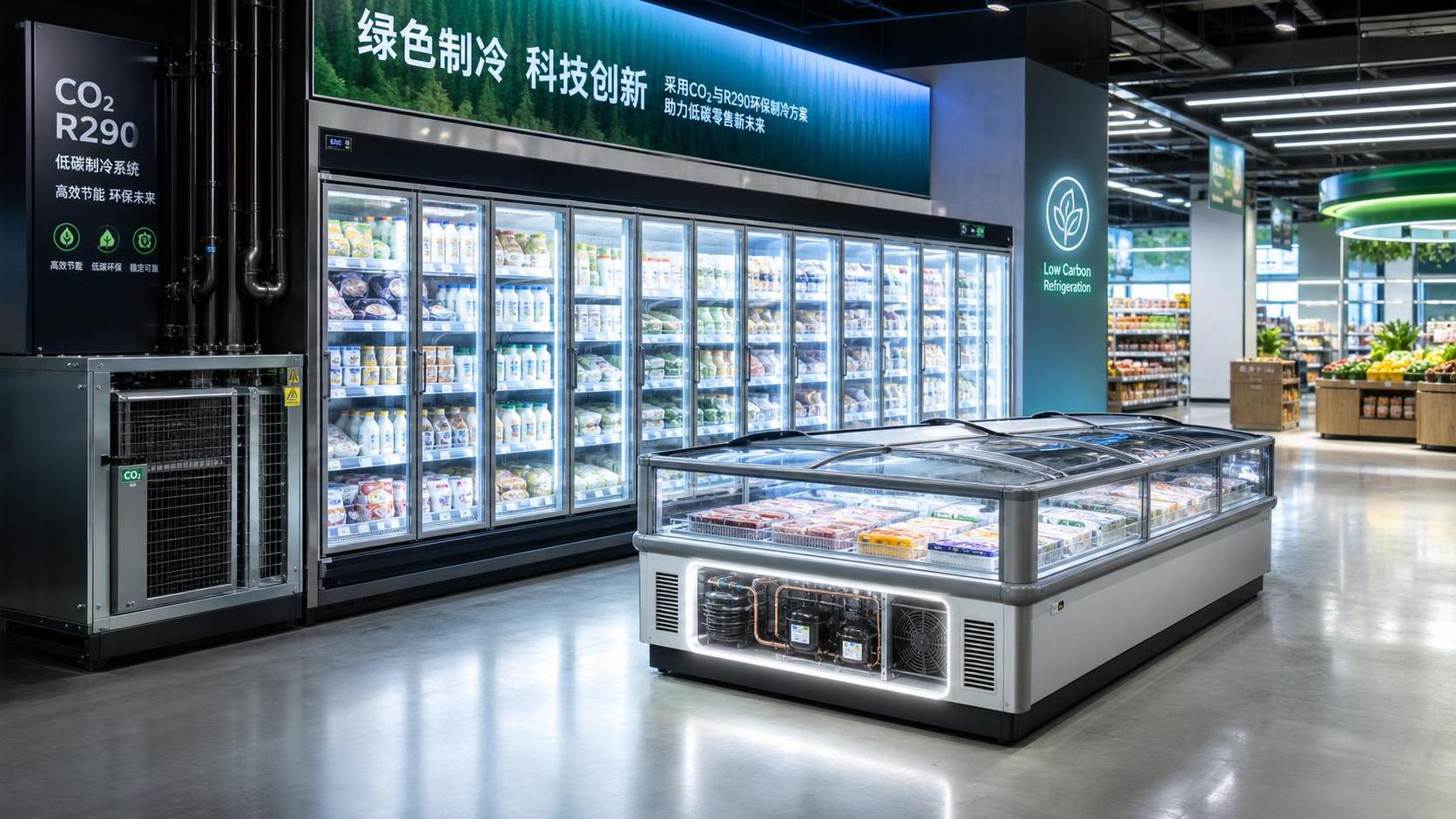
Commercial refrigeration cabinets
Retail cooling faces frequent door openings, changing ambient conditions, and visibility demands.
Efficient fans, anti-fog technology, LED lighting, and precise air curtain design support lower consumption without reducing display quality.
Ultra-low temperature freezers
Deep-cryogenic storage requires exact performance and high reliability.
Eco-friendly cooling in this segment depends on cascade optimization, insulation quality, alarm systems, and smart compressor sequencing.
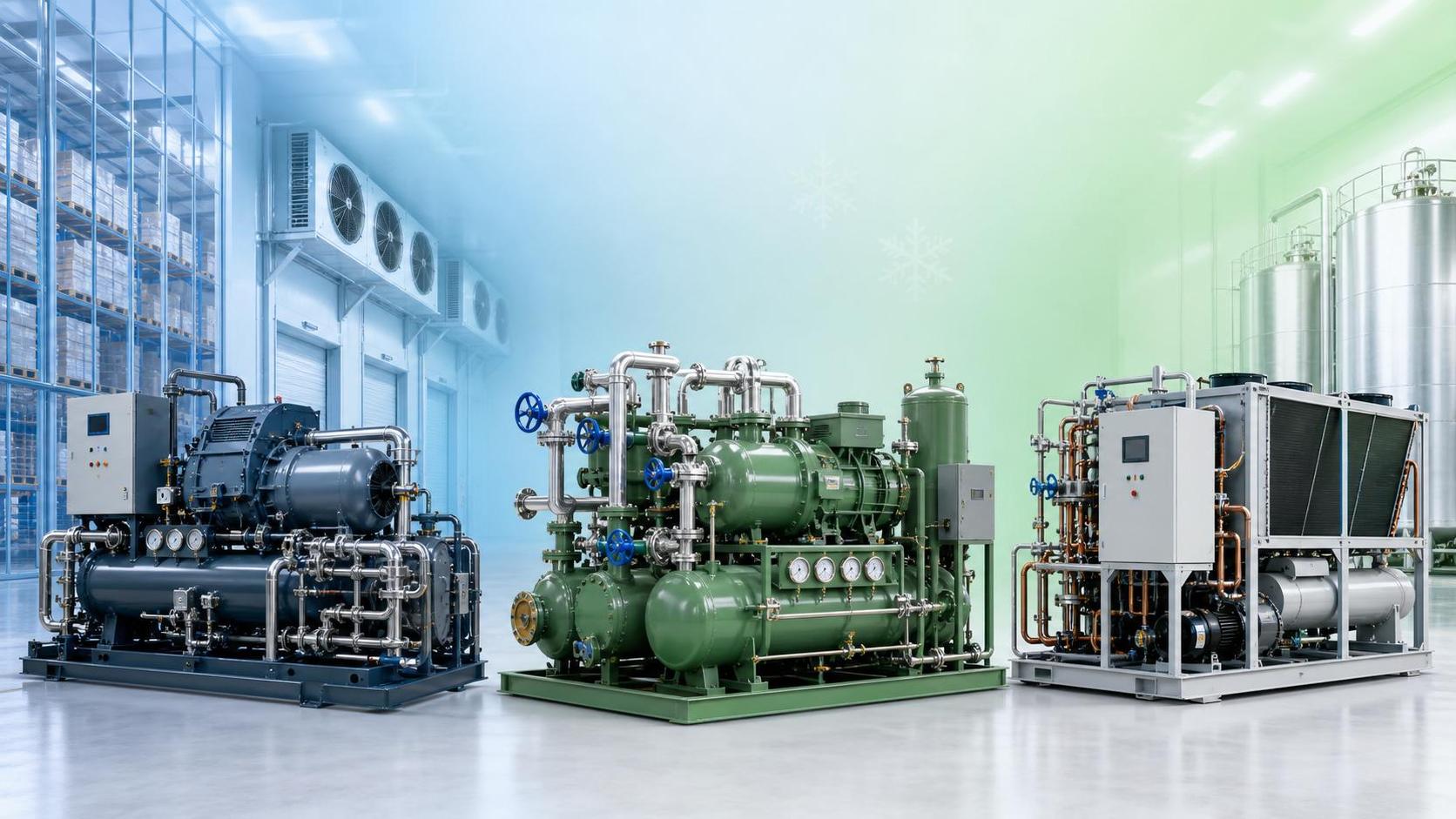
Typical system choices and their long-term cost logic
Practical evaluation points before upgrading cooling assets
A good decision framework should compare total lifecycle cost rather than installed cost alone.
- Measure annual load profile, not only peak demand.
- Estimate refrigerant exposure under current and future regulations.
- Review service history, leak frequency, and downtime patterns.
- Check compatibility with digital controls and remote supervision.
- Model payback using realistic electricity escalation assumptions.
- Include product protection value where temperature integrity is critical.
These steps help separate genuine eco-friendly cooling value from unsupported efficiency claims.
Common mistakes to avoid
- Selecting refrigerant strategy without checking regional compliance timelines.
- Ignoring part-load operation in performance comparisons.
- Undervaluing controls, sensors, and commissioning quality.
- Treating maintenance access as a minor design issue.
A grounded next step for long-term cooling planning
Eco-friendly cooling becomes cheaper over time when technology, refrigerant choice, and operating strategy work together.
The strongest results usually come from lifecycle analysis, not price-only procurement.
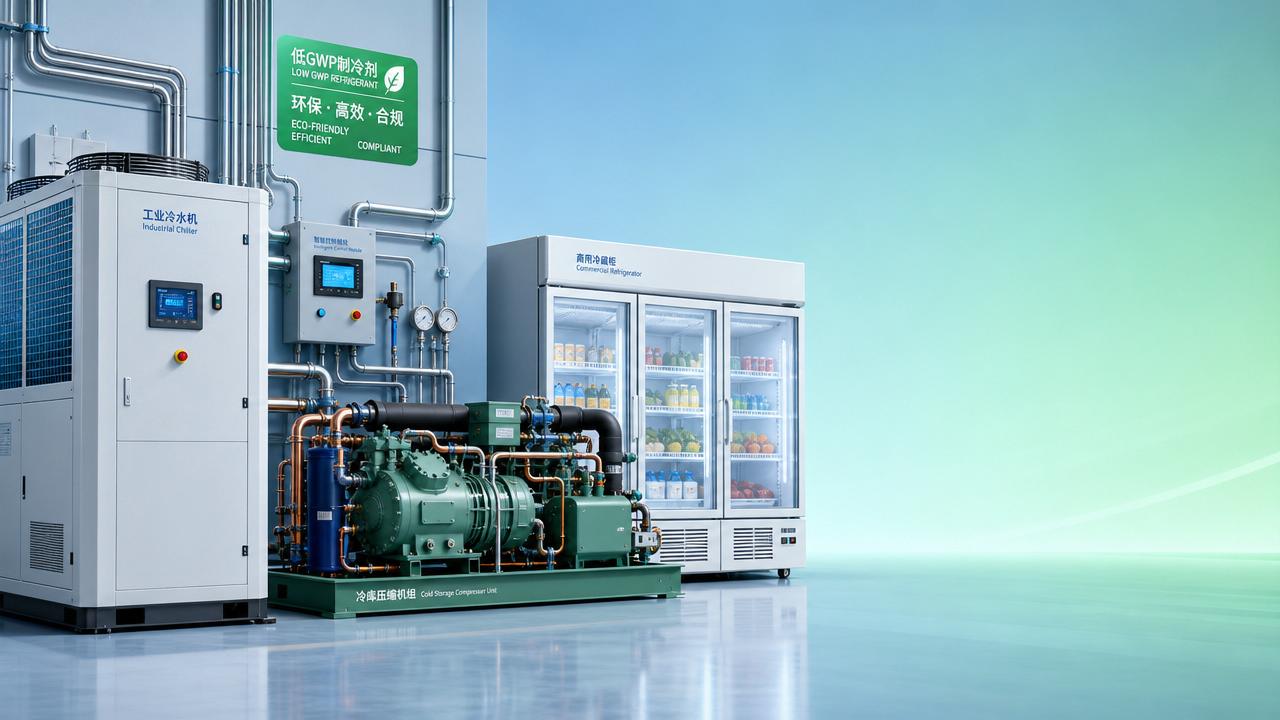
For facilities using chillers, cold storage compressors, commercial refrigeration cabinets, ice systems, or ultra-low freezers, the opportunity is practical and measurable.
Review current energy performance, refrigerant exposure, and maintenance data first.
Then compare eco-friendly cooling options against a ten-year cost horizon.
That approach creates a clearer path toward lower operating cost, stronger resilience, and more future-ready cooling infrastructure.
Recommended News
 Eco-Refrigerant & ComplianceF-Gas Regulations Are Changing Equipment Choices Faster Than ExpectedAnalyst :Dr. Henrik Weber
 Eco-Refrigerant & ComplianceEco-Friendly Refrigeration: What Looks Green but Performs Poorly?Analyst :Dr. Henrik Weber
 Eco-Refrigerant & ComplianceNatural Refrigerants: Are Compliance Benefits Worth the Transition Cost?Analyst :Dr. Henrik Weber
 Eco-Refrigerant & ComplianceWhat drives low carbon refrigeration adoption in 2026?Analyst :Dr. Henrik Weber
 Eco-Refrigerant & ComplianceEco-friendly cooling is changing compliance planning fastAnalyst :Dr. Henrik Weber
 Eco-Refrigerant & ComplianceLow carbon cooling trends that could reshape investmentsAnalyst :Dr. Henrik Weber
 Eco-Refrigerant & ComplianceHow F-Gas regulations are changing refrigerant decisionsAnalyst :Dr. Henrik Weber
 Eco-Refrigerant & ComplianceIs eco-friendly refrigeration worth the higher upfront costAnalyst :Dr. Henrik Weber
 Eco-Refrigerant & ComplianceWhy low carbon cooling is becoming a compliance priorityAnalyst :Dr. Henrik Weber
 Eco-Refrigerant & ComplianceLow carbon refrigeration options that cut long-term costsAnalyst :Dr. Henrik Weber
 Eco-Refrigerant & ComplianceWhat buyers miss when choosing eco-friendly refrigerationAnalyst :Dr. Henrik Weber
 Eco-Refrigerant & ComplianceWhy low carbon refrigeration is becoming a board issueAnalyst :Dr. Henrik Weber
 Eco-Refrigerant & ComplianceWhat F-Gas regulations mean for equipment choices in 2026Analyst :Dr. Henrik Weber
![]() Eco-Refrigerant & ComplianceIndonesia Launches Green Refrigeration Channel for R290 Cold CabinetsAnalyst :Dr. Henrik Weber
Eco-Refrigerant & ComplianceIndonesia Launches Green Refrigeration Channel for R290 Cold CabinetsAnalyst :Dr. Henrik Weber Eco-Refrigerant & ComplianceWhy low carbon cooling is becoming a safer long betAnalyst :Dr. Henrik Weber
 Eco-Refrigerant & ComplianceWhat makes eco-friendly cooling cheaper over time?Analyst :Dr. Henrik Weber
 Eco-Refrigerant & ComplianceF-Gas regulations are changing how cooling gets approvedAnalyst :Dr. Henrik Weber
 Eco-Refrigerant & ComplianceHow eco-friendly refrigeration cuts compliance riskAnalyst :Dr. Henrik Weber
 Eco-Refrigerant & ComplianceHow low carbon cooling cuts compliance risk in 2026Analyst :Dr. Henrik Weber
 Eco-Refrigerant & ComplianceLow Carbon Refrigeration: Compare Refrigerants, Energy Use, and ComplianceAnalyst :Dr. Henrik Weber
 Eco-Refrigerant & ComplianceEco-Friendly Cooling Options: Refrigerants, Efficiency, and Compliance ChecksAnalyst :Dr. Henrik Weber
![]() Eco-Refrigerant & ComplianceWhat Are Natural Refrigerants? Types, GWP Limits, and Where They Fit BestAnalyst :Dr. Henrik Weber
Eco-Refrigerant & ComplianceWhat Are Natural Refrigerants? Types, GWP Limits, and Where They Fit BestAnalyst :Dr. Henrik Weber Eco-Refrigerant & ComplianceEco-Friendly Cooling vs Conventional Systems: What Buyers Should Compare FirstAnalyst :Dr. Henrik Weber
 Eco-Refrigerant & ComplianceEco-Friendly Refrigeration vs Conventional Systems: Refrigerants, Energy Use, and ComplianceAnalyst :Dr. Henrik Weber
 Eco-Refrigerant & ComplianceLow Carbon Refrigeration: Key Standards, Refrigerant Options, and ROI FactorsAnalyst :Dr. Henrik Weber
 Eco-Refrigerant & ComplianceTemperature Control Standards for Food Storage: Critical Limits, Logging, and Audit ChecksAnalyst :Dr. Henrik Weber
 Eco-Refrigerant & ComplianceLow Carbon Cooling Options Explained: Refrigerants, Compliance, and System Trade-OffsAnalyst :Dr. Henrik Weber
 Eco-Refrigerant & ComplianceDigital Refrigeration vs Conventional Controls: What Improves Monitoring and Compliance?Analyst :Dr. Henrik Weber
 Eco-Refrigerant & ComplianceLow Carbon Cooling Options for Commercial Refrigeration: CO2, Ammonia, and Hybrid SystemsAnalyst :Dr. Henrik Weber
 Eco-Refrigerant & ComplianceLow Carbon Cooling Options Compared: CO2, Ammonia, and HFO Systems for ComplianceAnalyst :Dr. Henrik Weber
 Eco-Refrigerant & ComplianceIndustrial Refrigeration Systems Buying Guide: Lifecycle Cost, Efficiency, and ComplianceAnalyst :Dr. Henrik Weber
 Eco-Refrigerant & ComplianceEco-Friendly Cooling Options: Refrigerants, Energy Use, and Compliance Factors ComparedAnalyst :Dr. Henrik Weber
 Eco-Refrigerant & ComplianceNatural Refrigerants vs HFCs: How to Compare Compliance, Safety, and System DesignAnalyst :Dr. Henrik Weber
 Eco-Refrigerant & ComplianceHow to Read Specification-Oriented Product Guides for Refrigeration EquipmentAnalyst :Dr. Henrik Weber
 Eco-Refrigerant & ComplianceLow Carbon Refrigeration Options for Supermarkets: CAPEX, Energy Use, and Compliance ComparedAnalyst :Dr. Henrik Weber
 Eco-Refrigerant & ComplianceRACC 2026 to Host PFAS Compliance Briefing in HangzhouAnalyst :Dr. Henrik Weber
 Eco-Refrigerant & ComplianceEPA Rule Challenge Raises HFC Supply Chain ConcernsAnalyst :Dr. Henrik Weber
 Eco-Refrigerant & ComplianceLow Carbon Refrigeration Systems vs Conventional Setups: Which Delivers Lower Lifecycle Cost?Analyst :Dr. Henrik Weber
 Eco-Refrigerant & ComplianceLow GWP Refrigeration Explained: Refrigerants, Regulations, and System Trade-OffsAnalyst :Dr. Henrik Weber
 Eco-Refrigerant & ComplianceLow Carbon Refrigeration Systems Retrofit: When to Upgrade and Which Changes Matter MostAnalyst :Dr. Henrik Weber