Industry News
Curation by industry experts
Hot Articles
- Thermodynamic Tech TrendsHow to Size Heat Exchange Systems for Refrigeration Plants at Peak Load
- Parallel Compressor RacksHow to Size Reciprocating Compressors for Cold Storage Load and Temperature Range
- Flake Ice MachinesHow to Size a Commercial Ice Dispenser for Peak Demand in Foodservice Operations
Popular Tags
Why does temperature control fail in precision cooling?
When precision cooling drifts off target, the cause is rarely a single faulty sensor. For operators, temperature control can fail because of unstable heat loads, poor airflow, refrigerant imbalance, icing, incorrect setpoints, or delayed maintenance signals hidden inside the system. In cold storage, industrial chillers, medical freezers, and refrigeration cabinets, even small deviations can affect product quality, equipment life, and energy costs. This guide explains the most common failure points in practical terms, helping users recognize warning signs early and restore reliable cooling performance.
Where temperature control usually breaks down first
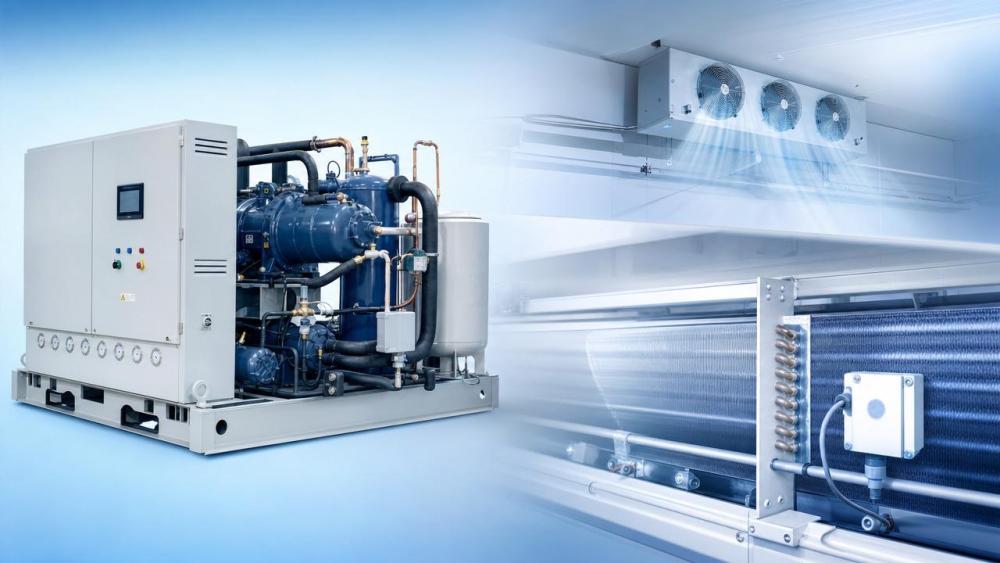
Precision cooling depends on a chain of components working together: sensors, controllers, compressors, valves, fans, heat exchangers, refrigerant circuits, insulation, and operating habits. If one link becomes unstable, temperature control starts to drift.
Operators often notice the symptom before the cause. A cabinet runs longer than usual, a cold room recovers slowly after door opening, or an ultra-low temperature freezer alarms during peak loading.
The practical failure chain
- Heat enters faster than the system can remove it, usually through door openings, warm product loading, poor insulation, or oversized process heat.
- Air movement becomes uneven, causing cold spots near the evaporator and warm zones around shelves, pallets, molds, or product stacks.
- The refrigeration circuit loses balance because of incorrect refrigerant charge, valve hunting, condenser fouling, or compressor capacity mismatch.
- The controller receives delayed or misleading information from poorly positioned probes, damaged sensors, or incorrect calibration settings.
For CCRS, temperature control is not viewed as one controller value on a screen. It is the visible result of thermodynamics, equipment design, installation quality, and daily operating discipline.
How different cooling scenarios show different warning signs
A temperature control problem in a supermarket cabinet does not look the same as one in a chiller or medical freezer. The first step is to read the symptom in context.
The table below helps operators connect common symptoms with likely causes across industrial, commercial, and deep-cold applications.
This comparison shows why one generic fix is risky. Reliable temperature control requires matching troubleshooting steps to the equipment type, product sensitivity, and real operating pattern.
Why unstable heat load defeats even a good controller
A controller can only respond to the load it sees. If the heat load changes faster than the refrigeration system can remove heat, temperature control becomes reactive rather than stable.
In factories, laser cutting, injection molding, plating baths, and hydraulic systems may release heat in pulses. In cold rooms, warm goods introduce a hidden thermal mass that continues releasing heat for hours.
Operator checks for load instability
- Compare temperature deviation with production timing, door opening logs, defrost cycles, loading schedules, and shift changes.
- Check whether alarms happen only during peak load instead of during stable night or standby operation.
- Confirm whether the cooling system was selected for average load or maximum simultaneous load.
- Review whether buffer tanks, thermal storage, or staged loading could reduce sudden demand.
When heat load is the root cause, lowering the setpoint often makes performance worse. It increases compressor runtime, raises energy use, and may still fail to improve real product temperature.
Airflow, icing, and sensor placement: the small details operators can see
Many temperature control failures come from visible field conditions rather than complex electronic faults. Air must reach the product, return to the evaporator, and pass through clean heat exchange surfaces.
Common airflow mistakes
- Pallets or cartons are stacked against evaporator discharge, forcing cold air to short-circuit back to the coil.
- Retail shelves are loaded above the air curtain limit, exposing front products to warm ambient air.
- Condenser coils are blocked by dust, packaging, walls, or poor ventilation, increasing condensing temperature and reducing capacity.
- Evaporator fans run, but blade damage, ice buildup, or incorrect rotation reduces effective air volume.
Why icing changes the control response
Frost acts like insulation. A frozen evaporator may still produce cold air near the coil, but heat transfer falls and temperature control becomes slow and uneven.
Repeated icing can indicate high humidity infiltration, failed defrost heaters, poor drain heating, incorrect defrost termination, or door discipline issues. The solution is not simply adding more defrost time.
Sensor position matters
A probe placed in direct discharge air may report colder conditions than the product actually experiences. A probe near a door may trigger unnecessary cooling and energy waste.
Refrigerant circuit imbalance and control component faults
If airflow and load are reasonable, operators should consider the refrigeration circuit. Refrigerant charge, expansion control, compressor performance, and condenser efficiency directly affect temperature control accuracy.
The following table summarizes technical parameters that service teams often review when unstable temperature control cannot be solved by basic operating adjustments.
These values should not be adjusted blindly. Refrigerant work must follow local safety rules, environmental requirements, and the equipment manufacturer’s service procedures.
Setpoints, alarms, and digital logic: when the system is doing exactly what it was told
Some temperature control failures are not mechanical failures. They happen because the control logic, alarm limits, and real product requirements are not aligned.
Settings that deserve a second look
- Setpoint and differential: a very narrow band can cause short cycling, while a wide band can allow product temperature deviation.
- Alarm delay: a delay that is too long hides real risk, while a delay that is too short creates frequent nuisance alarms.
- Defrost timing: fixed schedules may waste energy or leave frost untreated when humidity and door openings vary.
- Probe selection: air temperature, product simulator, return air, supply air, and fluid outlet temperature each serve different decisions.
For medical storage, food safety, and high-value industrial processes, operators should record both air temperature and product-relevant temperature. The controller display alone may not represent actual risk.
How to choose equipment that holds temperature control under real use
Purchasing teams often compare nominal capacity and price, but operators live with the consequences. Stable temperature control requires selecting equipment for load profile, environment, refrigerant strategy, and service access.
Use the following procurement checklist when evaluating chillers, cold room systems, cabinets, ice machines, compressors, or ultra-low temperature freezers.
A lower purchase price can become expensive if the unit cannot hold stable temperature control during peak use. The right comparison includes energy, downtime, product loss, and maintenance access.
Field troubleshooting workflow for operators
Operators do not need to replace technicians, but they can collect the right evidence. Good records shorten diagnosis time and prevent repeated parts replacement.
A practical five-step workflow
- Confirm the symptom: note setpoint, actual temperature, alarm time, load condition, and whether product temperature also changed.
- Inspect visible conditions: doors, gaskets, airflow paths, fan operation, frost, drains, condenser cleanliness, and ambient temperature.
- Review recent changes: new loading pattern, revised setpoint, seasonal ambient shift, maintenance work, or product packaging change.
- Check control records: trend logs, defrost history, compressor starts, alarm delays, and sensor readings from multiple locations.
- Escalate with data: provide service teams with photos, logs, operating schedule, refrigerant nameplate data, and maintenance history.
This workflow reduces guesswork. It also helps distinguish between an urgent mechanical fault and an operating condition that requires procedure changes.
Compliance and safety factors operators should not overlook
Temperature control is connected to safety and regulatory risk. Food storage, pharmaceutical preservation, laboratory samples, and industrial processes may require documented evidence of stable conditions.
Common reference points
- Food cold chain operations often require clear records for storage temperature, corrective actions, and product handling procedures.
- Medical and laboratory storage may require calibrated probes, alarm verification, backup plans, and documented response procedures.
- Refrigerant handling should follow local environmental rules, including restrictions on high-GWP refrigerants and leak management requirements.
- Electrical and pressure systems should be serviced according to manufacturer instructions and applicable safety practices.
CCRS tracks global refrigerant transition trends, including natural refrigerants such as CO2 systems, so operators and buyers can consider both current performance and future compliance risk.
FAQ: common questions about temperature control failure
Why does the display show normal temperature while products feel warm?
The probe may be reading return air, discharge air, or a location that does not represent the product. Check loading height, airflow paths, and product simulators before changing the setpoint.
Should I lower the setpoint when temperature control becomes unstable?
Not immediately. A lower setpoint can increase compressor runtime and frost formation without solving airflow, load, or refrigerant issues. Diagnose the cause first.
How often should sensors be checked?
The interval depends on risk level. High-value medical storage or critical processing usually needs more frequent verification than general storage, especially after relocation, service, or repeated alarms.
Can AI defrost or digital monitoring prevent failures?
They can reduce risk by detecting patterns earlier, but they do not replace clean coils, correct loading, stable airflow, and proper service. Good data works best with disciplined operation.
Why choose CCRS for cooling intelligence and decision support
CCRS connects field operation, thermodynamic analysis, refrigerant compliance, and market intelligence across industrial chillers, ice machines, compressors, refrigeration cabinets, and ultra-low temperature freezers.
For operators, this means temperature control questions can be reviewed from both practical and strategic angles: what is failing today, and what should be improved before the next investment.
Consult us when you need clearer answers
- Parameter confirmation for setpoints, alarm limits, defrost logic, sensor positions, and operating records.
- Product selection support for chillers, cold storage systems, cabinets, ice-making equipment, and ultra-low temperature applications.
- Compliance discussion for refrigerant transition, F-Gas risk, natural refrigerant options, and export market requirements.
- Retrofit and lifecycle cost evaluation, including energy impact, downtime risk, monitoring upgrades, and maintenance planning.
- Quotation preparation support based on load profile, delivery schedule, customization needs, and documentation expectations.
If your equipment cannot maintain reliable temperature control, share your operating conditions, temperature logs, equipment type, refrigerant information, and target application. CCRS can help turn scattered symptoms into a practical action path.
Recommended News
 Precision ChillersIndustrial Chillers: What Causes Performance Gaps in Summer?Analyst :Industrial Cooling Architect
 Precision ChillersWhat to compare before buying energy efficient chillersAnalyst :Industrial Cooling Architect
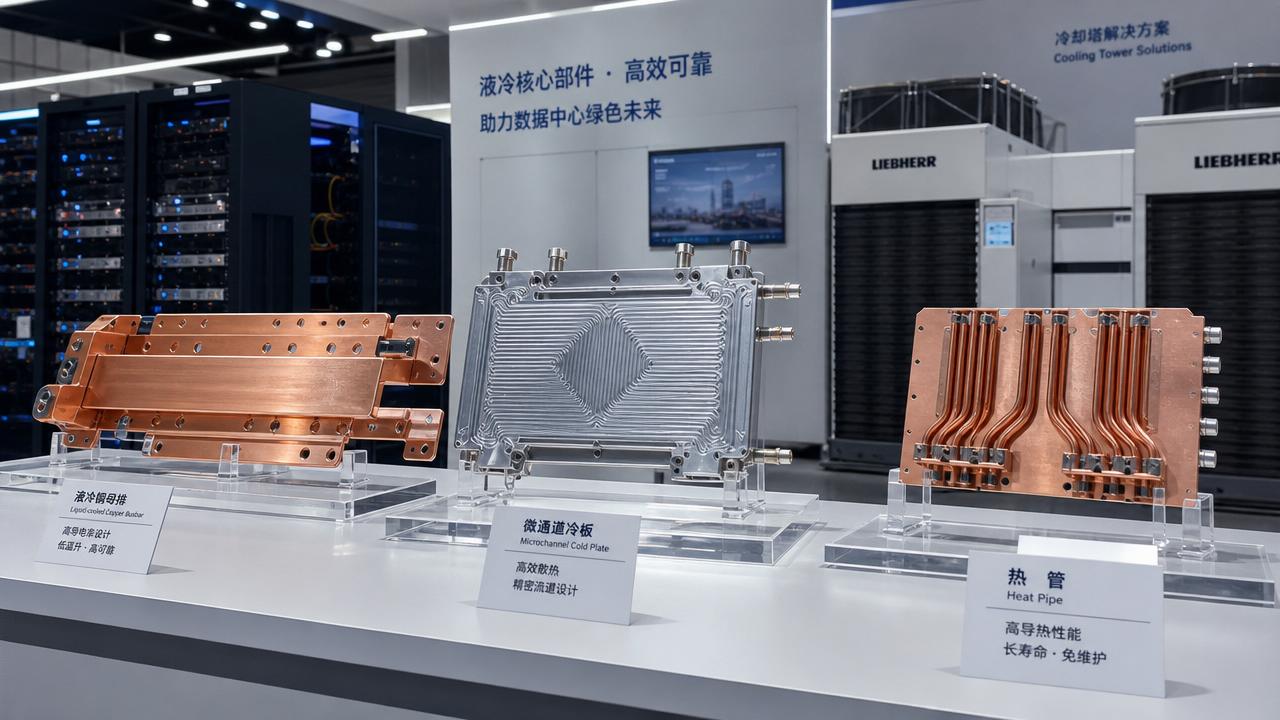
 Precision Chillers2026 China Refrigeration Expo Concludes: Liquid Cooling for Data Centers Gains Global AttentionAnalyst :Industrial Cooling Architect
 Precision ChillersWhat defines energy efficient cooling in real projectsAnalyst :Industrial Cooling Architect
 Precision ChillersUS Court Rules Trump-Era Global Tariffs Lack Legal BasisAnalyst :Industrial Cooling Architect
 Precision ChillersHow to compare temperature control systems with confidenceAnalyst :Industrial Cooling Architect
 Precision ChillersWhy does temperature control fail in precision cooling?Analyst :Industrial Cooling Architect
 Precision ChillersTemperature Control Systems for Process Cooling: Key Specs to CompareAnalyst :Industrial Cooling Architect
![]() Precision ChillersIndustrial Cooling System Selection: Air-Cooled vs Water-Cooled vs EvaporativeAnalyst :Industrial Cooling Architect
Precision ChillersIndustrial Cooling System Selection: Air-Cooled vs Water-Cooled vs EvaporativeAnalyst :Industrial Cooling Architect Precision ChillersLiquid Cooling Parts Draw Middle East Interest at Shanghai ShowAnalyst :Industrial Cooling Architect
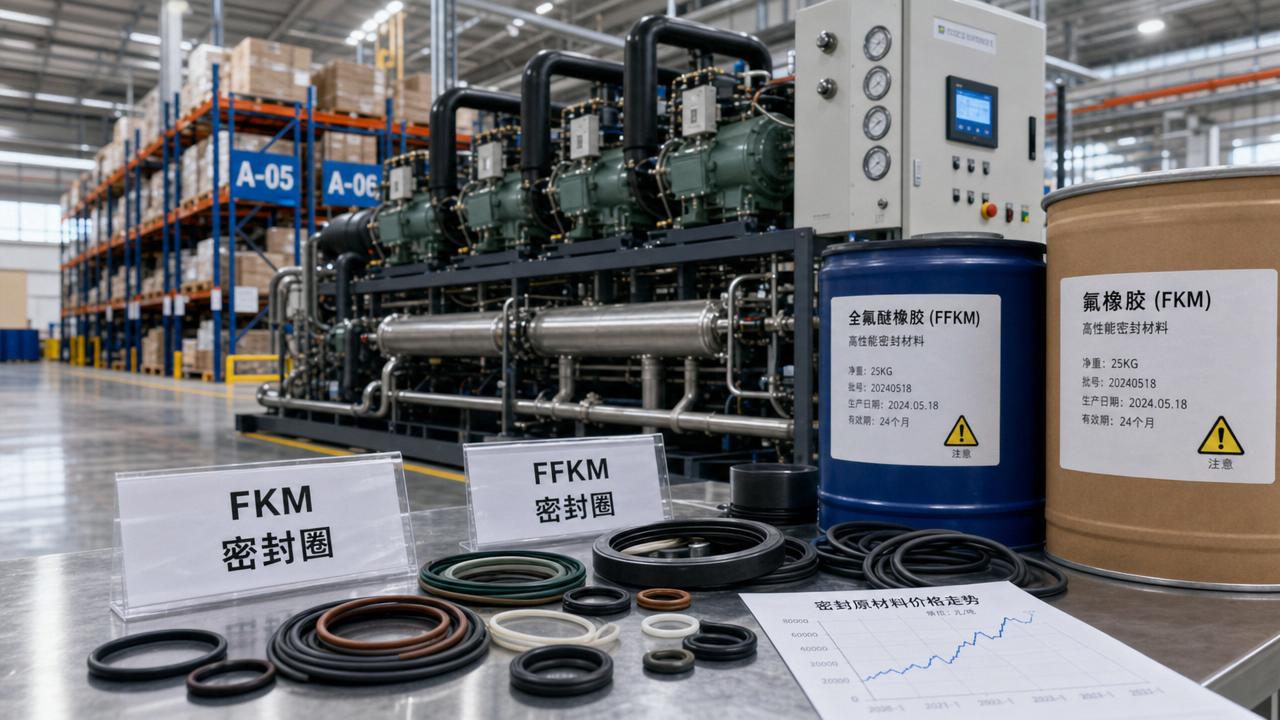
 Precision ChillersUS Probe Into Chinese CBS Raises Sealing Supply Chain ConcernsAnalyst :Industrial Cooling Architect
 Precision ChillersWhat Is Industrial Cooling? Main System Types and How to Choose by LoadAnalyst :Industrial Cooling Architect
 Precision ChillersEnergy Efficient Chillers vs Standard Chillers: What Buyers Should Compare Before PurchaseAnalyst :Industrial Cooling Architect
 Precision ChillersHow to Choose Industrial Chillers for Process Cooling: Capacity, Accuracy, and EfficiencyAnalyst :Industrial Cooling Architect
 Precision ChillersIndustrial Cooling Problems: 7 Common Causes of Unstable Temperature and Low CapacityAnalyst :Industrial Cooling Architect
 Precision ChillersHow to Size Industrial Chillers for Process Cooling: Load, Flow, and Temperature BasicsAnalyst :Industrial Cooling Architect
 Precision ChillersHow to Choose Industrial Chillers: Capacity, Temperature Range, and Cooling MethodAnalyst :Industrial Cooling Architect
 Precision ChillersHow to Choose Energy Efficient Chillers: COP, Load Profile, and Cooling Capacity ExplainedAnalyst :Industrial Cooling Architect
 Precision ChillersHow to Size Industrial Chillers for Process Cooling: Load, Flow Rate, and Temperature GuideAnalyst :Industrial Cooling Architect
 Precision ChillersIndustrial Process Cooling: How to Match Cooling Load to the Right SystemAnalyst :Industrial Cooling Architect
 Precision ChillersHow to Compare Commercial Energy Efficient Chiller Systems Price by Load and ROIAnalyst :Industrial Cooling Architect
 Precision ChillersHow to Compare Energy Efficient Chillers with Variable Speed for Process Cooling LoadsAnalyst :Industrial Cooling Architect
 Precision ChillersRed Sea Disruption Lifts Asia-Europe Freight 42%Analyst :Industrial Cooling Architect
 Precision ChillersHow to Choose Air Cooled Chillers with Variable Speed for Stable Load ControlAnalyst :Industrial Cooling Architect
 Precision ChillersRed Sea Disruption Pushes Asia-Europe Freight Up 42%Analyst :Industrial Cooling Architect
 Precision ChillersHow to Evaluate an Energy Efficient Chillers Supplier for Industrial ProjectsAnalyst :Industrial Cooling Architect
 Precision ChillersInjection Molding Cooling Systems ISO Requirements: What to Check Before ApprovalAnalyst :Industrial Cooling Architect
 Precision ChillersHow to Choose Low-Noise Laser Cooling Systems for Precision LabsAnalyst :Industrial Cooling Architect
![]() Precision ChillersInjection Molding Cooling Systems Variable Speed: Where Energy Savings Actually Come FromAnalyst :Industrial Cooling Architect
Precision ChillersInjection Molding Cooling Systems Variable Speed: Where Energy Savings Actually Come FromAnalyst :Industrial Cooling Architect Precision ChillersIndustrial Chillers for Glycol Systems: What Capacity, Temperature Range, and Flow Rate Matter Most?Analyst :Industrial Cooling Architect
 Precision ChillersEU Opens Subsidy Probe Into China Precision ChillersAnalyst :Industrial Cooling Architect
 Precision ChillersIndustrial Injection Molding Cooling Systems: How to Size Flow, Temperature, and LoadAnalyst :Industrial Cooling Architect
 Precision ChillersTemperature Control Units vs Temperature Control Devices: What’s the Difference in Industrial Use?Analyst :Industrial Cooling Architect
 Precision ChillersCopper Spike Extends Precision Chiller Lead Times to 14 WeeksAnalyst :Industrial Cooling Architect
 Precision ChillersHow Inverter Control Improves Industrial Chiller Efficiency and Load StabilityAnalyst :Industrial Cooling Architect
 Precision ChillersHow to Compare an Energy Efficient Chillers Exporter on COP, Controls, and Lifecycle CostAnalyst :Industrial Cooling Architect
 Precision ChillersHow to Evaluate a Laser Cooling Systems Factory: Key Capabilities, Quality Checks, and Lead TimesAnalyst :Industrial Cooling Architect
 Precision ChillersHow to Size Industrial Chiller Systems for Process Cooling Loads and Ambient ConditionsAnalyst :Industrial Cooling Architect
 Precision ChillersWhat Affects Heat Exchange Efficiency in Chillers and How to Improve It?Analyst :Industrial Cooling Architect
 Precision ChillersHow to Evaluate Secure Access Features in Stem Cell Cryogenic Storage Systems?Analyst :Industrial Cooling Architect