Industry News
Curation by industry experts
Hot Articles
- Multideck Display CabinetsAnti-Fog Glass Door Technologies for Refrigerated Retail Displays
- Eco-Refrigerant & ComplianceLow-GWP Refrigeration for Supermarkets: How to Compare CO2, R290, and HFO Options
- Cold Chain & Retail Energy InsightsCold Storage Warehouse Solutions: How to Size Capacity, Temperature Zones, and Energy Loads
Popular Tags
Red Sea Disruption Lifts Asia-Europe Freight 42%
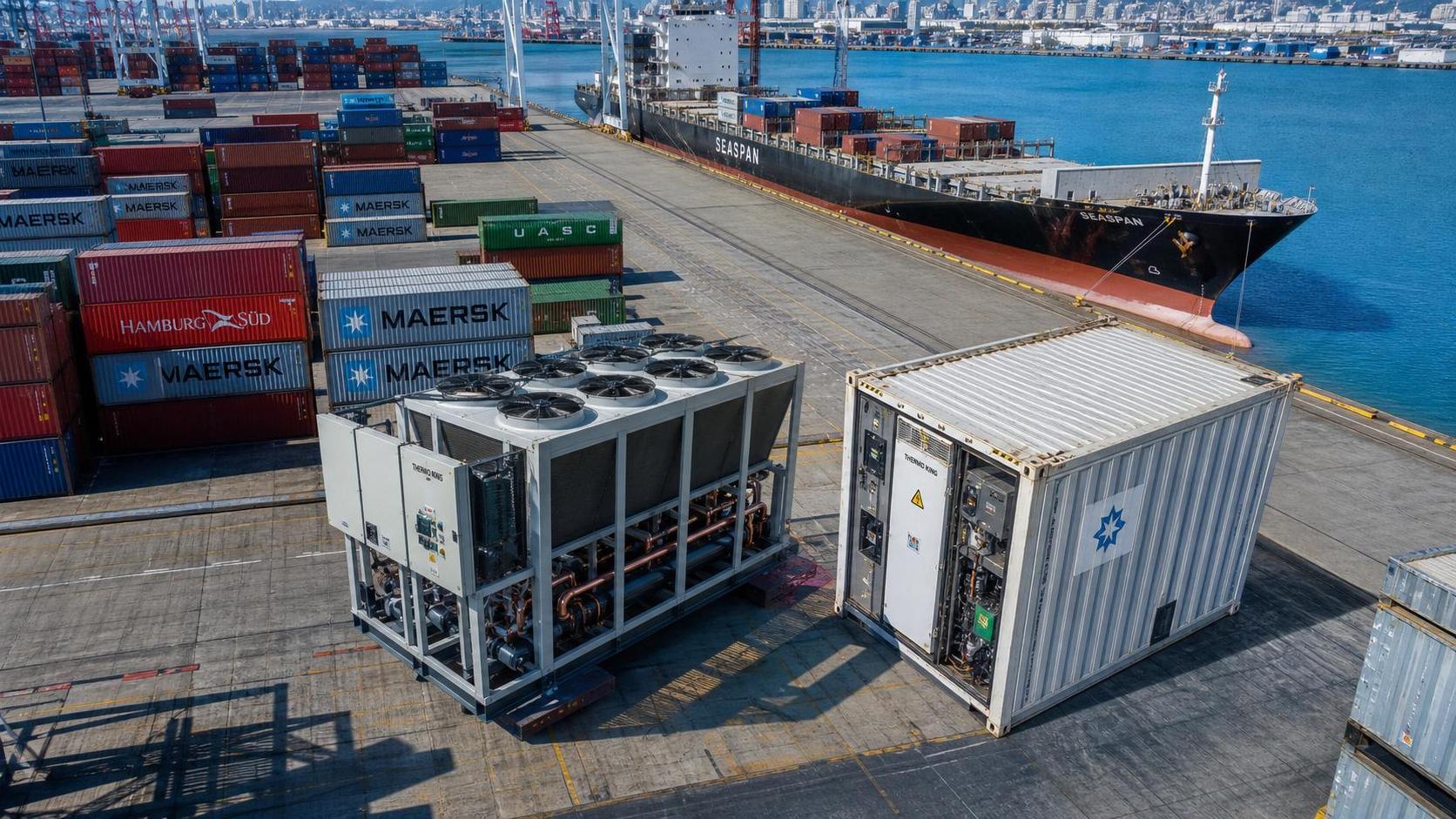
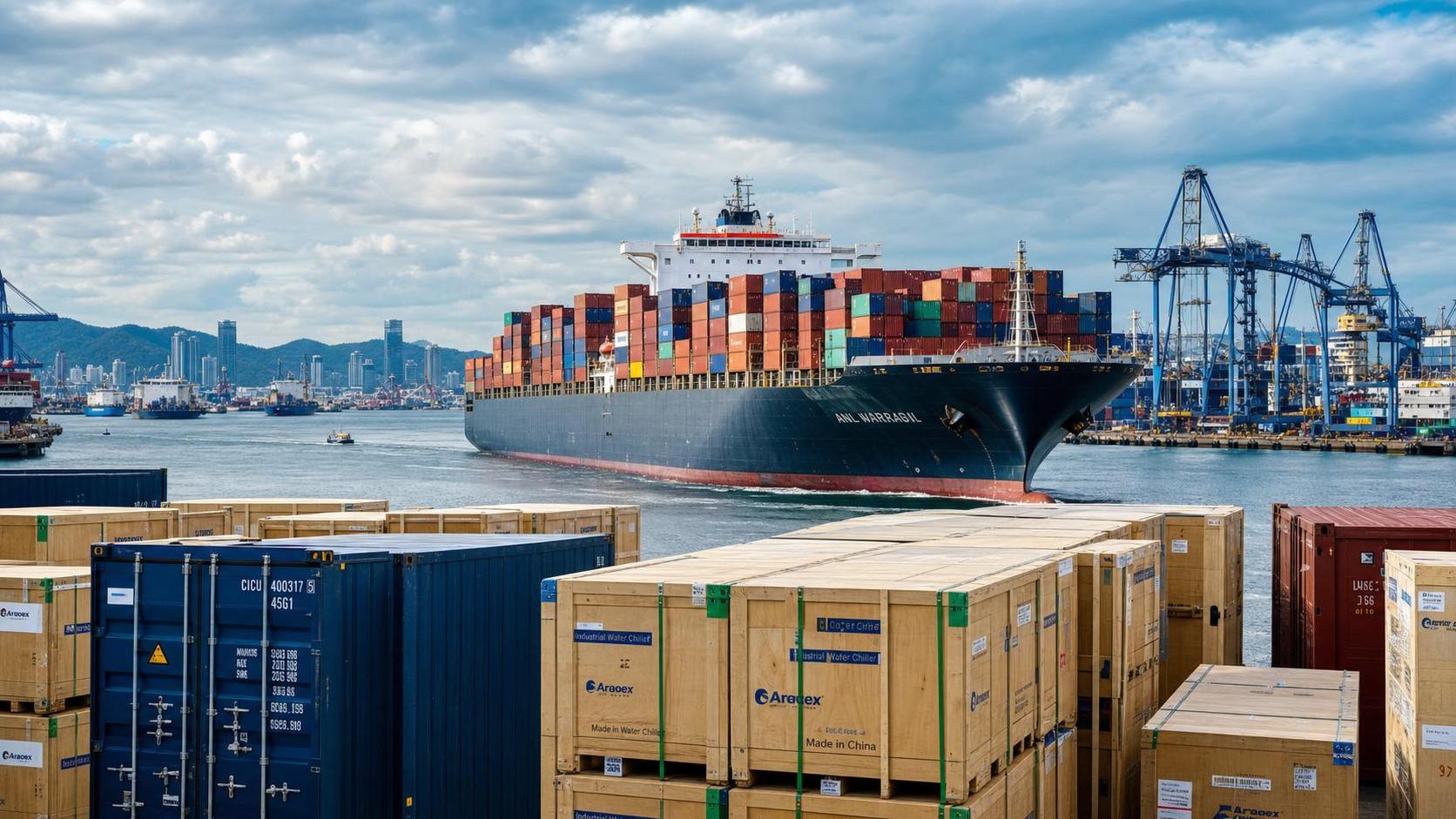
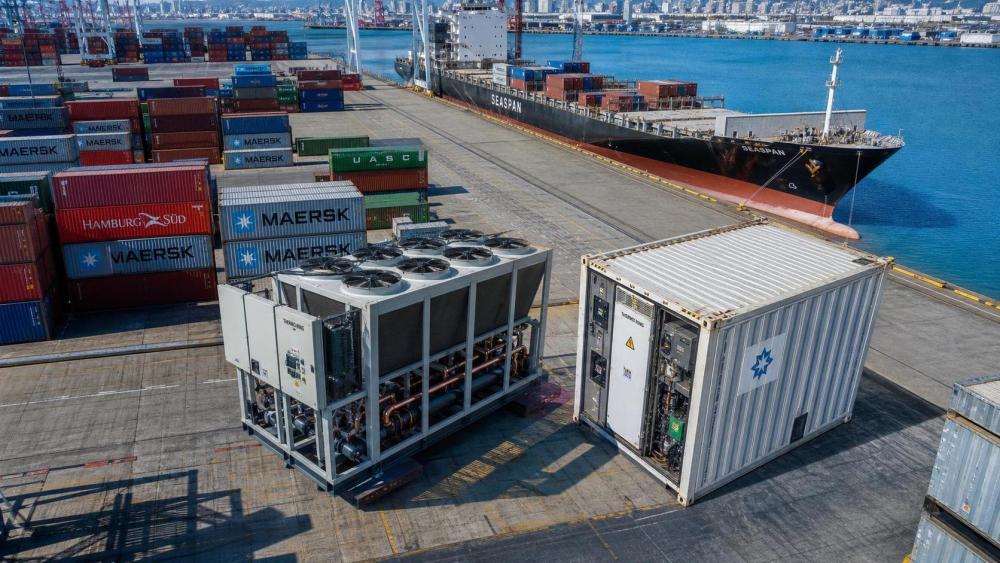
On July 1, 2026, the latest shipping update pointed to a sharper logistics risk on Asia-Europe routes: spot freight for 40HQ containers on major lanes has risen to $8,950, up 42% year on year, while export lead times for Precision Chillers are widely being pushed back by about three weeks. For exporters, buyers, and supply chain service providers tied to large, temperature-sensitive equipment, this matters because the issue is no longer only about higher transport cost, but also about vessel space access and delivery reliability in the Q3 shipping window.
What the latest shipping data confirms
According to the first-week July 2026 shipping index jointly released by Alphaliner and Drewry, ongoing military action in the Red Sea has driven up spot freight rates on key Asia-Europe trunk routes including FE4 and AE10. The reported spot rate for a 40HQ container reached $8,950, representing a 42% increase from a year earlier.
The same update indicates that Precision Chillers are already facing space shortages on routes such as Shanghai-Rotterdam and Ningbo-Hamburg. The products are described as large in volume, temperature-sensitive, and dependent on temperature-controlled containers. Mainstream exporters have reported that Q3 order delivery windows have been delayed by an average of 21 days.
Where the pressure is likely to be felt first
Exporters of large, temperature-sensitive equipment
From an industry perspective, exporters of Precision Chillers are likely to face the most direct pressure because their shipments depend on both physical container availability and temperature-control conditions. The impact is likely to show up in booking success rates, confirmed sailing schedules, and the gap between promised and actual delivery dates. What deserves closer attention is whether the three-week delay becomes a planning baseline for Q3 shipments.
Overseas buyers managing delivery commitments
Buyers sourcing Precision Chillers on Asia-Europe routes may be affected through longer order cycles and less predictable arrival timing. The practical concern is not only transit cost but also project scheduling, installation preparation, and downstream coordination tied to expected delivery windows. Observably, buyers will need to monitor whether current lead times are being revised at quotation stage or only after booking attempts.
Logistics and forwarding service providers
Supply chain service providers are likely to face tighter coordination demands where chilled or temperature-controlled container resources are limited. Their exposure sits in route planning, container allocation, booking confirmation, and customer communication. The key change to watch is whether space scarcity remains concentrated on the named corridors or spreads more broadly across comparable Asia-Europe movements.
Manufacturing and order management teams
For manufacturers shipping Precision Chillers, the disruption may affect production release timing and export scheduling rather than factory output alone. If delivery windows are slipping by 21 days on average, internal planning around finished goods readiness, warehouse holding periods, and shipment sequencing may need closer control. Analysis shows the operational issue is as much about synchronization with logistics capacity as it is about freight cost.
What companies should monitor now
Route-specific booking conditions
Companies should track whether space shortages remain acute on Shanghai-Rotterdam and Ningbo-Hamburg, since these routes are already identified in the current update. In practice, route-level booking conditions may matter more than a broad market average when planning individual exports of Precision Chillers.
Contract timing versus actual shipment timing
Where Q3 delivery windows are involved, businesses should compare contractual delivery expectations with actual available sailing and container conditions. The current information suggests that the main risk is not just price inflation but slippage between planned dispatch dates and real shipping execution.
Customer communication and delivery documentation
Given the reported average delay of 21 days, exporters and service teams should pay close attention to how delivery schedules are communicated to customers and reflected in order documents. The near-term issue is whether existing commitments still align with current shipping realities on affected Asia-Europe lanes.
Dependency on temperature-controlled container access
Because Precision Chillers are described as dependent on temperature-controlled containers, companies should focus on whether equipment-specific shipping requirements are becoming a larger constraint than standard freight booking itself. This distinction matters when evaluating which orders are most exposed to delay.
Why this looks more than a simple rate spike
Analysis shows this development should not be read only as a freight-price story. The combination of a 42% year-on-year increase in 40HQ spot rates and a reported 21-day delay for Precision Chillers points to a dual pressure of cost escalation and logistics bottleneck. It is more appropriate to understand this as a live operational disruption affecting execution quality on specific export flows.
At the same time, the current information does not by itself prove a lasting structural shift across all shipping segments or all industrial exports. Observably, this remains a situation that requires continued monitoring, especially around whether space shortages persist, expand, or ease in the coming booking cycles.
How the market should read this signal
The immediate industry meaning is clear: for Precision Chillers moving on major Asia-Europe routes, transport planning has become less predictable and more expensive at the same time. For now, it is more appropriate to understand this as a near-term and closely watched logistics signal with direct implications for Q3 execution, rather than as a settled long-term outcome. The most important point is that delivery reliability has become as important as freight pricing in current decision-making.
Source basis and verification status
This article is based on the user-provided news title, event date, and event summary. The confirmed information referenced here comes from the described July 2026 first-week shipping index jointly released by Alphaliner and Drewry, together with the supplied summary regarding route conditions and Precision Chillers delivery delays.
For this type of industry update, typical source categories may include official announcements, company disclosures, industry association information, authoritative media reporting, and shipping market index releases. A specific official source link was not provided in the input, so further verification remains necessary. Follow-up attention should stay on subsequent index updates, route-level space conditions, and whether the reported Q3 delay window changes over time.
Recommended News
 Precision ChillersIndustrial Chillers: What Causes Performance Gaps in Summer?Analyst :Industrial Cooling Architect
 Precision ChillersWhat to compare before buying energy efficient chillersAnalyst :Industrial Cooling Architect
 Precision Chillers2026 China Refrigeration Expo Concludes: Liquid Cooling for Data Centers Gains Global AttentionAnalyst :Industrial Cooling Architect
 Precision ChillersWhat defines energy efficient cooling in real projectsAnalyst :Industrial Cooling Architect
 Precision ChillersUS Court Rules Trump-Era Global Tariffs Lack Legal BasisAnalyst :Industrial Cooling Architect
 Precision ChillersHow to compare temperature control systems with confidenceAnalyst :Industrial Cooling Architect
 Precision ChillersWhy does temperature control fail in precision cooling?Analyst :Industrial Cooling Architect
 Precision ChillersTemperature Control Systems for Process Cooling: Key Specs to CompareAnalyst :Industrial Cooling Architect
![]() Precision ChillersIndustrial Cooling System Selection: Air-Cooled vs Water-Cooled vs EvaporativeAnalyst :Industrial Cooling Architect
Precision ChillersIndustrial Cooling System Selection: Air-Cooled vs Water-Cooled vs EvaporativeAnalyst :Industrial Cooling Architect Precision ChillersLiquid Cooling Parts Draw Middle East Interest at Shanghai ShowAnalyst :Industrial Cooling Architect
 Precision ChillersUS Probe Into Chinese CBS Raises Sealing Supply Chain ConcernsAnalyst :Industrial Cooling Architect
 Precision ChillersWhat Is Industrial Cooling? Main System Types and How to Choose by LoadAnalyst :Industrial Cooling Architect
 Precision ChillersEnergy Efficient Chillers vs Standard Chillers: What Buyers Should Compare Before PurchaseAnalyst :Industrial Cooling Architect
 Precision ChillersHow to Choose Industrial Chillers for Process Cooling: Capacity, Accuracy, and EfficiencyAnalyst :Industrial Cooling Architect
 Precision ChillersIndustrial Cooling Problems: 7 Common Causes of Unstable Temperature and Low CapacityAnalyst :Industrial Cooling Architect
 Precision ChillersHow to Size Industrial Chillers for Process Cooling: Load, Flow, and Temperature BasicsAnalyst :Industrial Cooling Architect
 Precision ChillersHow to Choose Industrial Chillers: Capacity, Temperature Range, and Cooling MethodAnalyst :Industrial Cooling Architect
 Precision ChillersHow to Choose Energy Efficient Chillers: COP, Load Profile, and Cooling Capacity ExplainedAnalyst :Industrial Cooling Architect
 Precision ChillersHow to Size Industrial Chillers for Process Cooling: Load, Flow Rate, and Temperature GuideAnalyst :Industrial Cooling Architect
 Precision ChillersIndustrial Process Cooling: How to Match Cooling Load to the Right SystemAnalyst :Industrial Cooling Architect
 Precision ChillersHow to Compare Commercial Energy Efficient Chiller Systems Price by Load and ROIAnalyst :Industrial Cooling Architect
 Precision ChillersHow to Compare Energy Efficient Chillers with Variable Speed for Process Cooling LoadsAnalyst :Industrial Cooling Architect
 Precision ChillersRed Sea Disruption Lifts Asia-Europe Freight 42%Analyst :Industrial Cooling Architect
 Precision ChillersHow to Choose Air Cooled Chillers with Variable Speed for Stable Load ControlAnalyst :Industrial Cooling Architect
 Precision ChillersRed Sea Disruption Pushes Asia-Europe Freight Up 42%Analyst :Industrial Cooling Architect
 Precision ChillersHow to Evaluate an Energy Efficient Chillers Supplier for Industrial ProjectsAnalyst :Industrial Cooling Architect
 Precision ChillersInjection Molding Cooling Systems ISO Requirements: What to Check Before ApprovalAnalyst :Industrial Cooling Architect
 Precision ChillersHow to Choose Low-Noise Laser Cooling Systems for Precision LabsAnalyst :Industrial Cooling Architect
![]() Precision ChillersInjection Molding Cooling Systems Variable Speed: Where Energy Savings Actually Come FromAnalyst :Industrial Cooling Architect
Precision ChillersInjection Molding Cooling Systems Variable Speed: Where Energy Savings Actually Come FromAnalyst :Industrial Cooling Architect Precision ChillersIndustrial Chillers for Glycol Systems: What Capacity, Temperature Range, and Flow Rate Matter Most?Analyst :Industrial Cooling Architect
 Precision ChillersEU Opens Subsidy Probe Into China Precision ChillersAnalyst :Industrial Cooling Architect
 Precision ChillersIndustrial Injection Molding Cooling Systems: How to Size Flow, Temperature, and LoadAnalyst :Industrial Cooling Architect
 Precision ChillersTemperature Control Units vs Temperature Control Devices: What’s the Difference in Industrial Use?Analyst :Industrial Cooling Architect
 Precision ChillersCopper Spike Extends Precision Chiller Lead Times to 14 WeeksAnalyst :Industrial Cooling Architect
 Precision ChillersHow Inverter Control Improves Industrial Chiller Efficiency and Load StabilityAnalyst :Industrial Cooling Architect
 Precision ChillersHow to Compare an Energy Efficient Chillers Exporter on COP, Controls, and Lifecycle CostAnalyst :Industrial Cooling Architect
 Precision ChillersHow to Evaluate a Laser Cooling Systems Factory: Key Capabilities, Quality Checks, and Lead TimesAnalyst :Industrial Cooling Architect
 Precision ChillersHow to Size Industrial Chiller Systems for Process Cooling Loads and Ambient ConditionsAnalyst :Industrial Cooling Architect
 Precision ChillersWhat Affects Heat Exchange Efficiency in Chillers and How to Improve It?Analyst :Industrial Cooling Architect
 Precision ChillersHow to Evaluate Secure Access Features in Stem Cell Cryogenic Storage Systems?Analyst :Industrial Cooling Architect