Industry News
Curation by industry experts
Hot Articles
- Thermodynamic Tech TrendsHow to Size Heat Exchange Systems for Refrigeration Plants at Peak Load
- Parallel Compressor RacksHow to Size Reciprocating Compressors for Cold Storage Load and Temperature Range
- Flake Ice MachinesHow to Size a Commercial Ice Dispenser for Peak Demand in Foodservice Operations
Popular Tags
EPA Clears R290 for Multideck Display Cabinets
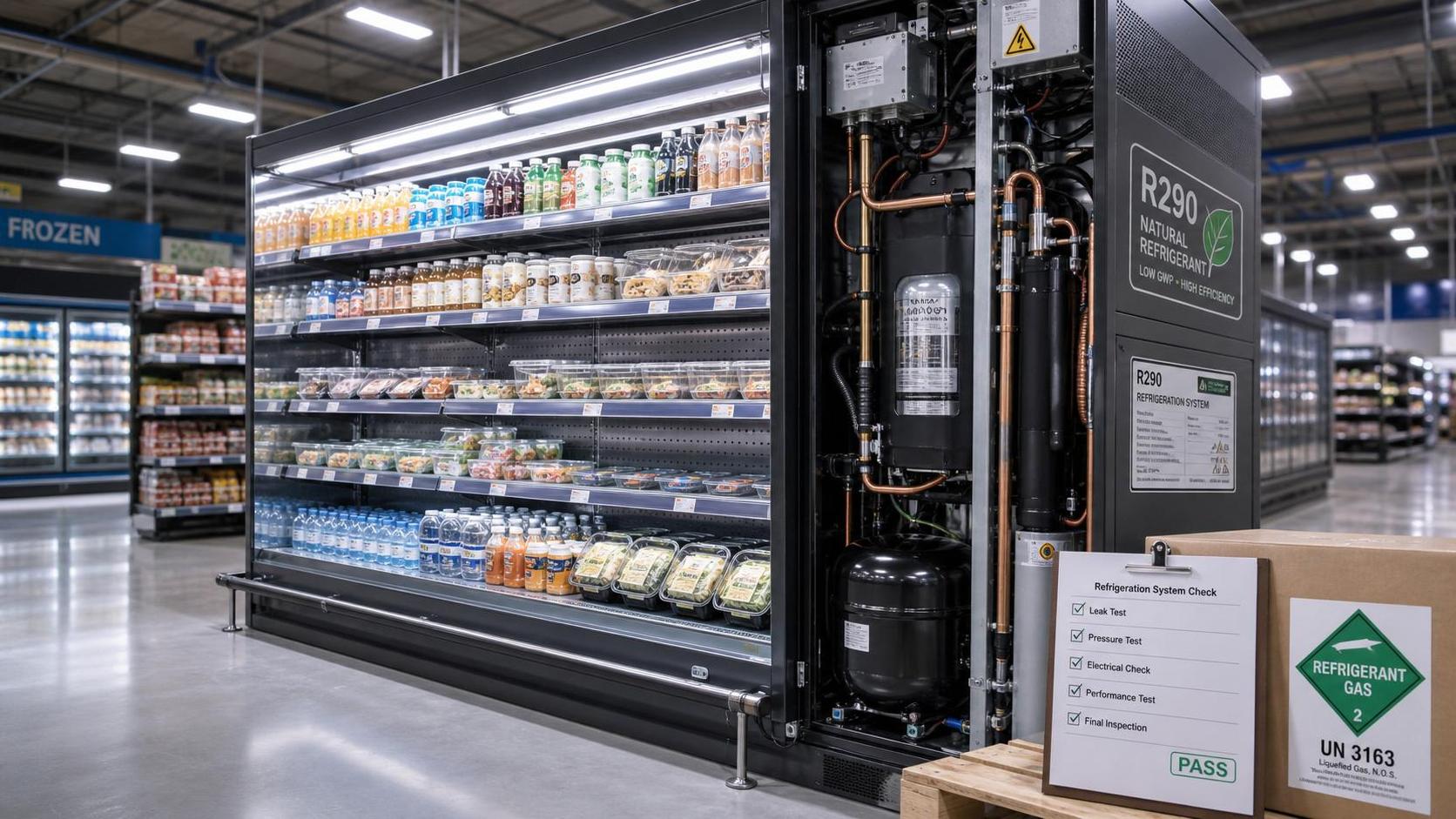
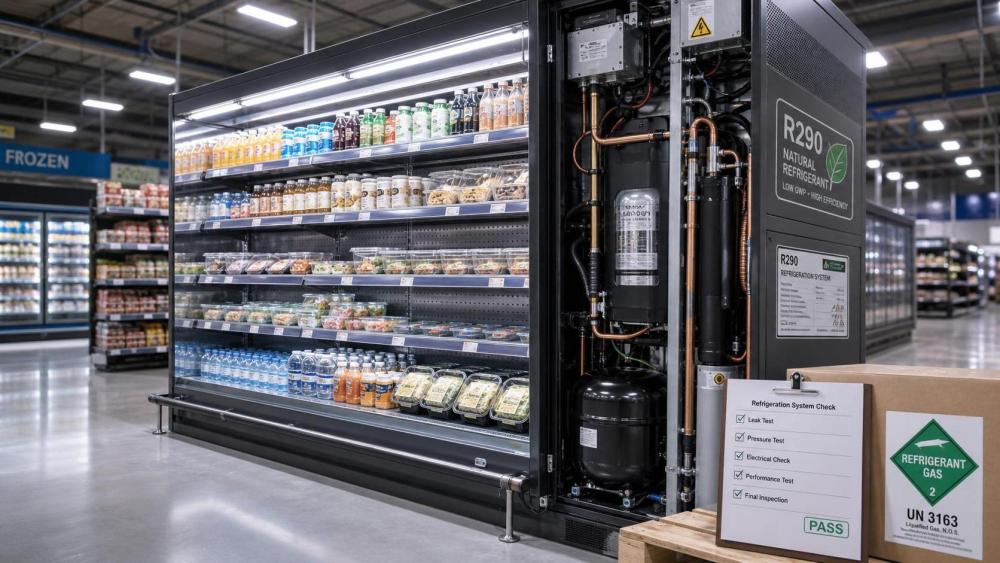
On July 12, 2026, the U.S. EPA issued a SNAP Program Final Rule that moves R290 propane used in multideck display cabinets from a controlled use category to the list of acceptable substitutes. For manufacturers, importers, distributors, compliance teams, and procurement functions tied to commercial refrigeration equipment, this is worth close attention because it changes the regulatory treatment of a specific product application and directly affects compliance review, technical adaptation, and market access work tied to North American trade.
What the final rule changes
According to the provided event summary, the EPA released the SNAP Program Final Rule on July 12, 2026, under FR Doc No. EPA-HQ-OAR-2025-0321. The rule formally reclassifies the use of R290 propane in multideck display cabinets from “controlled use” to “acceptable substitute.”
The confirmed change also includes the removal of the previous charge-size limit and the removal of additional safety certification requirements that had applied to this application. Based on the provided information, the rule change reduces import compliance costs and lowers technical adaptation barriers for North American channel operators.
Where the immediate business impact is likely to appear
Product specification and market-entry reviews
From an industry perspective, equipment manufacturers and exporters involved in multideck display cabinets are likely to feel the effect first in product qualification and market-entry review workflows. Because the rule changes the status of R290 in this specific application, the practical impact may appear in how product configurations are assessed for sale, import, or channel acceptance. What deserves closer attention is whether internal product files, compliance checklists, and technical descriptions still reflect the earlier controlled-use framework.
Import and channel distribution procedures
Importers and channel distributors may be affected because the summary explicitly points to lower import compliance costs and reduced technical adaptation barriers in North America. Analysis shows that this can matter in pre-shipment document review, product onboarding, and distributor-side acceptance checks. The key point is not that all downstream procedures will change automatically, but that businesses should examine whether their current import documentation, product declarations, and compliance review steps are still based on earlier restrictions.
Certification and testing-related service work
Certification-related firms and testing service providers may also need to reassess how they interpret project requirements for this product category. Since the provided facts state that additional safety certification requirements were removed for this application, the relevant business impact may show up in customer guidance, document requests, and conformity review scopes. Observably, companies in this part of the chain should pay attention to how clients, buyers, and channel partners update their own submission requirements.
Procurement and delivery coordination
Procurement teams and supply chain service providers may need to revisit current sourcing and delivery assumptions where multideck display cabinets using R290 are involved. Analysis shows that when a rule reduces compliance burdens and technical adaptation requirements, the first operational questions usually concern specification alignment, supplier documentation, and delivery readiness. In this case, companies should focus on whether procurement files, bid materials, and delivery documents continue to reference conditions that no longer apply under the updated SNAP listing.
What companies should review now
Check whether internal compliance files still use the old classification
The most immediate practical step is to review whether product compliance files, internal approval templates, and customer-facing technical documents still describe R290 use in multideck display cabinets under the previous controlled-use status. The provided information confirms a regulatory reclassification, so document alignment becomes a necessary review point.
Monitor official wording and execution practice
Analysis shows that companies should treat the final rule as an implemented regulatory change, while still tracking how the wording is applied in practice by market participants. What deserves closer attention is whether procurement documents, customer compliance questionnaires, and channel onboarding requirements are updated in line with the new EPA treatment. The input does not provide those downstream execution details, so they should be monitored rather than assumed.
Reassess certification and submission packages
Because the summary states that additional safety certification requirements were removed for this application, businesses should review which certifications, reports, and technical attachments are still being requested in actual transactions. This does not mean every buyer or intermediary will immediately revise its document list. It is more appropriate to understand this as a prompt to verify submission packages, technical files, and bid materials against the new rule status.
Align procurement and supplier communication
Companies involved in sourcing, importing, or distributing these cabinets should also confirm that suppliers, service providers, and downstream teams are working from the same regulatory understanding. Observably, mismatches often appear first in specification sheets, delivery documentation, and qualification questionnaires. The current input does not confirm how quickly counterparties will adjust, so this remains a live execution point rather than a settled outcome.
How this development is best understood at this stage
Analysis shows that this update is more than a general policy signal because the input describes a final rule and a formal move to the acceptable substitutes list for a defined application. At the same time, it should not be overstated as an automatic, uniform market result across every transaction or buyer requirement. It is more appropriate to understand this as a rule change that has already landed at the regulatory level, while the pace and consistency of implementation across certification practice, tender documents, procurement systems, and channel acceptance still warrant observation.
The practical takeaway for the trade and compliance chain
For the industry, the main significance of this event lies in the change in regulatory treatment of R290 in multideck display cabinets and the related reduction in compliance and technical-entry burdens described in the input. A rational reading is that the rule has immediate relevance for product review, import compliance, certification-related documentation, and procurement alignment. Current market participants should therefore read this neither as a routine headline nor as a fully settled downstream outcome, but as a concrete regulatory change with direct operational implications that still requires follow-through in execution.
Basis of this article and what still needs verification
This article is generated solely from the user-provided news title, event date, and event summary. For developments of this type, commonly relevant source categories may include official regulatory releases, notices from supervisory agencies, trade or customs-related information, industry association updates, standard-setting documents, and reporting from established professional media.
A specific official source link was not provided in the input, so the underlying publication and any related implementation materials should continue to be verified. Observably, the areas that still merit follow-up include detailed execution language, certification interpretation in practice, changes in tender and procurement documents, market feedback from channel participants, and how companies incorporate the rule change into actual compliance and delivery workflows.
Recommended News
 Multideck Display CabinetsCommercial Freezers: Is Lower Temperature Always Better?Analyst :Retail Refrigeration Strategist
 Multideck Display CabinetsWhy Refrigeration Cabinets Lose Efficiency Faster Than ExpectedAnalyst :Retail Refrigeration Strategist
 Multideck Display CabinetsMIIT Launches 2026 Industrial Energy Conservation InspectionAnalyst :Retail Refrigeration Strategist
 Multideck Display CabinetsCan air curtain refrigeration really reduce display losses?Analyst :Retail Refrigeration Strategist
 Multideck Display CabinetsColombia Launches Anti-Dumping Sunset Review on Chinese Acrylic SheetsAnalyst :Retail Refrigeration Strategist
 Multideck Display CabinetsUA Team Solves 3D Vision Glare Recognition for Cold Chain RobotsAnalyst :Retail Refrigeration Strategist
 Multideck Display CabinetsUK-GCC FTA to Phase Out Tariffs on Commercial Cold CabinetsAnalyst :Retail Refrigeration Strategist
 Multideck Display CabinetsCommercial freezers often fail for these avoidable reasonsAnalyst :Retail Refrigeration Strategist
![]() Multideck Display CabinetsDOE Updates ENERGY STAR Commercial Refrigeration StandardsAnalyst :Retail Refrigeration Strategist
Multideck Display CabinetsDOE Updates ENERGY STAR Commercial Refrigeration StandardsAnalyst :Retail Refrigeration Strategist Multideck Display CabinetsIs air curtain refrigeration enough for open displays?Analyst :Retail Refrigeration Strategist
 Multideck Display CabinetsWhy anti-fog technology matters in open display cabinetsAnalyst :Retail Refrigeration Strategist
 Multideck Display CabinetsWhy Anti-Fog Technology Matters in Display CasesAnalyst :Retail Refrigeration Strategist
 Multideck Display CabinetsDoes anti-fog technology really improve display sales?Analyst :Retail Refrigeration Strategist
 Multideck Display CabinetsDoes anti-fog technology really improve display sales?Analyst :Retail Refrigeration Strategist
![]() Multideck Display CabinetsAir Curtain Refrigeration in Open Display Cases: Energy Loss and Setup TipsAnalyst :Retail Refrigeration Strategist
Multideck Display CabinetsAir Curtain Refrigeration in Open Display Cases: Energy Loss and Setup TipsAnalyst :Retail Refrigeration Strategist![]() Multideck Display CabinetsHow to Choose Refrigeration Cabinets for Retail: Size, Temperature Range, and LayoutAnalyst :Retail Refrigeration Strategist
Multideck Display CabinetsHow to Choose Refrigeration Cabinets for Retail: Size, Temperature Range, and LayoutAnalyst :Retail Refrigeration Strategist Multideck Display CabinetsHow to Choose Refrigeration Cabinets for Retail: Display Type, Temperature, and Energy UseAnalyst :Retail Refrigeration Strategist
 Multideck Display CabinetsRefrigeration Cabinets Explained: Types, Temperature Ranges, and Best Use CasesAnalyst :Retail Refrigeration Strategist
 Multideck Display CabinetsRCEP Green Cabinet Scheme Speeds Display Cabinet ExportsAnalyst :Retail Refrigeration Strategist
 Multideck Display CabinetsRCEP Green Cabinet Plan Eases Clearance for Multideck UnitsAnalyst :Retail Refrigeration Strategist
 Multideck Display CabinetsRCEP Green Cabinet Plan Speeds Multideck Cabinet TradeAnalyst :Retail Refrigeration Strategist
 Multideck Display CabinetsEU Launches Green Cabinet Scheme, Speeds Clearance 30%Analyst :Retail Refrigeration Strategist
 Multideck Display CabinetsHow to Choose Refrigeration Cabinets for Supermarkets: Temperature, Layout, and Energy UseAnalyst :Retail Refrigeration Strategist
 Multideck Display CabinetsRefrigeration Cabinets Explained: Types, Use Cases, and Key Energy-Saving FeaturesAnalyst :Retail Refrigeration Strategist
 Multideck Display CabinetsAir Curtain Refrigeration Explained: When It Works Best in Open Display CabinetsAnalyst :Retail Refrigeration Strategist
 Multideck Display CabinetsRACC 2026 to Spotlight EU REACH PFAS Seal RulesAnalyst :Retail Refrigeration Strategist
 Multideck Display CabinetsUpright Display Freezers: Key Features to Compare Before Buying for Retail UseAnalyst :Retail Refrigeration Strategist
 Multideck Display CabinetsRACC 2026 Highlights EU REACH PFAS Shift for Cold-Chain SealsAnalyst :Retail Refrigeration Strategist
 Multideck Display CabinetsCommercial Freezers vs Upright Freezers: Which Format Fits Your Store?Analyst :Retail Refrigeration Strategist
 Multideck Display CabinetsEPA Halts New SNAP Filings for A2L Refrigeration EquipmentAnalyst :Retail Refrigeration Strategist
 Multideck Display CabinetsAir Curtain Refrigeration Cabinets vs Open Display Cases: Which Fits Your Store Layout?Analyst :Retail Refrigeration Strategist
 Multideck Display CabinetsEPA Suspends New SNAP Reviews for A2L SystemsAnalyst :Retail Refrigeration Strategist
 Multideck Display CabinetsEPA Halts New SNAP Filings for A2L Refrigerant UnitsAnalyst :Retail Refrigeration Strategist
 Multideck Display CabinetsMultideck Display Refrigerators in Latin America: Which Store Formats Fit Best?Analyst :Retail Refrigeration Strategist
 Multideck Display CabinetsMETI Sets OTA Update Rule for Multideck CabinetsAnalyst :Retail Refrigeration Strategist
 Multideck Display CabinetsJapan METI to Mandate OTA Support for Multideck CabinetsAnalyst :Retail Refrigeration Strategist
 Multideck Display CabinetsThailand TISI Eyes New Energy Labels for Multideck CabinetsAnalyst :Retail Refrigeration Strategist
 Multideck Display CabinetsCommercial Refrigeration Bakery Display Buying Guide: Capacity, Humidity, and MerchandisingAnalyst :Retail Refrigeration Strategist
 Multideck Display CabinetsJapan Raises JIS Efficiency Bar for Multideck CabinetsAnalyst :Retail Refrigeration Strategist
 Multideck Display CabinetsEPA Clears R290 for Multideck Display CabinetsAnalyst :Retail Refrigeration Strategist