Industry News
Curation by industry experts
Hot Articles
- Eco-Refrigerant & ComplianceIndustrial Refrigeration Systems Buying Guide: Lifecycle Cost, Efficiency, and Compliance
- Thermodynamic Tech TrendsVariable Frequency Cooling vs Fixed-Speed Systems: Which Cuts Energy Costs Better?
- Smart Evaporator SystemsCommon Refrigeration Systems Problems and How to Troubleshoot Pressure and Frost Issues
Popular Tags
Cold Chain Logistics Risks: How to Control Temperature from Plant to Shelf
In cold chain logistics, every temperature deviation—from processing plant, loading dock, transport vehicle, cold storage hub, to retail shelf—can trigger quality loss, safety incidents, rejected shipments, or compliance failures. For quality control and safety managers, the challenge is not only keeping products cold, but proving that temperature was controlled continuously and correctly. This article explains the key risk points across the full cold chain journey and highlights practical strategies for monitoring, refrigeration performance, contingency planning, and documentation to protect product integrity from plant to shelf.
For temperature-sensitive products, risk rarely comes from one dramatic failure. It usually develops through 5–10 small gaps: delayed loading, poor airflow, weak doors, overloaded evaporators, or missing records.
A reliable program must connect equipment capability, operating discipline, digital evidence, and corrective action. That is why cold chain logistics should be managed as a controlled system, not only as refrigerated transport.
Mapping Temperature Risk from Production to Retail
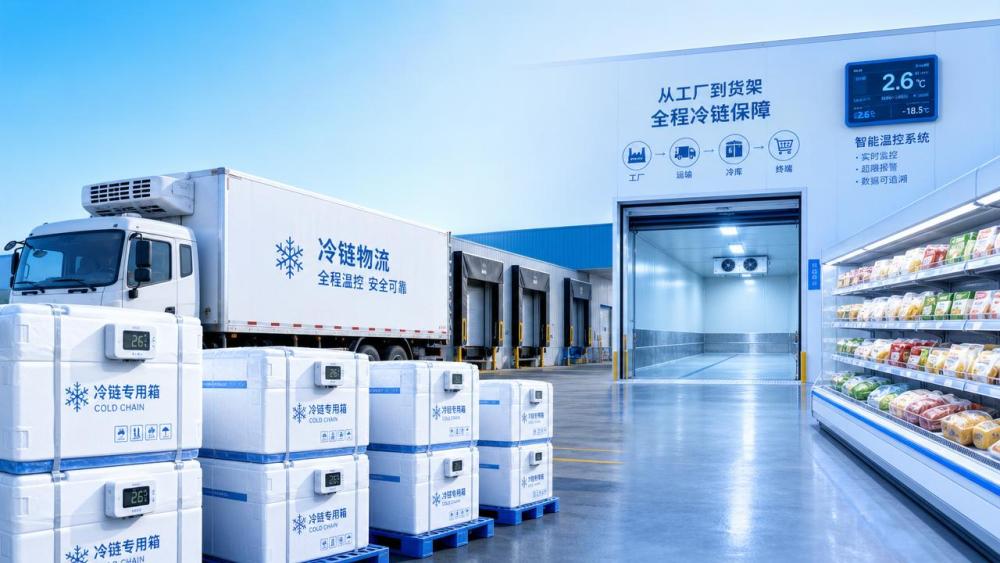
The first task for quality and safety teams is to identify where temperature excursions are most likely. In many operations, 70% of preventable deviations occur during handovers.
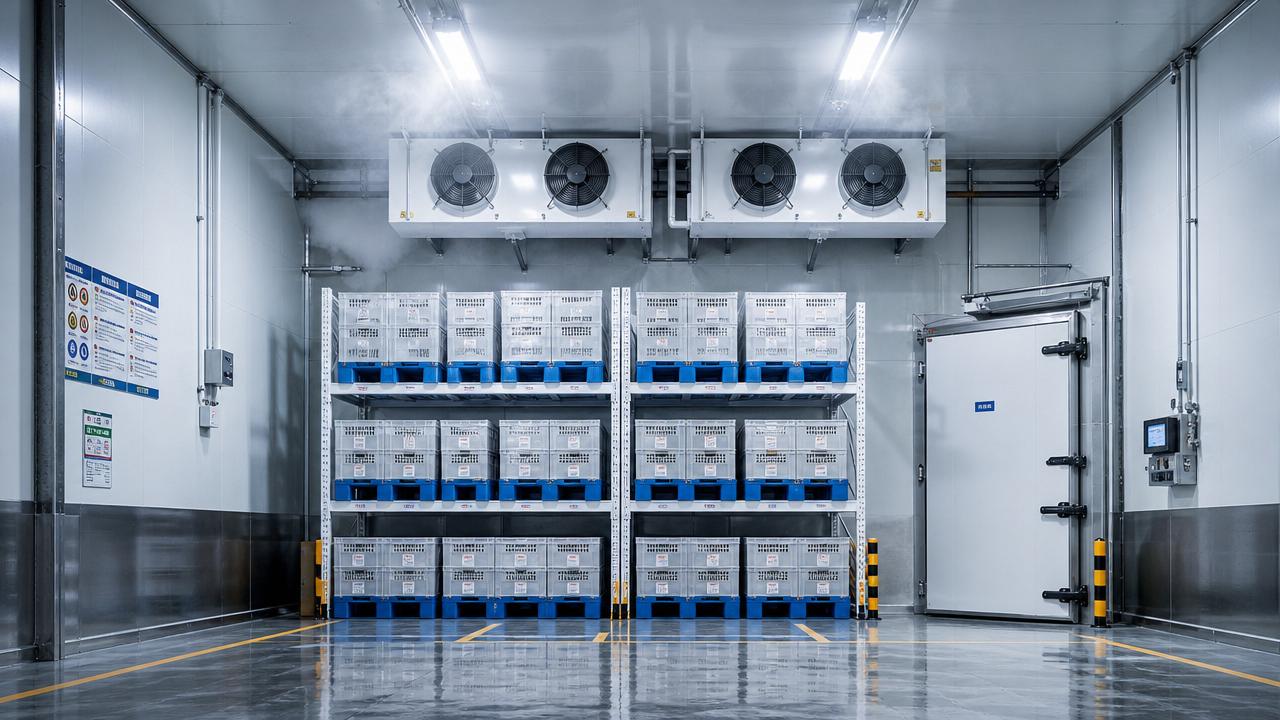
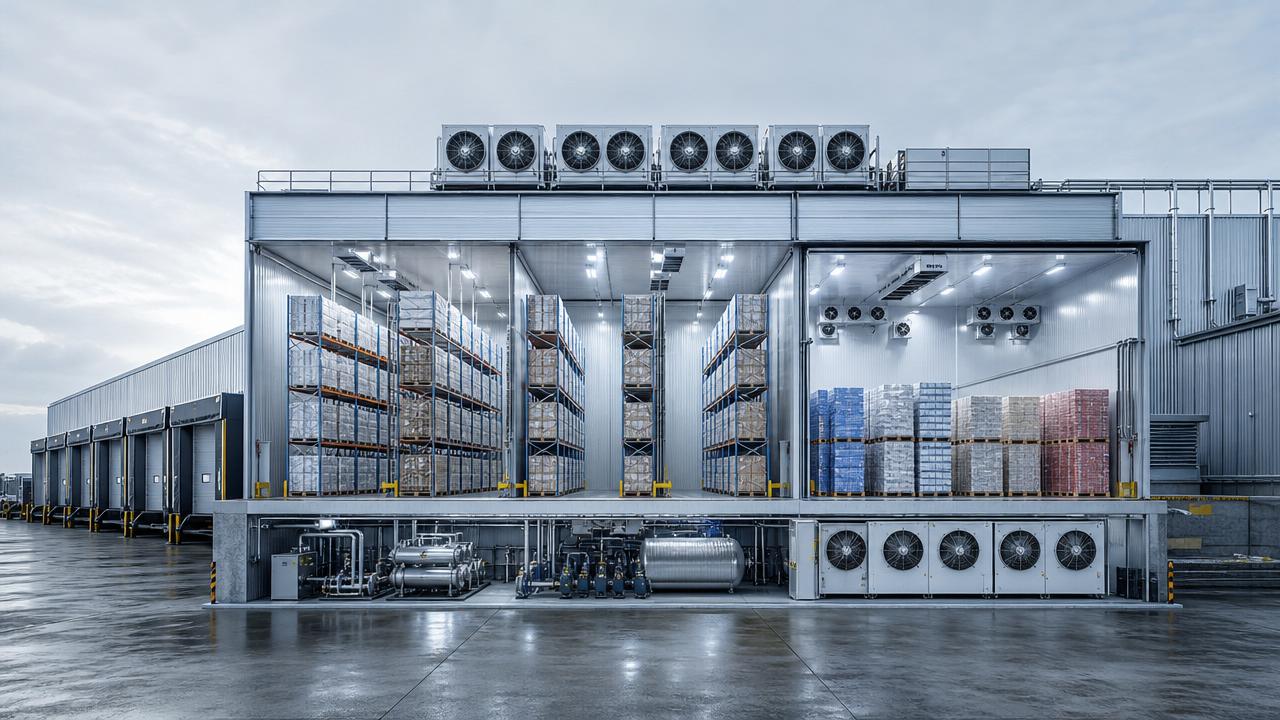
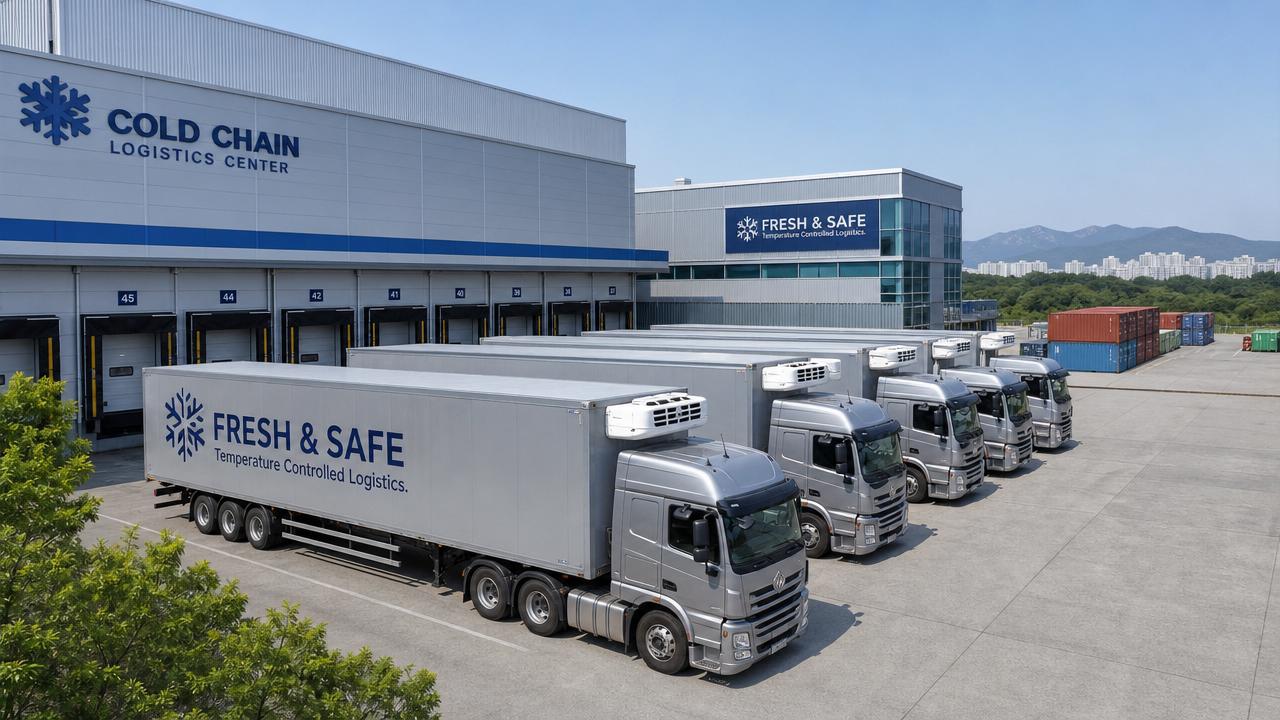
Cold chain logistics involves multiple thermal environments. A product may pass through blast chilling, staging, dock transfer, reefer transport, cross-docking, cold storage, and retail display within 24–72 hours.
Processing Plant and Pre-Cooling
Pre-cooling determines the starting condition of the shipment. If core temperature is too high, even a strong refrigeration unit may only slow deterioration instead of restoring safety.
Typical control points include product core checks, room temperature, dwell time, pallet spacing, and chiller capacity. For many fresh foods, a 2°C–8°C range requires active verification.
Loading Dock and Transfer Exposure
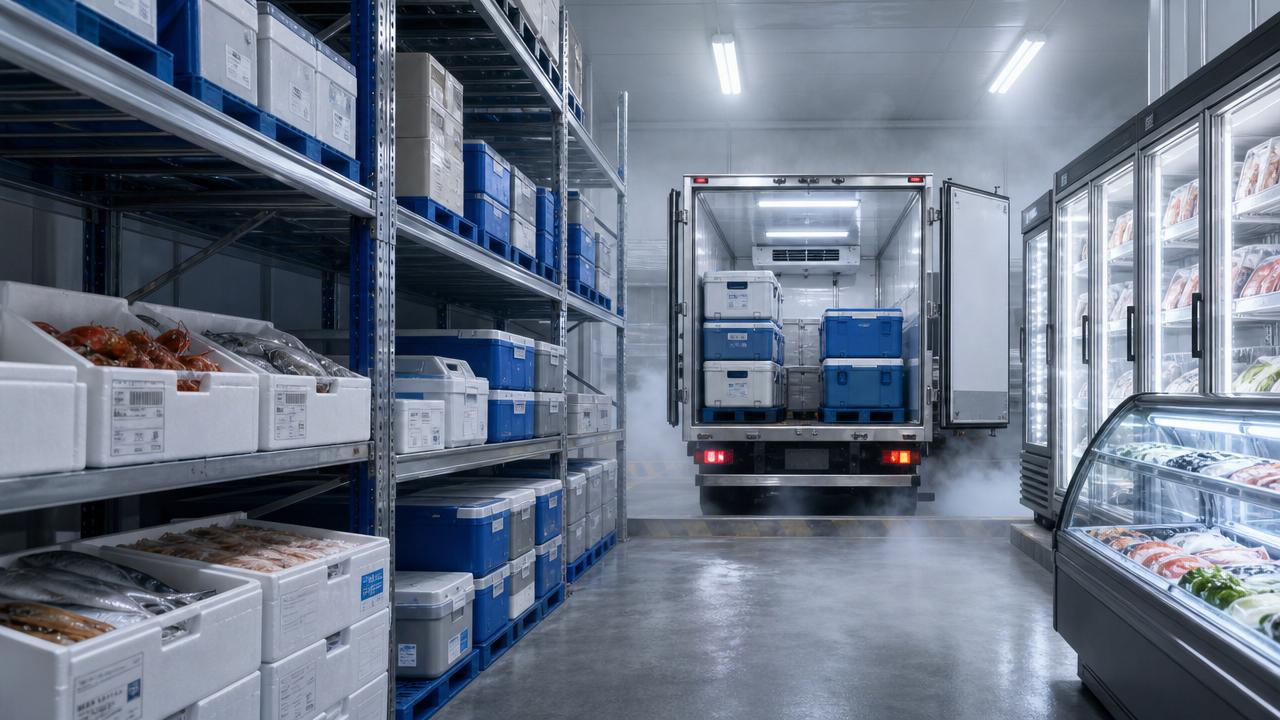
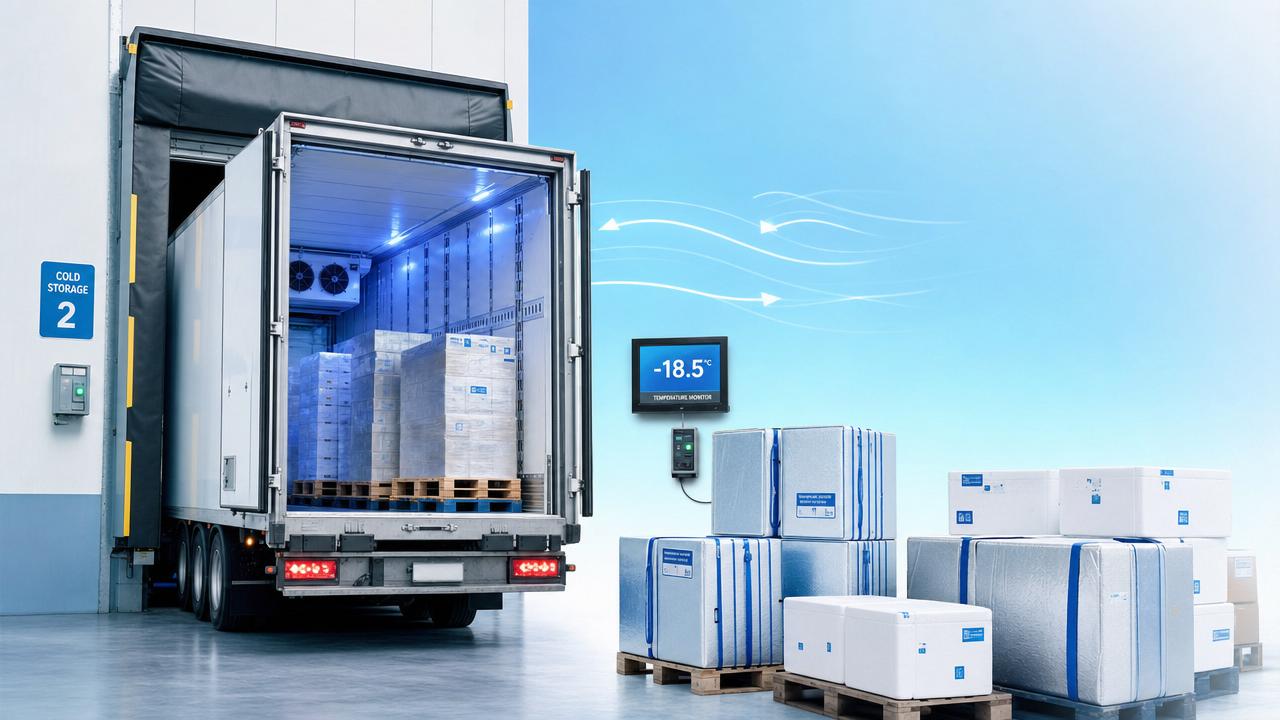
Dock doors are frequent failure points because products leave a stable room and enter a mixed thermal zone. A 15-minute delay can create measurable surface warming.
Safety managers should define maximum exposure time, trailer pre-cool requirements, door opening rules, and rejection thresholds before loading begins, not after a deviation occurs.
The following table summarizes common risk points in cold chain logistics and the controls most relevant to daily quality supervision.
The key lesson is that each stage needs a measurable limit. Without time, temperature, and inspection criteria, cold chain logistics becomes difficult to defend during audits.
Temperature Monitoring That Quality Teams Can Defend
Monitoring is more than collecting numbers. It must answer 3 questions: where was the product, what was the temperature, and who responded when limits were exceeded?
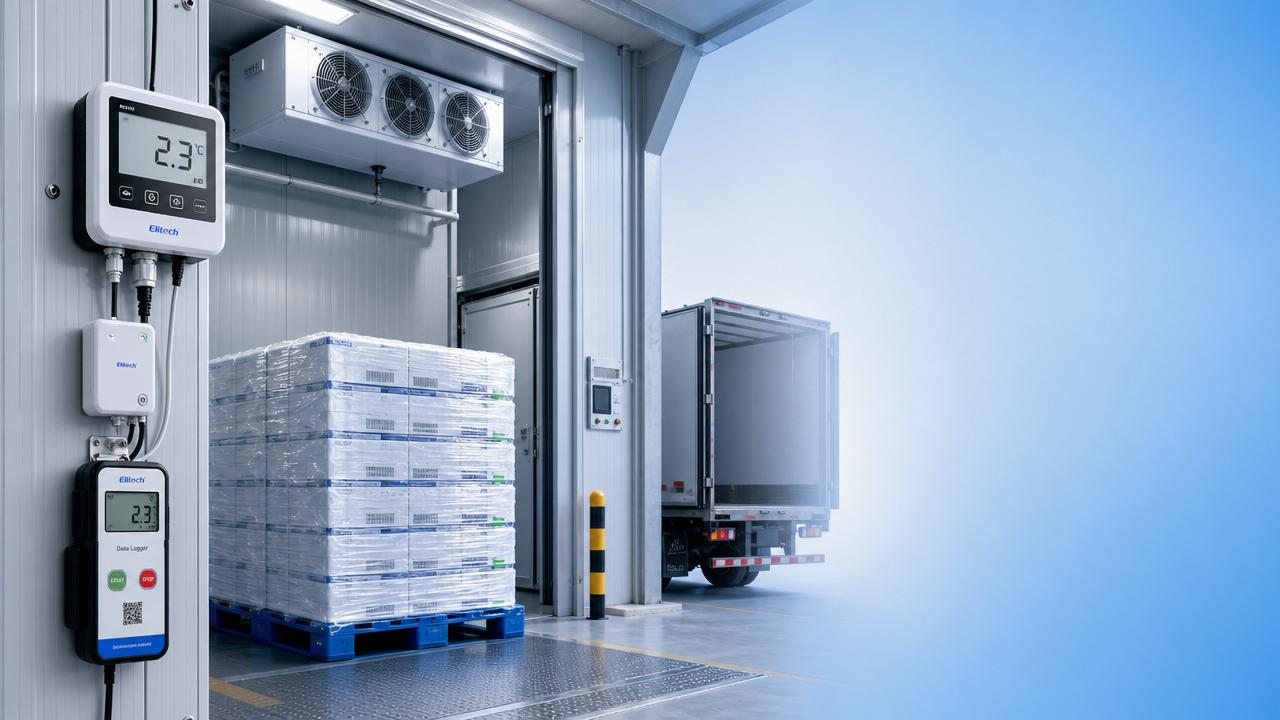
For regulated products, continuous records are often stronger than manual checks alone. Data loggers, wireless sensors, and platform alarms reduce blind spots between custody transfers.
Sensor Placement and Sampling Logic
A single sensor near the cooling outlet may show ideal conditions while cartons at the rear experience warming. Placement should reflect actual product risk, not convenience.
For a standard trailer or container, quality teams commonly use 2–4 monitoring points: supply-air area, return-air area, door-side position, and product core probe when needed.
Alarm Thresholds and Response Timing
Alarm limits should include warning thresholds and critical thresholds. For example, a warning at 6°C and escalation at 8°C can prevent late reaction.
Response time also matters. A practical cold chain logistics SOP may require acknowledgment within 15 minutes and corrective action documentation within 60 minutes.
Documentation Essentials
- Define approved temperature ranges for each SKU group, such as frozen, chilled, ambient-controlled, or ultra-low temperature products.
- Record equipment identity, calibration status, route number, dispatch time, arrival time, and seal condition.
- Keep deviation reports with root cause, disposition decision, product impact assessment, and preventive action.
- Review trend data weekly for recurring route, equipment, warehouse, or operator-related failures.
Strong monitoring creates defensible evidence. It also helps procurement teams decide whether a carrier, cold storage partner, or refrigeration system is truly suitable.
Refrigeration Performance: Equipment Factors Behind Stable Cold Chain Logistics
Temperature control depends on refrigeration capacity, airflow, insulation, heat load, and maintenance discipline. Even excellent procedures cannot compensate for undersized or poorly serviced systems.
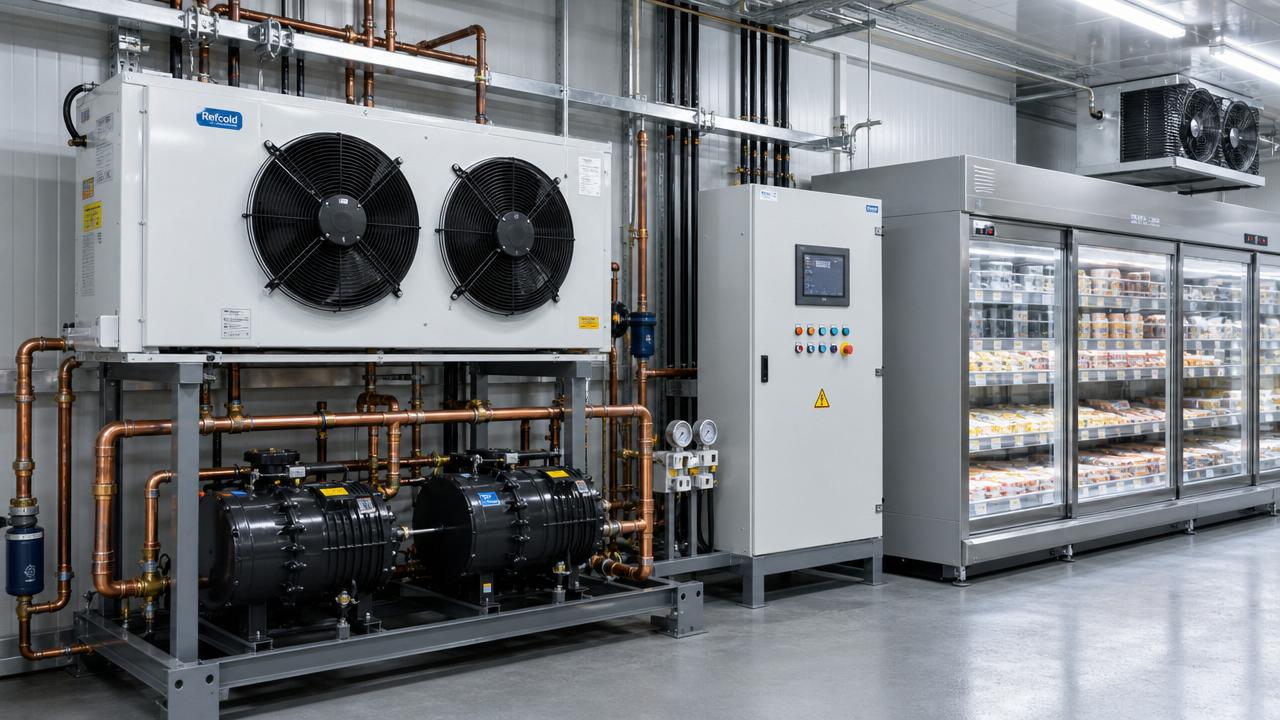
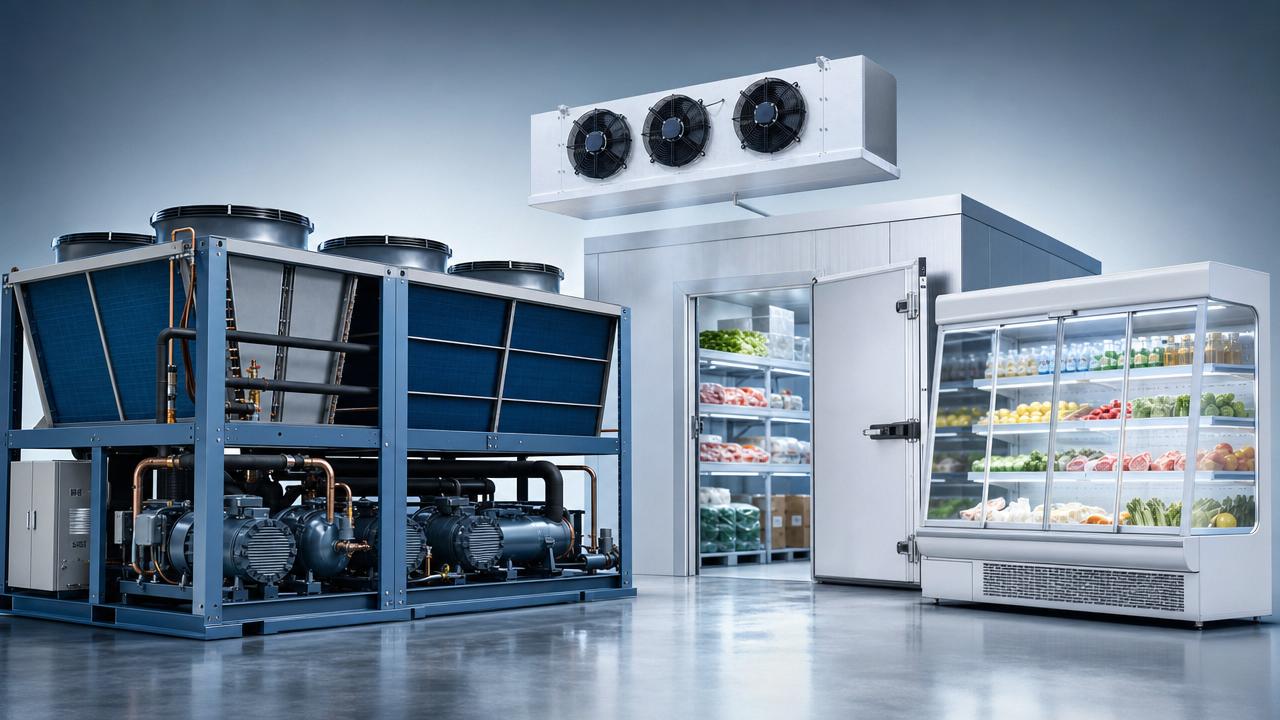
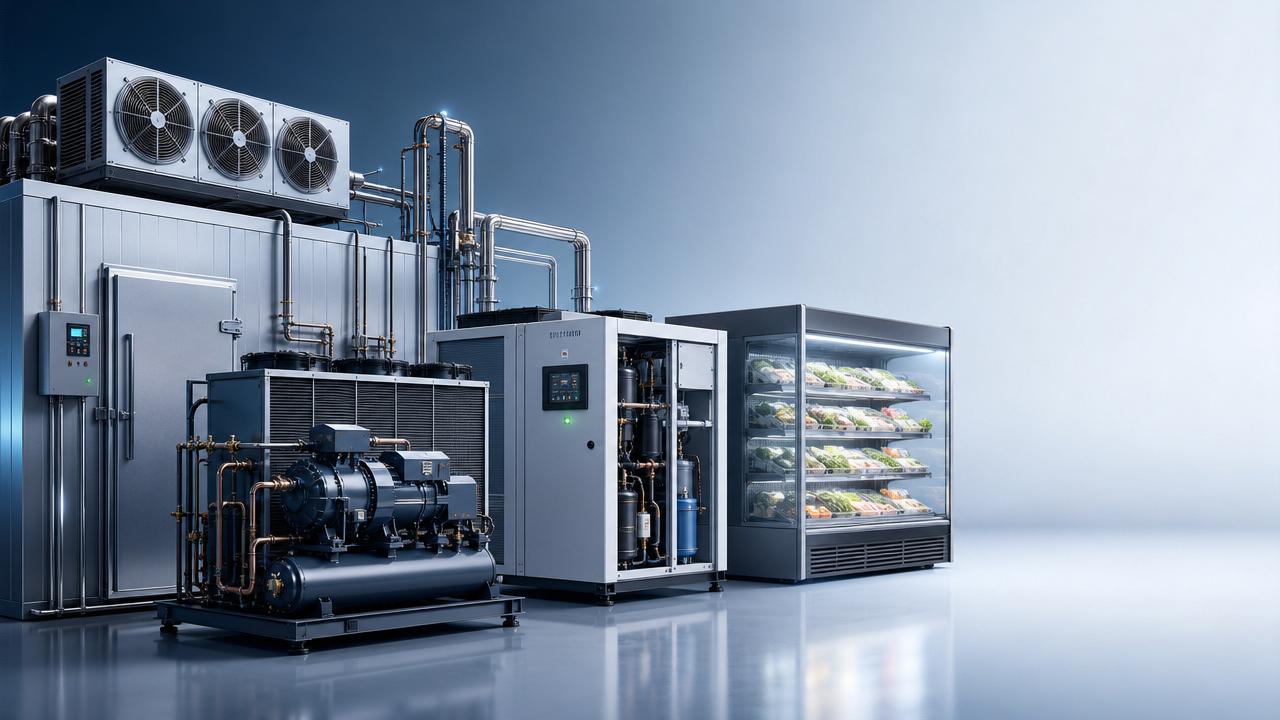
CCRS tracks the equipment pillars behind modern cold chain logistics, including industrial chillers, commercial ice machines, cold storage compressors, retail cabinets, and ultra-low temperature freezers.
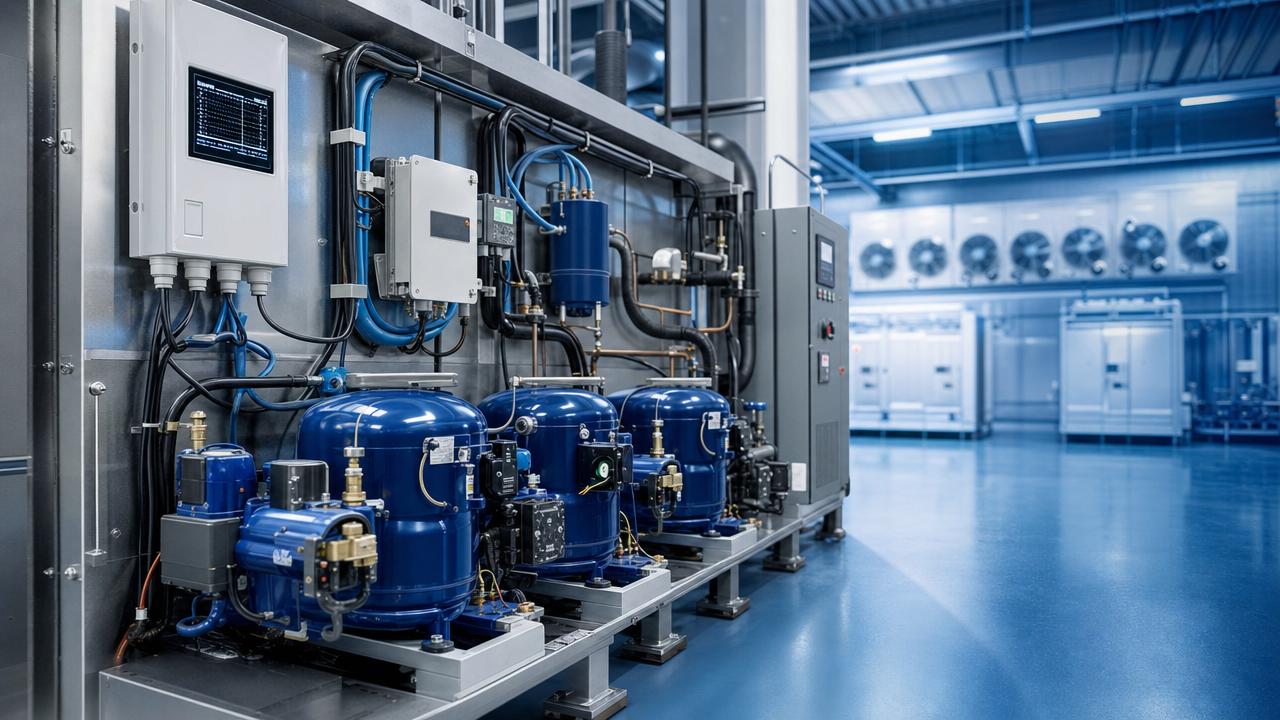
Cold Storage Compressors and Hub Stability
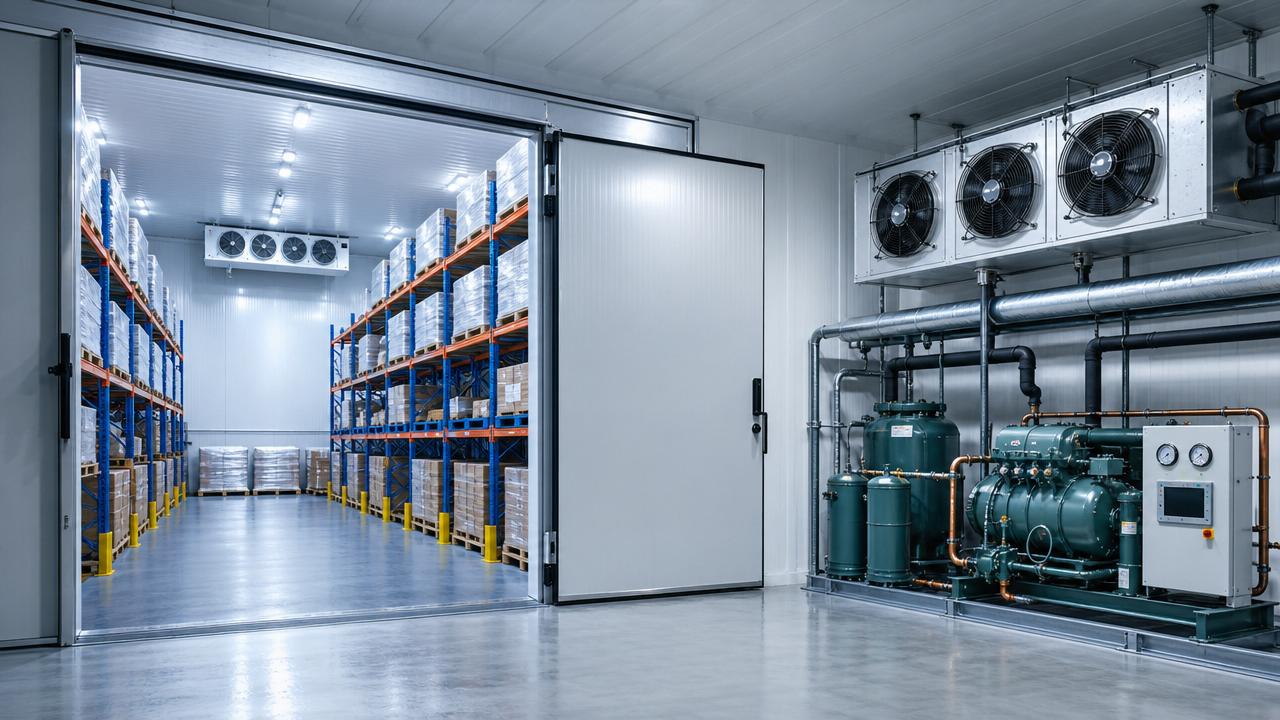
At cold storage hubs, compressors act as refrigeration hearts. A capacity shortfall of only 10% can cause slow recovery after door openings or peak receiving periods.
Natural refrigerant systems, including CO2 transcritical configurations, are increasingly considered for large facilities. Selection should evaluate climate zone, operating pressure, service capability, and energy profile.
Retail Cabinets and the Final Shelf Risk
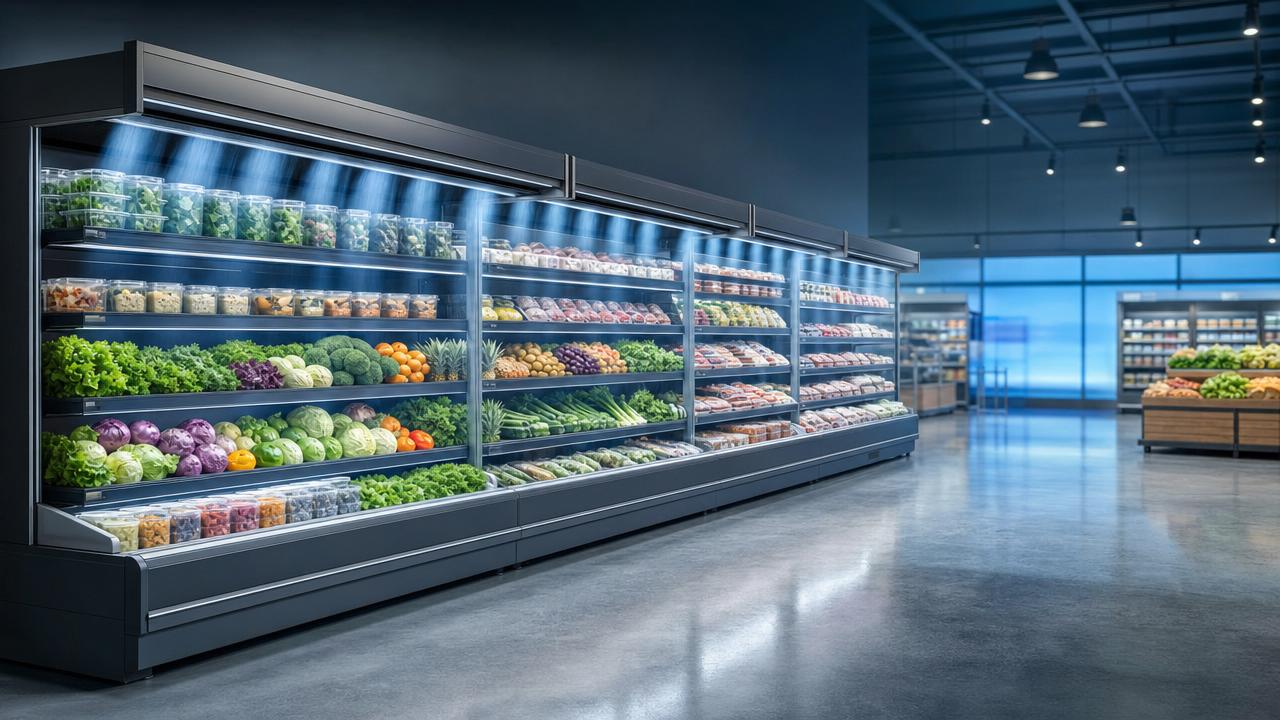
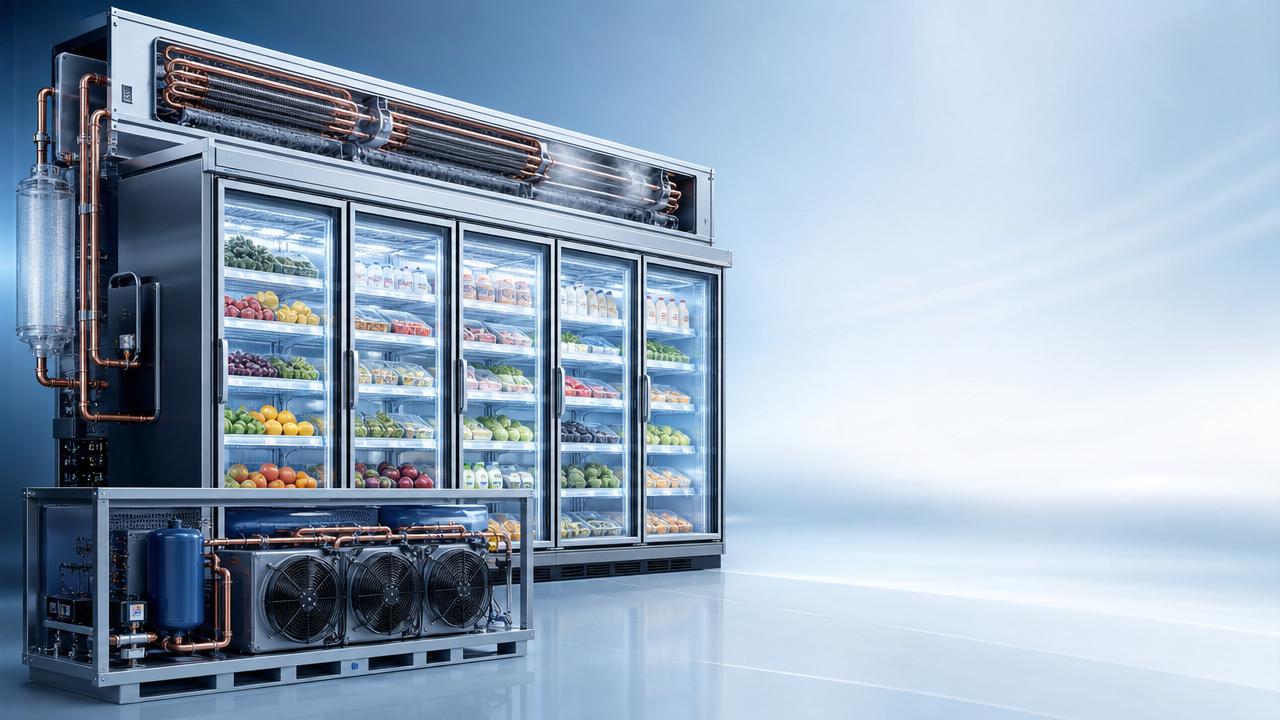
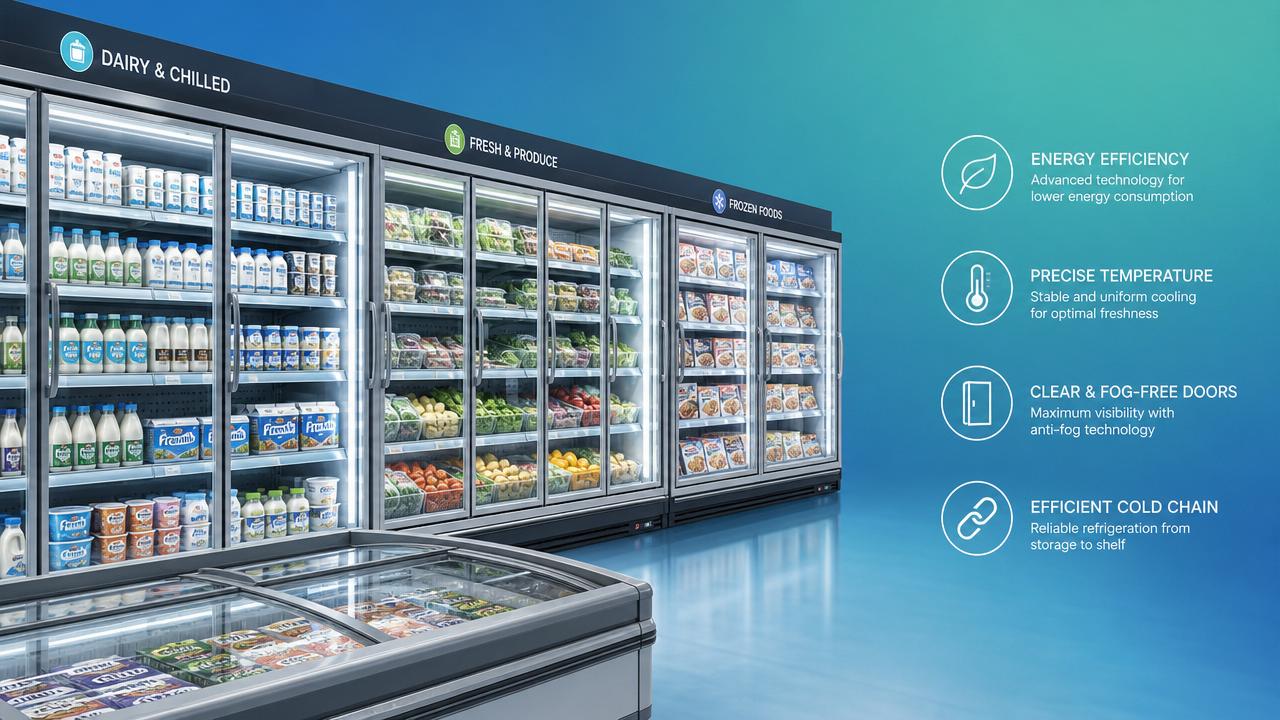
Retail display is often the last uncontrolled interface. Air curtains, fan speed, defrost timing, lighting heat, and product loading directly affect cabinet temperature stability.
Quality managers should verify load lines, night blinds, condenser cleanliness, drainage, anti-fog performance, and recovery time after restocking, especially during high-traffic periods.
The table below links common refrigeration assets to risk-control priorities and procurement questions for cold chain logistics decision makers.
Equipment selection should be linked to risk scenarios, not only purchase price. A lower-cost unit may become expensive if it increases rejection, energy use, or audit exposure.
Building a Practical Control Plan for Quality and Safety Managers
A control plan converts risk analysis into daily actions. It should be simple enough for operators and detailed enough for auditors, customers, and internal safety teams.
For most cold chain logistics operations, a 5-step framework is effective: define, validate, monitor, respond, and review. Each step should have an owner.
Step 1: Define Product and Route Requirements
Group products by temperature sensitivity, packaging, route duration, legal requirements, and acceptable exposure. Frozen goods, chilled foods, pharmaceuticals, and biologics require different tolerances.
Step 2: Validate Equipment Before Routine Use
Validation should include empty-room testing, loaded testing, hot-weather or peak-load simulation, and alarm checks. A 4–8 hour trial may reveal airflow weaknesses.
Step 3: Monitor in Real Time Where Possible
Real-time monitoring is valuable for high-risk lanes and medical cargo. For lower-risk routes, verified logger records and arrival checks may be sufficient.
Step 4: Respond with Pre-Approved Actions
Deviation response should not depend on guesswork. Define who can adjust setpoints, move stock, reject loads, quarantine product, or request technical service.
Step 5: Review Trends and Improve the System
Monthly trend review can reveal repeated failures on one route, shift, cabinet group, or compressor line. Corrective action should target causes, not symptoms.
Common Mistakes to Avoid
- Approving a carrier based only on vehicle availability, without checking maintenance records or temperature recovery performance.
- Using only ambient air readings when product core temperature is the critical safety indicator.
- Ignoring short deviations because they lasted fewer than 10 minutes, without assessing product sensitivity.
- Treating calibration as an annual paperwork task rather than a control for measurement accuracy.
These mistakes are preventable when cold chain logistics teams combine equipment knowledge, clear SOPs, and documented decision rules for every temperature-sensitive category.
Contingency Planning for Power, Traffic, Equipment, and Human Error
Even well-designed systems face disruptions. Power loss, compressor failure, traffic delays, incorrect loading, and sensor malfunction must be anticipated before product is at risk.
A contingency plan should specify trigger points, responsible people, backup capacity, communication routes, and product disposition criteria. It should be tested at least 1–2 times per year.
Backup Cooling and Emergency Capacity
Facilities should identify standby rooms, rental reefer units, dry ice procedures, or ice-making capacity where appropriate. Emergency options must match product temperature requirements.
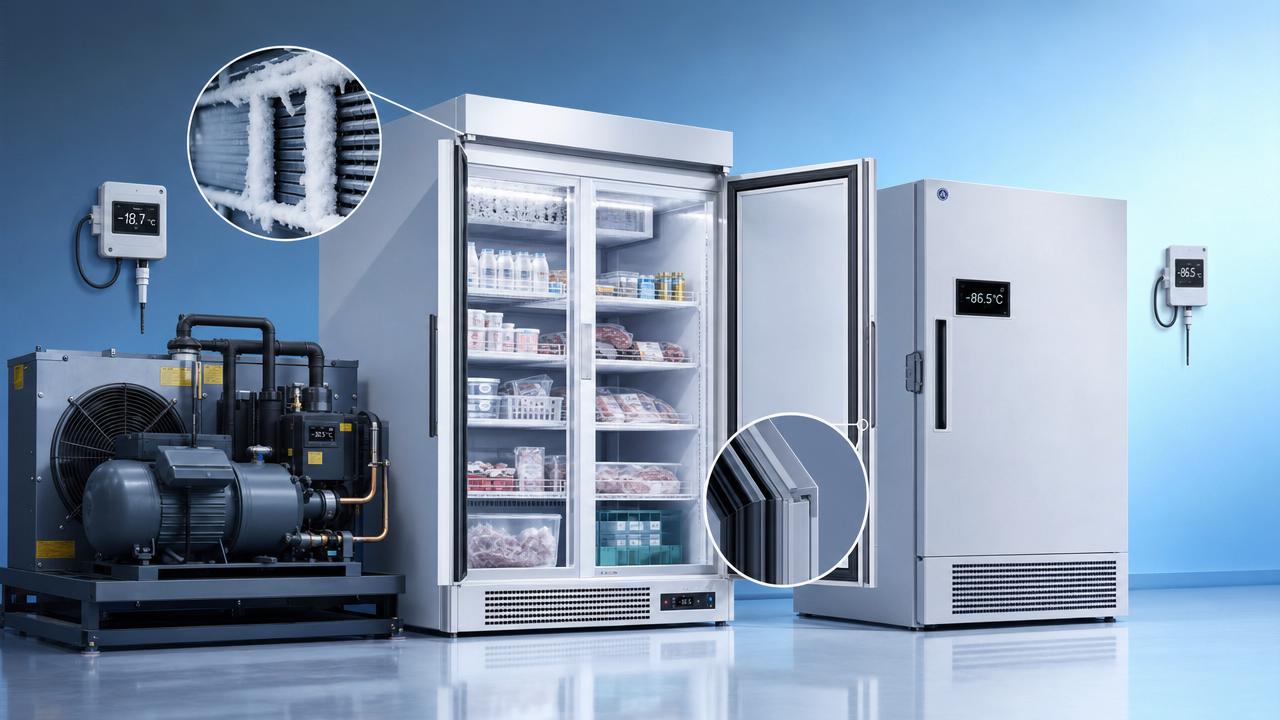
For ultra-low temperature storage, backup power, spare freezer capacity, and transfer time are critical. A -86°C environment allows little room for delayed decisions.
Communication During Deviations
When alarms occur, the first 30 minutes are decisive. Dispatch, warehouse, quality, maintenance, and customer service should share one incident record.
A good escalation tree includes at least 3 levels: operator response, quality evaluation, and management authorization for release, rejection, or rework.
Minimum Contingency Checklist
- Backup power capacity and fuel plan for critical compressors, monitoring systems, and doors.
- Approved emergency storage partners within a defined distance or transfer time.
- Spare calibrated loggers, probes, batteries, and communication devices.
- Written product disposition rules based on temperature, duration, and product risk category.
Contingency planning gives cold chain logistics resilience. It reduces panic decisions and helps teams protect safety while maintaining commercial continuity.
Procurement and Partnership Criteria for Safer Cold Chain Operations
Quality teams should participate in procurement decisions because temperature control is an operational risk, not only a logistics cost. Lowest freight price can hide high rejection risk.
When selecting equipment, carriers, or cold storage providers, compare 6 factors: temperature range, recovery speed, data access, maintenance support, refrigerant compliance, and energy performance.
Questions to Ask Before Approval
- Can the provider demonstrate stable temperature performance under loaded conditions, not only during empty tests?
- Are calibration certificates, maintenance logs, and alarm histories available for review?
- Is the refrigeration system compatible with current and upcoming refrigerant restrictions in target markets?
- How quickly can technical support respond during a compressor, sensor, or cabinet failure?
Where CCRS Intelligence Adds Value
CCRS focuses on the thermodynamic and commercial details behind refrigeration decisions. Its intelligence helps manufacturers, buyers, and safety teams evaluate technology with clearer criteria.
From AI defrosting algorithms to cascade refrigeration, CO2 systems, and retail retrofits, the CCRS perspective connects engineering performance with practical cold chain logistics outcomes.
For quality control and safety managers, the value is not theory alone. It is the ability to ask better questions before risk becomes a rejected shipment.
Protecting Product Integrity from Plant to Shelf
Effective cold chain logistics requires disciplined control at every handover. The strongest programs combine validated refrigeration assets, realistic SOPs, calibrated monitoring, and fast deviation response.
For safety managers, the goal is continuous proof: product temperature stayed within limits, deviations were handled correctly, and equipment was capable of the assigned duty.
CCRS supports refrigeration decision makers with intelligence on industrial chillers, compressors, cabinets, ice systems, ultra-low temperature storage, refrigerant transition, and energy-efficient system design.
If your team is reviewing cold chain logistics risks, upgrading refrigeration assets, or building a more defensible temperature-control program, consult CCRS for practical insights and customized solution direction.
Recommended News
 Cold Chain & Retail Energy InsightsWhen Does Cold Storage Stop Saving Energy and Start Losing It?Analyst :Mr. Julian Thorne
 Cold Chain & Retail Energy InsightsCommercial Refrigeration Upgrades: Which Costs Are Easy to Miss?Analyst :Mr. Julian Thorne
 Cold Chain & Retail Energy InsightsCold Chain Logistics Failures Often Start With Small Temperature SwingsAnalyst :Mr. Julian Thorne
 Cold Chain & Retail Energy InsightsCold Storage Solutions That Fit Expansion Plans Without OverbuildingAnalyst :Mr. Julian Thorne
 Cold Chain & Retail Energy InsightsEnergy efficient cooling is not always the cheaper optionAnalyst :Mr. Julian Thorne
 Cold Chain & Retail Energy InsightsCold chain technology gaps still cause avoidable spoilageAnalyst :Mr. Julian Thorne
 Cold Chain & Retail Energy InsightsAPEC Auto Dialogue Sets New Standards for Smart Cold-Chain TrailersAnalyst :Mr. Julian Thorne
 Cold Chain & Retail Energy InsightsWhat makes commercial cooling solutions easier to scaleAnalyst :Mr. Julian Thorne
 Cold Chain & Retail Energy InsightsSouth Korea Extends Fuel Tax Relief to End-JulyAnalyst :Mr. Julian Thorne
 Cold Chain & Retail Energy InsightsWhen does air curtain refrigeration waste more energy?Analyst :Mr. Julian Thorne
 Cold Chain & Retail Energy InsightsCold chain technology failures often start with one gapAnalyst :Mr. Julian Thorne
 Cold Chain & Retail Energy InsightsWhat makes commercial cooling solutions easier to scale?Analyst :Mr. Julian Thorne
 Cold Chain & Retail Energy InsightsCold chain logistics risks that damage product qualityAnalyst :Mr. Julian Thorne
 Cold Chain & Retail Energy InsightsHow to compare energy efficient cooling beyond SEERAnalyst :Mr. Julian Thorne
 Cold Chain & Retail Energy InsightsHow cold chain technology reduces hidden spoilage risksAnalyst :Mr. Julian Thorne
 Cold Chain & Retail Energy InsightsWhat to check before choosing cold storage solutionsAnalyst :Mr. Julian Thorne
 Cold Chain & Retail Energy InsightsWhy commercial cooling solutions vary so much in ROIAnalyst :Mr. Julian Thorne
 Cold Chain & Retail Energy InsightsIs digital refrigeration control worth the upgrade costAnalyst :Mr. Julian Thorne
 Cold Chain & Retail Energy InsightsIs variable frequency cooling worth the energy savings?Analyst :Mr. Julian Thorne
 Cold Chain & Retail Energy InsightsWhy energy efficient cooling pays off faster than expectedAnalyst :Mr. Julian Thorne
 Cold Chain & Retail Energy InsightsIs your cold chain technology ready for stricter standardsAnalyst :Mr. Julian Thorne
 Cold Chain & Retail Energy InsightsHow Do Cold Storage Solutions Cut Energy Waste?Analyst :Mr. Julian Thorne
 Cold Chain & Retail Energy InsightsIs commercial refrigeration wasting energy after hours?Analyst :Mr. Julian Thorne
 Cold Chain & Retail Energy InsightsHow can cold chain logistics cut energy losses?Analyst :Mr. Julian Thorne
 Cold Chain & Retail Energy InsightsCold Storage Design Basics: Temperature Zones, Insulation, and Refrigeration LoadAnalyst :Mr. Julian Thorne
 Cold Chain & Retail Energy InsightsCold Chain Logistics Risks: How to Control Temperature from Plant to ShelfAnalyst :Mr. Julian Thorne
 Cold Chain & Retail Energy InsightsHow Refrigeration Technology Supports Food Safety in Cold Chain Storage and TransportAnalyst :Mr. Julian Thorne
 Cold Chain & Retail Energy InsightsHow Eco-Friendly Cooling Cuts Operating Costs in Food Processing and Cold RoomsAnalyst :Mr. Julian Thorne
 Cold Chain & Retail Energy InsightsWhat Is Cold Chain Technology and Which Industries Depend on It Most?Analyst :Mr. Julian Thorne
 Cold Chain & Retail Energy InsightsEnergy Efficient Cooling for Retail Stores: How to Compare Load, COP, and Defrost StrategyAnalyst :Mr. Julian Thorne
 Cold Chain & Retail Energy InsightsDigital Refrigeration Control in Supermarkets: How to Cut Temperature Drift and Alarm ErrorsAnalyst :Mr. Julian Thorne
 Cold Chain & Retail Energy InsightsDigital Refrigeration Upgrade Cost: When Retrofits Make Sense for Multi-Site OperationsAnalyst :Mr. Julian Thorne
 Cold Chain & Retail Energy InsightsIndustrial Refrigeration Systems for Food Processing: Common Failures and FixesAnalyst :Mr. Julian Thorne
 Cold Chain & Retail Energy InsightsCold Storage Design Basics: Temperature Ranges, Load Factors, and Common LayoutsAnalyst :Mr. Julian Thorne
 Cold Chain & Retail Energy InsightsEnergy Efficient Cooling for Food Retail: How to Cut Power Use Without Risking Product QualityAnalyst :Mr. Julian Thorne
 Cold Chain & Retail Energy InsightsCold Storage Energy Costs: What Drives Power Use and How to Reduce WasteAnalyst :Mr. Julian Thorne
 Cold Chain & Retail Energy InsightsCold Chain Logistics Costs: What Drives Energy, Spoilage, and Equipment InvestmentAnalyst :Mr. Julian Thorne
 Cold Chain & Retail Energy InsightsCold Storage Solutions for Food and Pharma: What to Compare Before System DesignAnalyst :Mr. Julian Thorne
 Cold Chain & Retail Energy InsightsCold Chain Logistics Costs: Where Energy Loss Happens and How to Reduce ItAnalyst :Mr. Julian Thorne