Industry News
Curation by industry experts
Hot Articles
- Thermodynamic Tech TrendsHow to Size Heat Exchange Systems for Refrigeration Plants at Peak Load
- Parallel Compressor RacksHow to Size Reciprocating Compressors for Cold Storage Load and Temperature Range
- Flake Ice MachinesHow to Size a Commercial Ice Dispenser for Peak Demand in Foodservice Operations
Popular Tags
How to compare energy efficient cooling beyond SEER
For technical evaluators, comparing energy efficient cooling beyond SEER requires a wider lens. A single rating cannot capture climate stress, part-load behavior, refrigerant limits, control logic, or maintenance realities.
Across commercial and industrial cooling, real efficiency emerges from system fit. The best energy efficient cooling solution is the one that matches load patterns, operating hours, compliance targets, and asset life.
That matters in factories, cold storage hubs, retail cabinets, ice systems, and ultra-low temperature applications. Each setting asks different questions, so comparison methods must change with the scenario.
Why SEER alone misses the real energy efficient cooling picture
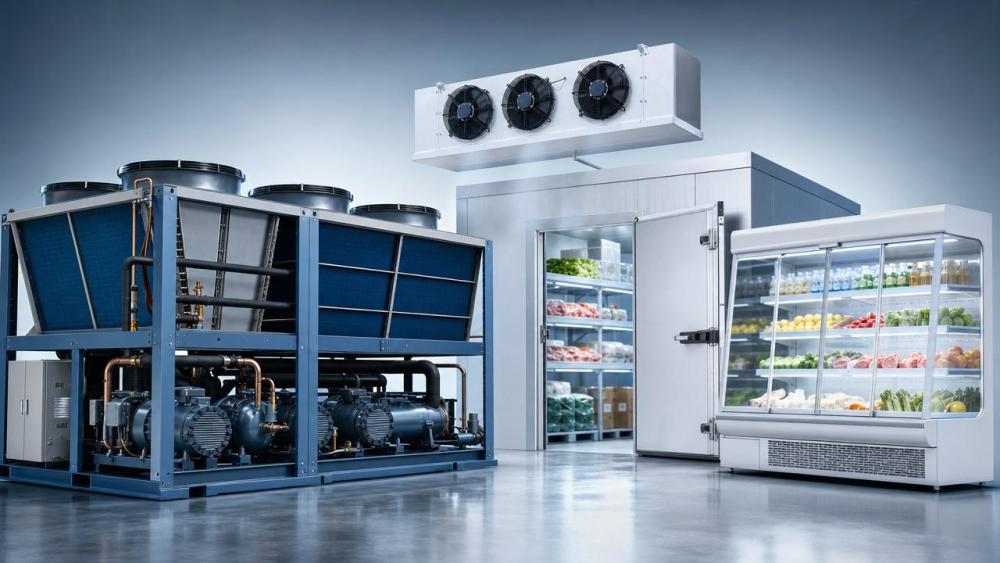
SEER is useful, but it is not enough for broad energy efficient cooling decisions. It averages seasonal performance under defined conditions, not every operating challenge found in daily service.
Many systems rarely run at laboratory assumptions. Ambient temperature swings, humidity, door openings, process spikes, and fouled heat exchangers can shift actual efficiency far away from nameplate expectations.
Commercial and industrial users also face issues beyond comfort cooling. Pull-down speed, defrost frequency, compressor staging, standby losses, and thermal recovery can dominate annual power consumption.
A stronger comparison should include:
- Part-load efficiency such as IPLV or NPLV behavior
- Climate sensitivity across hot, humid, or variable regions
- Refrigerant GWP, leakage risk, and regulatory exposure
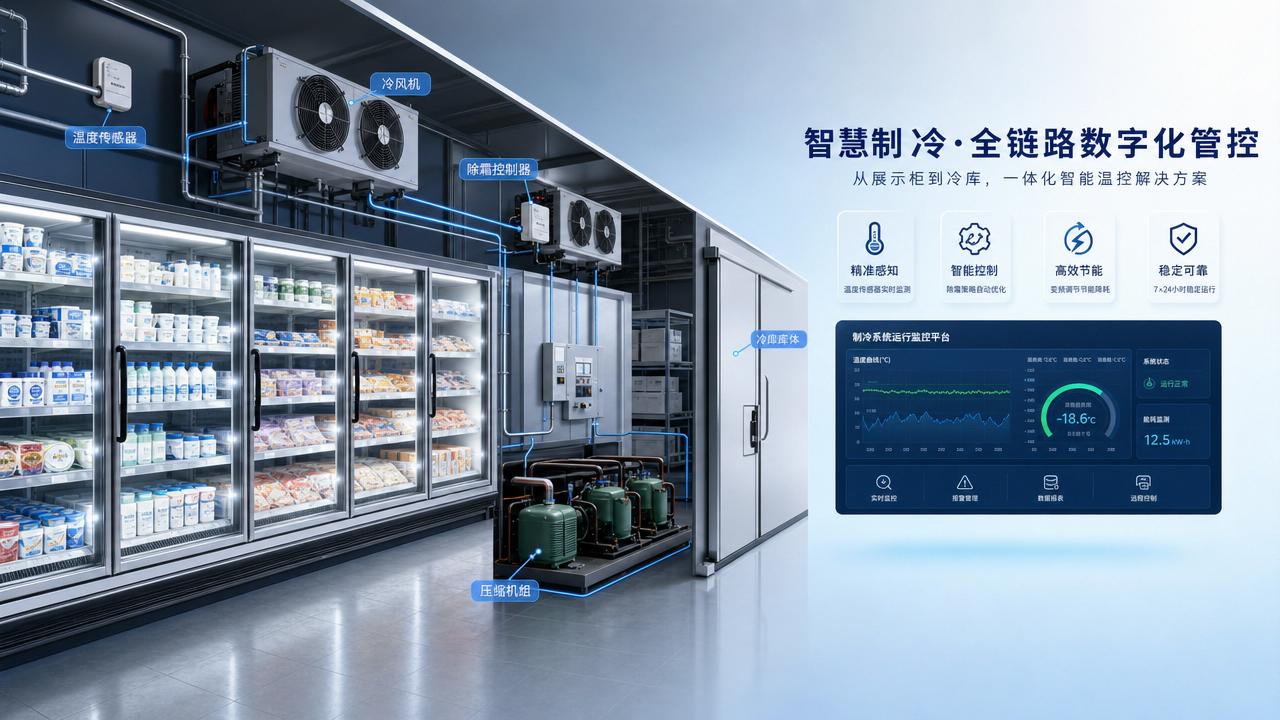
- Control quality, sensors, defrost logic, and fan modulation
- Lifecycle cost, serviceability, and degradation over time
Scenario background: why cooling comparisons change by application
Energy efficient cooling is never judged in a vacuum. A chiller serving injection molding behaves differently from a freezer storing vaccines or a cabinet displaying fresh food.
Some applications run nearly constant loads. Others cycle sharply throughout the day. Some value narrow temperature stability, while others prioritize fast heat rejection and low downtime.
This is why CCRS emphasizes application intelligence. Thermodynamic efficiency, refrigerant strategy, and digital controls must be stitched to actual site conditions, not compared only through one headline metric.
Scenario 1: industrial chillers need part-load and process-stability analysis
In industrial cooling, stable process temperature often matters as much as rated efficiency. Laser cutting, plastics molding, and pharmaceutical lines can punish systems with weak load response.
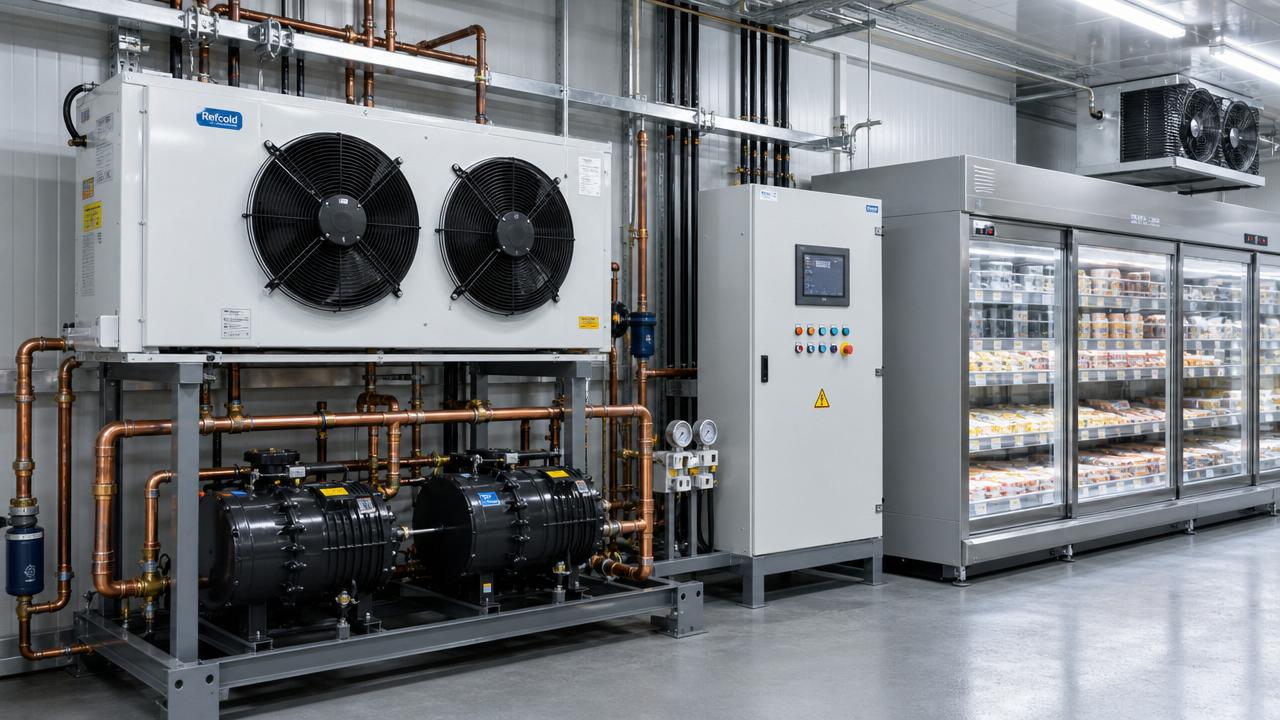
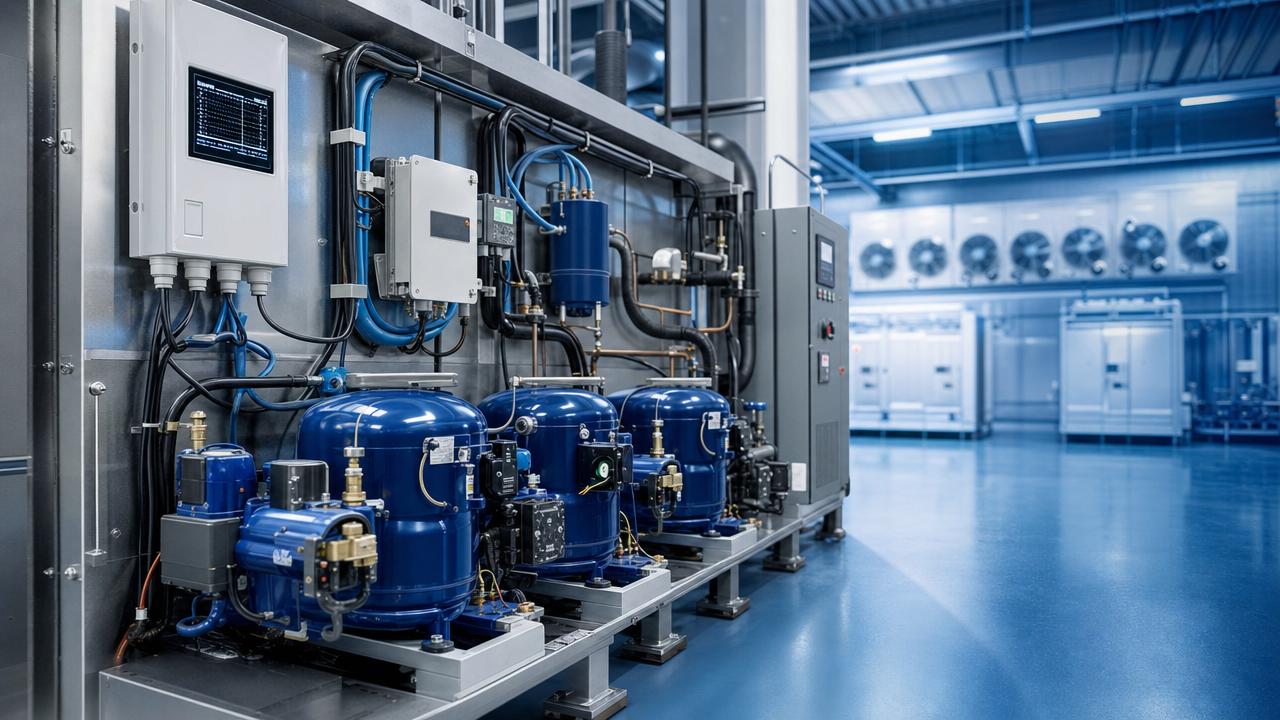
Here, energy efficient cooling should be compared through compressor turndown, pump control, condenser approach temperature, and heat exchanger fouling tolerance. Variable-frequency screw and magnetic bearing designs often perform better at partial demand.
Key judgment points for industrial cooling
- How often the plant runs below peak capacity
- Required leaving water temperature stability
- Water quality impact on heat transfer surfaces
- Potential for heat recovery or free cooling
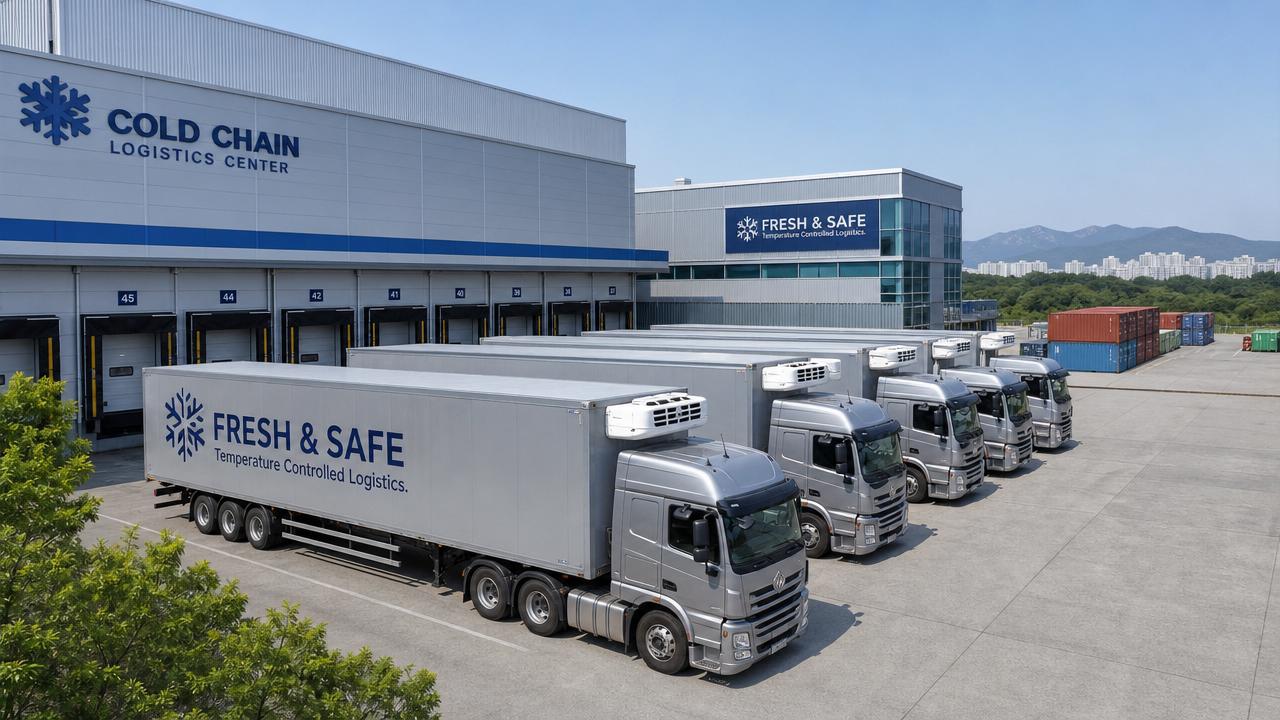
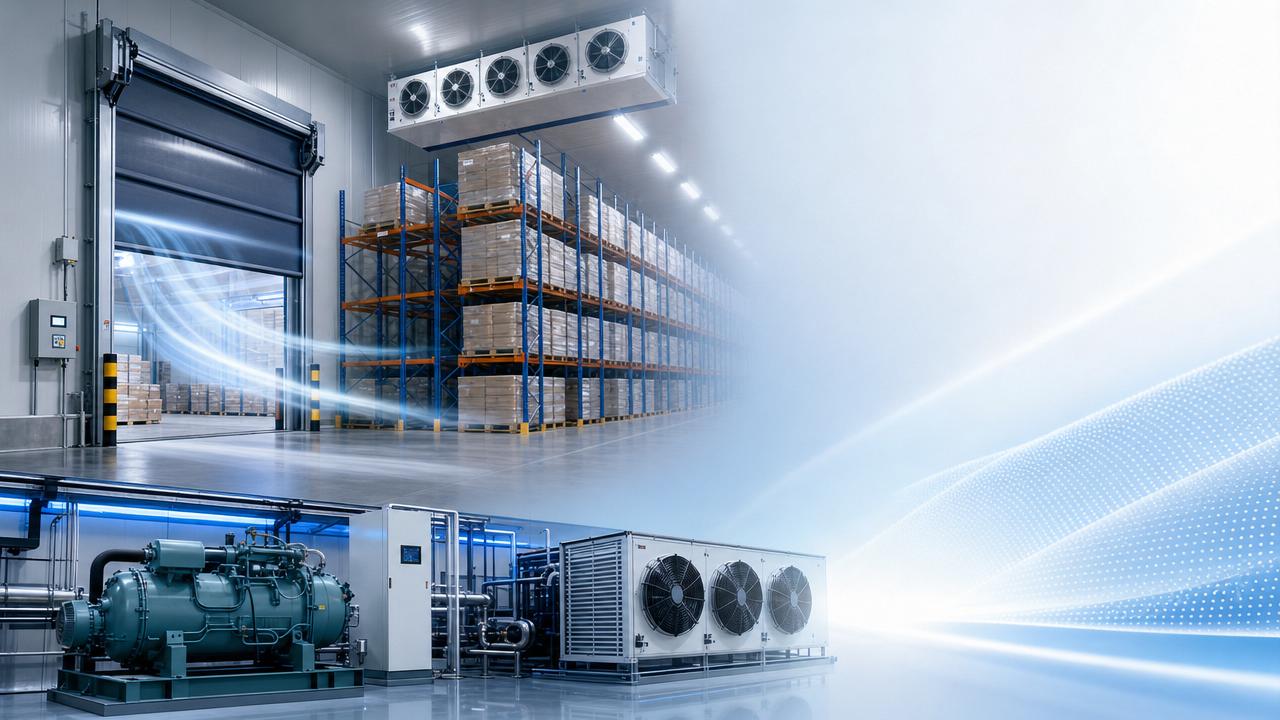
Scenario 2: cold storage hubs require annualized efficiency, not brochure efficiency
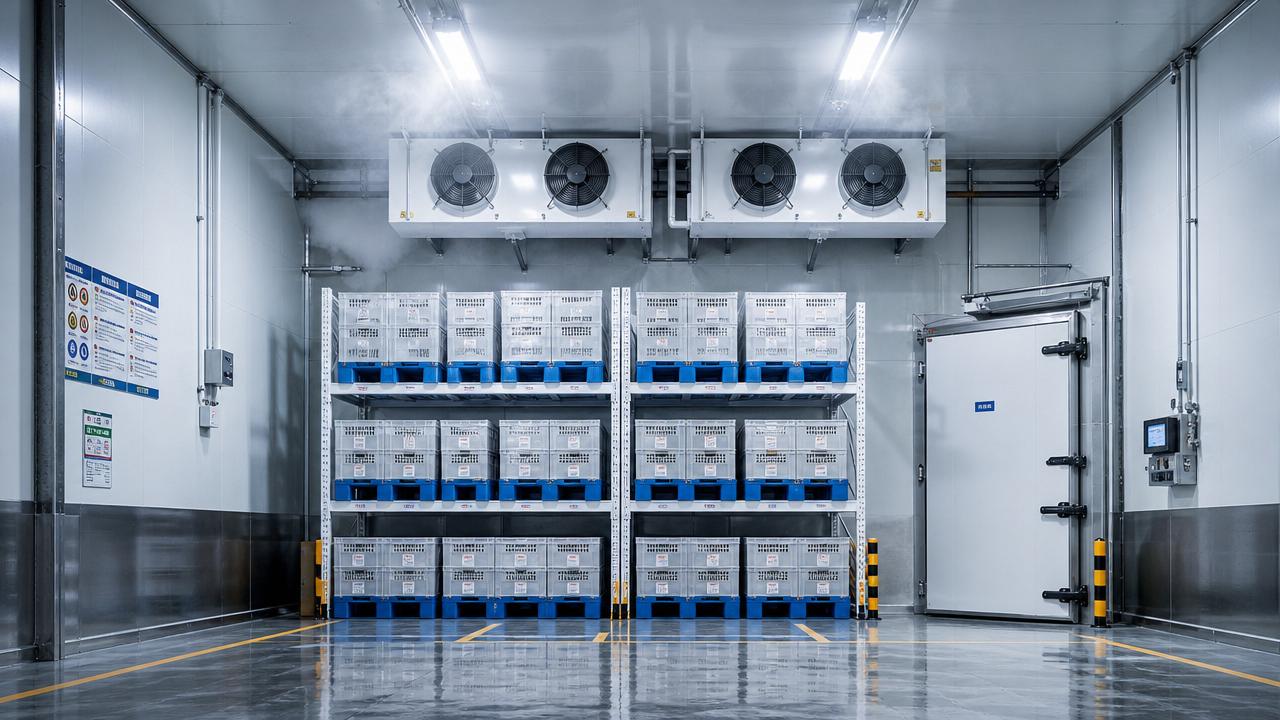
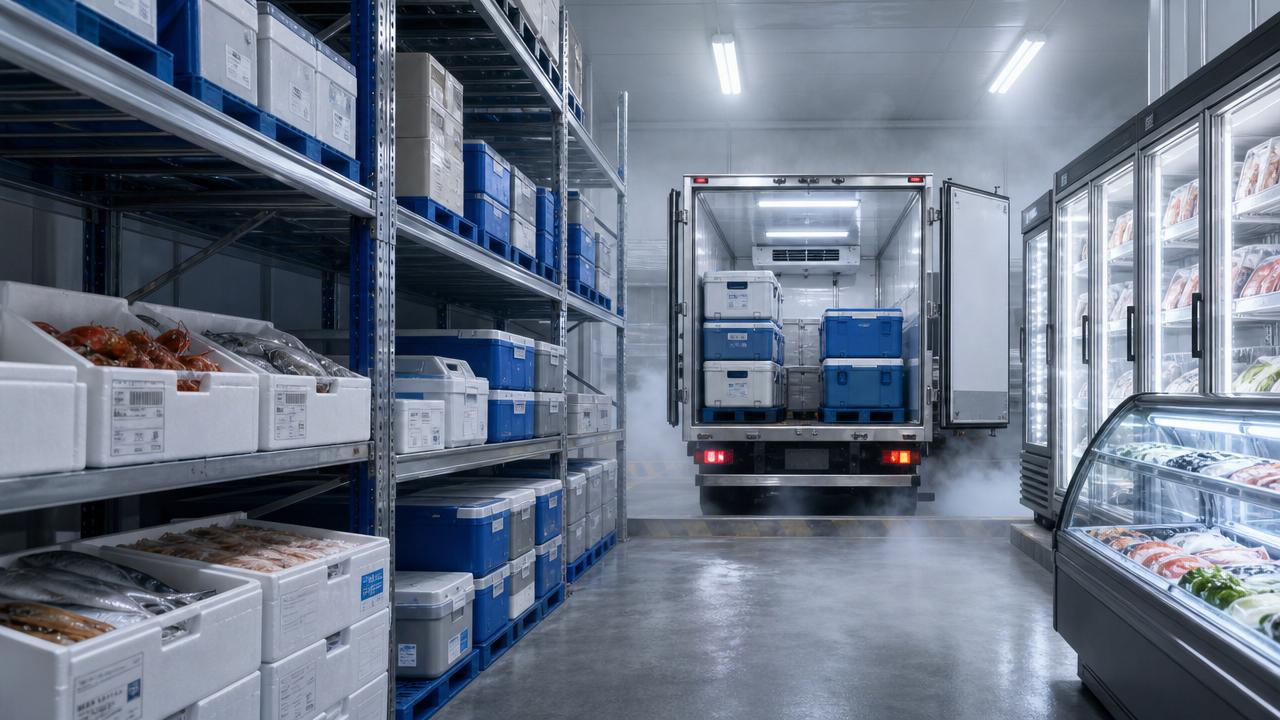
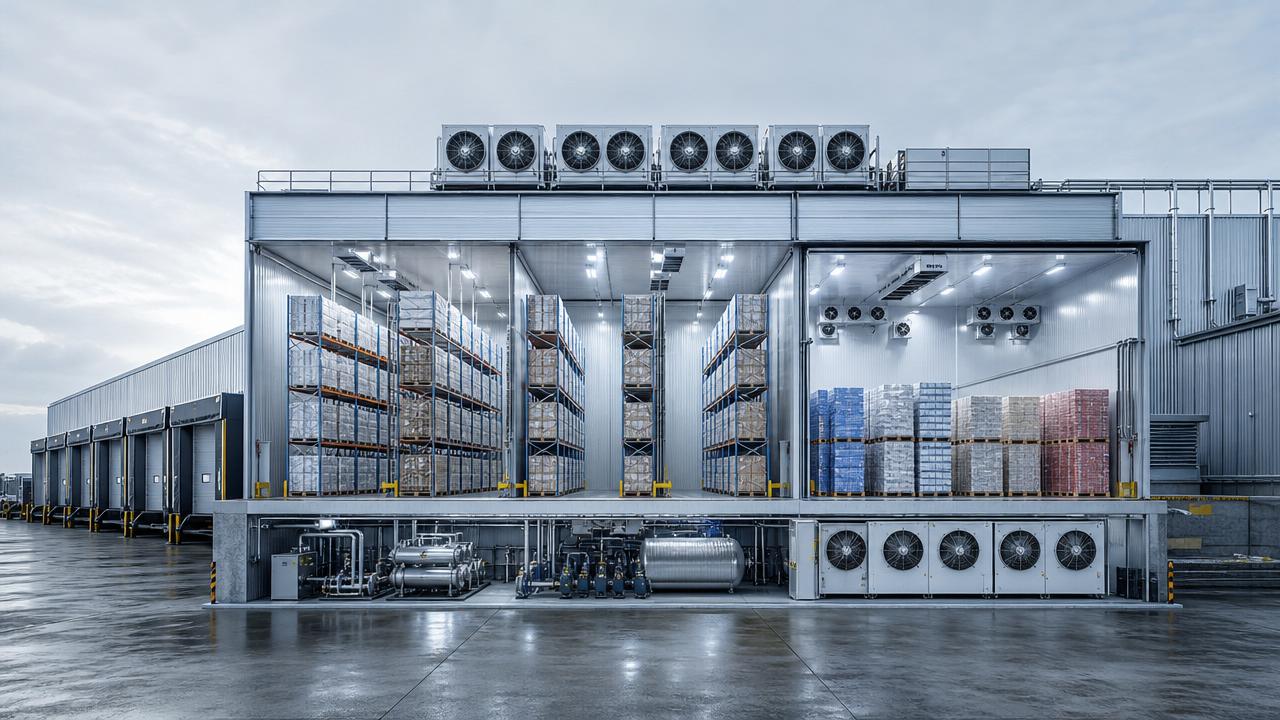
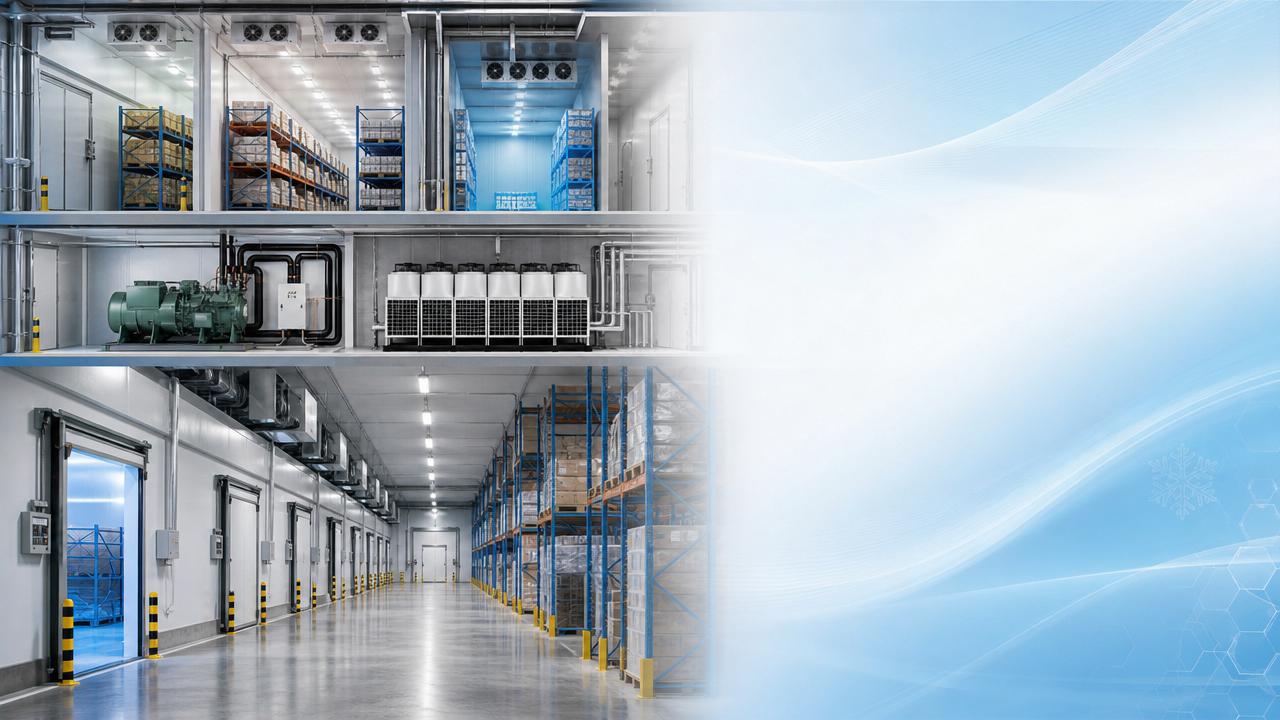
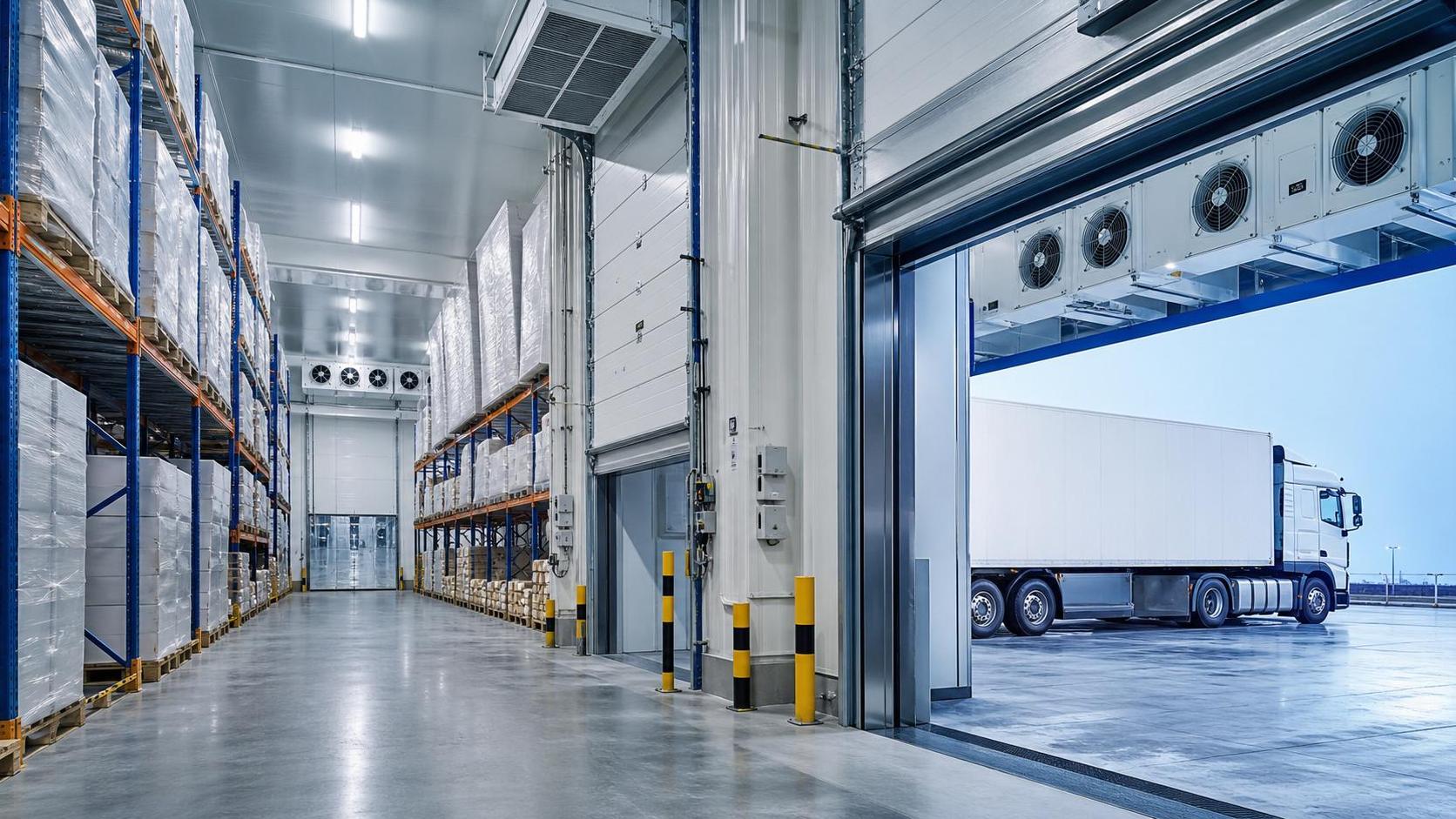
Cold storage facilities face round-the-clock loads, infiltration, product pull-down, and defrost penalties. In this setting, energy efficient cooling depends heavily on system architecture, not just compressor efficiency.
Comparisons should include suction pressure optimization, floating head pressure, evaporator fan control, door activity, and insulation quality. CO2 transcritical systems may excel in some climates, but need careful review in hotter regions.
Core checks for cold storage comparison
Review kilowatt-hours per stored ton, not only rated COP. Also compare product throughput, defrost intervals, and temperature recovery after loading events.
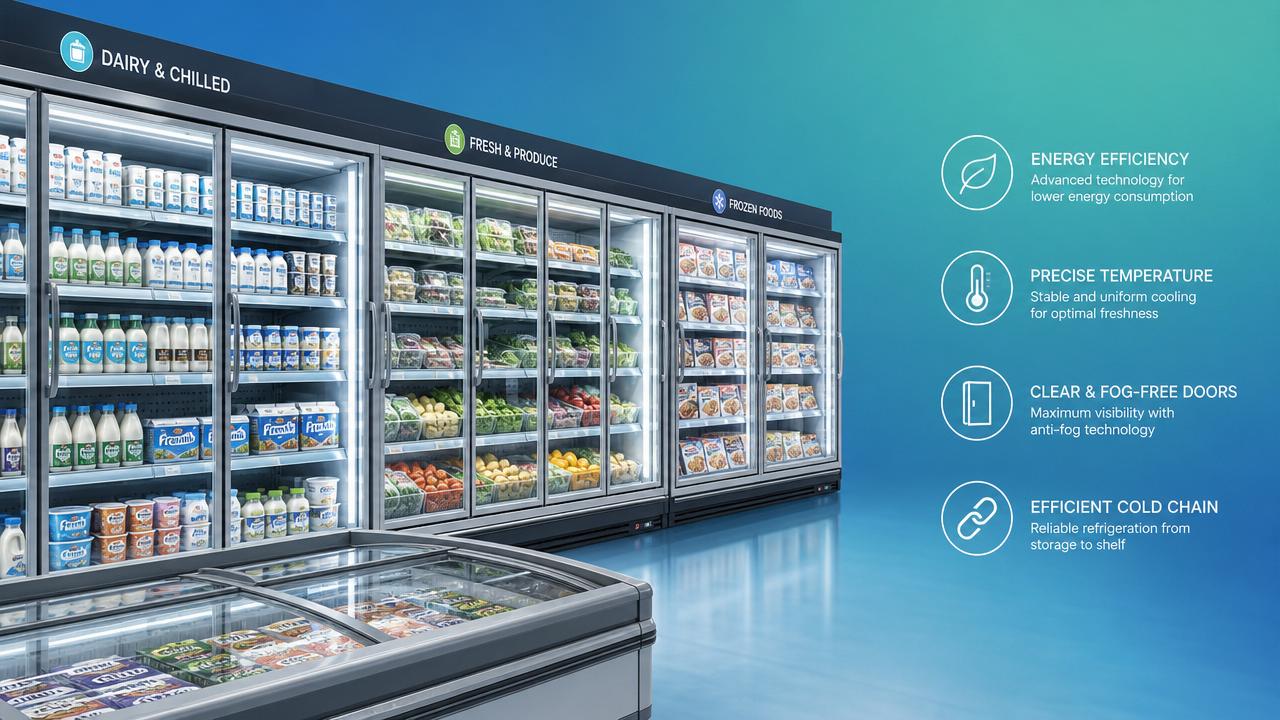
Scenario 3: commercial refrigeration cabinets live or fail on airflow and display conditions
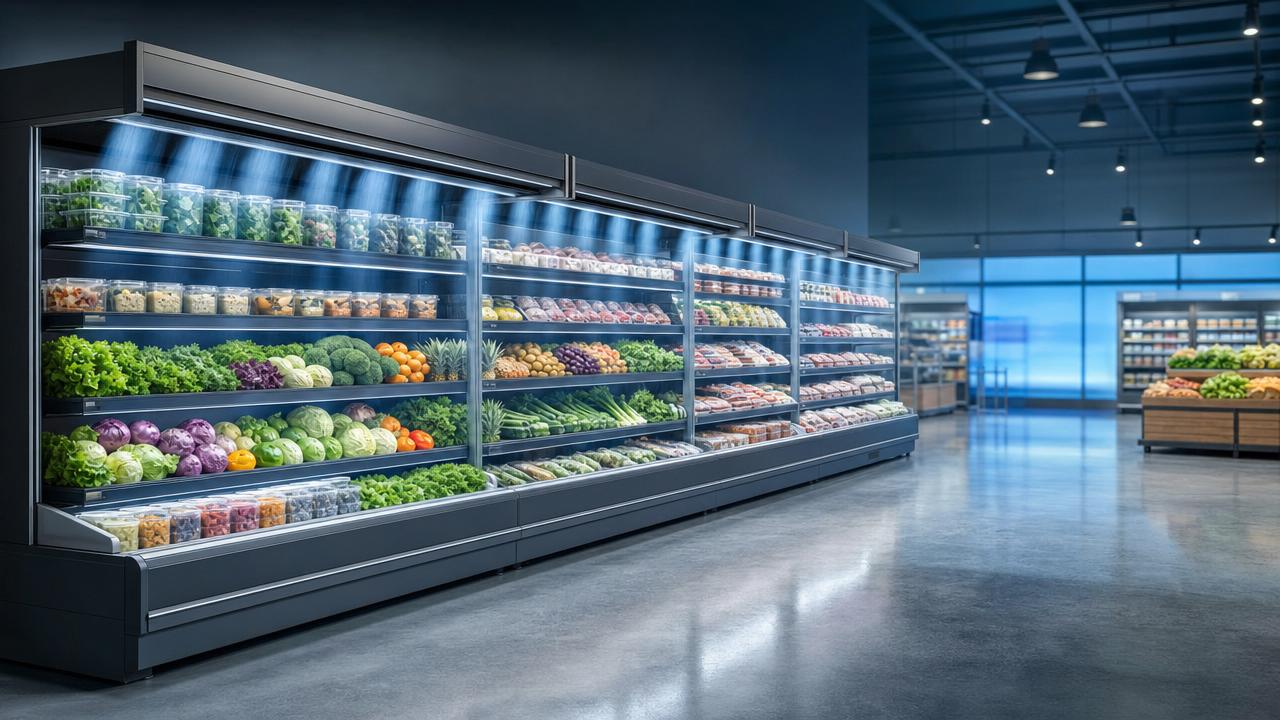
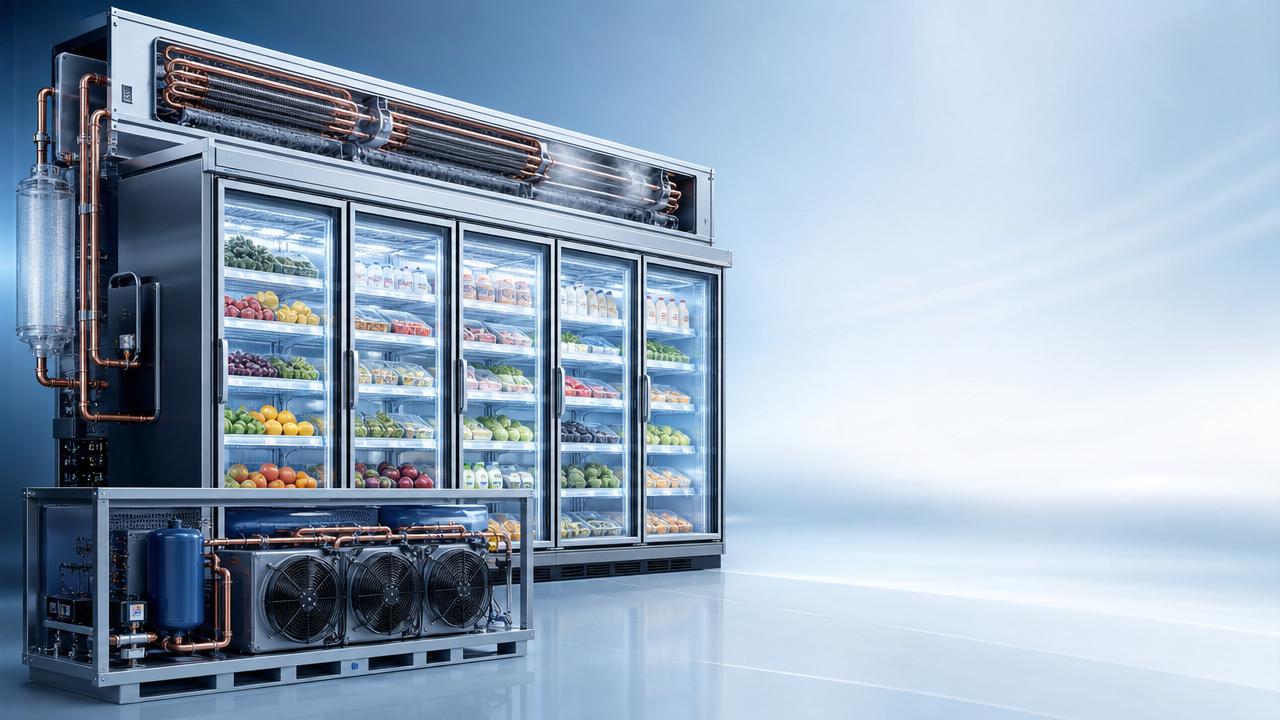
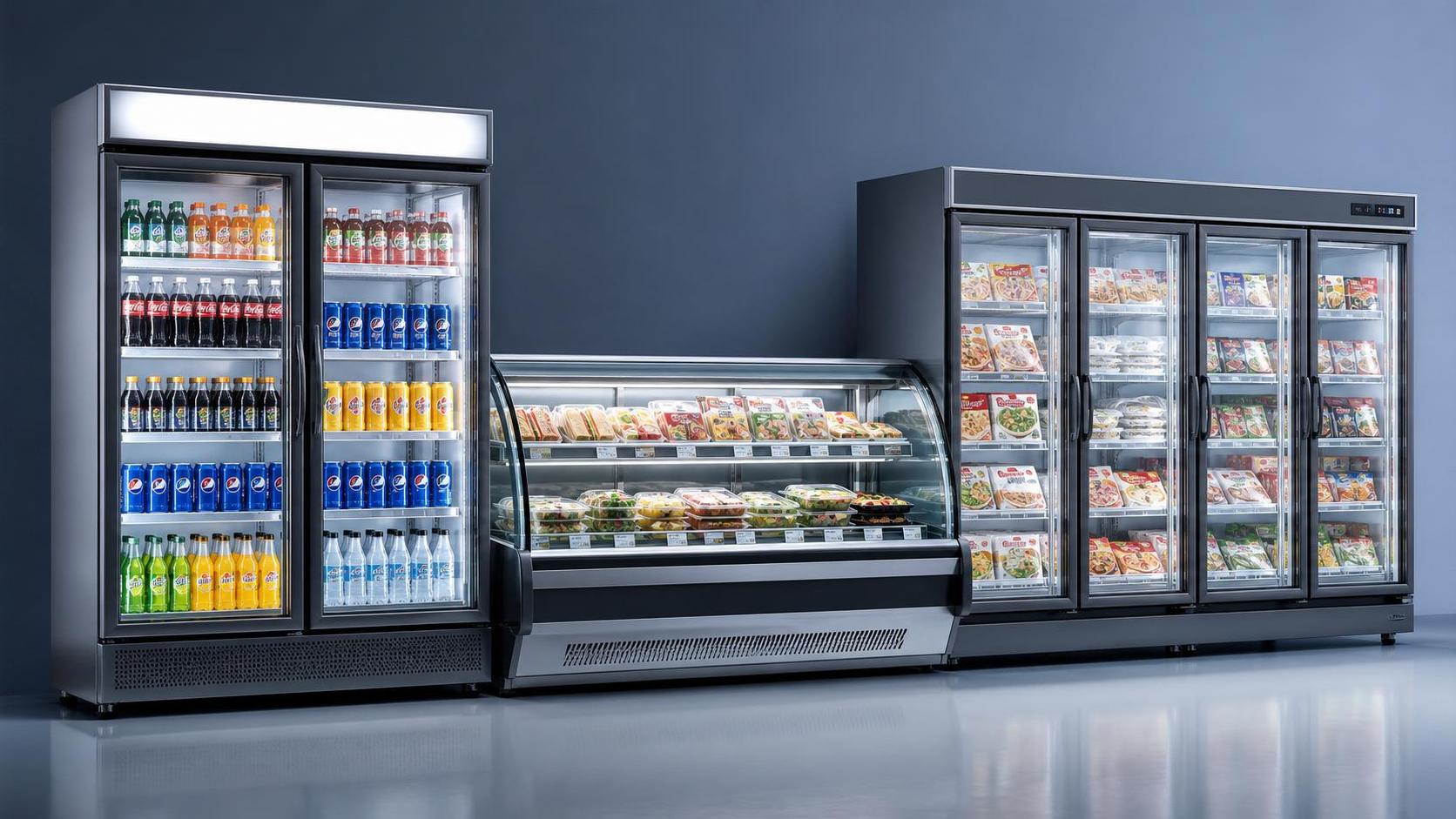
Retail cabinets can appear efficient on paper yet waste energy in stores. Air curtain design, anti-fog heating, lighting, door usage, and stocking patterns all alter real performance.
When comparing energy efficient cooling for display cases, analyze fan EC motors, LED heat load, night covers, case controls, and humidity management. Product visibility should not come at the cost of runaway compressor hours.
What often gets overlooked
Small parasitic loads add up quickly. Door frame heaters, controls standby power, and poor airflow balancing can erase gains from a higher equipment rating.
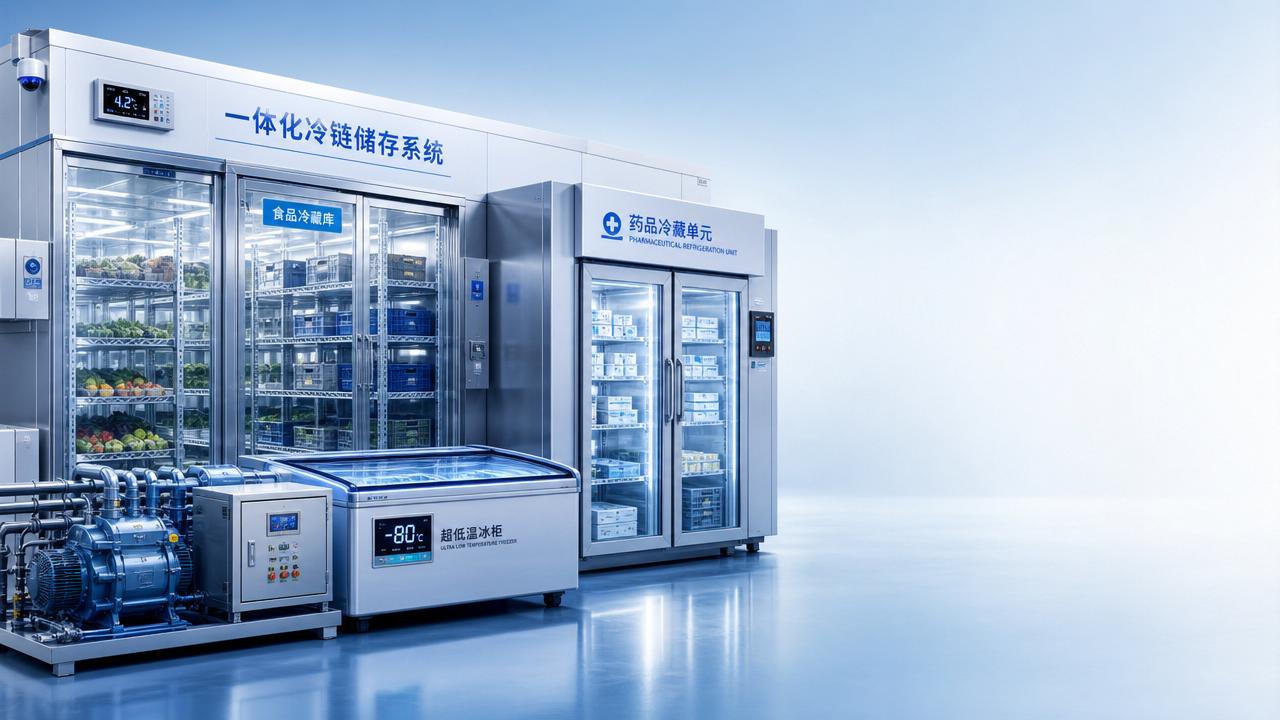
Scenario 4: ice systems and ultra-low temperature equipment need specialized metrics
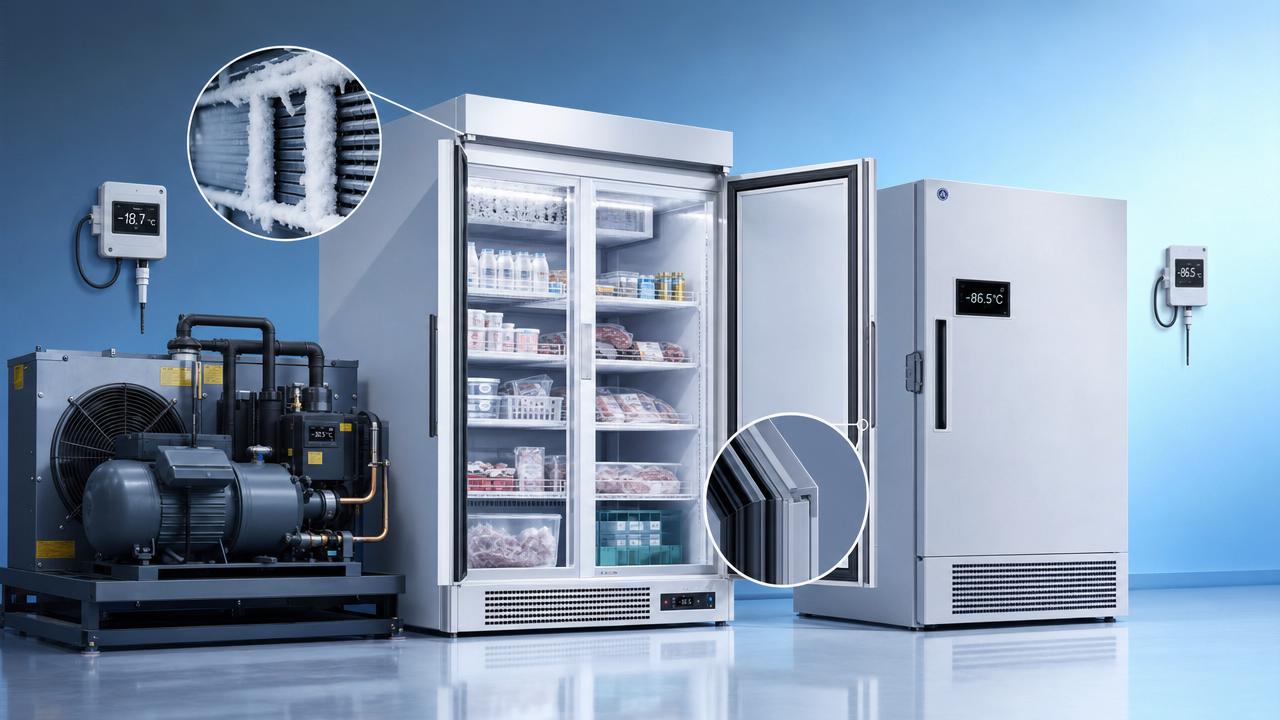
Large-scale ice making and ultra-low temperature freezers cannot be judged by comfort-cooling logic. Their duty cycles, temperature lift, and reliability demands are fundamentally different.
For ice systems, compare kilowatt-hours per ton of ice, water consumption, harvest losses, and peak ambient performance. For deep-cryogenic units, review cascade efficiency, pull-down time, temperature uniformity, and backup resilience.
How scenario requirements differ in practice
Practical methods to compare energy efficient cooling more accurately
A strong evaluation combines technical data with operating context. The goal is to estimate actual annual performance and future compliance risk, not simply rank catalog sheets.
- Map the load profile by hour, season, and process event.
- Use part-load metrics alongside full-load ratings.
- Adjust for local ambient temperature and humidity bands.
- Review refrigerant GWP, charge size, and leak implications.
- Estimate maintenance burden and performance degradation.
- Convert results into lifecycle cost, not first cost only.
This method improves energy efficient cooling comparisons in mixed portfolios. It also supports bids, retrofit planning, and long-horizon capital decisions with measurable evidence.
Scenario-based fit recommendations
Common mistakes when judging energy efficient cooling
One common mistake is comparing different technologies at one operating point only. Another is ignoring controls, which often decide whether efficiency is captured or wasted.
Refrigerant choice is also misjudged. A system may look efficient today, yet face higher future cost from phasedown pressure, servicing complexity, or leakage exposure.
Poor data quality creates another blind spot. Without measured load, ambient history, and maintenance records, energy efficient cooling decisions can drift toward assumptions instead of evidence.
A smarter next step for long-term cooling value
To compare energy efficient cooling beyond SEER, build a scenario-specific scorecard. Include part-load behavior, climate fit, refrigerant pathway, controls, maintenance needs, and annualized energy cost.
For broader refrigeration and cold-chain decisions, CCRS-style intelligence adds context that ratings alone cannot provide. It helps connect thermodynamic performance with compliance, resilience, and business continuity.
Start with one site, one load profile, and one lifecycle model. That practical step turns energy efficient cooling from a marketing phrase into a measurable operating advantage.
Recommended News
 Cold Chain & Retail Energy InsightsWhen Does Cold Storage Stop Saving Energy and Start Losing It?Analyst :Mr. Julian Thorne
 Cold Chain & Retail Energy InsightsCommercial Refrigeration Upgrades: Which Costs Are Easy to Miss?Analyst :Mr. Julian Thorne
 Cold Chain & Retail Energy InsightsCold Chain Logistics Failures Often Start With Small Temperature SwingsAnalyst :Mr. Julian Thorne
 Cold Chain & Retail Energy InsightsCold Storage Solutions That Fit Expansion Plans Without OverbuildingAnalyst :Mr. Julian Thorne
 Cold Chain & Retail Energy InsightsEnergy efficient cooling is not always the cheaper optionAnalyst :Mr. Julian Thorne
 Cold Chain & Retail Energy InsightsCold chain technology gaps still cause avoidable spoilageAnalyst :Mr. Julian Thorne
 Cold Chain & Retail Energy InsightsAPEC Auto Dialogue Sets New Standards for Smart Cold-Chain TrailersAnalyst :Mr. Julian Thorne
 Cold Chain & Retail Energy InsightsWhat makes commercial cooling solutions easier to scaleAnalyst :Mr. Julian Thorne
 Cold Chain & Retail Energy InsightsSouth Korea Extends Fuel Tax Relief to End-JulyAnalyst :Mr. Julian Thorne
 Cold Chain & Retail Energy InsightsWhen does air curtain refrigeration waste more energy?Analyst :Mr. Julian Thorne
 Cold Chain & Retail Energy InsightsCold chain technology failures often start with one gapAnalyst :Mr. Julian Thorne
 Cold Chain & Retail Energy InsightsWhat makes commercial cooling solutions easier to scale?Analyst :Mr. Julian Thorne
 Cold Chain & Retail Energy InsightsCold chain logistics risks that damage product qualityAnalyst :Mr. Julian Thorne
 Cold Chain & Retail Energy InsightsHow to compare energy efficient cooling beyond SEERAnalyst :Mr. Julian Thorne
 Cold Chain & Retail Energy InsightsHow cold chain technology reduces hidden spoilage risksAnalyst :Mr. Julian Thorne
 Cold Chain & Retail Energy InsightsWhat to check before choosing cold storage solutionsAnalyst :Mr. Julian Thorne
 Cold Chain & Retail Energy InsightsWhy commercial cooling solutions vary so much in ROIAnalyst :Mr. Julian Thorne
 Cold Chain & Retail Energy InsightsIs digital refrigeration control worth the upgrade costAnalyst :Mr. Julian Thorne
 Cold Chain & Retail Energy InsightsIs variable frequency cooling worth the energy savings?Analyst :Mr. Julian Thorne
 Cold Chain & Retail Energy InsightsWhy energy efficient cooling pays off faster than expectedAnalyst :Mr. Julian Thorne
 Cold Chain & Retail Energy InsightsIs your cold chain technology ready for stricter standardsAnalyst :Mr. Julian Thorne
 Cold Chain & Retail Energy InsightsHow Do Cold Storage Solutions Cut Energy Waste?Analyst :Mr. Julian Thorne
 Cold Chain & Retail Energy InsightsIs commercial refrigeration wasting energy after hours?Analyst :Mr. Julian Thorne
 Cold Chain & Retail Energy InsightsHow can cold chain logistics cut energy losses?Analyst :Mr. Julian Thorne
 Cold Chain & Retail Energy InsightsCold Storage Design Basics: Temperature Zones, Insulation, and Refrigeration LoadAnalyst :Mr. Julian Thorne
 Cold Chain & Retail Energy InsightsCold Chain Logistics Risks: How to Control Temperature from Plant to ShelfAnalyst :Mr. Julian Thorne
 Cold Chain & Retail Energy InsightsHow Refrigeration Technology Supports Food Safety in Cold Chain Storage and TransportAnalyst :Mr. Julian Thorne
 Cold Chain & Retail Energy InsightsHow Eco-Friendly Cooling Cuts Operating Costs in Food Processing and Cold RoomsAnalyst :Mr. Julian Thorne
 Cold Chain & Retail Energy InsightsWhat Is Cold Chain Technology and Which Industries Depend on It Most?Analyst :Mr. Julian Thorne
 Cold Chain & Retail Energy InsightsEnergy Efficient Cooling for Retail Stores: How to Compare Load, COP, and Defrost StrategyAnalyst :Mr. Julian Thorne
 Cold Chain & Retail Energy InsightsDigital Refrigeration Control in Supermarkets: How to Cut Temperature Drift and Alarm ErrorsAnalyst :Mr. Julian Thorne
 Cold Chain & Retail Energy InsightsDigital Refrigeration Upgrade Cost: When Retrofits Make Sense for Multi-Site OperationsAnalyst :Mr. Julian Thorne
 Cold Chain & Retail Energy InsightsIndustrial Refrigeration Systems for Food Processing: Common Failures and FixesAnalyst :Mr. Julian Thorne
 Cold Chain & Retail Energy InsightsCold Storage Design Basics: Temperature Ranges, Load Factors, and Common LayoutsAnalyst :Mr. Julian Thorne
 Cold Chain & Retail Energy InsightsEnergy Efficient Cooling for Food Retail: How to Cut Power Use Without Risking Product QualityAnalyst :Mr. Julian Thorne
 Cold Chain & Retail Energy InsightsCold Storage Energy Costs: What Drives Power Use and How to Reduce WasteAnalyst :Mr. Julian Thorne
 Cold Chain & Retail Energy InsightsCold Chain Logistics Costs: What Drives Energy, Spoilage, and Equipment InvestmentAnalyst :Mr. Julian Thorne
 Cold Chain & Retail Energy InsightsCold Storage Solutions for Food and Pharma: What to Compare Before System DesignAnalyst :Mr. Julian Thorne
 Cold Chain & Retail Energy InsightsCold Chain Logistics Costs: Where Energy Loss Happens and How to Reduce ItAnalyst :Mr. Julian Thorne
 Cold Chain & Retail Energy InsightsCommercial Cooling Solutions for Retail Stores: How to Balance Display, Efficiency, and CostAnalyst :Mr. Julian Thorne