Industry News
Curation by industry experts
Hot Articles
Popular Tags
Is digital refrigeration control worth the upgrade cost
For finance-focused investment reviews, digital refrigeration control should be judged by measurable return, not novelty. The upgrade matters when it lowers energy use, protects product quality, strengthens compliance, and extends equipment life across cold chain and industrial cooling assets.
In many facilities, refrigeration already represents one of the largest operating expenses. Small control errors can create oversized costs through unstable temperatures, excessive compressor cycling, avoidable defrosting, and emergency maintenance.
That is why digital refrigeration control has moved from optional modernization to a serious capital planning topic. The key issue is whether better data, automation, and precision can outperform the upgrade cost within a reasonable payback period.
What digital refrigeration control means in practical terms

Digital refrigeration control replaces basic mechanical or limited analog logic with programmable monitoring, sensor feedback, remote visibility, and adaptive system management. It turns refrigeration from reactive operation into controlled performance management.
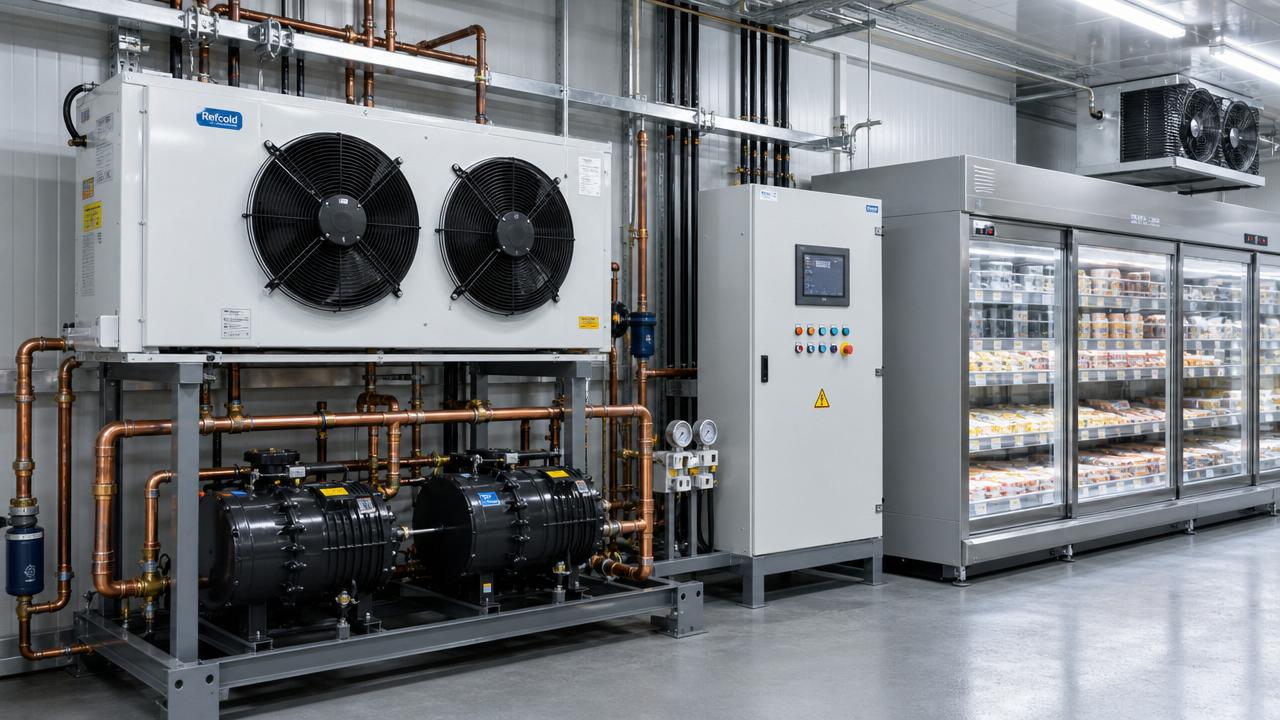
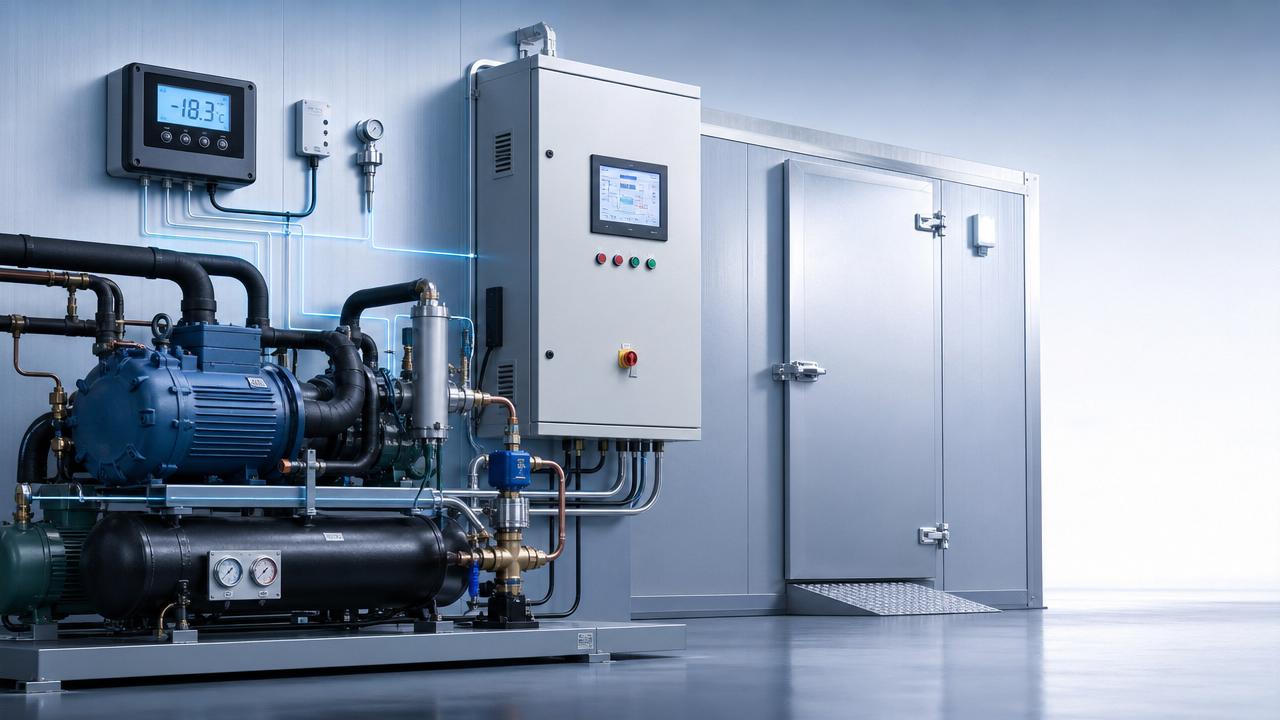
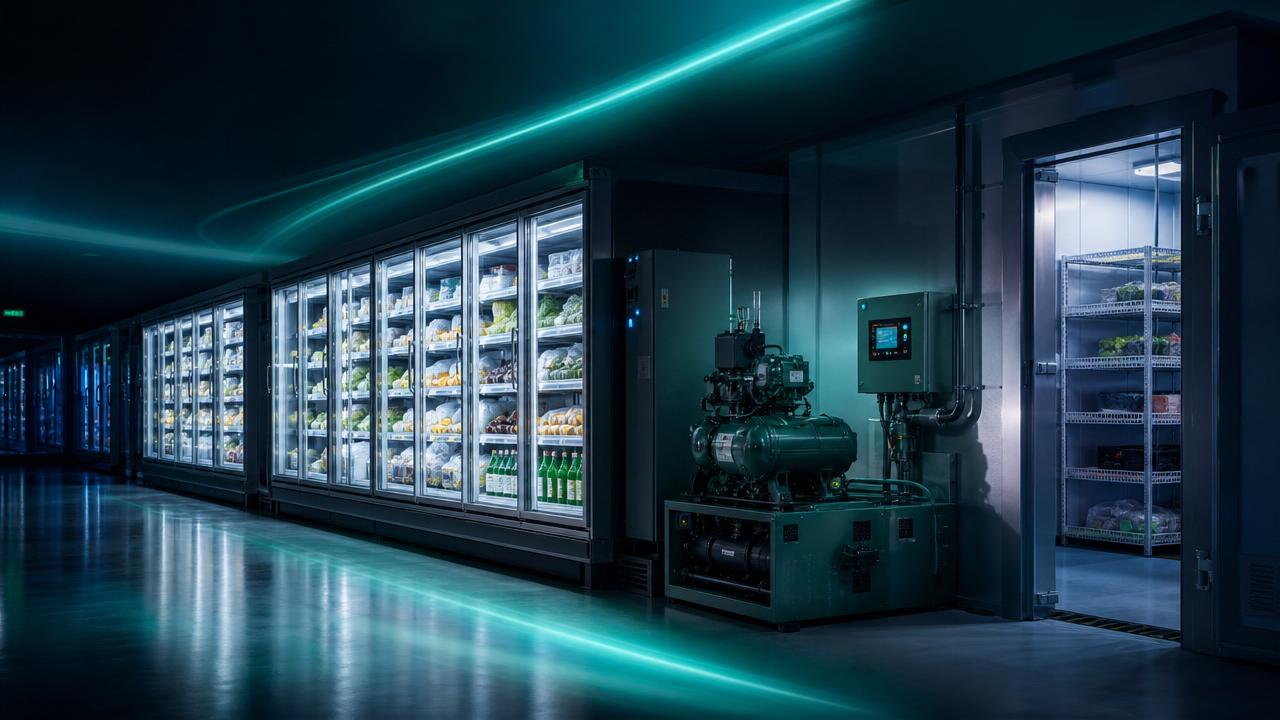
A typical digital refrigeration control upgrade may include smart thermostatic logic, electronic expansion valves, compressor staging, defrost scheduling, alarm management, data logging, and cloud-connected dashboards.
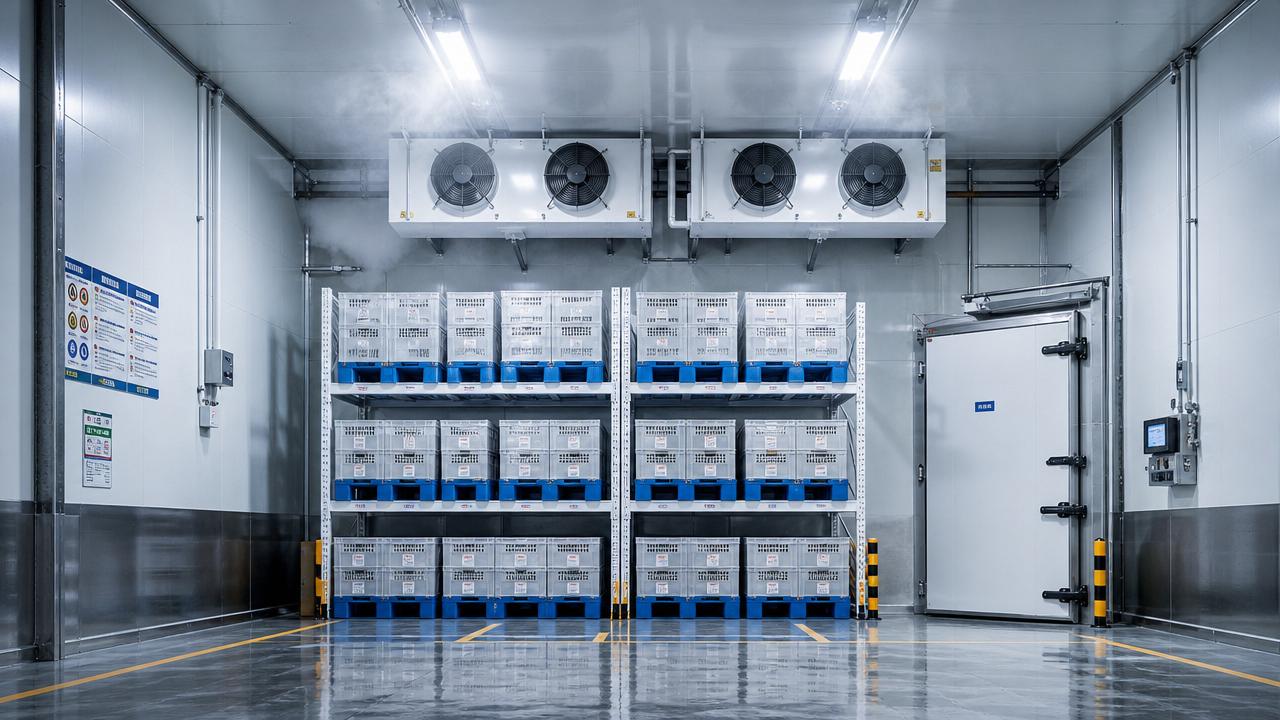
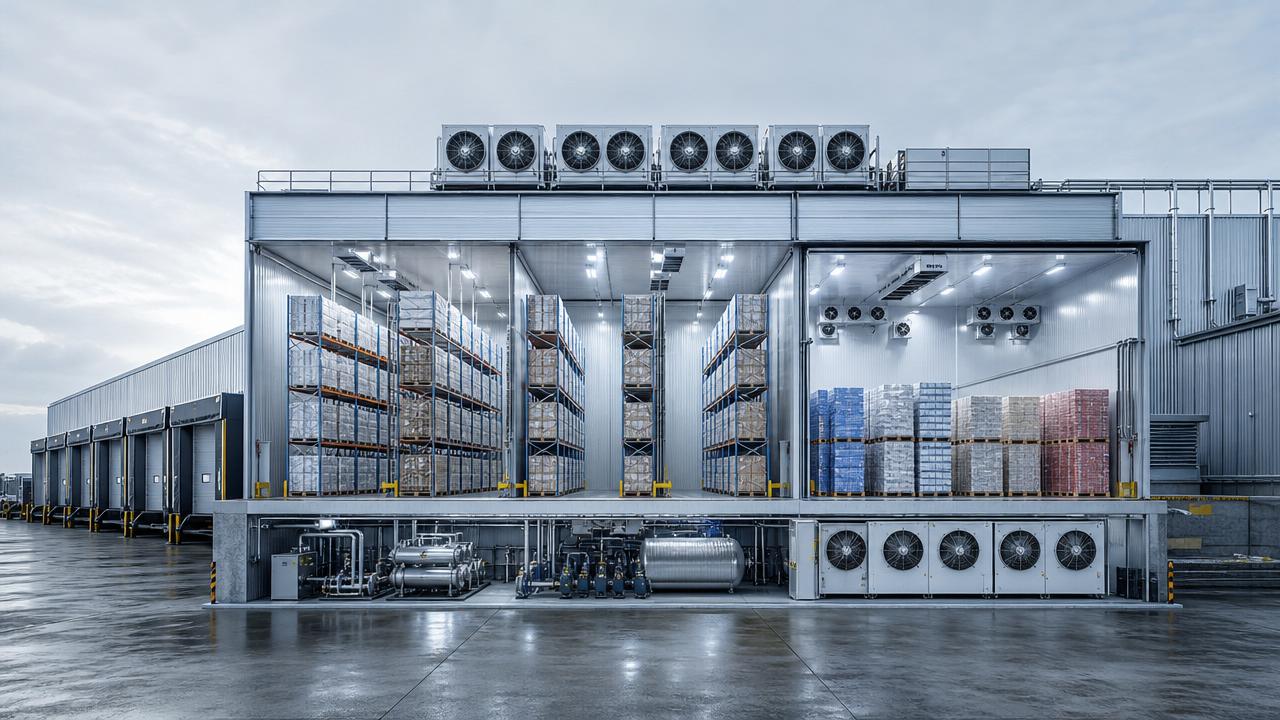
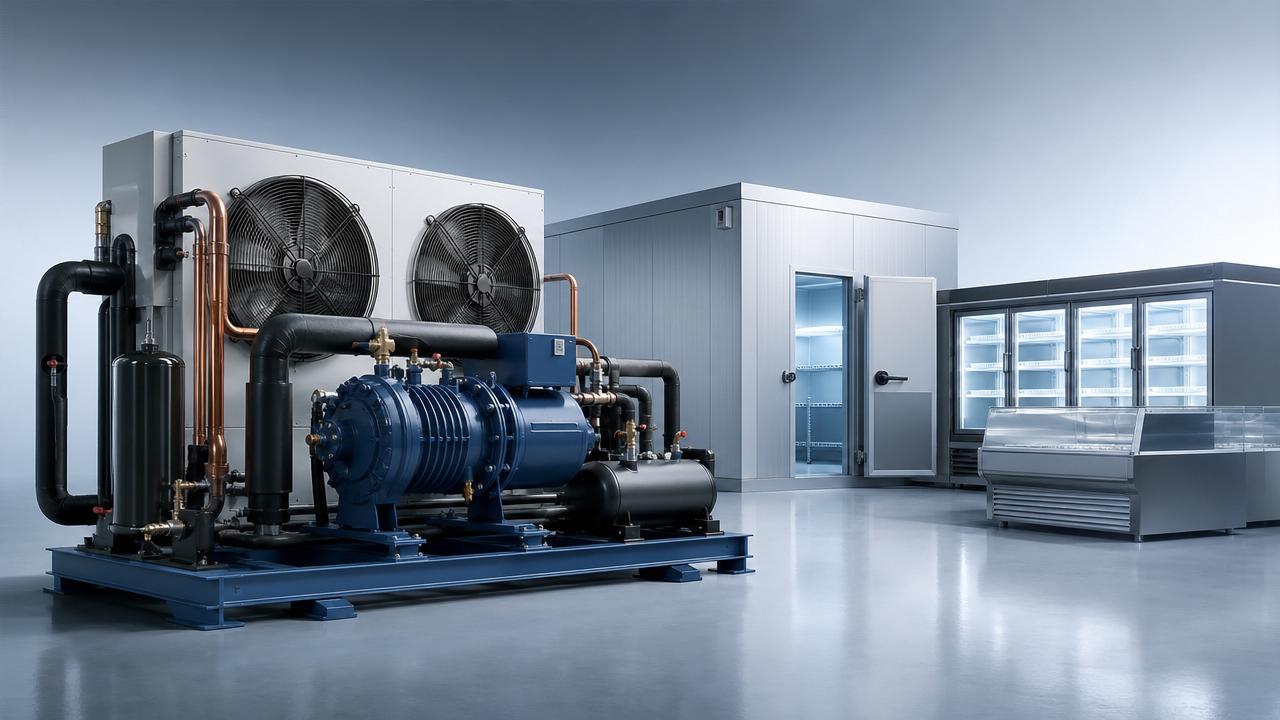
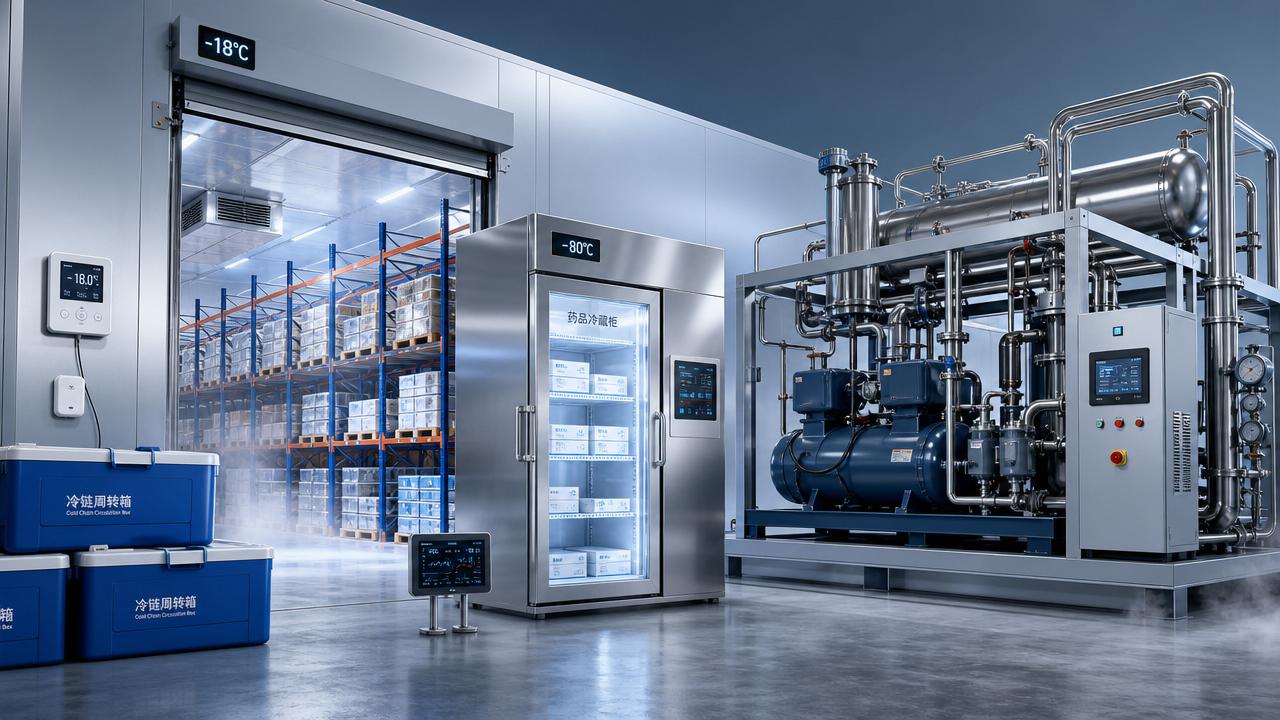
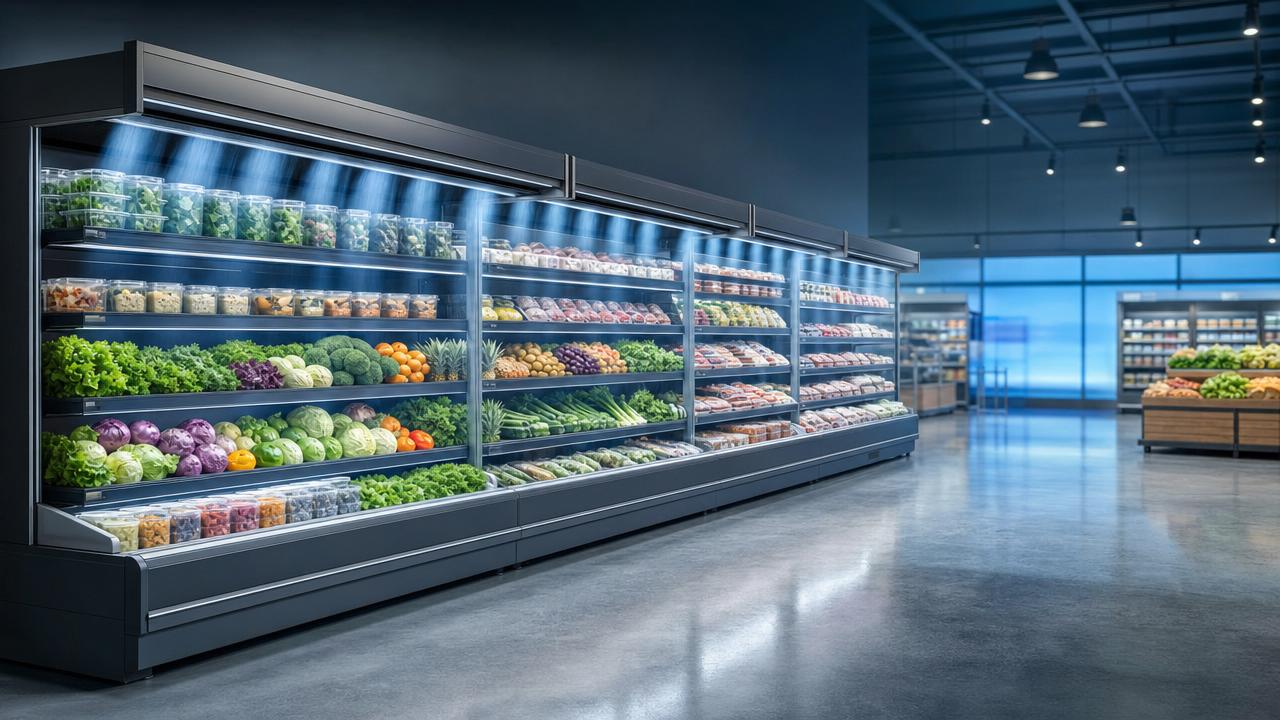
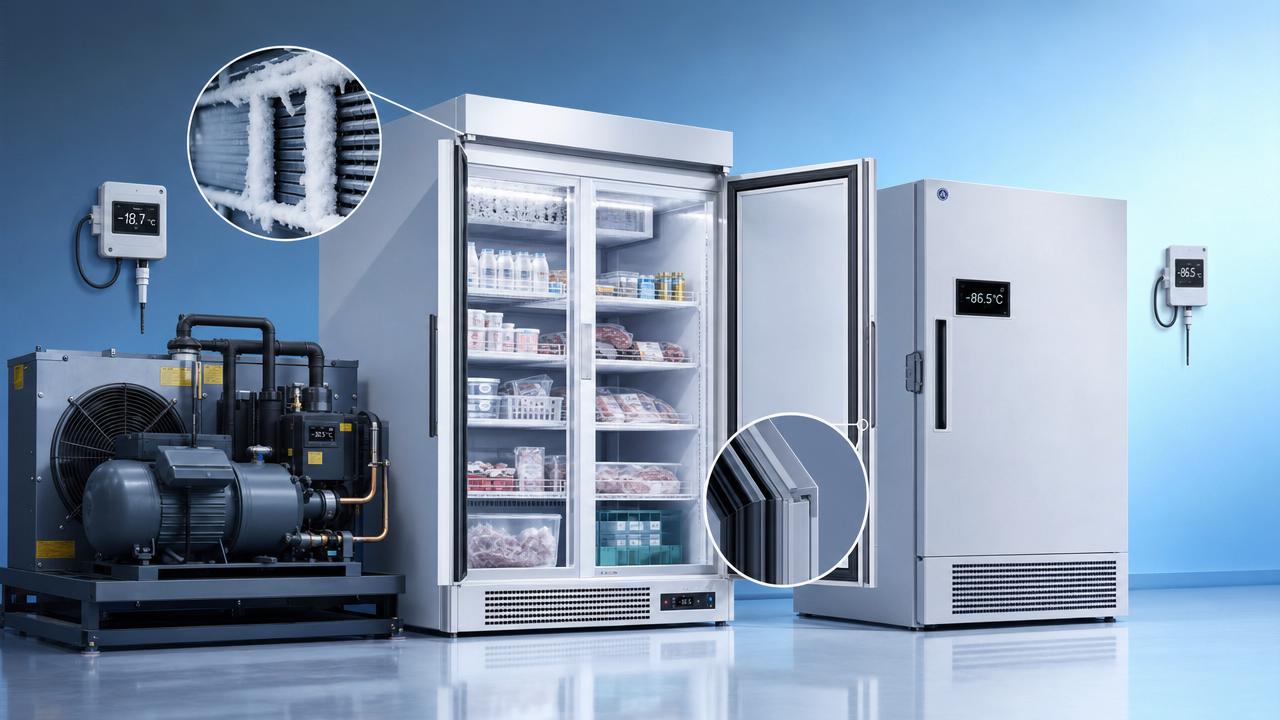
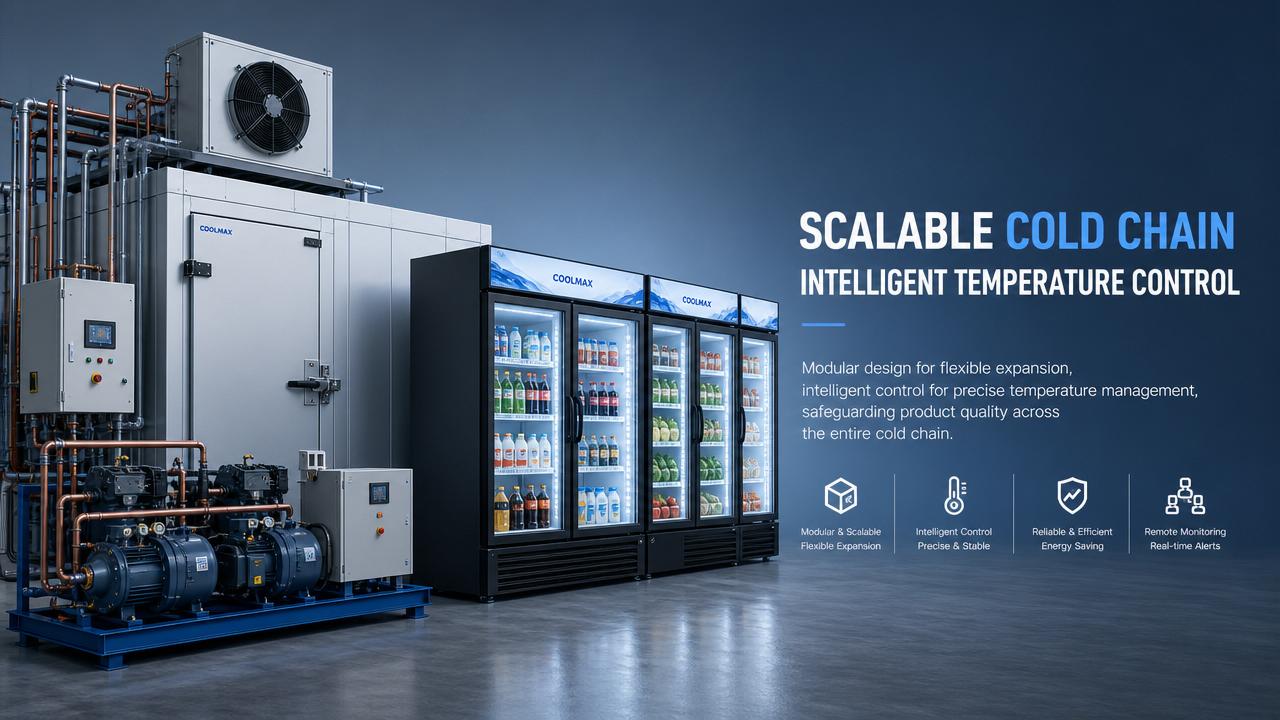
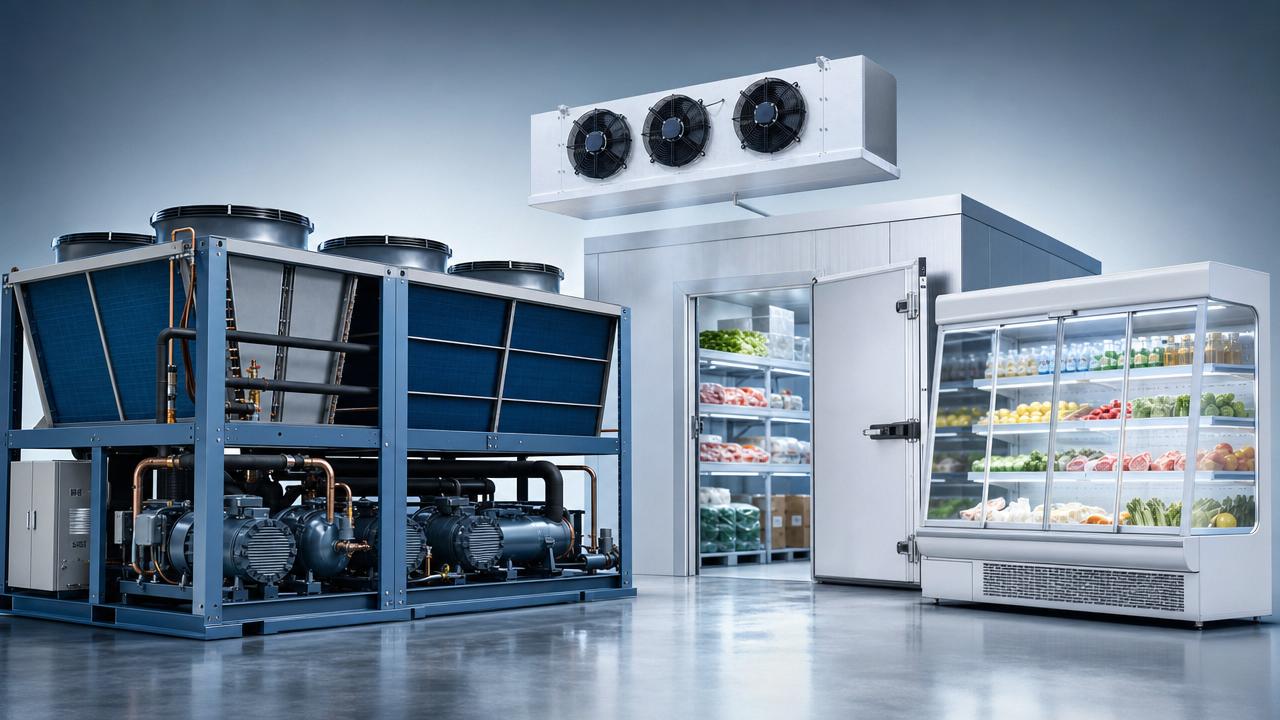
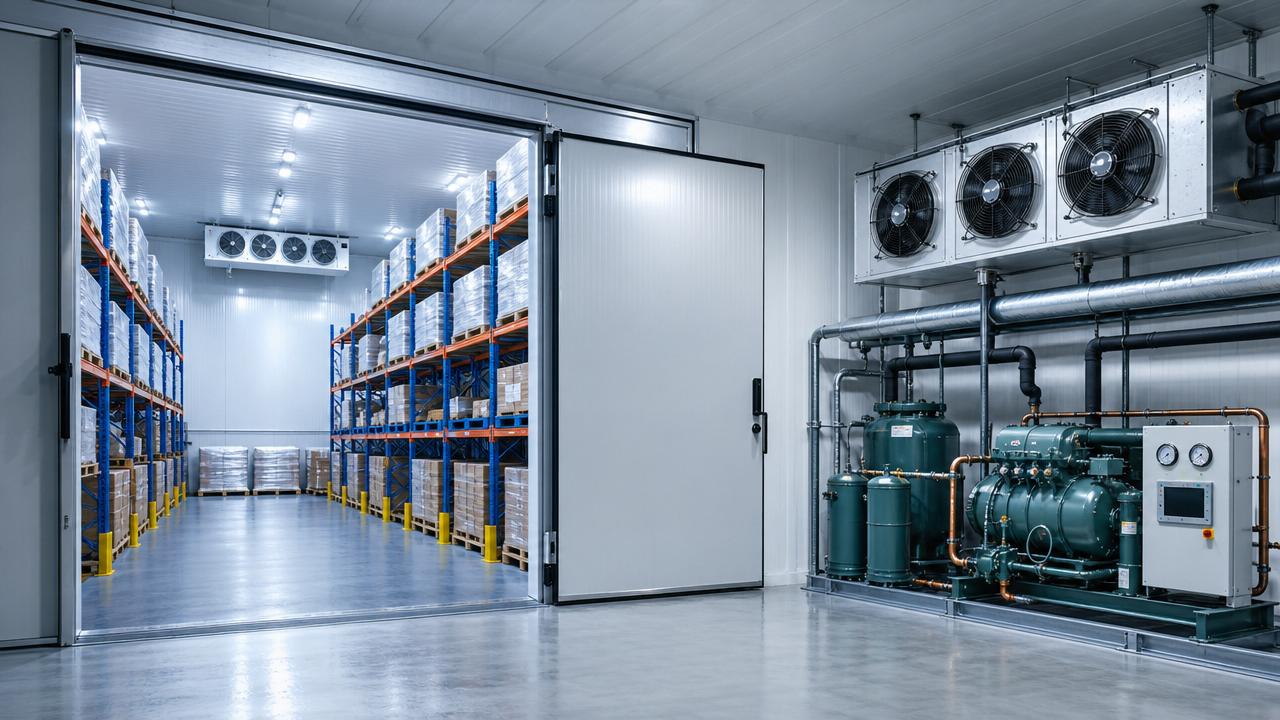
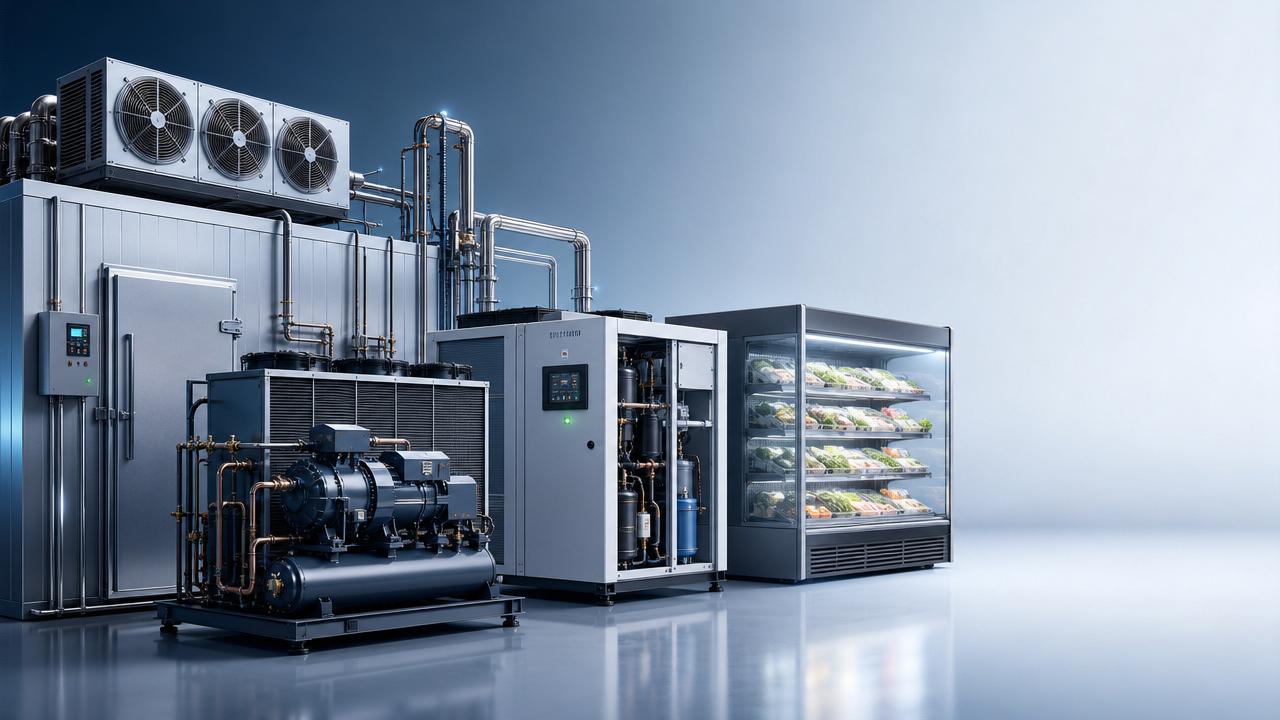
The technology is relevant across commercial refrigeration cabinets, industrial chillers, cold storage compressor packs, ice machines, and ultra-low temperature storage where stability is mission-critical.
It is not only about tighter temperature control. It also supports energy optimization, refrigerant management, predictive service planning, and proof of compliance in regulated operating environments.
Core functional elements
- Continuous temperature and pressure sensing
- Adaptive compressor and fan control
- Electronic expansion valve precision
- Defrost optimization based on actual load
- Alarm history, trend analysis, and remote diagnostics
- Integration with BMS, EMS, or enterprise reporting tools
Why the upgrade question matters now
The cost-benefit debate around digital refrigeration control is stronger today because pressure has increased from four directions: energy prices, food safety expectations, refrigerant regulation, and uptime risk.
Facilities are expected to run colder, cleaner, and more efficiently, while proving every condition with traceable records. Manual checks and fixed logic no longer match that requirement.
For broad refrigeration portfolios, digital refrigeration control often becomes the most realistic first upgrade. It can deliver visible improvement without requiring a complete equipment replacement.
Where digital refrigeration control creates measurable value
The upgrade cost is justified when operational gains are consistent and quantifiable. In most cases, the strongest value comes from four areas working together rather than one isolated benefit.
1. Energy efficiency
Digital refrigeration control reduces waste by aligning capacity with real load. Compressors, fans, valves, and defrost cycles operate with better timing and fewer unnecessary run hours.
Even modest efficiency gains matter because refrigeration loads are continuous. Annual savings often accumulate faster than many other building or process retrofits.
2. Product protection and temperature stability
Temperature drift is expensive in food, pharmaceutical, and specialty industrial processes. Digital refrigeration control helps reduce excursions by responding faster to door openings, ambient changes, and load spikes.
Better stability also supports shelf life, product integrity, and customer trust. In sensitive environments, avoided spoilage can justify the investment faster than energy savings alone.
3. Maintenance and asset life
Poor control logic causes hard starts, excessive cycling, and hidden stress on compressors and motors. Digital refrigeration control smooths operation and highlights abnormal conditions earlier.
This helps reduce catastrophic failures, emergency callouts, and premature component replacement. Extending useful life changes the financial picture of the entire refrigeration asset base.
4. Compliance and reporting
Digitized records support internal governance and external audits. Facilities can prove storage conditions, alarm response, and operating trends without relying on scattered manual logs.
That matters in regulated cold chain operations and in organizations that must document sustainability progress, refrigerant stewardship, and energy performance improvements.
Typical scenarios where the upgrade makes the most sense
Not every site has the same return profile. The upgrade is usually more compelling where temperature precision, uptime, and energy intensity are already strategic issues.
How to evaluate the upgrade cost realistically
A sound evaluation should compare total installed cost with total avoided cost. That includes savings and risk reduction over several years, not just first-year utility change.
Cost side
- Controllers, sensors, valves, communication modules
- Software licensing or cloud platform fees
- Installation labor and commissioning
- Training and integration with existing systems
- Downtime during retrofit, if any
Benefit side
- Reduced electricity consumption
- Lower spoilage, rejection, or quality loss
- Fewer service visits and emergency repairs
- Longer compressor and component life
- Improved audit readiness and compliance support
The strongest business case usually appears when several benefits overlap. A site with high power bills, unstable temperatures, and frequent alarms often gains the fastest payback from digital refrigeration control.
Implementation points that influence return
The value of digital refrigeration control depends heavily on design quality. A poor retrofit can underperform even if the technology itself is advanced.
- Start with a baseline of energy, alarms, temperature variation, and maintenance history.
- Prioritize high-load or high-risk assets before broad rollout.
- Check sensor placement and calibration carefully.
- Match control strategy to refrigerant type and equipment age.
- Use dashboards that support action, not only data collection.
- Review payback after seasonal performance is confirmed.
It is also wise to verify whether existing compressors, evaporators, and valves can fully benefit from new controls. Sometimes selective mechanical upgrades unlock much better digital performance.
A balanced conclusion on whether digital refrigeration control is worth it
Digital refrigeration control is not automatically worth the upgrade cost in every setting. On stable, lightly loaded systems with low risk exposure, the return may be slower.
However, in energy-intensive, compliance-sensitive, or temperature-critical environments, digital refrigeration control often delivers value beyond utility savings. It improves visibility, reduces hidden losses, and supports longer-term asset performance.
The practical next step is to audit one representative refrigeration system, estimate baseline waste, and compare that with a phased upgrade model. That approach turns a broad technology question into a defensible investment decision.
Recommended News
 Cold Chain & Retail Energy InsightsWhen Does Cold Storage Stop Saving Energy and Start Losing It?Analyst :Mr. Julian Thorne
 Cold Chain & Retail Energy InsightsCommercial Refrigeration Upgrades: Which Costs Are Easy to Miss?Analyst :Mr. Julian Thorne
 Cold Chain & Retail Energy InsightsCold Chain Logistics Failures Often Start With Small Temperature SwingsAnalyst :Mr. Julian Thorne
 Cold Chain & Retail Energy InsightsCold Storage Solutions That Fit Expansion Plans Without OverbuildingAnalyst :Mr. Julian Thorne
 Cold Chain & Retail Energy InsightsEnergy efficient cooling is not always the cheaper optionAnalyst :Mr. Julian Thorne
 Cold Chain & Retail Energy InsightsCold chain technology gaps still cause avoidable spoilageAnalyst :Mr. Julian Thorne
 Cold Chain & Retail Energy InsightsAPEC Auto Dialogue Sets New Standards for Smart Cold-Chain TrailersAnalyst :Mr. Julian Thorne
 Cold Chain & Retail Energy InsightsWhat makes commercial cooling solutions easier to scaleAnalyst :Mr. Julian Thorne
 Cold Chain & Retail Energy InsightsSouth Korea Extends Fuel Tax Relief to End-JulyAnalyst :Mr. Julian Thorne
 Cold Chain & Retail Energy InsightsWhen does air curtain refrigeration waste more energy?Analyst :Mr. Julian Thorne
 Cold Chain & Retail Energy InsightsCold chain technology failures often start with one gapAnalyst :Mr. Julian Thorne
 Cold Chain & Retail Energy InsightsWhat makes commercial cooling solutions easier to scale?Analyst :Mr. Julian Thorne
 Cold Chain & Retail Energy InsightsCold chain logistics risks that damage product qualityAnalyst :Mr. Julian Thorne
 Cold Chain & Retail Energy InsightsHow to compare energy efficient cooling beyond SEERAnalyst :Mr. Julian Thorne
 Cold Chain & Retail Energy InsightsHow cold chain technology reduces hidden spoilage risksAnalyst :Mr. Julian Thorne
 Cold Chain & Retail Energy InsightsWhat to check before choosing cold storage solutionsAnalyst :Mr. Julian Thorne
 Cold Chain & Retail Energy InsightsWhy commercial cooling solutions vary so much in ROIAnalyst :Mr. Julian Thorne
 Cold Chain & Retail Energy InsightsIs digital refrigeration control worth the upgrade costAnalyst :Mr. Julian Thorne
 Cold Chain & Retail Energy InsightsIs variable frequency cooling worth the energy savings?Analyst :Mr. Julian Thorne
 Cold Chain & Retail Energy InsightsWhy energy efficient cooling pays off faster than expectedAnalyst :Mr. Julian Thorne
 Cold Chain & Retail Energy InsightsIs your cold chain technology ready for stricter standardsAnalyst :Mr. Julian Thorne
 Cold Chain & Retail Energy InsightsHow Do Cold Storage Solutions Cut Energy Waste?Analyst :Mr. Julian Thorne
 Cold Chain & Retail Energy InsightsIs commercial refrigeration wasting energy after hours?Analyst :Mr. Julian Thorne