Industry News
Curation by industry experts
Hot Articles
- Thermodynamic Tech TrendsHow to Size Heat Exchange Systems for Refrigeration Plants at Peak Load
- Parallel Compressor RacksHow to Size Reciprocating Compressors for Cold Storage Load and Temperature Range
- Flake Ice MachinesHow to Size a Commercial Ice Dispenser for Peak Demand in Foodservice Operations
Popular Tags
How cold chain technology reduces hidden spoilage risks
For quality control and safety managers, hidden spoilage rarely begins with a dramatic equipment breakdown. It usually grows from minor temperature drift, brief door openings, delayed alarms, and poor shipment visibility.
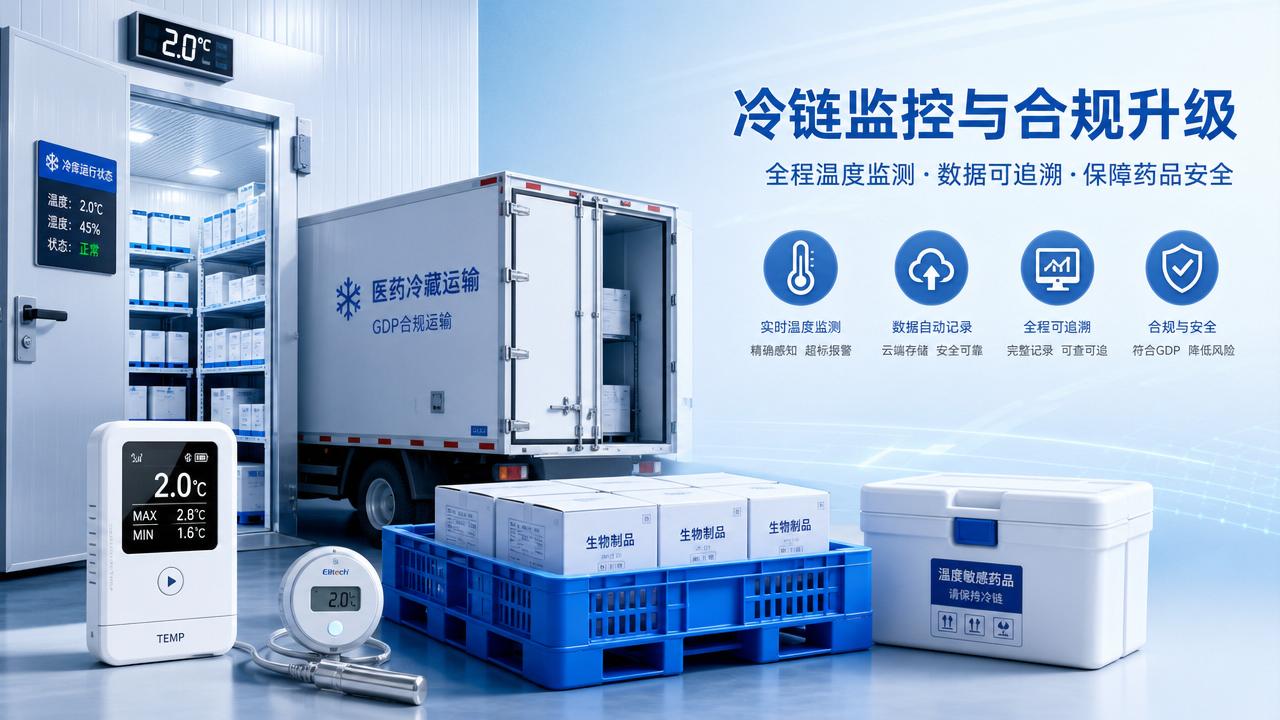
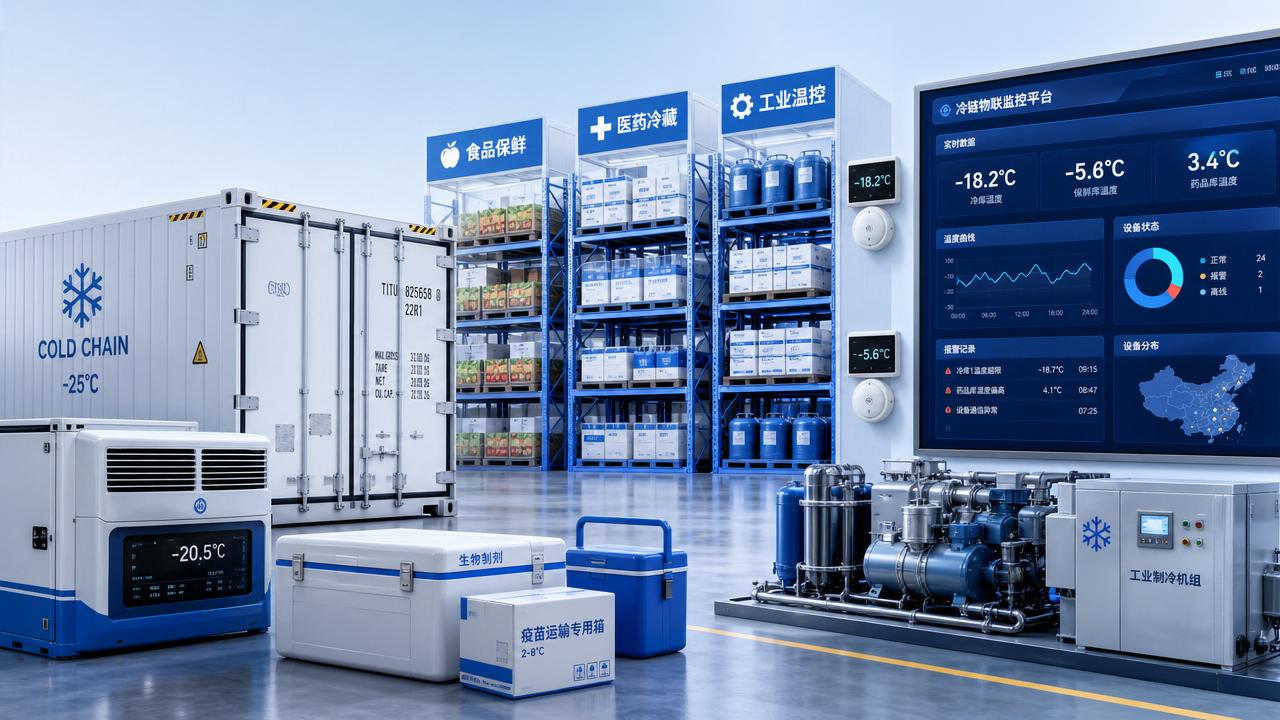
That is why cold chain technology matters across food, pharmaceuticals, chemicals, and industrial materials. It reduces invisible risk by turning temperature control into a monitored, traceable, and corrective operating system.
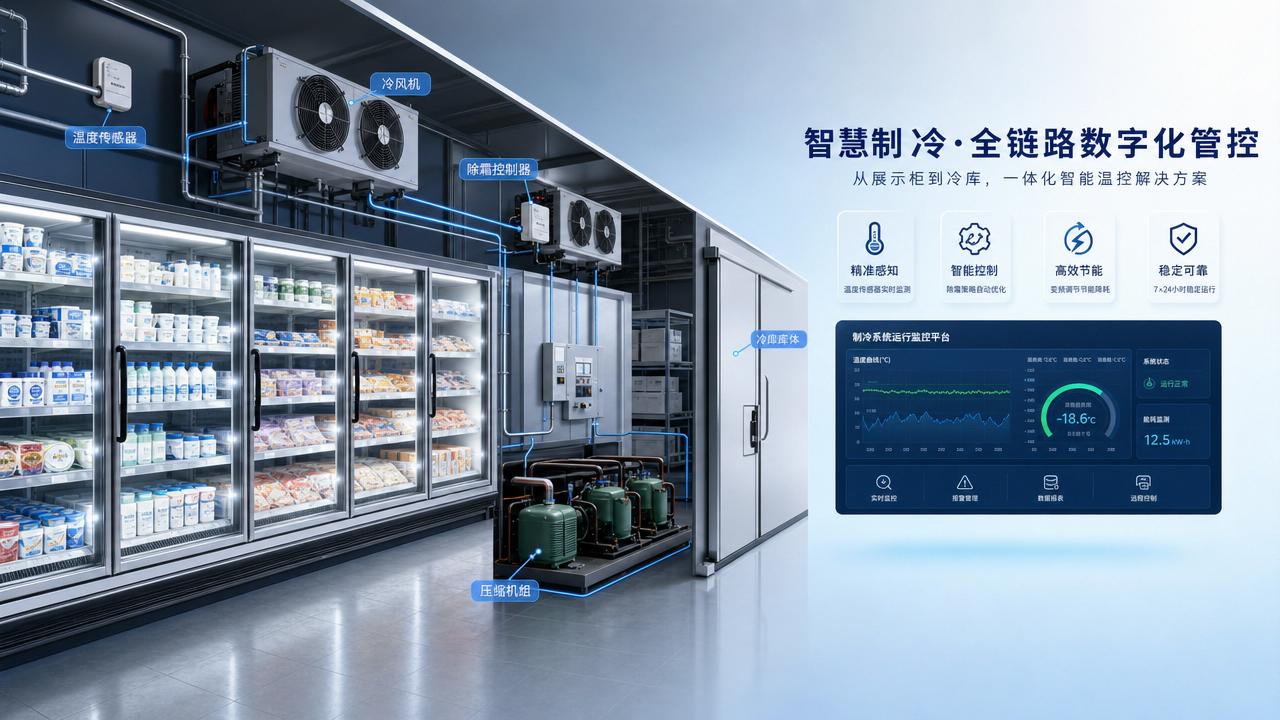
When sensors, refrigeration systems, alarms, data logs, and response workflows work together, cold chain technology protects product integrity, supports compliance, and preserves customer confidence.
What does hidden spoilage really mean in cold chain technology?
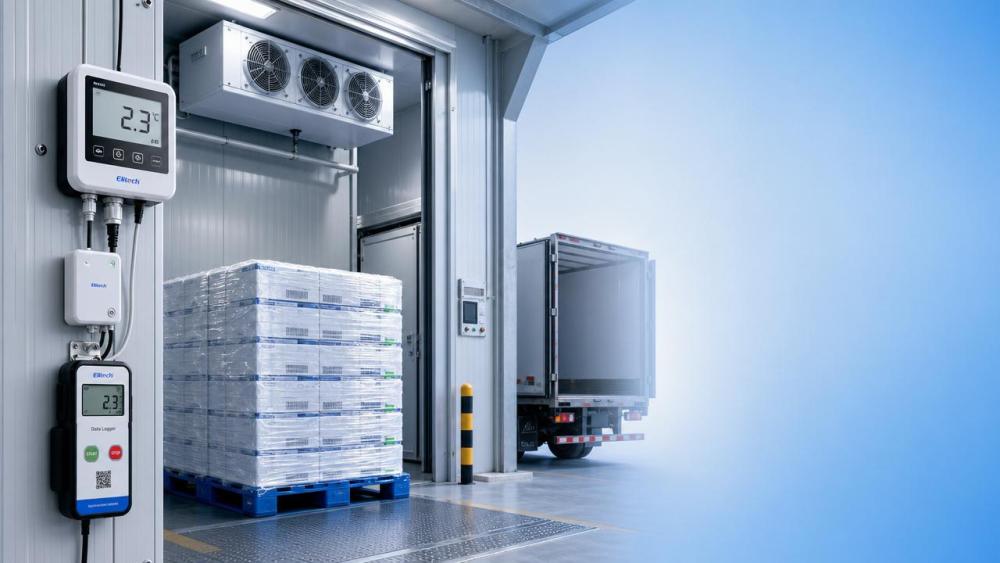
Hidden spoilage refers to quality loss that is not immediately visible. Products may still look acceptable while microbial growth, texture damage, or chemical instability is already progressing.
In food distribution, this can mean shortened shelf life, odor changes, moisture loss, or unsafe bacterial activity. In biomedicine, it may mean reduced potency, failed storage conditions, or unusable samples.
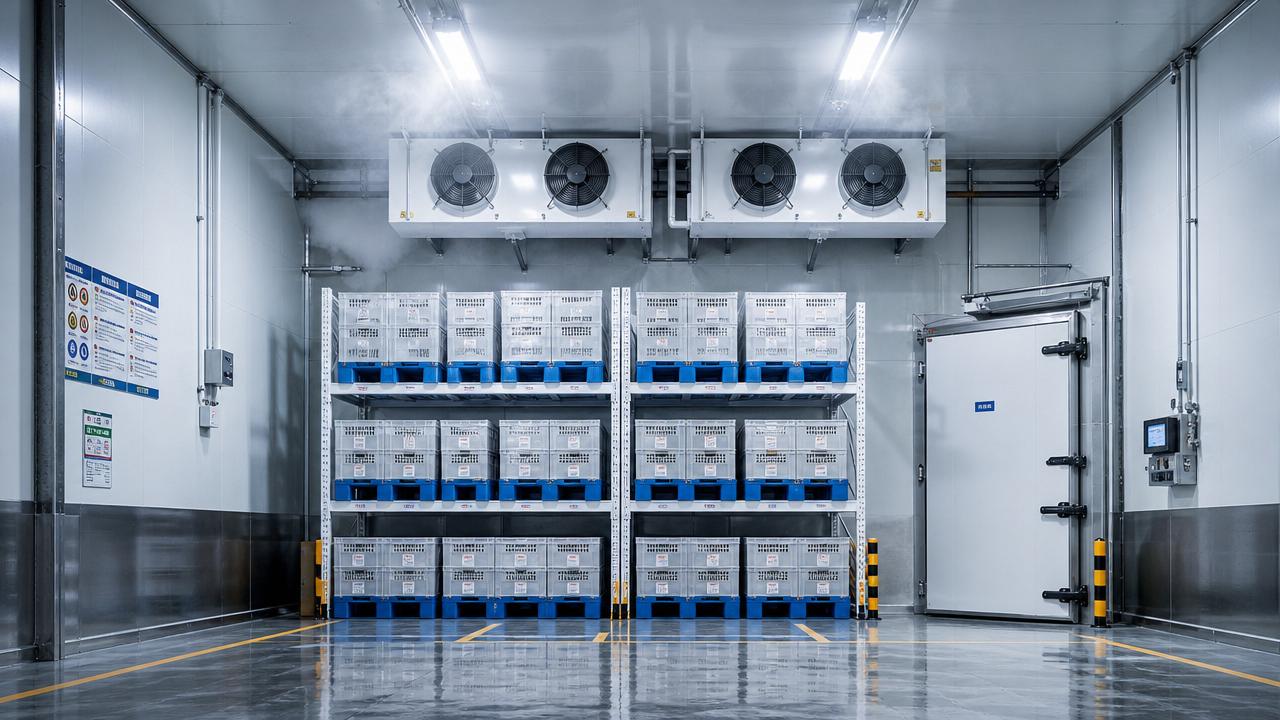
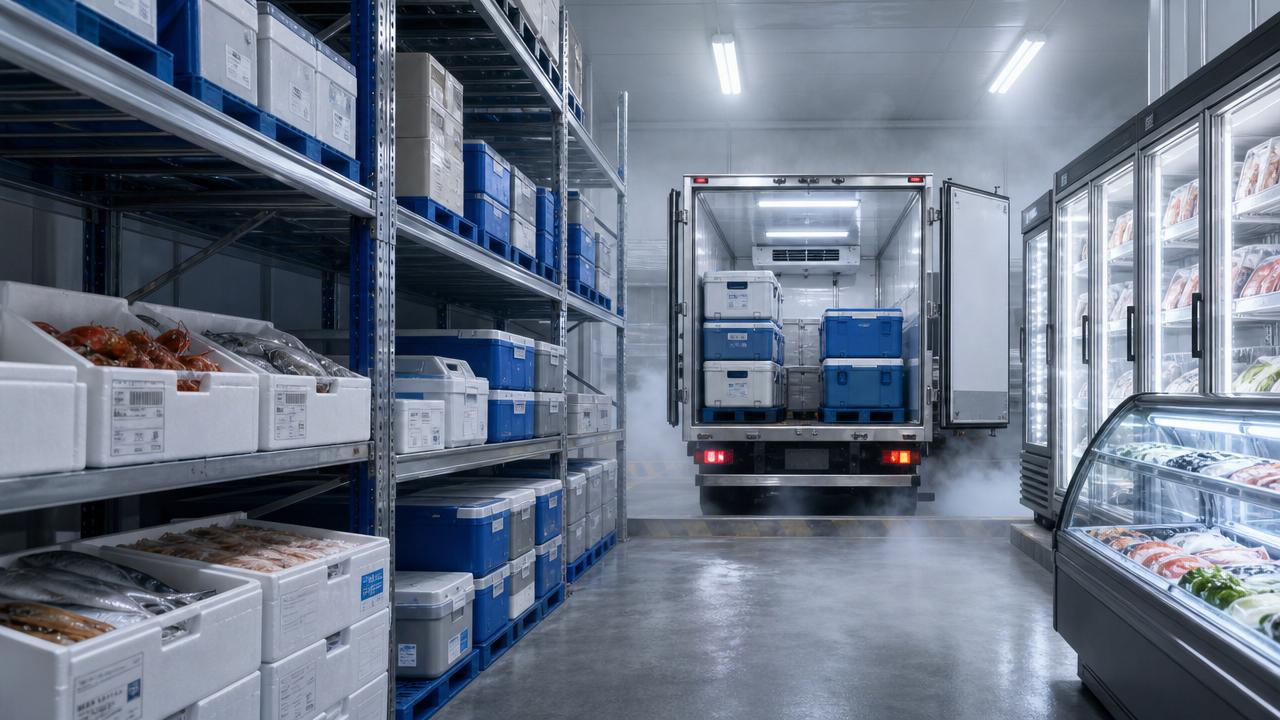
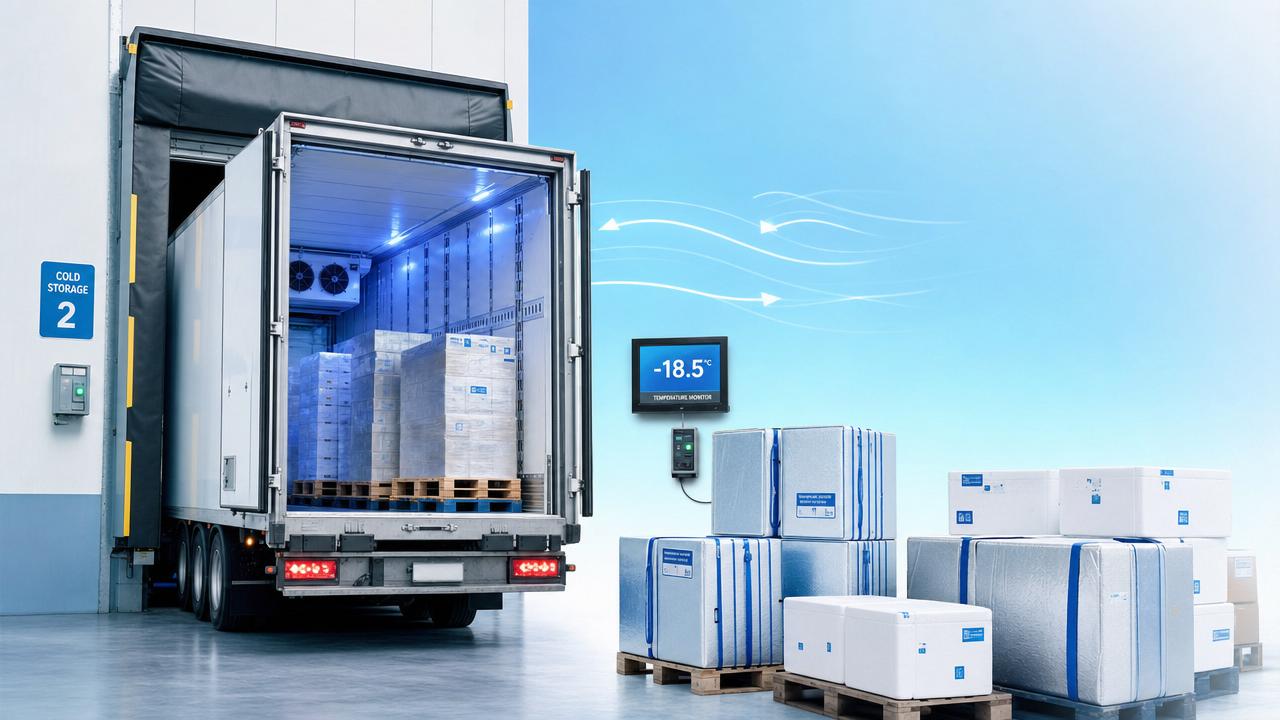
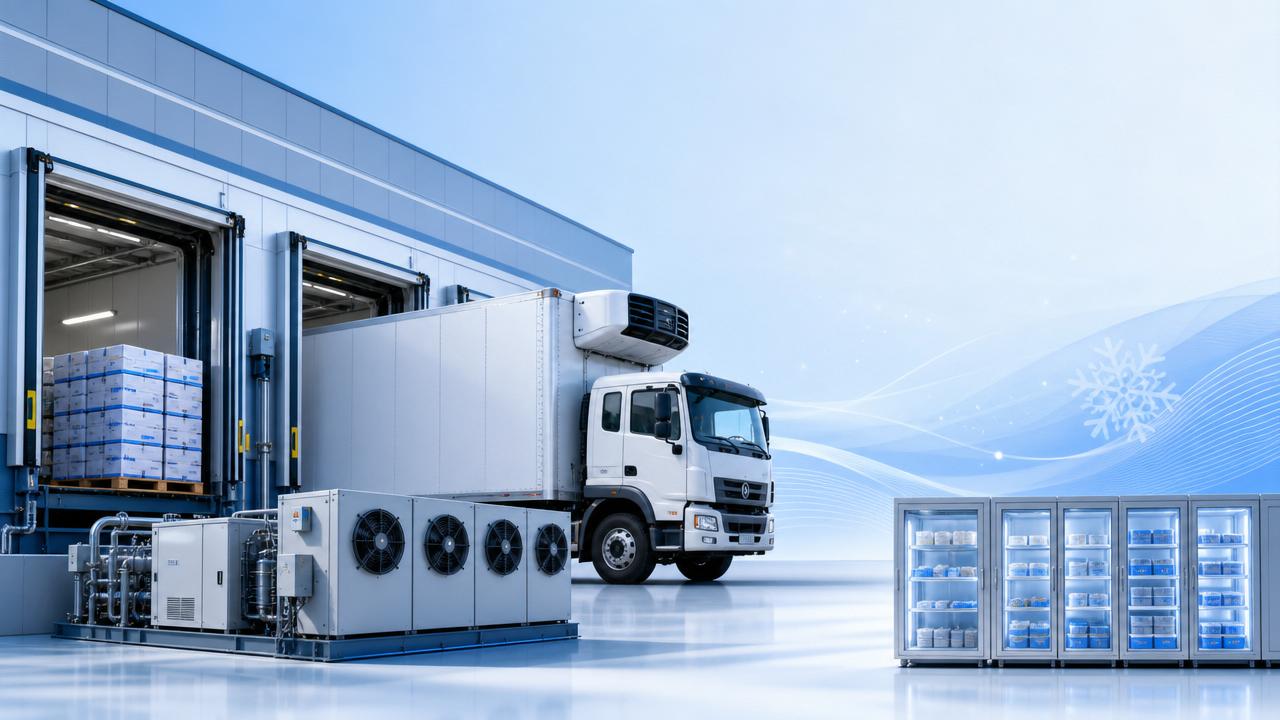
Cold chain technology addresses these issues by controlling the full temperature journey, not just the final storage point. That includes production holding, loading docks, transport, transfer hubs, and retail or laboratory endpoints.
The main danger is cumulative exposure. A five-minute deviation may seem harmless once. Repeated ten times, it can trigger measurable deterioration.
This is where advanced cold chain technology outperforms basic refrigeration. It records patterns, identifies weak links, and reveals hidden spoilage risks before visible losses appear.
- Temperature drift during loading
- Uneven airflow inside storage zones
- Defrost cycles that affect sensitive goods
- Poor door discipline and access control
- Alarm delays during transport interruptions
How does cold chain technology reduce spoilage risk across storage and transport?
Effective cold chain technology combines mechanical cooling with digital supervision. It is not only about producing cold air. It is about maintaining stable product conditions at every stage.
1. Precise temperature control
Modern compressors, variable-speed systems, and calibrated controllers keep narrow temperature bands. This reduces stress on sensitive goods and minimizes repeated warming and cooling cycles.
2. Continuous monitoring
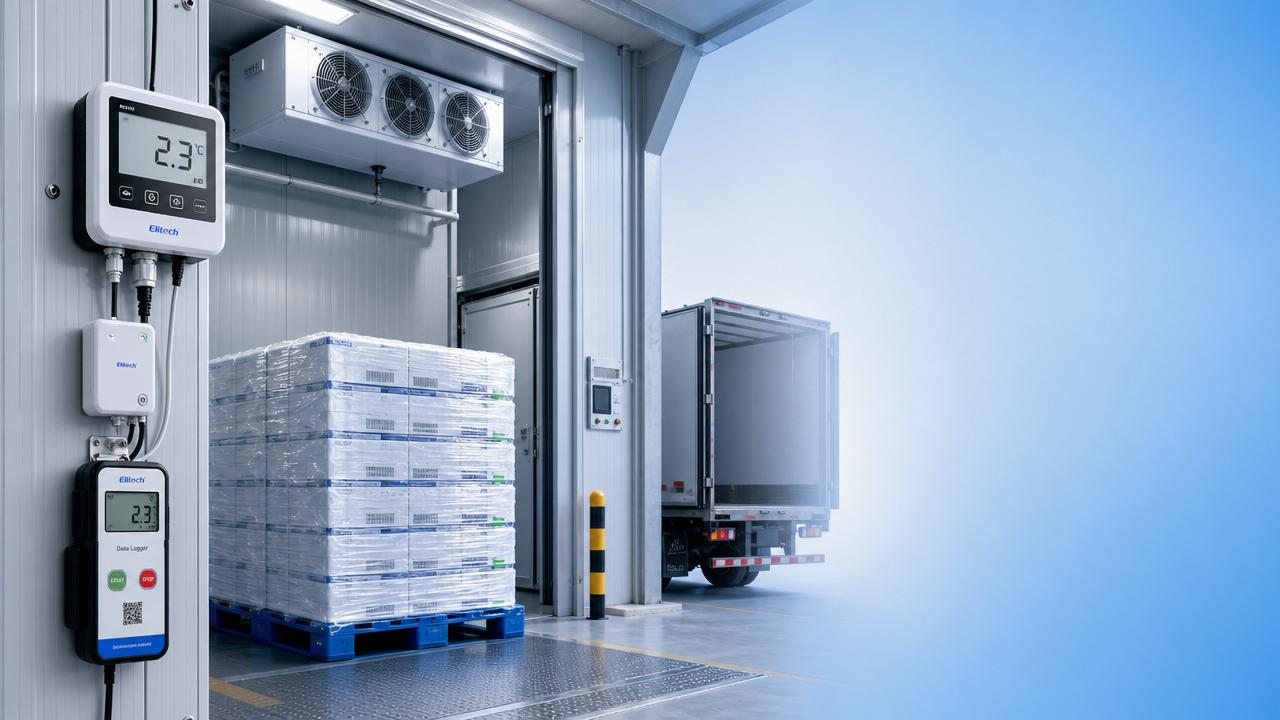
Connected sensors track ambient air, return air, core product temperature, humidity, and door activity. Real-time data helps identify risk before spoilage becomes expensive or dangerous.
3. Faster corrective action
Alarm systems reduce response time. Instead of discovering a problem hours later, teams can react immediately to compressor faults, route delays, power issues, or airflow blockages.
4. Traceability and accountability
Cold chain technology creates records for audits, claims, and root-cause analysis. When a product fails, temperature history helps determine whether the issue came from handling, transport, or storage design.
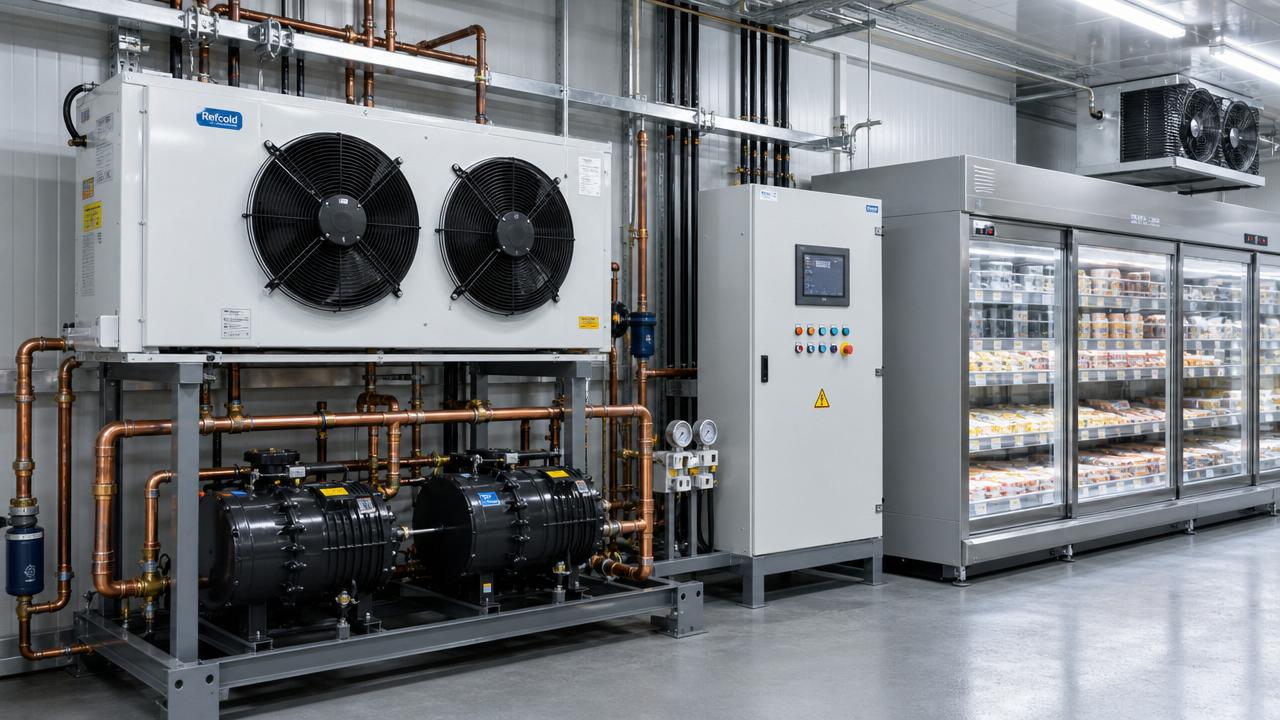
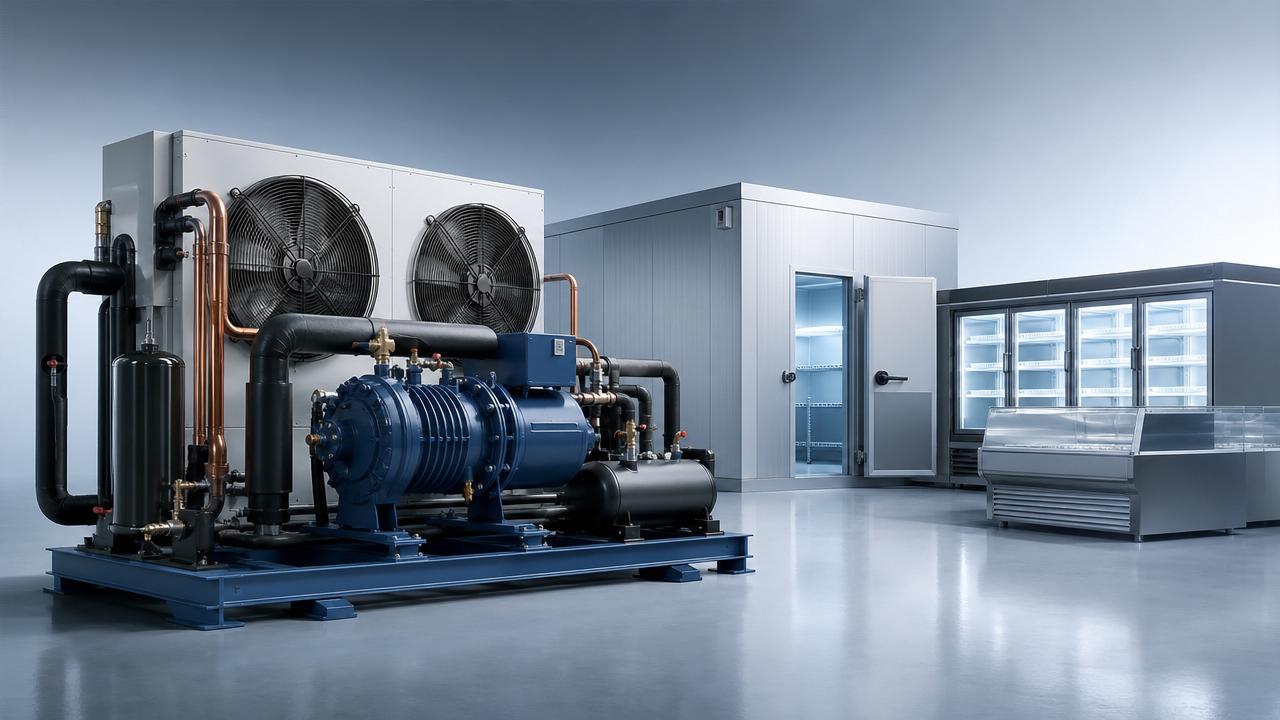
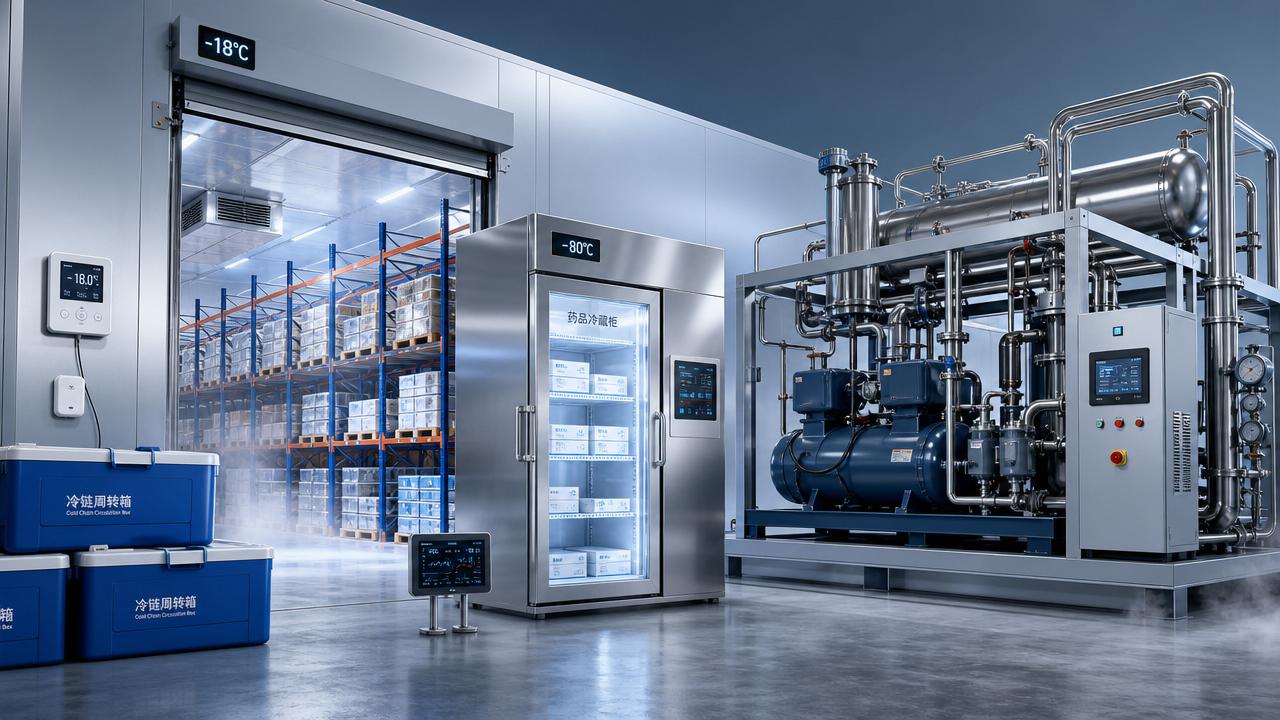
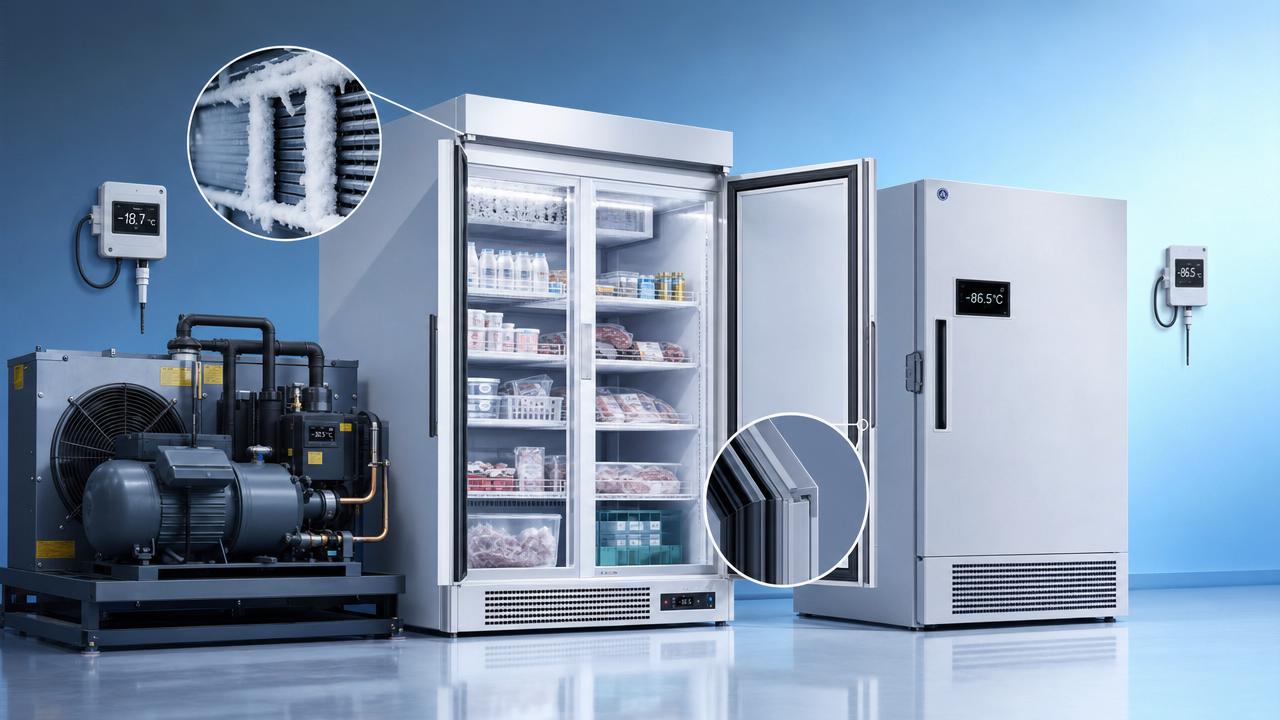
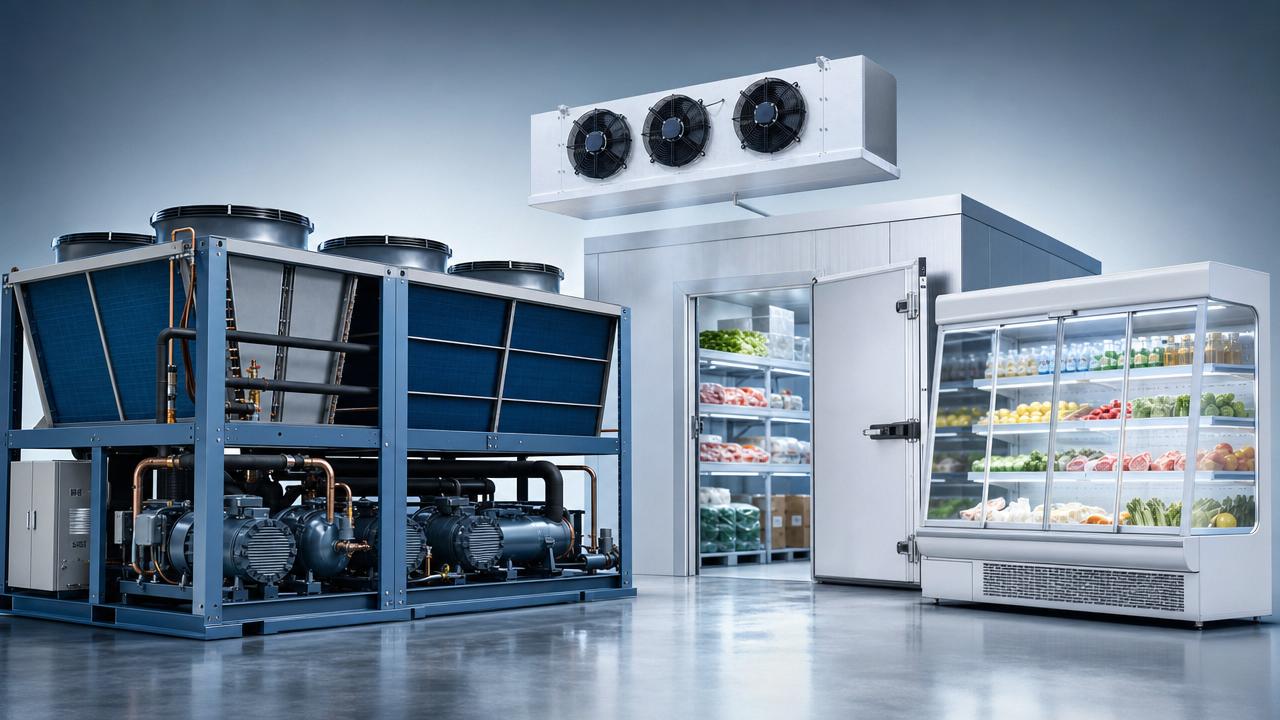
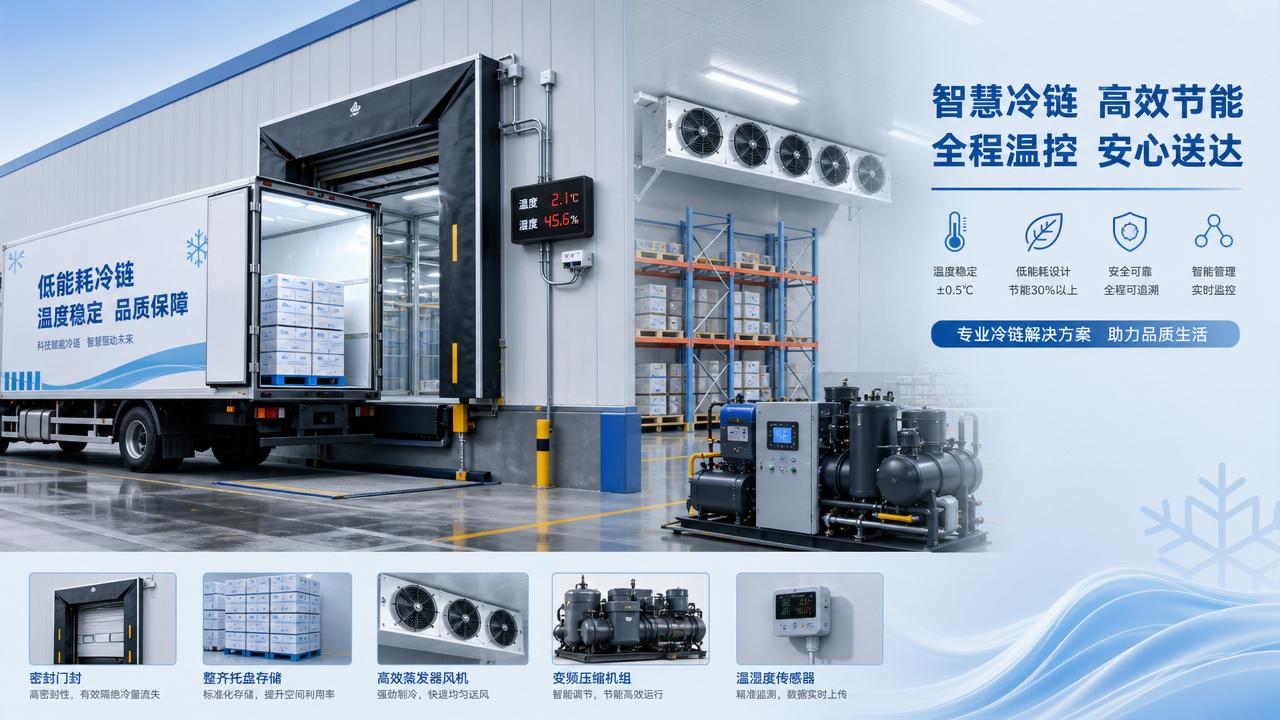
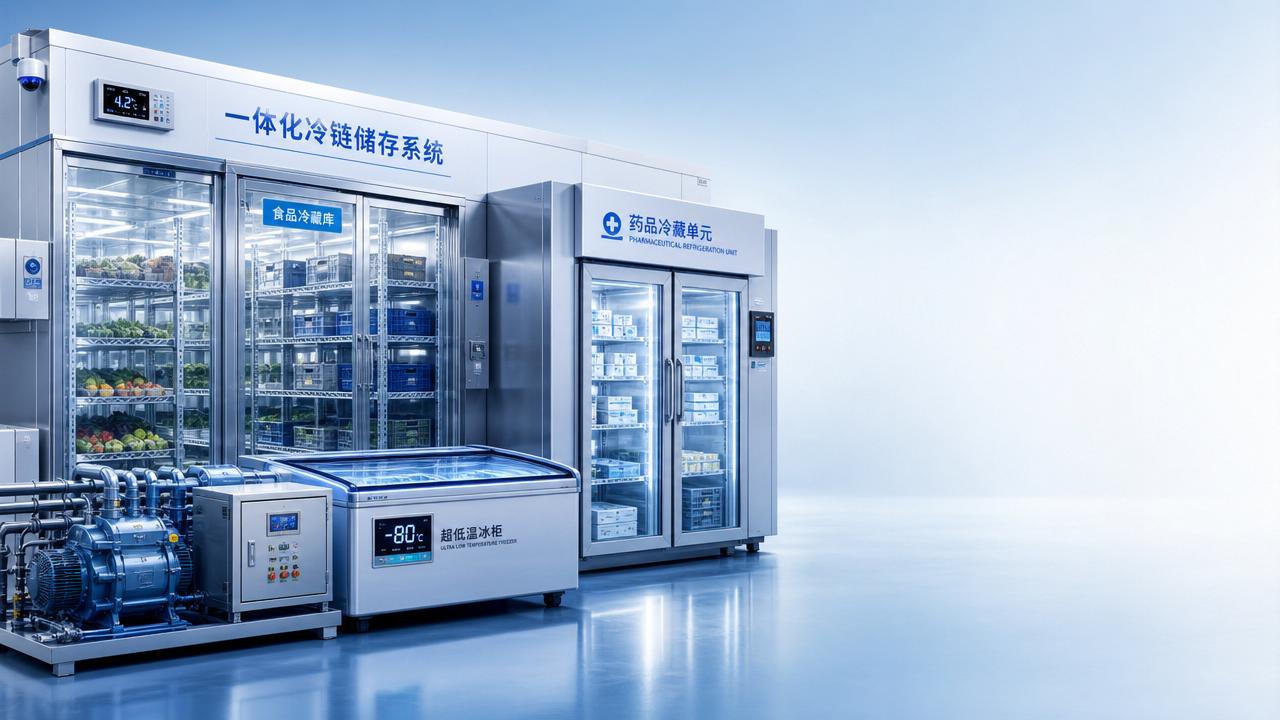
Across integrated systems, industrial chillers, cold storage compressors, refrigeration cabinets, and ultra-low temperature equipment each support a different risk-control function. Together, they form a stronger barrier against hidden spoilage.
Which applications benefit most from cold chain technology?
Almost any sector handling temperature-sensitive goods can benefit, but the risk profile changes by application. The best cold chain technology strategy depends on product tolerance, transit duration, and compliance pressure.
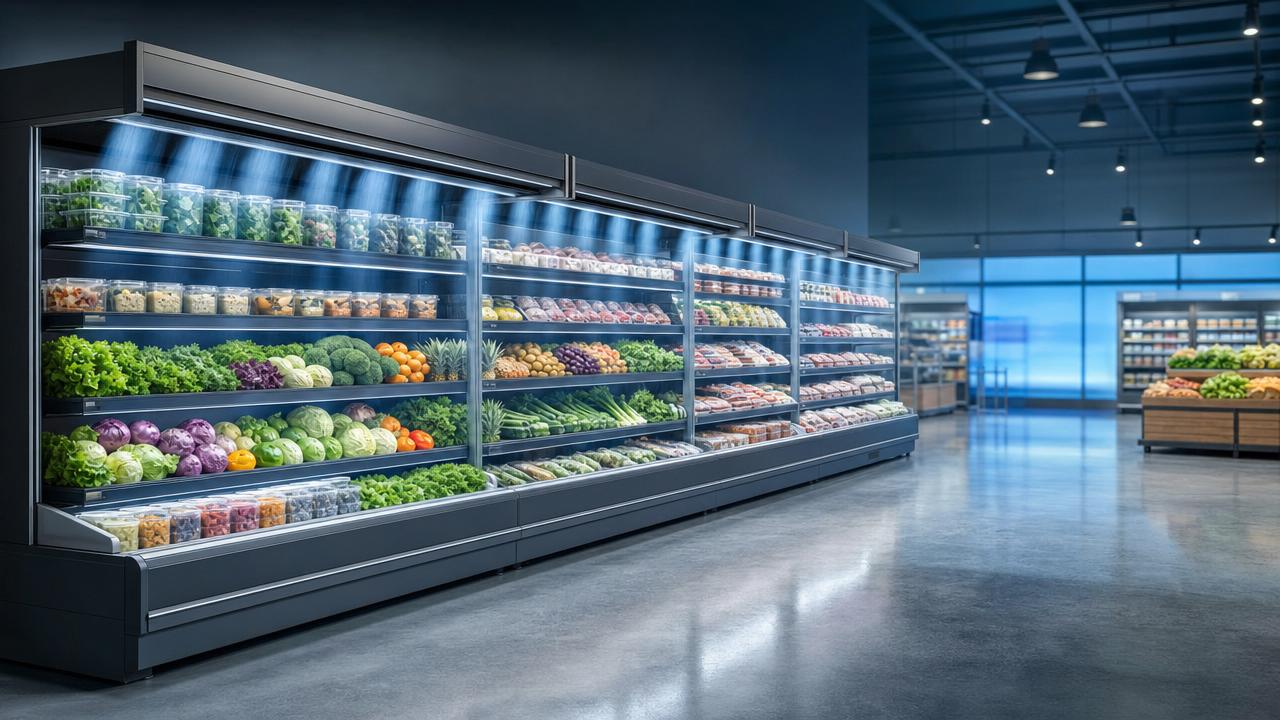
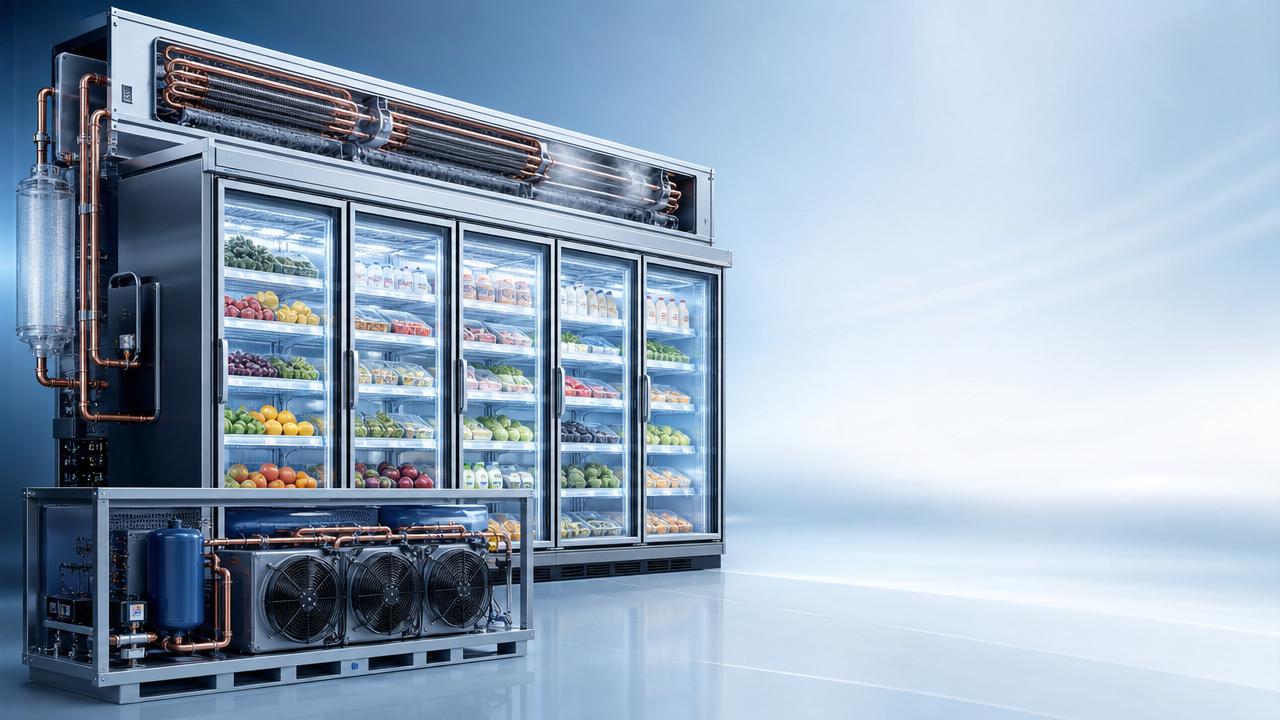
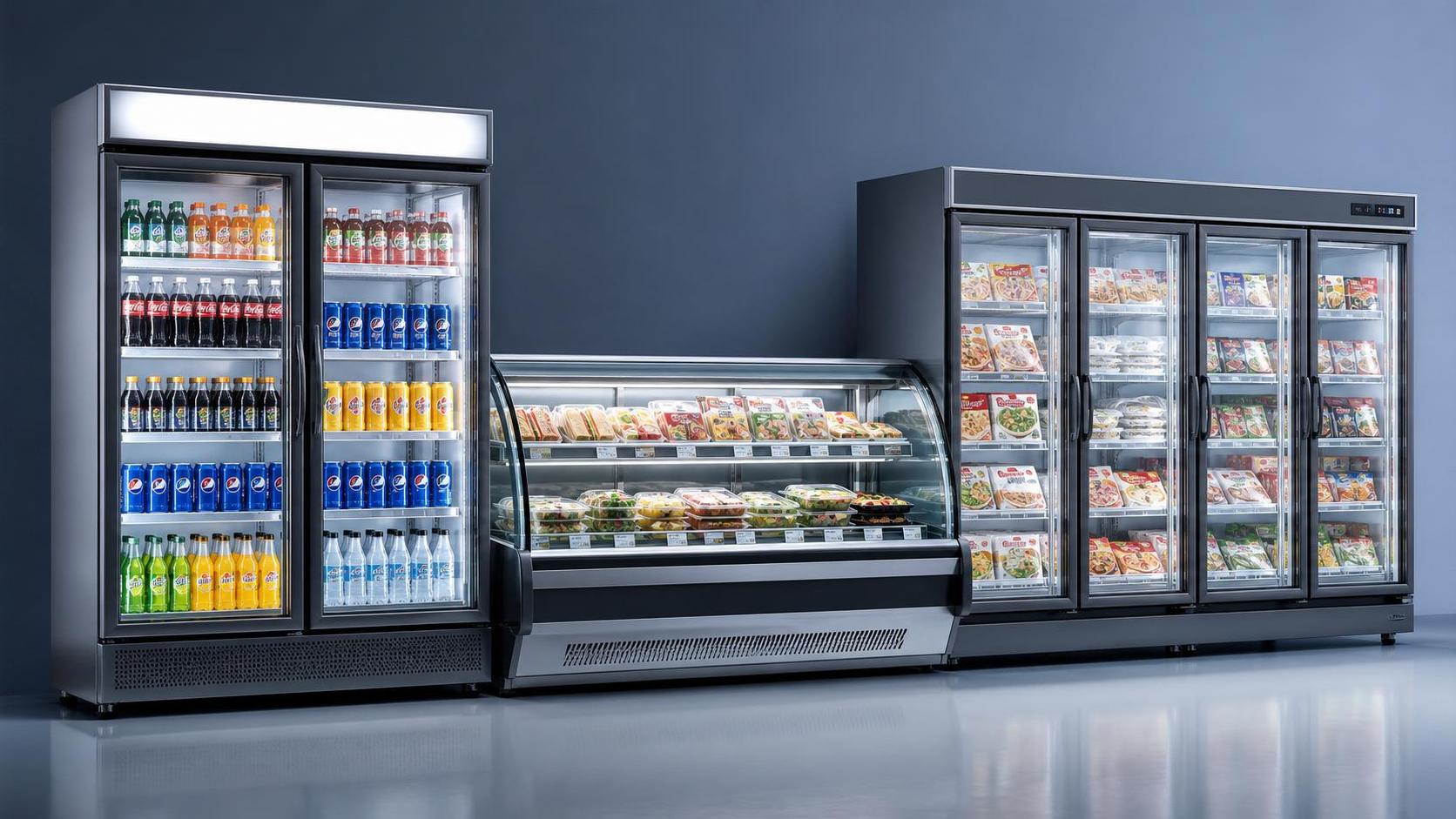
Food retail relies heavily on commercial refrigeration cabinets and cold rooms with reliable air curtain performance. Biomedicine often depends on ultra-low temperature freezers with validated storage conditions.
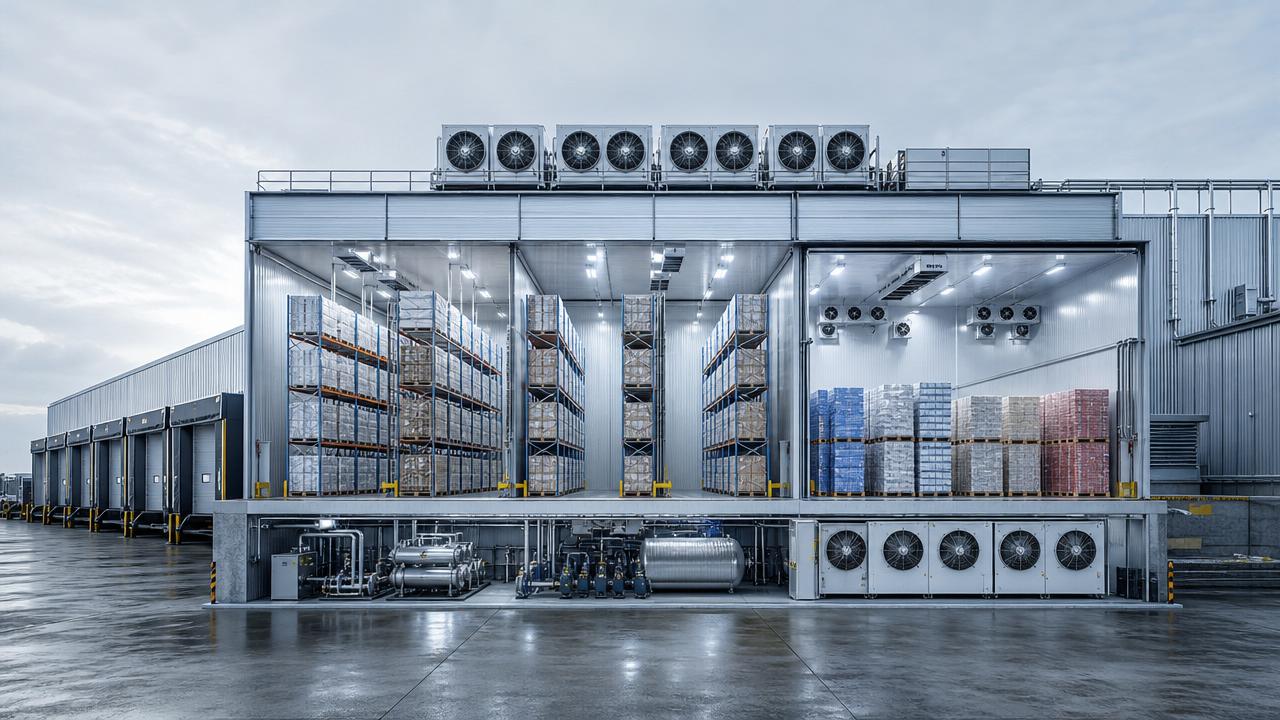
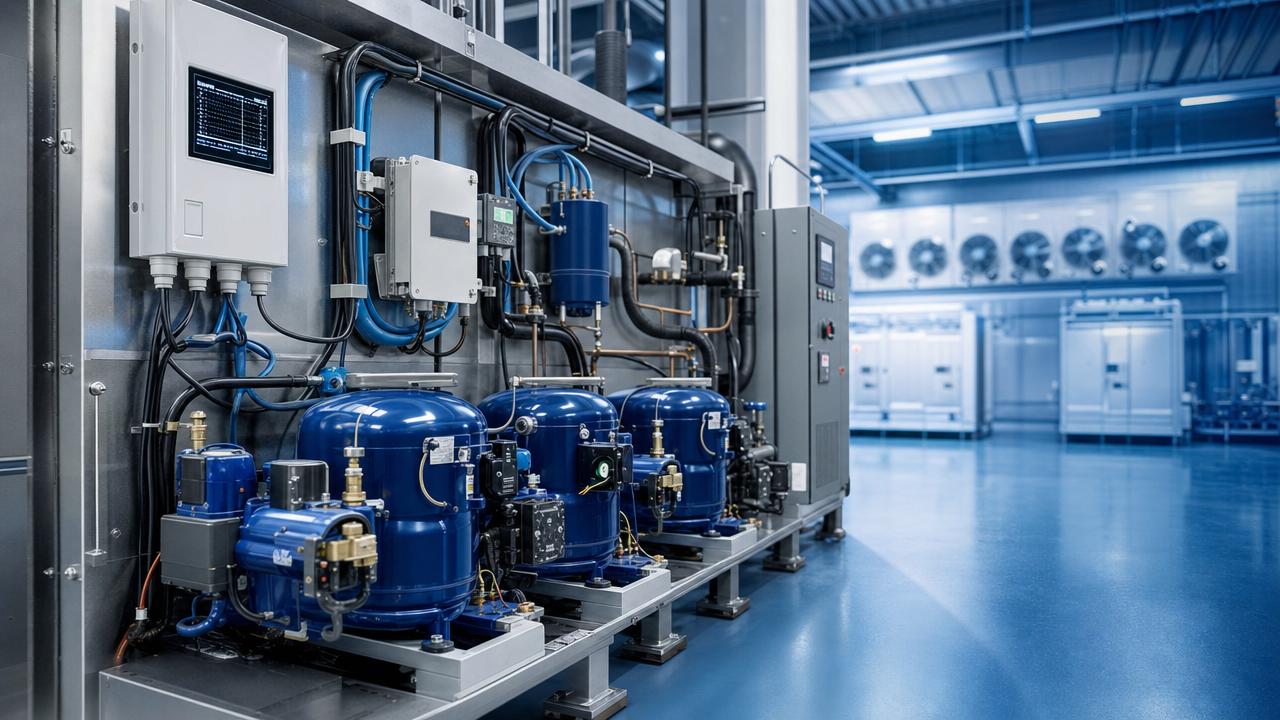
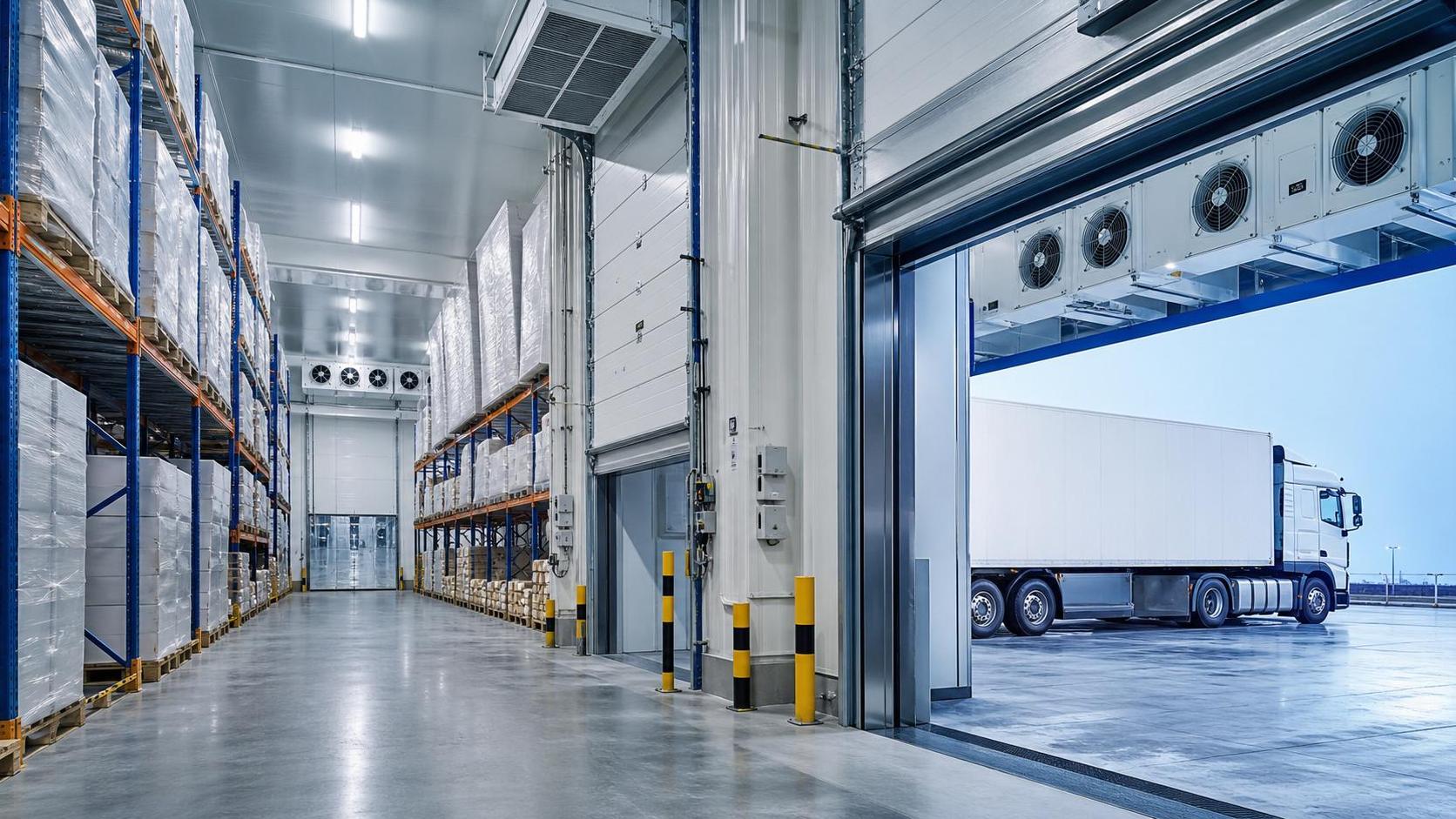
Large distribution hubs need robust cold storage compressors, smart controls, and efficient refrigerant strategies. Industrial operations may need chillers to stabilize production quality and reduce thermal stress.
How can you tell whether a cold chain system is truly reliable?
A reliable system is not defined by cooling capacity alone. It should maintain target conditions during routine disturbances, including loading peaks, traffic delays, power fluctuations, and repeated door openings.
When evaluating cold chain technology, look beyond headline specifications. Reliability depends on design, controls, maintenance, and practical response capability.
Key evaluation points
- Sensor placement reflects actual product exposure
- Alarm thresholds match product sensitivity
- Data logging is continuous and easy to audit
- Defrost logic does not create hidden warming
- Backup power or contingency plans are documented
- Maintenance intervals protect performance over time
It is also important to compare air temperature with product temperature. Air may recover quickly after a disturbance, while the product core remains outside safe limits.
Cold chain technology becomes more valuable when systems are integrated. Refrigeration hardware, remote telemetry, analytics, and operating procedures should support one decision framework.
What common mistakes weaken cold chain technology performance?
Many spoilage events happen in facilities that already have refrigeration equipment. The issue is often not the absence of cooling, but the gap between equipment presence and risk-managed operation.
Common mistakes to avoid
- Relying only on manual temperature checks
- Using too few sensors in large storage areas
- Ignoring loading dock exposure time
- Assuming setpoint equals actual product safety
- Delaying calibration and preventive maintenance
- Treating alarms as routine noise
Another mistake is focusing only on compliance paperwork. Documents matter, but cold chain technology should first protect real-world product conditions, then support reporting requirements.
Systems using eco-refrigerants, AI defrost controls, or advanced compressors can deliver major benefits. However, performance still depends on commissioning quality, operator discipline, and maintenance execution.
What should be considered before investing in upgraded cold chain technology?
An upgrade should be judged by risk reduction, not only by equipment price. Lower spoilage, better compliance, fewer claims, and stronger energy performance all affect long-term return.
A practical review usually starts with the highest-risk touchpoints. These may include transport handoffs, aging compressors, poor visibility in freezers, or unstable display refrigeration.
Useful planning questions
- Where do temperature deviations happen most often?
- Which products have the lowest tolerance for variation?
- How quickly can alarms trigger corrective action?
- Can data support claims, audits, and root-cause reviews?
- Will the solution support low-carbon refrigerant direction?
In many cases, phased deployment works best. Start with monitoring and visibility, then improve refrigeration efficiency, airflow design, backup planning, and full-site control integration.
This staged approach often reveals immediate weaknesses while spreading cost and minimizing operational disruption. It also helps verify whether the selected cold chain technology fits real operating conditions.
Quick FAQ: how to assess hidden spoilage risk with cold chain technology?
Cold chain technology reduces hidden spoilage risks by making temperature-sensitive operations visible, measurable, and actionable. It transforms refrigeration from passive storage into active quality protection.
The most effective next step is to review weak points across storage, transport, monitoring, and response speed. Once those gaps are mapped, improvements become easier to prioritize and justify.
For organizations tracking industrial cooling, cold storage, medical deep-freezing, and refrigerant transition, stronger cold chain technology is not only a technical upgrade. It is a direct defense against invisible loss.
Recommended News
 Cold Chain & Retail Energy InsightsWhen Does Cold Storage Stop Saving Energy and Start Losing It?Analyst :Mr. Julian Thorne
 Cold Chain & Retail Energy InsightsCommercial Refrigeration Upgrades: Which Costs Are Easy to Miss?Analyst :Mr. Julian Thorne
 Cold Chain & Retail Energy InsightsCold Chain Logistics Failures Often Start With Small Temperature SwingsAnalyst :Mr. Julian Thorne
 Cold Chain & Retail Energy InsightsCold Storage Solutions That Fit Expansion Plans Without OverbuildingAnalyst :Mr. Julian Thorne
 Cold Chain & Retail Energy InsightsEnergy efficient cooling is not always the cheaper optionAnalyst :Mr. Julian Thorne
 Cold Chain & Retail Energy InsightsCold chain technology gaps still cause avoidable spoilageAnalyst :Mr. Julian Thorne
 Cold Chain & Retail Energy InsightsAPEC Auto Dialogue Sets New Standards for Smart Cold-Chain TrailersAnalyst :Mr. Julian Thorne
 Cold Chain & Retail Energy InsightsWhat makes commercial cooling solutions easier to scaleAnalyst :Mr. Julian Thorne
 Cold Chain & Retail Energy InsightsSouth Korea Extends Fuel Tax Relief to End-JulyAnalyst :Mr. Julian Thorne
 Cold Chain & Retail Energy InsightsWhen does air curtain refrigeration waste more energy?Analyst :Mr. Julian Thorne
 Cold Chain & Retail Energy InsightsCold chain technology failures often start with one gapAnalyst :Mr. Julian Thorne
 Cold Chain & Retail Energy InsightsWhat makes commercial cooling solutions easier to scale?Analyst :Mr. Julian Thorne
 Cold Chain & Retail Energy InsightsCold chain logistics risks that damage product qualityAnalyst :Mr. Julian Thorne
 Cold Chain & Retail Energy InsightsHow to compare energy efficient cooling beyond SEERAnalyst :Mr. Julian Thorne
 Cold Chain & Retail Energy InsightsHow cold chain technology reduces hidden spoilage risksAnalyst :Mr. Julian Thorne
 Cold Chain & Retail Energy InsightsWhat to check before choosing cold storage solutionsAnalyst :Mr. Julian Thorne
 Cold Chain & Retail Energy InsightsWhy commercial cooling solutions vary so much in ROIAnalyst :Mr. Julian Thorne
 Cold Chain & Retail Energy InsightsIs digital refrigeration control worth the upgrade costAnalyst :Mr. Julian Thorne
 Cold Chain & Retail Energy InsightsIs variable frequency cooling worth the energy savings?Analyst :Mr. Julian Thorne
 Cold Chain & Retail Energy InsightsWhy energy efficient cooling pays off faster than expectedAnalyst :Mr. Julian Thorne
 Cold Chain & Retail Energy InsightsIs your cold chain technology ready for stricter standardsAnalyst :Mr. Julian Thorne
 Cold Chain & Retail Energy InsightsHow Do Cold Storage Solutions Cut Energy Waste?Analyst :Mr. Julian Thorne
 Cold Chain & Retail Energy InsightsIs commercial refrigeration wasting energy after hours?Analyst :Mr. Julian Thorne
 Cold Chain & Retail Energy InsightsHow can cold chain logistics cut energy losses?Analyst :Mr. Julian Thorne
 Cold Chain & Retail Energy InsightsCold Storage Design Basics: Temperature Zones, Insulation, and Refrigeration LoadAnalyst :Mr. Julian Thorne
 Cold Chain & Retail Energy InsightsCold Chain Logistics Risks: How to Control Temperature from Plant to ShelfAnalyst :Mr. Julian Thorne
 Cold Chain & Retail Energy InsightsHow Refrigeration Technology Supports Food Safety in Cold Chain Storage and TransportAnalyst :Mr. Julian Thorne
 Cold Chain & Retail Energy InsightsHow Eco-Friendly Cooling Cuts Operating Costs in Food Processing and Cold RoomsAnalyst :Mr. Julian Thorne
 Cold Chain & Retail Energy InsightsWhat Is Cold Chain Technology and Which Industries Depend on It Most?Analyst :Mr. Julian Thorne
 Cold Chain & Retail Energy InsightsEnergy Efficient Cooling for Retail Stores: How to Compare Load, COP, and Defrost StrategyAnalyst :Mr. Julian Thorne
 Cold Chain & Retail Energy InsightsDigital Refrigeration Control in Supermarkets: How to Cut Temperature Drift and Alarm ErrorsAnalyst :Mr. Julian Thorne
 Cold Chain & Retail Energy InsightsDigital Refrigeration Upgrade Cost: When Retrofits Make Sense for Multi-Site OperationsAnalyst :Mr. Julian Thorne
 Cold Chain & Retail Energy InsightsIndustrial Refrigeration Systems for Food Processing: Common Failures and FixesAnalyst :Mr. Julian Thorne
 Cold Chain & Retail Energy InsightsCold Storage Design Basics: Temperature Ranges, Load Factors, and Common LayoutsAnalyst :Mr. Julian Thorne
 Cold Chain & Retail Energy InsightsEnergy Efficient Cooling for Food Retail: How to Cut Power Use Without Risking Product QualityAnalyst :Mr. Julian Thorne
 Cold Chain & Retail Energy InsightsCold Storage Energy Costs: What Drives Power Use and How to Reduce WasteAnalyst :Mr. Julian Thorne
 Cold Chain & Retail Energy InsightsCold Chain Logistics Costs: What Drives Energy, Spoilage, and Equipment InvestmentAnalyst :Mr. Julian Thorne
 Cold Chain & Retail Energy InsightsCold Storage Solutions for Food and Pharma: What to Compare Before System DesignAnalyst :Mr. Julian Thorne
 Cold Chain & Retail Energy InsightsCold Chain Logistics Costs: Where Energy Loss Happens and How to Reduce ItAnalyst :Mr. Julian Thorne
 Cold Chain & Retail Energy InsightsCommercial Cooling Solutions for Retail Stores: How to Balance Display, Efficiency, and CostAnalyst :Mr. Julian Thorne