Industry News
Curation by industry experts
Hot Articles
- Thermodynamic Tech TrendsHow to Size Heat Exchange Systems for Refrigeration Plants at Peak Load
- Parallel Compressor RacksHow to Size Reciprocating Compressors for Cold Storage Load and Temperature Range
- Flake Ice MachinesHow to Size a Commercial Ice Dispenser for Peak Demand in Foodservice Operations
Popular Tags
What buyers miss when choosing eco-friendly refrigeration
Many evaluations of eco-friendly refrigeration stop at a green label, a refrigerant name, or a headline efficiency claim. That shortcut creates avoidable risk. Real system performance depends on lifecycle energy use, refrigerant compliance, pull-down speed, temperature recovery, leak management, spare parts access, and technician capability. In cold chain environments, the wrong choice can raise product loss, maintenance cost, and regulatory exposure long before the unit reaches end of life.
A better approach is to use a structured checklist. It keeps sustainability goals connected to uptime, food safety, medical stability, and total operating value. For any organization comparing eco-friendly refrigeration options, the missing details usually matter more than the marketing headline.
Why a checklist matters in eco-friendly refrigeration decisions
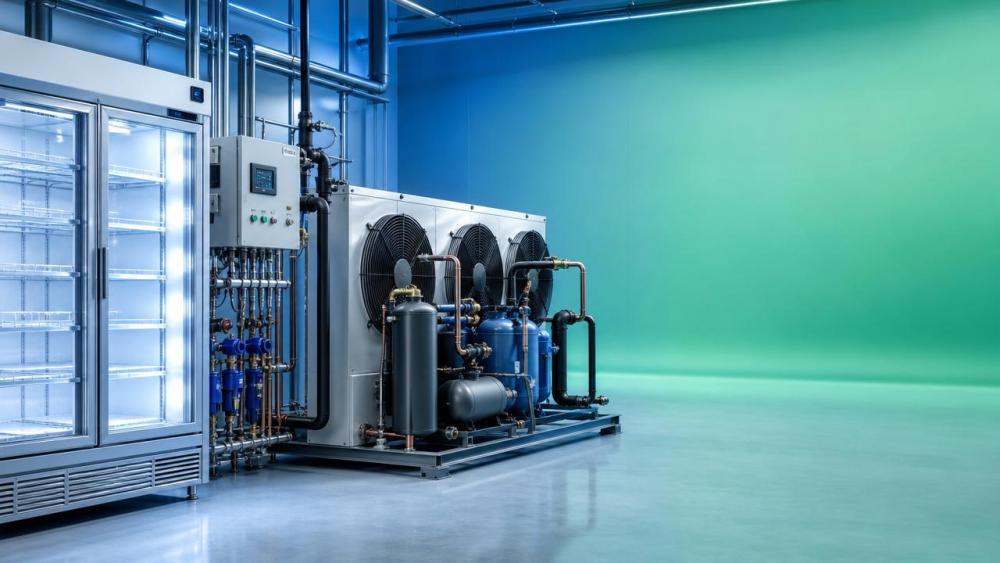
Modern refrigeration systems sit at the intersection of thermodynamics, environmental regulation, and site operations. A unit can look sustainable on paper yet underperform once local ambient conditions, defrost frequency, door openings, or poor installation quality enter the picture.
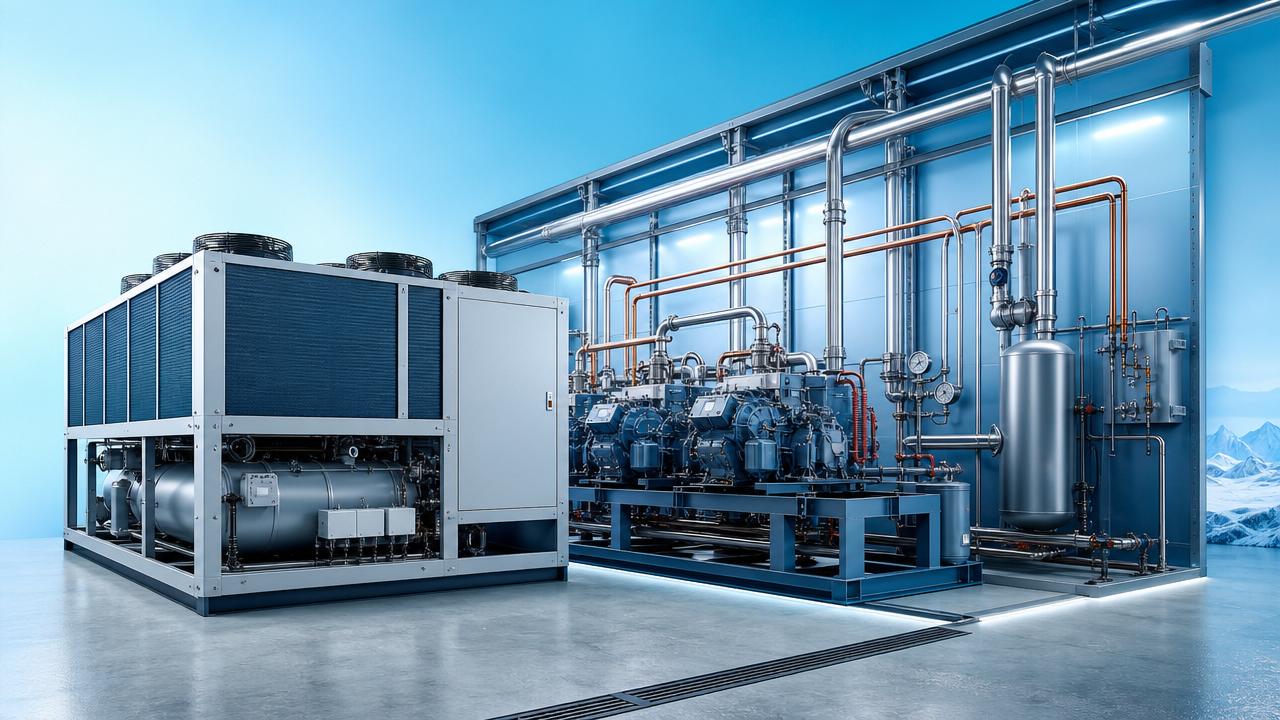
That is why eco-friendly refrigeration should be judged as a system, not a slogan. The refrigerant, compressor, controls, heat exchangers, insulation, airflow design, and service ecosystem all affect whether the equipment stays efficient and compliant over time.
Core checklist: what buyers often miss
- Verify seasonal efficiency, not only nameplate performance. Request data under realistic ambient temperatures, part-load conditions, defrost cycles, and door-opening frequency.
- Check refrigerant regulatory exposure. Compare GWP, phase-down risk, charge limits, safety classification, and future service restrictions in export and local markets.
- Measure temperature stability, not just setpoint reach. Review pull-down time, recovery after door openings, cabinet uniformity, and alarm response under peak load.
- Audit leak prevention design. Examine brazing quality, vibration control, pipe routing, valve access, and refrigerant monitoring provisions.
- Confirm technician readiness. Ask whether local service teams are certified for CO2, hydrocarbons, ammonia, or cascade systems before deployment.
- Calculate total cost of ownership. Include energy, maintenance, refrigerant refill risk, downtime losses, product spoilage, and retrofit expense.
- Review compressor and control strategy. Variable-speed compression, floating head pressure, and adaptive defrost often decide real eco performance.
- Test heat rejection suitability. Condenser sizing, ventilation, and water quality can determine whether efficient operation survives local climate conditions.
- Inspect insulation and airflow architecture. Poor door seals, thermal bridges, and weak air curtain design can erase efficiency gains.
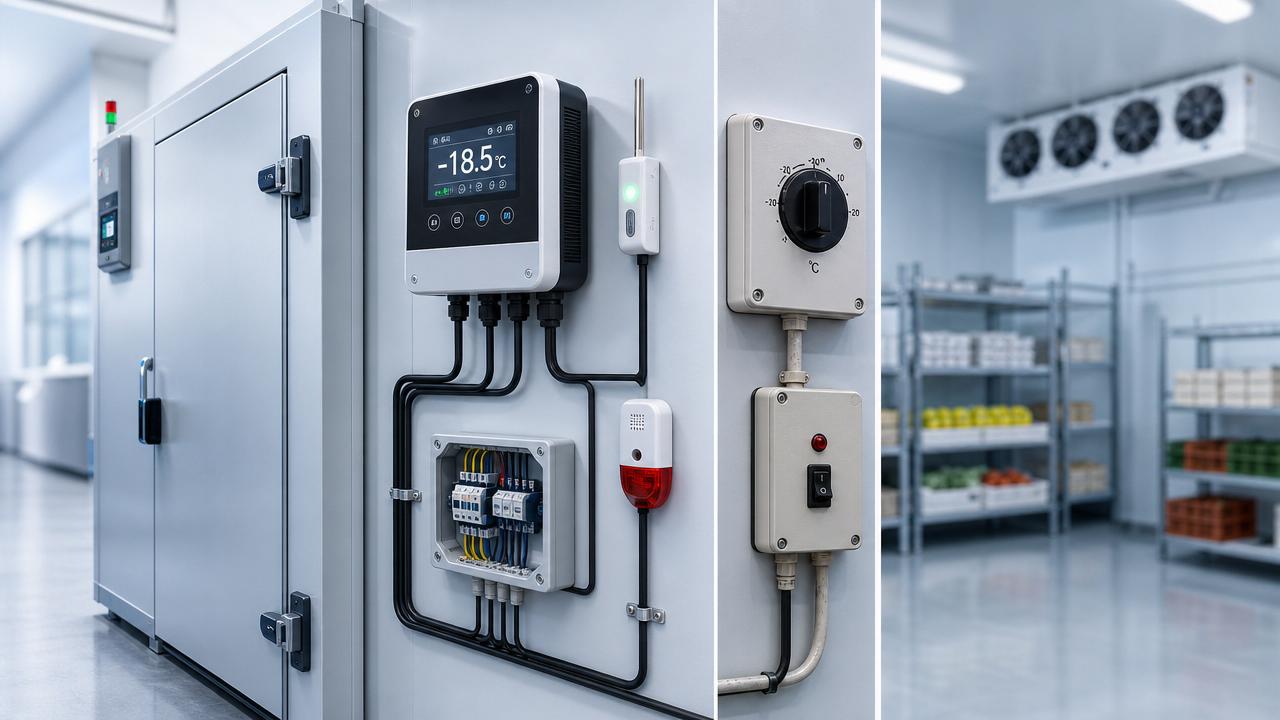
- Demand data logging and remote visibility. Strong monitoring supports temperature traceability, leak detection, energy benchmarking, and predictive maintenance.
What the checklist reveals
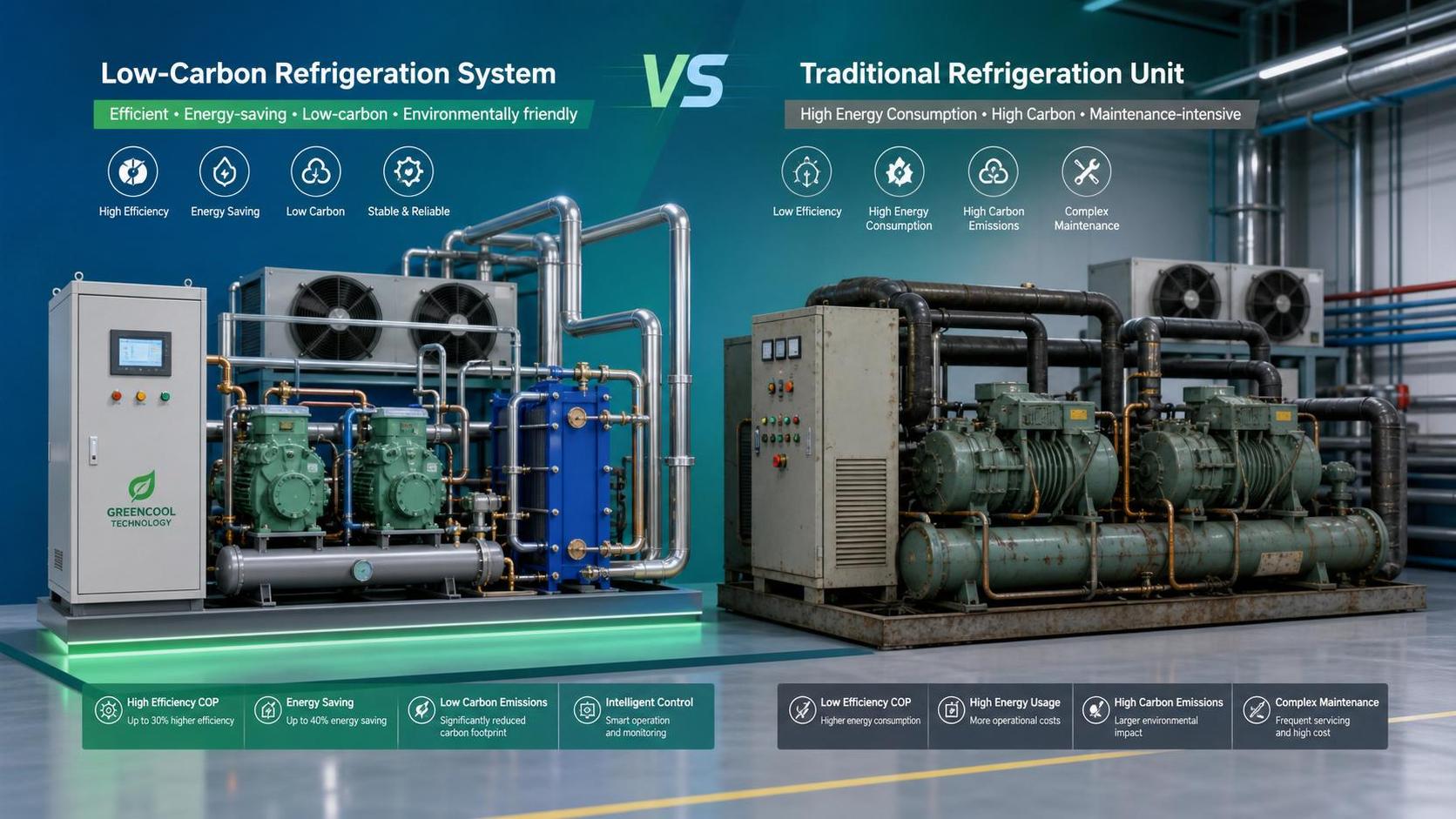
This checklist helps separate true eco-friendly refrigeration from systems that only appear green during procurement. It also aligns environmental goals with operating discipline. In many cases, one weak point, such as poor controls or difficult servicing, cancels out the benefit of a low-GWP refrigerant.
Scenario notes across common applications
Cold storage hubs
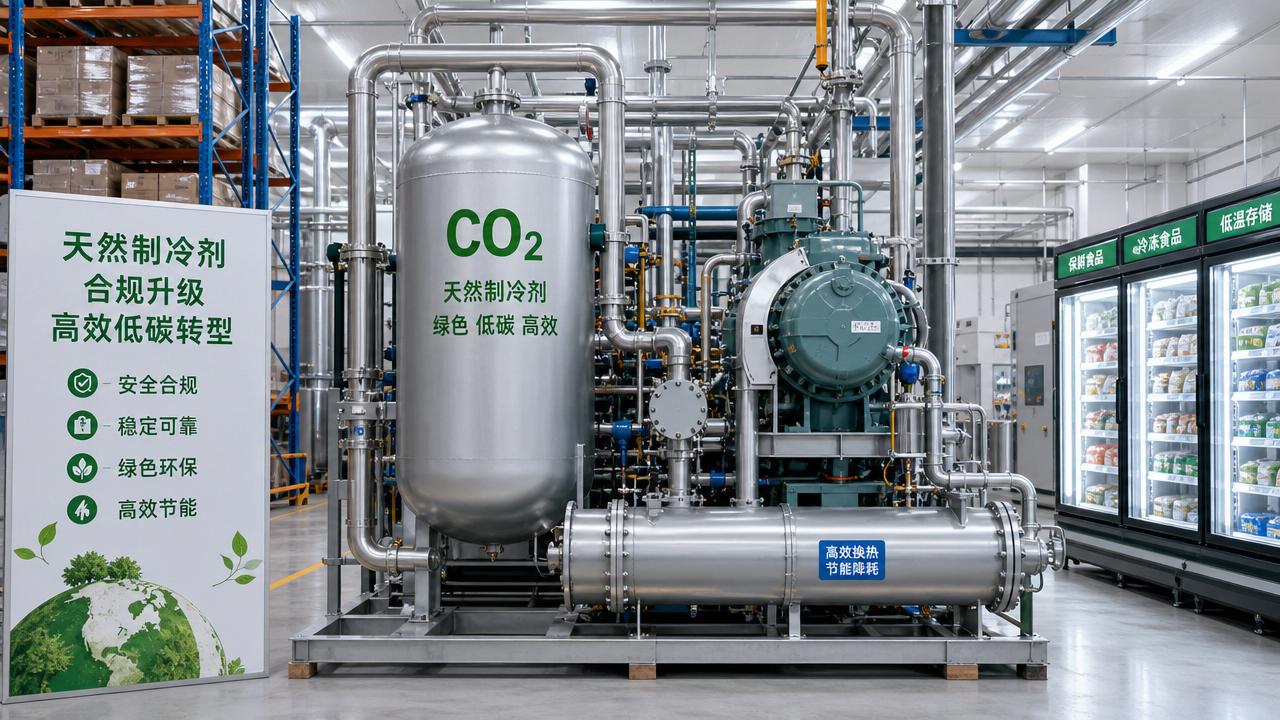
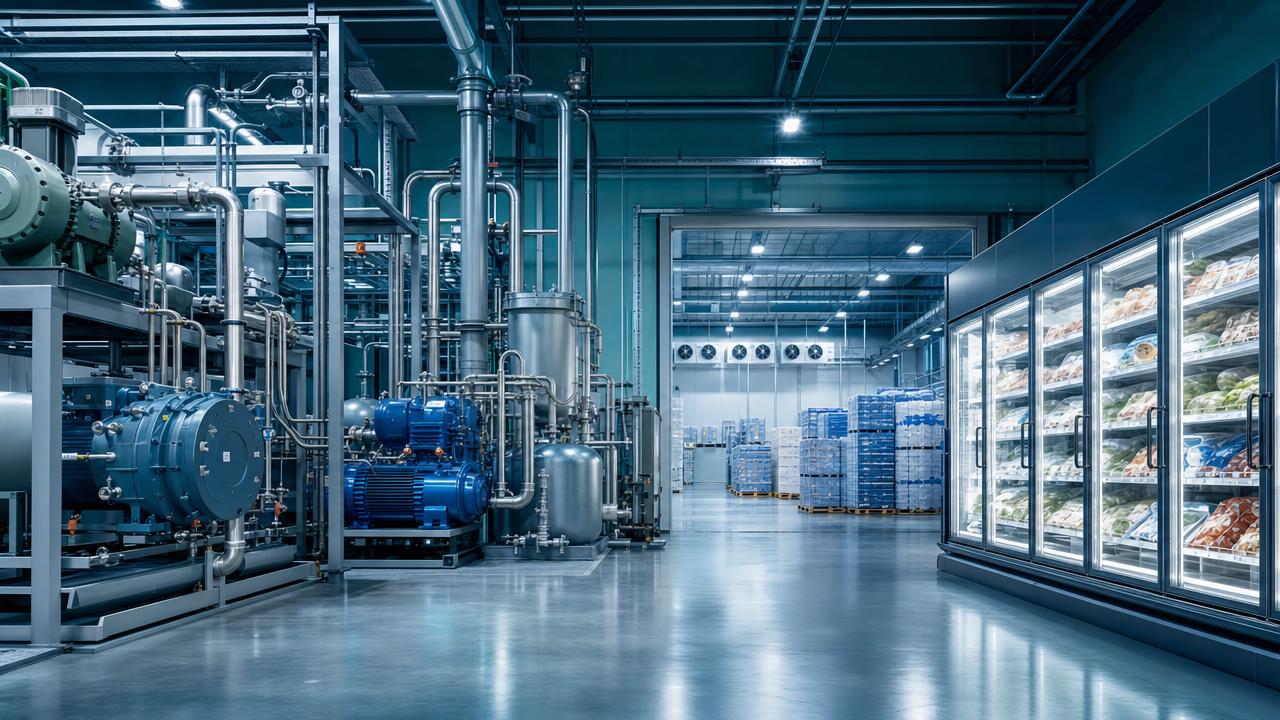
Large cold rooms often favor natural refrigerants and centralized systems, but energy savings depend heavily on suction optimization, evaporator balance, and door management. A transcritical CO2 design may be environmentally strong yet lose efficiency without heat recovery planning or gas cooler optimization in hot climates.
For frozen meat, produce, and distribution centers, eco-friendly refrigeration must also support uptime during heavy traffic. Fast recovery after door openings matters as much as annual energy numbers.
Retail display and commercial cabinets
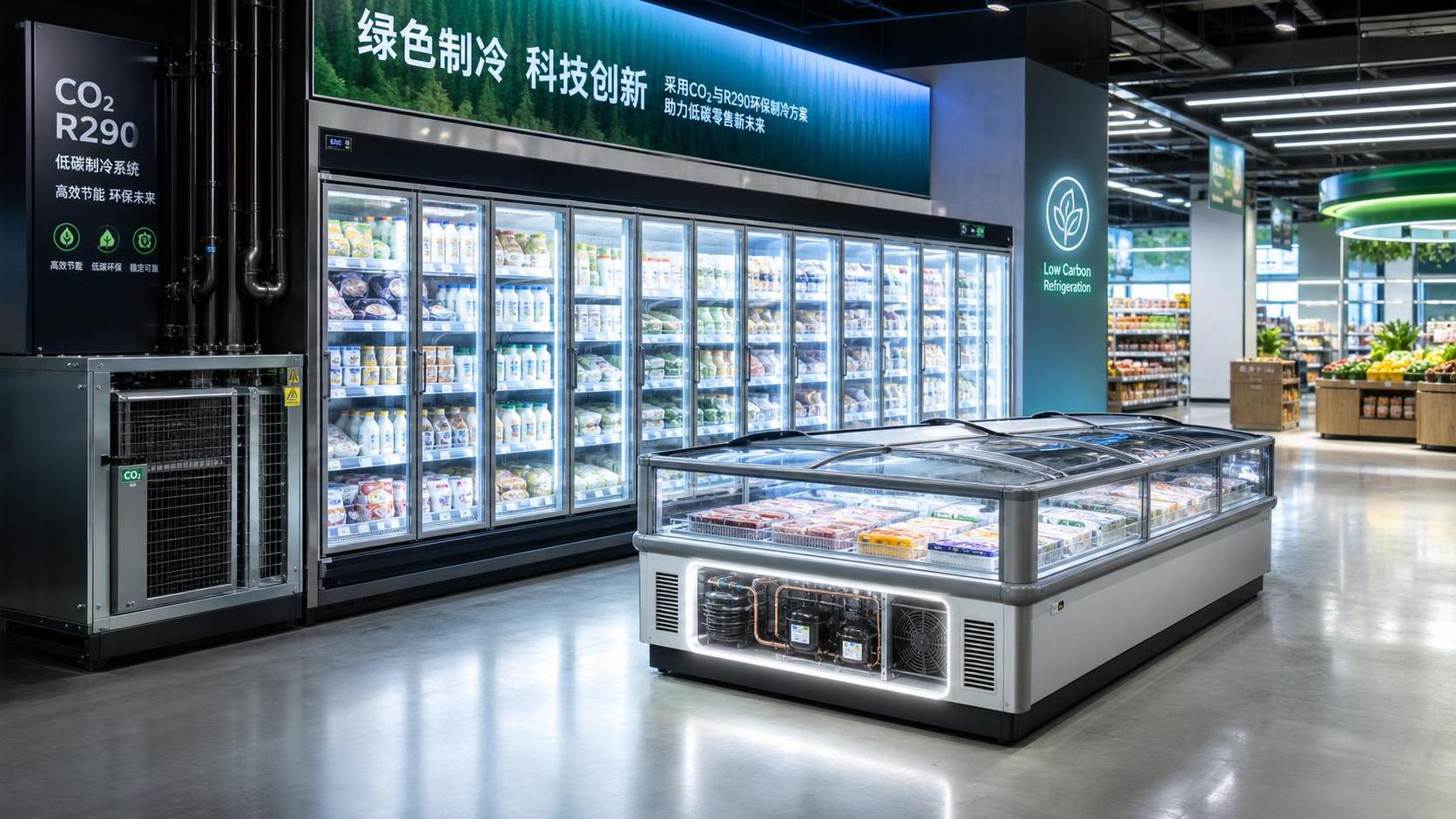
In retail settings, air curtain stability, anti-fog performance, lighting heat load, and nighttime covers strongly affect energy use. Cabinets with excellent laboratory ratings can still waste power if merchandising patterns disrupt airflow.
Here, eco-friendly refrigeration should be judged by product temperature consistency across shelf positions, not only by published energy labels.
Industrial process cooling
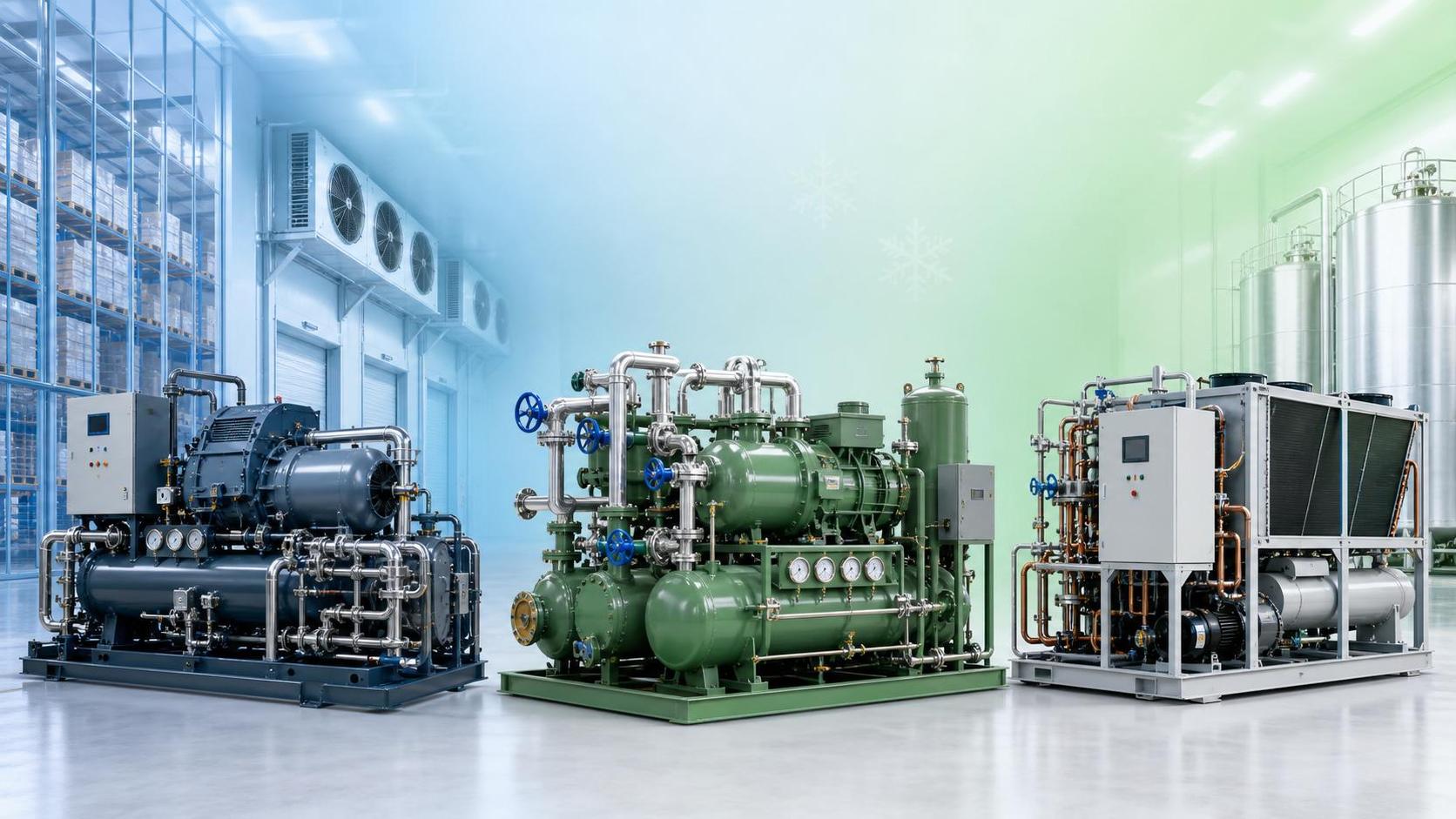
Industrial chillers support laser cutting, molding, chemical process cooling, and equipment heat rejection. In these applications, load fluctuation is often severe. Variable-frequency screws, magnetic bearing systems, and control integration may produce larger sustainability gains than refrigerant selection alone.
The best eco-friendly refrigeration choice in process cooling is usually the one that maintains tight leaving-water temperature while minimizing part-load waste.
Medical and ultra-low temperature storage
Deep-freeze and biomedical systems demand much stricter risk control. Cascade refrigeration, backup power compatibility, alarm logic, and temperature mapping are critical. A low-emission platform loses value if sample integrity fails during power interruptions or sensor drift.
In this segment, eco-friendly refrigeration must balance environmental progress with zero-compromise temperature assurance.
Commonly ignored risks
Ignoring local climate penalties
High ambient temperature, humidity, dust, and weak ventilation can change system behavior dramatically. Efficiency claims from mild test conditions may not translate to tropical, desert, or high-load industrial sites.
Overlooking refrigerant safety implications
Hydrocarbons, ammonia, and CO2 each bring different safety and design demands. Room volume, ventilation, gas detection, pressure relief, and technician training affect whether eco-friendly refrigeration remains practical and compliant.
Underestimating serviceability
A highly efficient platform can become expensive if sensors, valves, inverters, or controllers are difficult to source. Delayed repairs often cost more than the original energy savings.
Trusting labels without system integration review
Even the best condensing unit cannot offset weak insulation, poor commissioning, or incorrect evaporator selection. Sustainable performance depends on integrated design and commissioning discipline.
Practical execution steps before approval
- Request an annual energy model using actual site temperatures, operating schedules, and load profiles.
- Ask for a refrigerant compliance roadmap covering expected policy changes and service availability.
- Require temperature mapping, pull-down test data, and recovery curves under realistic use conditions.
- Review spare parts lead times, technician coverage, and emergency service response commitments.
- Compare at least three total cost scenarios: normal operation, refrigerant leak event, and peak ambient stress.
- Include commissioning, control tuning, and monitoring setup in the project scope from day one.
Final takeaway for better eco-friendly refrigeration choices
The biggest mistake in eco-friendly refrigeration buying is treating sustainability as a label instead of an operating outcome. Refrigerant choice matters, but it is only one layer of a larger performance equation.
Use a checklist that tests efficiency, compliance, stability, safety, serviceability, and lifecycle economics together. That method reduces hidden risk and improves long-term value across retail cooling, industrial chillers, cold storage, ice systems, and ultra-low temperature applications.
The next step is simple: gather site-specific operating data, request scenario-based performance evidence, and compare options beyond the brochure. That is how eco-friendly refrigeration becomes a durable investment rather than a costly assumption.
Recommended News
 Eco-Refrigerant & ComplianceF-Gas Regulations Are Changing Equipment Choices Faster Than ExpectedAnalyst :Dr. Henrik Weber
 Eco-Refrigerant & ComplianceEco-Friendly Refrigeration: What Looks Green but Performs Poorly?Analyst :Dr. Henrik Weber
 Eco-Refrigerant & ComplianceNatural Refrigerants: Are Compliance Benefits Worth the Transition Cost?Analyst :Dr. Henrik Weber
 Eco-Refrigerant & ComplianceWhat drives low carbon refrigeration adoption in 2026?Analyst :Dr. Henrik Weber
 Eco-Refrigerant & ComplianceEco-friendly cooling is changing compliance planning fastAnalyst :Dr. Henrik Weber
 Eco-Refrigerant & ComplianceLow carbon cooling trends that could reshape investmentsAnalyst :Dr. Henrik Weber
 Eco-Refrigerant & ComplianceHow F-Gas regulations are changing refrigerant decisionsAnalyst :Dr. Henrik Weber
 Eco-Refrigerant & ComplianceIs eco-friendly refrigeration worth the higher upfront costAnalyst :Dr. Henrik Weber
 Eco-Refrigerant & ComplianceWhy low carbon cooling is becoming a compliance priorityAnalyst :Dr. Henrik Weber
 Eco-Refrigerant & ComplianceLow carbon refrigeration options that cut long-term costsAnalyst :Dr. Henrik Weber
 Eco-Refrigerant & ComplianceWhat buyers miss when choosing eco-friendly refrigerationAnalyst :Dr. Henrik Weber
 Eco-Refrigerant & ComplianceWhy low carbon refrigeration is becoming a board issueAnalyst :Dr. Henrik Weber
 Eco-Refrigerant & ComplianceWhat F-Gas regulations mean for equipment choices in 2026Analyst :Dr. Henrik Weber
![]() Eco-Refrigerant & ComplianceIndonesia Launches Green Refrigeration Channel for R290 Cold CabinetsAnalyst :Dr. Henrik Weber
Eco-Refrigerant & ComplianceIndonesia Launches Green Refrigeration Channel for R290 Cold CabinetsAnalyst :Dr. Henrik Weber Eco-Refrigerant & ComplianceWhy low carbon cooling is becoming a safer long betAnalyst :Dr. Henrik Weber
 Eco-Refrigerant & ComplianceWhat makes eco-friendly cooling cheaper over time?Analyst :Dr. Henrik Weber
 Eco-Refrigerant & ComplianceF-Gas regulations are changing how cooling gets approvedAnalyst :Dr. Henrik Weber
 Eco-Refrigerant & ComplianceHow eco-friendly refrigeration cuts compliance riskAnalyst :Dr. Henrik Weber
 Eco-Refrigerant & ComplianceHow low carbon cooling cuts compliance risk in 2026Analyst :Dr. Henrik Weber
 Eco-Refrigerant & ComplianceLow Carbon Refrigeration: Compare Refrigerants, Energy Use, and ComplianceAnalyst :Dr. Henrik Weber
 Eco-Refrigerant & ComplianceEco-Friendly Cooling Options: Refrigerants, Efficiency, and Compliance ChecksAnalyst :Dr. Henrik Weber
![]() Eco-Refrigerant & ComplianceWhat Are Natural Refrigerants? Types, GWP Limits, and Where They Fit BestAnalyst :Dr. Henrik Weber
Eco-Refrigerant & ComplianceWhat Are Natural Refrigerants? Types, GWP Limits, and Where They Fit BestAnalyst :Dr. Henrik Weber Eco-Refrigerant & ComplianceEco-Friendly Cooling vs Conventional Systems: What Buyers Should Compare FirstAnalyst :Dr. Henrik Weber
 Eco-Refrigerant & ComplianceEco-Friendly Refrigeration vs Conventional Systems: Refrigerants, Energy Use, and ComplianceAnalyst :Dr. Henrik Weber
 Eco-Refrigerant & ComplianceLow Carbon Refrigeration: Key Standards, Refrigerant Options, and ROI FactorsAnalyst :Dr. Henrik Weber
 Eco-Refrigerant & ComplianceTemperature Control Standards for Food Storage: Critical Limits, Logging, and Audit ChecksAnalyst :Dr. Henrik Weber
 Eco-Refrigerant & ComplianceLow Carbon Cooling Options Explained: Refrigerants, Compliance, and System Trade-OffsAnalyst :Dr. Henrik Weber
 Eco-Refrigerant & ComplianceDigital Refrigeration vs Conventional Controls: What Improves Monitoring and Compliance?Analyst :Dr. Henrik Weber
 Eco-Refrigerant & ComplianceLow Carbon Cooling Options for Commercial Refrigeration: CO2, Ammonia, and Hybrid SystemsAnalyst :Dr. Henrik Weber
 Eco-Refrigerant & ComplianceLow Carbon Cooling Options Compared: CO2, Ammonia, and HFO Systems for ComplianceAnalyst :Dr. Henrik Weber
 Eco-Refrigerant & ComplianceIndustrial Refrigeration Systems Buying Guide: Lifecycle Cost, Efficiency, and ComplianceAnalyst :Dr. Henrik Weber
 Eco-Refrigerant & ComplianceEco-Friendly Cooling Options: Refrigerants, Energy Use, and Compliance Factors ComparedAnalyst :Dr. Henrik Weber
 Eco-Refrigerant & ComplianceNatural Refrigerants vs HFCs: How to Compare Compliance, Safety, and System DesignAnalyst :Dr. Henrik Weber
 Eco-Refrigerant & ComplianceHow to Read Specification-Oriented Product Guides for Refrigeration EquipmentAnalyst :Dr. Henrik Weber
 Eco-Refrigerant & ComplianceLow Carbon Refrigeration Options for Supermarkets: CAPEX, Energy Use, and Compliance ComparedAnalyst :Dr. Henrik Weber
 Eco-Refrigerant & ComplianceRACC 2026 to Host PFAS Compliance Briefing in HangzhouAnalyst :Dr. Henrik Weber
 Eco-Refrigerant & ComplianceEPA Rule Challenge Raises HFC Supply Chain ConcernsAnalyst :Dr. Henrik Weber
 Eco-Refrigerant & ComplianceLow Carbon Refrigeration Systems vs Conventional Setups: Which Delivers Lower Lifecycle Cost?Analyst :Dr. Henrik Weber
 Eco-Refrigerant & ComplianceLow GWP Refrigeration Explained: Refrigerants, Regulations, and System Trade-OffsAnalyst :Dr. Henrik Weber
 Eco-Refrigerant & ComplianceLow Carbon Refrigeration Systems Retrofit: When to Upgrade and Which Changes Matter MostAnalyst :Dr. Henrik Weber