Industry News
Curation by industry experts
Hot Articles
- Multideck Display CabinetsAnti-Fog Glass Door Technologies for Refrigerated Retail Displays
- Eco-Refrigerant & ComplianceLow-GWP Refrigeration for Supermarkets: How to Compare CO2, R290, and HFO Options
- Cold Chain & Retail Energy InsightsCold Storage Warehouse Solutions: How to Size Capacity, Temperature Zones, and Energy Loads
Popular Tags
Low GWP Refrigeration Explained: Refrigerants, Regulations, and System Trade-Offs
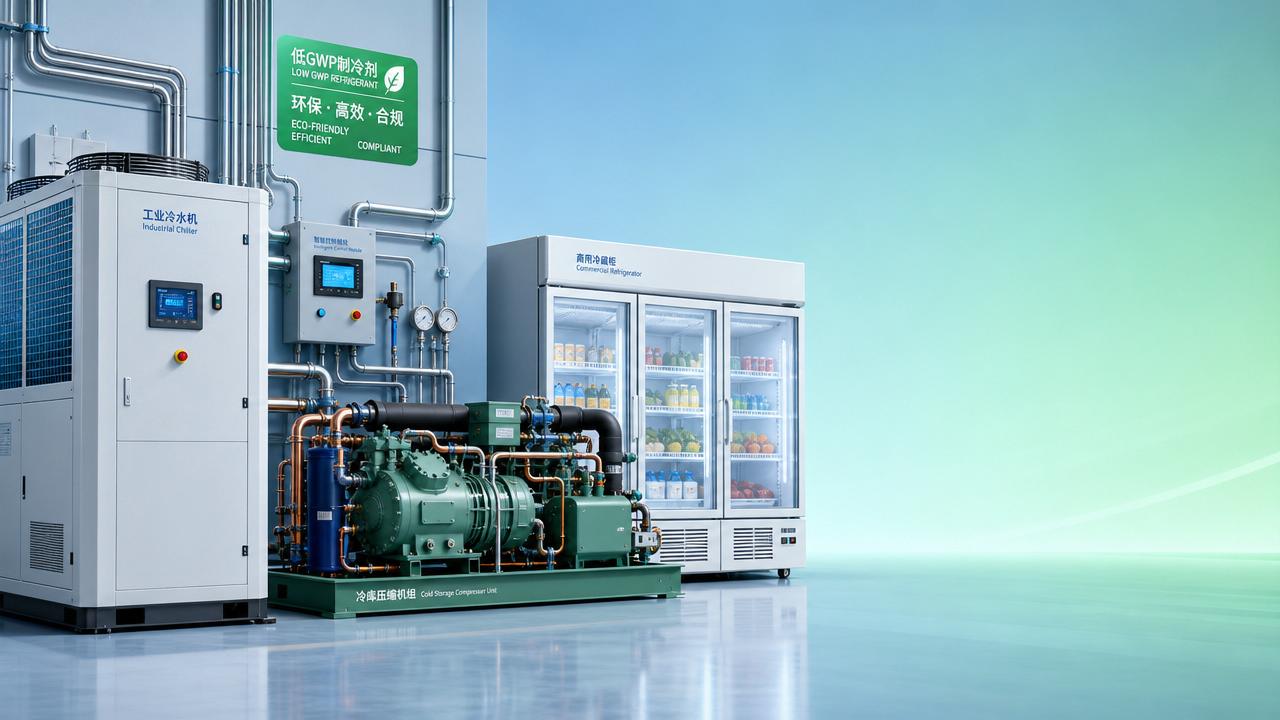
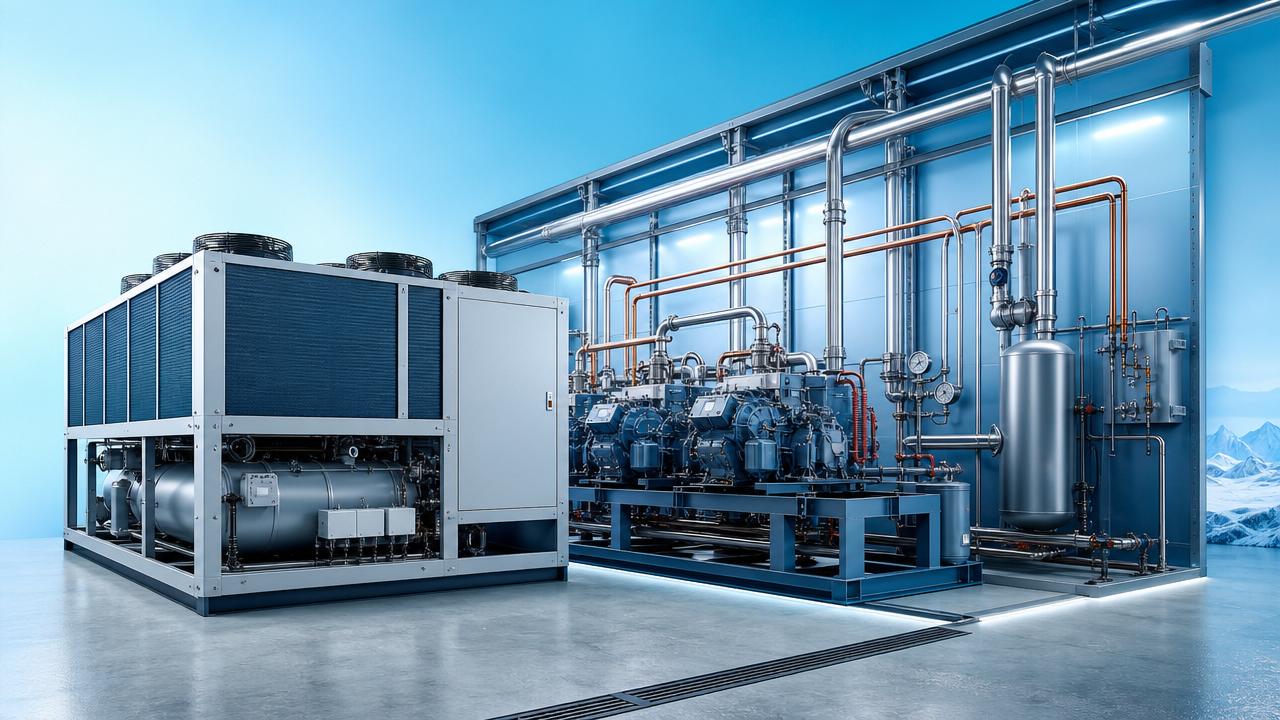
Low GWP refrigeration has moved from a technical niche into a central decision point for cold-chain investment, equipment export, and lifecycle planning. What matters now is not only lowering direct emissions, but also understanding how refrigerants, regulations, safety rules, and system efficiency interact across industrial cooling, food retail, cold storage, ice production, and medical deep-cryogenic use.
That shift is especially visible in markets tracked by CCRS, where thermodynamic performance and compliance risk increasingly shape equipment competitiveness. A refrigerant with a lower climate impact may improve long-term regulatory resilience, yet it can also change pressure levels, component selection, maintenance practices, and total operating cost.
What low GWP refrigeration really means
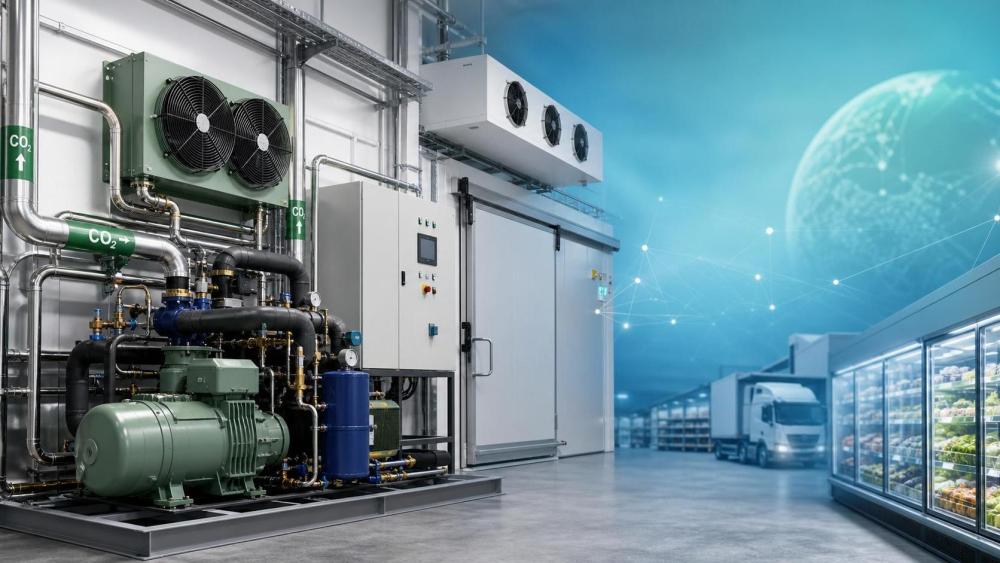
In simple terms, low GWP refrigeration refers to cooling systems that use refrigerants with lower global warming potential than legacy HFCs. GWP measures how strongly a gas traps heat in the atmosphere relative to carbon dioxide over a fixed period.
The concept sounds straightforward, but real-world selection is more complex. A low-GWP refrigerant is never judged by climate score alone. It also has to be evaluated for energy performance, operating envelope, flammability, toxicity, charge size limits, component availability, and service maturity.
This is why low GWP refrigeration is often discussed as a system choice rather than a fluid swap. In many installations, refrigerant change affects compressor design, heat exchanger sizing, controls logic, leak detection, ventilation, and technician training.
Why the topic is gaining urgency
The biggest driver is regulation. The Kigali Amendment, the EU F-Gas framework, U.S. AIM Act rules, and country-level bans are steadily narrowing the acceptable use of high-GWP refrigerants. Phase-down schedules are no longer abstract policy signals. They now affect procurement windows, retrofit timing, and export eligibility.
Another pressure point is asset lifespan. Refrigeration systems often operate for ten to twenty years or longer. Choosing a refrigerant with uncertain future compliance can create stranded equipment risk, especially for cold storage hubs, supermarket cabinets, industrial chillers, and ultra-low temperature systems.
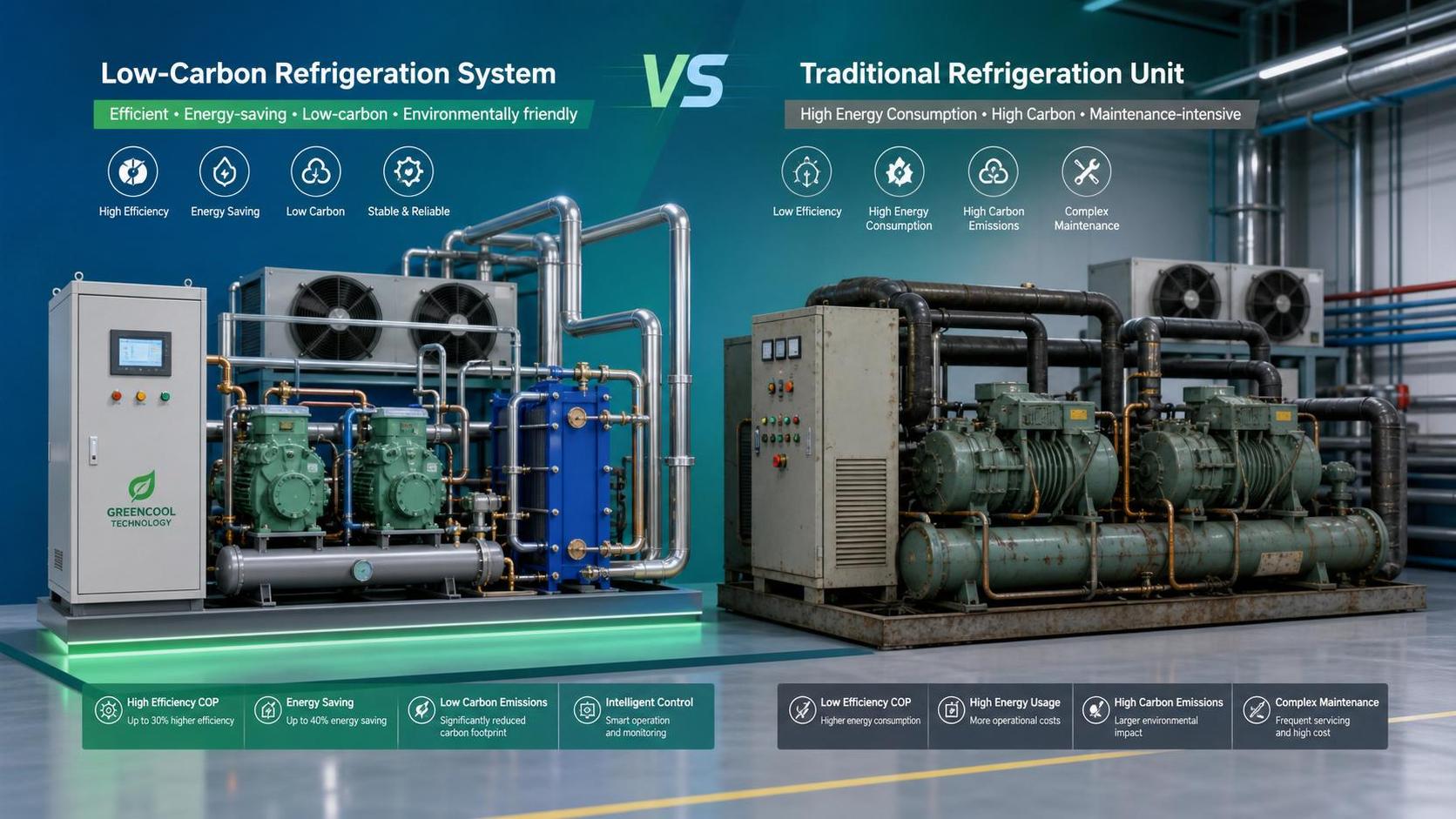
Energy economics also matter. Electricity cost usually outweighs refrigerant cost over the life of a system. A lower GWP option that reduces emissions but raises energy use under local climate conditions may not be the strongest long-term answer.
The pressure from multiple directions
- Regulatory phase-downs are accelerating equipment redesign.
- Safety standards are shaping where A2L and A3 refrigerants can be used.
- Energy targets are forcing closer analysis of seasonal efficiency.
- Corporate decarbonization goals are influencing refrigerant roadmaps.
- Service capability varies widely by region and application.
The main refrigerant families in low GWP refrigeration
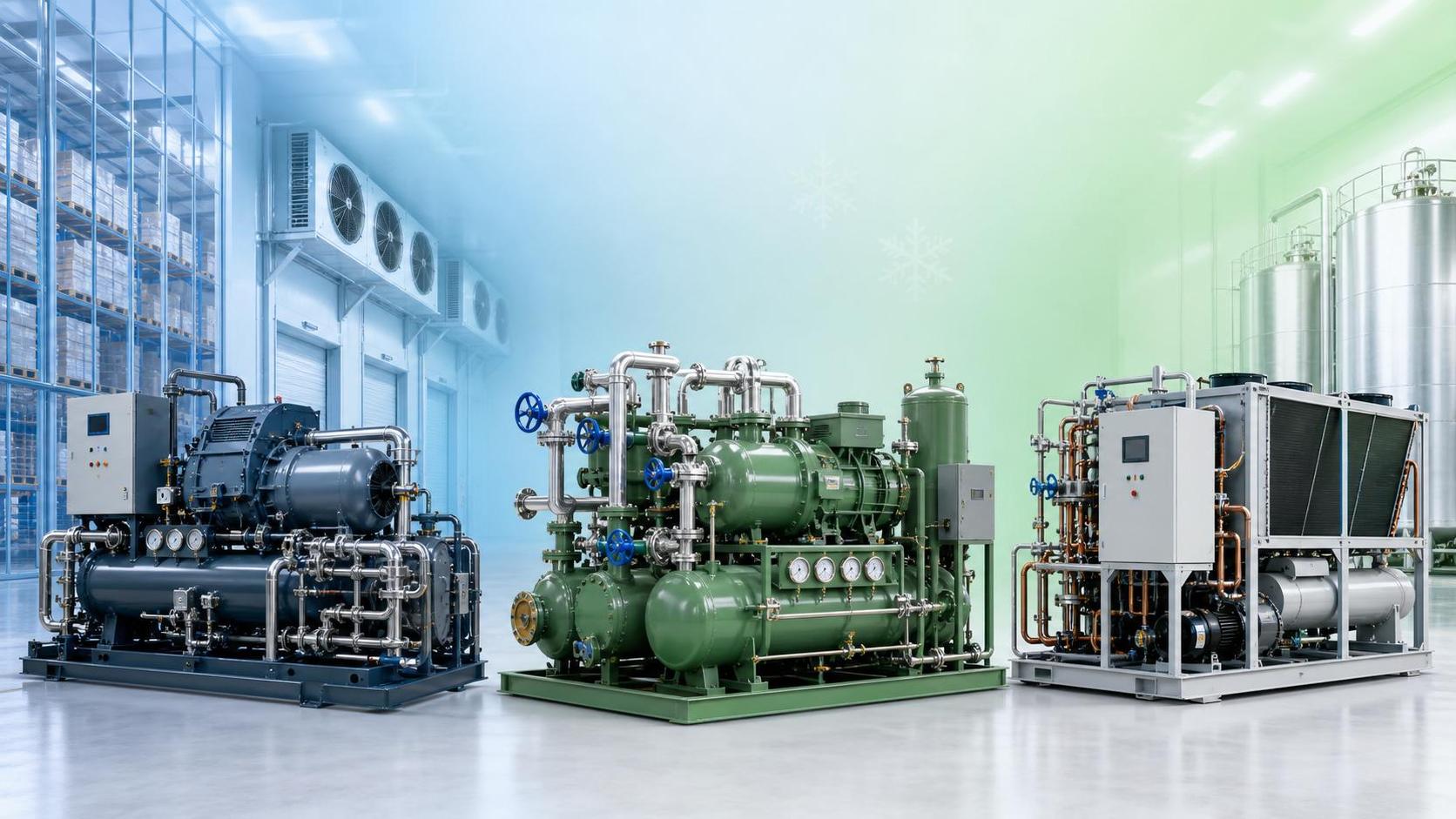
Most low GWP refrigeration strategies fall into three broad groups: natural refrigerants, lower-GWP HFO-based blends, and application-specific cascade or hybrid architectures. Each group solves a different problem set.
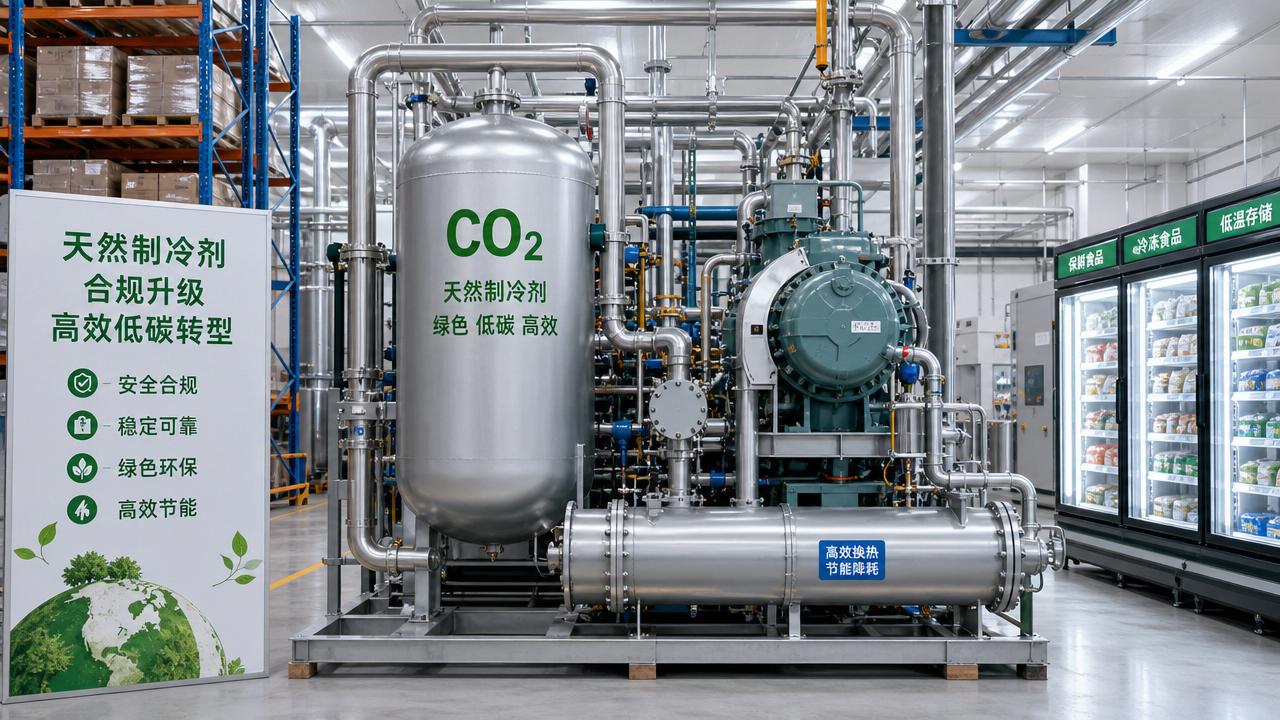
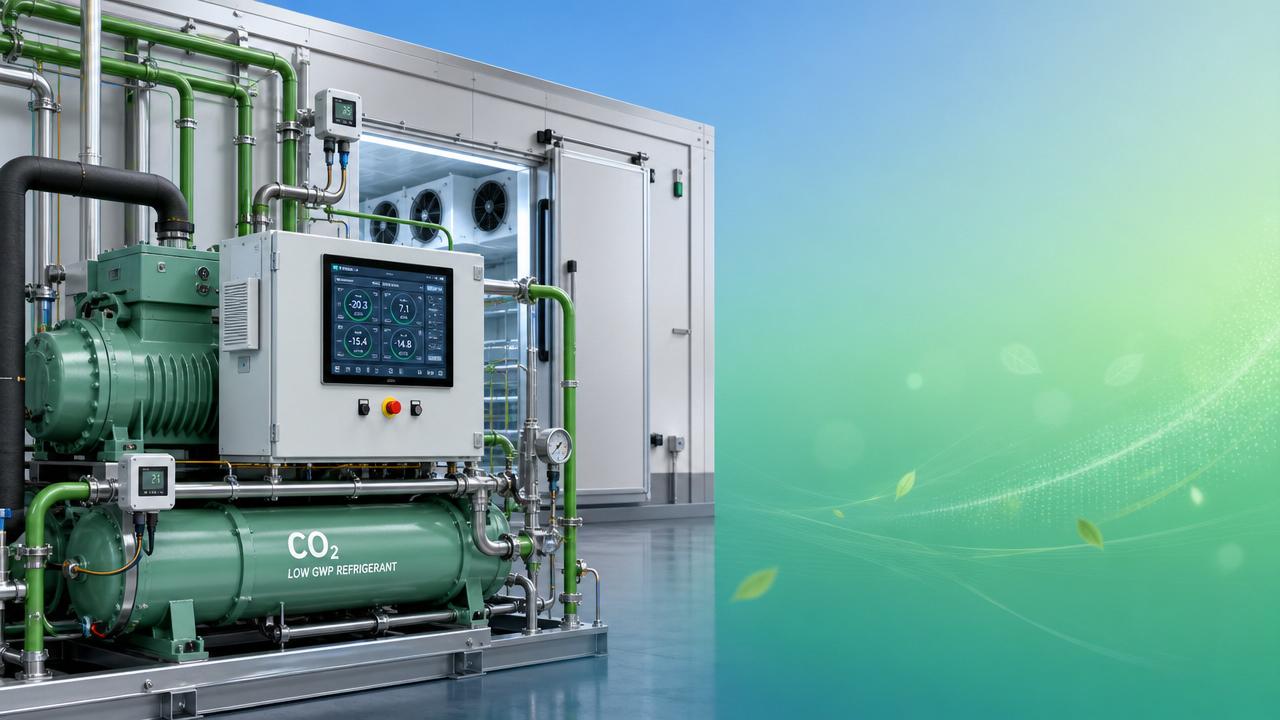
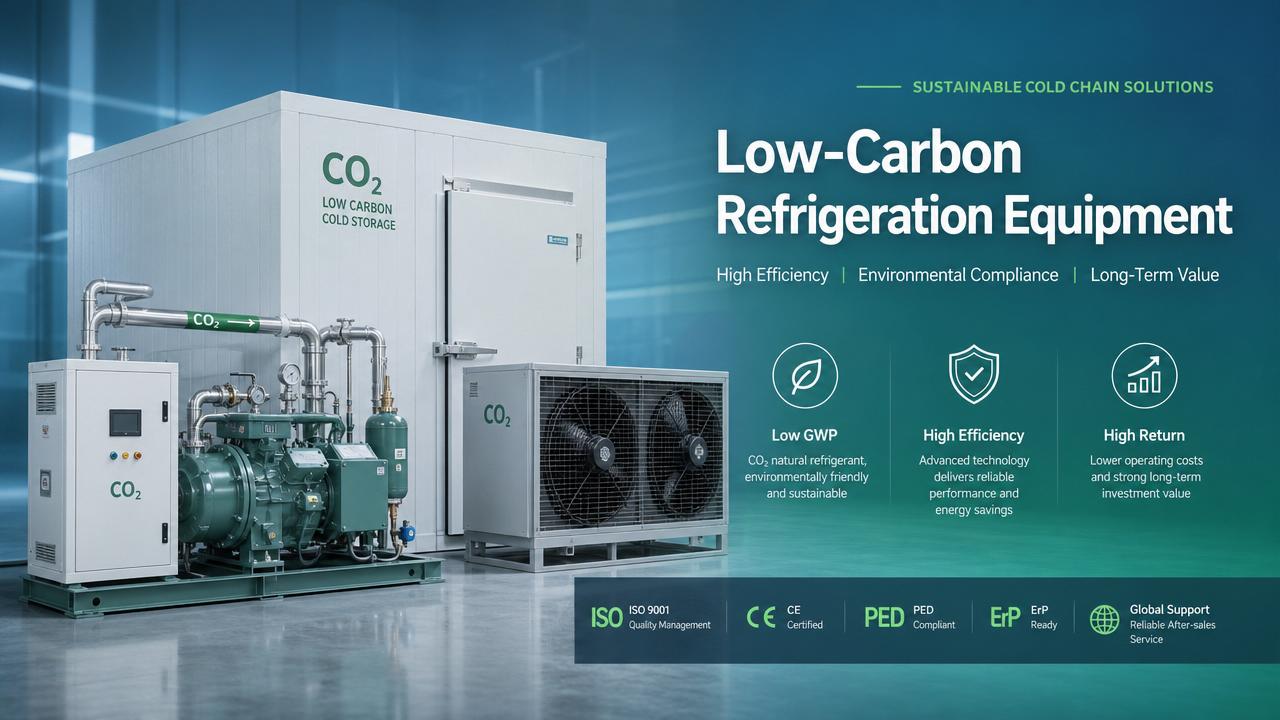
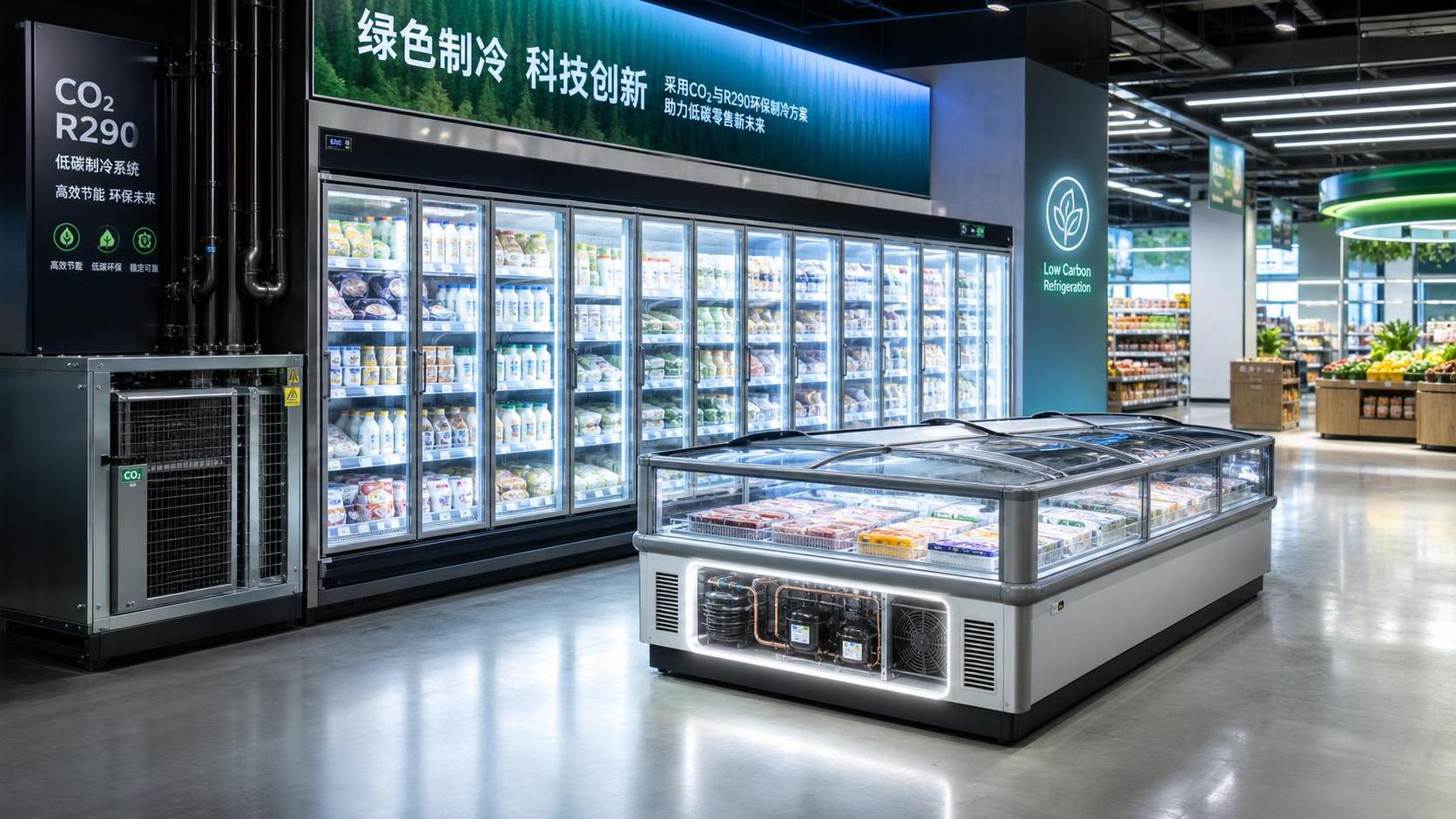
CO2 has become a flagship choice in food retail and cold storage, especially in transcritical and booster systems. Its climate profile is compelling, but performance depends heavily on ambient conditions, gas cooler design, ejectors, parallel compression, and controls strategy.
Ammonia remains highly relevant in industrial refrigeration because of its thermodynamic efficiency and established role in large cold stores and process cooling. However, toxicity concerns keep it best suited to controlled industrial environments with strong safety culture.
Hydrocarbons offer excellent efficiency and ultra-low GWP, but flammability restricts charge size and installation context. They fit well in smaller commercial equipment and certain packaged systems.
HFOs and HFO blends often act as transition refrigerants. They can help reduce GWP without fully redesigning the architecture, though long-term policy treatment and A2L compliance requirements still need close attention.
How regulations influence system decisions
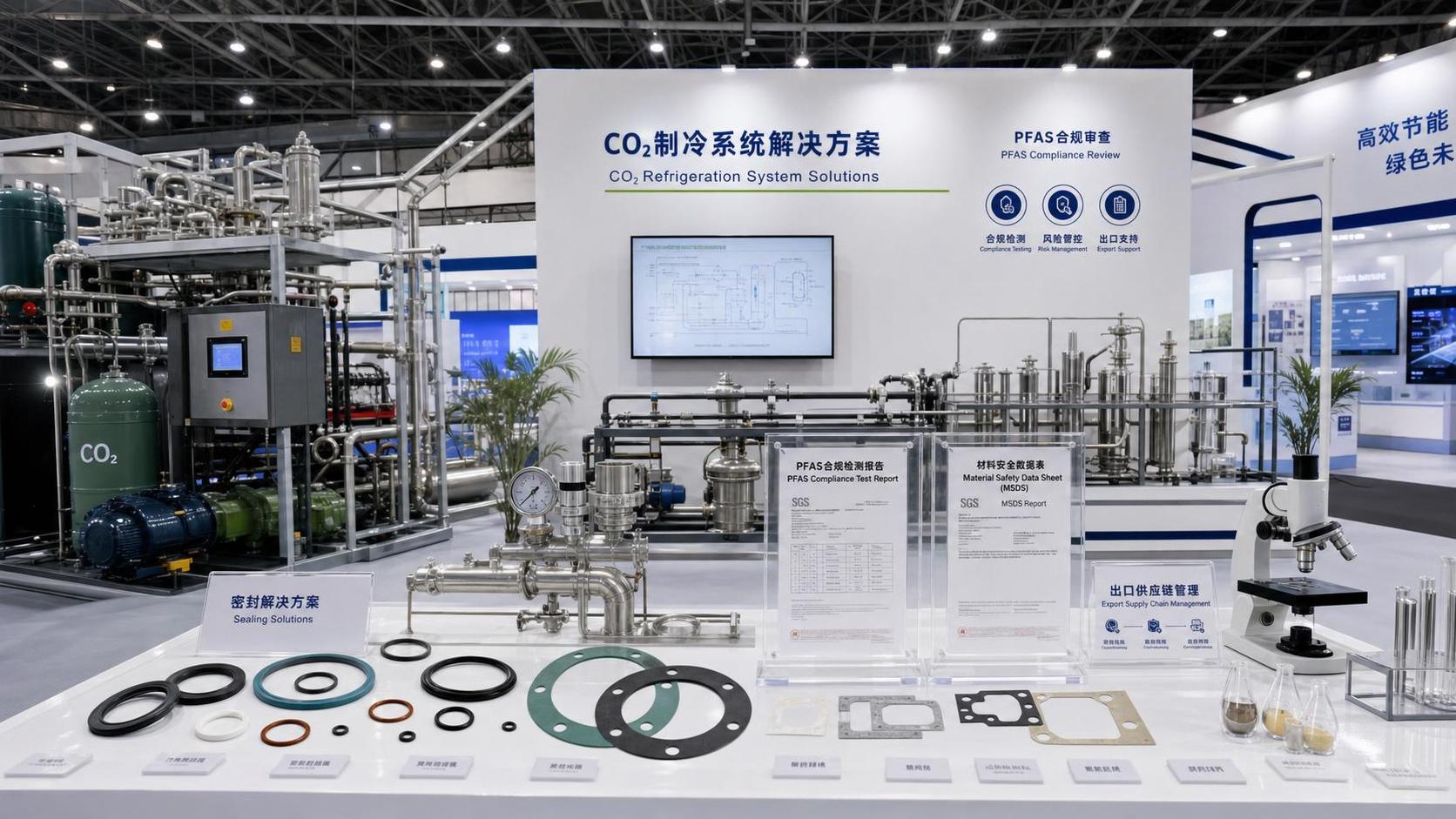
Low GWP refrigeration decisions are increasingly made backward from compliance. That means starting with refrigerant bans, GWP thresholds, charge restrictions, labeling rules, and servicing requirements before comparing performance data.
This is where market intelligence becomes valuable. CCRS frames regulation not as a legal footnote, but as part of technical planning. Real-time monitoring of F-Gas changes, export restrictions, and sector-specific limits can prevent investment in systems that become difficult to install or support.
Standards also matter beyond environmental law. Building codes, EN and ISO safety provisions, and local fire rules may determine whether mildly flammable refrigerants are practical in a given project. A refrigerant can be climate-friendly and still be operationally unsuitable in a certain facility.
Questions worth asking early
- Will the refrigerant remain compliant during the asset life?
- Do local codes limit charge size or occupancy conditions?
- Is trained service support available in the operating region?
- Will spare parts and compressors stay broadly available?
- Does the compliance path differ for export markets?
System trade-offs across major applications
The strongest low GWP refrigeration choice often depends on temperature level, load pattern, climate, and operational discipline. A refrigerant that works well in a display cabinet may be a poor fit for a vaccine freezer or a large process chiller.
Industrial chillers
In industrial chillers, the focus usually falls on efficiency at part load, compressor technology, and integration with process demands. Lower-GWP fluids may support decarbonization goals, but only if they maintain stable performance under real operating profiles.
Cold storage and distribution hubs
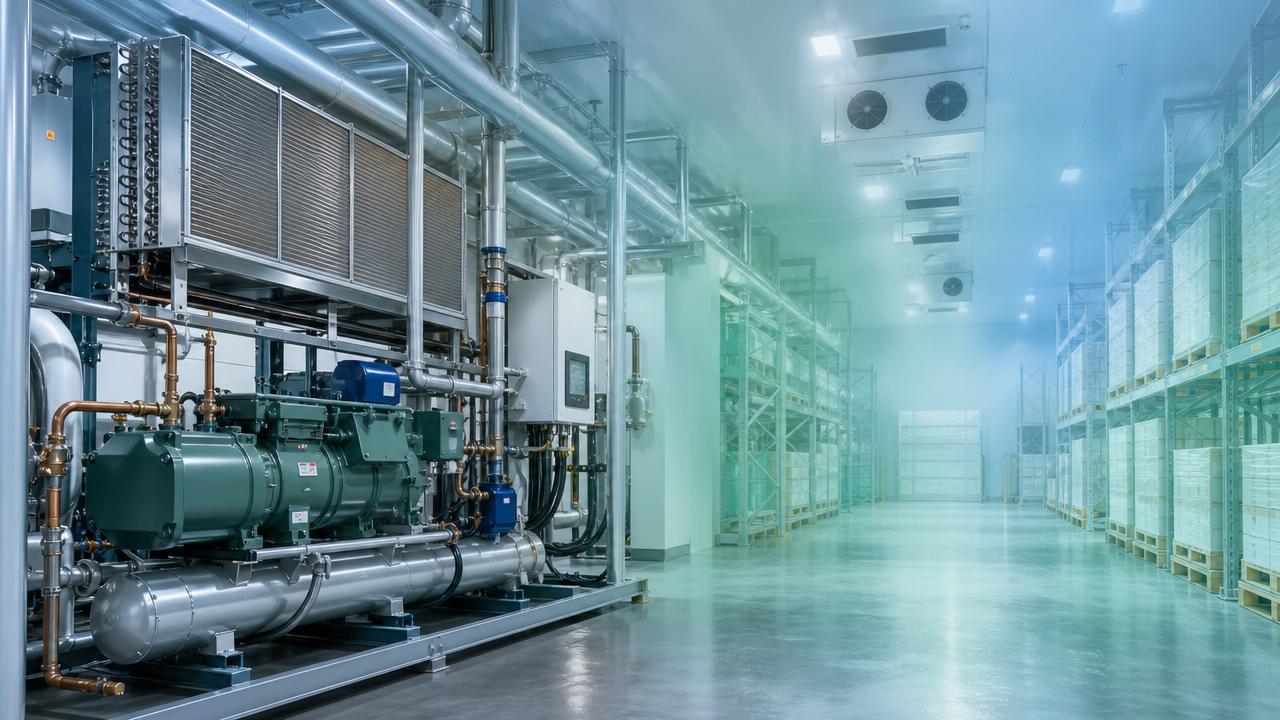
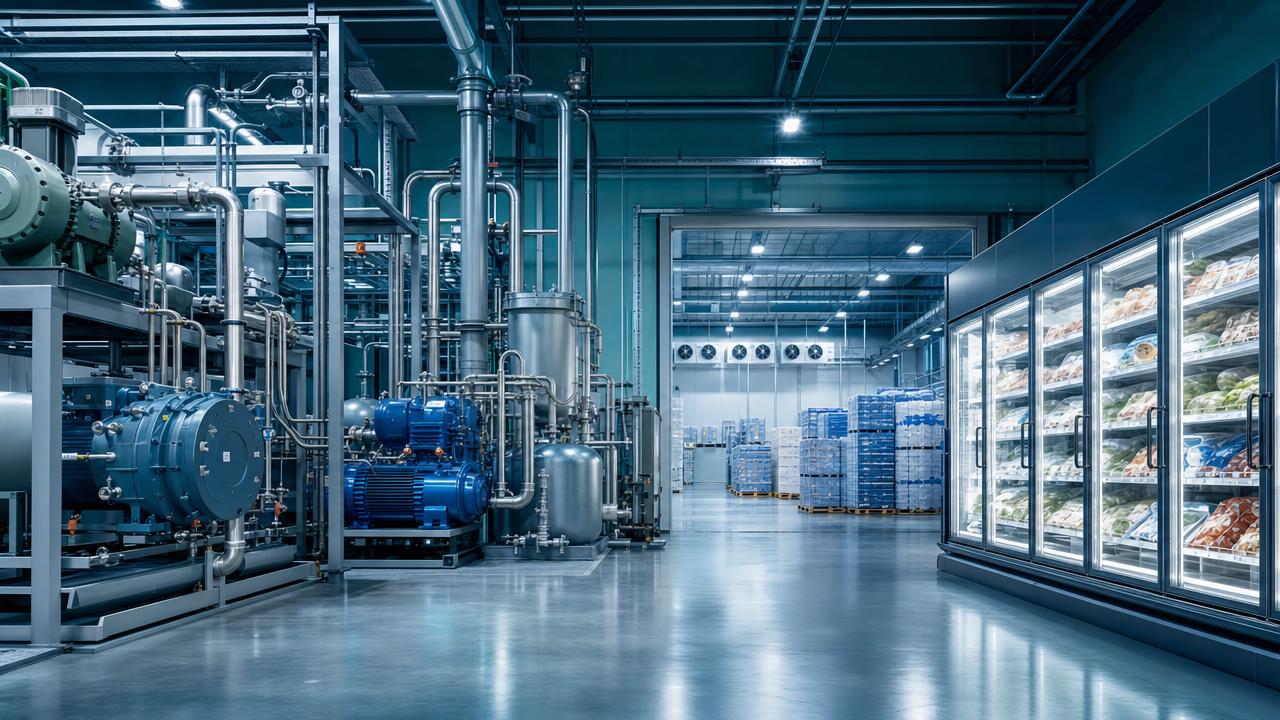
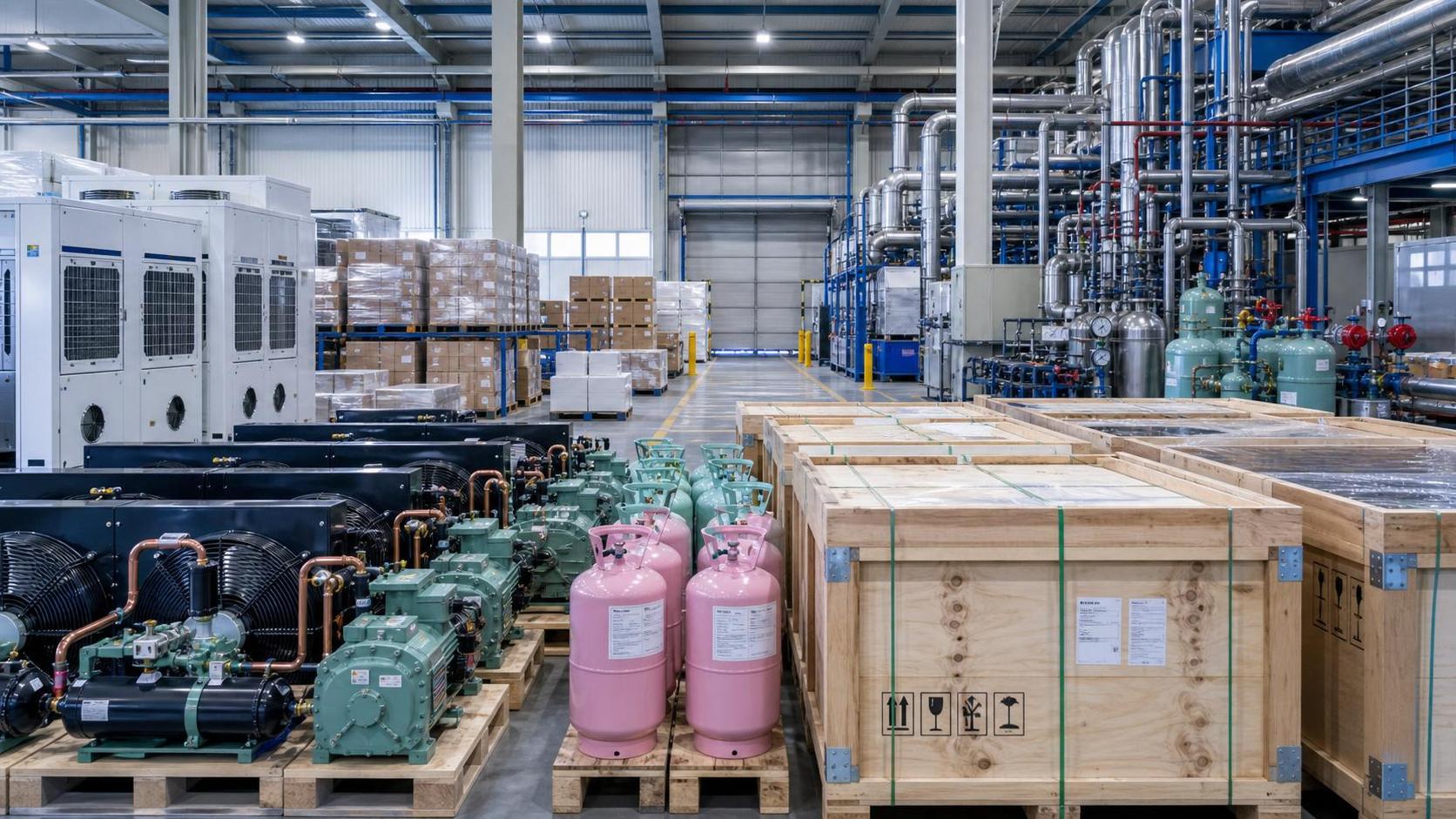
Large cold stores often favor CO2 or ammonia-based architectures. These systems align well with tighter climate rules, yet they require disciplined controls, robust component engineering, and careful commissioning to deliver expected efficiency.
Commercial refrigeration cabinets
Retail cabinets need compact systems, visible product quality, and stable temperature recovery after door openings or defrost cycles. Here, low GWP refrigeration choices are closely tied to charge limits, food safety performance, and store energy management.
Ice-making and ultra-low temperature systems
Ice plants and deep-cryogenic freezers raise a different challenge. Very low temperatures can make simple refrigerant substitution unrealistic. Cascade arrangements, discharge temperature control, and heat transfer behavior become decisive, especially below -40°C and in -86°C storage applications.
What to examine beyond the refrigerant label
A useful low GWP refrigeration assessment should move past brochure language. The key question is not whether a refrigerant is green in isolation, but whether the full system will remain efficient, serviceable, and compliant over time.
- Compare direct and indirect emissions together.
- Review seasonal performance, not only nameplate values.
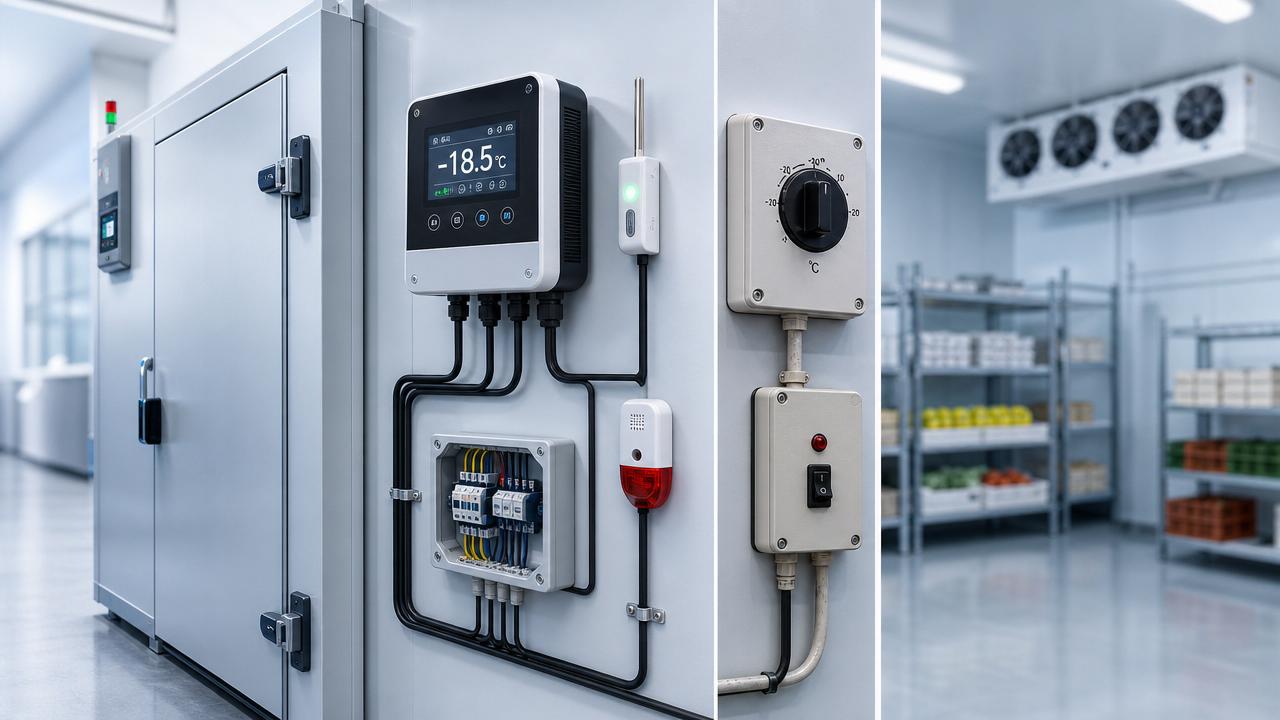
- Check leak management, controls quality, and defrost strategy.
- Study pressure class, oil compatibility, and material selection.
- Include safety training and maintenance burden in total cost.
This broader view is particularly important where CCRS tracks fast-moving transitions, such as export-oriented refrigeration equipment, retrofitted retail sites, and medical cold chains. In those segments, the wrong choice can create hidden cost through redesign, downtime, or delayed certification.
A practical way to move forward
Low GWP refrigeration is best approached as a structured comparison exercise. Start with operating temperature, ambient conditions, safety boundaries, and expected asset life. Then screen refrigerants against regulation, efficiency, and service capability in the target region.
After that, compare system architectures rather than fluids alone. A transcritical CO2 design, an ammonia package, an A2L retrofit path, and a cascade solution may all look viable on paper, yet their lifecycle behavior can differ sharply once controls, maintenance, and climate are considered.
For ongoing evaluation, it helps to follow the same mix of signals used by specialist intelligence platforms such as CCRS: refrigerant policy movement, thermodynamic performance data, retrofit economics, and application-specific case evidence. That approach builds a clearer basis for selecting low GWP refrigeration that can still make sense years after installation.
Recommended News
 Eco-Refrigerant & ComplianceF-Gas Regulations Are Changing Equipment Choices Faster Than ExpectedAnalyst :Dr. Henrik Weber
 Eco-Refrigerant & ComplianceEco-Friendly Refrigeration: What Looks Green but Performs Poorly?Analyst :Dr. Henrik Weber
 Eco-Refrigerant & ComplianceNatural Refrigerants: Are Compliance Benefits Worth the Transition Cost?Analyst :Dr. Henrik Weber
 Eco-Refrigerant & ComplianceWhat drives low carbon refrigeration adoption in 2026?Analyst :Dr. Henrik Weber
 Eco-Refrigerant & ComplianceEco-friendly cooling is changing compliance planning fastAnalyst :Dr. Henrik Weber
 Eco-Refrigerant & ComplianceLow carbon cooling trends that could reshape investmentsAnalyst :Dr. Henrik Weber
 Eco-Refrigerant & ComplianceHow F-Gas regulations are changing refrigerant decisionsAnalyst :Dr. Henrik Weber
 Eco-Refrigerant & ComplianceIs eco-friendly refrigeration worth the higher upfront costAnalyst :Dr. Henrik Weber
 Eco-Refrigerant & ComplianceWhy low carbon cooling is becoming a compliance priorityAnalyst :Dr. Henrik Weber
 Eco-Refrigerant & ComplianceLow carbon refrigeration options that cut long-term costsAnalyst :Dr. Henrik Weber
 Eco-Refrigerant & ComplianceWhat buyers miss when choosing eco-friendly refrigerationAnalyst :Dr. Henrik Weber
 Eco-Refrigerant & ComplianceWhy low carbon refrigeration is becoming a board issueAnalyst :Dr. Henrik Weber
 Eco-Refrigerant & ComplianceWhat F-Gas regulations mean for equipment choices in 2026Analyst :Dr. Henrik Weber
![]() Eco-Refrigerant & ComplianceIndonesia Launches Green Refrigeration Channel for R290 Cold CabinetsAnalyst :Dr. Henrik Weber
Eco-Refrigerant & ComplianceIndonesia Launches Green Refrigeration Channel for R290 Cold CabinetsAnalyst :Dr. Henrik Weber Eco-Refrigerant & ComplianceWhy low carbon cooling is becoming a safer long betAnalyst :Dr. Henrik Weber
 Eco-Refrigerant & ComplianceWhat makes eco-friendly cooling cheaper over time?Analyst :Dr. Henrik Weber
 Eco-Refrigerant & ComplianceF-Gas regulations are changing how cooling gets approvedAnalyst :Dr. Henrik Weber
 Eco-Refrigerant & ComplianceHow eco-friendly refrigeration cuts compliance riskAnalyst :Dr. Henrik Weber
 Eco-Refrigerant & ComplianceHow low carbon cooling cuts compliance risk in 2026Analyst :Dr. Henrik Weber
 Eco-Refrigerant & ComplianceLow Carbon Refrigeration: Compare Refrigerants, Energy Use, and ComplianceAnalyst :Dr. Henrik Weber
 Eco-Refrigerant & ComplianceEco-Friendly Cooling Options: Refrigerants, Efficiency, and Compliance ChecksAnalyst :Dr. Henrik Weber
![]() Eco-Refrigerant & ComplianceWhat Are Natural Refrigerants? Types, GWP Limits, and Where They Fit BestAnalyst :Dr. Henrik Weber
Eco-Refrigerant & ComplianceWhat Are Natural Refrigerants? Types, GWP Limits, and Where They Fit BestAnalyst :Dr. Henrik Weber Eco-Refrigerant & ComplianceEco-Friendly Cooling vs Conventional Systems: What Buyers Should Compare FirstAnalyst :Dr. Henrik Weber
 Eco-Refrigerant & ComplianceEco-Friendly Refrigeration vs Conventional Systems: Refrigerants, Energy Use, and ComplianceAnalyst :Dr. Henrik Weber
 Eco-Refrigerant & ComplianceLow Carbon Refrigeration: Key Standards, Refrigerant Options, and ROI FactorsAnalyst :Dr. Henrik Weber
 Eco-Refrigerant & ComplianceTemperature Control Standards for Food Storage: Critical Limits, Logging, and Audit ChecksAnalyst :Dr. Henrik Weber
 Eco-Refrigerant & ComplianceLow Carbon Cooling Options Explained: Refrigerants, Compliance, and System Trade-OffsAnalyst :Dr. Henrik Weber
 Eco-Refrigerant & ComplianceDigital Refrigeration vs Conventional Controls: What Improves Monitoring and Compliance?Analyst :Dr. Henrik Weber
 Eco-Refrigerant & ComplianceLow Carbon Cooling Options for Commercial Refrigeration: CO2, Ammonia, and Hybrid SystemsAnalyst :Dr. Henrik Weber
 Eco-Refrigerant & ComplianceLow Carbon Cooling Options Compared: CO2, Ammonia, and HFO Systems for ComplianceAnalyst :Dr. Henrik Weber
 Eco-Refrigerant & ComplianceIndustrial Refrigeration Systems Buying Guide: Lifecycle Cost, Efficiency, and ComplianceAnalyst :Dr. Henrik Weber
 Eco-Refrigerant & ComplianceEco-Friendly Cooling Options: Refrigerants, Energy Use, and Compliance Factors ComparedAnalyst :Dr. Henrik Weber
 Eco-Refrigerant & ComplianceNatural Refrigerants vs HFCs: How to Compare Compliance, Safety, and System DesignAnalyst :Dr. Henrik Weber
 Eco-Refrigerant & ComplianceHow to Read Specification-Oriented Product Guides for Refrigeration EquipmentAnalyst :Dr. Henrik Weber
 Eco-Refrigerant & ComplianceLow Carbon Refrigeration Options for Supermarkets: CAPEX, Energy Use, and Compliance ComparedAnalyst :Dr. Henrik Weber
 Eco-Refrigerant & ComplianceRACC 2026 to Host PFAS Compliance Briefing in HangzhouAnalyst :Dr. Henrik Weber
 Eco-Refrigerant & ComplianceEPA Rule Challenge Raises HFC Supply Chain ConcernsAnalyst :Dr. Henrik Weber
 Eco-Refrigerant & ComplianceLow Carbon Refrigeration Systems vs Conventional Setups: Which Delivers Lower Lifecycle Cost?Analyst :Dr. Henrik Weber
 Eco-Refrigerant & ComplianceLow GWP Refrigeration Explained: Refrigerants, Regulations, and System Trade-OffsAnalyst :Dr. Henrik Weber
 Eco-Refrigerant & ComplianceLow Carbon Refrigeration Systems Retrofit: When to Upgrade and Which Changes Matter MostAnalyst :Dr. Henrik Weber