Industry News
Curation by industry experts
Hot Articles
- Thermodynamic Tech TrendsHow to Size Heat Exchange Systems for Refrigeration Plants at Peak Load
- Parallel Compressor RacksHow to Size Reciprocating Compressors for Cold Storage Load and Temperature Range
- Flake Ice MachinesHow to Size a Commercial Ice Dispenser for Peak Demand in Foodservice Operations
Popular Tags
Heat Exchange Technology Is Changing Cooling Design
Heat exchange technology is redefining how cooling systems are planned, specified, and managed across industrial refrigeration, cold storage, and mission-critical temperature control projects.
The shift is not only about thermal performance. It affects energy budgets, refrigerant compliance, equipment lifespan, and long-term operational risk.
As cooling demand grows in fresh retail, biomedicine, and high-load manufacturing, heat exchange technology has become central to future-ready refrigeration design.
What Does Heat Exchange Technology Mean in Modern Cooling Design?
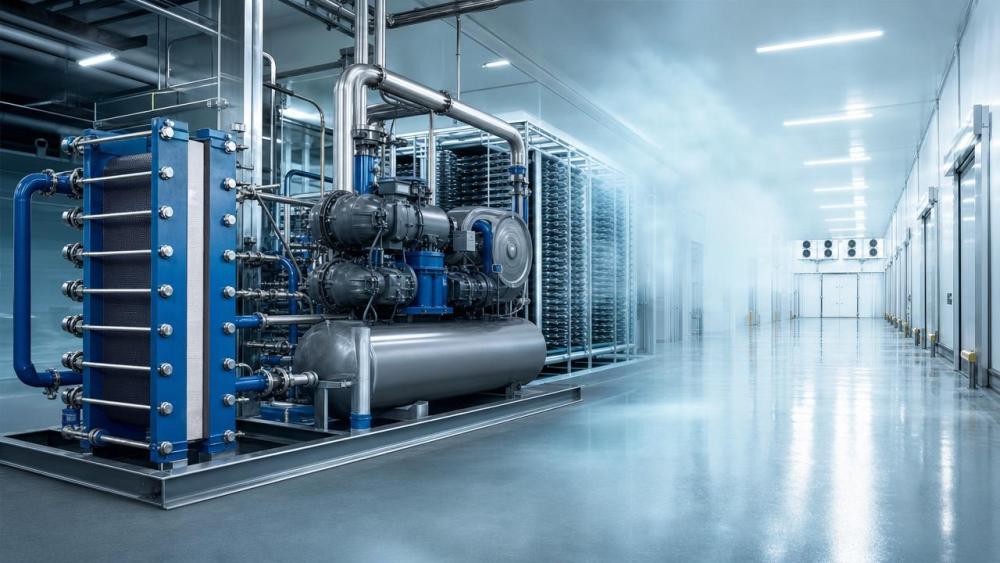
Heat exchange technology describes the methods, surfaces, fluids, controls, and system layouts used to move heat efficiently between two media.
In refrigeration, that movement usually occurs through evaporators, condensers, economizers, cascade exchangers, and secondary-loop heat transfer equipment.
The objective is simple. Remove unwanted heat quickly, safely, and predictably, while using less energy and protecting stored products or processes.
In practice, heat exchange technology is more complex. It connects thermodynamics, refrigerant behavior, airflow, fluid velocity, fouling resistance, and controls.
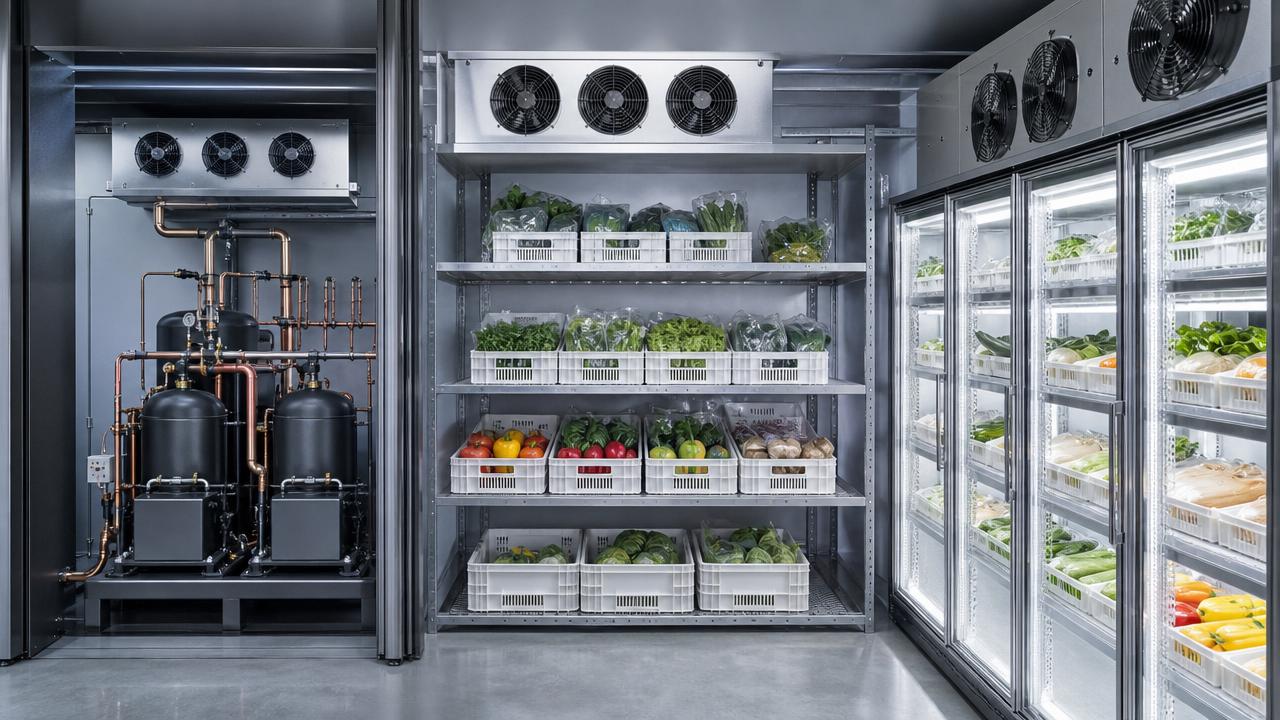
A cold room, chiller plant, ice machine, or ultra-low temperature freezer all depends on stable heat transfer conditions.
When heat exchange technology is poorly matched, compressors work harder. Temperature stability declines, defrost cycles increase, and component stress rises.
When it is well designed, refrigeration capacity becomes more dependable. Energy intensity falls, and the system can handle changing loads more gracefully.
Why is this more important now?
Cooling systems now face stricter refrigerant rules, higher electricity prices, and broader temperature-control requirements across food, medicine, and advanced manufacturing.
Heat exchange technology helps bridge those pressures by improving coefficient of performance without relying only on larger compressors.
It also supports low-GWP refrigerants, including CO2, ammonia, hydrocarbons, and optimized synthetic blends where regulations allow them.
Which Cooling Applications Benefit Most from Heat Exchange Technology?
Almost every cooling application benefits, but the value is strongest where heat loads are variable, continuous, or expensive to control.
Industrial chillers gain from advanced evaporator geometry, variable-flow loops, and precise approach-temperature management.
In laser cutting, injection molding, and machining, heat exchange technology reduces thermal drift and protects production consistency.
Commercial ice machines depend on fast heat removal at freezing surfaces. Better exchanger design improves ice quality and production stability.
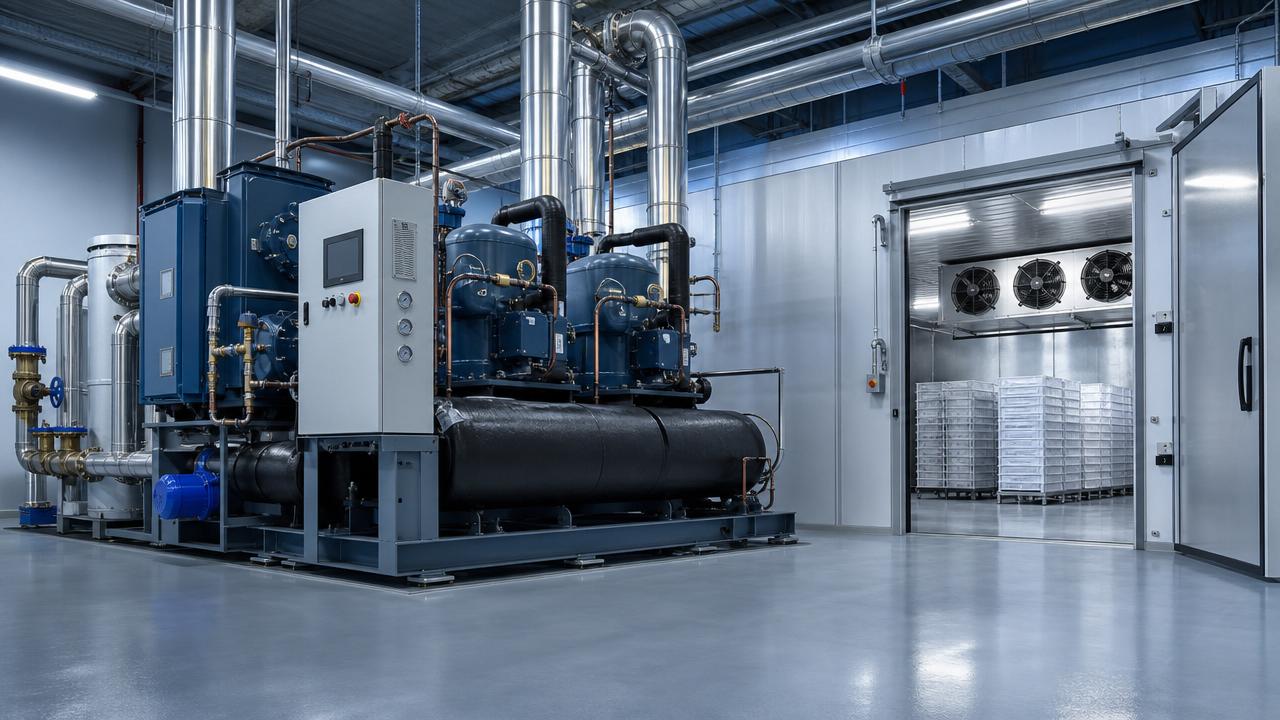
For cold storage compressors, heat exchange technology supports safer condensing, lower discharge temperatures, and more efficient part-load operation.
Retail refrigeration cabinets need accurate air curtain behavior, evaporator balance, and anti-fog performance without wasting excessive fan energy.
Ultra-low temperature freezers require even more specialized design. Cascade exchangers must maintain deep cryogenic stability under strict safety margins.
Where does the business impact appear?
- Lower electricity consumption during continuous cooling operation.
- Reduced compressor cycling and improved equipment lifespan.
- Better temperature uniformity in stored products.
- Improved compatibility with eco-refrigerant transitions.
- More reliable operation during peak ambient conditions.
These gains make heat exchange technology a strategic design factor, not a minor component choice.
How Does Heat Exchange Technology Affect Energy Efficiency?
Energy efficiency depends on how easily a system absorbs heat at the evaporator and rejects it at the condenser.
If heat transfer is restricted, compressors must create a larger pressure difference. That increases power demand and operating cost.
Modern heat exchange technology reduces this penalty through improved surface design, fluid distribution, airflow control, and intelligent defrost logic.
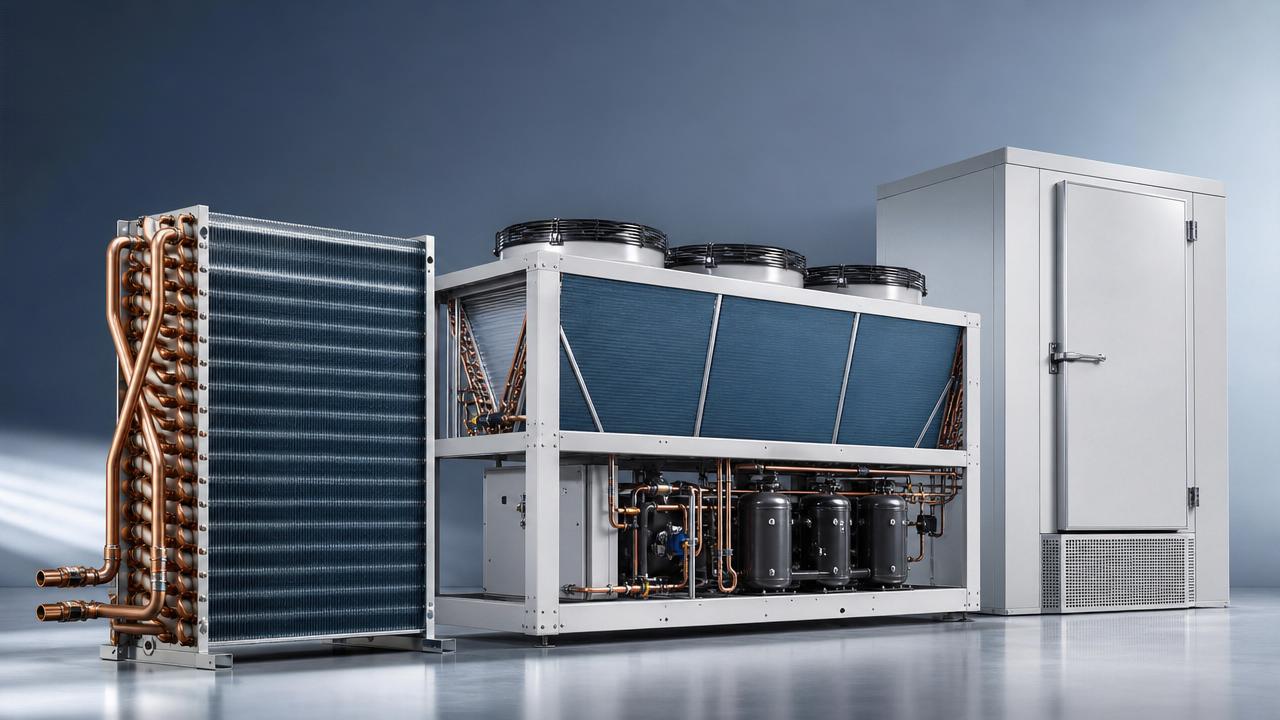
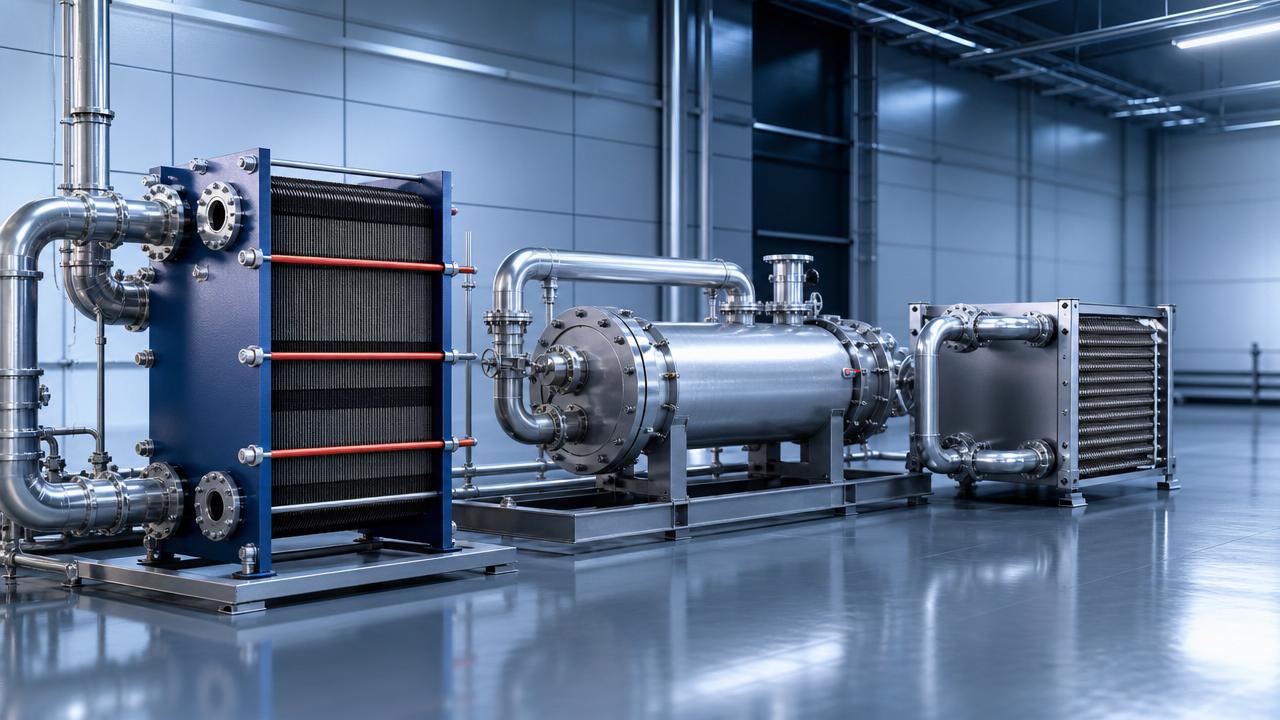
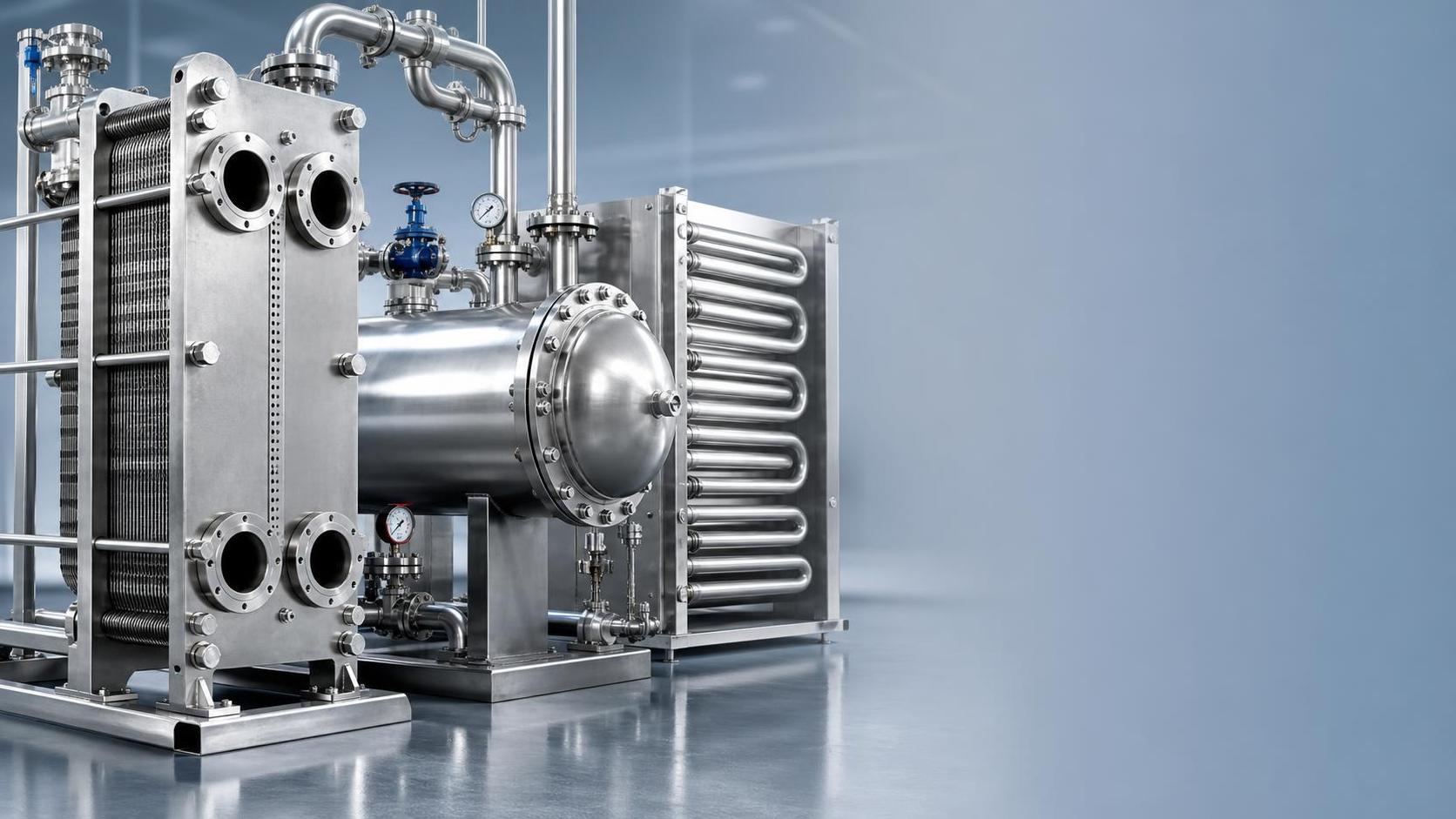
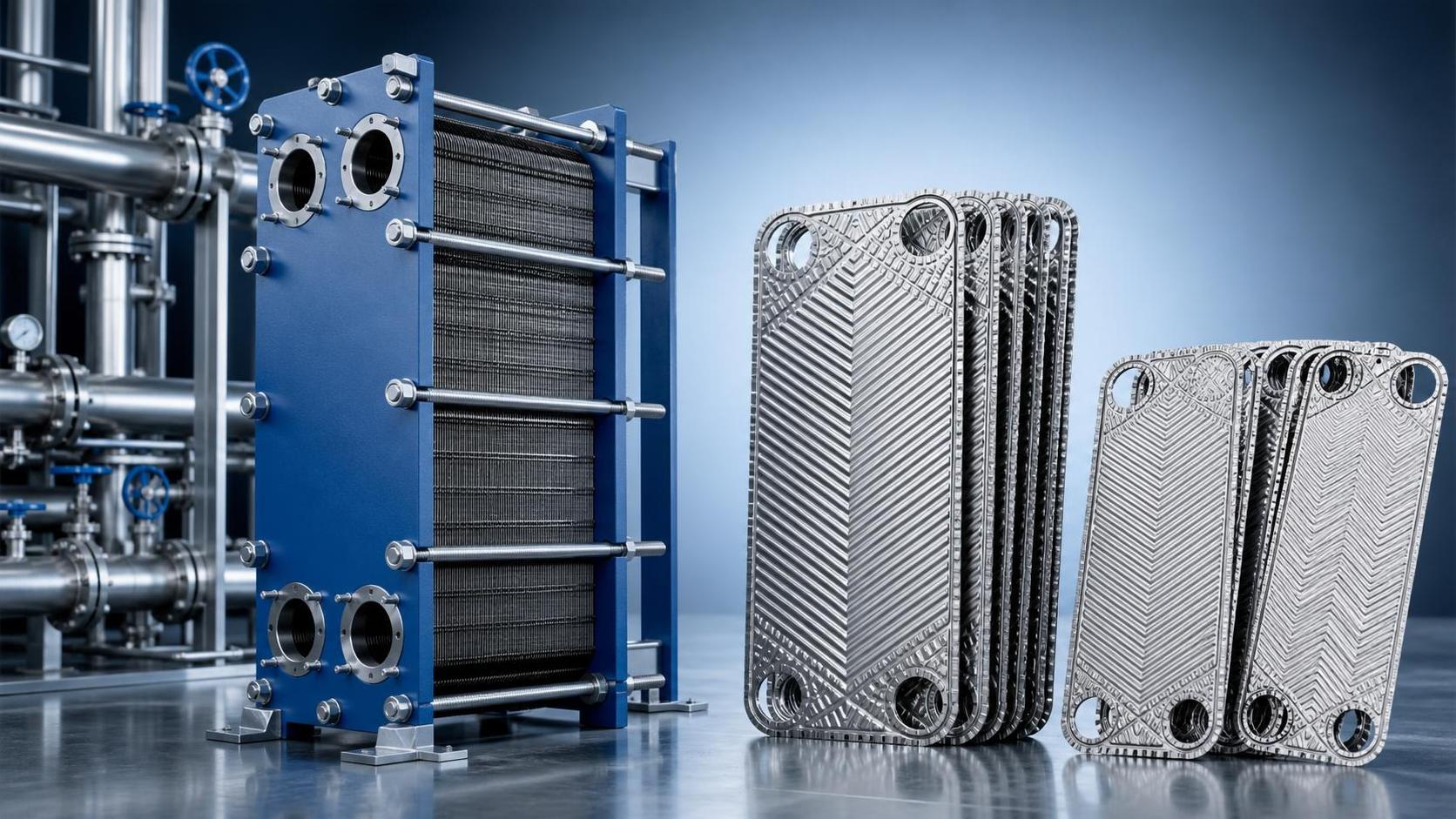
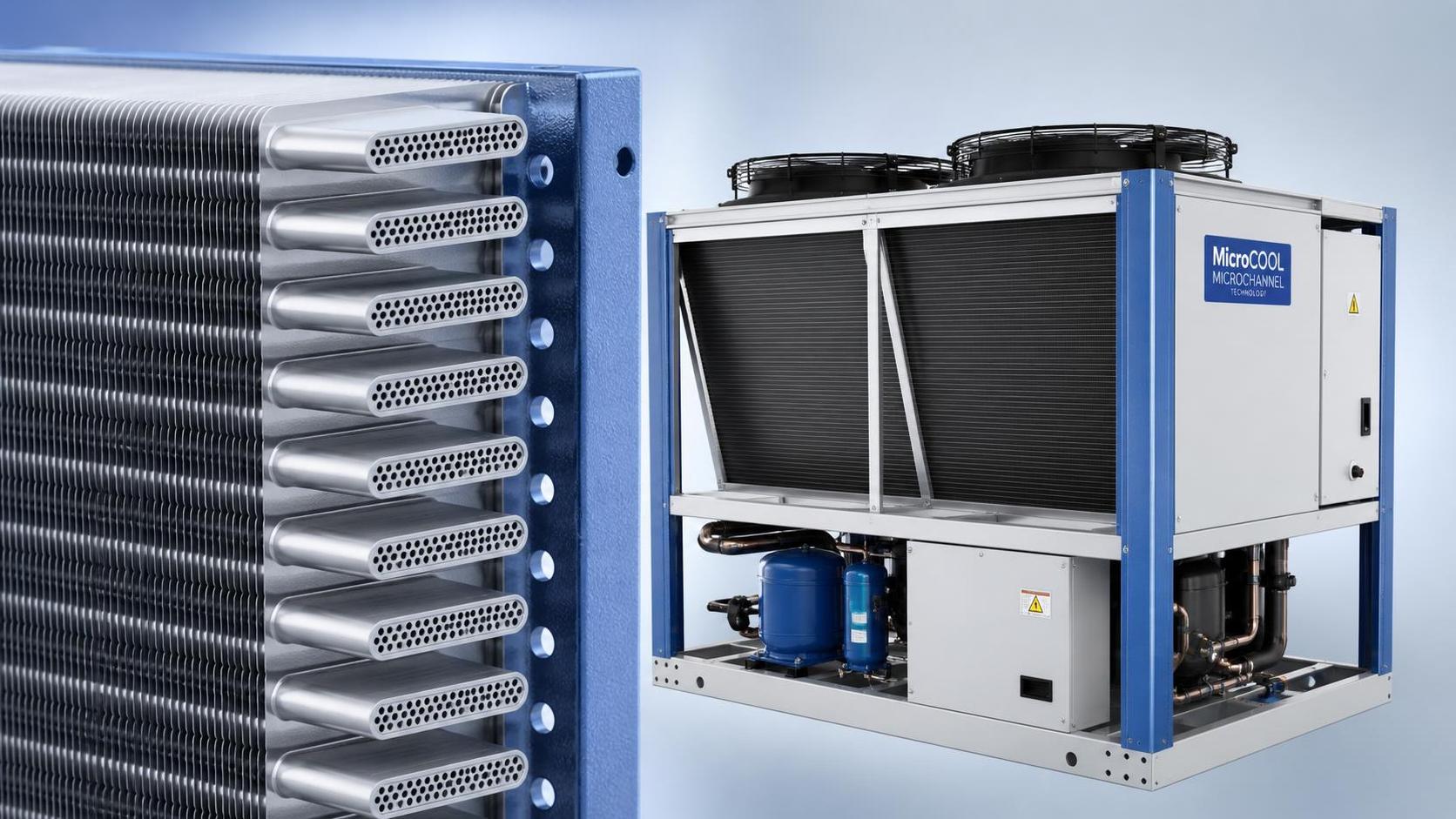
Microchannel condensers, plate heat exchangers, flooded evaporators, and shell-and-tube designs each offer distinct advantages.
The best option depends on refrigerant type, service conditions, cleaning access, pressure rating, and acceptable maintenance complexity.
Variable-frequency compressors also benefit from better heat exchange technology. Stable exchanger performance allows smoother capacity modulation.
In retail cabinets, improved evaporator design can reduce frost formation and fan load while preserving product visibility.
In cold storage hubs, optimized condensers can lower head pressure and improve seasonal energy performance.
What metrics should be checked?
Useful indicators include approach temperature, pressure drop, heat transfer coefficient, fouling factor, compressor lift, and seasonal efficiency.
A low purchase price may hide poor lifecycle economics if heat exchange technology causes high pressure losses or frequent cleaning.
Real efficiency assessment should compare annual operating hours, ambient profile, load variation, and maintenance conditions.
How Should Heat Exchange Technology Be Compared Across Refrigerants?
Refrigerants behave differently under pressure, temperature, and phase-change conditions. Heat exchange technology must respect those properties.
CO2 transcritical systems require careful gas cooler design because heat rejection may occur above the critical point.
In hot climates, CO2 systems may need ejectors, parallel compression, or adiabatic support to maintain strong efficiency.
Ammonia offers excellent thermodynamic performance, but heat exchangers must address toxicity, oil management, and safety code requirements.
Hydrocarbons provide strong efficiency in smaller charges. Their flammability requires compact, controlled, and compliant heat exchange technology.
HFO and HFC blends may suit retrofit scenarios, but glide behavior can influence evaporator and condenser sizing.
The right selection is not only about refrigerant GWP. It also involves heat transfer performance, availability, safety, and service skill.
This comparison shows why heat exchange technology must be evaluated together with refrigerant strategy and operational context.
What Mistakes Create Risk in Heat Exchange Technology Projects?
One common mistake is oversizing equipment without improving heat transfer quality. Larger hardware may increase cost without solving inefficiency.
Another risk is ignoring part-load behavior. Many refrigeration systems operate below peak load for most of the year.
Heat exchange technology should maintain stable performance across these lower-load periods, not only during rated test conditions.
Poor airflow design is also costly. Blocked coils, weak fan placement, and uneven air distribution reduce effective capacity.
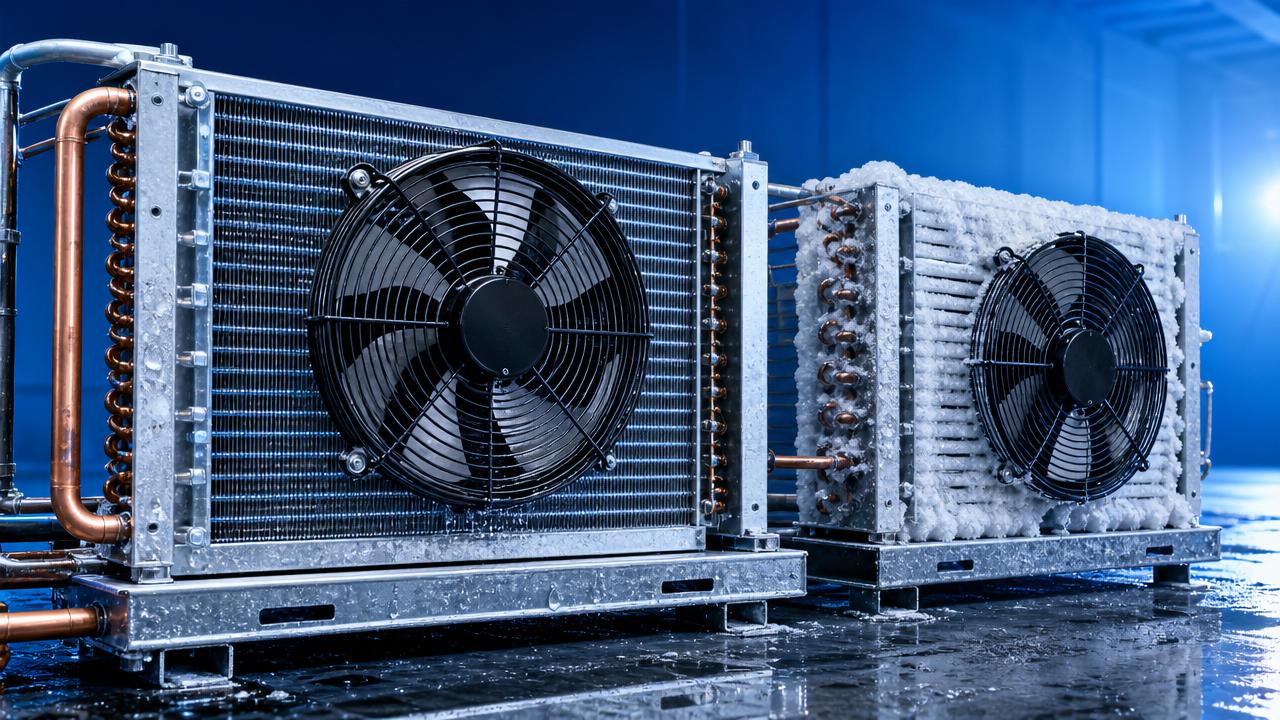
In cold rooms, improper evaporator placement can create warm zones, dehydration, frost accumulation, and product-quality variation.
For medical deep-freezing, unstable heat exchange technology can threaten sample safety and trigger emergency backup operation.
Maintenance access is another overlooked factor. A high-efficiency exchanger loses value if cleaning requires excessive downtime.
Risk checklist for cooling designs
- Confirm exchanger pressure ratings under worst-case operation.
- Verify compatibility with refrigerant oil and materials.
- Model frost, defrost, and humidity effects.
- Check pressure drop against compressor efficiency.
- Plan sensor locations for meaningful thermal data.
- Include cleaning access in layout decisions.
These steps reduce the chance that heat exchange technology performs well on paper but poorly in real operation.
How Can Heat Exchange Technology Be Implemented in Existing Systems?
Existing cooling systems can often improve without full replacement. The first step is a clear thermal performance audit.
Useful data includes suction pressure, condensing temperature, superheat, subcooling, coil condition, flow rate, and compressor power.
After measurement, heat exchange technology upgrades can be prioritized by payback, risk reduction, and regulatory readiness.
Some sites benefit from condenser replacement, especially where high head pressure drives excessive power consumption.
Others gain more from evaporator improvements, electronic expansion valves, better defrost control, or secondary-loop optimization.
Digital monitoring strengthens every upgrade. Sensors reveal whether heat exchange technology is delivering stable temperature and lower energy use.
For cold chain hubs, staged implementation may reduce disruption. Start with the highest-load rooms or most unstable temperature zones.
For ultra-low temperature equipment, validation is essential. Any change must protect recovery time, alarm response, and sample integrity.
What is a sensible upgrade sequence?
- Audit current thermal and energy performance.
- Identify bottlenecks in evaporators, condensers, or controls.
- Compare retrofit options against lifecycle cost.
- Check refrigerant compliance and safety constraints.
- Validate performance after commissioning.
- Use monitoring data to tune operation continuously.
This sequence keeps heat exchange technology decisions practical, measurable, and aligned with operational priorities.
FAQ Summary: Key Decisions for Heat Exchange Technology
The strongest cooling designs treat heat exchange technology as a system-level decision, not an isolated component purchase.
It influences compressor load, refrigerant choice, temperature stability, maintenance cost, and readiness for stricter environmental standards.
Before specifying a chiller, cold room, ice machine, cabinet, or deep freezer, review the full heat transfer pathway.
A practical next step is to document loads, operating hours, ambient conditions, refrigerant constraints, and cleaning requirements.
With that foundation, heat exchange technology can improve efficiency, protect freshness, and extend the useful life of cooling assets.
Recommended News
 Thermodynamic Tech TrendsTemperature Control Problems That Quietly Ruin Product QualityAnalyst :Prof. Sarah Lin
 Thermodynamic Tech TrendsHow heat exchange technology shapes system reliabilityAnalyst :Prof. Sarah Lin
 Thermodynamic Tech TrendsAus Scientists Break Through Anhydrous Proton-Conducting MembraneAnalyst :Prof. Sarah Lin
 Thermodynamic Tech TrendsHow variable frequency cooling cuts peak energy costsAnalyst :Prof. Sarah Lin
 Thermodynamic Tech TrendsHeat exchange technology flaws that raise operating costsAnalyst :Prof. Sarah Lin
 Thermodynamic Tech TrendsWhat makes eco-friendly cooling practical in daily use?Analyst :Prof. Sarah Lin
 Thermodynamic Tech TrendsWhat heat exchange technology cuts cooling energy wasteAnalyst :Prof. Sarah Lin
 Thermodynamic Tech TrendsLow carbon refrigeration is changing project planningAnalyst :Prof. Sarah Lin
 Thermodynamic Tech TrendsHeat Exchange Technology Is Changing Cooling DesignAnalyst :Prof. Sarah Lin
 Thermodynamic Tech TrendsWhat limits heat exchange efficiency in real systems?Analyst :Prof. Sarah Lin
 Thermodynamic Tech TrendsIndustrial Refrigeration System Selection: Key Capacity, Refrigerant, and Load FactorsAnalyst :Prof. Sarah Lin
 Thermodynamic Tech TrendsVariable Frequency Cooling Selection Guide: How to Match Load Range, COP, and Control StrategyAnalyst :Prof. Sarah Lin
 Thermodynamic Tech TrendsHeat Exchange Technology in Refrigeration: Which Design Improves Capacity and Defrost Efficiency?Analyst :Prof. Sarah Lin
![]() Thermodynamic Tech TrendsMagnetic Bearing Technology Explained: How Oil-Free Compression Improves Chiller EfficiencyAnalyst :Prof. Sarah Lin
Thermodynamic Tech TrendsMagnetic Bearing Technology Explained: How Oil-Free Compression Improves Chiller EfficiencyAnalyst :Prof. Sarah Lin Thermodynamic Tech TrendsVariable Frequency Cooling Explained: How It Improves Refrigeration Efficiency and Load ControlAnalyst :Prof. Sarah Lin
 Thermodynamic Tech TrendsHeat Exchange Efficiency: Which Design Factors Matter Most in Industrial Cooling?Analyst :Prof. Sarah Lin
 Thermodynamic Tech TrendsHeat Exchange Technology Comparison: Plate, Shell-and-Tube, or Microchannel?Analyst :Prof. Sarah Lin
 Thermodynamic Tech TrendsIndustrial Cooling Systems Explained: Which Setup Fits Food, Pharma, and Process Plants?Analyst :Prof. Sarah Lin
 Thermodynamic Tech TrendsVariable Frequency Cooling vs Fixed-Speed Systems: Which Cuts Energy Costs Better?Analyst :Prof. Sarah Lin
 Thermodynamic Tech TrendsTemperature Control Systems Explained: Key Components, Control Logic, and Common UsesAnalyst :Prof. Sarah Lin
 Thermodynamic Tech TrendsHow Heat Exchange Efficiency Affects Compressor Load and System StabilityAnalyst :Prof. Sarah Lin
 Thermodynamic Tech TrendsEnergy Saving Low Carbon Cooling: Which Metrics Actually Matter in System Evaluation?Analyst :Prof. Sarah Lin
 Thermodynamic Tech TrendsHow to Compare a Heat Transfer Technology Manufacturer for Custom Process Cooling ProjectsAnalyst :Prof. Sarah Lin
 Thermodynamic Tech TrendsChoosing an Industrial Cooling Systems Supplier: 7 Evaluation Criteria Before RFQAnalyst :Prof. Sarah Lin
 Thermodynamic Tech TrendsHeat Transfer Technology Air Cooler: Key Design Factors for Stable Cooling PerformanceAnalyst :Prof. Sarah Lin
 Thermodynamic Tech TrendsEnergy Efficient Refrigeration Systems with Heat Recovery: Where the Savings Really Come FromAnalyst :Prof. Sarah Lin
 Thermodynamic Tech TrendsWhat Determines Heat Exchange Technology Price in Industrial Cooling Projects?Analyst :Prof. Sarah Lin
 Thermodynamic Tech TrendsHow to Select Heat Exchange Plates for Corrosion Resistance and Thermal EfficiencyAnalyst :Prof. Sarah Lin
 Thermodynamic Tech TrendsHow Microchannel Heat Exchangers Improve Refrigeration System EfficiencyAnalyst :Prof. Sarah Lin
 Thermodynamic Tech TrendsHeat Transfer Technology for Blast Freezers: Speed, Efficiency, and DesignAnalyst :Prof. Sarah Lin
 Thermodynamic Tech TrendsHow to Size Heat Exchange Systems for Refrigeration Plants at Peak LoadAnalyst :Prof. Sarah Lin