Industry News
Curation by industry experts
Hot Articles
- Thermodynamic Tech TrendsHow to Size Heat Exchange Systems for Refrigeration Plants at Peak Load
- Parallel Compressor RacksHow to Size Reciprocating Compressors for Cold Storage Load and Temperature Range
- Flake Ice MachinesHow to Size a Commercial Ice Dispenser for Peak Demand in Foodservice Operations
Popular Tags
Why low carbon refrigeration is becoming a board issue
Why is low carbon refrigeration now a board-level concern rather than a technical upgrade? As regulations tighten, energy costs rise, and investors demand measurable ESG progress, refrigeration strategy is directly affecting risk, margins, and brand credibility. For decision-makers across cold chain, retail, healthcare, and industry, understanding low carbon refrigeration is becoming essential to future-proof operations and stay competitive.
For many leadership teams, refrigeration once sat deep inside facilities management. Today, it touches capital planning, export compliance, operating cost control, and customer trust. In sectors where temperature stability protects food quality, pharmaceutical integrity, or production uptime, the shift toward low carbon refrigeration is no longer optional.
This matters especially in commercial cold-chain and refrigeration systems, where equipment decisions can lock in energy use, refrigerant exposure, and maintenance patterns for 10 to 20 years. A board that delays action may not just face higher utility bills. It may inherit stranded assets, retrofit disruption, and avoidable compliance risk.
Why low carbon refrigeration has moved from the plant room to the boardroom
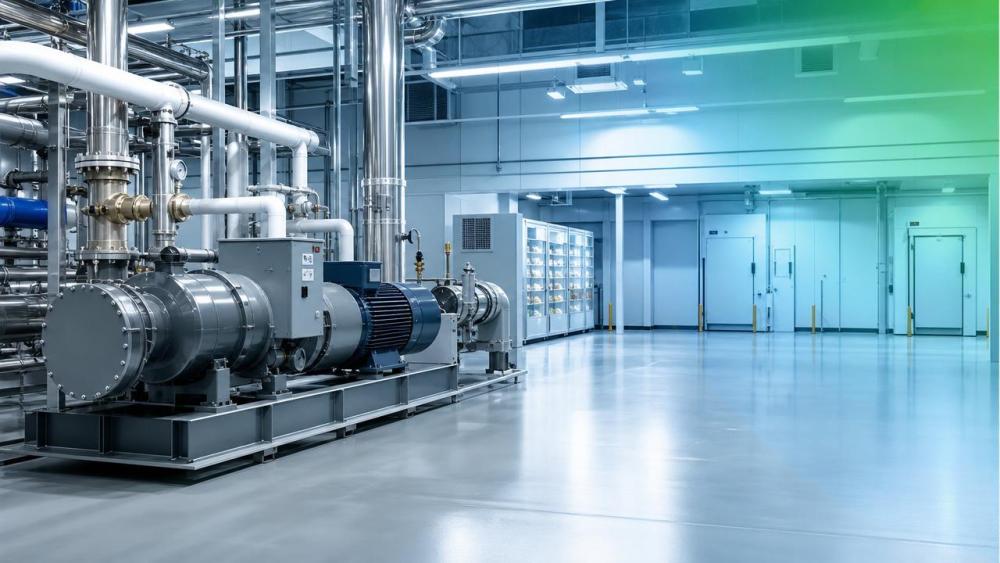
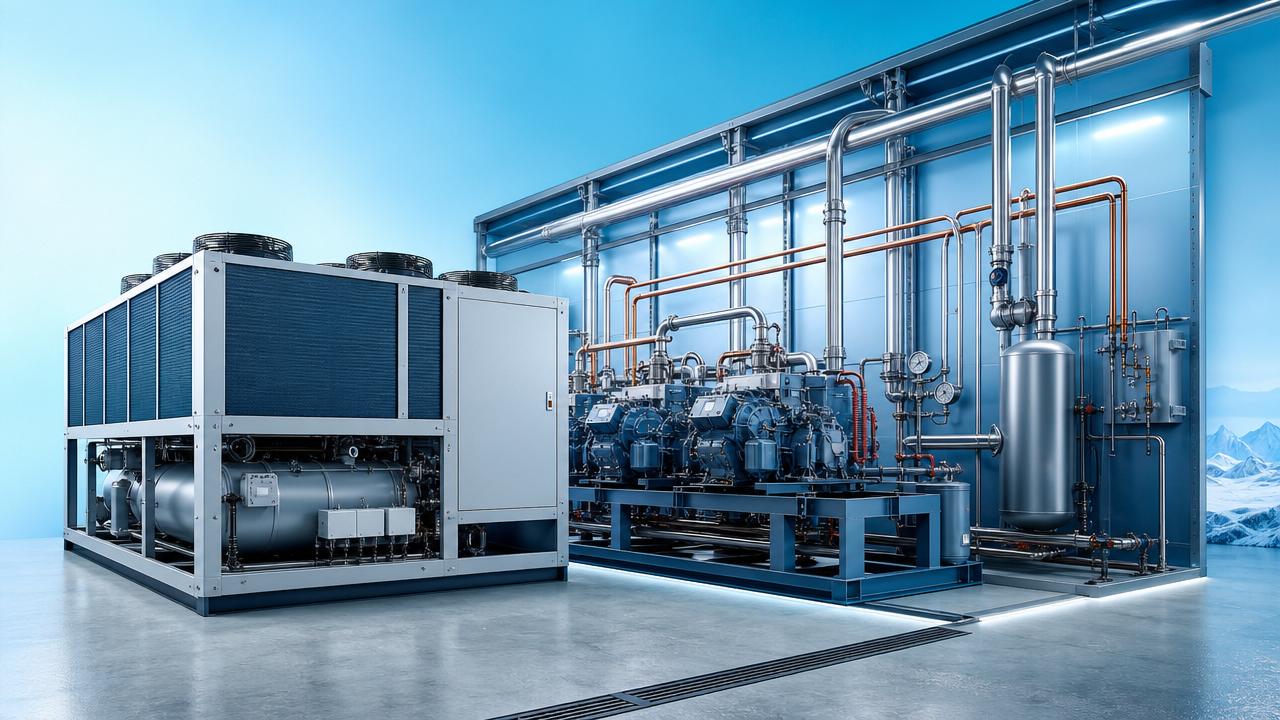
Low carbon refrigeration combines two strategic priorities: reducing direct emissions from refrigerants and reducing indirect emissions from electricity consumption. In practical terms, that means selecting lower-GWP refrigerants, improving system efficiency, tightening controls, and managing the full lifecycle of chillers, cabinets, compressors, ice systems, and ultra-low temperature equipment.
Boards are paying attention because refrigeration can represent a large share of energy demand in temperature-dependent operations. In a supermarket, cold storage hub, vaccine facility, or industrial plant, cooling loads can run 24/7. Even a 10% to 20% efficiency improvement can materially change annual operating expense.
The second driver is regulation. Refrigerants with high global warming potential are under mounting pressure in many markets. Export-oriented manufacturers and operators must now evaluate not only performance, but also whether a system installed today will still be serviceable, legal, and economically viable in 3, 5, or 10 years.
Four pressures reshaping executive decisions
- Carbon and refrigerant regulation are tightening across multiple jurisdictions, affecting equipment design, service practices, and cross-border sales.
- Electricity prices remain volatile, making inefficient refrigeration assets a margin risk rather than a simple maintenance issue.
- Investors and enterprise customers increasingly ask for measurable emissions reductions, not generic sustainability statements.
- Asset life in refrigeration commonly spans 12 to 20 years, so poor decisions made this year can create long-term lock-in.
Where the business impact is strongest
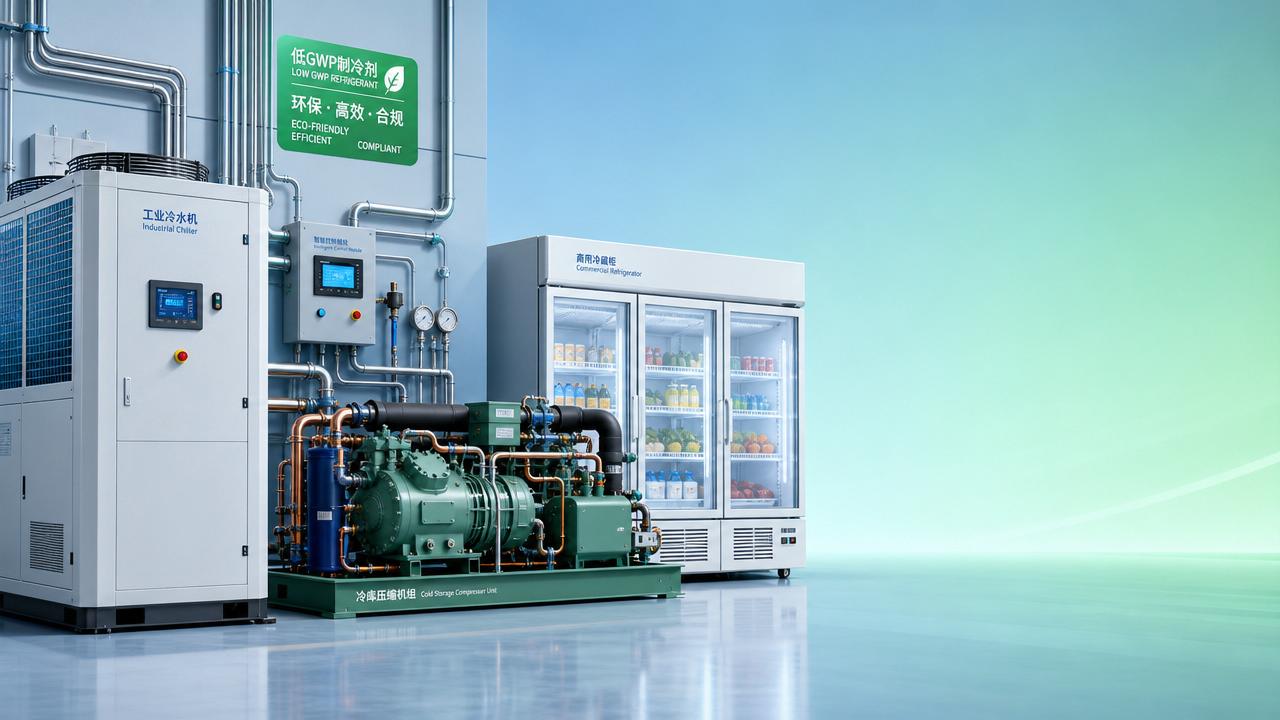
In industrial chillers, the board issue is often energy intensity and uptime. In commercial ice machines, the concern may be water, power, and peak production efficiency. In cold storage compressors, refrigerant transition and heat rejection strategy are central. In retail cabinets, display quality must coexist with tighter energy control. In ultra-low freezers, the board focus is product safety at temperatures such as -70°C to -86°C, where failure costs can be severe.
A useful board-level framing
Executives should treat low carbon refrigeration as a portfolio question with 4 linked dimensions: regulatory exposure, cost-to-operate, resilience, and brand impact. Looking at only first cost often leads to the wrong outcome, especially when retrofit windows, training needs, and refrigerant availability are ignored.
The table below shows why low carbon refrigeration now affects core business metrics rather than only engineering performance.
The key conclusion is simple: low carbon refrigeration changes more than utility consumption. It influences whether an enterprise can expand smoothly, bid internationally, report emissions credibly, and avoid being trapped by outdated cooling architecture.
What decision-makers need to evaluate before approving refrigeration strategy
A strong refrigeration strategy does not begin with a refrigerant label alone. It begins with matching business scenario, temperature requirement, facility constraints, and service capability. A food distribution center at -25°C, a retail display line at 2°C to 8°C, and a biomedical freezer at -86°C should not be assessed with the same procurement logic.
Boards and procurement leaders should ask for a structured review covering at least 6 checkpoints: temperature band, annual runtime, refrigerant pathway, system architecture, maintenance readiness, and payback sensitivity. Without this, low carbon refrigeration can be reduced to a branding phrase rather than a reliable operating model.
1. Evaluate the real emissions profile
Direct emissions come from refrigerant leakage, charge size, and service losses. Indirect emissions come from electricity use. In some installations, a system with a lower-GWP refrigerant but poor controls may still underperform on total carbon impact. That is why lifecycle assessment matters more than headline specification alone.
2. Match refrigerant pathway to application reality
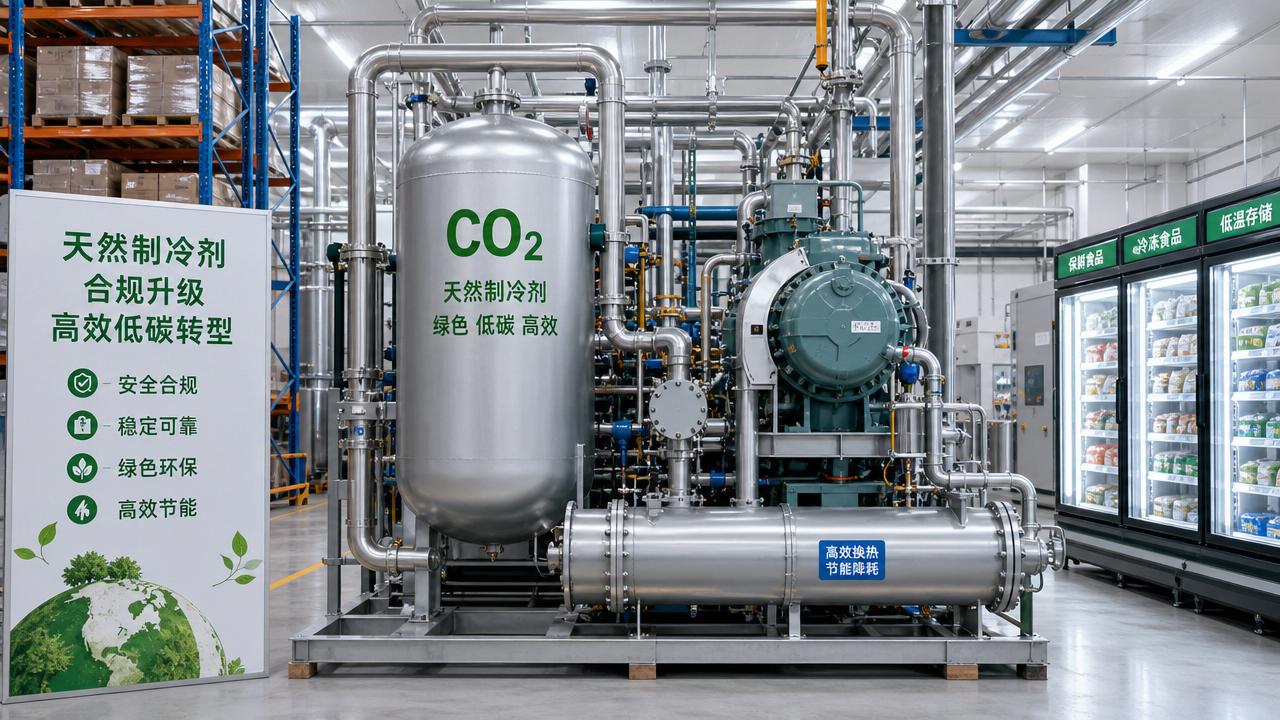
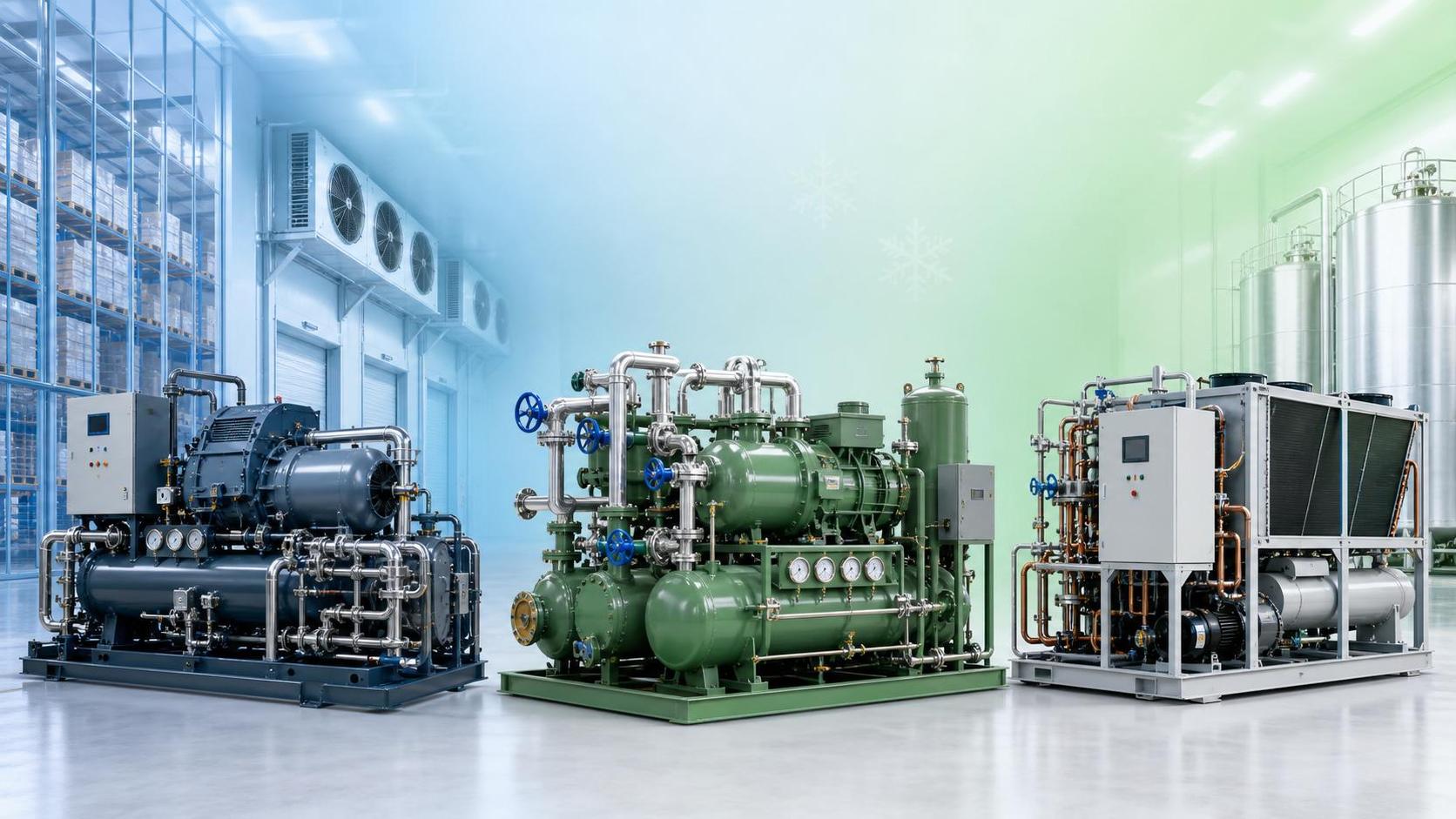
Natural refrigerants such as CO2, ammonia, and hydrocarbons are increasingly part of low carbon refrigeration discussions, but each has design and operating implications. CO2 transcritical systems may fit certain cold storage and retail applications well. Cascade or hybrid configurations may be more suitable where ambient conditions, safety protocols, or temperature depth make a single approach less practical.
3. Measure energy performance under actual load conditions
Board-level reviews should request performance across part-load conditions, not only nominal ratings. In many facilities, systems spend more than 50% of operating hours away from peak design load. Variable-speed drives, floating head pressure, adaptive defrost, and digital controls can produce meaningful savings over 8,000 to 8,760 annual hours.
4. Check service ecosystem and training readiness
The best low carbon refrigeration plan can still fail if technicians are not trained, spare parts are not accessible, or safety procedures are immature. Enterprises with multi-site operations should assess whether internal teams and external contractors can support the selected technology over a 24-month to 60-month horizon.
The comparison below helps procurement and executive teams align technology choice with operational reality.
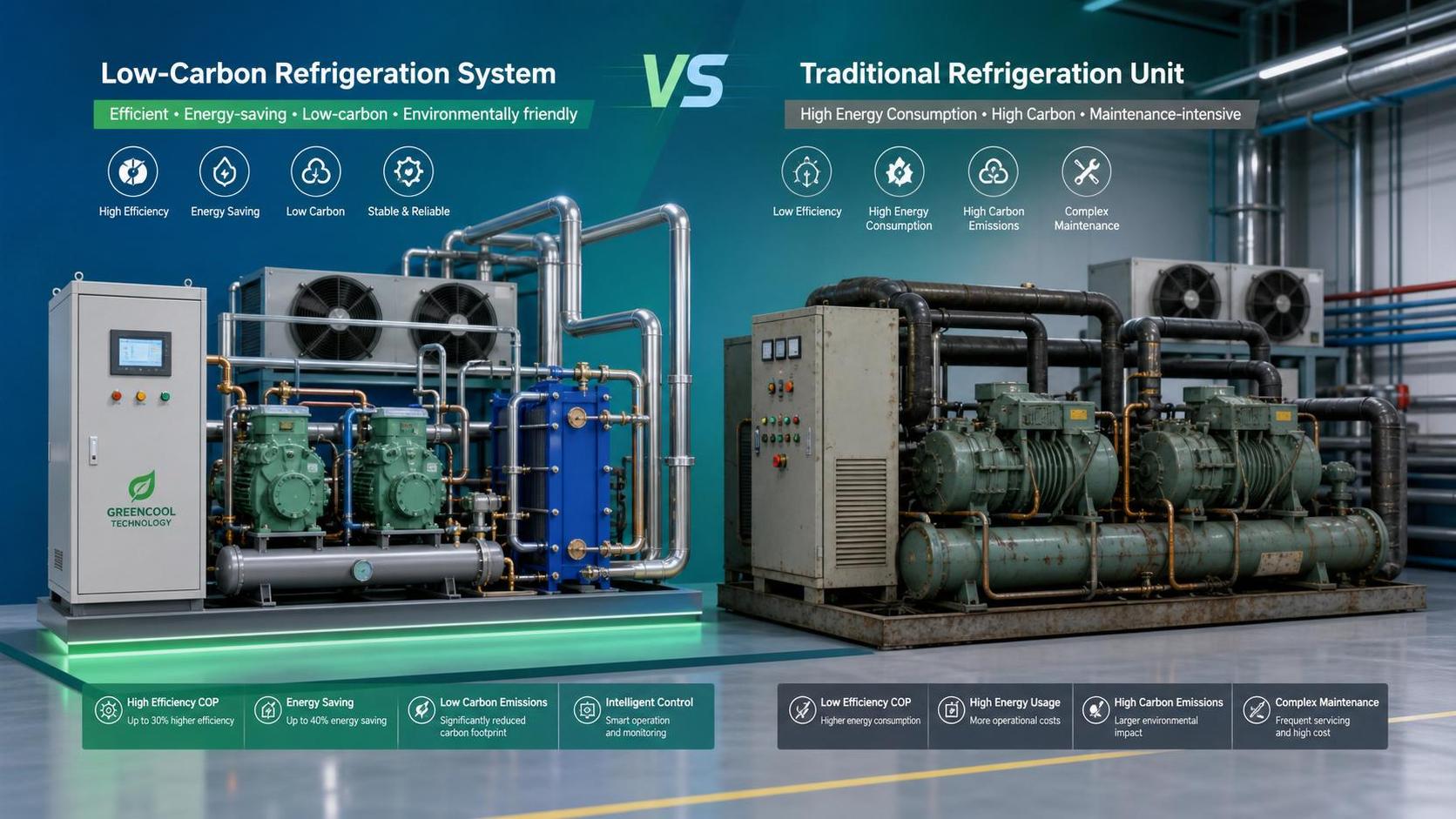
This table highlights an important point: low carbon refrigeration should be selected as an operational system, not a single product attribute. Better board decisions come from scenario fit, not from chasing the most fashionable technology label.
How low carbon refrigeration applies across cold chain, retail, healthcare, and industry
The commercial value of low carbon refrigeration becomes clearer when examined by application. Different sectors face different cost structures, failure consequences, and investment triggers. That is why enterprise leaders should benchmark systems against use case rather than broad market narratives.
Cold storage hubs and logistics facilities
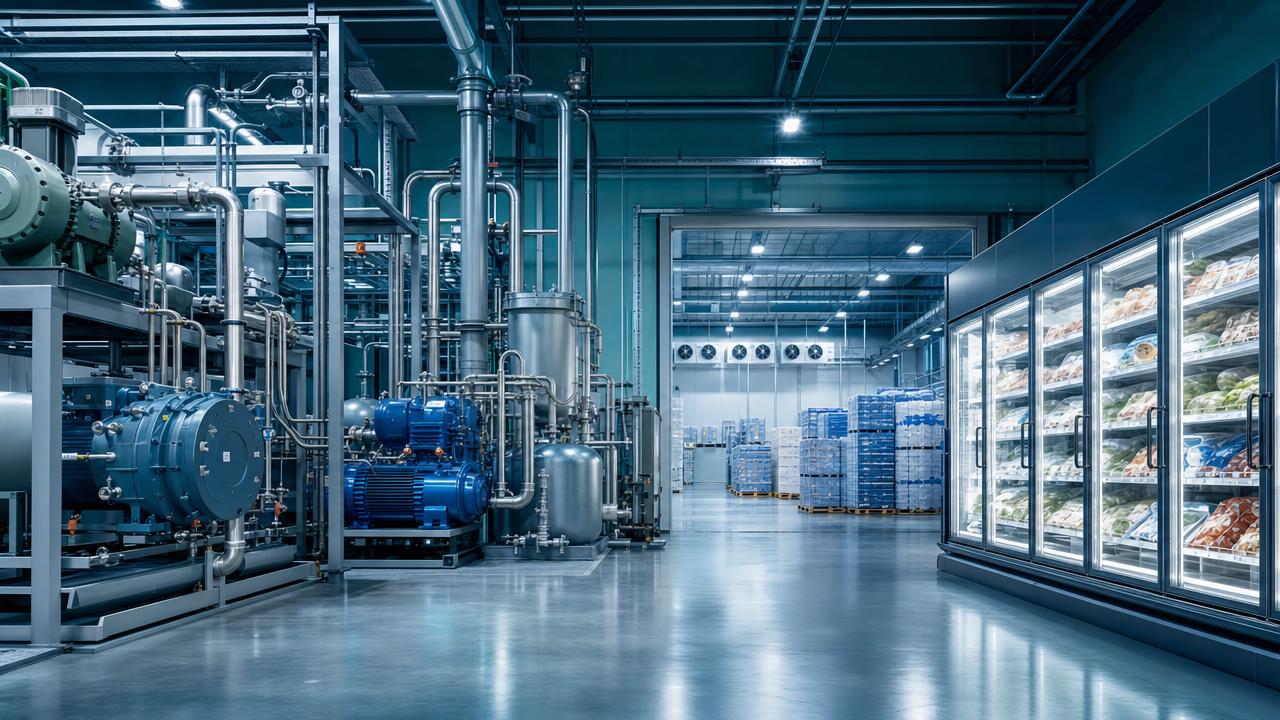
In distribution centers and frozen warehouses, refrigeration often runs continuously with high compressor duty cycles. Even small improvements in suction optimization, door management, evaporator control, or heat recovery can affect annual energy budgets. For sites handling thousands of tons of produce or meat, low carbon refrigeration also helps align facility expansion with environmental expectations from retailers and export buyers.
Fresh retail and commercial display
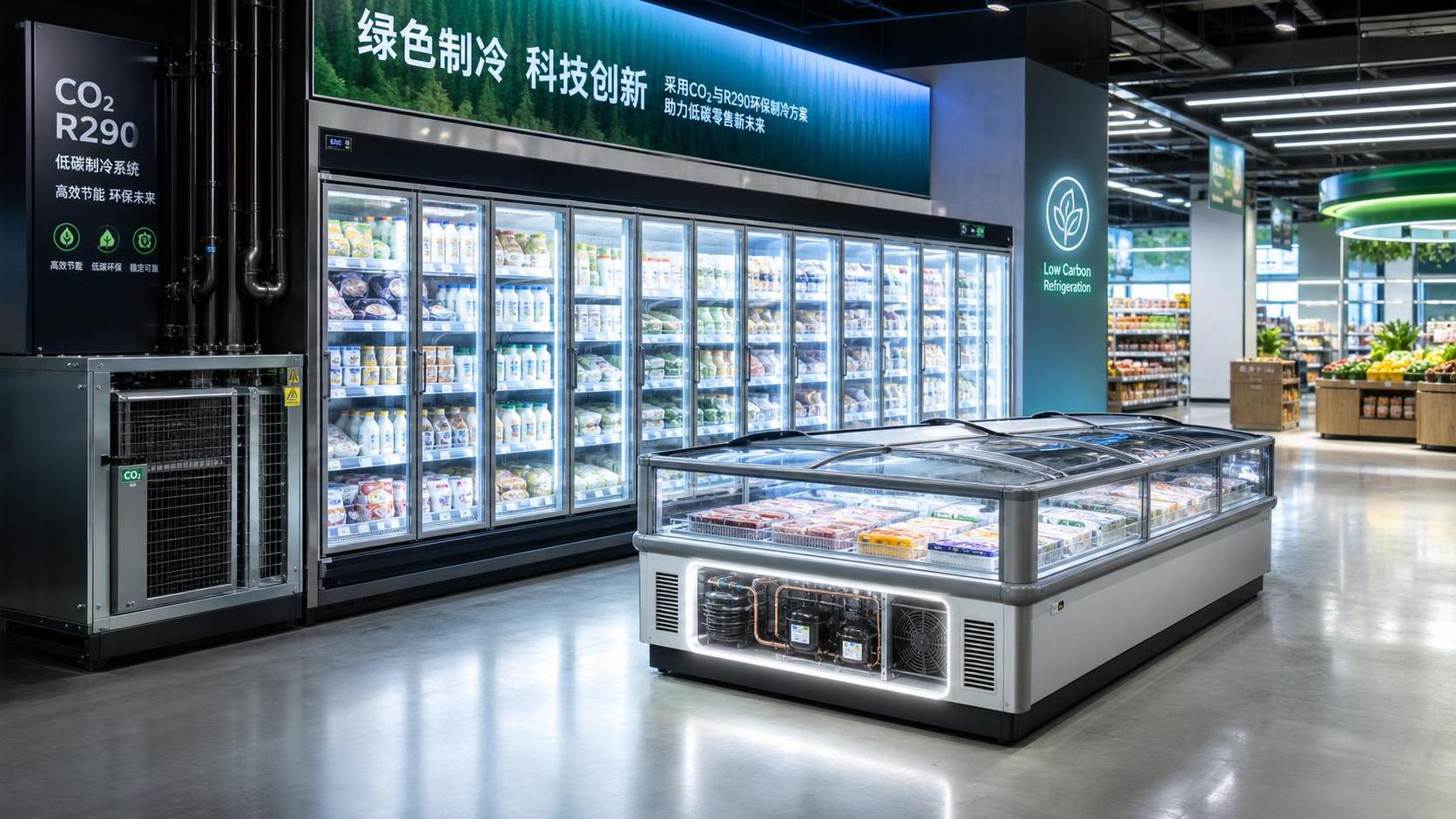
Retail refrigeration must balance product visibility, temperature accuracy, and electricity control. Open-front cabinets, air curtain design, anti-fog solutions, and LED heat load all interact. A board considering store rollouts across 50 or 200 locations should compare not only unit price, but also leakage control, remote monitoring capability, and expected service intervals.
Biomedical and ultra-low temperature storage
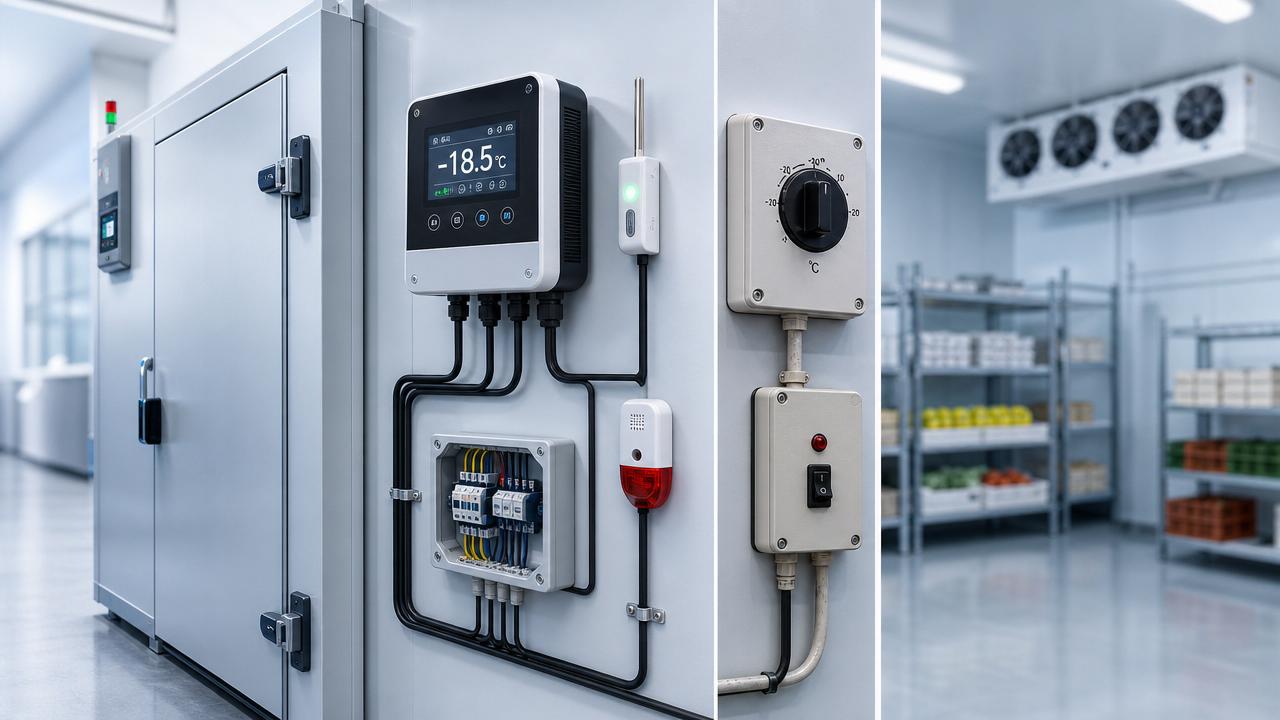
In healthcare and life science settings, the cost of failure can be much higher than the cost of electricity. For vaccines, cell samples, and sensitive biologics, temperature deviation of even a few degrees can create product loss. Here, low carbon refrigeration must support deep-cryogenic performance, alarm integration, redundancy planning, and disciplined maintenance windows.
Industrial cooling and process stability
Industrial chillers serve laser cutting, plastics molding, electronics, chemicals, and many other processes. The board issue is often not only carbon reduction, but also scrap rate, machine protection, and cooling precision. A temperature drift of 1°C to 2°C in a process loop can affect product consistency, while inefficient chiller control can inflate plant-wide energy intensity.
Typical benefits decision-makers track
- Lower lifetime energy cost through better compressor and control efficiency.
- Reduced regulatory exposure from future refrigerant transition pressure.
- Improved asset resilience through monitoring, leak management, and planned retrofit logic.
- Stronger customer and investor communication backed by measurable cooling strategy improvements.
A practical implementation roadmap for enterprise teams
Most companies do not need to replace every refrigeration asset at once. A phased roadmap is usually more effective. It reduces disruption, protects capital discipline, and allows technical teams to build competence while leadership tracks financial and sustainability outcomes.
Phase 1: Audit and risk mapping
Start with an asset inventory covering refrigerant type, charge size, age, temperature duty, annual runtime, leak history, and maintenance burden. This can often be completed in 2 to 6 weeks for a mid-sized portfolio. The goal is to identify high-risk assets first, especially systems nearing end-of-life or using refrigerants likely to face stronger supply or compliance pressure.
Phase 2: Prioritize by business value
Not every asset deserves equal urgency. Rank opportunities by four filters: carbon reduction potential, energy savings, compliance risk, and criticality to operations. A flagship cold store, a vaccine room, and a production chiller may justify earlier intervention than lightly used ancillary equipment.
Phase 3: Select the right intervention type
Interventions may include controls optimization, leak reduction, compressor upgrade, cabinet replacement, transcritical CO2 adoption, cascade redesign, or full system replacement. In some cases, digital monitoring and defrost optimization can deliver measurable benefit within 3 to 9 months. In others, only a full redesign will address structural inefficiency.
Phase 4: Build governance and reporting
Boards should request a simple dashboard with 5 to 7 metrics, such as refrigerant leakage rate, kWh per temperature-controlled square meter, unplanned downtime hours, alarm response time, maintenance cost trend, and retrofit progress. If the strategy cannot be measured, it will struggle to stay funded.
Common implementation mistakes
- Choosing a low-GWP pathway without checking service readiness and technician training.
- Approving projects based only on first cost, ignoring 10-year energy and maintenance effects.
- Evaluating equipment in isolation rather than looking at system controls, heat rejection, and load pattern.
- Waiting for a major failure before planning transition, which compresses timelines and weakens procurement leverage.
Why specialist market intelligence matters in refrigeration transition
Because low carbon refrigeration spans engineering, regulation, cost modeling, and operational fit, decision-makers often need more than vendor brochures. They need clear intelligence on refrigerant trends, compressor pathways, cabinet efficiency, cryogenic preservation demands, and the likely direction of international compliance requirements.
This is where sector-focused intelligence platforms such as CCRS become valuable. In complex markets, leadership teams benefit from integrated insight across industrial chillers, commercial ice machines, cold storage compressors, commercial refrigeration cabinets, and ultra-low temperature freezers. The advantage is not abstract. It helps enterprises compare options on the basis of heat exchange efficiency, lifecycle suitability, and risk-adjusted investment logic.
For manufacturers, exporters, and large operators, a strategic view can also reduce blind spots. A refrigerant choice that looks acceptable in one market may create barriers in another. A control algorithm that saves 8% energy in one use case may underperform if defrost conditions, ambient temperature, or product loading differ. Good decisions depend on stitched intelligence, not isolated claims.
Turning refrigeration strategy into a competitive advantage
Low carbon refrigeration is becoming a board issue because it now influences far more than engineering efficiency. It shapes compliance readiness, energy exposure, product integrity, asset lifespan, and ESG credibility across the cold chain, retail, healthcare, and industrial sectors.
For enterprise decision-makers, the priority is to move from reactive replacement to strategic planning: audit the installed base, identify high-risk assets, evaluate application fit, and phase investments around measurable outcomes. The businesses that act early are more likely to control costs, protect uptime, and present a stronger market position.
If your team is reviewing refrigerant transition, cold storage modernization, industrial chiller efficiency, or ultra-low temperature system strategy, now is the time to build a more informed roadmap. Contact CCRS to get tailored insights, compare solution pathways, and explore low carbon refrigeration strategies that fit your operating reality.
Recommended News
 Eco-Refrigerant & ComplianceF-Gas Regulations Are Changing Equipment Choices Faster Than ExpectedAnalyst :Dr. Henrik Weber
 Eco-Refrigerant & ComplianceEco-Friendly Refrigeration: What Looks Green but Performs Poorly?Analyst :Dr. Henrik Weber
 Eco-Refrigerant & ComplianceNatural Refrigerants: Are Compliance Benefits Worth the Transition Cost?Analyst :Dr. Henrik Weber
 Eco-Refrigerant & ComplianceWhat drives low carbon refrigeration adoption in 2026?Analyst :Dr. Henrik Weber
 Eco-Refrigerant & ComplianceEco-friendly cooling is changing compliance planning fastAnalyst :Dr. Henrik Weber
 Eco-Refrigerant & ComplianceLow carbon cooling trends that could reshape investmentsAnalyst :Dr. Henrik Weber
 Eco-Refrigerant & ComplianceHow F-Gas regulations are changing refrigerant decisionsAnalyst :Dr. Henrik Weber
 Eco-Refrigerant & ComplianceIs eco-friendly refrigeration worth the higher upfront costAnalyst :Dr. Henrik Weber
 Eco-Refrigerant & ComplianceWhy low carbon cooling is becoming a compliance priorityAnalyst :Dr. Henrik Weber
 Eco-Refrigerant & ComplianceLow carbon refrigeration options that cut long-term costsAnalyst :Dr. Henrik Weber
 Eco-Refrigerant & ComplianceWhat buyers miss when choosing eco-friendly refrigerationAnalyst :Dr. Henrik Weber
 Eco-Refrigerant & ComplianceWhy low carbon refrigeration is becoming a board issueAnalyst :Dr. Henrik Weber
 Eco-Refrigerant & ComplianceWhat F-Gas regulations mean for equipment choices in 2026Analyst :Dr. Henrik Weber
![]() Eco-Refrigerant & ComplianceIndonesia Launches Green Refrigeration Channel for R290 Cold CabinetsAnalyst :Dr. Henrik Weber
Eco-Refrigerant & ComplianceIndonesia Launches Green Refrigeration Channel for R290 Cold CabinetsAnalyst :Dr. Henrik Weber Eco-Refrigerant & ComplianceWhy low carbon cooling is becoming a safer long betAnalyst :Dr. Henrik Weber
 Eco-Refrigerant & ComplianceWhat makes eco-friendly cooling cheaper over time?Analyst :Dr. Henrik Weber
 Eco-Refrigerant & ComplianceF-Gas regulations are changing how cooling gets approvedAnalyst :Dr. Henrik Weber
 Eco-Refrigerant & ComplianceHow eco-friendly refrigeration cuts compliance riskAnalyst :Dr. Henrik Weber
 Eco-Refrigerant & ComplianceHow low carbon cooling cuts compliance risk in 2026Analyst :Dr. Henrik Weber
 Eco-Refrigerant & ComplianceLow Carbon Refrigeration: Compare Refrigerants, Energy Use, and ComplianceAnalyst :Dr. Henrik Weber
 Eco-Refrigerant & ComplianceEco-Friendly Cooling Options: Refrigerants, Efficiency, and Compliance ChecksAnalyst :Dr. Henrik Weber
![]() Eco-Refrigerant & ComplianceWhat Are Natural Refrigerants? Types, GWP Limits, and Where They Fit BestAnalyst :Dr. Henrik Weber
Eco-Refrigerant & ComplianceWhat Are Natural Refrigerants? Types, GWP Limits, and Where They Fit BestAnalyst :Dr. Henrik Weber Eco-Refrigerant & ComplianceEco-Friendly Cooling vs Conventional Systems: What Buyers Should Compare FirstAnalyst :Dr. Henrik Weber
 Eco-Refrigerant & ComplianceEco-Friendly Refrigeration vs Conventional Systems: Refrigerants, Energy Use, and ComplianceAnalyst :Dr. Henrik Weber
 Eco-Refrigerant & ComplianceLow Carbon Refrigeration: Key Standards, Refrigerant Options, and ROI FactorsAnalyst :Dr. Henrik Weber
 Eco-Refrigerant & ComplianceTemperature Control Standards for Food Storage: Critical Limits, Logging, and Audit ChecksAnalyst :Dr. Henrik Weber
 Eco-Refrigerant & ComplianceLow Carbon Cooling Options Explained: Refrigerants, Compliance, and System Trade-OffsAnalyst :Dr. Henrik Weber
 Eco-Refrigerant & ComplianceDigital Refrigeration vs Conventional Controls: What Improves Monitoring and Compliance?Analyst :Dr. Henrik Weber
 Eco-Refrigerant & ComplianceLow Carbon Cooling Options for Commercial Refrigeration: CO2, Ammonia, and Hybrid SystemsAnalyst :Dr. Henrik Weber
 Eco-Refrigerant & ComplianceLow Carbon Cooling Options Compared: CO2, Ammonia, and HFO Systems for ComplianceAnalyst :Dr. Henrik Weber
 Eco-Refrigerant & ComplianceIndustrial Refrigeration Systems Buying Guide: Lifecycle Cost, Efficiency, and ComplianceAnalyst :Dr. Henrik Weber
 Eco-Refrigerant & ComplianceEco-Friendly Cooling Options: Refrigerants, Energy Use, and Compliance Factors ComparedAnalyst :Dr. Henrik Weber
 Eco-Refrigerant & ComplianceNatural Refrigerants vs HFCs: How to Compare Compliance, Safety, and System DesignAnalyst :Dr. Henrik Weber
 Eco-Refrigerant & ComplianceHow to Read Specification-Oriented Product Guides for Refrigeration EquipmentAnalyst :Dr. Henrik Weber
 Eco-Refrigerant & ComplianceLow Carbon Refrigeration Options for Supermarkets: CAPEX, Energy Use, and Compliance ComparedAnalyst :Dr. Henrik Weber
 Eco-Refrigerant & ComplianceRACC 2026 to Host PFAS Compliance Briefing in HangzhouAnalyst :Dr. Henrik Weber
 Eco-Refrigerant & ComplianceEPA Rule Challenge Raises HFC Supply Chain ConcernsAnalyst :Dr. Henrik Weber
 Eco-Refrigerant & ComplianceLow Carbon Refrigeration Systems vs Conventional Setups: Which Delivers Lower Lifecycle Cost?Analyst :Dr. Henrik Weber
 Eco-Refrigerant & ComplianceLow GWP Refrigeration Explained: Refrigerants, Regulations, and System Trade-OffsAnalyst :Dr. Henrik Weber
 Eco-Refrigerant & ComplianceLow Carbon Refrigeration Systems Retrofit: When to Upgrade and Which Changes Matter MostAnalyst :Dr. Henrik Weber