Industry News
Curation by industry experts
Hot Articles
- Thermodynamic Tech TrendsHow to Size Heat Exchange Systems for Refrigeration Plants at Peak Load
- Parallel Compressor RacksHow to Size Reciprocating Compressors for Cold Storage Load and Temperature Range
- Flake Ice MachinesHow to Size a Commercial Ice Dispenser for Peak Demand in Foodservice Operations
Popular Tags
What heat exchange technology cuts cooling energy waste
For technical evaluators, identifying which heat exchange technology truly cuts cooling energy waste means looking beyond nameplate efficiency to real operating conditions, refrigerant behavior, load variation, and lifecycle performance. In commercial cold-chain and refrigeration systems, the right heat exchange technology can improve thermal transfer, stabilize temperature control, and reduce hidden energy losses across chillers, compressors, cabinets, and ultra-low temperature applications.
That question matters across industrial chillers, cold storage compressor packs, retail cabinets, large ice-making systems, and ultra-low temperature freezers, where a 3% to 12% efficiency gap at the component level can translate into significant annual operating cost differences. For buyers and engineering teams, heat exchange technology is not a generic feature; it is a system-level decision tied to refrigerant selection, fouling risk, defrost strategy, control logic, ambient swings, and maintenance intervals.
In practice, the answer is rarely a single device type. The heat exchange technology that cuts waste in a CO2 transcritical cold room may not be the best fit for a glycol chiller loop or a -86°C cascade freezer. Technical evaluation therefore requires a structured comparison of transfer efficiency, pressure drop, cleaning difficulty, part-load behavior, and thermal stability over a 5-year to 15-year service horizon.
How heat exchange technology reduces cooling energy waste in real systems
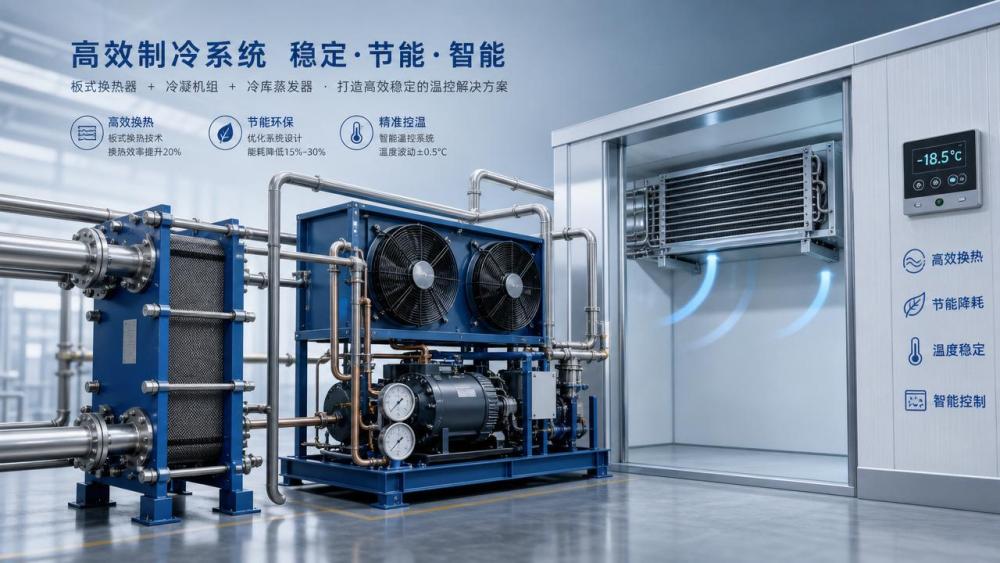
Cooling energy waste usually appears in five places: excessive approach temperature, unnecessary compressor lift, fan or pump overuse, poor defrost control, and heat exchanger fouling. A more effective heat exchange technology reduces one or more of these losses by transferring heat faster, more evenly, and with less auxiliary power.
For example, lowering condenser approach temperature by even 1°C to 2°C can ease compressor work in many refrigeration circuits. Likewise, improving evaporator distribution can reduce superheat instability, shorten pull-down time, and cut cabinet or cold-room temperature swings from ±2°C to closer to ±0.5°C to ±1°C under stable loads.
The mechanisms evaluators should measure
A useful assessment starts with four measurable mechanisms rather than marketing claims. First is overall heat transfer coefficient. Second is pressure drop on refrigerant and secondary-fluid sides. Third is resistance to frost, scale, oil film, or dust buildup. Fourth is controllability under 30%, 60%, and 100% load conditions.
- Heat transfer improvement lowers required temperature difference.
- Lower pressure drop reduces compressor, fan, or pump energy.
- Cleaner surfaces maintain performance longer between service intervals.
- Better part-load stability avoids cycling losses and control hunting.
Why “higher efficiency” can still waste energy
A heat exchanger with high laboratory performance can underperform in field conditions if its channels foul quickly, if airflow bypass occurs, or if defrost intervals are poorly matched to humidity conditions. In cold-chain applications, seasonal ambient shifts from 5°C to 40°C and changing door-opening frequency can erase theoretical gains.
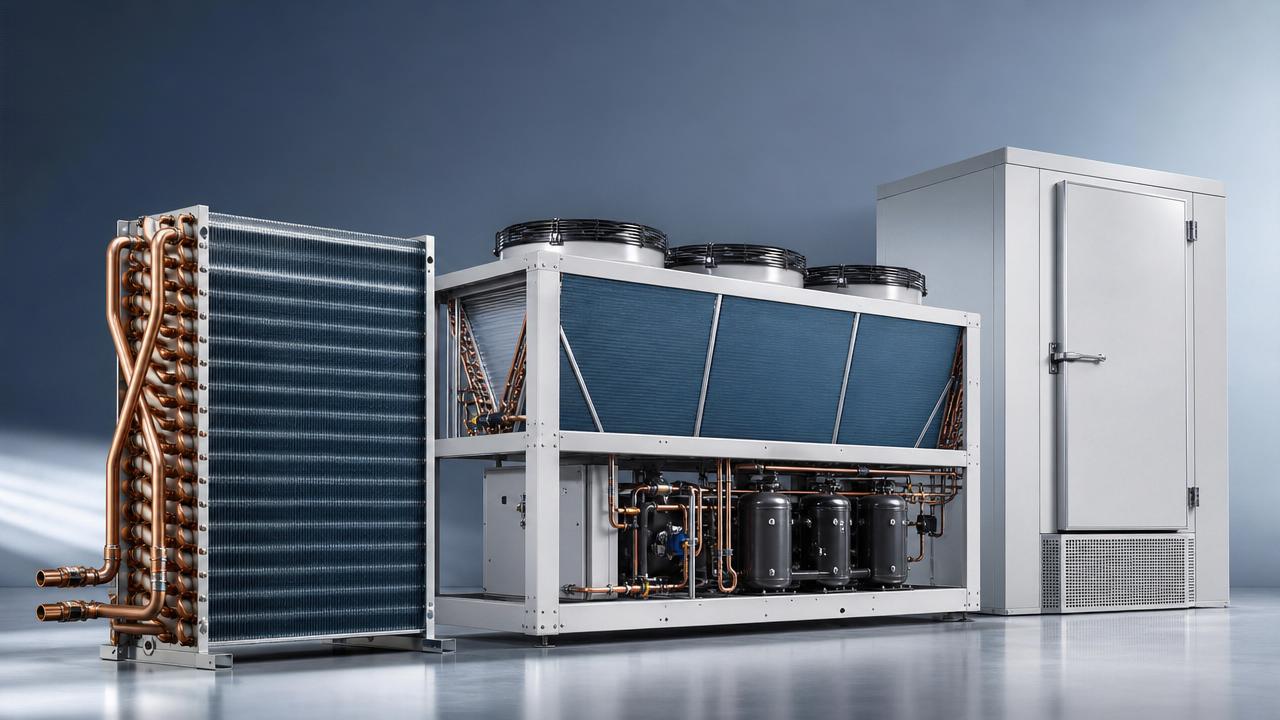
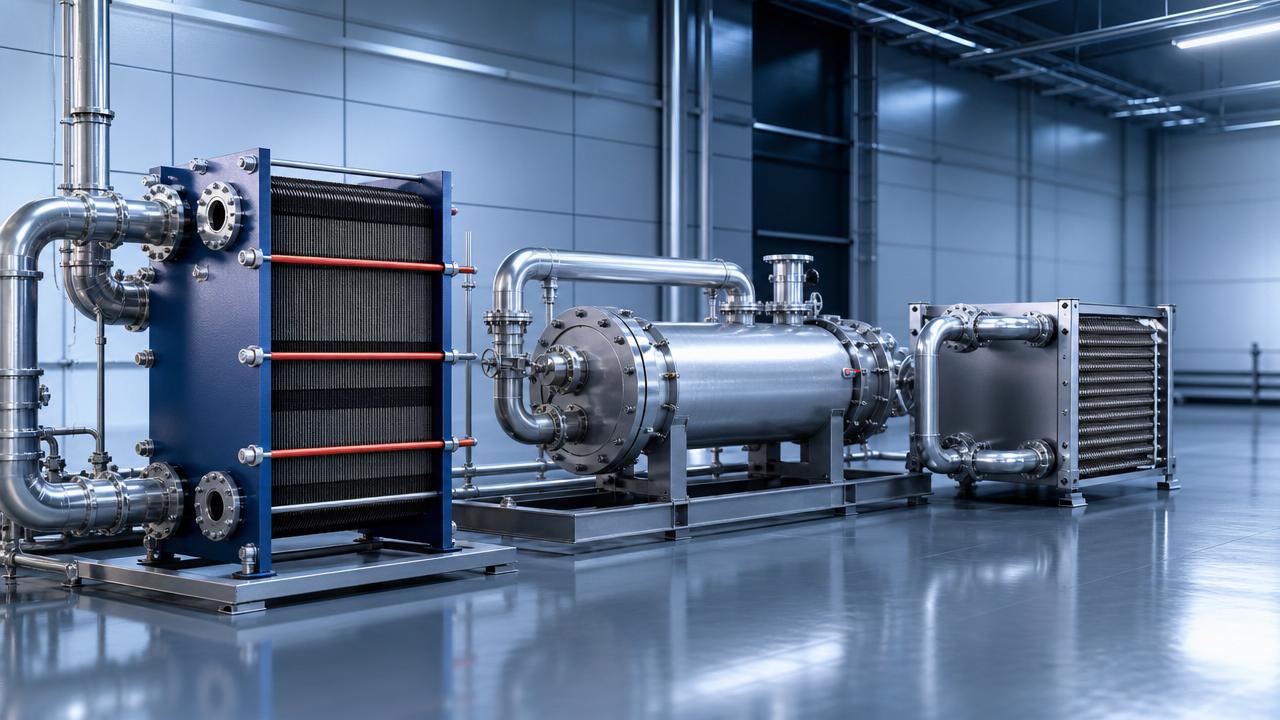
This is why technical evaluators should ask for operating envelopes, not just nominal capacity. A plate heat exchanger may perform exceptionally in clean liquid-to-liquid duties, yet a finned coil with anti-corrosion coating and optimized fin spacing may save more energy in humid, dirty, or frost-prone environments because it holds its performance longer.
Typical hidden losses to verify on site
- Condenser fouling that raises condensing temperature by 2°C to 6°C.
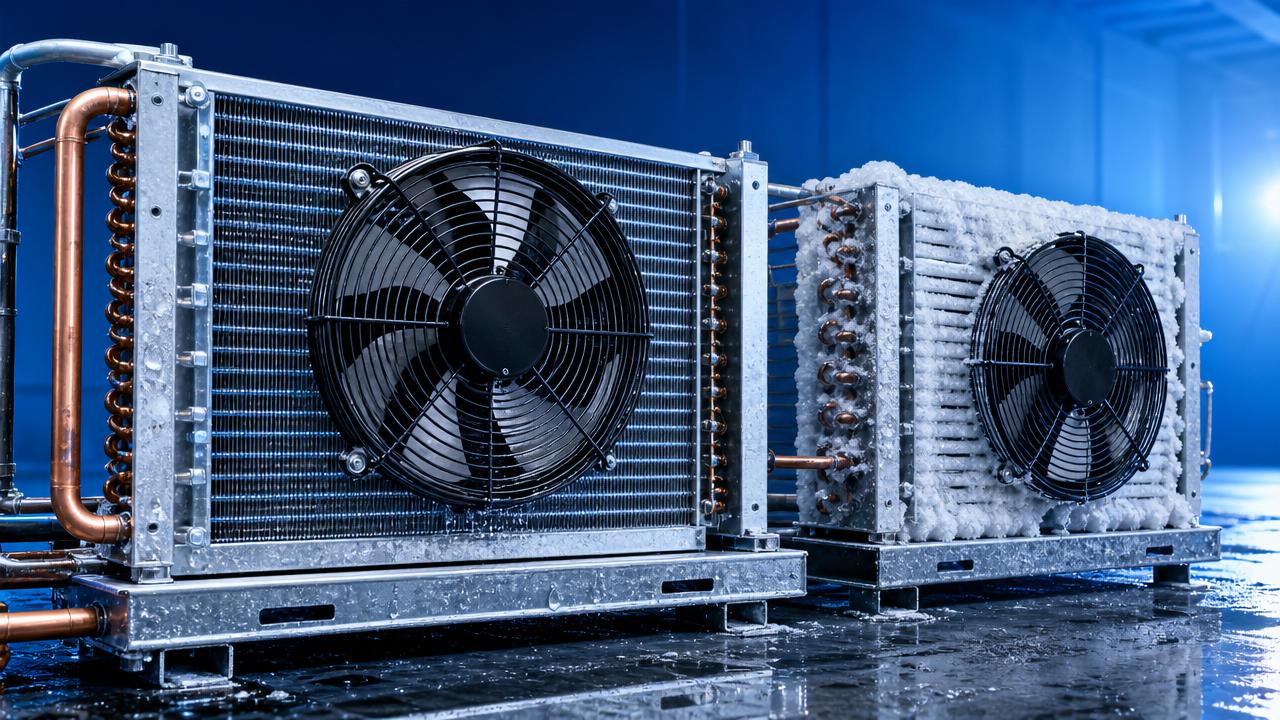
- Evaporator frost that forces longer fan runtime and more frequent defrost.
- Uneven refrigerant distribution causing underused coil surface area.
- High glycol-side pressure drop that increases pump energy 5% to 15%.
- Oil retention that lowers effective thermal contact over time.
Which heat exchanger types perform best by application
No single heat exchange technology wins everywhere. The most efficient choice depends on whether the duty is gas cooling, condensation, evaporation, cascade transfer, or liquid cooling. It also depends on refrigerants such as ammonia, CO2, HFO blends, hydrocarbons, or brine loops.
The table below compares common options used in commercial refrigeration and cold-chain systems. It focuses on where each technology tends to reduce cooling energy waste most effectively and where caution is needed during specification.
The key conclusion is that compact, high-transfer designs often lead on nominal efficiency, but durable designs may win on lifecycle energy waste if operating conditions are harsh. In technical evaluation, “best” usually means the lowest combined penalty from compressor lift, pressure drop, fouling, and service downtime.
Industrial chillers and process cooling
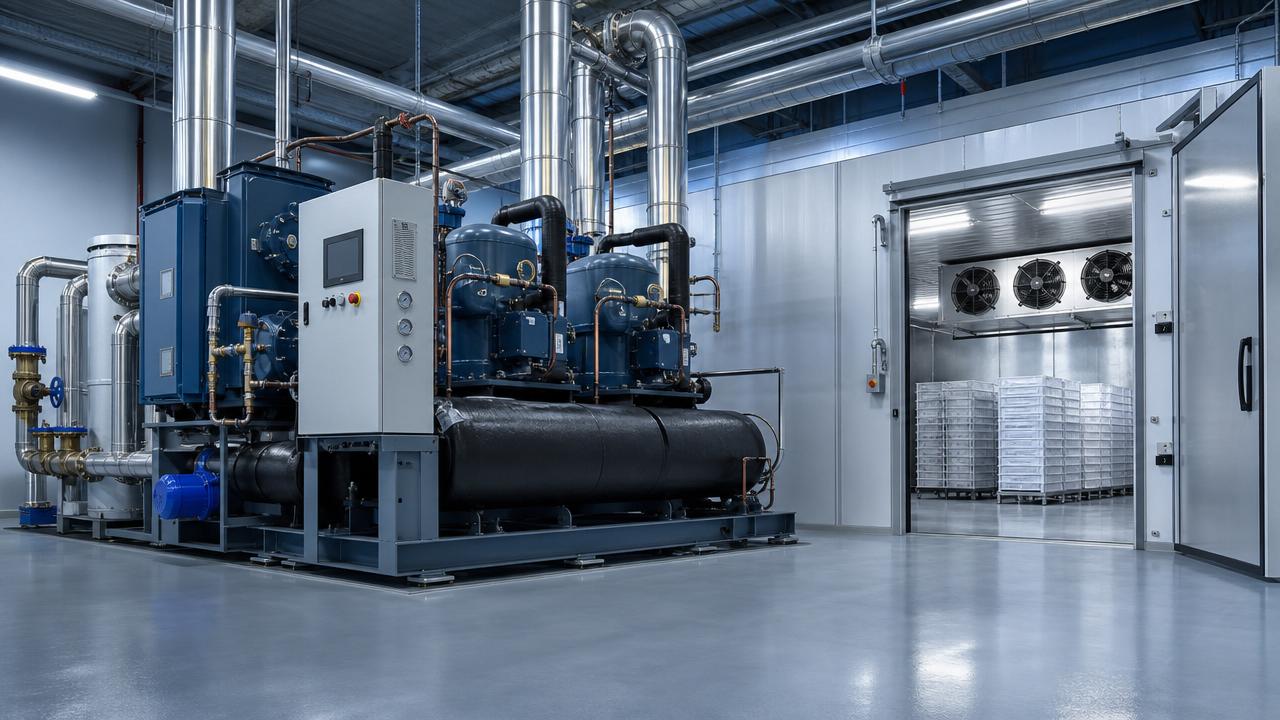
For industrial chillers, plate heat exchangers and flooded evaporator arrangements often deliver strong efficiency when the fluid circuit is clean and stable. In 100 kW to 1,500 kW systems, reducing chilled-water leaving temperature error to within ±0.5°C can improve process stability and lower short-cycling losses.
However, shell-and-tube designs remain highly competitive in factories where water treatment discipline varies or suspended solids are present. A slightly larger exchanger that stays clean for 12 months may outperform a compact unit that needs intervention every 3 to 6 months.
Cold storage and compressor racks
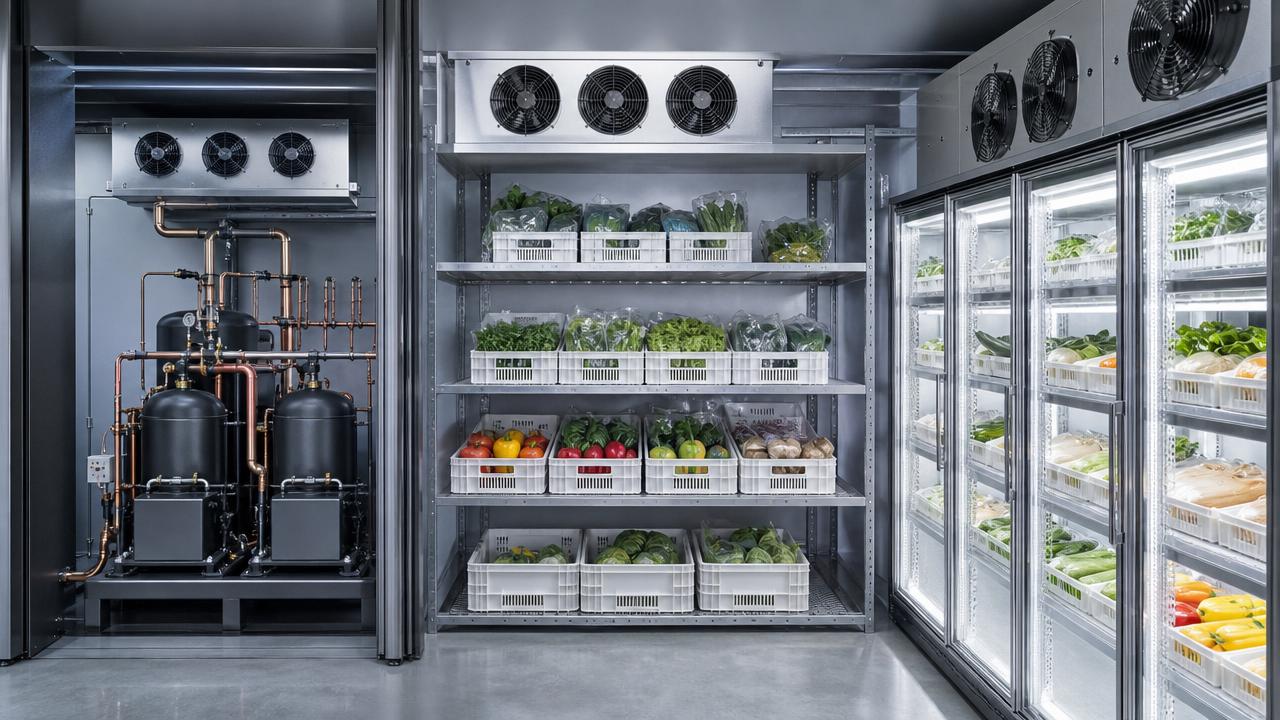
In cold storage, evaporator design often influences waste more than nominal compressor efficiency. Proper coil surface selection, refrigerant distribution, and fan-speed control can cut unnecessary fan power and reduce defrost frequency. In medium- and low-temperature rooms, airflow balance and coil face velocity are just as important as heat transfer area.
For CO2 systems, gas coolers and parallel compression strategy interact strongly with heat exchange technology. A well-selected gas cooler with lower approach temperature can improve high ambient performance, especially above 32°C to 35°C, where transcritical efficiency is under greater pressure.
Ultra-low temperature and cascade systems
At -40°C to -86°C, cascade condensers and interstage heat exchangers become critical. Small losses here multiply because both stages are affected. Technical evaluators should pay attention to thermal resistance, oil management, and control precision, since unstable interstage transfer can raise total power draw and threaten temperature recovery time after door openings.
In these applications, the right heat exchange technology is usually the one that maintains repeatable transfer under narrow control bands rather than simply maximizing peak capacity. A freezer that returns to setpoint in 15 to 25 minutes after a disturbance may be more valuable than one with stronger nominal capacity but poorer stability.
How to evaluate heat exchange technology beyond nominal ratings
A robust specification process should compare at least six factors: approach temperature, pressure drop, fouling tendency, service access, part-load behavior, and compatibility with refrigerant and controls. Evaluators should request data at multiple operating points instead of relying on one rating condition.
The following matrix helps translate those factors into procurement language. It is especially useful when reviewing bids for industrial chillers, condenser units, cold rooms, or life-science freezers where energy performance and temperature reliability must be balanced.
This matrix shows why heat exchange technology should be scored as a lifecycle asset rather than a component-only purchase. A lower purchase price may lose value quickly if cleaning time is longer, if pressure drop is high, or if performance decays sharply after several months of field exposure.
Four practical questions for bid review
1. What happens at part load?
Many refrigeration systems operate at full load for less than 20% of annual hours. If a supplier only shows design-point data, the proposal is incomplete. Ask for compressor power, fan power, and heat exchanger performance at 40% to 70% typical load.
2. How fast does the surface foul or frost?
In food cold rooms, bakery freezers, and humid retail cabinets, frost formation can erase efficiency gains quickly. Fin pitch, air velocity, coil coating, and defrost sequencing should be reviewed together. A coil that needs defrost every 4 hours is very different from one that holds for 8 to 12 hours under the same duty.
3. Is the refrigerant match appropriate?
CO2, ammonia, hydrocarbons, and HFO blends all behave differently in condensation, evaporation, and pressure-drop sensitivity. The same heat exchange technology may perform differently depending on glide, viscosity, pressure level, and oil return behavior. Refrigerant compatibility should therefore be validated before comparing efficiency claims.
4. Can maintenance be done without major disruption?
A technically efficient exchanger may still be a poor asset if access is difficult or cleaning requires long shutdowns. In distribution hubs and medical storage environments, even 2 to 4 hours of avoidable downtime can outweigh a small theoretical efficiency edge.
Implementation priorities for cold-chain, retail, and deep-cryogenic projects
Once the heat exchange technology is selected, execution quality determines whether projected savings appear in real operation. Evaluators should align mechanical design, controls, commissioning, and maintenance from the start, especially when systems include multiple temperature levels or mixed refrigeration loads.
Commissioning checkpoints that affect energy waste
- Verify fluid flow rates against design, not only pump nameplate values.
- Confirm superheat, subcooling, and approach temperatures at stable load.
- Check fan staging, VFD response, and sensor calibration within ±0.5°C.
- Review defrost termination logic by coil temperature and time, not timer only.
- Inspect air bypass, coil cleanliness, and condensate drainage behavior.
These checks are especially important in commercial refrigeration cabinets, where poor air curtain management can create false conclusions about coil efficiency. In ultra-low temperature systems, sensor placement and control tuning can be equally important, because a small reading error may trigger unnecessary compressor or fan activity.
Common mistakes that increase lifecycle energy waste
One frequent mistake is oversizing heat exchangers without reviewing pressure drop and control stability. Another is undersizing them to save space, which forces higher condensing temperature or lower suction conditions. Both choices can increase annual energy use despite acceptable startup performance.
A third mistake is treating cleaning as a maintenance issue instead of a design issue. If the site environment includes dust, grease, salt air, or high humidity, the selected heat exchange technology should be matched with protective coatings, access clearance, washdown method, and planned service frequency from day one.
Where CCRS-oriented evaluation creates value
For organizations evaluating industrial cooling assets globally, the most useful approach combines thermodynamic analysis with operating context. That means reviewing not only the exchanger itself, but also refrigerant transition risk, ambient climate profile, load diversity, and the economics of retrofit versus replacement over a 3-year, 5-year, or 10-year horizon.
In practical terms, decision-makers benefit from a framework that links heat transfer coefficients, compressor lift, defrost logic, and compliance trends into one procurement view. This is particularly relevant for exporters, cold-chain investors, food processors, hospitals, and life-science facilities where temperature control, energy cost, and environmental compatibility are all strategic concerns.
The heat exchange technology that cuts cooling energy waste most effectively is the one that delivers low approach temperature, manageable pressure drop, stable part-load behavior, and durable field performance in the specific refrigeration duty being evaluated. For technical teams, that usually means comparing lifecycle behavior instead of chasing the highest nominal rating.
If you are assessing chillers, compressor systems, cabinets, ice-making equipment, or ultra-low temperature platforms, a structured review of heat exchanger fit, refrigerant compatibility, and maintenance realities can prevent costly underperformance. Contact us to get a tailored evaluation framework, discuss product details, or explore more cold-chain and refrigeration solutions aligned with your operating conditions.
Recommended News
 Thermodynamic Tech TrendsTemperature Control Problems That Quietly Ruin Product QualityAnalyst :Prof. Sarah Lin
 Thermodynamic Tech TrendsHow heat exchange technology shapes system reliabilityAnalyst :Prof. Sarah Lin
 Thermodynamic Tech TrendsAus Scientists Break Through Anhydrous Proton-Conducting MembraneAnalyst :Prof. Sarah Lin
 Thermodynamic Tech TrendsHow variable frequency cooling cuts peak energy costsAnalyst :Prof. Sarah Lin
 Thermodynamic Tech TrendsHeat exchange technology flaws that raise operating costsAnalyst :Prof. Sarah Lin
 Thermodynamic Tech TrendsWhat makes eco-friendly cooling practical in daily use?Analyst :Prof. Sarah Lin
 Thermodynamic Tech TrendsWhat heat exchange technology cuts cooling energy wasteAnalyst :Prof. Sarah Lin
 Thermodynamic Tech TrendsLow carbon refrigeration is changing project planningAnalyst :Prof. Sarah Lin
 Thermodynamic Tech TrendsHeat Exchange Technology Is Changing Cooling DesignAnalyst :Prof. Sarah Lin
 Thermodynamic Tech TrendsWhat limits heat exchange efficiency in real systems?Analyst :Prof. Sarah Lin
 Thermodynamic Tech TrendsIndustrial Refrigeration System Selection: Key Capacity, Refrigerant, and Load FactorsAnalyst :Prof. Sarah Lin
 Thermodynamic Tech TrendsVariable Frequency Cooling Selection Guide: How to Match Load Range, COP, and Control StrategyAnalyst :Prof. Sarah Lin
 Thermodynamic Tech TrendsHeat Exchange Technology in Refrigeration: Which Design Improves Capacity and Defrost Efficiency?Analyst :Prof. Sarah Lin
![]() Thermodynamic Tech TrendsMagnetic Bearing Technology Explained: How Oil-Free Compression Improves Chiller EfficiencyAnalyst :Prof. Sarah Lin
Thermodynamic Tech TrendsMagnetic Bearing Technology Explained: How Oil-Free Compression Improves Chiller EfficiencyAnalyst :Prof. Sarah Lin Thermodynamic Tech TrendsVariable Frequency Cooling Explained: How It Improves Refrigeration Efficiency and Load ControlAnalyst :Prof. Sarah Lin
 Thermodynamic Tech TrendsHeat Exchange Efficiency: Which Design Factors Matter Most in Industrial Cooling?Analyst :Prof. Sarah Lin
 Thermodynamic Tech TrendsHeat Exchange Technology Comparison: Plate, Shell-and-Tube, or Microchannel?Analyst :Prof. Sarah Lin
 Thermodynamic Tech TrendsIndustrial Cooling Systems Explained: Which Setup Fits Food, Pharma, and Process Plants?Analyst :Prof. Sarah Lin
 Thermodynamic Tech TrendsVariable Frequency Cooling vs Fixed-Speed Systems: Which Cuts Energy Costs Better?Analyst :Prof. Sarah Lin
 Thermodynamic Tech TrendsTemperature Control Systems Explained: Key Components, Control Logic, and Common UsesAnalyst :Prof. Sarah Lin
 Thermodynamic Tech TrendsHow Heat Exchange Efficiency Affects Compressor Load and System StabilityAnalyst :Prof. Sarah Lin
 Thermodynamic Tech TrendsEnergy Saving Low Carbon Cooling: Which Metrics Actually Matter in System Evaluation?Analyst :Prof. Sarah Lin
 Thermodynamic Tech TrendsHow to Compare a Heat Transfer Technology Manufacturer for Custom Process Cooling ProjectsAnalyst :Prof. Sarah Lin
 Thermodynamic Tech TrendsChoosing an Industrial Cooling Systems Supplier: 7 Evaluation Criteria Before RFQAnalyst :Prof. Sarah Lin
 Thermodynamic Tech TrendsHeat Transfer Technology Air Cooler: Key Design Factors for Stable Cooling PerformanceAnalyst :Prof. Sarah Lin
 Thermodynamic Tech TrendsEnergy Efficient Refrigeration Systems with Heat Recovery: Where the Savings Really Come FromAnalyst :Prof. Sarah Lin
 Thermodynamic Tech TrendsWhat Determines Heat Exchange Technology Price in Industrial Cooling Projects?Analyst :Prof. Sarah Lin
 Thermodynamic Tech TrendsHow to Select Heat Exchange Plates for Corrosion Resistance and Thermal EfficiencyAnalyst :Prof. Sarah Lin
 Thermodynamic Tech TrendsHow Microchannel Heat Exchangers Improve Refrigeration System EfficiencyAnalyst :Prof. Sarah Lin
 Thermodynamic Tech TrendsHeat Transfer Technology for Blast Freezers: Speed, Efficiency, and DesignAnalyst :Prof. Sarah Lin
 Thermodynamic Tech TrendsHow to Size Heat Exchange Systems for Refrigeration Plants at Peak LoadAnalyst :Prof. Sarah Lin