Industry News
Curation by industry experts
Hot Articles
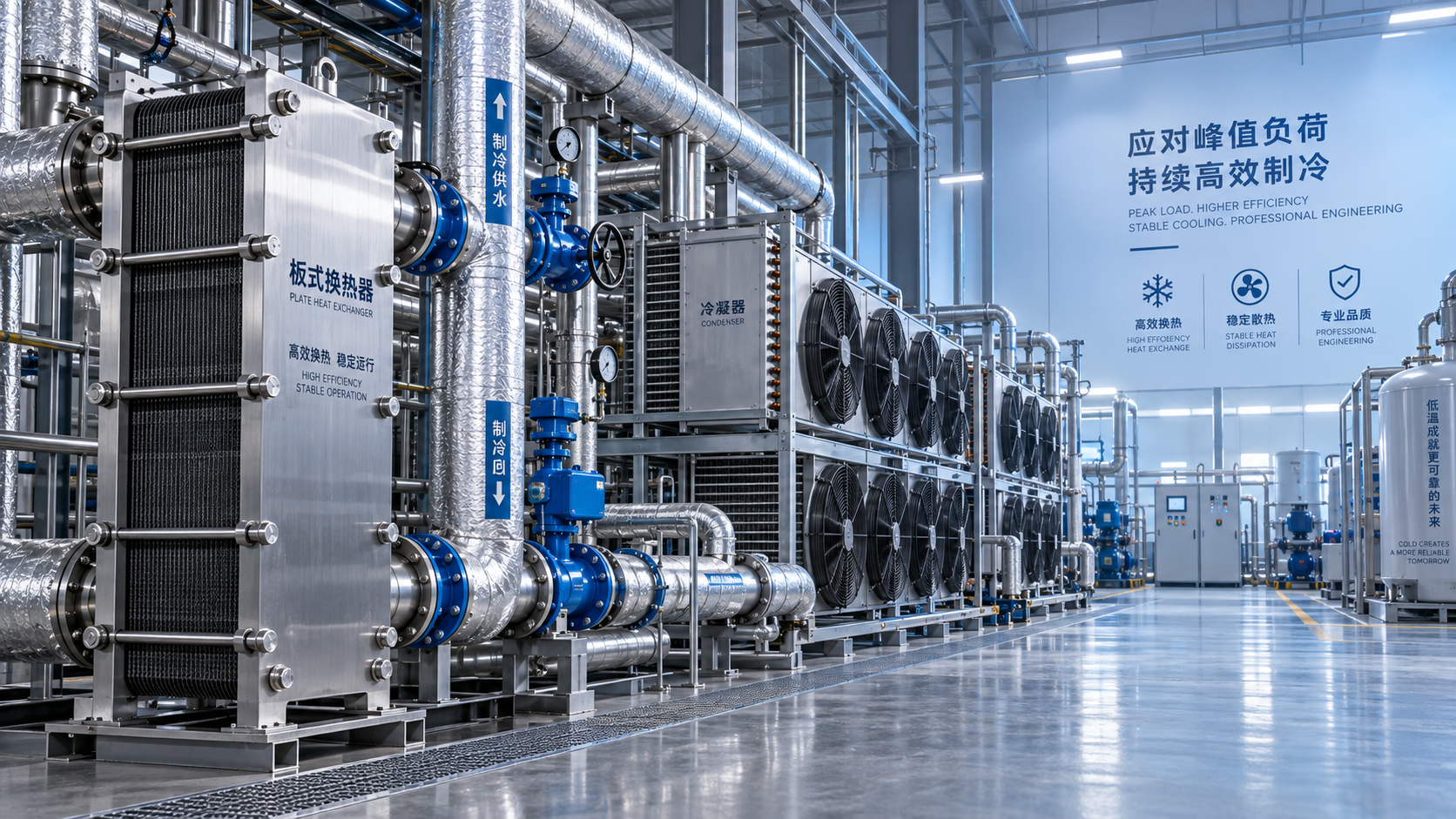
- Thermodynamic Tech TrendsHow to Size Heat Exchange Systems for Refrigeration Plants at Peak Load
- Parallel Compressor RacksHow to Size Reciprocating Compressors for Cold Storage Load and Temperature Range
- Flake Ice MachinesHow to Size a Commercial Ice Dispenser for Peak Demand in Foodservice Operations
Popular Tags
Low carbon refrigeration is changing project planning
Low carbon refrigeration is reshaping how project managers and engineering leaders plan, specify, and deliver cooling infrastructure. From refrigerant compliance and energy efficiency to lifecycle cost and system reliability, every decision now carries strategic weight. This article explores how low carbon refrigeration is changing project planning across commercial cold chain, industrial cooling, and temperature-critical applications.
For project leaders, this shift is no longer limited to sustainability messaging. It affects equipment selection, safety design, installation sequencing, electrical load planning, operator training, and long-term service economics. In cold storage hubs, industrial chiller plants, commercial refrigeration cabinets, ice-making systems, and ultra-low temperature environments, low carbon refrigeration has become a planning variable that can influence both bid competitiveness and asset performance for 10 to 20 years.
That is why many teams now evaluate refrigeration projects through a wider lens: refrigerant phase-down risk, total energy use, serviceability, heat rejection conditions, control logic, and future retrofit pathways. For readers managing complex cooling assets, the goal is not simply to choose a greener refrigerant. The goal is to build a refrigeration strategy that remains compliant, efficient, and practical across the full project lifecycle.
Why low carbon refrigeration is changing project planning fundamentals
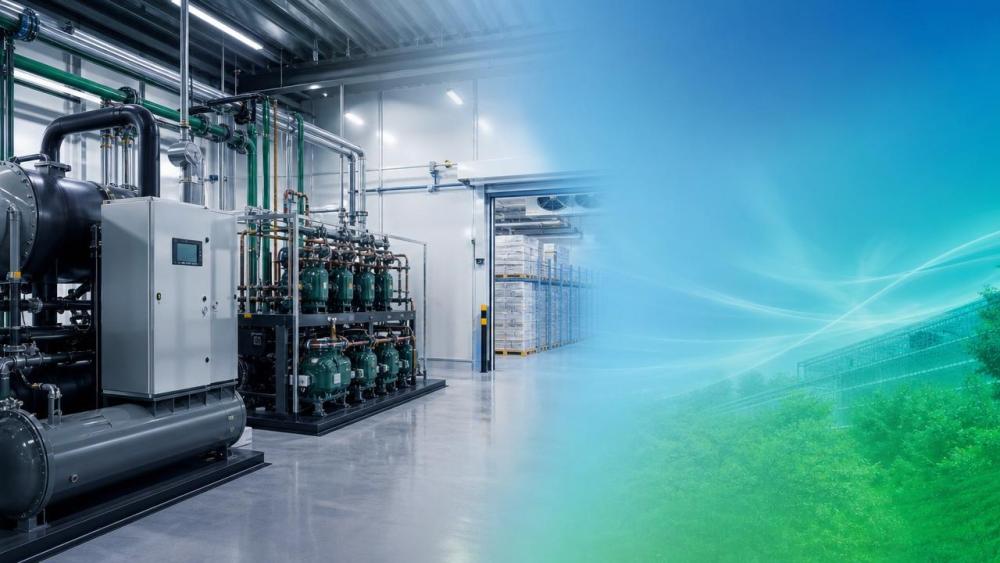
In the past, many refrigeration projects were planned around first cost, available capacity, and a familiar contractor supply chain. Today, low carbon refrigeration adds at least 4 more planning layers: refrigerant environmental profile, safety classification, energy performance under part load, and long-term regulatory exposure. That changes how engineering teams write specifications and how procurement teams compare bids.
For example, a cold room project using a conventional HFC-based system may look simple at the tender stage, yet become more expensive over a 7 to 12 year operating window if refrigerant prices rise, quota pressure tightens, or retrofit work is required. By contrast, a CO2 transcritical, ammonia-based, hydrocarbon, or cascade solution may involve more detailed front-end engineering, but can reduce future compliance friction and improve long-range asset value.
This is especially relevant for the sectors observed by CCRS: industrial chillers for process cooling, commercial ice machines for food and infrastructure use, cold storage compressors for logistics hubs, commercial display cabinets for retail, and ultra-low temperature freezers for life sciences. In each case, low carbon refrigeration changes project planning because the thermal duty is only one part of the decision. Safety envelope, refrigerant charge, climate conditions, and maintenance capability now matter just as much.
From cooling capacity to lifecycle performance
A project team that only sizes for peak load may miss 30% to 60% of real operating behavior. Refrigeration systems often run for 12 to 24 hours per day, with substantial variation in ambient temperature, door opening frequency, product pull-down, and defrost intervals. Low carbon refrigeration planning therefore starts with a full operating profile, not a nameplate tonnage target.
This is why variable-speed compressors, electronic expansion control, floating head pressure, heat recovery, and intelligent defrost logic are appearing earlier in project discussions. In industrial chiller applications, even a 5% to 12% energy improvement can materially affect return on investment when plants operate year-round. In a temperature-sensitive warehouse or biopharma site, stability may matter even more than absolute efficiency, especially when storage tolerance is as tight as ±1°C or lower.
The planning impact of refrigerant choice
Different refrigerants do not simply change the compressor package. They influence piping design, pressure ratings, leak detection strategy, machinery room requirements, ventilation, training, and emergency response procedures. A low carbon refrigeration plan must therefore be coordinated across mechanical, electrical, controls, safety, and operations teams.
- CO2 systems may require higher design pressure and careful optimization in warm climates.
- Ammonia systems offer strong thermodynamic performance but need stricter safety management and zoning.
- Hydrocarbon systems can be efficient for smaller charges but require ignition risk controls.
- Cascade systems are often suitable for ultra-low temperature applications below -40°C to -86°C.
For project managers, the key lesson is simple: low carbon refrigeration is not a late-stage substitution. It must be embedded at concept design, typically 8 to 16 weeks before final equipment release, so that structural, electrical, and safety interfaces are aligned.
Key planning variables across cold chain and industrial cooling projects
The practical impact of low carbon refrigeration becomes clearer when project teams break the work into decision variables. Across commercial cold chain, industrial process cooling, and temperature-critical storage, there are at least 6 variables that should be checked before final specification: load profile, ambient condition, refrigerant route, energy target, service model, and expansion flexibility.
A decision framework for engineering leaders
The table below summarizes how these variables typically affect project planning. It is designed for engineering managers comparing low carbon refrigeration pathways in mixed-use commercial and industrial environments.
The main takeaway is that low carbon refrigeration cannot be assessed with a single “green” metric. A project that performs well in one climate or duty cycle may underperform in another. That is why a structured decision matrix often shortens rework and reduces bid ambiguity.
Application differences that matter
Industrial chillers
In factory environments, the typical planning question is not just how many kW of cooling are needed, but how stable the process must remain during fluctuating loads. Laser cutting, injection molding, battery production, and electronics cooling may require water temperature control within ±0.5°C to ±1°C. Low carbon refrigeration planning here often prioritizes part-load efficiency, oil management, and redundancy logic over simple installed capacity.
Cold storage and compressor rooms
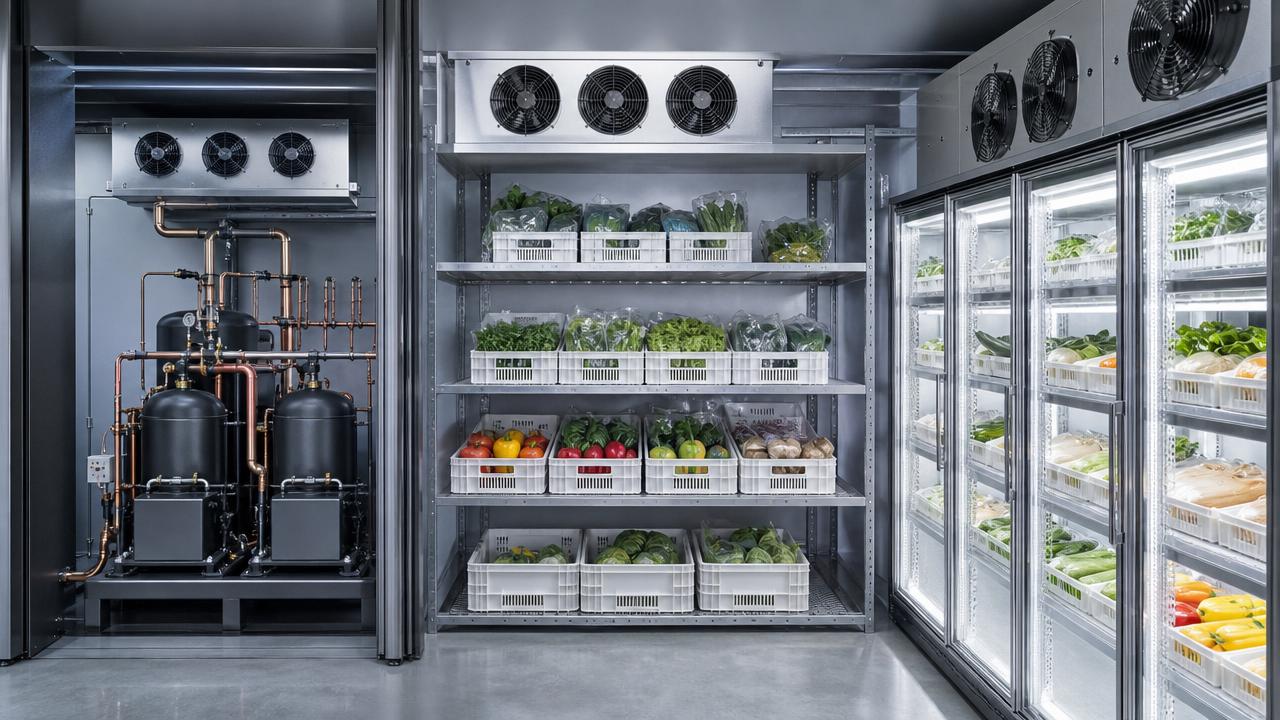
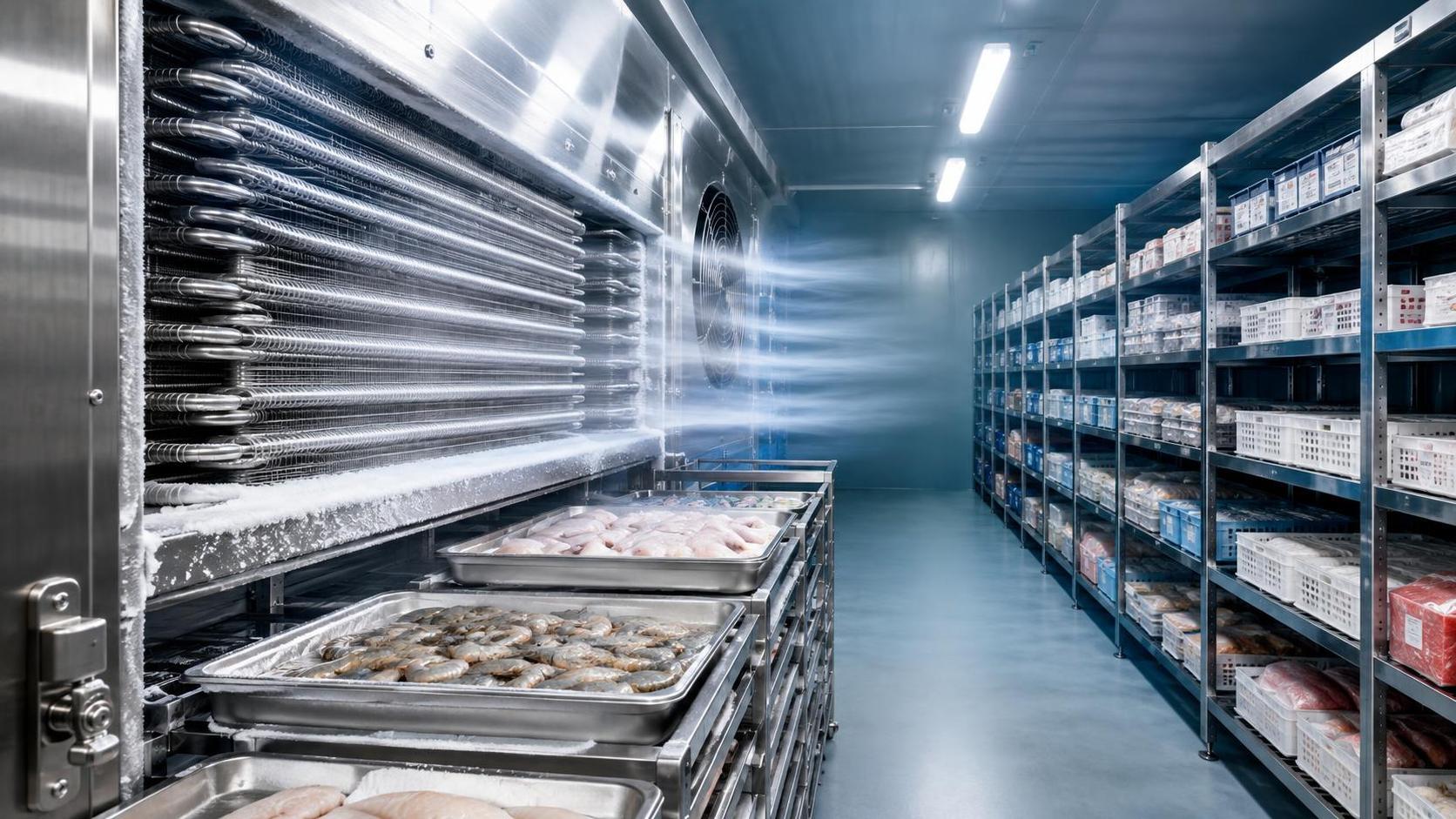
For distribution hubs handling meat, seafood, produce, or frozen goods, suction grouping, room temperature zones, and door traffic patterns can drive the final system architecture. A -25°C frozen room and a 2°C fresh holding area should rarely be treated as identical loads. Low carbon refrigeration in these projects often leads to more segmented control strategies and more attention to evaporator sizing, defrost scheduling, and backup capacity.
Commercial ice machines and retail cabinets
Ice-making projects and open-display refrigeration applications are especially sensitive to ambient air quality, humidity, and recovery speed. A flake or tube ice machine supporting fish handling, concrete cooling, or food processing may run in high-fouling conditions and need robust maintenance access. Retail cabinets, by contrast, need precise air curtain management, anti-fog performance, and low noise, often below 55 to 65 dB depending on the environment.
Ultra-low temperature systems
At -40°C, -60°C, or -86°C, low carbon refrigeration planning becomes more complex because compressor staging, cascade arrangement, insulation performance, and holdover risk all become critical. For vaccine, biosample, or specialty food preservation, project teams should examine not only pull-down time but also alarm strategy, power resilience, and temperature recovery after door openings.
How to evaluate low carbon refrigeration during specification and bidding
Many refrigeration projects fail at the bidding stage because specifications are too general. If the tender only asks for cooling capacity and room temperature, suppliers may offer solutions with very different refrigerant pathways, safety assumptions, and long-term cost profiles. Low carbon refrigeration requires a more disciplined specification package.
What a stronger specification should include
- Design ambient range, such as 5°C to 43°C, not just a nominal condition.
- Expected annual operating hours, for example 4,000, 6,000, or 8,000 hours.
- Target temperature band and tolerance, such as 2°C to 8°C or -25°C ±1°C.
- Preferred refrigerant route or acceptable options with safety limits.
- Electrical constraints, power quality concerns, and backup requirements.
- Service access expectations, spare parts strategy, and training scope.
When these items are defined early, the bid review becomes more transparent. Teams can compare compressor efficiency maps, control features, defrost logic, heat recovery options, and expected maintenance intervals instead of relying on a narrow purchase price comparison.
Bid review priorities for project managers
A useful low carbon refrigeration bid review should score both technical and operational criteria. The table below shows a practical structure that can be adapted for industrial cooling, cold chain hubs, and temperature-controlled retail projects.
Using a matrix like this often reveals where low carbon refrigeration creates hidden value. A system with a 6% higher purchase cost may deliver lower annual energy use, better refrigerant availability, and fewer service interruptions. For project owners with multi-site rollout plans, that difference can scale rapidly across 10, 20, or 50 installations.
Implementation risks, service readiness, and common planning mistakes
Even well-selected systems can underperform if implementation is rushed. Low carbon refrigeration projects often require tighter coordination between design, procurement, installation, commissioning, and operations teams. The most common failures are not always caused by the refrigerant itself. They are caused by poor interface management.
Three common mistakes
1. Late refrigerant decision
If the refrigerant pathway is decided after layout, electrical design, or safety review, the project may need redesign of piping classes, ventilation, control panels, or machine room zoning. This can add 2 to 6 weeks to delivery and create avoidable cost.
2. Underestimating operator training
A low carbon refrigeration system is only as effective as the people who run it. Operators should understand alarm priorities, startup logic, defrost behavior, and basic leak response. In many projects, 1 to 2 days of structured training can prevent months of avoidable inefficiency.
3. Treating maintenance as an afterthought
Service planning should be defined before handover. That includes inspection frequency, sensor calibration intervals, spare parts availability, remote monitoring, and escalation contacts. For sites with continuous operation, response windows of 4 to 8 hours may be necessary depending on product criticality.
A practical implementation checklist
- Confirm refrigerant route and safety assumptions at concept stage.
- Validate full-load and part-load duty using real operating scenarios.
- Check electrical capacity, harmonics, and standby arrangements.
- Review service clearance for compressors, valves, controls, and coils.
- Plan commissioning steps, alarm testing, and operator training before startup.
- Set a monitoring period of at least 30 to 90 days after handover.
For organizations managing food freshness, pharmaceutical integrity, or industrial process reliability, these details are commercially important. They affect uptime, product loss risk, energy consumption, and audit readiness. In that sense, low carbon refrigeration is not only a technical upgrade. It is a project governance issue.
What project leaders should do next
The rise of low carbon refrigeration is changing project planning from a simple equipment purchase into a multi-variable engineering decision. Refrigerant compliance, system efficiency, heat exchange performance, control intelligence, maintainability, and operational resilience must all be evaluated together. This is particularly true across the CCRS focus areas of industrial chillers, commercial ice machines, cold storage compressors, retail refrigeration cabinets, and ultra-low temperature freezers.
For project managers and engineering leaders, the most effective approach is to start early, define technical boundaries clearly, and compare solutions on lifecycle value rather than first cost alone. A better refrigeration plan can protect freshness, stabilize production, support export compliance, and reduce long-term operating risk.
If you are reviewing a new cooling project, upgrading a cold chain facility, or evaluating a low carbon refrigeration transition strategy, now is the right time to align design, compliance, and energy objectives. Contact CCRS to get a tailored project perspective, discuss application-specific options, and explore more practical refrigeration solutions for your next deployment.
Recommended News
 Thermodynamic Tech TrendsTemperature Control Problems That Quietly Ruin Product QualityAnalyst :Prof. Sarah Lin
 Thermodynamic Tech TrendsHow heat exchange technology shapes system reliabilityAnalyst :Prof. Sarah Lin
 Thermodynamic Tech TrendsAus Scientists Break Through Anhydrous Proton-Conducting MembraneAnalyst :Prof. Sarah Lin
 Thermodynamic Tech TrendsHow variable frequency cooling cuts peak energy costsAnalyst :Prof. Sarah Lin
 Thermodynamic Tech TrendsHeat exchange technology flaws that raise operating costsAnalyst :Prof. Sarah Lin
 Thermodynamic Tech TrendsWhat makes eco-friendly cooling practical in daily use?Analyst :Prof. Sarah Lin
 Thermodynamic Tech TrendsWhat heat exchange technology cuts cooling energy wasteAnalyst :Prof. Sarah Lin
 Thermodynamic Tech TrendsLow carbon refrigeration is changing project planningAnalyst :Prof. Sarah Lin
 Thermodynamic Tech TrendsHeat Exchange Technology Is Changing Cooling DesignAnalyst :Prof. Sarah Lin
 Thermodynamic Tech TrendsWhat limits heat exchange efficiency in real systems?Analyst :Prof. Sarah Lin
 Thermodynamic Tech TrendsIndustrial Refrigeration System Selection: Key Capacity, Refrigerant, and Load FactorsAnalyst :Prof. Sarah Lin
 Thermodynamic Tech TrendsVariable Frequency Cooling Selection Guide: How to Match Load Range, COP, and Control StrategyAnalyst :Prof. Sarah Lin
 Thermodynamic Tech TrendsHeat Exchange Technology in Refrigeration: Which Design Improves Capacity and Defrost Efficiency?Analyst :Prof. Sarah Lin
![]() Thermodynamic Tech TrendsMagnetic Bearing Technology Explained: How Oil-Free Compression Improves Chiller EfficiencyAnalyst :Prof. Sarah Lin
Thermodynamic Tech TrendsMagnetic Bearing Technology Explained: How Oil-Free Compression Improves Chiller EfficiencyAnalyst :Prof. Sarah Lin Thermodynamic Tech TrendsVariable Frequency Cooling Explained: How It Improves Refrigeration Efficiency and Load ControlAnalyst :Prof. Sarah Lin
 Thermodynamic Tech TrendsHeat Exchange Efficiency: Which Design Factors Matter Most in Industrial Cooling?Analyst :Prof. Sarah Lin
 Thermodynamic Tech TrendsHeat Exchange Technology Comparison: Plate, Shell-and-Tube, or Microchannel?Analyst :Prof. Sarah Lin
 Thermodynamic Tech TrendsIndustrial Cooling Systems Explained: Which Setup Fits Food, Pharma, and Process Plants?Analyst :Prof. Sarah Lin
 Thermodynamic Tech TrendsVariable Frequency Cooling vs Fixed-Speed Systems: Which Cuts Energy Costs Better?Analyst :Prof. Sarah Lin
 Thermodynamic Tech TrendsTemperature Control Systems Explained: Key Components, Control Logic, and Common UsesAnalyst :Prof. Sarah Lin
 Thermodynamic Tech TrendsHow Heat Exchange Efficiency Affects Compressor Load and System StabilityAnalyst :Prof. Sarah Lin
 Thermodynamic Tech TrendsEnergy Saving Low Carbon Cooling: Which Metrics Actually Matter in System Evaluation?Analyst :Prof. Sarah Lin
 Thermodynamic Tech TrendsHow to Compare a Heat Transfer Technology Manufacturer for Custom Process Cooling ProjectsAnalyst :Prof. Sarah Lin
 Thermodynamic Tech TrendsChoosing an Industrial Cooling Systems Supplier: 7 Evaluation Criteria Before RFQAnalyst :Prof. Sarah Lin
 Thermodynamic Tech TrendsHeat Transfer Technology Air Cooler: Key Design Factors for Stable Cooling PerformanceAnalyst :Prof. Sarah Lin
 Thermodynamic Tech TrendsEnergy Efficient Refrigeration Systems with Heat Recovery: Where the Savings Really Come FromAnalyst :Prof. Sarah Lin
 Thermodynamic Tech TrendsWhat Determines Heat Exchange Technology Price in Industrial Cooling Projects?Analyst :Prof. Sarah Lin
 Thermodynamic Tech TrendsHow to Select Heat Exchange Plates for Corrosion Resistance and Thermal EfficiencyAnalyst :Prof. Sarah Lin
 Thermodynamic Tech TrendsHow Microchannel Heat Exchangers Improve Refrigeration System EfficiencyAnalyst :Prof. Sarah Lin
 Thermodynamic Tech TrendsHeat Transfer Technology for Blast Freezers: Speed, Efficiency, and DesignAnalyst :Prof. Sarah Lin
 Thermodynamic Tech TrendsHow to Size Heat Exchange Systems for Refrigeration Plants at Peak LoadAnalyst :Prof. Sarah Lin