Industry News
Curation by industry experts
Hot Articles
- Thermodynamic Tech TrendsHow to Size Heat Exchange Systems for Refrigeration Plants at Peak Load
- Parallel Compressor RacksHow to Size Reciprocating Compressors for Cold Storage Load and Temperature Range
- Flake Ice MachinesHow to Size a Commercial Ice Dispenser for Peak Demand in Foodservice Operations
Popular Tags
What makes eco-friendly cooling practical in daily use?
Eco-friendly cooling becomes practical in daily use when efficiency, reliability, and maintenance stay aligned with real operating conditions. In commercial and industrial environments, cooling systems must protect product quality, control energy use, and support stable workflows without adding avoidable complexity.
That is why eco-friendly cooling now matters beyond compliance language. It affects electricity bills, refrigerant risk, food safety, pharmaceutical stability, and equipment lifespan. Practical adoption depends on matching refrigerants, controls, insulation, and maintenance routines to actual temperature loads.
Practical meaning of eco-friendly cooling
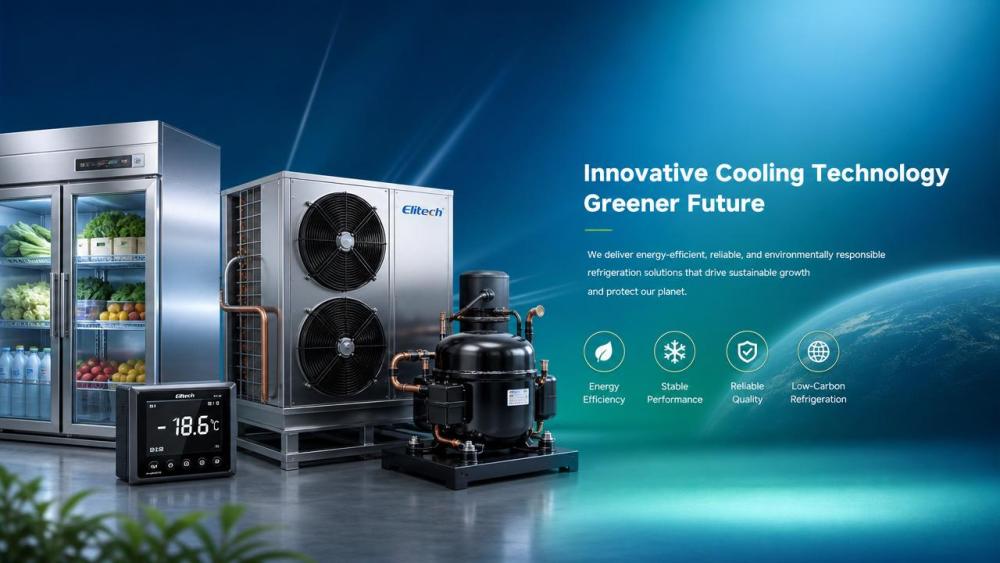
Eco-friendly cooling is not only about using a greener refrigerant. It also includes lower power demand, tighter temperature control, fewer leaks, better heat exchange, and smarter lifecycle management.
In daily use, eco-friendly cooling is practical when a system delivers measurable results. These results include stable cabinet temperature, dependable pull-down speed, reduced defrost waste, and easier servicing across normal operating schedules.
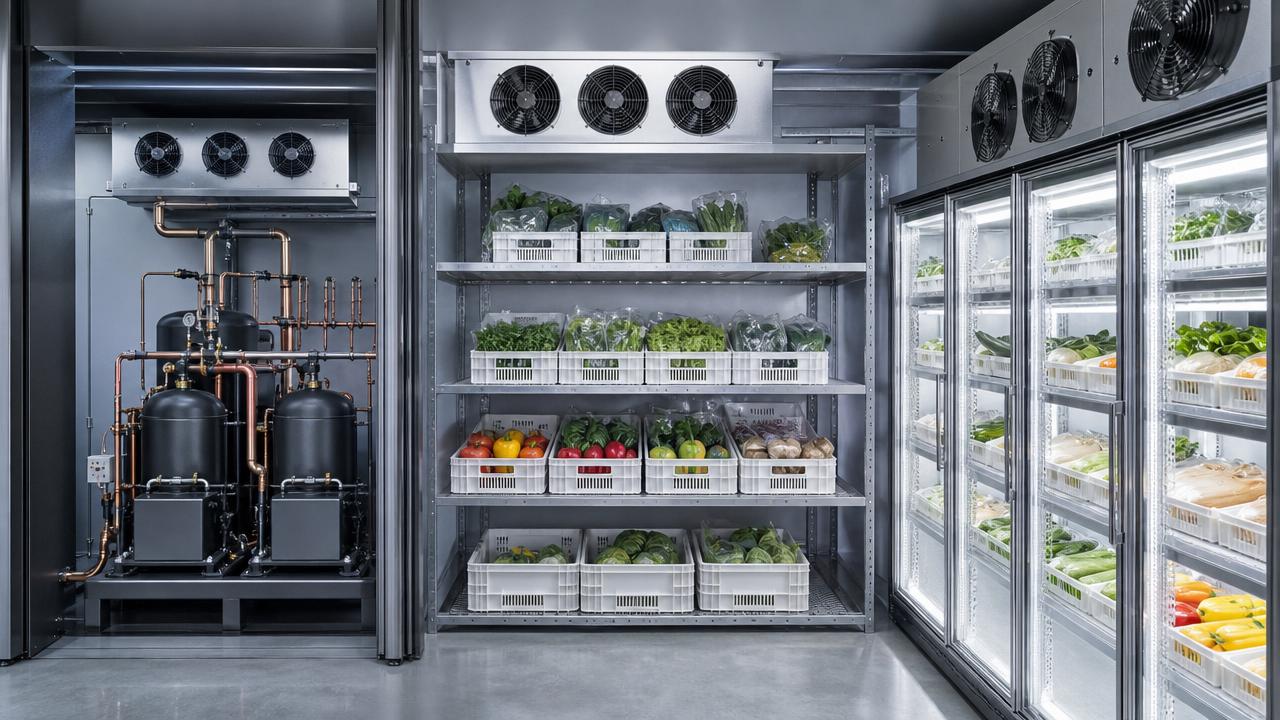
For cold-chain operations, practicality means keeping freshness intact. For industrial chillers, it means removing process heat efficiently. For ultra-low temperature storage, it means maintaining precise conditions with minimal energy drift.
Core elements of practical performance
- Low-GWP or natural refrigerants suited to the application
- High-efficiency compressors and heat exchangers
- Accurate controls for load matching and defrost timing
- Leak prevention and accessible maintenance design
- Insulation, airflow, and door management that reduce losses
Industry background and current attention points
Across the refrigeration and cold-chain sector, eco-friendly cooling is shaped by regulation, energy pricing, and product sensitivity. Practical decisions are increasingly tied to emissions control and total operating cost.
Systems once selected mainly for cooling capacity are now evaluated by annual efficiency, refrigerant profile, digital monitoring, and retrofit potential. This shift is visible in food retail, warehousing, medicine, and industrial production.
In this context, eco-friendly cooling becomes practical when it fits site realities. Ambient temperature, load profile, cleaning routines, and service capacity all influence whether a sustainable option performs well every day.
Business value in everyday operation
The strongest argument for eco-friendly cooling is not image alone. It is operational value that appears consistently over time through lower consumption, steadier temperatures, and fewer avoidable failures.
Energy savings that remain visible
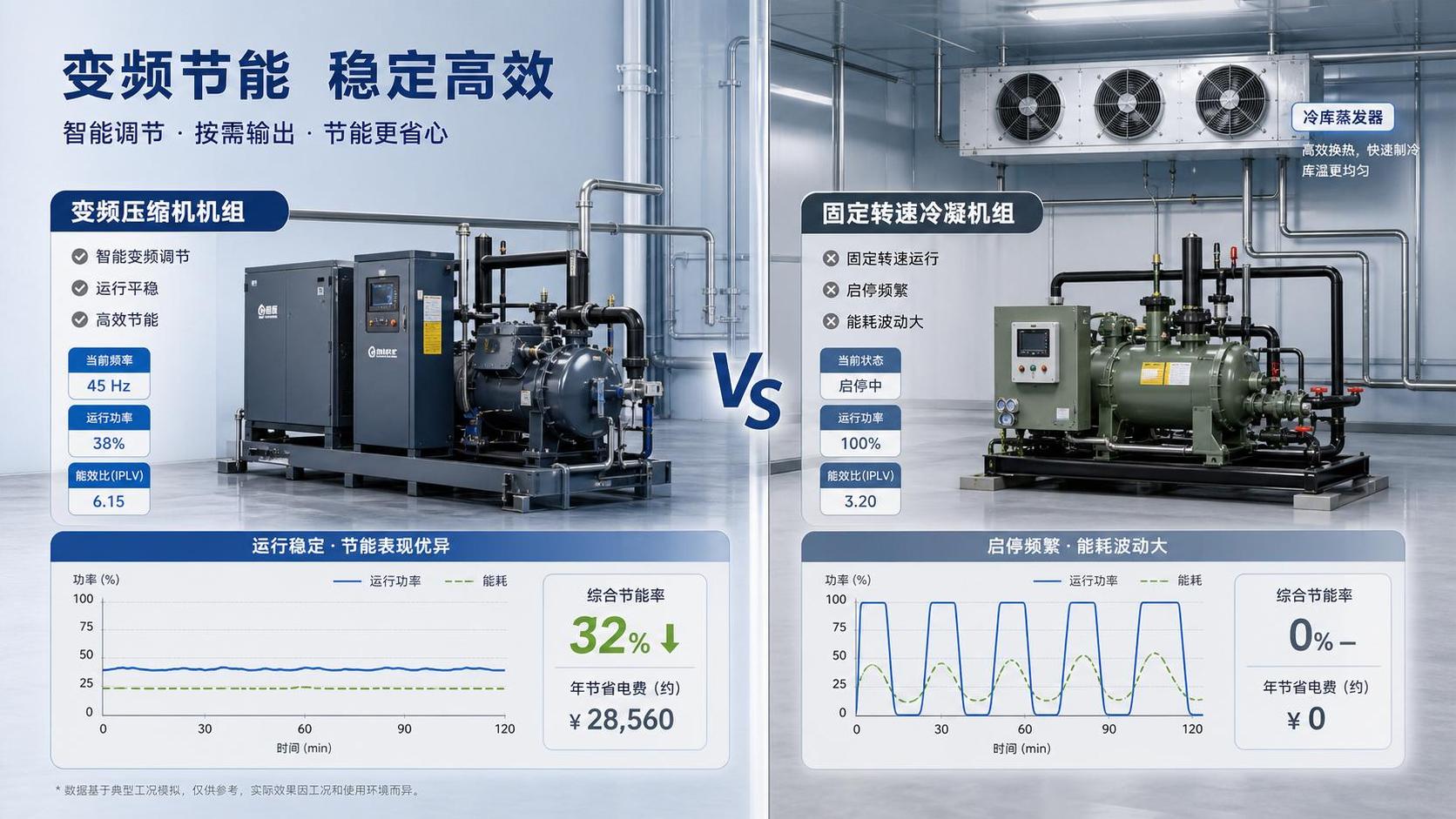
Efficient compressors, electronic expansion valves, EC fans, and optimized condenser performance reduce unnecessary power draw. When loads vary during the day, variable-speed control prevents waste from fixed-output operation.
This matters in refrigerated cabinets, process chillers, and cold rooms alike. Eco-friendly cooling becomes practical when efficiency gains continue during real door openings, seasonal peaks, and partial-load periods.
Product protection and quality stability
Cooling is useful only when it protects the stored or processed product. Better airflow balance and faster recovery after disturbances help maintain freshness, texture, and temperature-sensitive integrity.
For medical deep-cryogenic storage, small temperature deviations can be critical. For food operations, poor stability can shorten shelf life, increase shrinkage, and reduce confidence in inventory quality.
Longer equipment life and easier compliance
Well-matched eco-friendly cooling systems often run with less mechanical stress. Cleaner heat exchange surfaces, reduced short cycling, and lower discharge strain can extend component life.
Using refrigerants with stronger long-term compliance prospects also reduces future replacement pressure. That helps avoid disruptive transitions caused by bans, quotas, or rising refrigerant costs.
Typical application paths across cooling environments
Different environments require different versions of eco-friendly cooling. Practicality improves when design choices reflect temperature range, load variability, hygiene needs, and service conditions.
In each case, eco-friendly cooling works best when controls and hardware support real usage patterns. A technically green system is not automatically practical if servicing is difficult or airflow is poorly managed.
What makes eco-friendly cooling workable every day
Right refrigerant, right duty
Natural refrigerants can offer strong environmental benefits, but selection must match climate, safety requirements, and application scale. CO2, hydrocarbons, and ammonia each have different operating characteristics.
Practical eco-friendly cooling depends on choosing a refrigerant that service teams can support and site infrastructure can safely accommodate. Good environmental intent must align with operating discipline.
Controls that reduce hidden waste
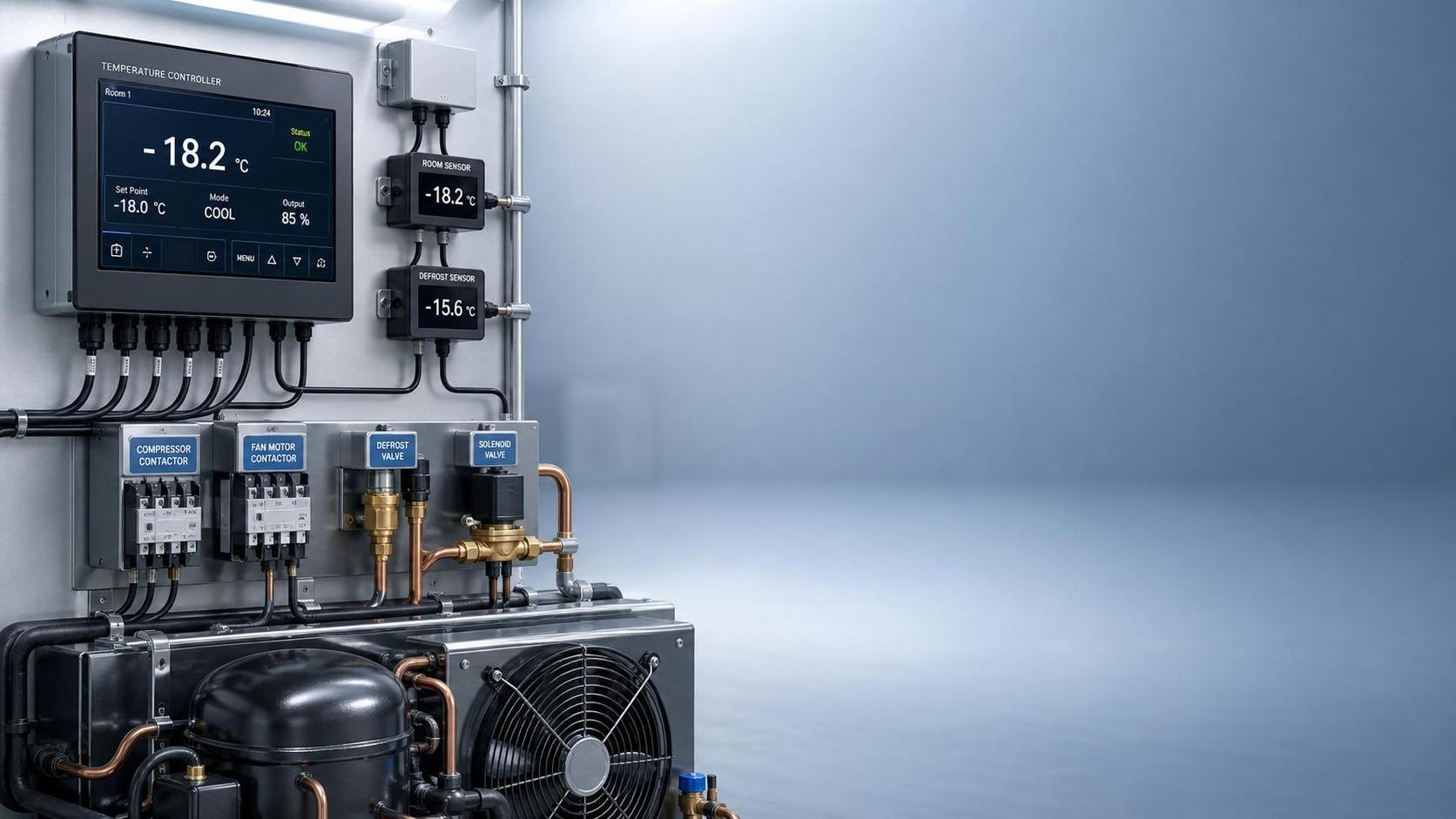
Digital controls make sustainable cooling more usable. Sensors can adjust compressor speed, fan operation, and defrost intervals according to real demand rather than fixed assumptions.
This reduces frost buildup, temperature swings, and excess runtime. In practical terms, eco-friendly cooling becomes easier when automation removes routine inefficiencies without increasing operator burden.
Maintenance built into design
Dirty coils, blocked airflow, poor seals, and undetected refrigerant leaks can erase sustainability gains quickly. Practical systems allow quick inspection, simple cleaning, and clear fault diagnosis.
Leak detection, accessible components, and stable spare-part availability all support long-term eco-friendly cooling. Maintenance should preserve performance rather than become a specialized barrier.
Practical recommendations and caution points
- Review actual temperature loads before selecting equipment capacity.
- Compare annual energy performance, not only nameplate efficiency.
- Check refrigerant availability, compliance outlook, and service readiness.
- Prioritize insulation, seals, and airflow management alongside compressor technology.
- Use monitoring tools to track drift, alarms, and abnormal cycling.
- Plan preventive cleaning and leak checks as part of routine operation.
It is also important to avoid overpromising from single upgrades. Eco-friendly cooling usually becomes practical through combined improvements in refrigerant choice, controls, heat exchange, cabinet design, and operating behavior.
Next-step approach for stronger cooling performance
A useful starting point is a site-level review of energy use, temperature stability, refrigerant status, and maintenance history. That review often reveals where eco-friendly cooling can deliver the fastest practical gains.
The next step is prioritization. Focus first on systems with high runtime, unstable temperatures, or aging refrigerants. Small improvements in controls, airflow, and leak prevention often create immediate operational benefits.
For longer planning cycles, align equipment upgrades with future compliance, digital monitoring, and lifecycle efficiency targets. In that way, eco-friendly cooling becomes a dependable operating standard rather than a short-term adjustment.
When sustainability, performance, and maintainability move together, eco-friendly cooling proves practical in daily use. It protects freshness, supports industrial continuity, and builds stronger value from every controlled degree.
Recommended News
 Thermodynamic Tech TrendsTemperature Control Problems That Quietly Ruin Product QualityAnalyst :Prof. Sarah Lin
 Thermodynamic Tech TrendsHow heat exchange technology shapes system reliabilityAnalyst :Prof. Sarah Lin
 Thermodynamic Tech TrendsAus Scientists Break Through Anhydrous Proton-Conducting MembraneAnalyst :Prof. Sarah Lin
 Thermodynamic Tech TrendsHow variable frequency cooling cuts peak energy costsAnalyst :Prof. Sarah Lin
 Thermodynamic Tech TrendsHeat exchange technology flaws that raise operating costsAnalyst :Prof. Sarah Lin
 Thermodynamic Tech TrendsWhat makes eco-friendly cooling practical in daily use?Analyst :Prof. Sarah Lin
 Thermodynamic Tech TrendsWhat heat exchange technology cuts cooling energy wasteAnalyst :Prof. Sarah Lin
 Thermodynamic Tech TrendsLow carbon refrigeration is changing project planningAnalyst :Prof. Sarah Lin
 Thermodynamic Tech TrendsHeat Exchange Technology Is Changing Cooling DesignAnalyst :Prof. Sarah Lin
 Thermodynamic Tech TrendsWhat limits heat exchange efficiency in real systems?Analyst :Prof. Sarah Lin
 Thermodynamic Tech TrendsIndustrial Refrigeration System Selection: Key Capacity, Refrigerant, and Load FactorsAnalyst :Prof. Sarah Lin
 Thermodynamic Tech TrendsVariable Frequency Cooling Selection Guide: How to Match Load Range, COP, and Control StrategyAnalyst :Prof. Sarah Lin
 Thermodynamic Tech TrendsHeat Exchange Technology in Refrigeration: Which Design Improves Capacity and Defrost Efficiency?Analyst :Prof. Sarah Lin
![]() Thermodynamic Tech TrendsMagnetic Bearing Technology Explained: How Oil-Free Compression Improves Chiller EfficiencyAnalyst :Prof. Sarah Lin
Thermodynamic Tech TrendsMagnetic Bearing Technology Explained: How Oil-Free Compression Improves Chiller EfficiencyAnalyst :Prof. Sarah Lin Thermodynamic Tech TrendsVariable Frequency Cooling Explained: How It Improves Refrigeration Efficiency and Load ControlAnalyst :Prof. Sarah Lin
 Thermodynamic Tech TrendsHeat Exchange Efficiency: Which Design Factors Matter Most in Industrial Cooling?Analyst :Prof. Sarah Lin
 Thermodynamic Tech TrendsHeat Exchange Technology Comparison: Plate, Shell-and-Tube, or Microchannel?Analyst :Prof. Sarah Lin
 Thermodynamic Tech TrendsIndustrial Cooling Systems Explained: Which Setup Fits Food, Pharma, and Process Plants?Analyst :Prof. Sarah Lin
 Thermodynamic Tech TrendsVariable Frequency Cooling vs Fixed-Speed Systems: Which Cuts Energy Costs Better?Analyst :Prof. Sarah Lin
 Thermodynamic Tech TrendsTemperature Control Systems Explained: Key Components, Control Logic, and Common UsesAnalyst :Prof. Sarah Lin
 Thermodynamic Tech TrendsHow Heat Exchange Efficiency Affects Compressor Load and System StabilityAnalyst :Prof. Sarah Lin
 Thermodynamic Tech TrendsEnergy Saving Low Carbon Cooling: Which Metrics Actually Matter in System Evaluation?Analyst :Prof. Sarah Lin
 Thermodynamic Tech TrendsHow to Compare a Heat Transfer Technology Manufacturer for Custom Process Cooling ProjectsAnalyst :Prof. Sarah Lin
 Thermodynamic Tech TrendsChoosing an Industrial Cooling Systems Supplier: 7 Evaluation Criteria Before RFQAnalyst :Prof. Sarah Lin
 Thermodynamic Tech TrendsHeat Transfer Technology Air Cooler: Key Design Factors for Stable Cooling PerformanceAnalyst :Prof. Sarah Lin
 Thermodynamic Tech TrendsEnergy Efficient Refrigeration Systems with Heat Recovery: Where the Savings Really Come FromAnalyst :Prof. Sarah Lin
 Thermodynamic Tech TrendsWhat Determines Heat Exchange Technology Price in Industrial Cooling Projects?Analyst :Prof. Sarah Lin
 Thermodynamic Tech TrendsHow to Select Heat Exchange Plates for Corrosion Resistance and Thermal EfficiencyAnalyst :Prof. Sarah Lin
 Thermodynamic Tech TrendsHow Microchannel Heat Exchangers Improve Refrigeration System EfficiencyAnalyst :Prof. Sarah Lin
 Thermodynamic Tech TrendsHeat Transfer Technology for Blast Freezers: Speed, Efficiency, and DesignAnalyst :Prof. Sarah Lin
 Thermodynamic Tech TrendsHow to Size Heat Exchange Systems for Refrigeration Plants at Peak LoadAnalyst :Prof. Sarah Lin