Industry News
Curation by industry experts
Hot Articles
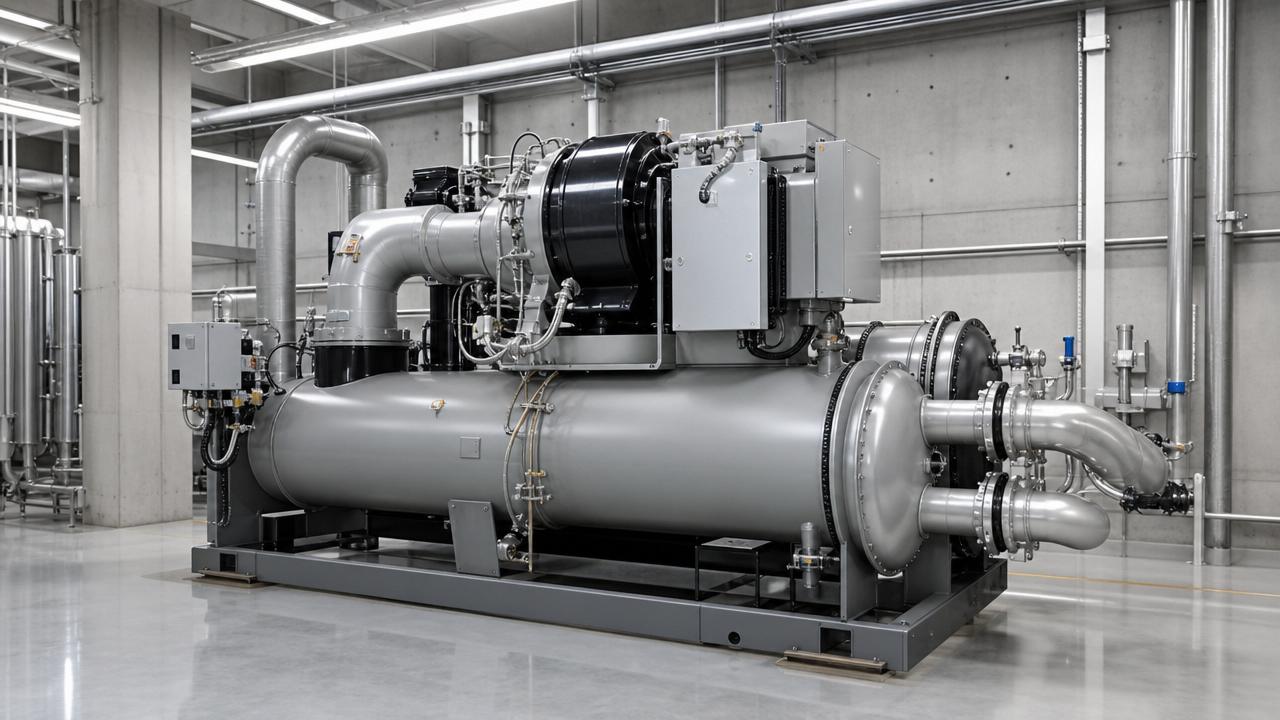
- Thermodynamic Tech TrendsHow to Size Heat Exchange Systems for Refrigeration Plants at Peak Load
- Parallel Compressor RacksHow to Size Reciprocating Compressors for Cold Storage Load and Temperature Range
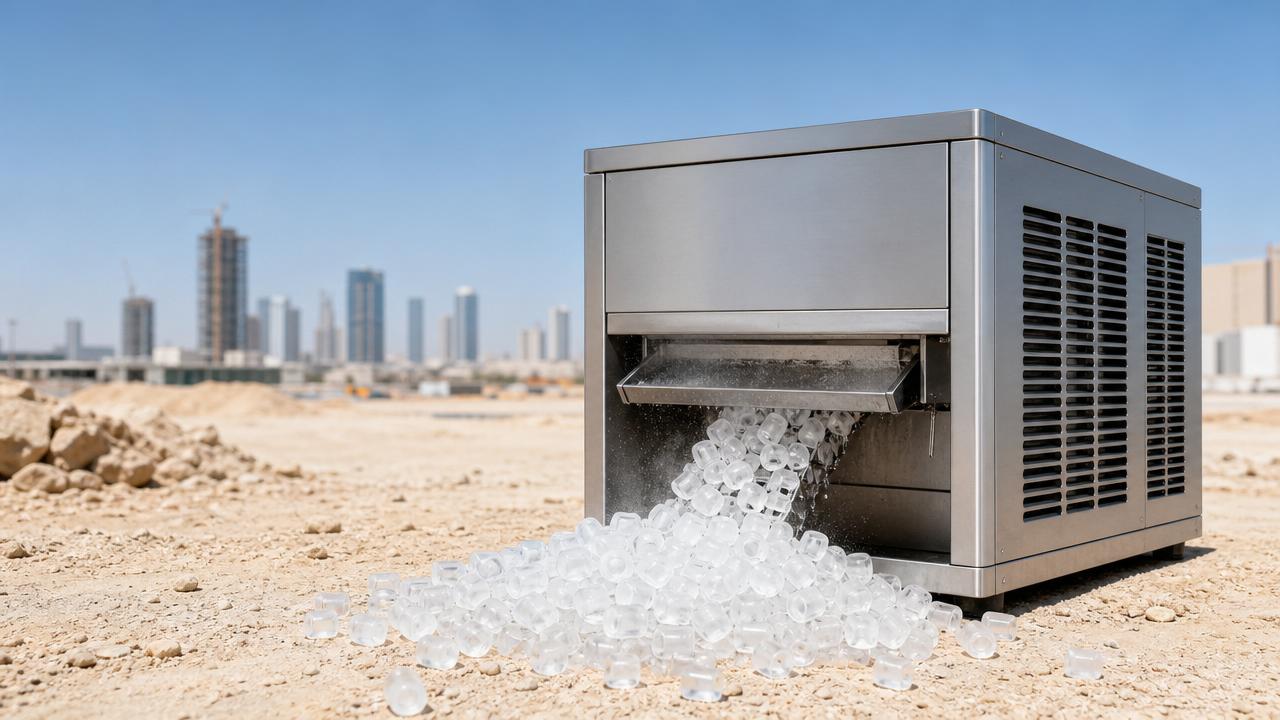
- Flake Ice MachinesHow to Size a Commercial Ice Dispenser for Peak Demand in Foodservice Operations
Popular Tags
China Imposes Zero Tariffs on Refrigeration Equipment for 20 African Countries
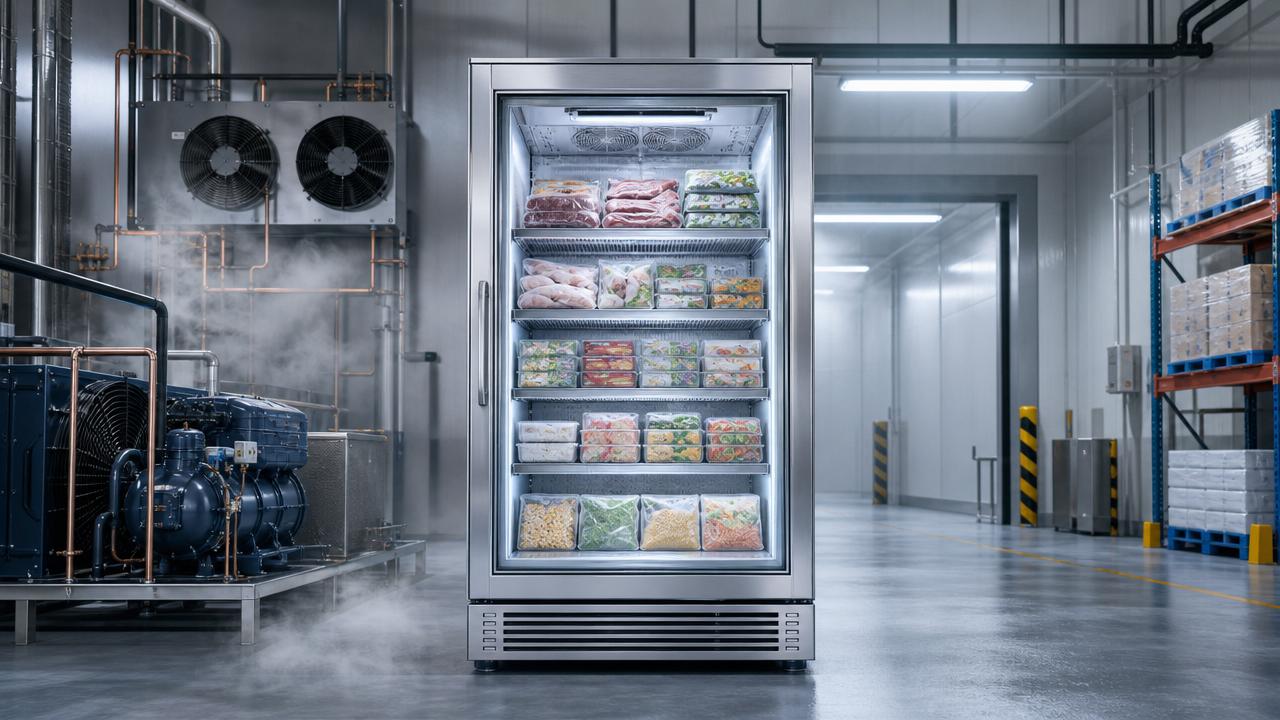
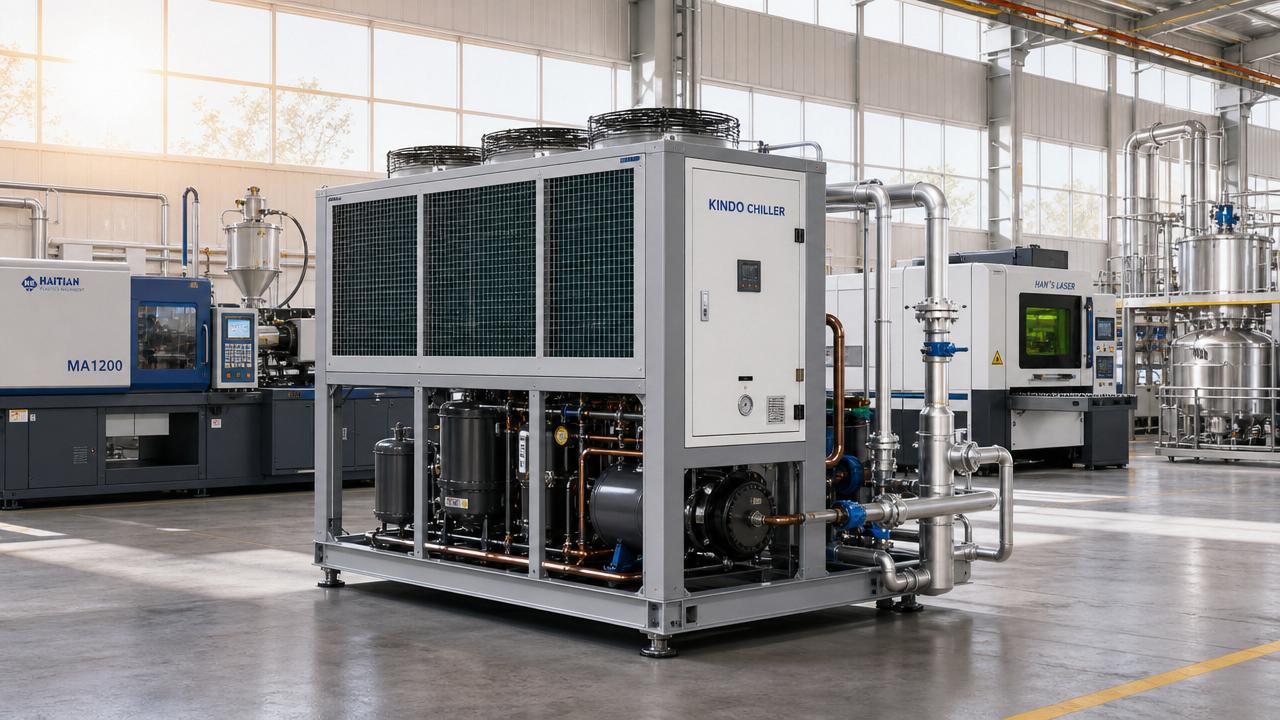
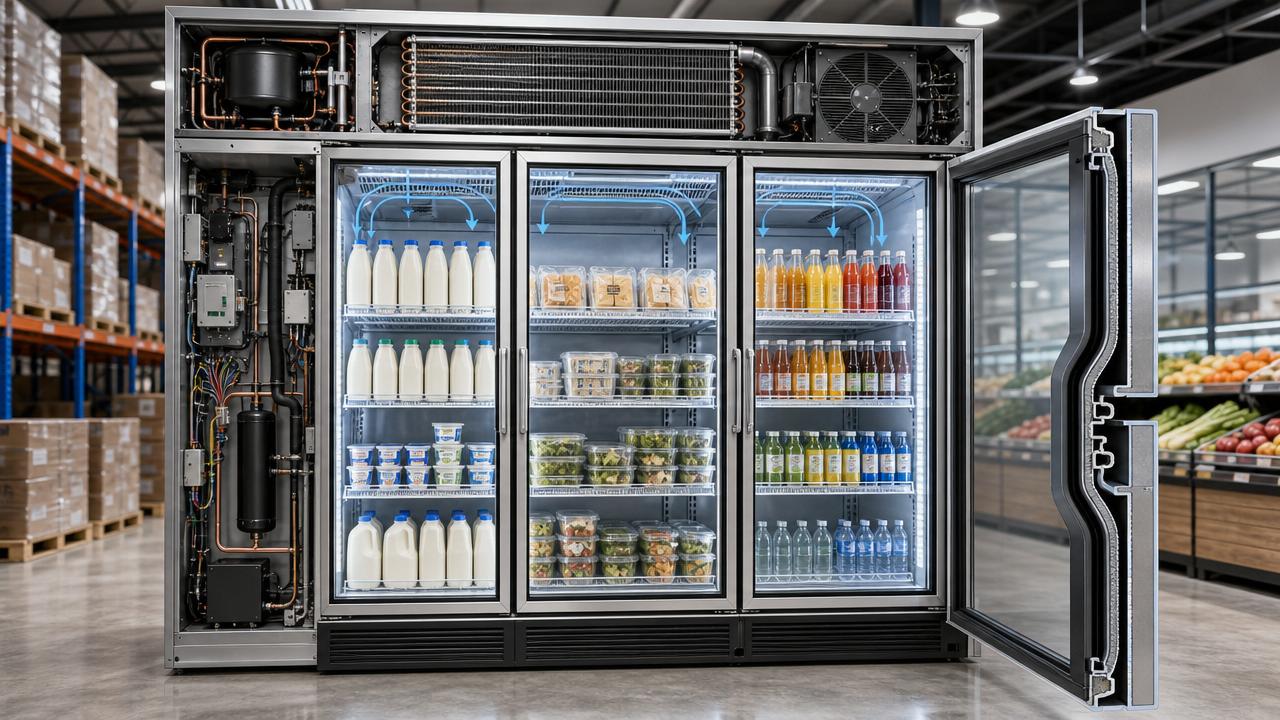
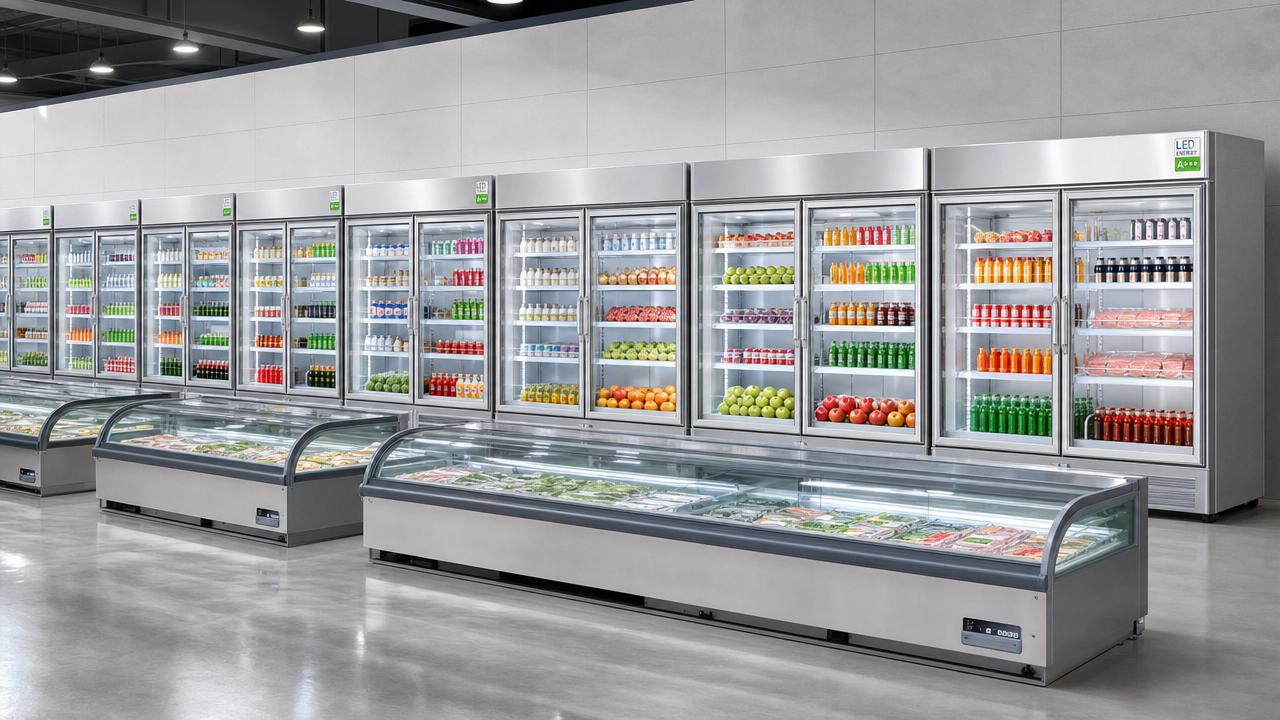
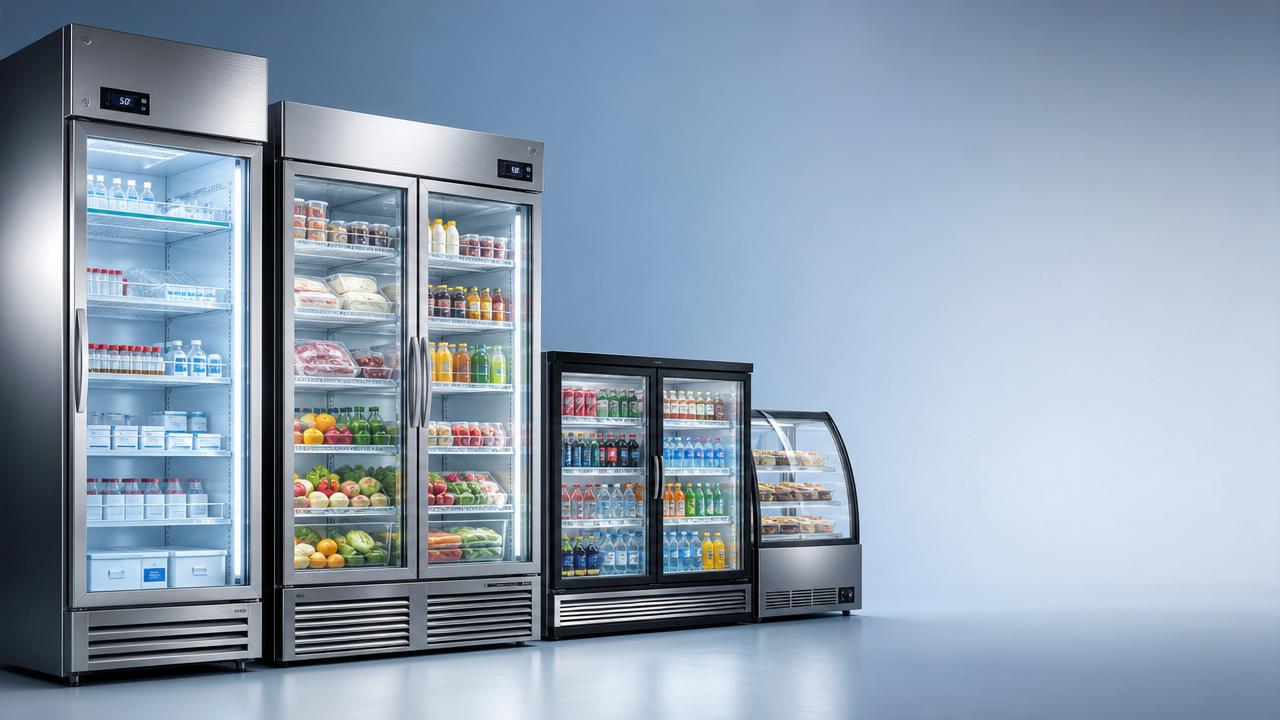
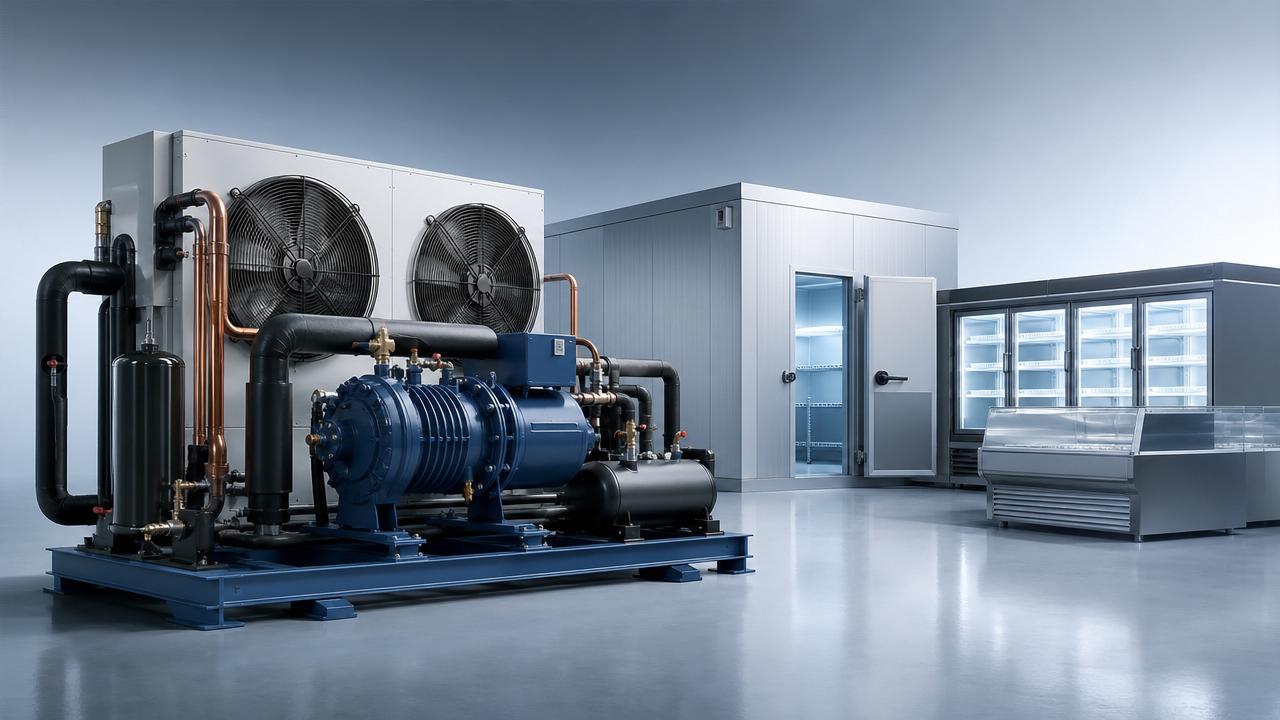
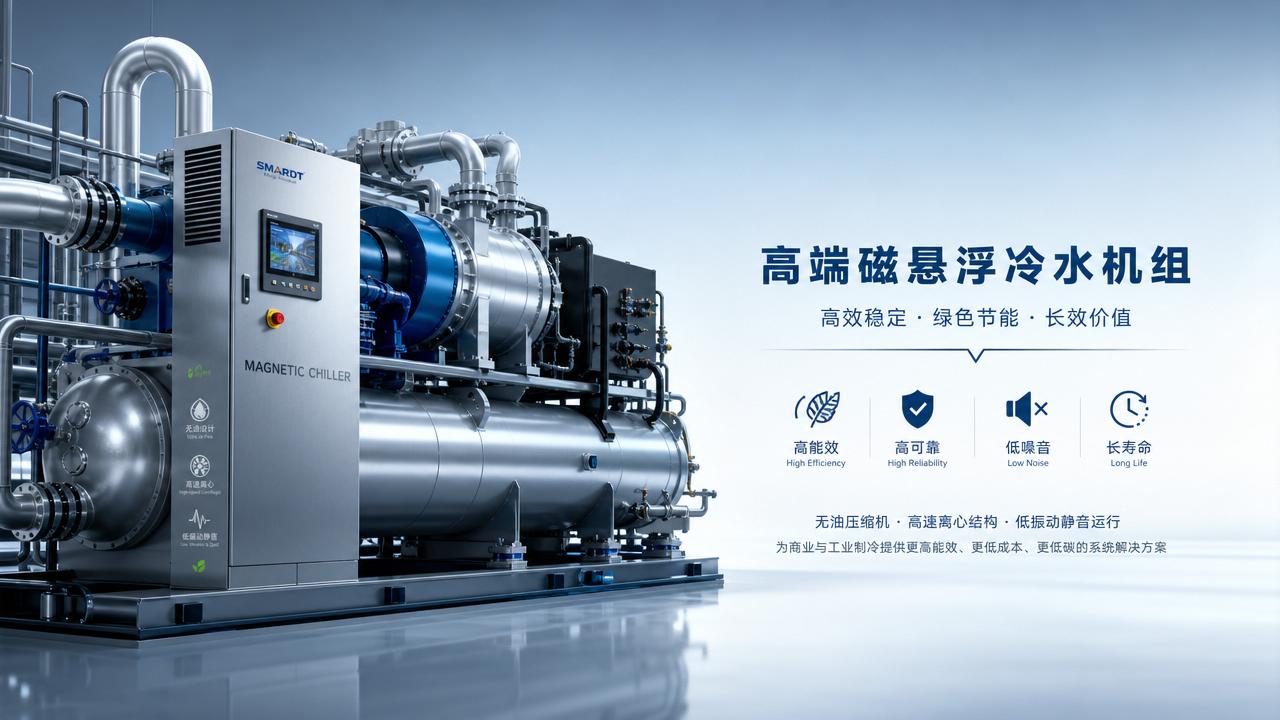
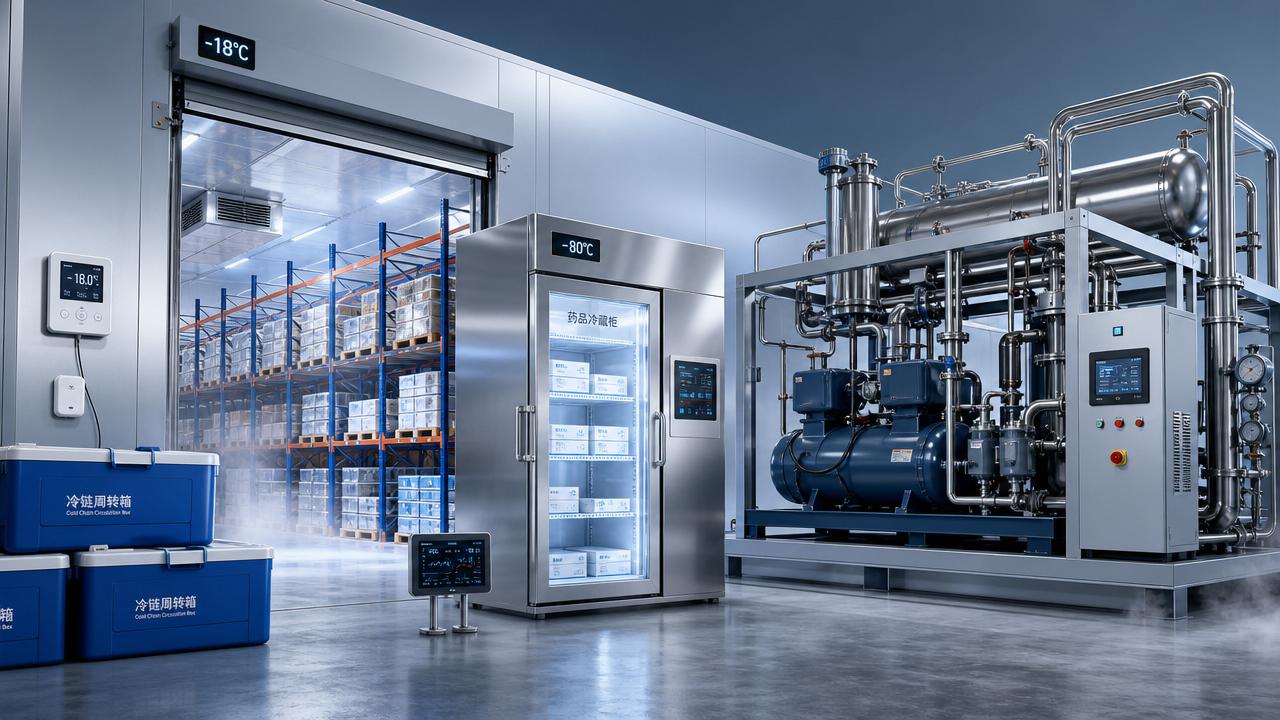
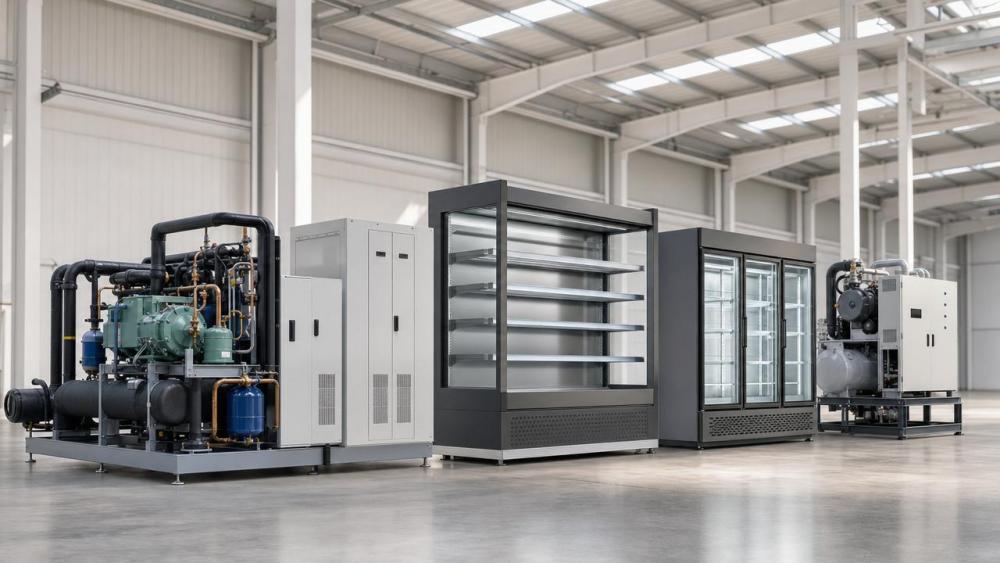
Effective May 1, 2026, China has applied zero tariffs under the preferential tariff scheme to refrigeration equipment—including in-scope refrigeration units, commercial cold cabinets, and CO2 system components—exported to 20 non-Least Developed African countries with which it maintains diplomatic relations. The measure remains in force until April 30, 2028. This policy shift directly reduces import duties borne by African buyers of Chinese cold chain equipment, thereby enhancing price competitiveness and delivery flexibility for CO2 transcritical systems, multideck display cabinets, and precision chillers in regional markets.
Event Overview
As confirmed by official announcements, China implemented a zero-tariff treatment under its preferential tariff regime for refrigeration-related goods exported to 20 non-Least Developed African countries with formal diplomatic ties. The policy took effect on May 1, 2026, and is scheduled to expire on April 30, 2028. Eligible products include in-quota refrigeration units, commercial cold cabinets, and key components of CO2 refrigeration systems. No additional conditions or application procedures beyond standard customs declarations have been publicly specified.
Industries Affected
Export-oriented Manufacturing Enterprises
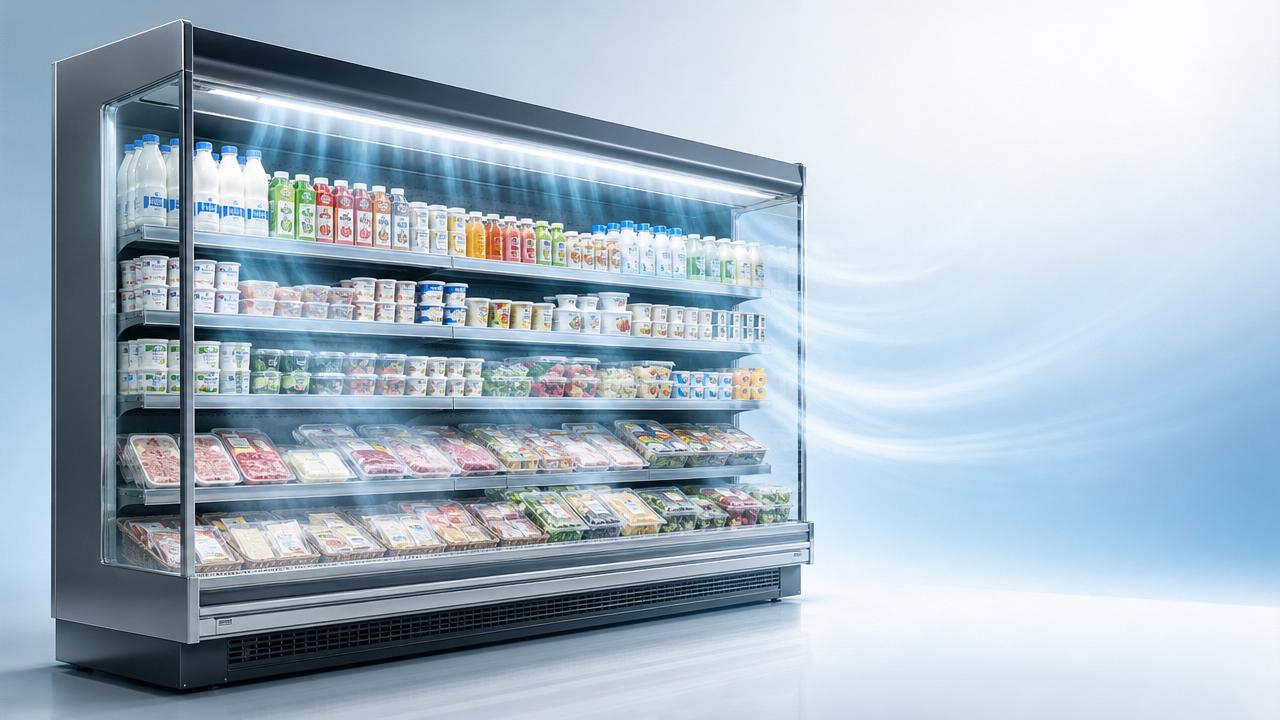
Manufacturers producing CO2 transcritical systems, multideck display cabinets, and precision chillers are directly affected: their export cost structure to the targeted 20 African markets now excludes import tariffs previously levied on these items. Impact manifests primarily in improved landed-cost margins and greater pricing agility when negotiating with African importers or distributors.
International Trade & Distribution Firms
Companies acting as exporters, agents, or regional distributors of Chinese refrigeration equipment face revised margin dynamics. With tariff costs removed, downstream pricing models—especially those tied to CIF or DAP terms—require recalibration. Delivery timelines may also gain flexibility, as customs clearance for eligible items no longer involves tariff assessment or payment delays.
Supply Chain & Component Sourcing Entities
Firms supplying subassemblies or critical parts (e.g., CO2 compressors, electronic expansion valves, or heat exchangers) destined for final assembly in China—and subsequently exported under this regime—are indirectly affected. Their customers’ enhanced export competitiveness may increase order volumes, but only if end-product classifications align precisely with the published tariff line items and quota allocations.
Key Considerations and Practical Responses for Stakeholders
Monitor official tariff line item definitions and quota administration
The policy applies specifically to “in-quota” refrigeration units and components. Exporters must verify whether their HS codes fall within the officially designated scope—and whether annual quotas (if any) are administered on a first-come, first-served or license-based basis. Customs authorities in both China and recipient countries may issue clarifications post-implementation.
Validate eligibility per destination country and product category
The zero-tariff treatment covers only 20 specified non-Least Developed African countries—not all African nations with diplomatic ties to China. Stakeholders should cross-check beneficiary country lists issued by China’s Ministry of Finance or General Administration of Customs, and confirm that each product variant meets technical and classification criteria outlined in the tariff schedule.
Distinguish between policy intent and operational readiness
While the tariff reduction is legally effective from May 2026, actual implementation depends on synchronized updates to customs databases, tariff binding notifications under WTO protocols, and importer-side recognition. Early shipments may encounter classification disputes; maintaining full documentation (including origin certificates and product specifications) is advisable during the initial 6–12 months.
Adjust quotation templates and contract terms proactively
Exporters and distributors should revise standard quotations, pro forma invoices, and Incoterms-based contracts to reflect the new duty-free status—particularly where pricing previously included estimated tariff costs. Clauses addressing tariff refunds or adjustments in case of retroactive application should be reviewed for consistency with the policy’s effective date.
Editorial Perspective / Industry Observation
Observably, this measure functions less as an immediate market transformation and more as a calibrated signal of deepening trade institutionalization between China and select African economies. Analysis shows the focus on CO2-based and precision cooling technologies aligns with broader global trends toward low-GWP refrigerants and energy-efficient cold chain infrastructure—suggesting strategic alignment rather than ad hoc tariff relief. From an industry perspective, the two-year duration (2026–2028) implies an evaluation period, making ongoing monitoring of renewal signals or scope expansions highly relevant. It is not yet evidence of broad-based market access liberalization, but rather a targeted, time-bound facilitation tool for specific high-potential segments.
Concluding, this policy lowers structural cost barriers for Chinese refrigeration exports to a defined subset of African markets—but does not alter non-tariff requirements (e.g., certification, labeling, or local standards compliance). Its significance lies not in sweeping market opening, but in providing a predictable, temporary window to strengthen commercial relationships, test demand elasticity, and refine logistics execution in priority corridors. Currently, it is more appropriately understood as an operational enabler than a strategic game-changer—valuable for near-term planning, but requiring complementary efforts to address regulatory, technical, and after-sales service constraints.
Source: Official tariff notices issued by China’s Ministry of Finance and General Administration of Customs (effective May 1, 2026; validity through April 30, 2028). Note: Beneficiary country list, exact HS code coverage, and quota administration mechanisms remain subject to official updates and require continuous verification.
Recommended News
 Cold Chain & Retail Energy InsightsWhen Does Cold Storage Stop Saving Energy and Start Losing It?Analyst :Mr. Julian Thorne
 Thermodynamic Tech TrendsTemperature Control Problems That Quietly Ruin Product QualityAnalyst :Prof. Sarah Lin
 Cold Chain & Retail Energy InsightsCommercial Refrigeration Upgrades: Which Costs Are Easy to Miss?Analyst :Mr. Julian Thorne
 Flake Ice MachinesWhy Some Commercial Ice Machines Cost More After InstallationAnalyst :Commercial Ice Tech Fellow
 Multideck Display CabinetsCommercial Freezers: Is Lower Temperature Always Better?Analyst :Retail Refrigeration Strategist
 Precision ChillersIndustrial Chillers: What Causes Performance Gaps in Summer?Analyst :Industrial Cooling Architect
 Concrete Cooling Ice PlantsIndustrial Ice Makers: What Separates Stable Output From Downtime?Analyst :Commercial Ice Tech Fellow
 Cold Chain & Retail Energy InsightsCold Chain Logistics Failures Often Start With Small Temperature SwingsAnalyst :Mr. Julian Thorne
 Air/Water-cooled ScrewIndustrial Cooling Systems: When Oversizing Becomes a Cost ProblemAnalyst :Industrial Cooling Architect
 Flake Ice MachinesFlake Ice Machines vs Other Ice Types for Fast Heat RemovalAnalyst :Commercial Ice Tech Fellow
 Multideck Display CabinetsWhy Refrigeration Cabinets Lose Efficiency Faster Than ExpectedAnalyst :Retail Refrigeration Strategist
 Smart Evaporator SystemsTemperature Control Systems: Which Alerts Actually Prevent Losses?Analyst :Cold Chain Dynamics Scientist
 Tube Ice MachinesTube Ice Machines: What Affects Ice Uniformity and Melt Rate?Analyst :Commercial Ice Tech Fellow
 Parallel Compressor RacksIndustrial Refrigeration Retrofits: Repair or Replace This Year?Analyst :Cold Chain Dynamics Scientist
 CO2 Transcritical SystemsCO2 Refrigeration: Where It Pays Off and Where It Still StrugglesAnalyst :Cold Chain Dynamics Scientist
 Eco-Refrigerant & ComplianceF-Gas Regulations Are Changing Equipment Choices Faster Than ExpectedAnalyst :Dr. Henrik Weber
 Cascade Refrigeration SystemsWhy Refrigeration Systems Keep Short Cycling After CommissioningAnalyst :Cryogenic Preservation Expert
 Eco-Refrigerant & ComplianceEco-Friendly Refrigeration: What Looks Green but Performs Poorly?Analyst :Dr. Henrik Weber
 Eco-Refrigerant & ComplianceNatural Refrigerants: Are Compliance Benefits Worth the Transition Cost?Analyst :Dr. Henrik Weber
 Cold Chain & Retail Energy InsightsCold Storage Solutions That Fit Expansion Plans Without OverbuildingAnalyst :Mr. Julian Thorne
 CO2 Transcritical SystemsEU F-Gas Regulation Revision Effective Oct 2026, CO₂ Transcritical Certification Window NarrowsAnalyst :Cold Chain Dynamics Scientist
 Multideck Display CabinetsMIIT Launches 2026 Industrial Energy Conservation InspectionAnalyst :Retail Refrigeration Strategist
 -86℃ ULT FreezersGlobal Deep-Sea Tuna Fishing Season Starts Early; China’s -86°C ULT Vessel Orders Surge 300%Analyst :Cryogenic Preservation Expert
 Magnetic Bearing ChillersDOE Updates ASHRAE 90.1-2025 Appendix: Maglev Chiller Efficiency Up 12%Analyst :Industrial Cooling Architect
 Tube Ice MachinesMiddle East Heatwave Boosts Chinese Tube Ice Machine ExportsAnalyst :Commercial Ice Tech Fellow
 Air/Water-cooled ScrewWhen does a variable frequency screw cut cooling costs?Analyst :Industrial Cooling Architect
 -86℃ ULT FreezersWhy is medical cryogenic storage under stricter review?Analyst :Cryogenic Preservation Expert
 Multideck Display CabinetsCan air curtain refrigeration really reduce display losses?Analyst :Retail Refrigeration Strategist
 Flake Ice MachinesWhat affects flake ice production more than output specs?Analyst :Commercial Ice Tech Fellow
 Deep-sea Fishery FreezersDeep cryogenic storage failures often start unnoticedAnalyst :Cryogenic Preservation Expert
 Microclimate ModulesHow anti-fog technology changes cold display performanceAnalyst :Retail Refrigeration Strategist
 Cold Chain & Retail Energy InsightsEnergy efficient cooling is not always the cheaper optionAnalyst :Mr. Julian Thorne
 Eco-Refrigerant & ComplianceWhat drives low carbon refrigeration adoption in 2026?Analyst :Dr. Henrik Weber
 Magnetic Bearing ChillersAre magnetic bearing chillers worth the upfront premium?Analyst :Industrial Cooling Architect
 Cold Chain & Retail Energy InsightsCold chain technology gaps still cause avoidable spoilageAnalyst :Mr. Julian Thorne
 CO2 Transcritical SystemsEU Imposes Final Anti-Dumping Duty on Chinese Adipic AcidAnalyst :Cold Chain Dynamics Scientist
 Multideck Display CabinetsColombia Launches Anti-Dumping Sunset Review on Chinese Acrylic SheetsAnalyst :Retail Refrigeration Strategist
 Magnetic Bearing ChillersMIIT Launches 2026 Industrial Energy Conservation InspectionAnalyst :Industrial Cooling Architect
 Cold Chain & Retail Energy InsightsAPEC Auto Dialogue Sets New Standards for Smart Cold-Chain TrailersAnalyst :Mr. Julian Thorne
 Concrete Cooling Ice PlantsGlobal LNG Shortage Drives 23% Rise in Industrial Gas Costs for Ice PlantsAnalyst :Commercial Ice Tech Fellow