Industry News
Curation by industry experts
Hot Articles
- Thermodynamic Tech TrendsHow to Size Heat Exchange Systems for Refrigeration Plants at Peak Load
- Parallel Compressor RacksHow to Size Reciprocating Compressors for Cold Storage Load and Temperature Range
- Flake Ice MachinesHow to Size a Commercial Ice Dispenser for Peak Demand in Foodservice Operations
Popular Tags
EU PFAS Restriction Finalized: Sealing Components for Microclimate Modules Face Replacement Deadline
On 29 May 2026, the European Chemicals Agency (ECHA) published the final draft of its comprehensive restriction on per- and polyfluoroalkyl substances (PFAS), targeting all fluorinated polymer-based sealing materials used in industrial equipment—including those integral to Microclimate modules. This regulatory development triggers urgent compliance planning across global supply chains, particularly for manufacturers and exporters supplying into the EU market.
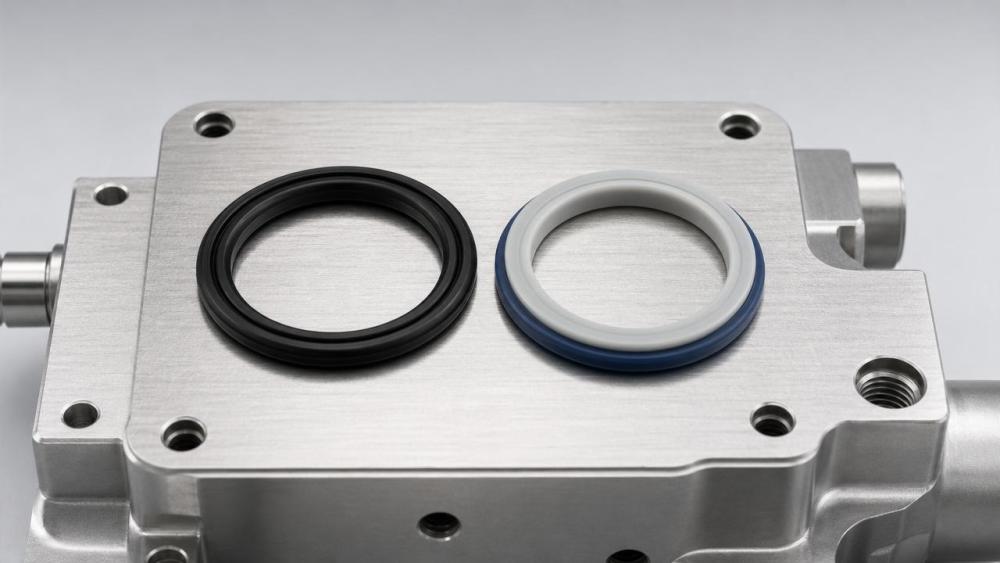
Final PFAS Restriction Proposal Published by ECHA
The European Chemicals Agency formally released the finalized PFAS restriction proposal on 29 May 2026. The measure covers all fluorinated polymers—including fluoroelastomers (FKM) and perfluoroelastomers (FFKM)—commonly used in sealing elements for Microclimate modules. The restriction is scheduled to enter into force in Q2 2027. Under the proposal, importers of equipment containing such seals must submit a full supply-chain PFAS declaration and provide test reports verifying the performance of approved non-PFAS alternatives—specifically silicone and hydrogenated nitrile rubber (HNBR).
Impact Across Supply Chain Roles
Direct Exporters
Exporters shipping Microclimate-equipped devices into the EU must now prepare documentation demonstrating PFAS absence throughout assembled products. This affects customs clearance, CE marking procedures, and post-market surveillance obligations—especially where legacy designs rely on FKM or FFKM seals.
Raw Material Procurement Teams
Purchasing departments face tightened specifications: fluorinated elastomers can no longer be sourced without full substance-level disclosure and third-party verification. Suppliers must now provide updated SDS, declarations of conformity, and batch-specific analytical data—not just generic material certifications.
Manufacturing & Assembly Facilities
Production lines integrating Microclimate modules must validate alternative seal materials under actual service conditions—including thermal cycling, pressure integrity, and long-term aging. Requalification may require redesign of compression set tolerances, surface finish specifications, and installation tooling.
Supply Chain Compliance Services
Third-party compliance providers are seeing rising demand for PFAS testing (e.g., ISO/IEC 17025-accredited labs), supply-chain mapping audits, and technical documentation review aligned with EU REACH Annex XVII requirements—not merely RoHS or Prop 65 frameworks.
Key Compliance Actions for Affected Enterprises
Validate Non-PFAS Seal Alternatives Under Real Operating Conditions
Silicone and HNBR formulations must undergo functional validation matching the original FKM/FFKM performance envelope—particularly for low-permeability, high-temperature stability, and chemical resistance in controlled-environment applications.
Secure Full-Supply-Chain PFAS Declarations from Tier-N Suppliers
Downstream suppliers—including compounders, molders, and sub-assemblers—must deliver traceable, signed declarations covering all processing aids, release agents, and surface treatments that could introduce regulated PFAS substances.
Update Technical Documentation for EU Market Access
Technical files supporting CE marking must now include comparative test reports (e.g., compression set, fluid resistance, outgassing per ASTM E595), material substitution rationale, and risk assessments addressing potential leakage or premature failure of new seal materials.
Reassess Procurement Timelines and Inventory Strategy
Given the Q2 2027 enforcement deadline, enterprises should align procurement cycles with lead times for qualified alternative seals—accounting for extended qualification, tooling adaptation, and first-article approval processes—while managing legacy inventory responsibly.
Industry Perspective: A Shift from Substance Substitution to Systemic Qualification
Analysis shows this PFAS restriction represents more than a material swap—it signals a structural recalibration of qualification expectations in precision environmental control systems. From an industry perspective, what deserves closer attention is not only the chemical replacement itself, but the expanded scope of technical due diligence required: compatibility across thermal expansion coefficients, interface surface energy, and long-term dimensional stability under cyclic loads. Observably, manufacturers capable of integrated material-system co-engineering—and not just component-level substitution—will gain competitive advantage. It is more appropriate to understand this as a de facto acceleration of functional safety and reliability governance, extending beyond traditional chemical compliance into operational assurance.
Strategic Implications for Global Environmental Control Suppliers
This regulation marks a pivotal inflection point for suppliers of Microclimate solutions: compliance is no longer defined solely by adherence to a restricted substances list, but by demonstrable engineering continuity across material transitions. The window between final proposal publication and enforcement leaves limited time for parallel testing, customer revalidation, and documentation harmonization—making proactive engagement with EU notified bodies and end-user technical teams essential. Rational preparation—not reactive substitution—will determine readiness.
Source Information and Ongoing Monitoring Guidance
This article was generated based exclusively on the provided title, event date (29 May 2026), and summary description. Specific official source links were not provided in the input and should be verified continuously. Stakeholders are advised to monitor updates from ECHA, the European Commission’s REACH implementation portal, and national competent authorities regarding final adoption timelines, transitional provisions, and guidance on acceptable alternative testing protocols. Further attention is warranted for evolving interpretations of ‘intentionally added PFAS’, enforcement thresholds for trace impurities, and alignment of EU requirements with emerging regulations in the UK, Canada, and South Korea.
Recommended News
 Cold Chain & Retail Energy InsightsWhen Does Cold Storage Stop Saving Energy and Start Losing It?Analyst :Mr. Julian Thorne
 Thermodynamic Tech TrendsTemperature Control Problems That Quietly Ruin Product QualityAnalyst :Prof. Sarah Lin
 Cold Chain & Retail Energy InsightsCommercial Refrigeration Upgrades: Which Costs Are Easy to Miss?Analyst :Mr. Julian Thorne
 Flake Ice MachinesWhy Some Commercial Ice Machines Cost More After InstallationAnalyst :Commercial Ice Tech Fellow
 Multideck Display CabinetsCommercial Freezers: Is Lower Temperature Always Better?Analyst :Retail Refrigeration Strategist
 Precision ChillersIndustrial Chillers: What Causes Performance Gaps in Summer?Analyst :Industrial Cooling Architect
 Concrete Cooling Ice PlantsIndustrial Ice Makers: What Separates Stable Output From Downtime?Analyst :Commercial Ice Tech Fellow
 Cold Chain & Retail Energy InsightsCold Chain Logistics Failures Often Start With Small Temperature SwingsAnalyst :Mr. Julian Thorne
 Air/Water-cooled ScrewIndustrial Cooling Systems: When Oversizing Becomes a Cost ProblemAnalyst :Industrial Cooling Architect
 Flake Ice MachinesFlake Ice Machines vs Other Ice Types for Fast Heat RemovalAnalyst :Commercial Ice Tech Fellow
 Multideck Display CabinetsWhy Refrigeration Cabinets Lose Efficiency Faster Than ExpectedAnalyst :Retail Refrigeration Strategist
 Smart Evaporator SystemsTemperature Control Systems: Which Alerts Actually Prevent Losses?Analyst :Cold Chain Dynamics Scientist
 Tube Ice MachinesTube Ice Machines: What Affects Ice Uniformity and Melt Rate?Analyst :Commercial Ice Tech Fellow
 Parallel Compressor RacksIndustrial Refrigeration Retrofits: Repair or Replace This Year?Analyst :Cold Chain Dynamics Scientist
 CO2 Transcritical SystemsCO2 Refrigeration: Where It Pays Off and Where It Still StrugglesAnalyst :Cold Chain Dynamics Scientist
 Eco-Refrigerant & ComplianceF-Gas Regulations Are Changing Equipment Choices Faster Than ExpectedAnalyst :Dr. Henrik Weber
 Cascade Refrigeration SystemsWhy Refrigeration Systems Keep Short Cycling After CommissioningAnalyst :Cryogenic Preservation Expert
 Eco-Refrigerant & ComplianceEco-Friendly Refrigeration: What Looks Green but Performs Poorly?Analyst :Dr. Henrik Weber
 Eco-Refrigerant & ComplianceNatural Refrigerants: Are Compliance Benefits Worth the Transition Cost?Analyst :Dr. Henrik Weber
 Cold Chain & Retail Energy InsightsCold Storage Solutions That Fit Expansion Plans Without OverbuildingAnalyst :Mr. Julian Thorne
 CO2 Transcritical SystemsEU F-Gas Regulation Revision Effective Oct 2026, CO₂ Transcritical Certification Window NarrowsAnalyst :Cold Chain Dynamics Scientist
 Multideck Display CabinetsMIIT Launches 2026 Industrial Energy Conservation InspectionAnalyst :Retail Refrigeration Strategist
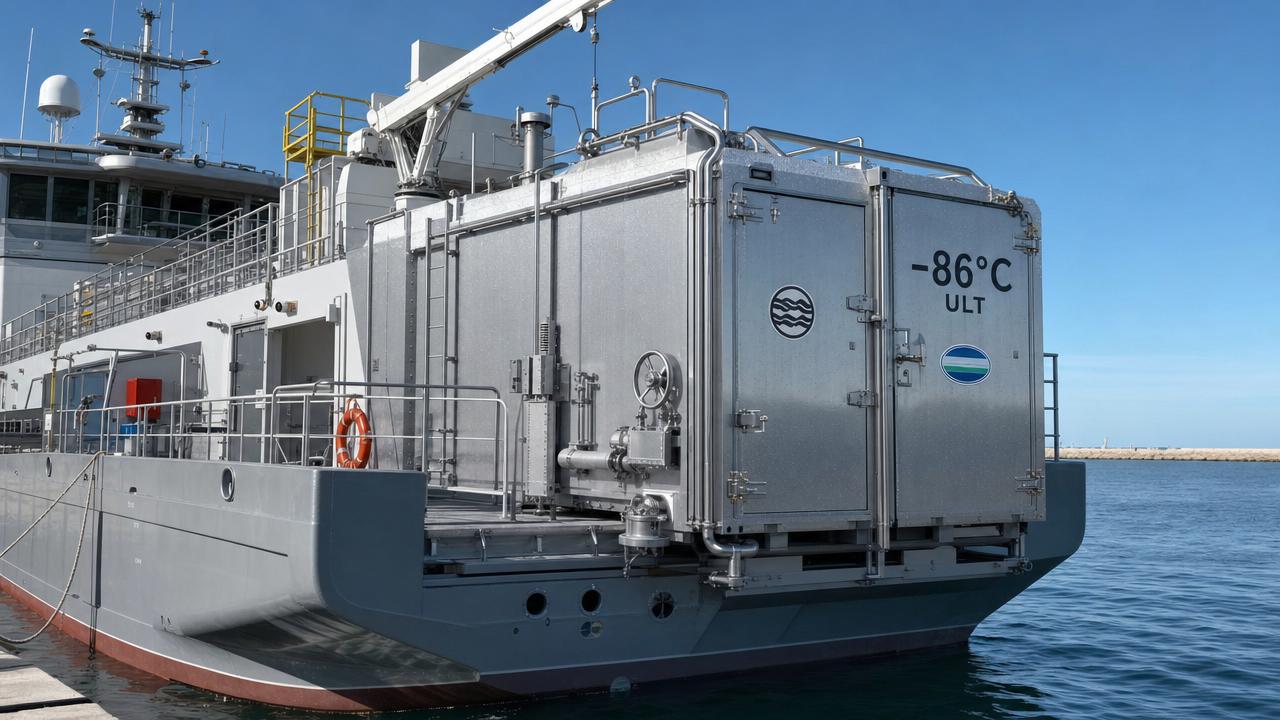
 -86℃ ULT FreezersGlobal Deep-Sea Tuna Fishing Season Starts Early; China’s -86°C ULT Vessel Orders Surge 300%Analyst :Cryogenic Preservation Expert
 Magnetic Bearing ChillersDOE Updates ASHRAE 90.1-2025 Appendix: Maglev Chiller Efficiency Up 12%Analyst :Industrial Cooling Architect
 Tube Ice MachinesMiddle East Heatwave Boosts Chinese Tube Ice Machine ExportsAnalyst :Commercial Ice Tech Fellow
 Air/Water-cooled ScrewWhen does a variable frequency screw cut cooling costs?Analyst :Industrial Cooling Architect
 -86℃ ULT FreezersWhy is medical cryogenic storage under stricter review?Analyst :Cryogenic Preservation Expert
 Multideck Display CabinetsCan air curtain refrigeration really reduce display losses?Analyst :Retail Refrigeration Strategist
 Flake Ice MachinesWhat affects flake ice production more than output specs?Analyst :Commercial Ice Tech Fellow
 Deep-sea Fishery FreezersDeep cryogenic storage failures often start unnoticedAnalyst :Cryogenic Preservation Expert
 Microclimate ModulesHow anti-fog technology changes cold display performanceAnalyst :Retail Refrigeration Strategist
 Cold Chain & Retail Energy InsightsEnergy efficient cooling is not always the cheaper optionAnalyst :Mr. Julian Thorne
 Eco-Refrigerant & ComplianceWhat drives low carbon refrigeration adoption in 2026?Analyst :Dr. Henrik Weber
 Magnetic Bearing ChillersAre magnetic bearing chillers worth the upfront premium?Analyst :Industrial Cooling Architect
 Cold Chain & Retail Energy InsightsCold chain technology gaps still cause avoidable spoilageAnalyst :Mr. Julian Thorne
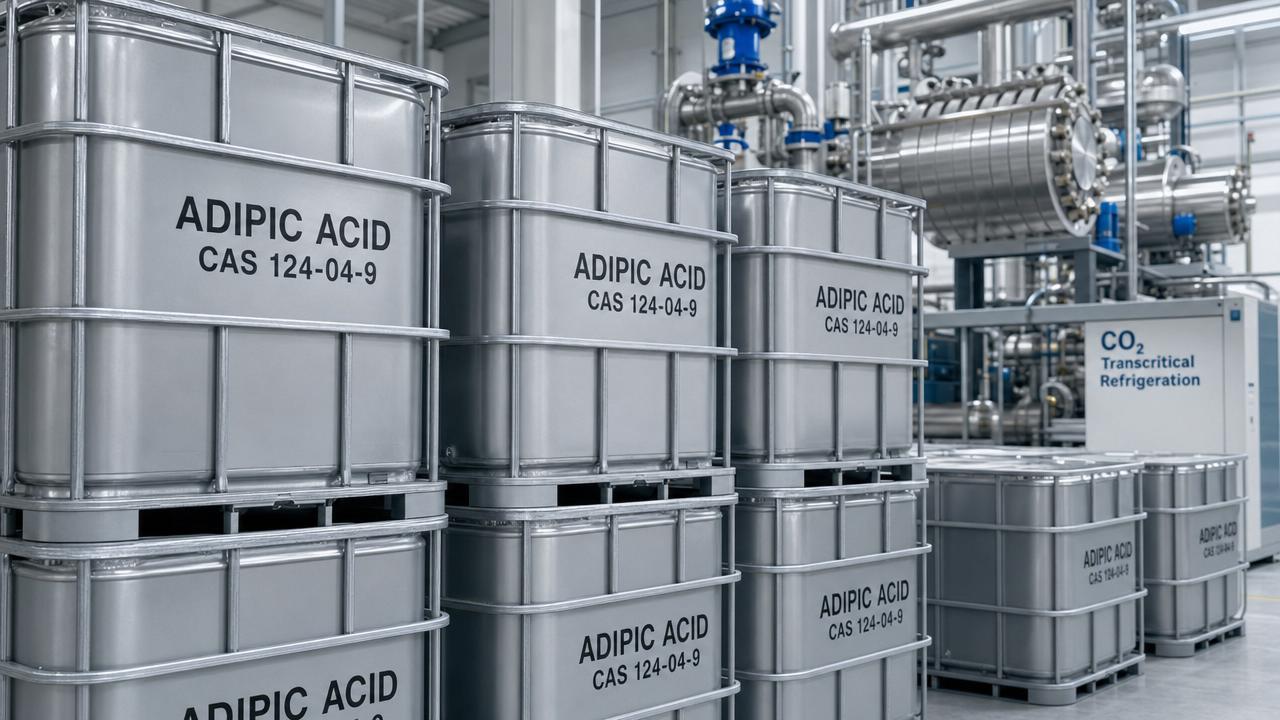
 CO2 Transcritical SystemsEU Imposes Final Anti-Dumping Duty on Chinese Adipic AcidAnalyst :Cold Chain Dynamics Scientist
 Multideck Display CabinetsColombia Launches Anti-Dumping Sunset Review on Chinese Acrylic SheetsAnalyst :Retail Refrigeration Strategist
 Magnetic Bearing ChillersMIIT Launches 2026 Industrial Energy Conservation InspectionAnalyst :Industrial Cooling Architect
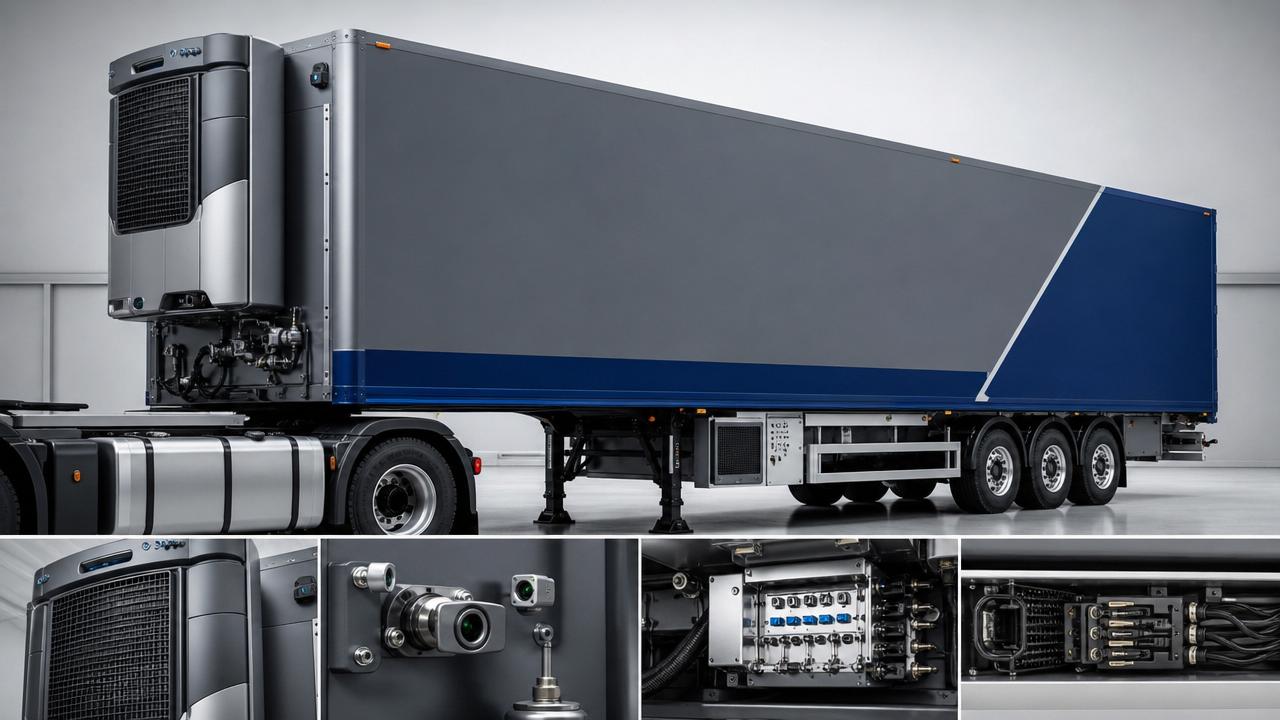
 Cold Chain & Retail Energy InsightsAPEC Auto Dialogue Sets New Standards for Smart Cold-Chain TrailersAnalyst :Mr. Julian Thorne
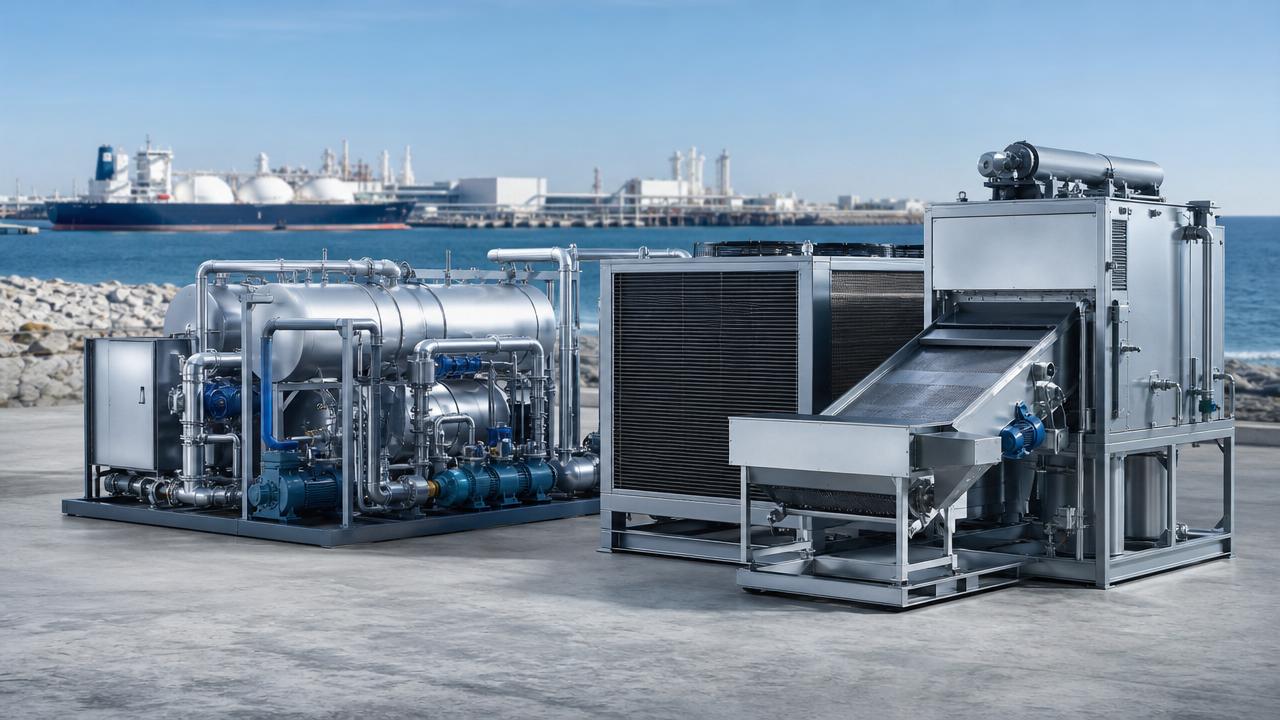
 Concrete Cooling Ice PlantsGlobal LNG Shortage Drives 23% Rise in Industrial Gas Costs for Ice PlantsAnalyst :Commercial Ice Tech Fellow