Industry News
Curation by industry experts
Hot Articles
- Thermodynamic Tech TrendsHow to Size Heat Exchange Systems for Refrigeration Plants at Peak Load
- Parallel Compressor RacksHow to Size Reciprocating Compressors for Cold Storage Load and Temperature Range
- Flake Ice MachinesHow to Size a Commercial Ice Dispenser for Peak Demand in Foodservice Operations
Popular Tags
Gree CO₂ Transcritical Units Gain EAC Certification for Central Asia
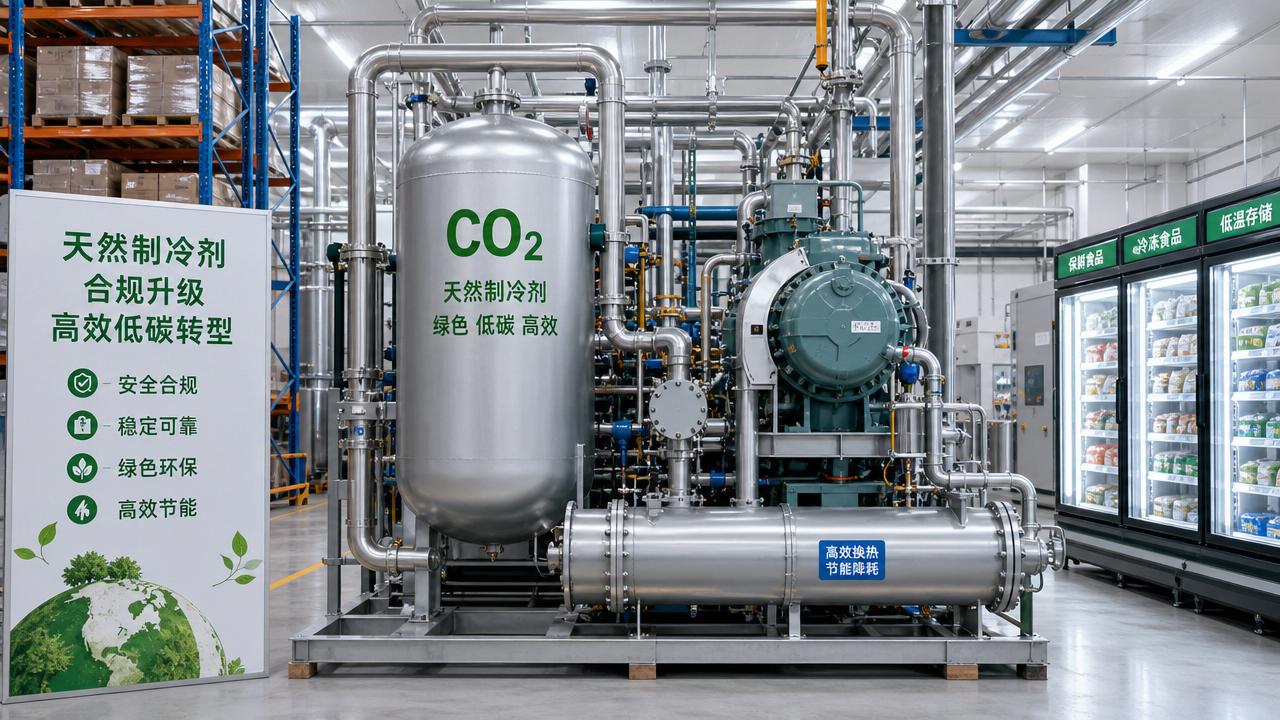
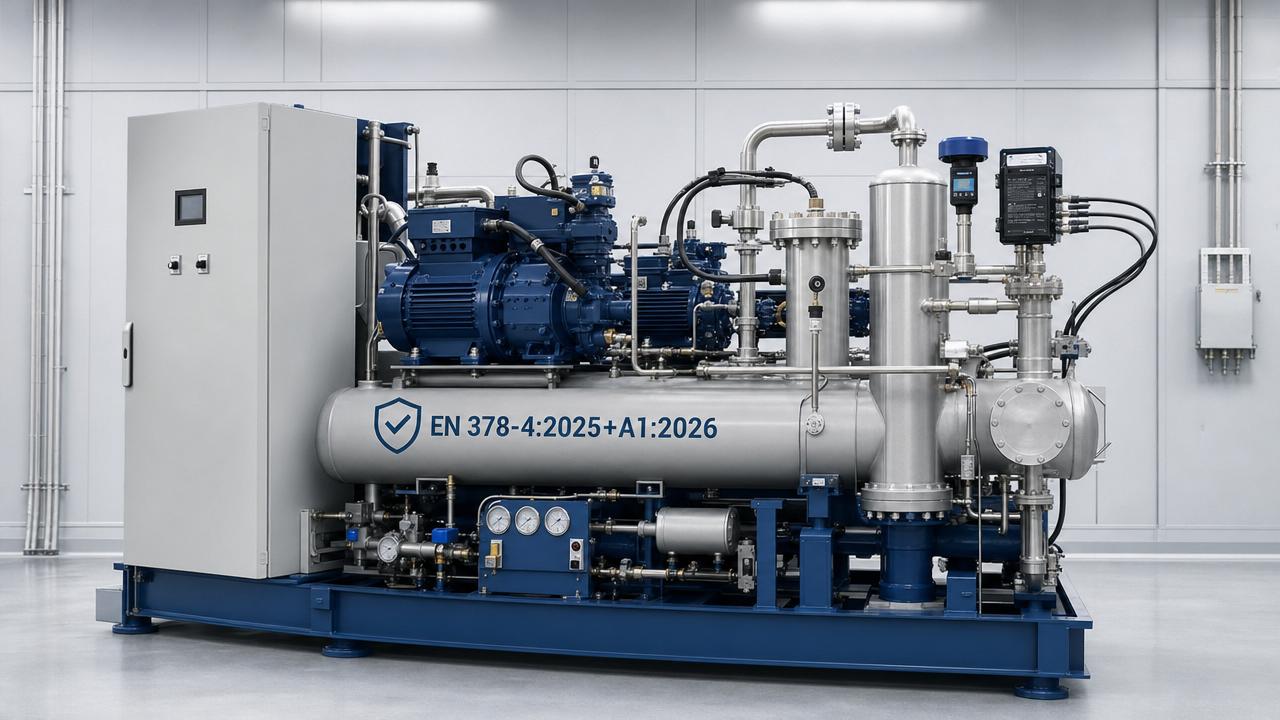
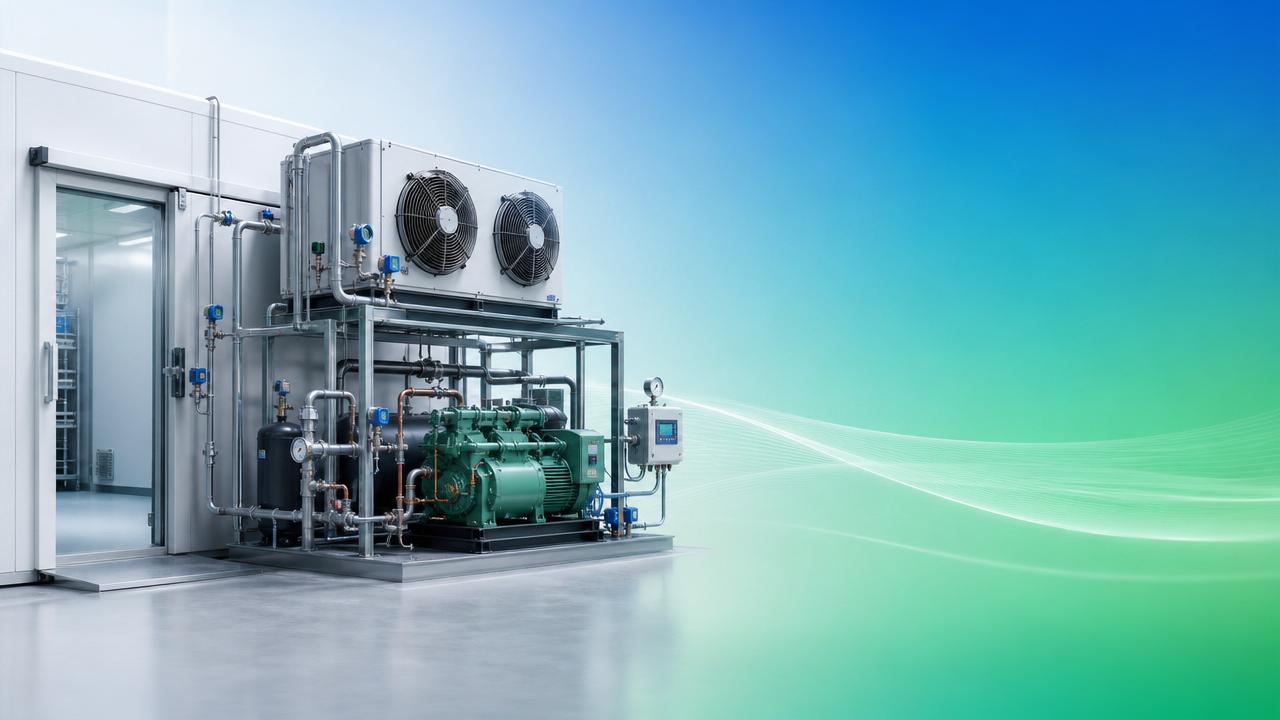
On May 25, 2026, Gree Refrigeration & Cold Chain announced that its CO₂ transcritical refrigeration systems have obtained the Eurasian Conformity (EAC) certification required for import into Kazakhstan — a key milestone enabling direct market access across the five Central Asian countries. This regulatory approval marks a significant advancement for low-carbon commercial cold chain equipment exports from China and reflects growing alignment between regional technical requirements and sustainable refrigeration technologies.
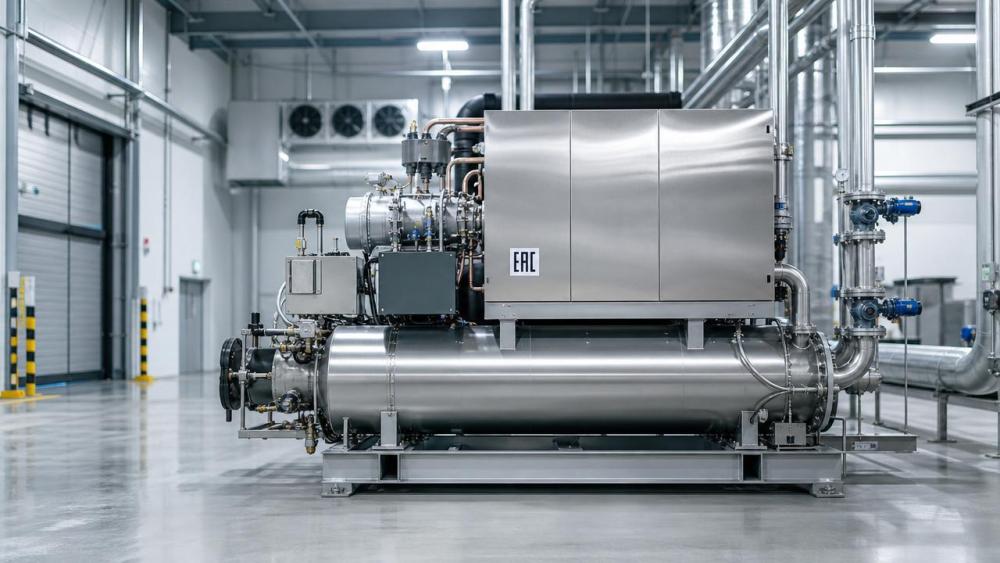
Certification Achieved and Scope Confirmed
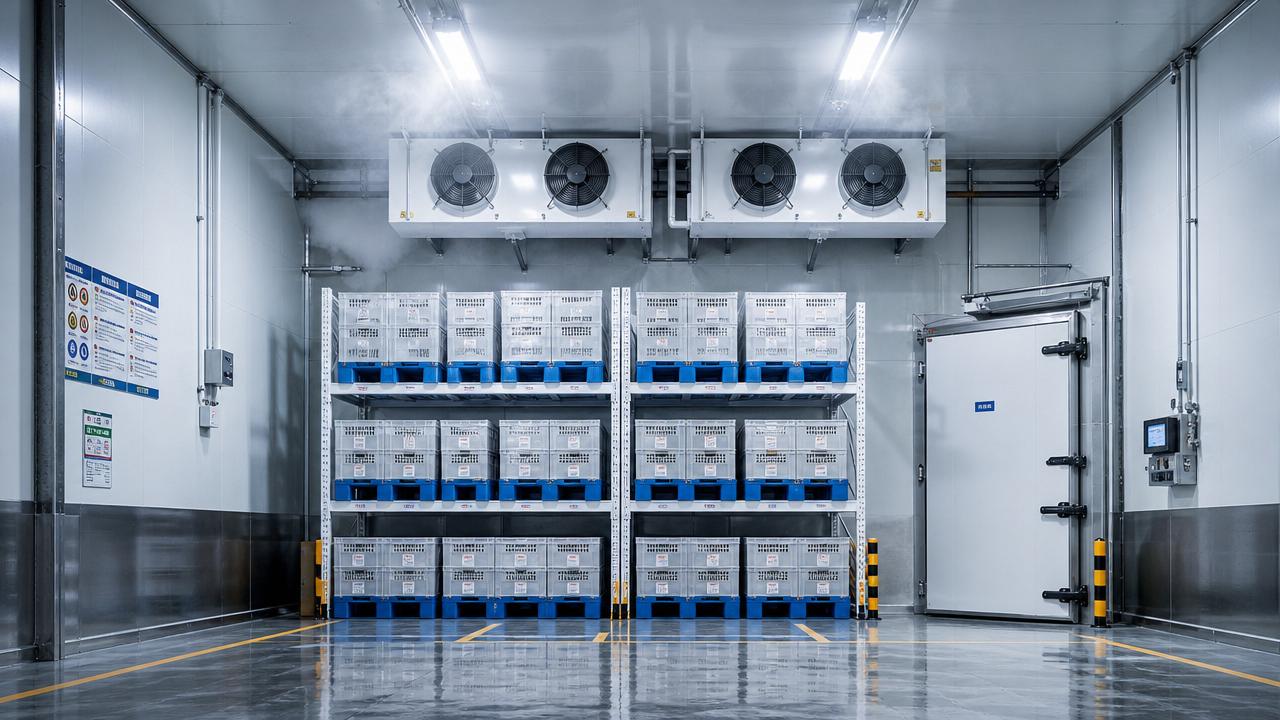
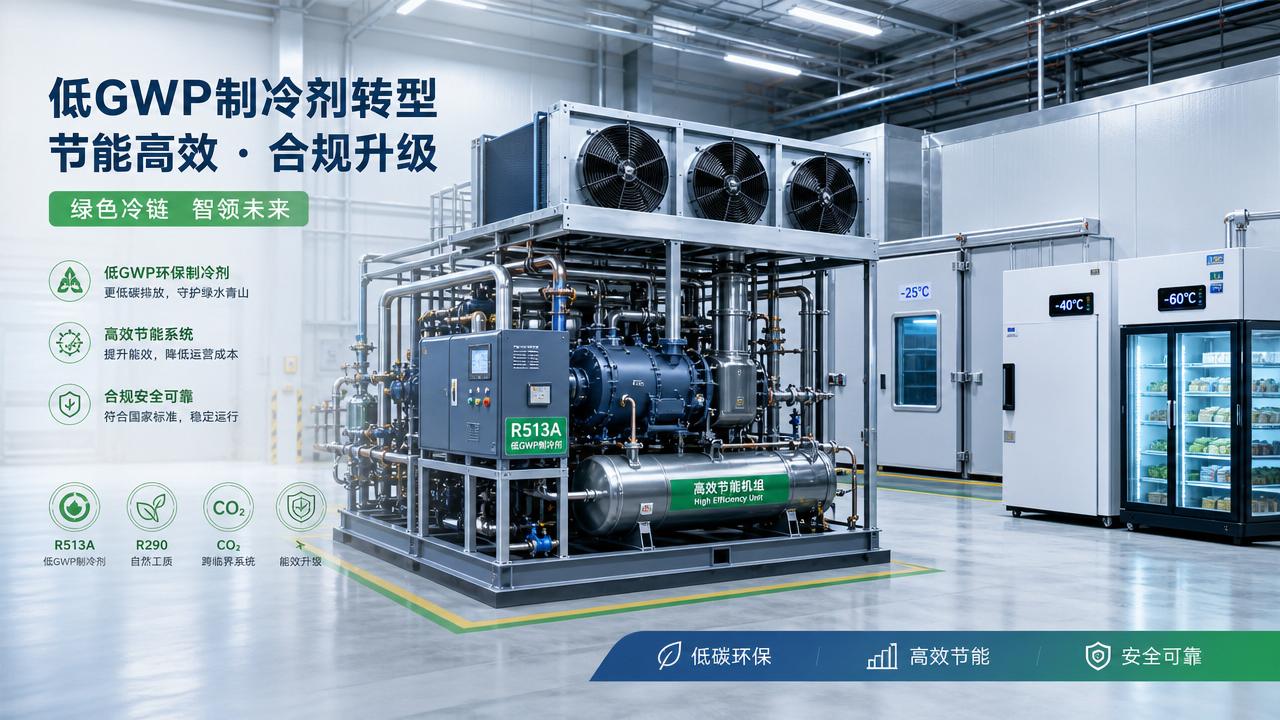
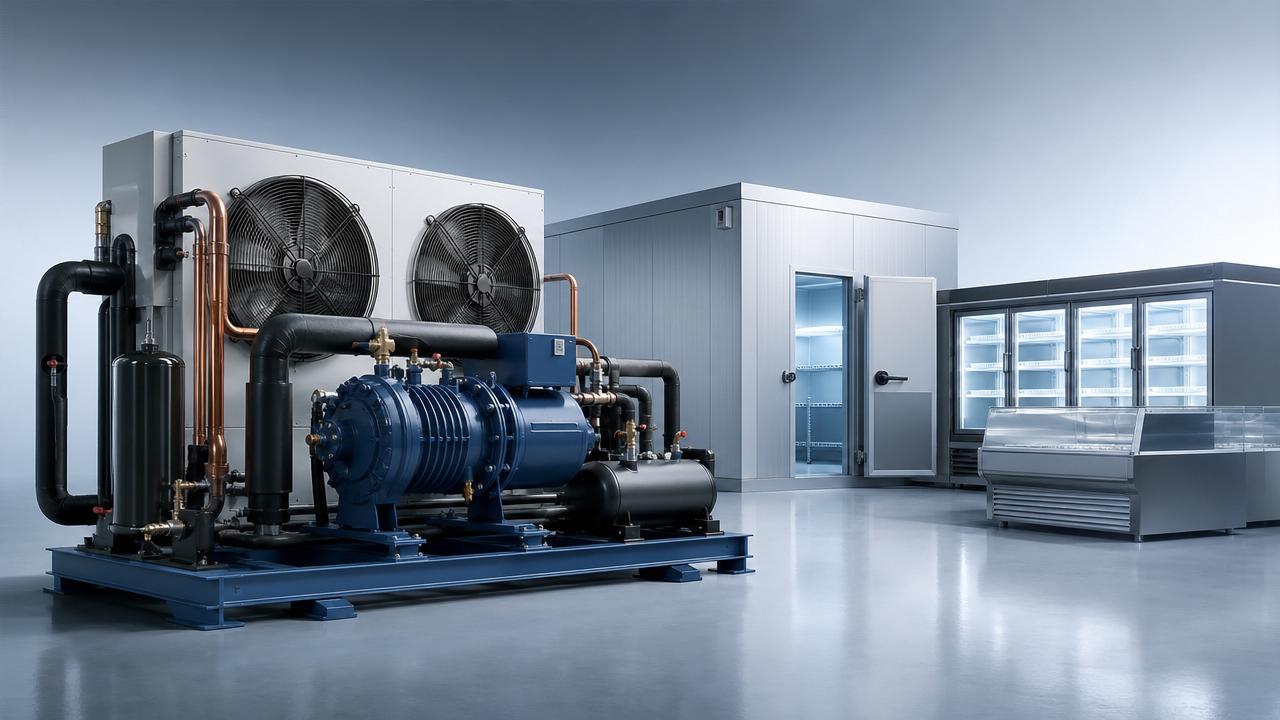
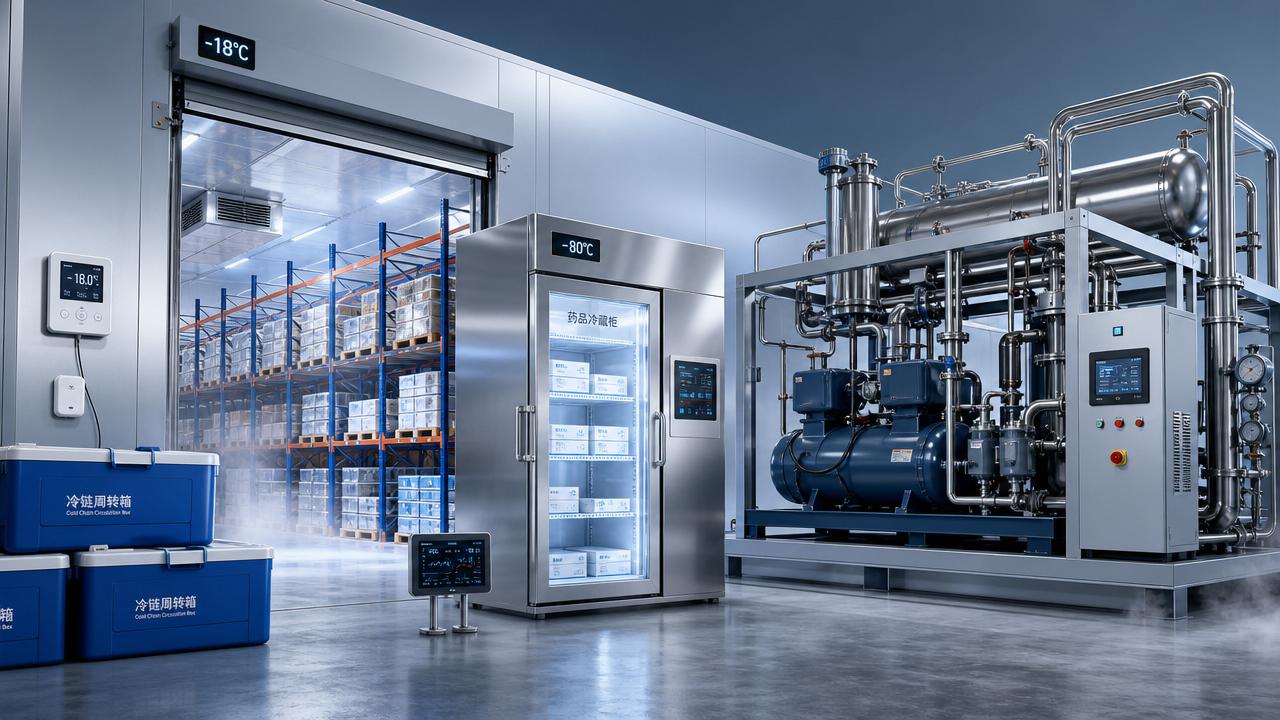
Gree’s CO₂ transcritical refrigeration systems received formal EAC certification from Kazakh authorities on May 25, 2026. The certification covers multi-temperature-zone cold storage facilities and logistics centers operating within -25 °C to -40 °C ranges. Notably, the approval explicitly waives mandatory local type-testing, thereby reducing customs clearance time for imports into the Eurasian Economic Union (EAEU) member states. As one of the first Chinese-made, fully integrated commercial cold chain systems cleared under this framework, the unit was showcased in alignment with the theme “Silk Road Connectivity, Cold Chain Integration” at the Third China Cold Chain Industry Expo (Xinjiang Edition).
Impact Across Supply Chain Roles
Direct Trading Enterprises
Importers and distributors in Central Asia now gain access to pre-certified, plug-and-play refrigeration systems — eliminating lengthy local compliance verification and accelerating project deployment. These enterprises must update procurement checklists to reflect EAC conformity as a non-negotiable requirement for new tenders and delivery schedules.
Raw Material Sourcing Companies
Suppliers of CO₂-compatible components — such as high-pressure compressors, stainless steel heat exchangers, and safety-rated valves — face rising demand for EAC-compliant sub-assemblies. Traceability documentation, material certifications (e.g., EN 10204 3.1), and pressure equipment directives (PED 2014/68/EU referenced in EAC TR CU 032) are becoming essential for upstream qualification.
Manufacturing and Assembly Firms
Domestic manufacturers exporting similar systems must now benchmark against Gree’s certification pathway — particularly regarding design validation under EAC TR CU 004 (low-voltage equipment), TR CU 010 (machinery safety), and TR CU 032 (pressure equipment). Compliance is no longer optional for entry into EAEU-regulated cold chain infrastructure projects.
Supply Chain Service Providers
Freight forwarders, customs brokers, and technical documentation agencies need updated expertise in EAC declaration procedures, including the use of authorized EAEU-based representatives and correct application of the EAC mark. Delays previously caused by missing conformity evidence or misclassified HS codes are now avoidable — but only with precise regulatory mapping per shipment.
Key Compliance and Operational Priorities
EAC Technical Documentation Readiness
Manufacturers targeting Central Asia must ensure full technical dossiers — including risk assessments, calculation reports, test certificates (e.g., ISO 5149-2:2023 for refrigerant safety), and user manuals in Russian — are finalized prior to shipment. Gree’s exemption from local type-testing underscores the value of robust pre-submission validation.
Supply Chain Alignment for CO₂-Specific Components
Given the high operating pressures of CO₂ transcritical systems, procurement teams must verify supplier compliance with EAC TR CU 032 Annexes, especially for welded joints, burst discs, and pressure vessel materials. Sub-tier certifications cannot be assumed — they require active verification.
Delivery Planning Under Reduced Clearance Timelines
With local testing waived, lead times shrink significantly. Exporters should revise logistics planning to reflect faster port-to-site handover — but only if all supporting documents (EAC Declaration of Conformity, Russian-language labeling, and factory test reports) are complete and consistent upon arrival.
Industry Perspective: Beyond Certification as a Checkbox
Analysis shows that Gree’s achievement signals a broader shift: EAC certification is evolving from a procedural gatekeeper into a strategic enabler for climate-aligned technologies. Observably, regulators in the EAEU are increasingly recognizing CO₂ as a preferred refrigerant under sustainability frameworks — making technical compliance not just about safety, but also about environmental policy alignment. It is more appropriate to understand this development as an early indicator of tightening linkage between green procurement policies and mandatory conformity regimes across emerging markets.
Strategic Implications for Cold Chain Expansion
This certification does not guarantee automatic market share — but it establishes a replicable, standards-based pathway for Chinese cold chain OEMs entering regulated Eurasian infrastructure markets. Its true significance lies in de-risking technical market entry, lowering compliance uncertainty, and reinforcing CO₂ technology as commercially viable under stringent regional safety and environmental expectations. Continued success will depend less on isolated approvals and more on sustained alignment with evolving EAEU technical regulations and local after-sales support capacity.
Source Attribution and Monitoring Notes
This article is based exclusively on the provided information: title, event date (May 25, 2026), and summary text. Specific official source links were not provided in the input and should be verified continuously. Stakeholders are advised to monitor updates to EAC TR CU 032 implementation guidelines, tender specifications issued by Central Asian state-owned logistics operators, and feedback from the Eurasian Economic Commission regarding CO₂ system classification clarity.
Recommended News
 Cold Chain & Retail Energy InsightsWhen Does Cold Storage Stop Saving Energy and Start Losing It?Analyst :Mr. Julian Thorne
 Thermodynamic Tech TrendsTemperature Control Problems That Quietly Ruin Product QualityAnalyst :Prof. Sarah Lin
 Cold Chain & Retail Energy InsightsCommercial Refrigeration Upgrades: Which Costs Are Easy to Miss?Analyst :Mr. Julian Thorne
 Flake Ice MachinesWhy Some Commercial Ice Machines Cost More After InstallationAnalyst :Commercial Ice Tech Fellow
 Multideck Display CabinetsCommercial Freezers: Is Lower Temperature Always Better?Analyst :Retail Refrigeration Strategist
 Precision ChillersIndustrial Chillers: What Causes Performance Gaps in Summer?Analyst :Industrial Cooling Architect
 Concrete Cooling Ice PlantsIndustrial Ice Makers: What Separates Stable Output From Downtime?Analyst :Commercial Ice Tech Fellow
 Cold Chain & Retail Energy InsightsCold Chain Logistics Failures Often Start With Small Temperature SwingsAnalyst :Mr. Julian Thorne
 Air/Water-cooled ScrewIndustrial Cooling Systems: When Oversizing Becomes a Cost ProblemAnalyst :Industrial Cooling Architect
 Flake Ice MachinesFlake Ice Machines vs Other Ice Types for Fast Heat RemovalAnalyst :Commercial Ice Tech Fellow
 Multideck Display CabinetsWhy Refrigeration Cabinets Lose Efficiency Faster Than ExpectedAnalyst :Retail Refrigeration Strategist
 Smart Evaporator SystemsTemperature Control Systems: Which Alerts Actually Prevent Losses?Analyst :Cold Chain Dynamics Scientist
 Tube Ice MachinesTube Ice Machines: What Affects Ice Uniformity and Melt Rate?Analyst :Commercial Ice Tech Fellow
 Parallel Compressor RacksIndustrial Refrigeration Retrofits: Repair or Replace This Year?Analyst :Cold Chain Dynamics Scientist
 CO2 Transcritical SystemsCO2 Refrigeration: Where It Pays Off and Where It Still StrugglesAnalyst :Cold Chain Dynamics Scientist
 Eco-Refrigerant & ComplianceF-Gas Regulations Are Changing Equipment Choices Faster Than ExpectedAnalyst :Dr. Henrik Weber
 Cascade Refrigeration SystemsWhy Refrigeration Systems Keep Short Cycling After CommissioningAnalyst :Cryogenic Preservation Expert
 Eco-Refrigerant & ComplianceEco-Friendly Refrigeration: What Looks Green but Performs Poorly?Analyst :Dr. Henrik Weber
 Eco-Refrigerant & ComplianceNatural Refrigerants: Are Compliance Benefits Worth the Transition Cost?Analyst :Dr. Henrik Weber
 Cold Chain & Retail Energy InsightsCold Storage Solutions That Fit Expansion Plans Without OverbuildingAnalyst :Mr. Julian Thorne
 CO2 Transcritical SystemsEU F-Gas Regulation Revision Effective Oct 2026, CO₂ Transcritical Certification Window NarrowsAnalyst :Cold Chain Dynamics Scientist
 Multideck Display CabinetsMIIT Launches 2026 Industrial Energy Conservation InspectionAnalyst :Retail Refrigeration Strategist
 -86℃ ULT FreezersGlobal Deep-Sea Tuna Fishing Season Starts Early; China’s -86°C ULT Vessel Orders Surge 300%Analyst :Cryogenic Preservation Expert
 Magnetic Bearing ChillersDOE Updates ASHRAE 90.1-2025 Appendix: Maglev Chiller Efficiency Up 12%Analyst :Industrial Cooling Architect
 Tube Ice MachinesMiddle East Heatwave Boosts Chinese Tube Ice Machine ExportsAnalyst :Commercial Ice Tech Fellow
 Air/Water-cooled ScrewWhen does a variable frequency screw cut cooling costs?Analyst :Industrial Cooling Architect
 -86℃ ULT FreezersWhy is medical cryogenic storage under stricter review?Analyst :Cryogenic Preservation Expert
 Multideck Display CabinetsCan air curtain refrigeration really reduce display losses?Analyst :Retail Refrigeration Strategist
 Flake Ice MachinesWhat affects flake ice production more than output specs?Analyst :Commercial Ice Tech Fellow
 Deep-sea Fishery FreezersDeep cryogenic storage failures often start unnoticedAnalyst :Cryogenic Preservation Expert
 Microclimate ModulesHow anti-fog technology changes cold display performanceAnalyst :Retail Refrigeration Strategist
 Cold Chain & Retail Energy InsightsEnergy efficient cooling is not always the cheaper optionAnalyst :Mr. Julian Thorne
 Eco-Refrigerant & ComplianceWhat drives low carbon refrigeration adoption in 2026?Analyst :Dr. Henrik Weber
 Magnetic Bearing ChillersAre magnetic bearing chillers worth the upfront premium?Analyst :Industrial Cooling Architect
 Cold Chain & Retail Energy InsightsCold chain technology gaps still cause avoidable spoilageAnalyst :Mr. Julian Thorne
 CO2 Transcritical SystemsEU Imposes Final Anti-Dumping Duty on Chinese Adipic AcidAnalyst :Cold Chain Dynamics Scientist
 Multideck Display CabinetsColombia Launches Anti-Dumping Sunset Review on Chinese Acrylic SheetsAnalyst :Retail Refrigeration Strategist
 Magnetic Bearing ChillersMIIT Launches 2026 Industrial Energy Conservation InspectionAnalyst :Industrial Cooling Architect
 Cold Chain & Retail Energy InsightsAPEC Auto Dialogue Sets New Standards for Smart Cold-Chain TrailersAnalyst :Mr. Julian Thorne
 Concrete Cooling Ice PlantsGlobal LNG Shortage Drives 23% Rise in Industrial Gas Costs for Ice PlantsAnalyst :Commercial Ice Tech Fellow