Industry News
Curation by industry experts
Hot Articles
- Thermodynamic Tech TrendsHow to Size Heat Exchange Systems for Refrigeration Plants at Peak Load
- Parallel Compressor RacksHow to Size Reciprocating Compressors for Cold Storage Load and Temperature Range
- Flake Ice MachinesHow to Size a Commercial Ice Dispenser for Peak Demand in Foodservice Operations
Popular Tags
Kuwait Bans HCFC & High-GWP HFC Air Conditioners, Boosting CO₂ System Adoption
Kuwait has implemented a nationwide import ban on air conditioning units and condensing units containing HCFCs (e.g., R22) and high-global-warming-potential HFCs (e.g., R410A, R134a), effective 1 May 2026. This regulatory shift directly impacts HVAC manufacturers, exporters, and system integrators operating in or targeting the Gulf market, driven by national climate commitments and alignment with the Kigali Amendment to the Montreal Protocol.
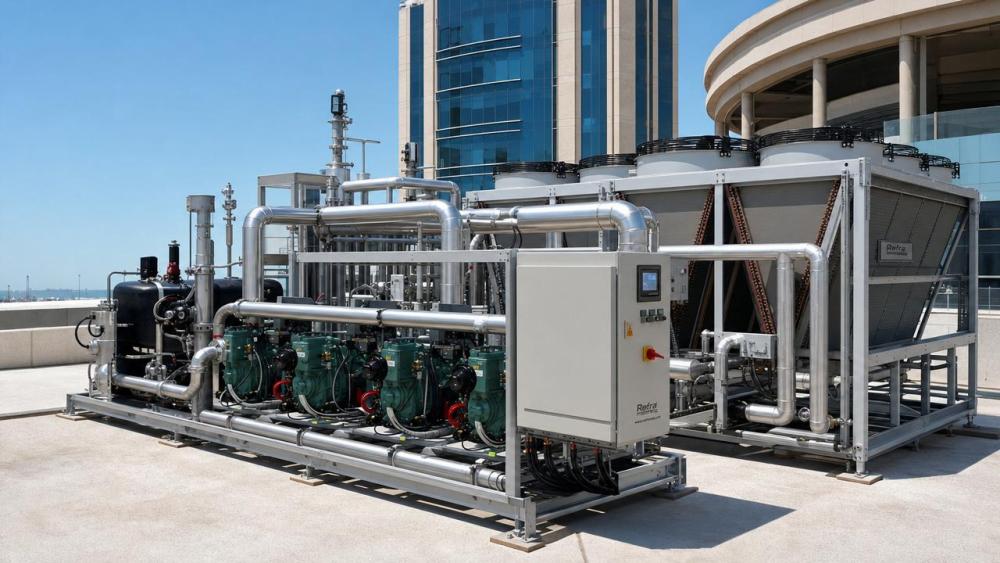
Regulatory Framework Enacted as of 1 May 2026
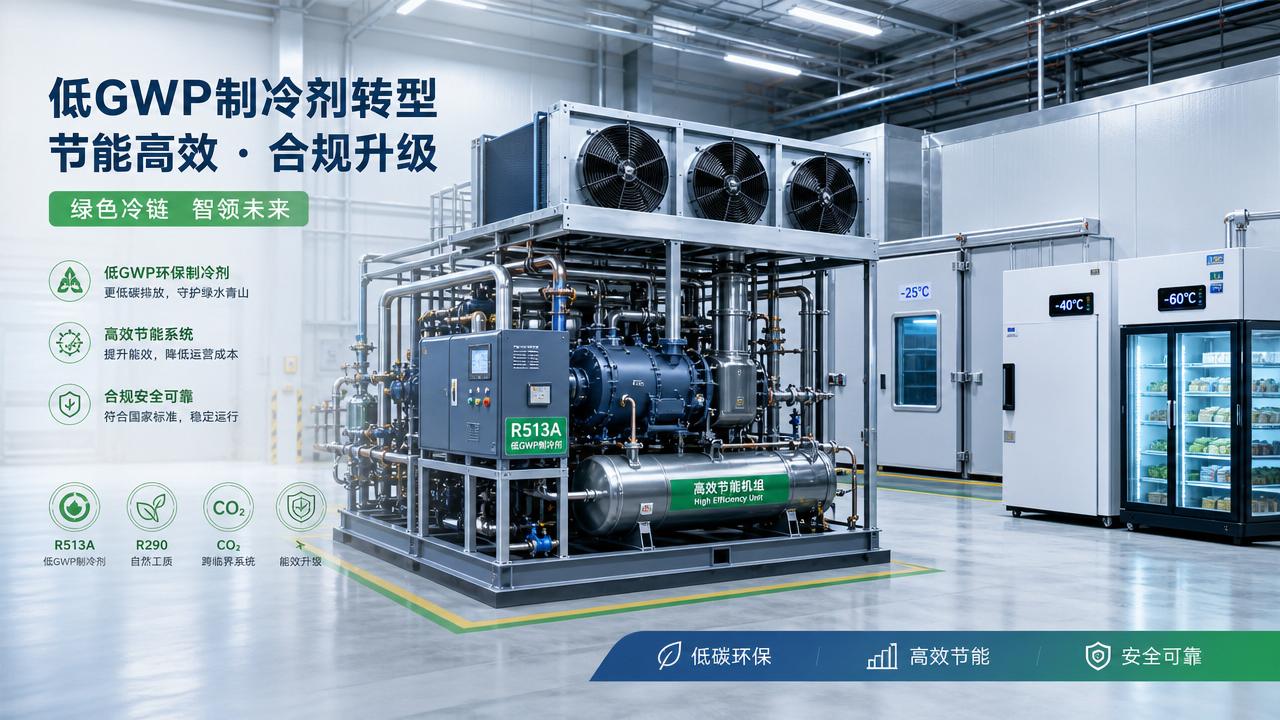
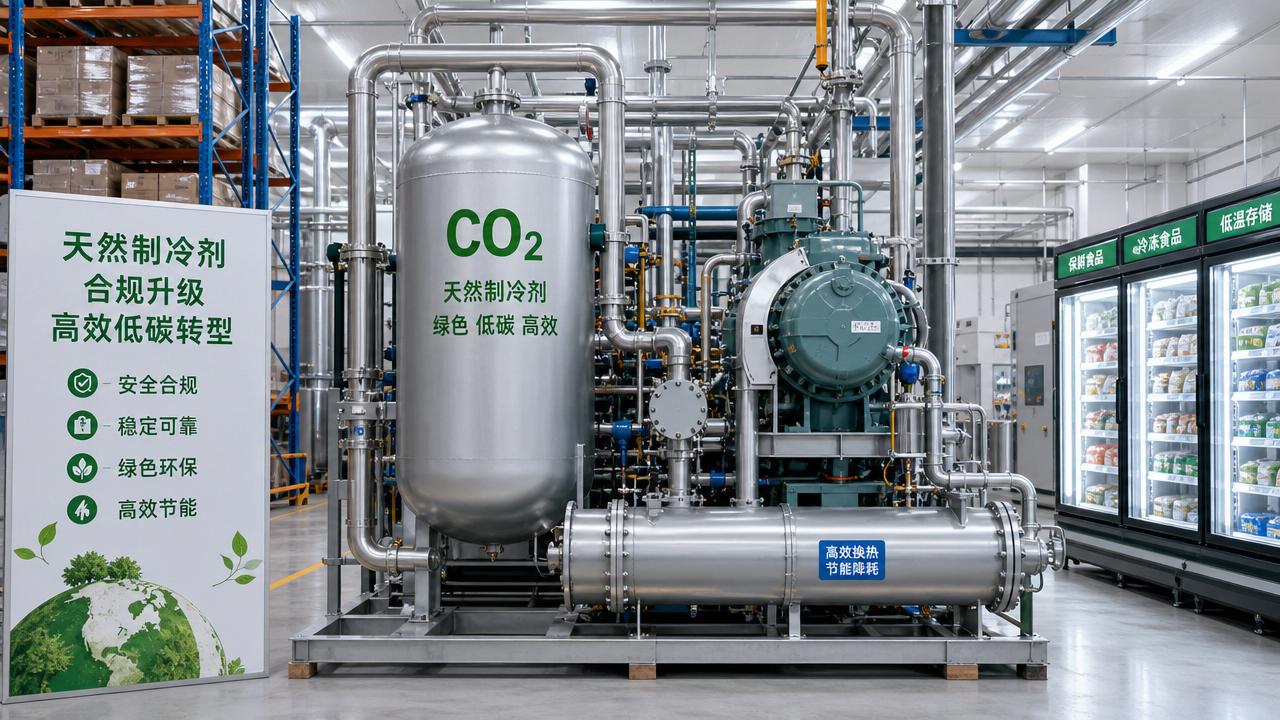
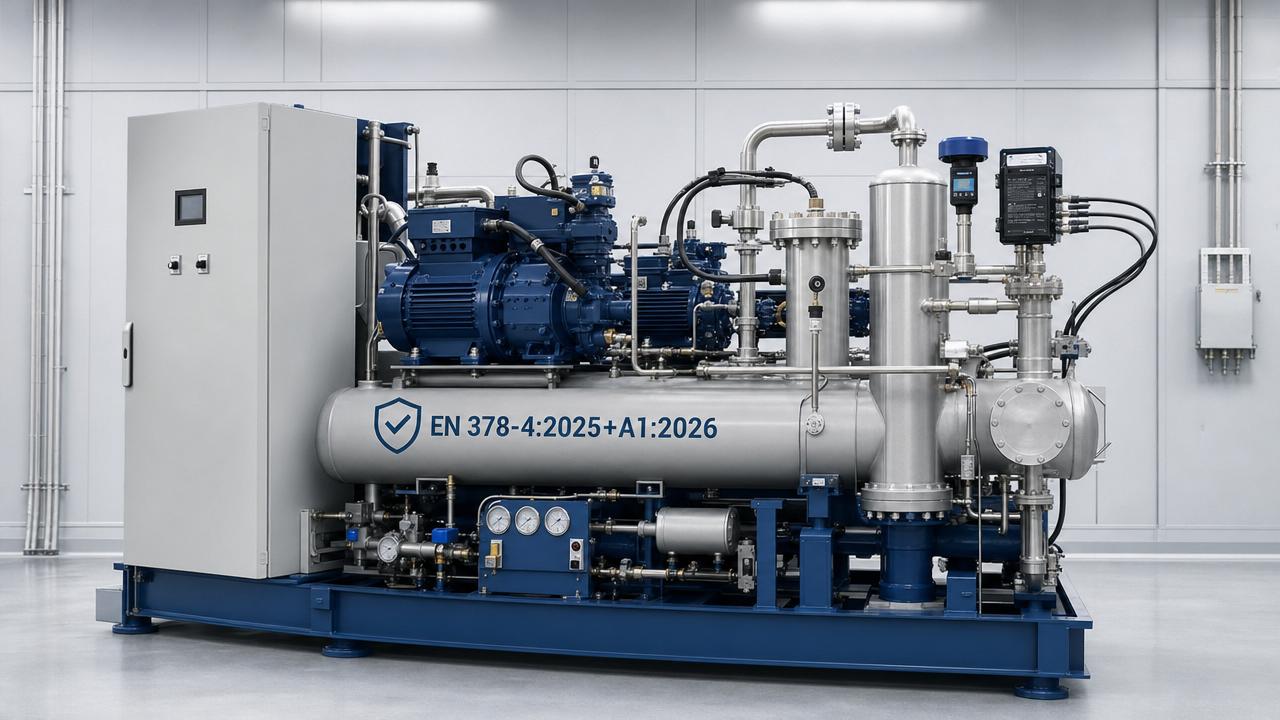
Beginning 1 May 2026, Kuwait prohibits the import of all air conditioners and associated condensing units that rely on HCFCs—including R22—and high-GWP HFCs such as R410A and R134a. New commercial refrigeration installations must adopt either CO₂ transcritical systems or propane (R290)-based solutions. The regulation applies to both finished equipment and major subassemblies intended for final assembly in Kuwait. Chinese manufacturers of CO₂ transcritical systems are now eligible for market entry—but only upon successful completion of dual certification by KOWEPA (Kuwait Water and Electricity Authority) covering energy efficiency and safety compliance.
Impact Across Supply Chain Roles
Export-oriented trading enterprises
These firms face immediate shifts in product eligibility criteria: legacy HCFC/HFC-based units can no longer be cleared through Kuwaiti customs after the deadline. Trade documentation, certificates of origin, and refrigerant declarations must now explicitly verify CO₂ or R290 compliance—failure risks shipment rejection or re-export penalties.
Raw material and component procurement entities
Procurement teams must reassess supply chains for compressors, heat exchangers, valves, and controls compatible with transcritical CO₂ operating conditions—including high-pressure ratings (up to 130 bar), low-temperature lubrication stability, and corrosion resistance. Sourcing decisions now hinge on technical compatibility, not just cost or lead time.
Equipment manufacturing enterprises
Manufacturers must redesign or validate existing CO₂ transcritical platforms for KOWEPA’s specific test protocols—covering part-load efficiency (IPLV), noise emission limits, pressure relief integrity, and electrical safety under desert ambient conditions (up to 55°C). Production lines may require recalibration and new quality control checkpoints.
Supply chain service providers
Logistics, testing laboratories, and certification support agencies must expand capacity for KOWEPA-mandated assessments—including third-party witnessed testing, bilingual technical file preparation (Arabic/English), and post-certification surveillance audits. Lead times for certification services are expected to tighten significantly ahead of the implementation date.
Key Compliance Priorities for Exporters
Secure KOWEPA dual certification before shipment
KOWEPA’s energy efficiency and safety certifications are non-transferable, model-specific, and require full-system testing—not component-level approvals. Manufacturers must submit complete technical dossiers, including refrigerant charge verification, pressure vessel design calculations (per ASME BPVC Section VIII), and IPLV test reports conducted under Kuwaiti climatic reference conditions.
Validate system performance under GCC service conditions
CO₂ transcritical systems must demonstrate stable operation and acceptable COP across ambient temperatures ranging from 20°C to 55°C. Field validation data—especially during summer peak load—is increasingly requested during tender evaluations and may influence KOWEPA’s acceptance of factory test results.
Align technical specifications with upcoming public tenders
Major infrastructure projects—including new hospitals, airports, and government buildings—are beginning to reference CO₂/R290 requirements in draft technical bids. Exporters should proactively map their certified models against anticipated tender clauses on refrigerant GWP thresholds (
Industry Perspective: A Strategic Inflection Point
Analysis shows this is not merely a local restriction but a signal of accelerated regional decarbonisation in cooling infrastructure. From an industry perspective, Kuwait’s move sets a precedent likely to influence Saudi Arabia’s SASO standards revision and UAE’s ESTIDAMA updates in 2027–2028. What deserves closer attention is the compressed timeline: KOWEPA’s certification process typically requires 12–16 weeks—leaving little margin for late-stage design adjustments. Observably, manufacturers with pre-validated CO₂ platform architectures and Arabic-language technical documentation pipelines hold a decisive advantage. It is more appropriate to understand this as a structural shift toward performance-based, climate-aligned procurement—not just a refrigerant substitution mandate.
Strategic Implications for Global Cooling Markets
This regulation marks a pivotal step in the Middle East’s transition from hydrofluorocarbon-dependent cooling to low-GWP alternatives. For international suppliers, it underscores that compliance is no longer optional—it is the baseline for market access. For regional stakeholders, it signals growing technical confidence in CO₂ transcritical technology at scale. While challenges remain—particularly around service technician training and spare parts logistics—the policy establishes clear directionality: sustainability, safety, and system-level performance now define competitiveness in Gulf HVAC markets.
Source Attribution & Verification Guidance
This article synthesises the provided title, event date (1 May 2026), and factual summary. Specific official source links were not provided in the input and should be verified continuously. Stakeholders are advised to monitor updates from KOWEPA, the Kuwait Ministry of Electricity and Water, and the Gulf Standardization Organization (GSO) for detailed technical annexes, certification application procedures, and transitional provisions. Ongoing observation is warranted for implementation guidance documents, enforcement practices, and sectoral feedback from early adopters.
Recommended News
 Cold Chain & Retail Energy InsightsWhen Does Cold Storage Stop Saving Energy and Start Losing It?Analyst :Mr. Julian Thorne
 Thermodynamic Tech TrendsTemperature Control Problems That Quietly Ruin Product QualityAnalyst :Prof. Sarah Lin
 Cold Chain & Retail Energy InsightsCommercial Refrigeration Upgrades: Which Costs Are Easy to Miss?Analyst :Mr. Julian Thorne
 Flake Ice MachinesWhy Some Commercial Ice Machines Cost More After InstallationAnalyst :Commercial Ice Tech Fellow
 Multideck Display CabinetsCommercial Freezers: Is Lower Temperature Always Better?Analyst :Retail Refrigeration Strategist
 Precision ChillersIndustrial Chillers: What Causes Performance Gaps in Summer?Analyst :Industrial Cooling Architect
 Concrete Cooling Ice PlantsIndustrial Ice Makers: What Separates Stable Output From Downtime?Analyst :Commercial Ice Tech Fellow
 Cold Chain & Retail Energy InsightsCold Chain Logistics Failures Often Start With Small Temperature SwingsAnalyst :Mr. Julian Thorne
 Air/Water-cooled ScrewIndustrial Cooling Systems: When Oversizing Becomes a Cost ProblemAnalyst :Industrial Cooling Architect
 Flake Ice MachinesFlake Ice Machines vs Other Ice Types for Fast Heat RemovalAnalyst :Commercial Ice Tech Fellow
 Multideck Display CabinetsWhy Refrigeration Cabinets Lose Efficiency Faster Than ExpectedAnalyst :Retail Refrigeration Strategist
 Smart Evaporator SystemsTemperature Control Systems: Which Alerts Actually Prevent Losses?Analyst :Cold Chain Dynamics Scientist
 Tube Ice MachinesTube Ice Machines: What Affects Ice Uniformity and Melt Rate?Analyst :Commercial Ice Tech Fellow
 Parallel Compressor RacksIndustrial Refrigeration Retrofits: Repair or Replace This Year?Analyst :Cold Chain Dynamics Scientist
 CO2 Transcritical SystemsCO2 Refrigeration: Where It Pays Off and Where It Still StrugglesAnalyst :Cold Chain Dynamics Scientist
 Eco-Refrigerant & ComplianceF-Gas Regulations Are Changing Equipment Choices Faster Than ExpectedAnalyst :Dr. Henrik Weber
 Cascade Refrigeration SystemsWhy Refrigeration Systems Keep Short Cycling After CommissioningAnalyst :Cryogenic Preservation Expert
 Eco-Refrigerant & ComplianceEco-Friendly Refrigeration: What Looks Green but Performs Poorly?Analyst :Dr. Henrik Weber
 Eco-Refrigerant & ComplianceNatural Refrigerants: Are Compliance Benefits Worth the Transition Cost?Analyst :Dr. Henrik Weber
 Cold Chain & Retail Energy InsightsCold Storage Solutions That Fit Expansion Plans Without OverbuildingAnalyst :Mr. Julian Thorne
 CO2 Transcritical SystemsEU F-Gas Regulation Revision Effective Oct 2026, CO₂ Transcritical Certification Window NarrowsAnalyst :Cold Chain Dynamics Scientist
 Multideck Display CabinetsMIIT Launches 2026 Industrial Energy Conservation InspectionAnalyst :Retail Refrigeration Strategist
 -86℃ ULT FreezersGlobal Deep-Sea Tuna Fishing Season Starts Early; China’s -86°C ULT Vessel Orders Surge 300%Analyst :Cryogenic Preservation Expert
 Magnetic Bearing ChillersDOE Updates ASHRAE 90.1-2025 Appendix: Maglev Chiller Efficiency Up 12%Analyst :Industrial Cooling Architect
 Tube Ice MachinesMiddle East Heatwave Boosts Chinese Tube Ice Machine ExportsAnalyst :Commercial Ice Tech Fellow
 Air/Water-cooled ScrewWhen does a variable frequency screw cut cooling costs?Analyst :Industrial Cooling Architect
 -86℃ ULT FreezersWhy is medical cryogenic storage under stricter review?Analyst :Cryogenic Preservation Expert
 Multideck Display CabinetsCan air curtain refrigeration really reduce display losses?Analyst :Retail Refrigeration Strategist
 Flake Ice MachinesWhat affects flake ice production more than output specs?Analyst :Commercial Ice Tech Fellow
 Deep-sea Fishery FreezersDeep cryogenic storage failures often start unnoticedAnalyst :Cryogenic Preservation Expert
 Microclimate ModulesHow anti-fog technology changes cold display performanceAnalyst :Retail Refrigeration Strategist
 Cold Chain & Retail Energy InsightsEnergy efficient cooling is not always the cheaper optionAnalyst :Mr. Julian Thorne
 Eco-Refrigerant & ComplianceWhat drives low carbon refrigeration adoption in 2026?Analyst :Dr. Henrik Weber
 Magnetic Bearing ChillersAre magnetic bearing chillers worth the upfront premium?Analyst :Industrial Cooling Architect
 Cold Chain & Retail Energy InsightsCold chain technology gaps still cause avoidable spoilageAnalyst :Mr. Julian Thorne
 CO2 Transcritical SystemsEU Imposes Final Anti-Dumping Duty on Chinese Adipic AcidAnalyst :Cold Chain Dynamics Scientist
 Multideck Display CabinetsColombia Launches Anti-Dumping Sunset Review on Chinese Acrylic SheetsAnalyst :Retail Refrigeration Strategist
 Magnetic Bearing ChillersMIIT Launches 2026 Industrial Energy Conservation InspectionAnalyst :Industrial Cooling Architect
 Cold Chain & Retail Energy InsightsAPEC Auto Dialogue Sets New Standards for Smart Cold-Chain TrailersAnalyst :Mr. Julian Thorne
 Concrete Cooling Ice PlantsGlobal LNG Shortage Drives 23% Rise in Industrial Gas Costs for Ice PlantsAnalyst :Commercial Ice Tech Fellow