Industry News
Curation by industry experts
Hot Articles
- Thermodynamic Tech TrendsHow to Size Heat Exchange Systems for Refrigeration Plants at Peak Load
- Parallel Compressor RacksHow to Size Reciprocating Compressors for Cold Storage Load and Temperature Range
- Flake Ice MachinesHow to Size a Commercial Ice Dispenser for Peak Demand in Foodservice Operations
Popular Tags
Middle East Tube Ice Machine Orders Surge, Lead Times Extend to 14 Weeks
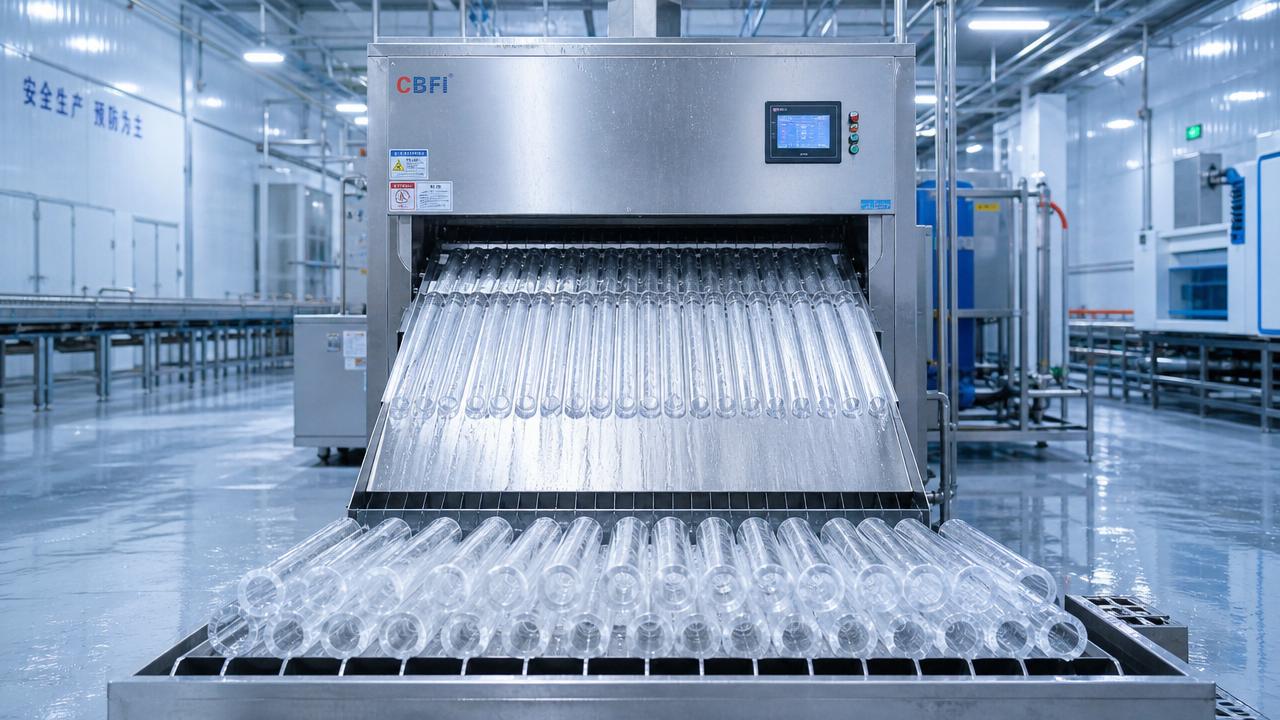
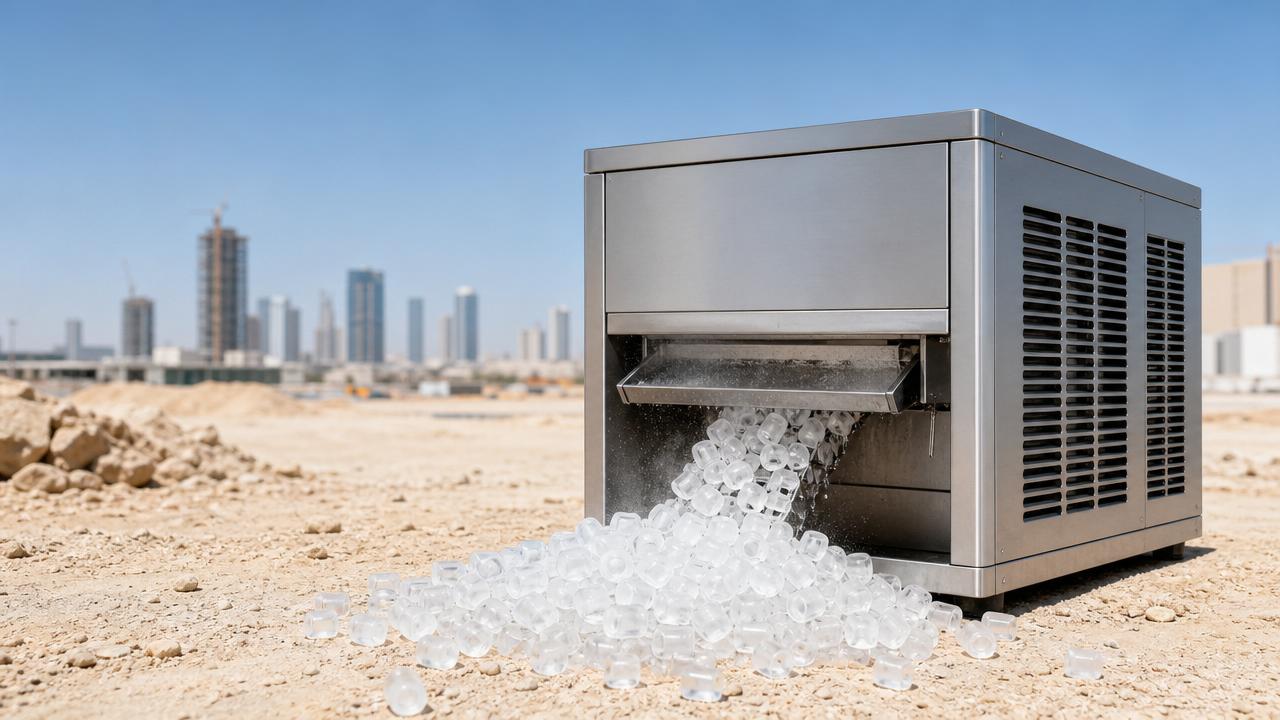
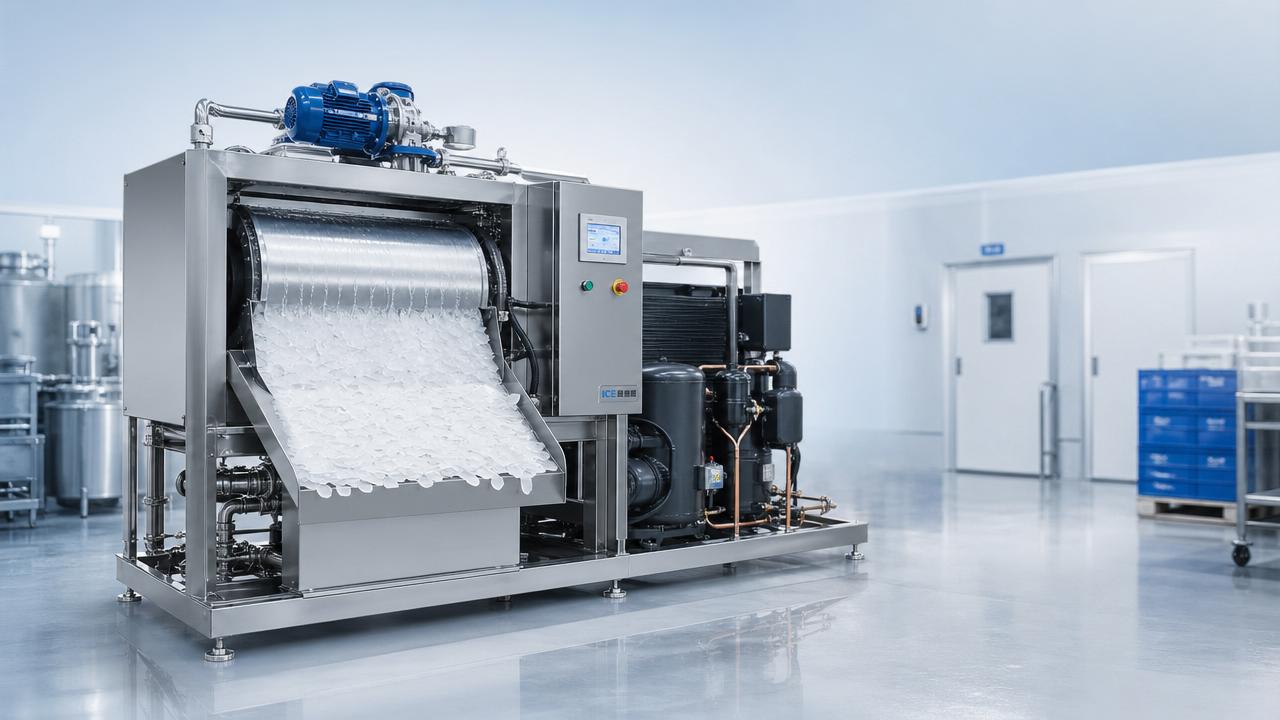
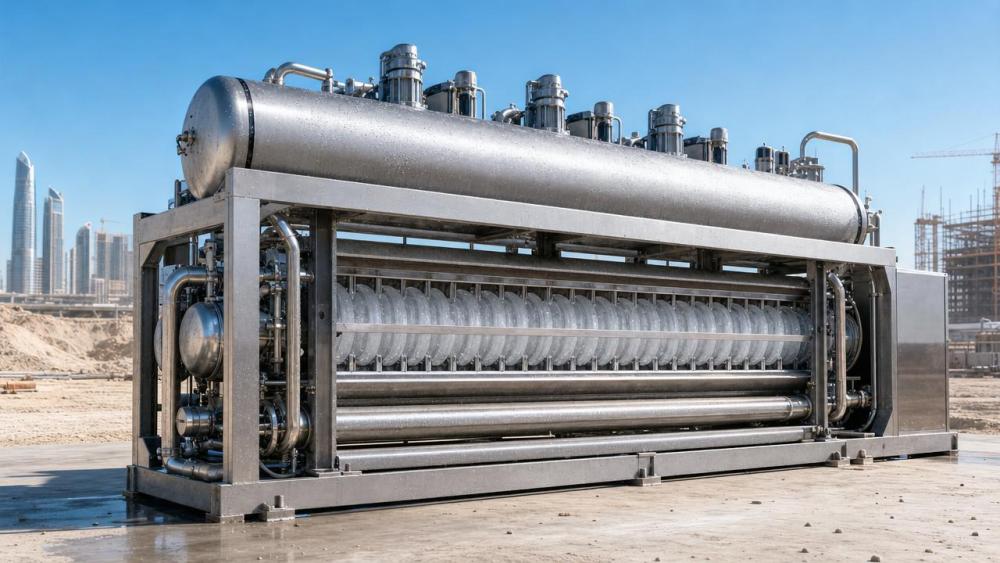
As of May 30, 2026, orders for high-capacity tube ice machines (≥100 t/d) in the Middle East have surged—driven by concrete cooling demand from NEOM Phase II in Saudi Arabia and the Duqm Industrial Port project in Oman. This development is especially relevant for manufacturers, exporters, cold chain logistics providers, and construction materials suppliers engaged in large-scale infrastructure projects across arid climates.
Event Overview
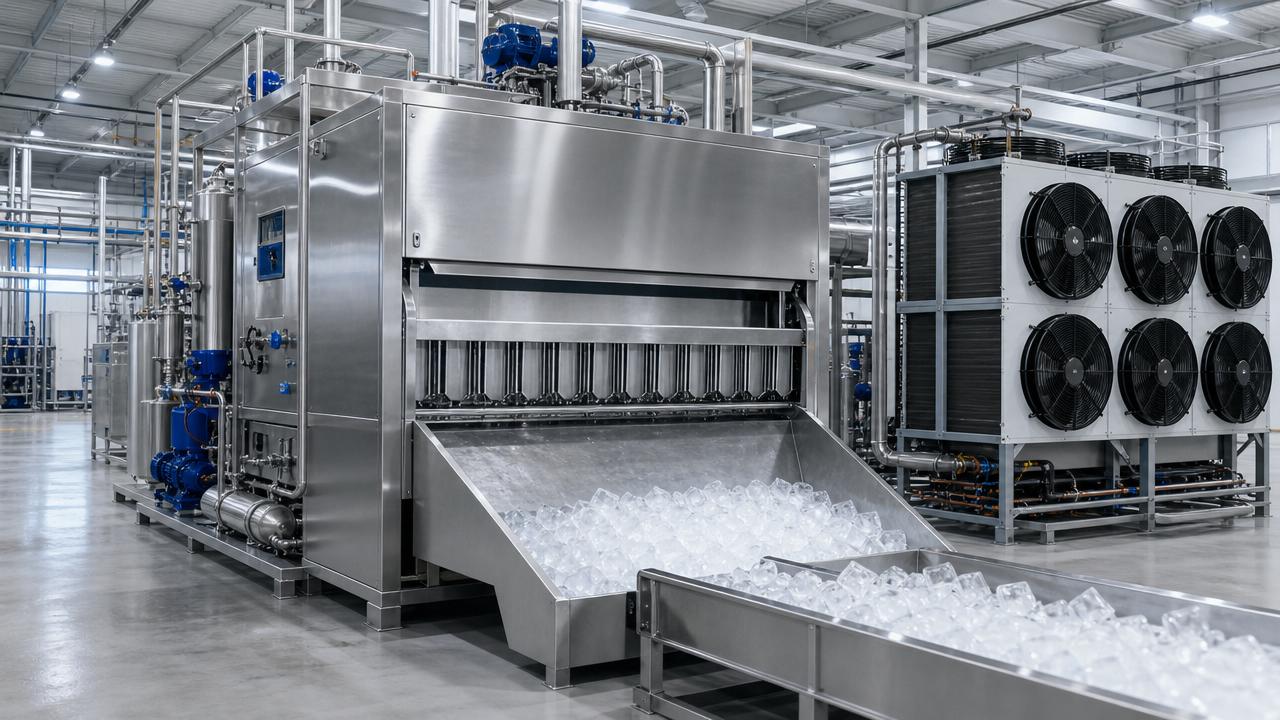
Beginning in May 2026, inquiry volume for tube ice machines with capacity of 100 tonnes per day or more rose 210% month-on-month in the Middle East. These units are primarily deployed for concrete temperature control during summer construction. Due to full utilization of core components—including spiral ice-making assemblies and stainless-steel evaporators—lead times from major Chinese manufacturers have extended from an average of 8 weeks to 14 weeks. Some manufacturers now permit advance payment to secure production slots.
Industries Affected
Export-Oriented Machinery Manufacturers
Manufacturers exporting tube ice machines face immediate pressure on delivery scheduling and component sourcing. The bottleneck lies not in final assembly but in constrained output of proprietary spiral compressors and certified food-grade evaporators—both subject to long procurement cycles and limited global supplier options.
Construction Equipment Distributors & Project Contractors
Distributors supplying cooling solutions to civil engineering contractors must now factor in longer lead times when tendering or planning site logistics. Delayed machine deployment may constrain concrete pouring windows—especially critical under high ambient temperatures where thermal cracking risks increase above 32°C.
Raw Material Suppliers (Stainless Steel, Copper Alloys)
Suppliers of grade 304/316 stainless steel tubing and copper-nickel alloy components report increased order visibility from ice machine OEMs. However, no broad-based price movement has been confirmed; current demand remains project-specific rather than systemic.
International Freight & Customs Service Providers
Forwarders handling heavy machinery shipments to GCC ports note rising requests for expedited customs clearance support and pre-arrival documentation verification—particularly for equipment classified under HS code 8418.69 (other refrigerating equipment). No regulatory changes have occurred, but administrative scrutiny appears elevated due to heightened shipment volumes.
What Stakeholders Should Monitor and Do Now
Track official project timelines and seasonal construction calendars
NEOM’s Phase II master schedule and Oman’s Duqm Port expansion milestones remain publicly updated. Contractors and suppliers should align procurement against verified quarterly construction phases—not just annual forecasts—to avoid misaligned ordering.
Verify component-level lead times—not just system-level quotes
Since delays stem from spiral ice-making modules and evaporator availability, buyers should request written confirmation of subcomponent lead times from suppliers, not only overall machine delivery dates. This helps identify true critical path constraints.
Secure production slots early via formal advance payment terms
Where contractually feasible, stakeholders should consider structured prepayment arrangements (e.g., 30% deposit with signed LOI) to lock in manufacturing capacity—especially for orders targeting Q3–Q4 2026 delivery windows.
Assess alternative cooling strategies for time-sensitive pours
For projects with tight deadlines, evaluating supplementary methods—such as chilled water injection or pre-cooled aggregates—may mitigate dependency on tube ice supply. These alternatives require coordination with concrete batching plants but do not eliminate the need for ice machines entirely.
Editorial Perspective / Industry Observation
Observably, this lead-time extension reflects localized supply chain strain—not systemic global shortage. It signals intensifying infrastructure-driven demand in climate-constrained geographies, rather than a broad-based shift in refrigeration technology adoption. Analysis shows the bottleneck is concentrated in two precision-engineered subsystems, suggesting scalability hinges more on targeted capacity investment than overall market growth. From an industry perspective, it is better understood as an operational inflection point: one highlighting how thermal management infrastructure is becoming a pacing item for mega-projects in hot regions—warranting closer integration between civil engineering planning and industrial cooling procurement.
Conclusion
This development underscores that industrial ice systems are increasingly mission-critical enablers—not ancillary equipment—for large-scale construction in extreme heat. It does not indicate a structural market shift, but rather a temporary capacity mismatch amid accelerated regional infrastructure rollout. Stakeholders are advised to treat the extended lead time as a logistical signal requiring proactive alignment—not a strategic trend requiring portfolio repositioning.
Source Attribution
Main source: Verified export order data and manufacturer lead-time updates reported by three Tier-1 Chinese tube ice machine exporters (name withheld per confidentiality agreement), as of May 30, 2026.
Points requiring ongoing observation: Potential downstream impact on concrete quality compliance reporting in GCC projects; possible emergence of regional assembly partnerships to shorten delivery cycles.
Recommended News
 Cold Chain & Retail Energy InsightsWhen Does Cold Storage Stop Saving Energy and Start Losing It?Analyst :Mr. Julian Thorne
 Thermodynamic Tech TrendsTemperature Control Problems That Quietly Ruin Product QualityAnalyst :Prof. Sarah Lin
 Cold Chain & Retail Energy InsightsCommercial Refrigeration Upgrades: Which Costs Are Easy to Miss?Analyst :Mr. Julian Thorne
 Flake Ice MachinesWhy Some Commercial Ice Machines Cost More After InstallationAnalyst :Commercial Ice Tech Fellow
 Multideck Display CabinetsCommercial Freezers: Is Lower Temperature Always Better?Analyst :Retail Refrigeration Strategist
 Precision ChillersIndustrial Chillers: What Causes Performance Gaps in Summer?Analyst :Industrial Cooling Architect
 Concrete Cooling Ice PlantsIndustrial Ice Makers: What Separates Stable Output From Downtime?Analyst :Commercial Ice Tech Fellow
 Cold Chain & Retail Energy InsightsCold Chain Logistics Failures Often Start With Small Temperature SwingsAnalyst :Mr. Julian Thorne
 Air/Water-cooled ScrewIndustrial Cooling Systems: When Oversizing Becomes a Cost ProblemAnalyst :Industrial Cooling Architect
 Flake Ice MachinesFlake Ice Machines vs Other Ice Types for Fast Heat RemovalAnalyst :Commercial Ice Tech Fellow
 Multideck Display CabinetsWhy Refrigeration Cabinets Lose Efficiency Faster Than ExpectedAnalyst :Retail Refrigeration Strategist
 Smart Evaporator SystemsTemperature Control Systems: Which Alerts Actually Prevent Losses?Analyst :Cold Chain Dynamics Scientist
 Tube Ice MachinesTube Ice Machines: What Affects Ice Uniformity and Melt Rate?Analyst :Commercial Ice Tech Fellow
 Parallel Compressor RacksIndustrial Refrigeration Retrofits: Repair or Replace This Year?Analyst :Cold Chain Dynamics Scientist
 CO2 Transcritical SystemsCO2 Refrigeration: Where It Pays Off and Where It Still StrugglesAnalyst :Cold Chain Dynamics Scientist
 Eco-Refrigerant & ComplianceF-Gas Regulations Are Changing Equipment Choices Faster Than ExpectedAnalyst :Dr. Henrik Weber
 Cascade Refrigeration SystemsWhy Refrigeration Systems Keep Short Cycling After CommissioningAnalyst :Cryogenic Preservation Expert
 Eco-Refrigerant & ComplianceEco-Friendly Refrigeration: What Looks Green but Performs Poorly?Analyst :Dr. Henrik Weber
 Eco-Refrigerant & ComplianceNatural Refrigerants: Are Compliance Benefits Worth the Transition Cost?Analyst :Dr. Henrik Weber
 Cold Chain & Retail Energy InsightsCold Storage Solutions That Fit Expansion Plans Without OverbuildingAnalyst :Mr. Julian Thorne
 CO2 Transcritical SystemsEU F-Gas Regulation Revision Effective Oct 2026, CO₂ Transcritical Certification Window NarrowsAnalyst :Cold Chain Dynamics Scientist
 Multideck Display CabinetsMIIT Launches 2026 Industrial Energy Conservation InspectionAnalyst :Retail Refrigeration Strategist
 -86℃ ULT FreezersGlobal Deep-Sea Tuna Fishing Season Starts Early; China’s -86°C ULT Vessel Orders Surge 300%Analyst :Cryogenic Preservation Expert
 Magnetic Bearing ChillersDOE Updates ASHRAE 90.1-2025 Appendix: Maglev Chiller Efficiency Up 12%Analyst :Industrial Cooling Architect
 Tube Ice MachinesMiddle East Heatwave Boosts Chinese Tube Ice Machine ExportsAnalyst :Commercial Ice Tech Fellow
 Air/Water-cooled ScrewWhen does a variable frequency screw cut cooling costs?Analyst :Industrial Cooling Architect
 -86℃ ULT FreezersWhy is medical cryogenic storage under stricter review?Analyst :Cryogenic Preservation Expert
 Multideck Display CabinetsCan air curtain refrigeration really reduce display losses?Analyst :Retail Refrigeration Strategist
 Flake Ice MachinesWhat affects flake ice production more than output specs?Analyst :Commercial Ice Tech Fellow
 Deep-sea Fishery FreezersDeep cryogenic storage failures often start unnoticedAnalyst :Cryogenic Preservation Expert
 Microclimate ModulesHow anti-fog technology changes cold display performanceAnalyst :Retail Refrigeration Strategist
 Cold Chain & Retail Energy InsightsEnergy efficient cooling is not always the cheaper optionAnalyst :Mr. Julian Thorne
 Eco-Refrigerant & ComplianceWhat drives low carbon refrigeration adoption in 2026?Analyst :Dr. Henrik Weber
 Magnetic Bearing ChillersAre magnetic bearing chillers worth the upfront premium?Analyst :Industrial Cooling Architect
 Cold Chain & Retail Energy InsightsCold chain technology gaps still cause avoidable spoilageAnalyst :Mr. Julian Thorne
 CO2 Transcritical SystemsEU Imposes Final Anti-Dumping Duty on Chinese Adipic AcidAnalyst :Cold Chain Dynamics Scientist
 Multideck Display CabinetsColombia Launches Anti-Dumping Sunset Review on Chinese Acrylic SheetsAnalyst :Retail Refrigeration Strategist
 Magnetic Bearing ChillersMIIT Launches 2026 Industrial Energy Conservation InspectionAnalyst :Industrial Cooling Architect
 Cold Chain & Retail Energy InsightsAPEC Auto Dialogue Sets New Standards for Smart Cold-Chain TrailersAnalyst :Mr. Julian Thorne
 Concrete Cooling Ice PlantsGlobal LNG Shortage Drives 23% Rise in Industrial Gas Costs for Ice PlantsAnalyst :Commercial Ice Tech Fellow