Industry News
Curation by industry experts
Hot Articles
- Thermodynamic Tech TrendsHow to Size Heat Exchange Systems for Refrigeration Plants at Peak Load
- Parallel Compressor RacksHow to Size Reciprocating Compressors for Cold Storage Load and Temperature Range
- Flake Ice MachinesHow to Size a Commercial Ice Dispenser for Peak Demand in Foodservice Operations
Popular Tags
Vietnam Mandates R22/R134a Disclosure for Used Refrigeration Equipment
Vietnam’s Ministry of Industry and Trade issued new import requirements on May 27, 2026, directly impacting exporters of used commercial refrigeration equipment from China and other countries—particularly those supplying cold rooms, island display cabinets, and compressor units to Southeast Asian markets.
New Regulatory Requirement Effective May 2026
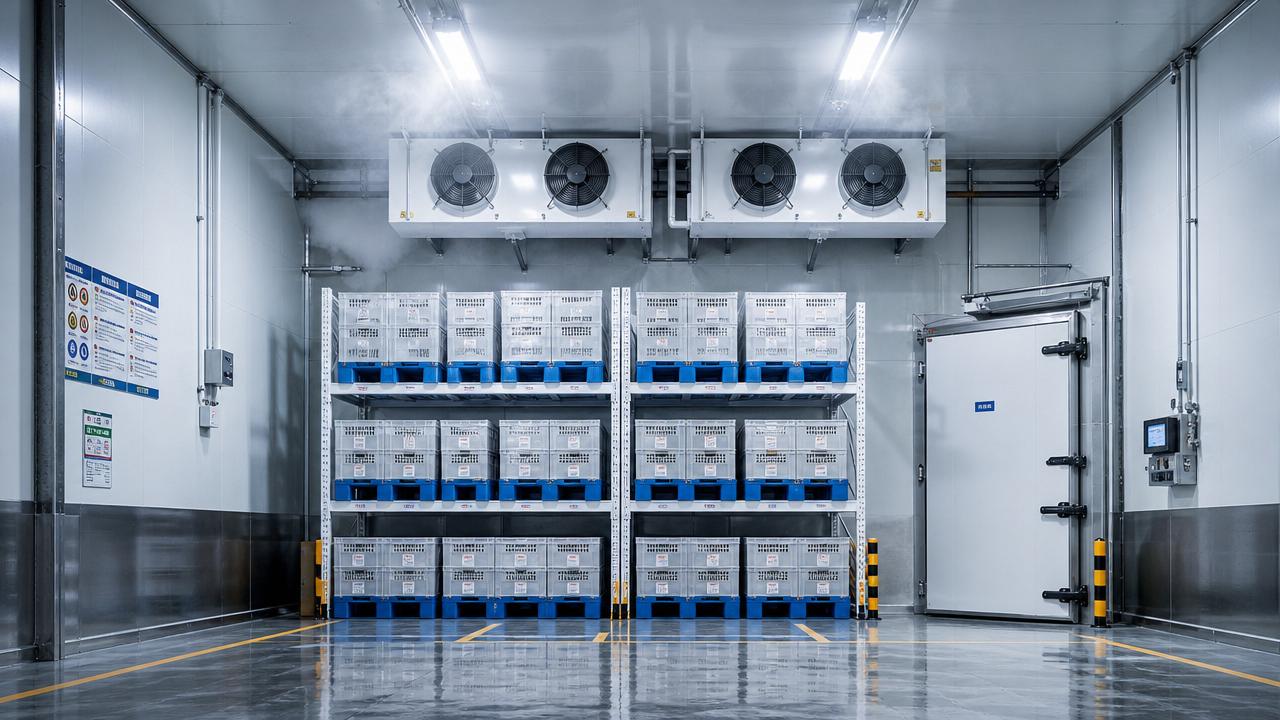
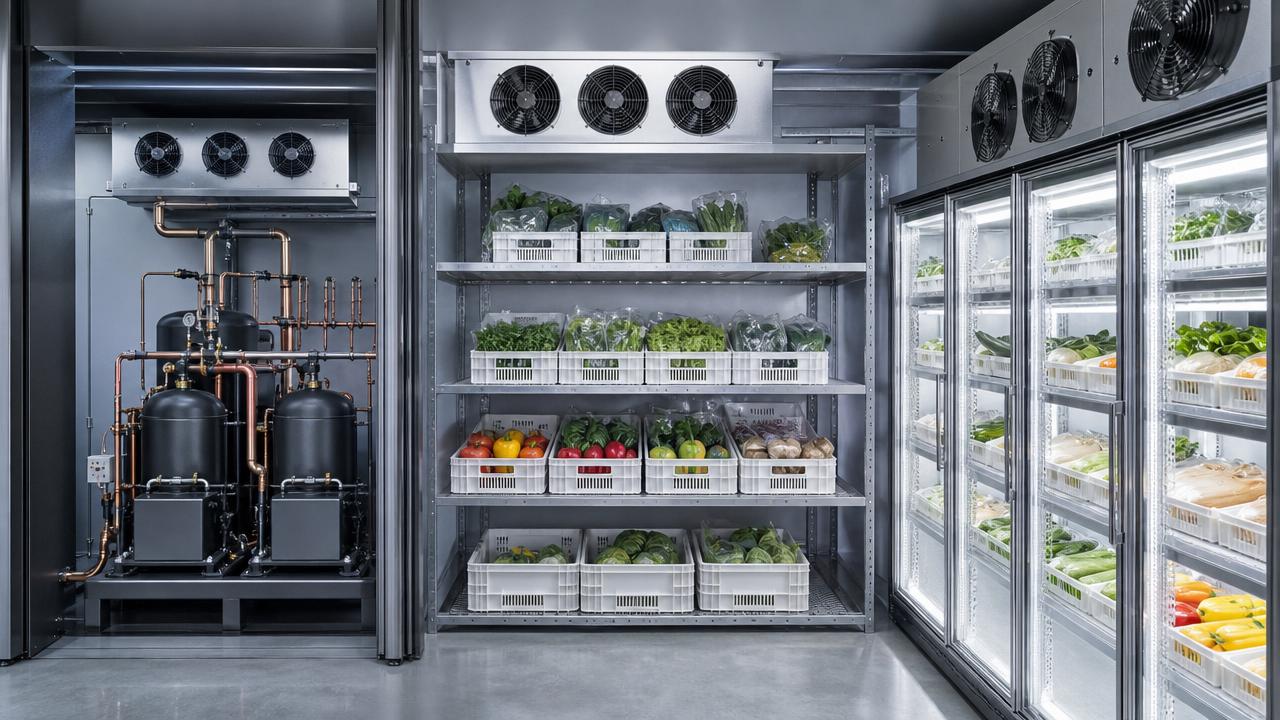
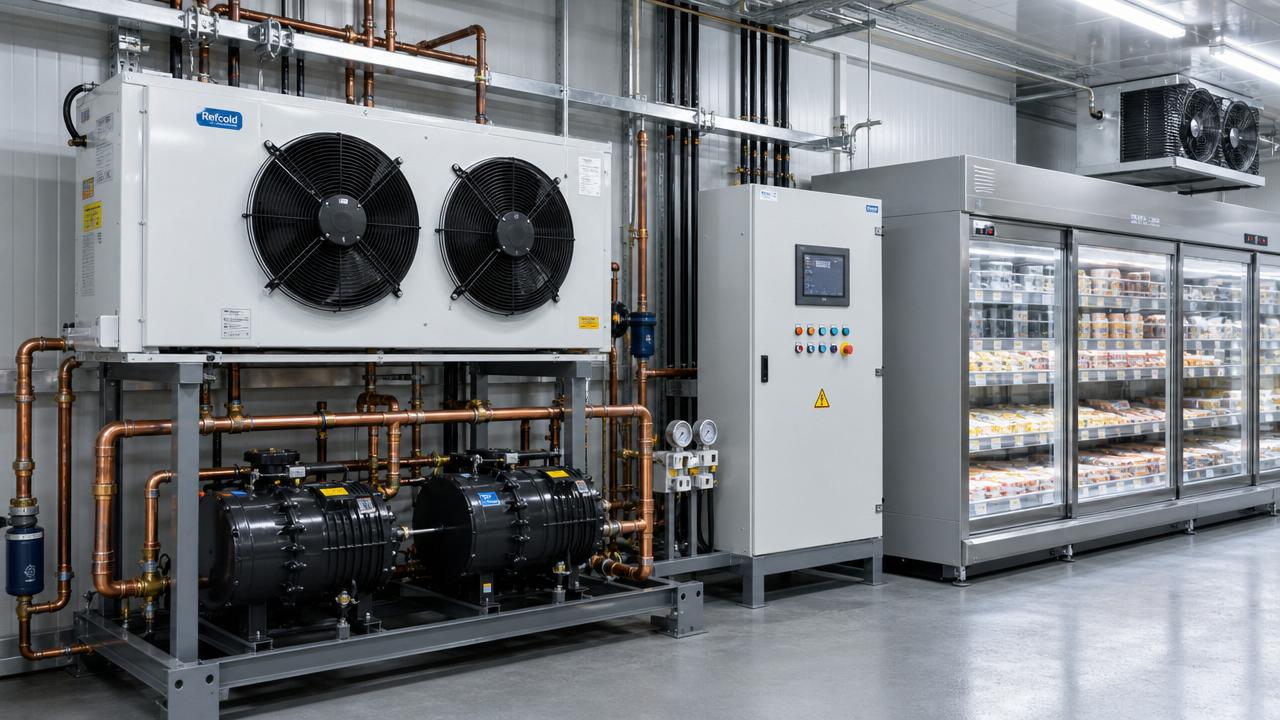
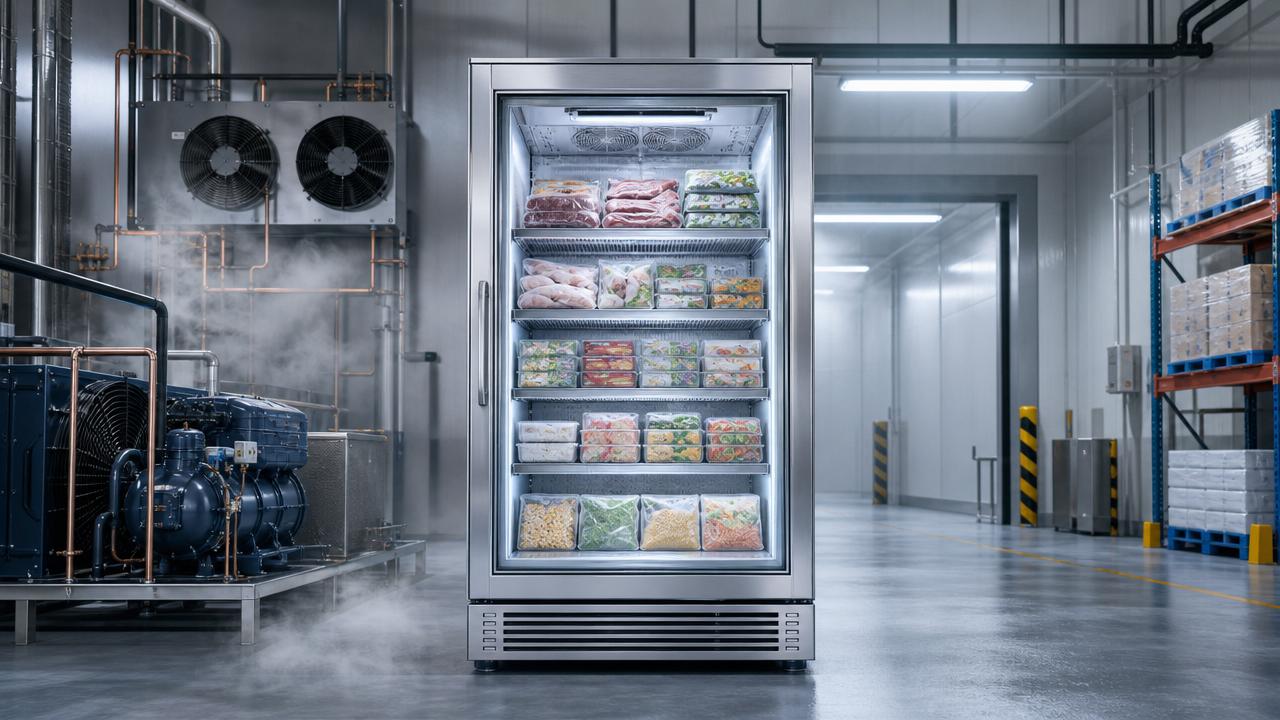
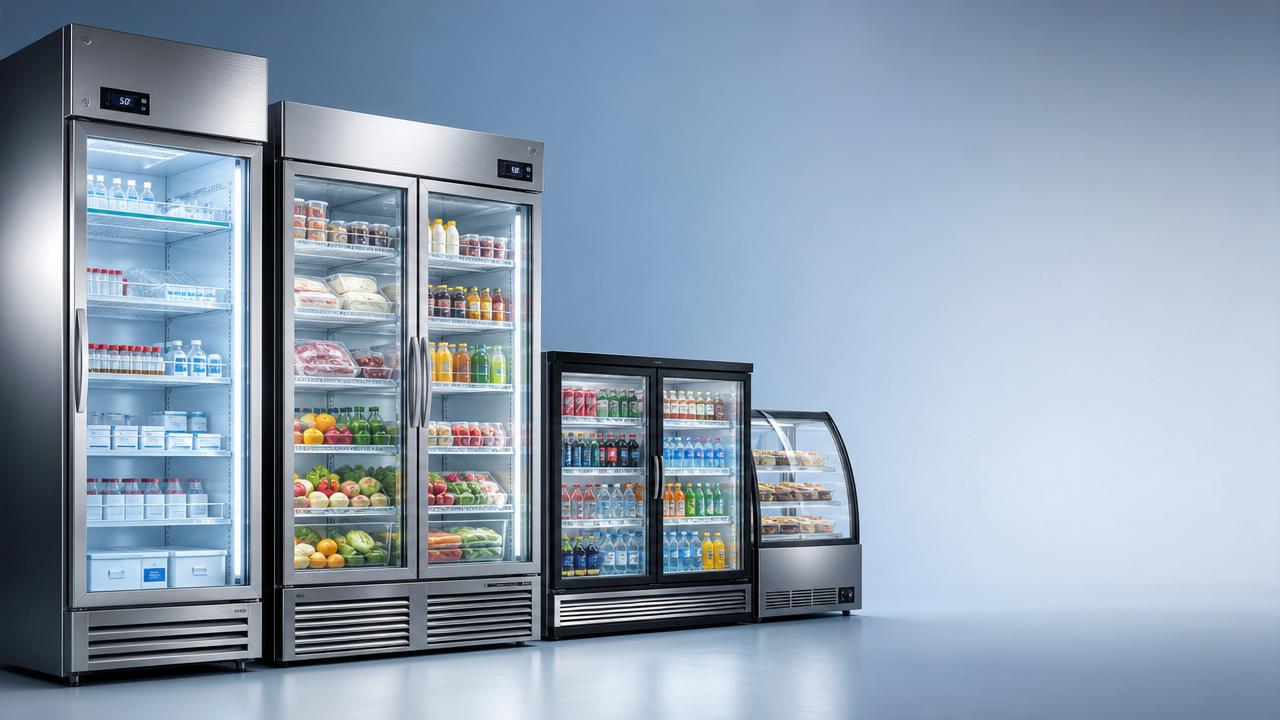
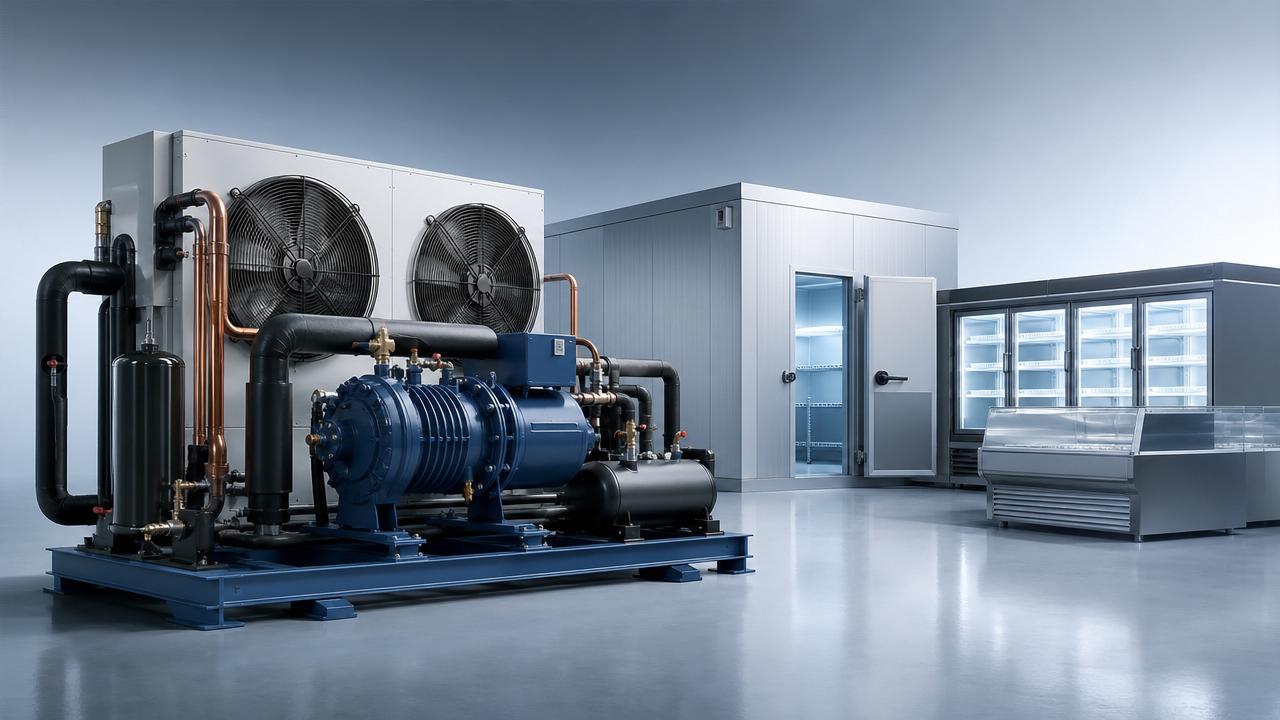
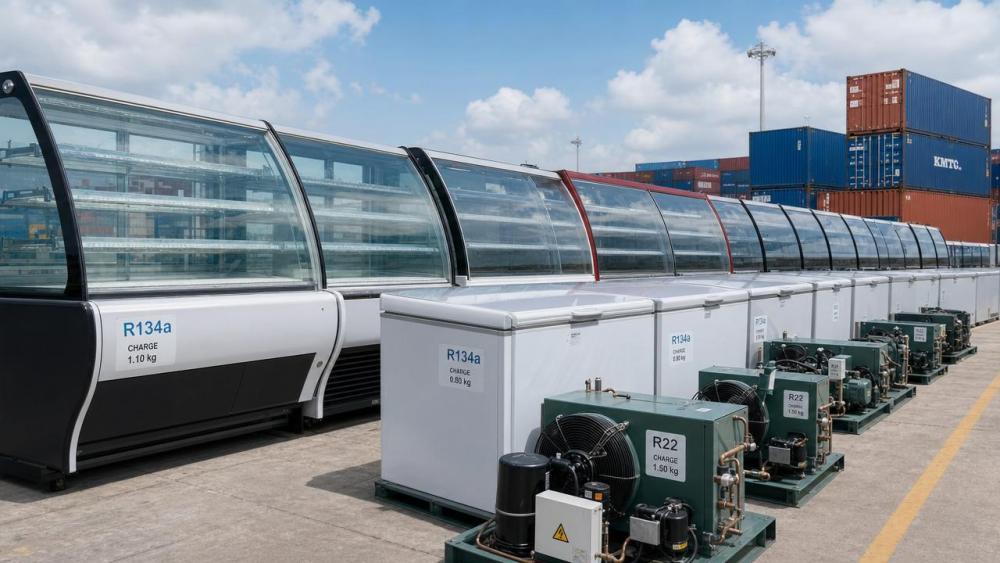
On May 27, 2026, Vietnam’s Ministry of Industry and Trade released the Guidance on Refrigeration Equipment Import Component Disclosure. The regulation mandates that all used commercial refrigeration equipment containing controlled hydrofluorocarbons—including R22 and R134a—must be accompanied by a third-party test report at customs clearance. This report must clearly specify the type and charge quantity of refrigerant used in cold cabinets, cold storage compressor units, and island display cabinets.
Impact Across the Refrigeration Equipment Value Chain
Exporters and Trading Companies
Direct trade enterprises face higher compliance costs due to mandatory third-party testing, documentation preparation, and potential delays at Vietnamese ports. Non-compliant shipments risk rejection or return, disrupting delivery schedules and contractual obligations.
Supply Chain Service Providers
Logistics and customs brokerage firms must now integrate refrigerant verification into pre-clearance workflows. They are expected to coordinate with certified labs and verify technical documentation before shipment—adding complexity to standard operating procedures.
Manufacturers and Refurbishers
While the rule targets used equipment, manufacturers supplying refurbished units must ensure traceability of original refrigerant specifications and support updated technical dossiers—even for legacy models no longer in production.
Regional Distributors and Channel Partners
South East Asian distributors relying on flexible inventory turnover may need to revise procurement cycles and increase buffer stock for compliant units, as lead times for testing and documentation extend overall supply chain responsiveness.
Key Compliance Actions for Exporting Firms
Refrigerant Verification and Third-Party Testing
Confirm refrigerant type (e.g., R22, R134a) and exact charge volume for each unit prior to export; engage ISO/IEC 17025-accredited laboratories for official reports acceptable under Vietnamese customs protocols.
Documentation Alignment with Vietnamese Requirements
Update technical files—including nameplates, service manuals, and test certificates—to explicitly state refrigerant composition and quantity in English and Vietnamese, where applicable.
Risk Mitigation in Shipment Planning
Factor in 7–10 additional working days for testing, reporting, and customs review; consider pre-submission of documentation to Vietnamese authorities where feasible to avoid port-side hold-ups.
Supplier and Refurbishment Partner Due Diligence
Audit upstream refurbishers’ refrigerant handling records and recharging practices to ensure consistency with disclosure obligations—especially for units sourced from multiple regional depots.
Industry Observation: A Shift Toward Technical Transparency
Analysis shows this requirement reflects a broader regional trend toward stricter environmental accountability in refrigerant management—not merely as a climate measure, but as a de facto technical barrier to entry. Observably, such disclosures are increasingly treated as foundational data for lifecycle tracking, safety assessment, and ozone-depleting substance (ODS) phase-out enforcement. It is more appropriate to understand this as an early signal of tighter integration between ASEAN environmental policy and trade facilitation frameworks—where technical documentation is no longer ancillary, but central to market access.
Strategic Implication for Global Refrigeration Trade
This regulation underscores how environmental compliance is evolving from a post-sale certification issue into a core precondition for cross-border equipment movement. For exporters, it signals the need to institutionalize refrigerant data governance—not just for Vietnam, but as a scalable practice aligned with global HFC phase-down commitments under the Kigali Amendment. Long-term competitiveness will depend less on price alone and more on verifiable, auditable technical transparency across the used-equipment value chain.
Source Information and Ongoing Monitoring
This article is based solely on the provided title, event date (May 27, 2026), and summary description. Specific official source links were not provided in the input and should be verified continuously. Stakeholders are advised to monitor upcoming implementation notices from Vietnam’s General Department of Vietnam Customs and updates to the Guidance on Refrigeration Equipment Import Component Disclosure, including enforcement timelines, accepted testing standards (e.g., ISO 8573, ASTM D2712), and possible exemptions for low-charge units. Industry feedback, lab accreditation lists, and customs interpretation bulletins remain critical for operational readiness.
Recommended News
 Cold Chain & Retail Energy InsightsWhen Does Cold Storage Stop Saving Energy and Start Losing It?Analyst :Mr. Julian Thorne
 Thermodynamic Tech TrendsTemperature Control Problems That Quietly Ruin Product QualityAnalyst :Prof. Sarah Lin
 Cold Chain & Retail Energy InsightsCommercial Refrigeration Upgrades: Which Costs Are Easy to Miss?Analyst :Mr. Julian Thorne
 Flake Ice MachinesWhy Some Commercial Ice Machines Cost More After InstallationAnalyst :Commercial Ice Tech Fellow
 Multideck Display CabinetsCommercial Freezers: Is Lower Temperature Always Better?Analyst :Retail Refrigeration Strategist
 Precision ChillersIndustrial Chillers: What Causes Performance Gaps in Summer?Analyst :Industrial Cooling Architect
 Concrete Cooling Ice PlantsIndustrial Ice Makers: What Separates Stable Output From Downtime?Analyst :Commercial Ice Tech Fellow
 Cold Chain & Retail Energy InsightsCold Chain Logistics Failures Often Start With Small Temperature SwingsAnalyst :Mr. Julian Thorne
 Air/Water-cooled ScrewIndustrial Cooling Systems: When Oversizing Becomes a Cost ProblemAnalyst :Industrial Cooling Architect
 Flake Ice MachinesFlake Ice Machines vs Other Ice Types for Fast Heat RemovalAnalyst :Commercial Ice Tech Fellow
 Multideck Display CabinetsWhy Refrigeration Cabinets Lose Efficiency Faster Than ExpectedAnalyst :Retail Refrigeration Strategist
 Smart Evaporator SystemsTemperature Control Systems: Which Alerts Actually Prevent Losses?Analyst :Cold Chain Dynamics Scientist
 Tube Ice MachinesTube Ice Machines: What Affects Ice Uniformity and Melt Rate?Analyst :Commercial Ice Tech Fellow
 Parallel Compressor RacksIndustrial Refrigeration Retrofits: Repair or Replace This Year?Analyst :Cold Chain Dynamics Scientist
 CO2 Transcritical SystemsCO2 Refrigeration: Where It Pays Off and Where It Still StrugglesAnalyst :Cold Chain Dynamics Scientist
 Eco-Refrigerant & ComplianceF-Gas Regulations Are Changing Equipment Choices Faster Than ExpectedAnalyst :Dr. Henrik Weber
 Cascade Refrigeration SystemsWhy Refrigeration Systems Keep Short Cycling After CommissioningAnalyst :Cryogenic Preservation Expert
 Eco-Refrigerant & ComplianceEco-Friendly Refrigeration: What Looks Green but Performs Poorly?Analyst :Dr. Henrik Weber
 Eco-Refrigerant & ComplianceNatural Refrigerants: Are Compliance Benefits Worth the Transition Cost?Analyst :Dr. Henrik Weber
 Cold Chain & Retail Energy InsightsCold Storage Solutions That Fit Expansion Plans Without OverbuildingAnalyst :Mr. Julian Thorne
 CO2 Transcritical SystemsEU F-Gas Regulation Revision Effective Oct 2026, CO₂ Transcritical Certification Window NarrowsAnalyst :Cold Chain Dynamics Scientist
 Multideck Display CabinetsMIIT Launches 2026 Industrial Energy Conservation InspectionAnalyst :Retail Refrigeration Strategist
 -86℃ ULT FreezersGlobal Deep-Sea Tuna Fishing Season Starts Early; China’s -86°C ULT Vessel Orders Surge 300%Analyst :Cryogenic Preservation Expert
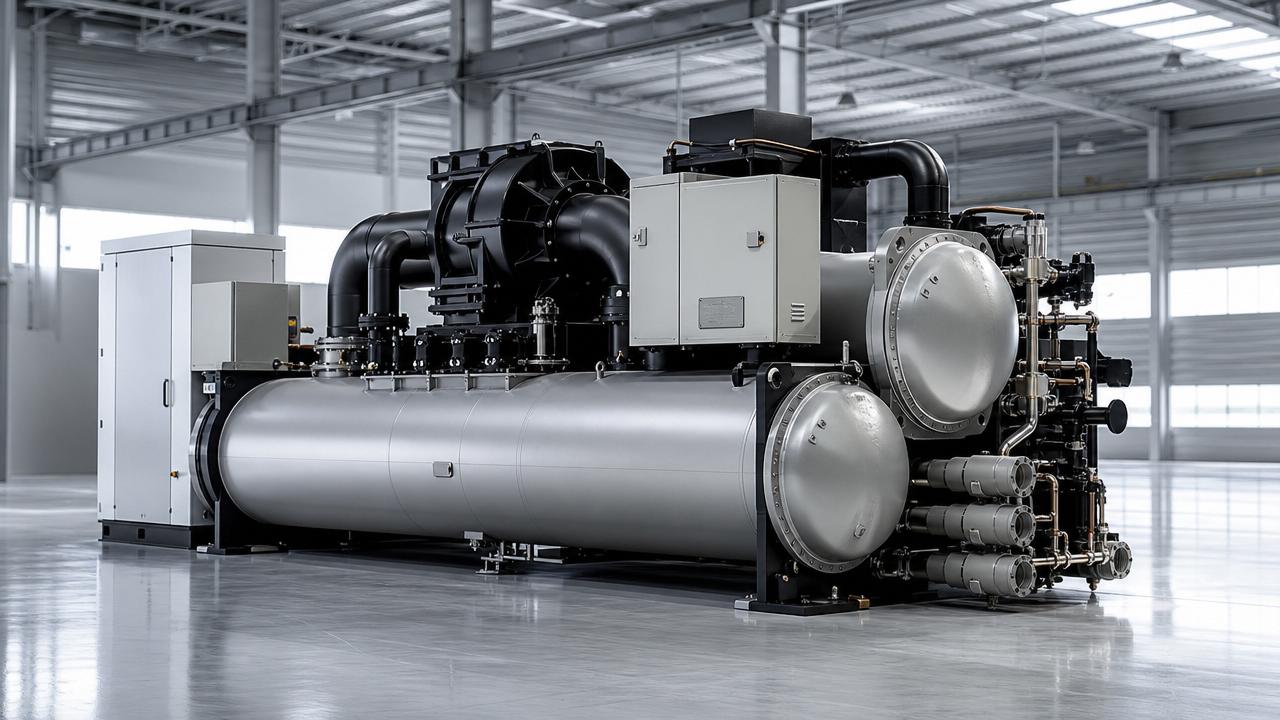
 Magnetic Bearing ChillersDOE Updates ASHRAE 90.1-2025 Appendix: Maglev Chiller Efficiency Up 12%Analyst :Industrial Cooling Architect
 Tube Ice MachinesMiddle East Heatwave Boosts Chinese Tube Ice Machine ExportsAnalyst :Commercial Ice Tech Fellow
 Air/Water-cooled ScrewWhen does a variable frequency screw cut cooling costs?Analyst :Industrial Cooling Architect
 -86℃ ULT FreezersWhy is medical cryogenic storage under stricter review?Analyst :Cryogenic Preservation Expert
 Multideck Display CabinetsCan air curtain refrigeration really reduce display losses?Analyst :Retail Refrigeration Strategist
 Flake Ice MachinesWhat affects flake ice production more than output specs?Analyst :Commercial Ice Tech Fellow
 Deep-sea Fishery FreezersDeep cryogenic storage failures often start unnoticedAnalyst :Cryogenic Preservation Expert
 Microclimate ModulesHow anti-fog technology changes cold display performanceAnalyst :Retail Refrigeration Strategist
 Cold Chain & Retail Energy InsightsEnergy efficient cooling is not always the cheaper optionAnalyst :Mr. Julian Thorne
 Eco-Refrigerant & ComplianceWhat drives low carbon refrigeration adoption in 2026?Analyst :Dr. Henrik Weber
 Magnetic Bearing ChillersAre magnetic bearing chillers worth the upfront premium?Analyst :Industrial Cooling Architect
 Cold Chain & Retail Energy InsightsCold chain technology gaps still cause avoidable spoilageAnalyst :Mr. Julian Thorne
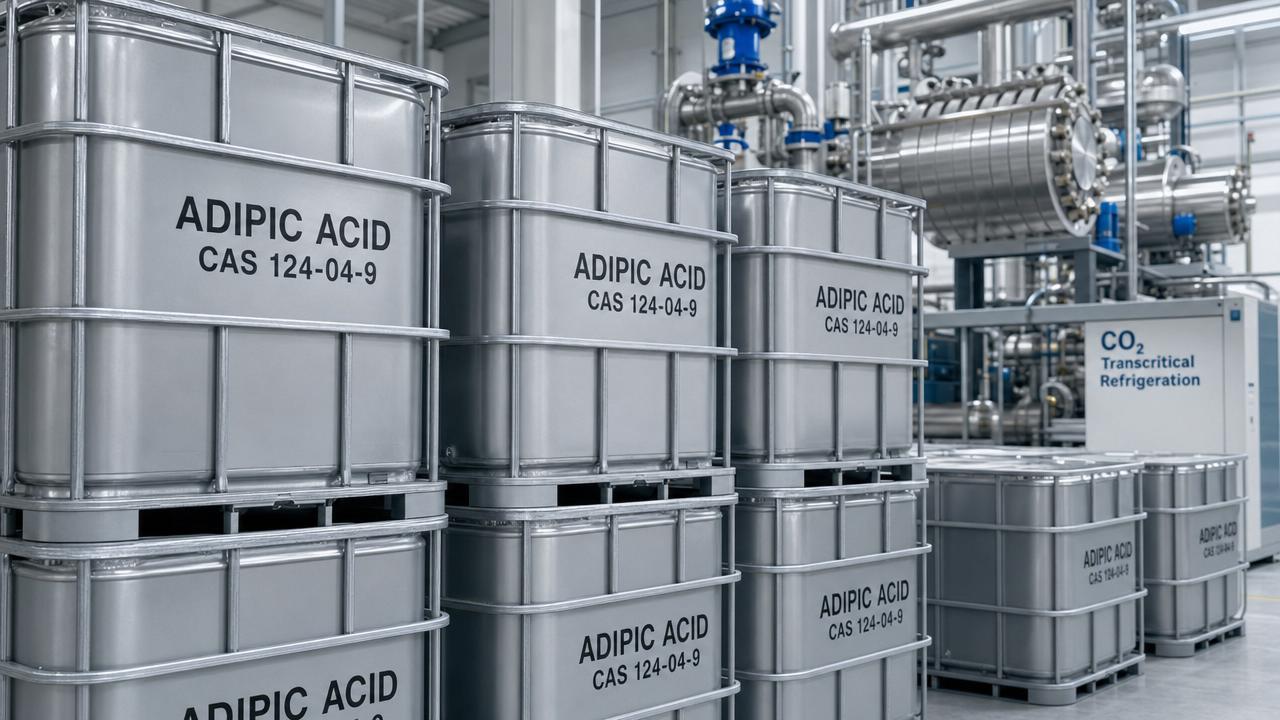
 CO2 Transcritical SystemsEU Imposes Final Anti-Dumping Duty on Chinese Adipic AcidAnalyst :Cold Chain Dynamics Scientist
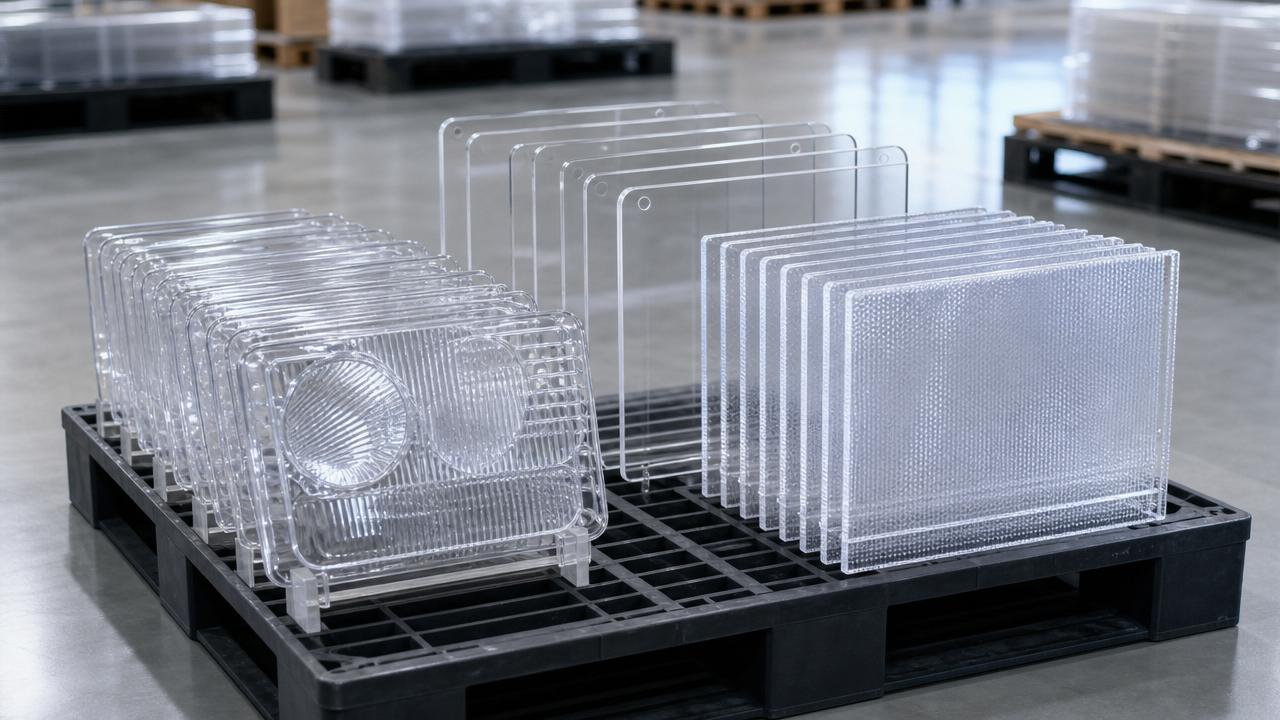
 Multideck Display CabinetsColombia Launches Anti-Dumping Sunset Review on Chinese Acrylic SheetsAnalyst :Retail Refrigeration Strategist
 Magnetic Bearing ChillersMIIT Launches 2026 Industrial Energy Conservation InspectionAnalyst :Industrial Cooling Architect
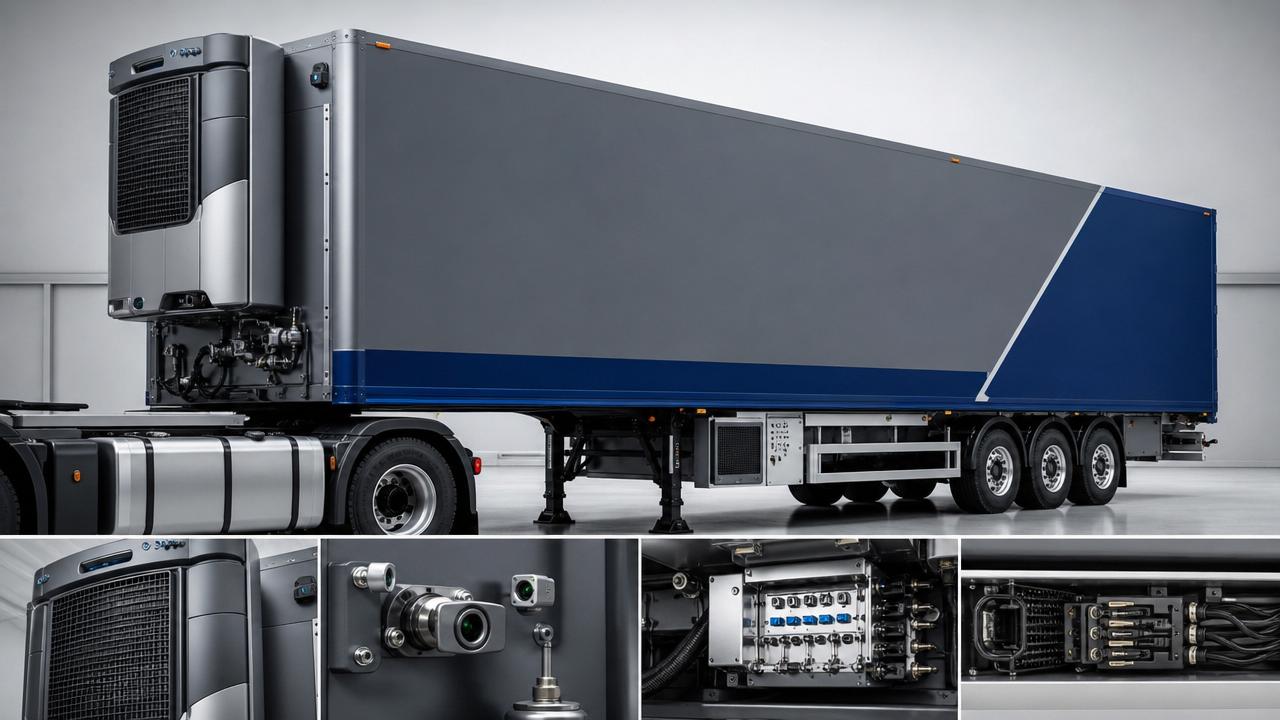
 Cold Chain & Retail Energy InsightsAPEC Auto Dialogue Sets New Standards for Smart Cold-Chain TrailersAnalyst :Mr. Julian Thorne
 Concrete Cooling Ice PlantsGlobal LNG Shortage Drives 23% Rise in Industrial Gas Costs for Ice PlantsAnalyst :Commercial Ice Tech Fellow